
Plenty of hardware that once came with every new car is slipping out of showrooms without much announcement. Cost, weight, aerodynamics, pedestrian safety and changing technology are the usual reasons behind each disappearance. Here are thirteen features that drivers relied on for decades and that new models increasingly leave off.
1. Spare tire: Missing From the Trunk
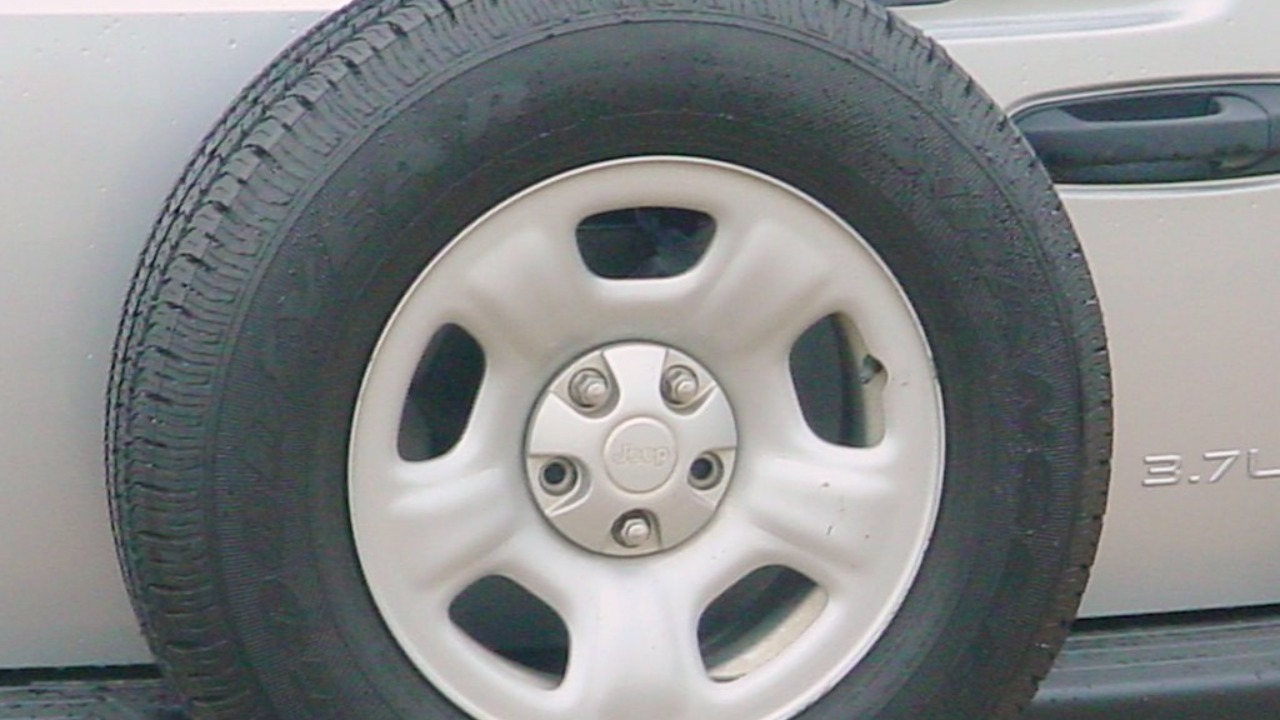
The spare was already fading years ago. A AAA review of spares found that nearly one-third, or 28 percent, of 2017 model year vehicles did not come with a spare tire as standard equipment. Automakers have generally traded the full-size wheel for other arrangements, freeing up cargo space and trimming weight.
For buyers, the practical lesson is to check what sits under the cargo floor before signing the paperwork. A car without a spare leaves a flat tire as a roadside-assistance problem, and an owner who wants a spare may need to confirm whether one can be added and what it costs.
2. Manual transmission: The Third Pedal Fades
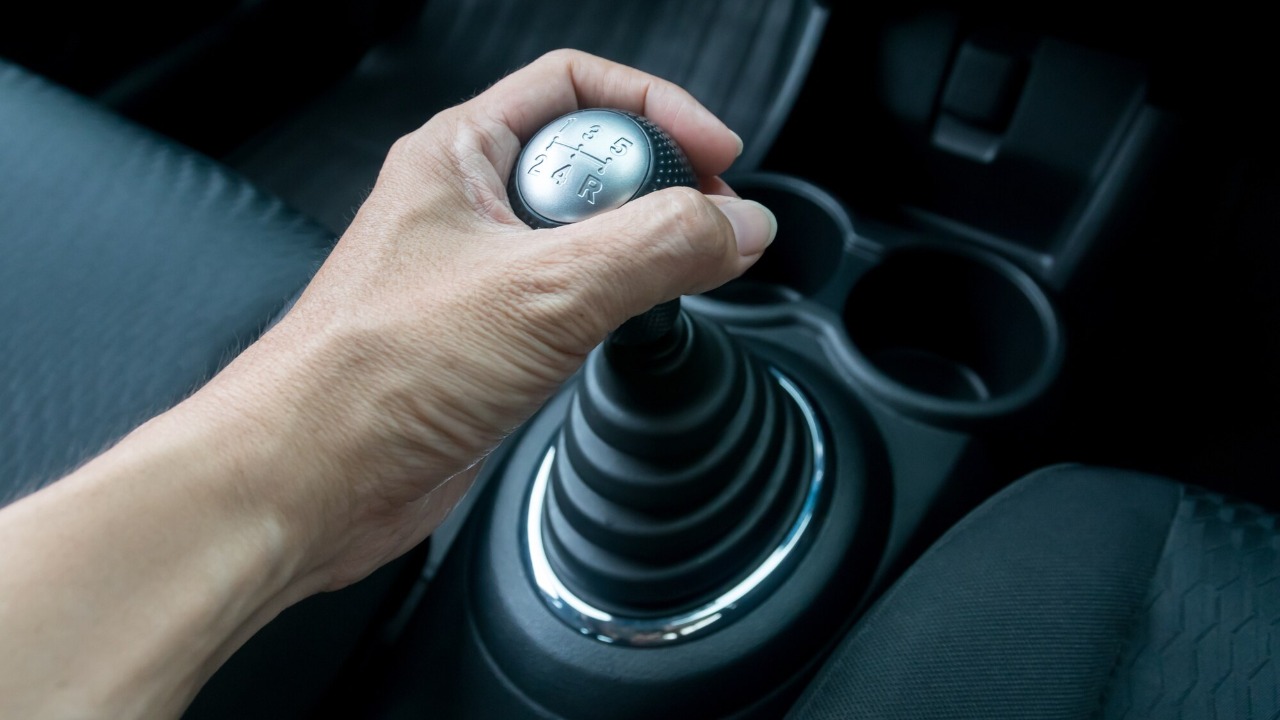
Few changes show the shift as clearly as the gearbox. Per EPA data cited in a Gear Patrol list of vanishing features, manuals were fitted to almost 35% of new vehicles in 1980, yet they have made up under 1% of production since the 2021 model year.
Anyone who still wants to row their own gears faces a shrinking menu, because the share has fallen so far in four decades. Shoppers who insist on a clutch pedal should expect to search carefully and to compare trims, since fewer cars are built with one than at any point in the EPA figures.
3. Car key: No Metal Required
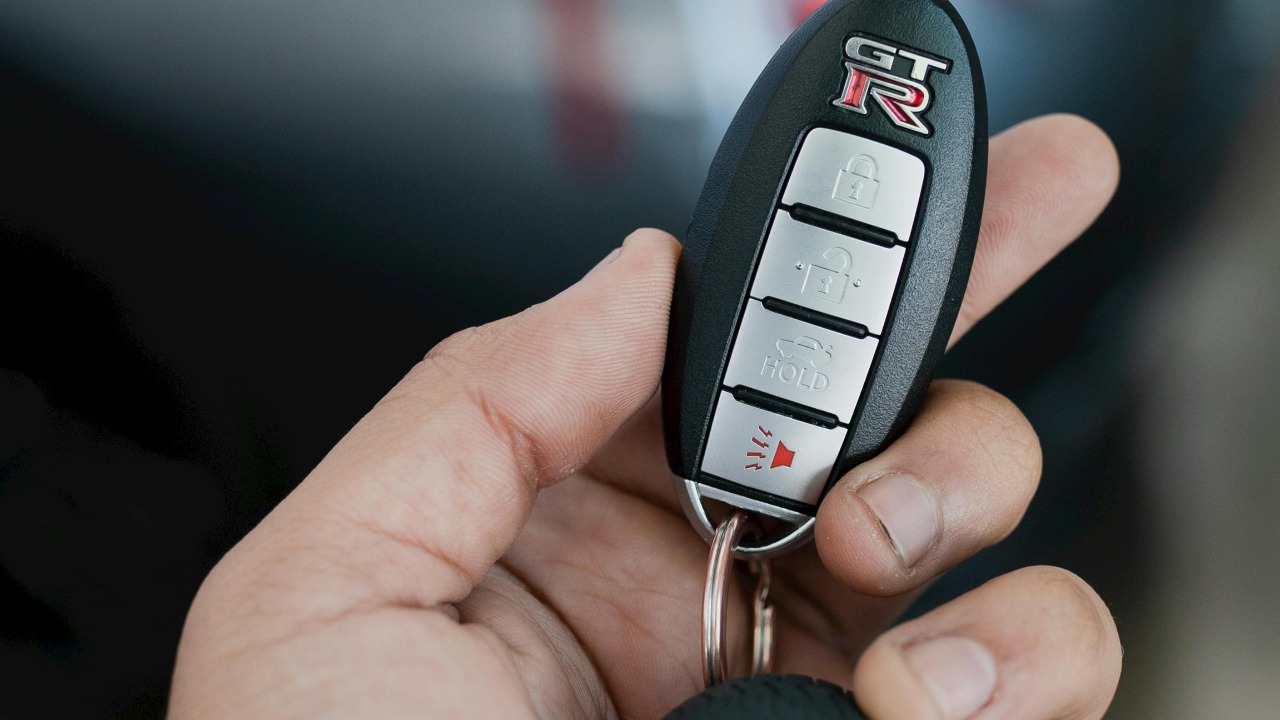
Even the humble key is on its way out. According to the same Gear Patrol roundup, many automakers are now doing away with keys altogether in favor of NFC cards and smartphone-enabled access, so the car recognizes a card or a phone instead of a cut piece of metal.
The convenience comes with a new habit to build. A phone with a dead battery or a misplaced card becomes the thing that stands between an owner and the driver’s seat, so it is worth learning what backup method a particular model offers before relying on it.
4. Hubcap: Bare Steel Gives Way to Alloy
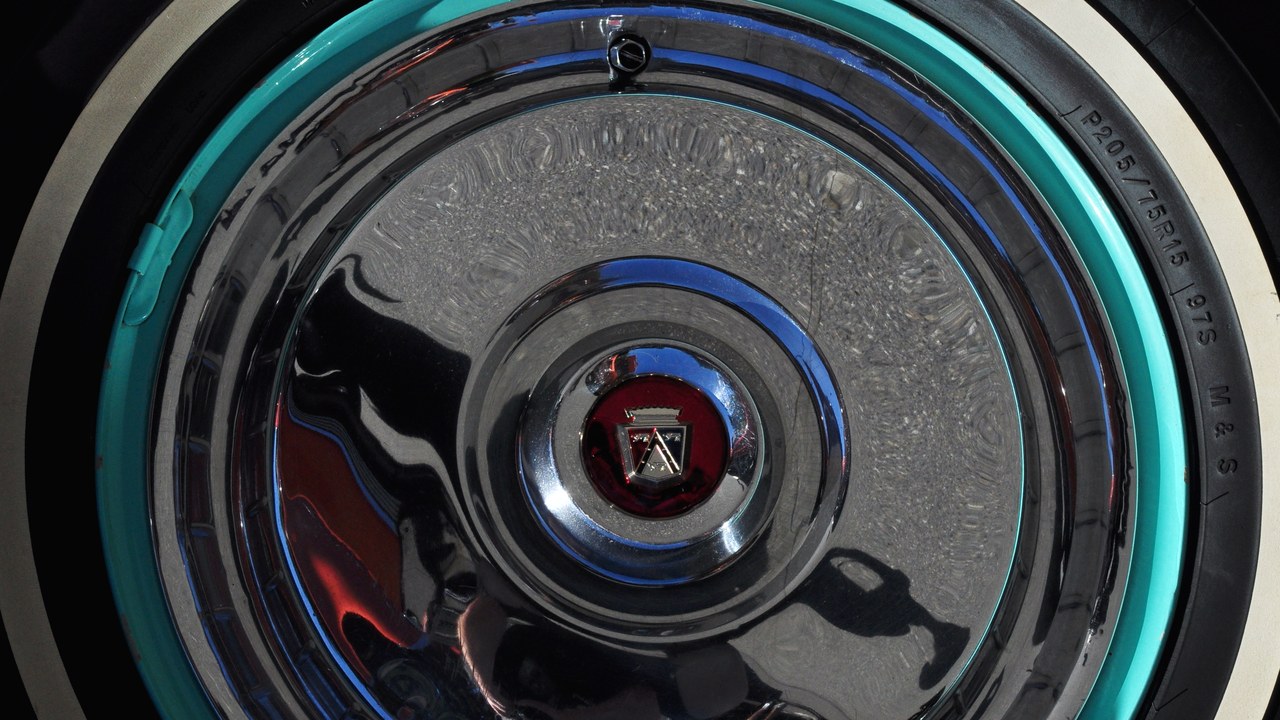
Hubcaps once hid the plain steel wheels on base models. That arrangement is fading because even affordable cars, as a Gear Patrol feature notes, are increasingly featuring alloy rims, which are designed to be seen rather than covered up by a plastic or metal disc.
Shoppers lose little in appearance, since a finished alloy wheel needs no cover at all. Anyone buying used should expect hubcaps on older economy cars and bare, finished wheels on newer ones, and should check which style a particular trim level actually carries.
5. CD player: Streaming Pushes It Out
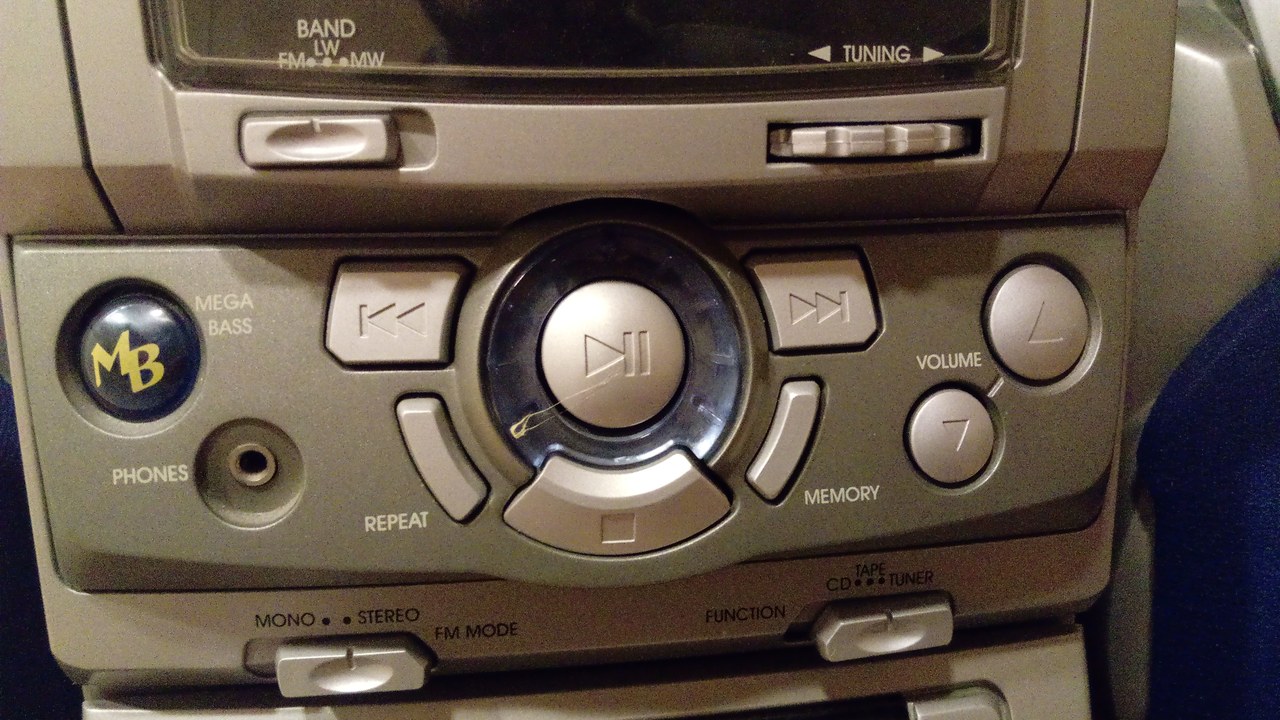
The dashboard disc slot has mostly given way to wireless and wired connections. Aux, USB and Bluetooth have largely replaced it, according to Gear Patrol’s extinction list, though the Subaru Forester and Lexus RC still offer a disc changer.
Owners with a shelf of albums on disc should treat that as a deciding detail, since the exceptions are few. For everyone else, a phone and a cable or Bluetooth pairing covers the same ground, and the lost slot frees dashboard space for screens and controls.
6. Cigarette lighter: Now Just a Power Socket
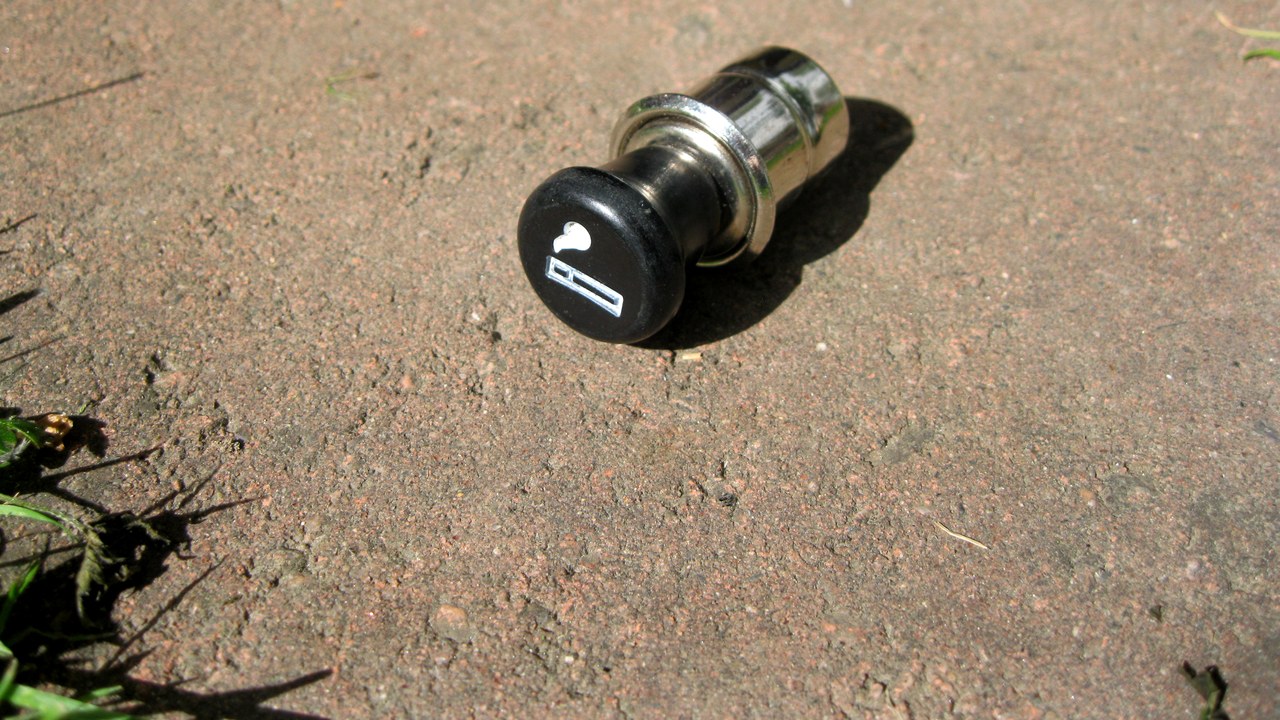
The glowing coil has turned into a charging port. In the words of a Quartz look at old features, cigarette lighters have made way for plastic plugs for 12V outlets, so the round socket remains but the heating element does not.
Because the socket is still there, phone chargers and small accessories keep working in most cars. The practical change is that anyone who actually wants to light something in a new vehicle needs to carry a separate lighter or match.
7. Whip antenna: Sharks Replace Rods
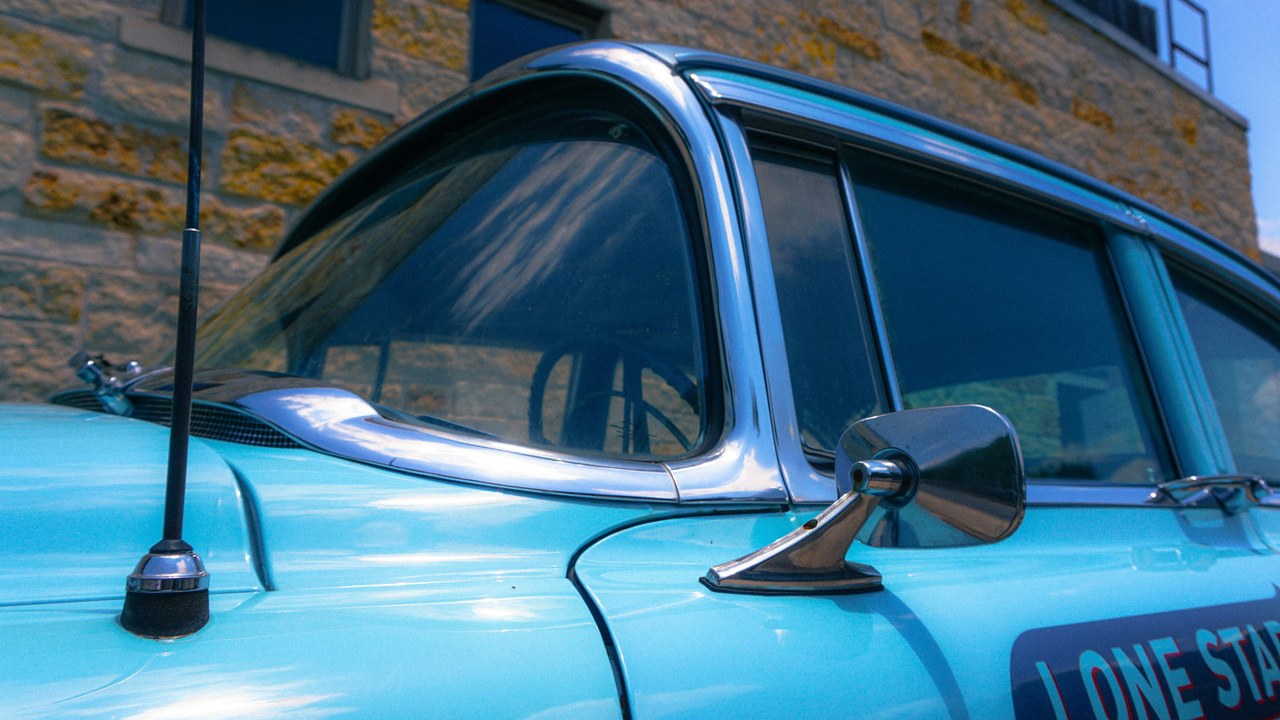
The tall rod that once rose from a fender is retreating. A CarGurus feature on extinct features says traditional whip antennas are giving way to shark-fin antennas mounted above rear windows and to hidden units tucked out of sight.
One everyday benefit follows from the redesign, because a fin or hidden unit does not stand tall above the bodywork the way a long rod does. Owners should still look at where a given model places its antenna, since the position varies from one car to the next.
8. Volume knob: Touchscreens Take Over
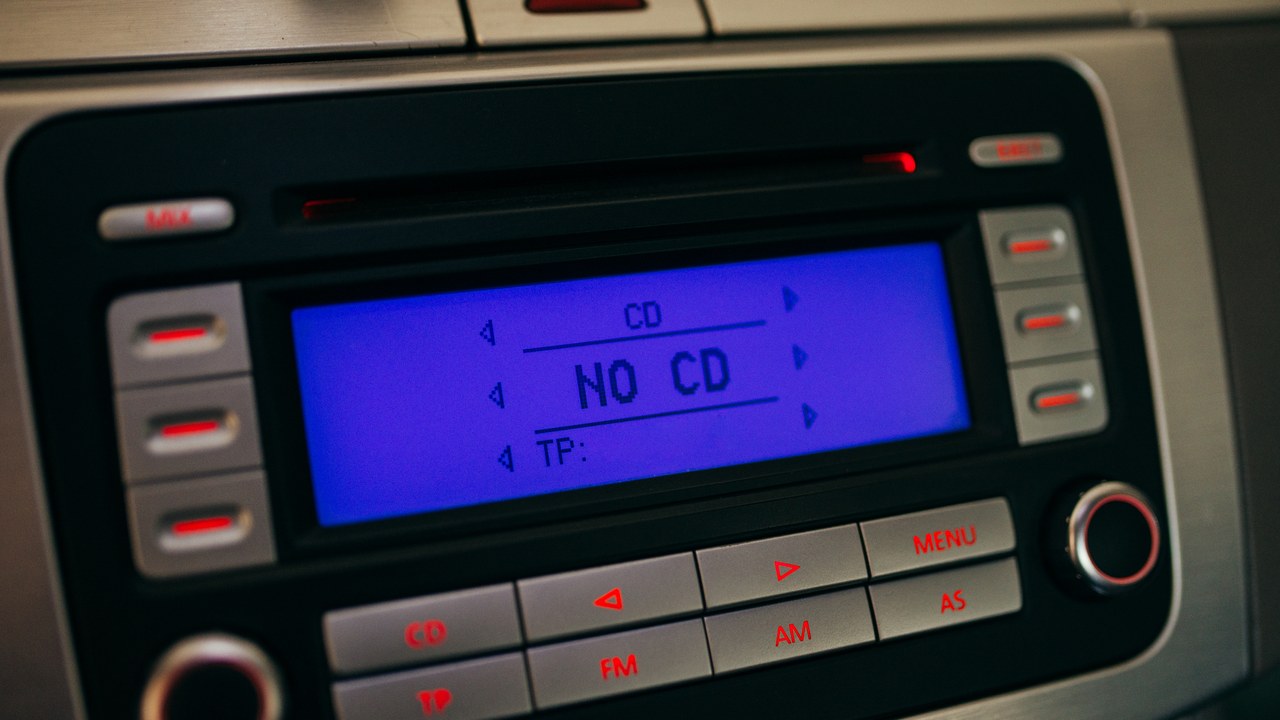
Sometimes drivers push back and win. The CarGurus article on disappearing features recalls that Honda tried removing the volume knob from some of its most popular vehicles a few years ago, then restored it after complaints.
The episode suggests that a physical control can be worth keeping, and it gives shoppers a test to apply in the showroom. Before buying, an owner can try adjusting the sound with the car’s own controls, and decide whether a touchscreen is an acceptable substitute.
9. Analog gauges: Needles Become Pixels
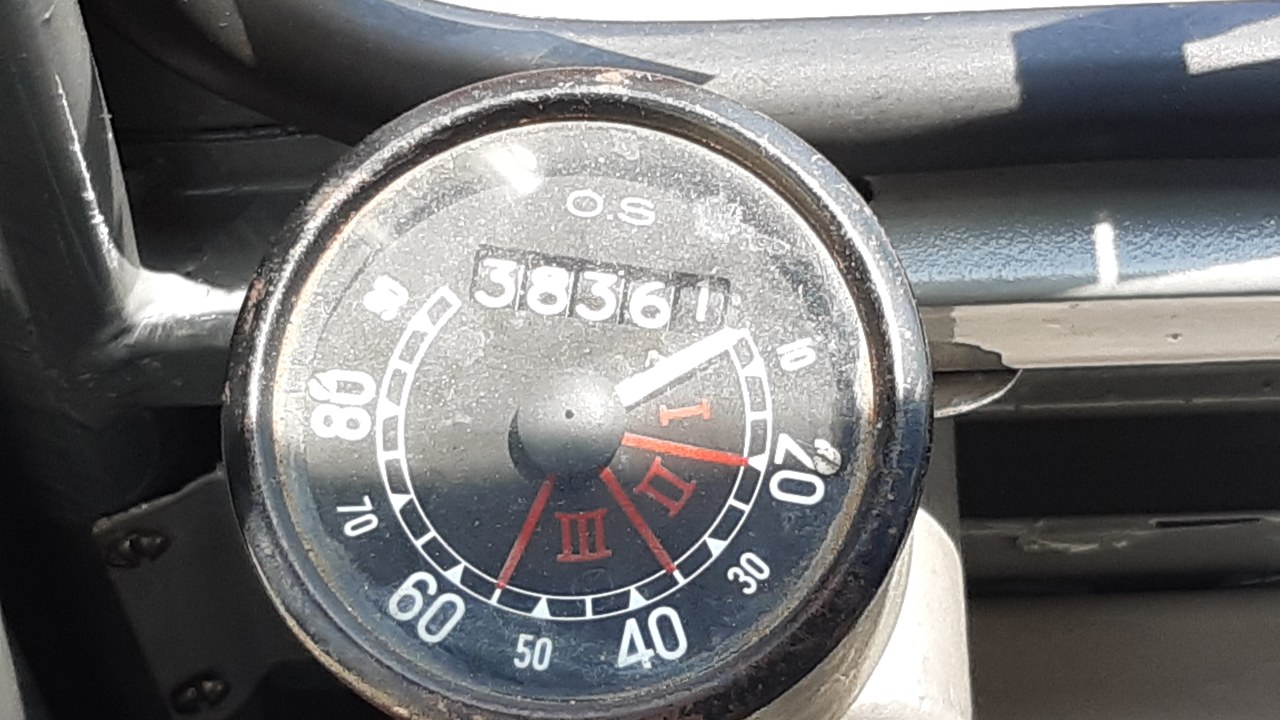
Digital clusters are replacing the swinging needle. The same CarGurus feature reports that Audi and Porsche will allow digital maps to overtake some or all of the instrument cluster, turning the space behind the wheel into a configurable screen.
Screens can show navigation and driver-assistance information in one place, but they also ask owners to learn menus and layouts. Drivers who value an at-a-glance dial should look at the cluster during a test drive, not only at the engine.
10. Hood ornament: A Casualty of Safety and Airflow
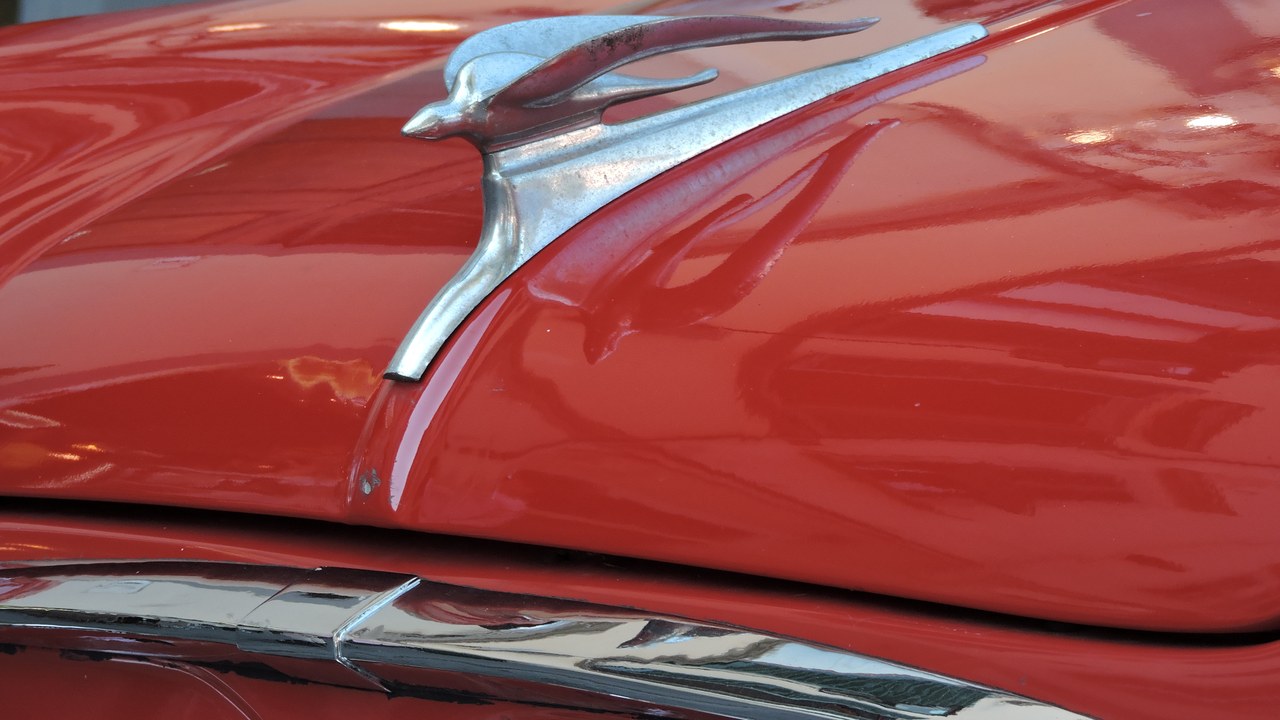
The chrome figure on the nose of a car was once a mark of status. A Quartz piece on old car features says aerodynamics and pedestrian safety have contributed to the endangerment of the automotive hood ornament.
Anyone shopping for a new car should not expect a standing mascot on the hood, because the two pressures named above point the same way. Collectors and restorers of older vehicles are the main people who still value the traditional ornament on their cars.
11. Crank windows: Power Switches Win Out
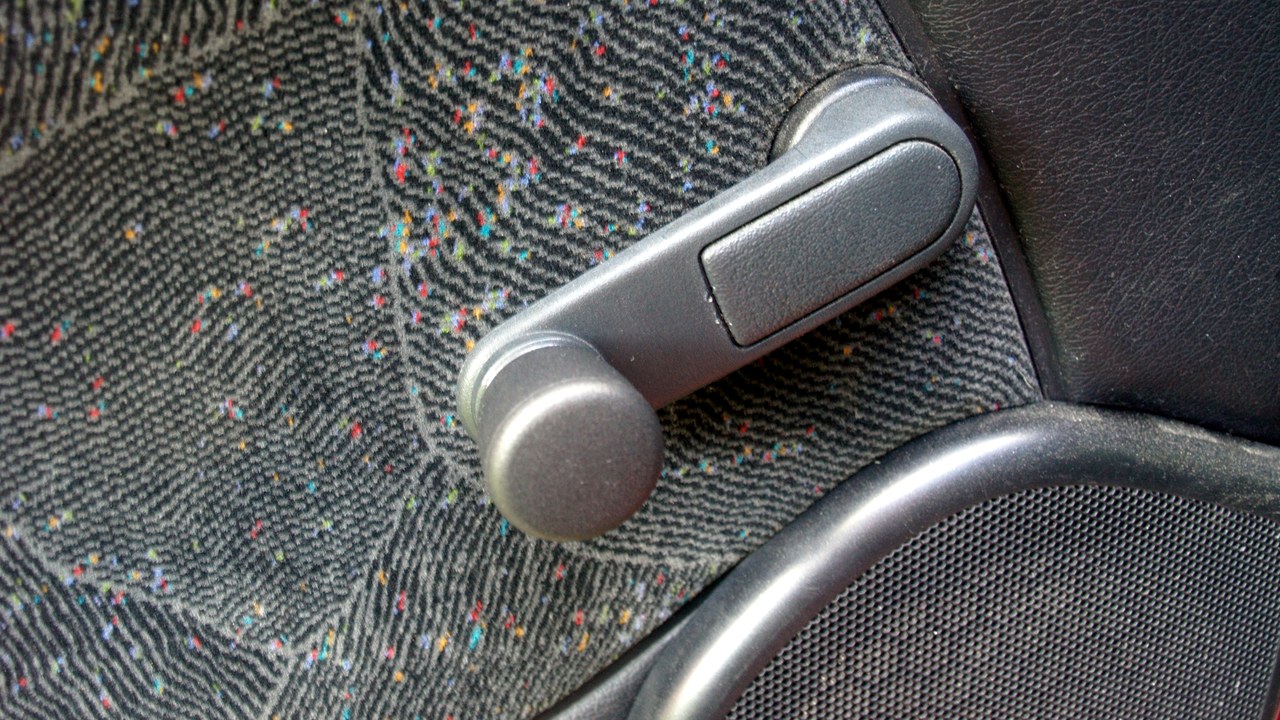
Turning a handle to lower a window is close to gone. Per the Quartz feature on dying options, power windows are now standard even on the cheapest new cars, and the Jeep Wrangler keeps the tradition of crank windows alive for now.
The caveat is that the Wrangler example is flagged as temporary. Buyers who like simple mechanisms should not assume the option will last, and anyone interested in a crank-equipped Jeep may want to look sooner rather than later.
12. Bench seat: Buckets Take the Front Row
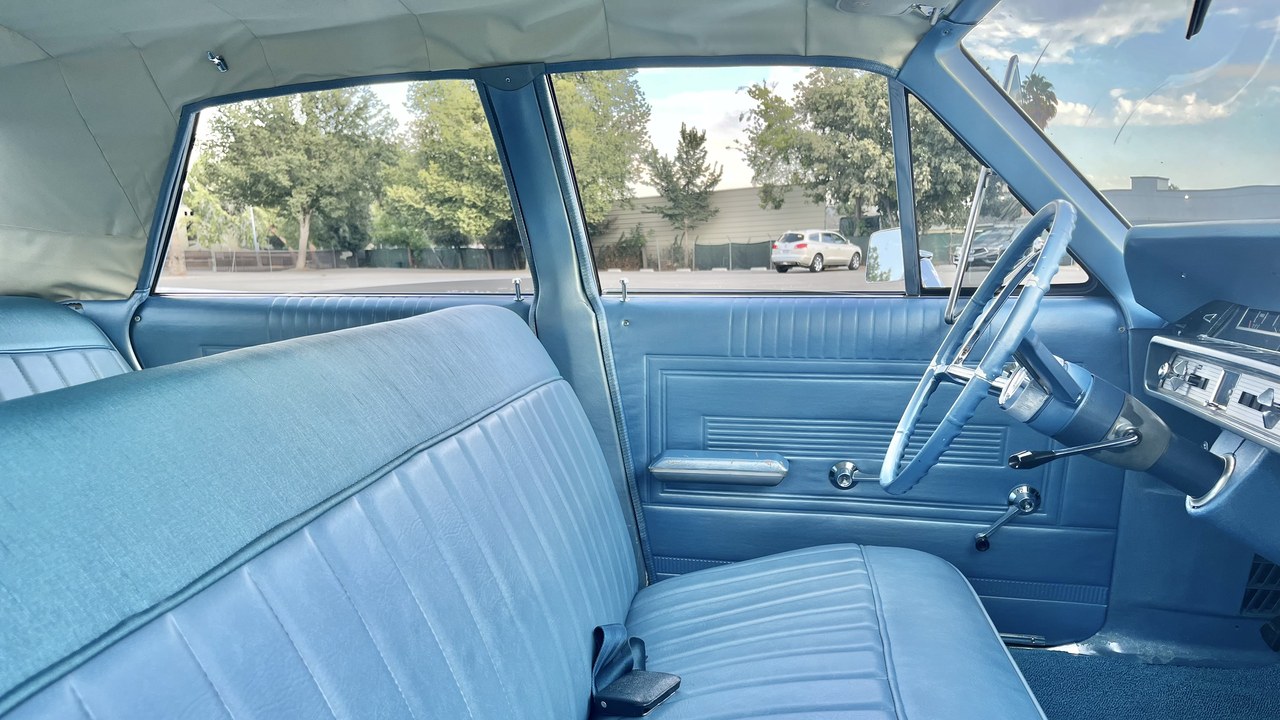
The long vinyl front bench that seated three across has mostly faded. As a Quartz roundup of features puts it, even extended cab trucks often ditch the bench for front buckets.
Individual seats usually bring more support and room for a center console, though they cost the middle passenger a place to sit. Families that valued the extra seat will need to look closely at trim levels, and should confirm seating capacity before buying.
13. Ashtray: A Dashboard Fixture Disappears
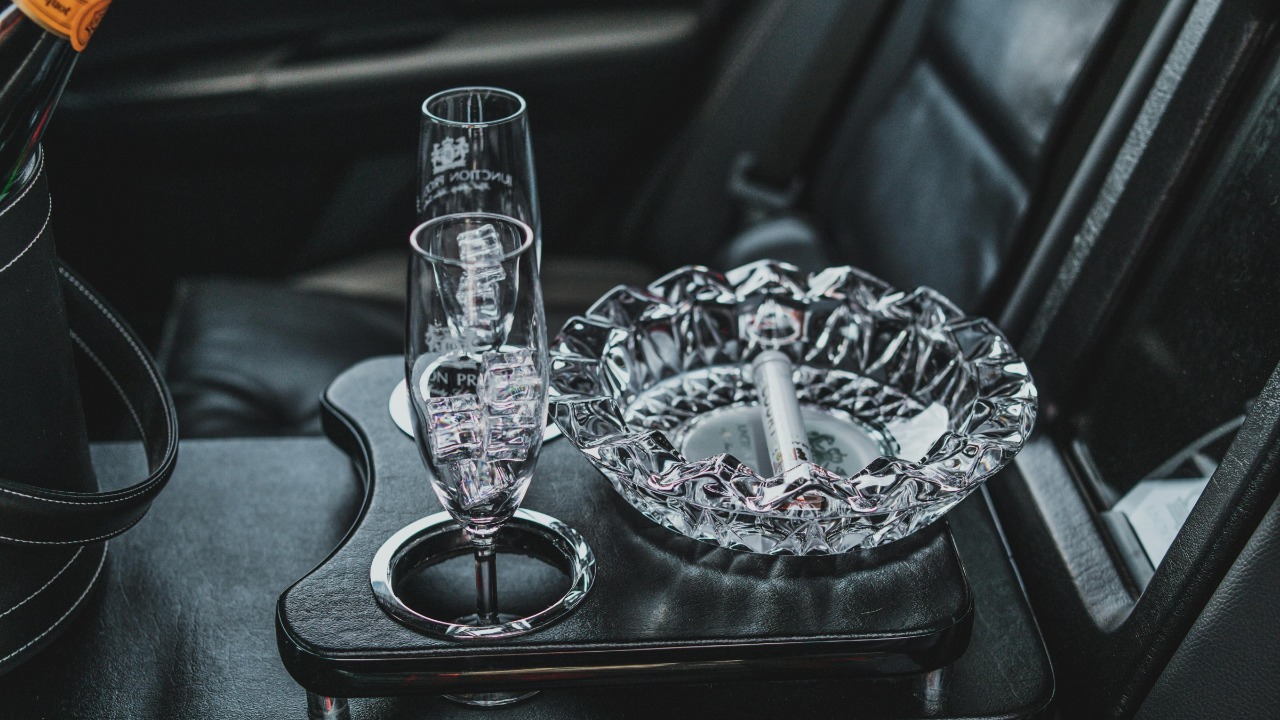
Smoking accessories used to be built in as a matter of course. According to a Quartz article about old features, every car used to have dedicated cigarette ash trays, but new cars no longer come with them.
Anyone shopping for a new car should not expect to find a built-in ashtray, so smokers will need to bring their own solution. A buyer who wants one should check the interior before signing, since dealers cannot add what the car no longer includes.
More from Morning Overview
- Two passengers died at an Ohio toll plaza, and the NTSB now wants the cash lanes shut
- Long use of a common prostate pill is tied to a higher chance of glaucoma
- Ford is recalling 223,472 F-150 pickups because the fuel tank can leak or detach
- Hybrids have 15% fewer problems than gas cars, while EVs and plug-in hybrids have about 80% more, Consumer Reports finds
