
A pickup or van’s fuel tank size rarely gets attention until a long highway trip turns into a search for the next exit with a pump. Heavy-duty trucks built for towing and full-size vans built for delivery routes tend to carry the biggest tanks, some large enough to roughly double a typical sedan’s range. Here are twelve vehicles that carry more fuel than nearly anything else on the road.
1. Ram 3500: The Biggest Tank In Its Class
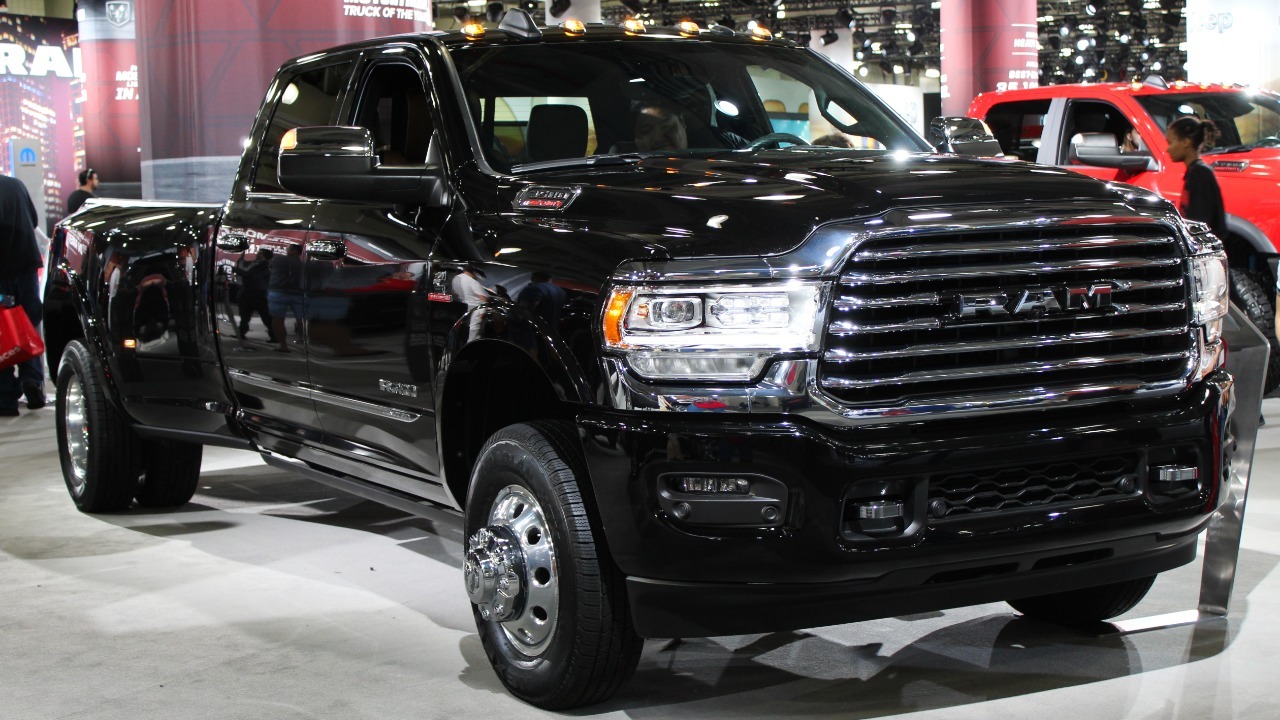
Ram offers the 3500 Crew Cab with the 8-foot box and an optional 50-gallon fuel tank, the largest capacity available on any pickup in its class. Ram’s official specifications list the tank alongside the truck’s diesel powertrain options, which are the configuration most likely to actually need that much range.
Fleet buyers and long-haul towers gravitate toward the combination since it can stretch a single fill-up across a full day of hauling and highway driving.
2. Ford F-250 Super Duty: A Bigger Tank Than A Decade Ago
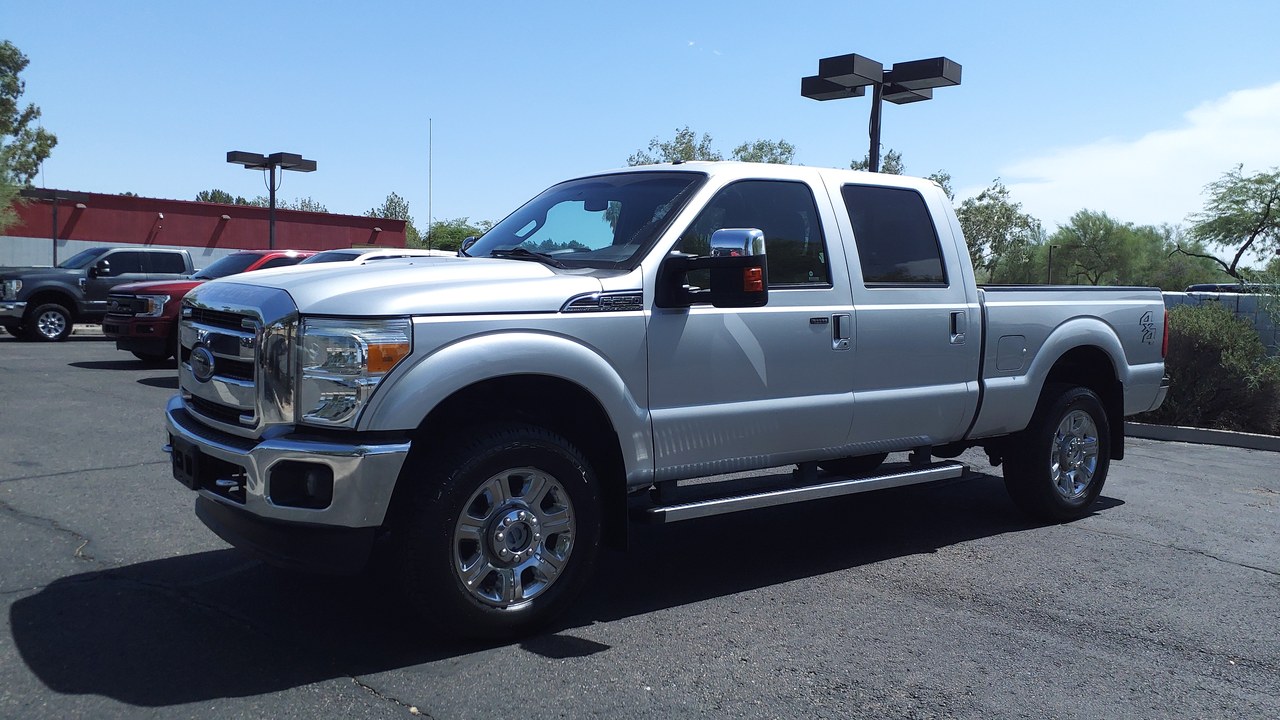
Ford equips long-box crew-cab Super Duty trucks with a 48-gallon fuel tank, a notable jump from the 37.5-gallon tank that shipped on 2016-model-year diesel trucks. Automotive Fleet’s coverage of the change ties the larger tank directly to buyers who tow heavy trailers and burn fuel faster than ordinary city driving would suggest.
The extra ten gallons adds meaningful range on job sites and rural routes far from the nearest fuel station.
3. Chevrolet Silverado 2500HD: Same Tank, Gas Or Diesel
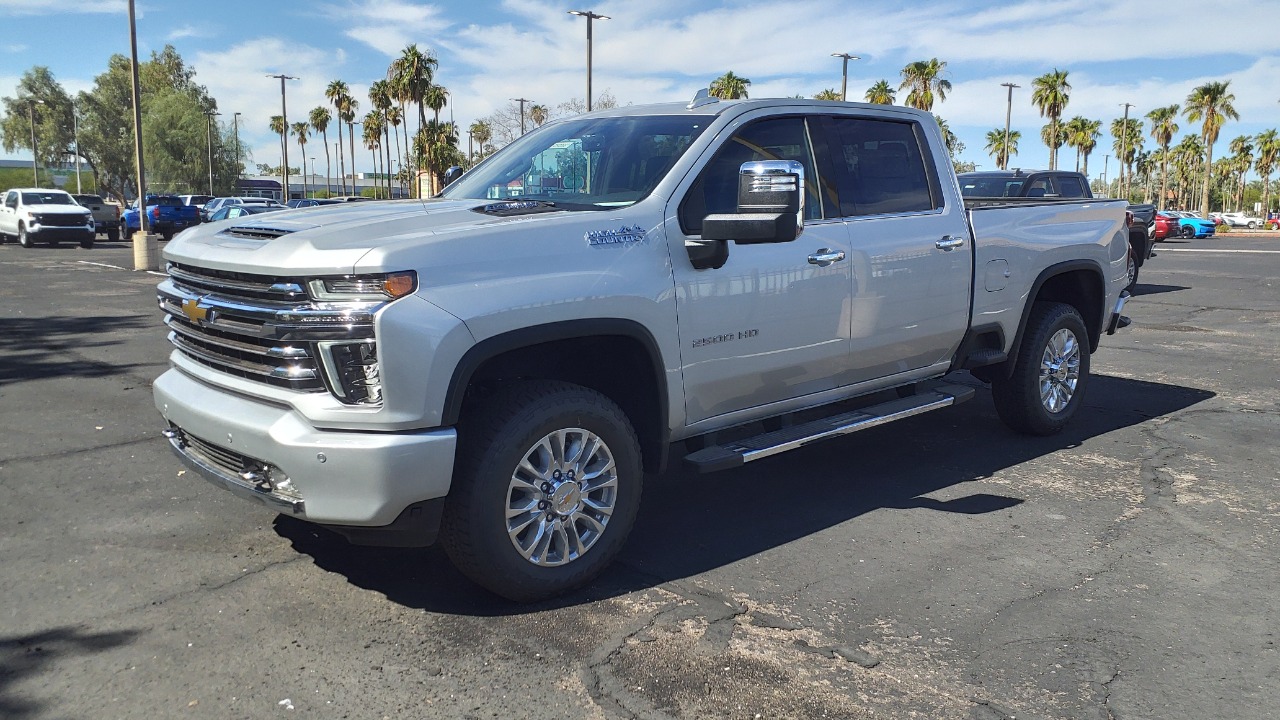
Chevrolet builds the Silverado 2500HD with a 36-gallon fuel tank regardless of whether a buyer chooses the gas V8 or the Duramax diesel engine. The Car Connection’s spec sheet lists the identical capacity across both powertrains, unusual in a segment where diesel versions often get a larger tank.
That consistency simplifies route planning for fleets running mixed powertrains, since every truck in the lineup covers roughly the same distance per fill-up regardless of engine.
4. Ford F-150: Fifty Percent More Range, Optional
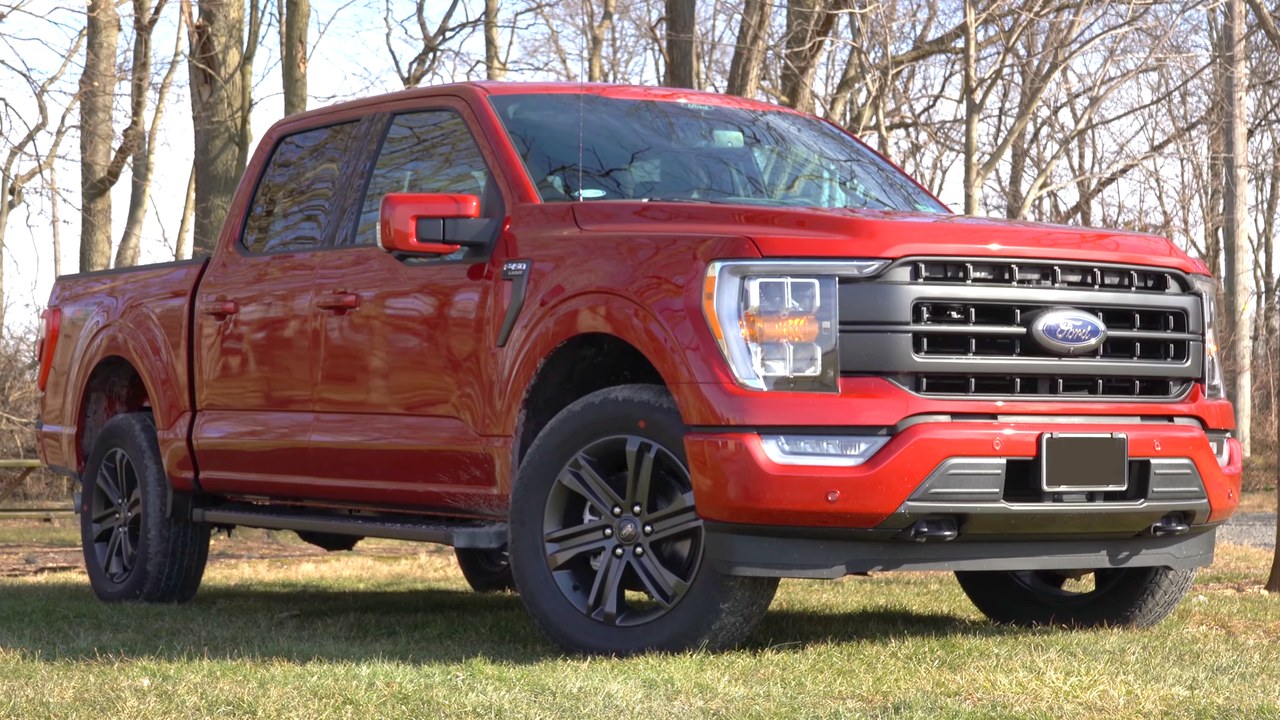
Ford offers the F-150 with an extended-range fuel tank that holds 36 gallons, well above the 23-gallon tank fitted to base configurations. Autopadre’s tank-size breakdown shows the option adds more than 13 gallons of capacity, a meaningful jump for a half-ton pickup.
Buyers who tow trailers or drive long rural routes tend to pay extra for the upgrade, since stopping less often matters more than the added weight it brings along.
5. Toyota Tundra: Now Standard On Every Trim
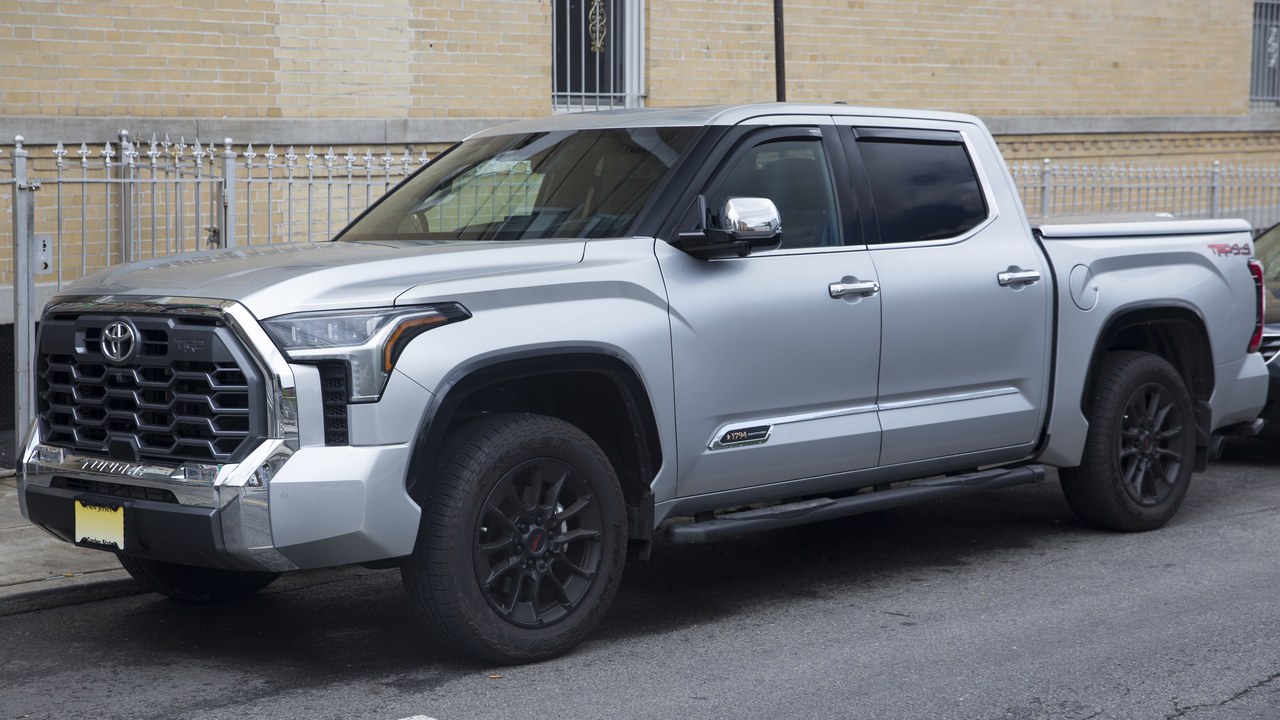
Toyota fits the extended-range 32.2-gallon fuel tank across the entire 2026 Tundra lineup, ending the days when the larger tank was reserved for a handful of select trims. Toyota’s press materials frame the change as part of a broader push to make the truck’s real-world range more competitive with rival pickups.
Every Tundra buyer now gets the same long-distance capability, regardless of trim level, price point, or which cab and bed configuration they choose.
6. Chevrolet Express 3500: A Van Tank That Never Shrank
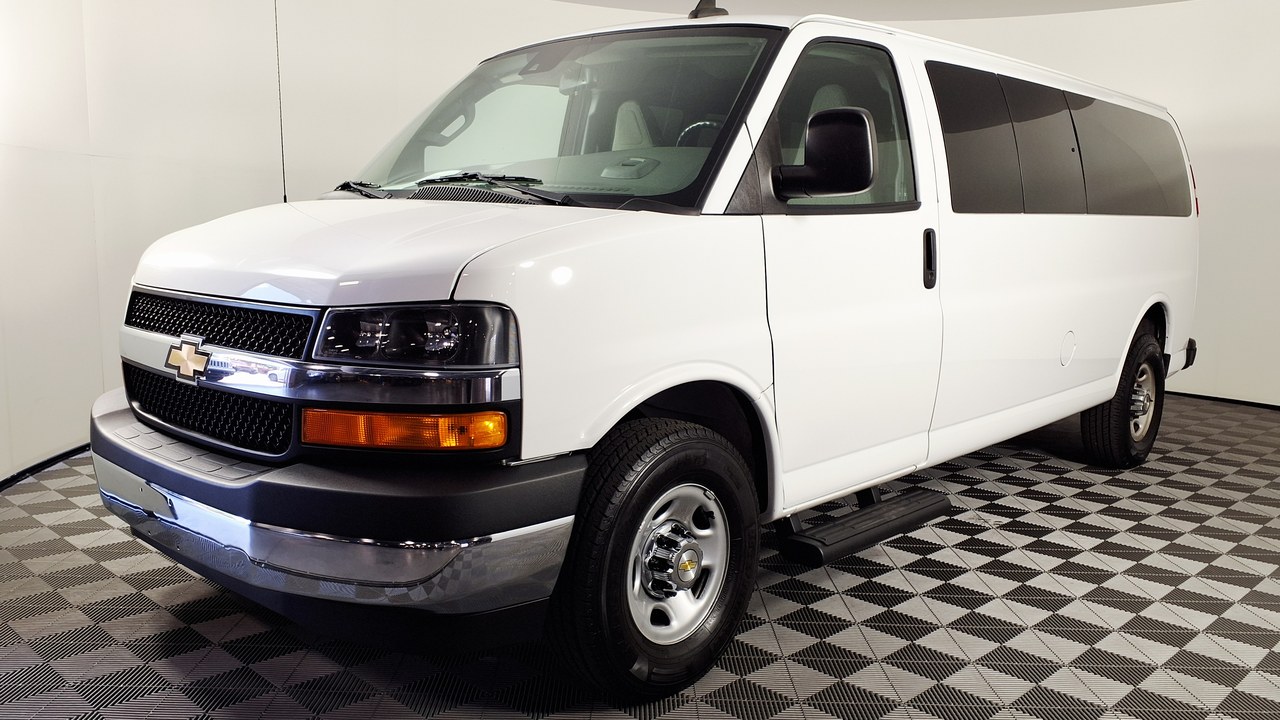
Chevrolet has kept a 31-gallon fuel tank on the full-size Express 3500 across both cargo and passenger body styles for years without downsizing it. Autopadre’s capacity data shows the figure holding steady even as the van’s competitors have redesigned or discontinued their own full-size platforms.
Shuttle operators and delivery fleets that still run the Express value that predictability, since it lets them plan fuel stops without double-checking trim-specific specifications every time.
7. Jeep Grand Wagoneer L: Stretched Body, Bigger Tank
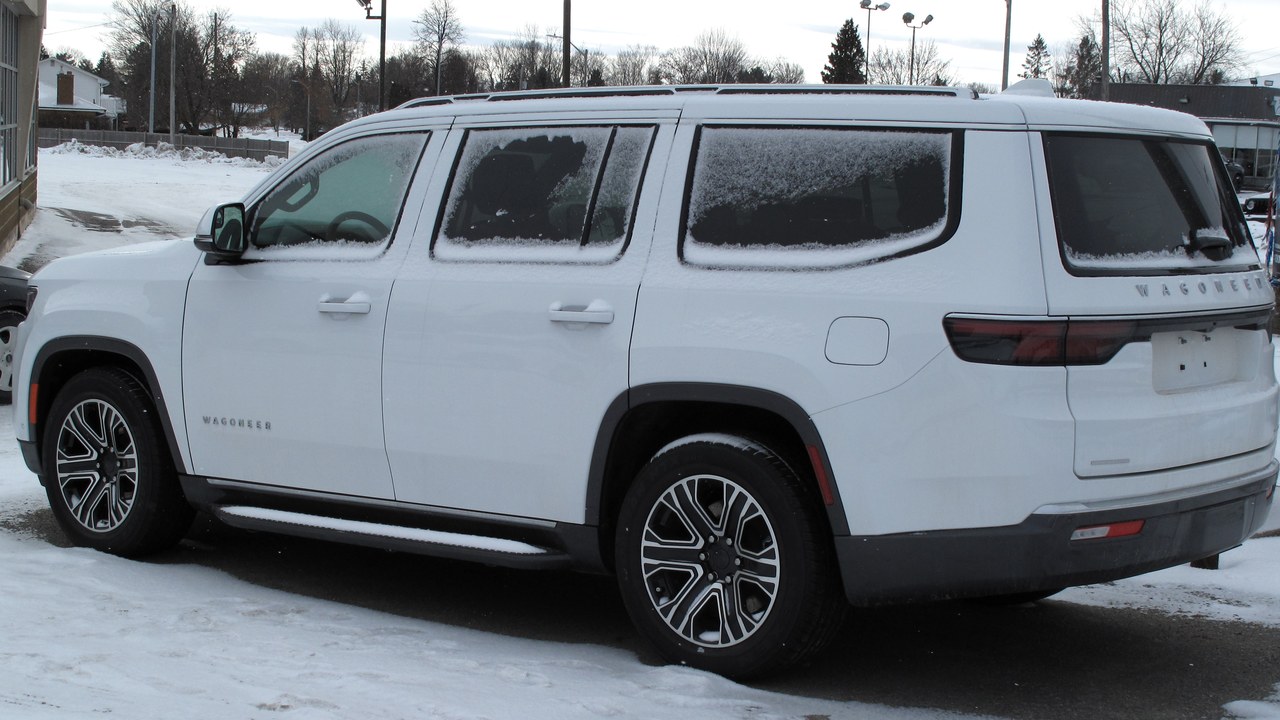
Jeep increases the fuel tank on the stretched Grand Wagoneer L to 30.5 gallons, up from the 26.5-gallon tank fitted to the standard-length Grand Wagoneer body. Carbuzz’s coverage of the L variant ties the larger tank directly to the added weight and overall length of the extended body.
That extra capacity helps offset the thirstier real-world driving that comes with hauling a heavier three-row SUV loaded with passengers, cargo, and a trailer.
8. Chevrolet Suburban: One Tank Size, Every Trim
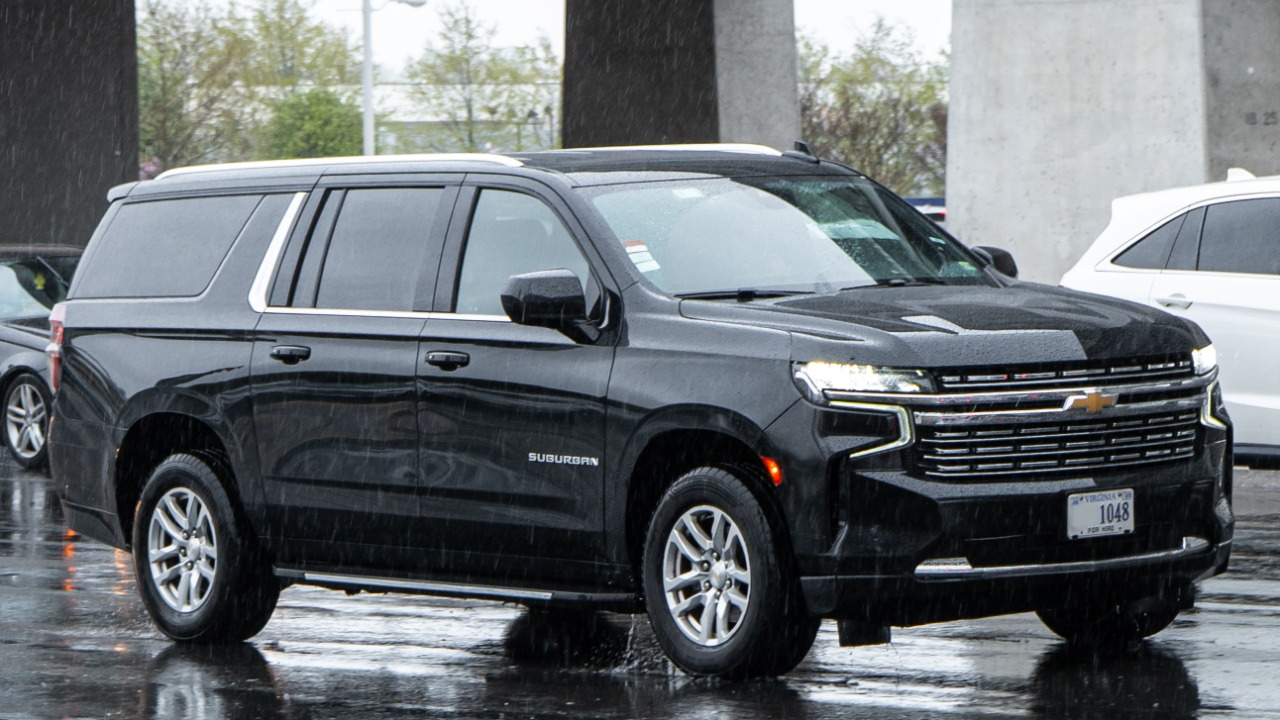
Chevrolet builds every trim of the long-wheelbase Suburban with the same 28.0-gallon fuel tank, from the base model all the way up through the loaded High Country trim. The Car Connection’s specifications list the identical capacity across the entire lineup, regardless of engine choice or trim package selected.
That uniformity means a shopper never has to weigh fuel range against which trim level or engine option they can actually afford.
9. Ford Expedition MAX: Long-Wheelbase Means Long Range
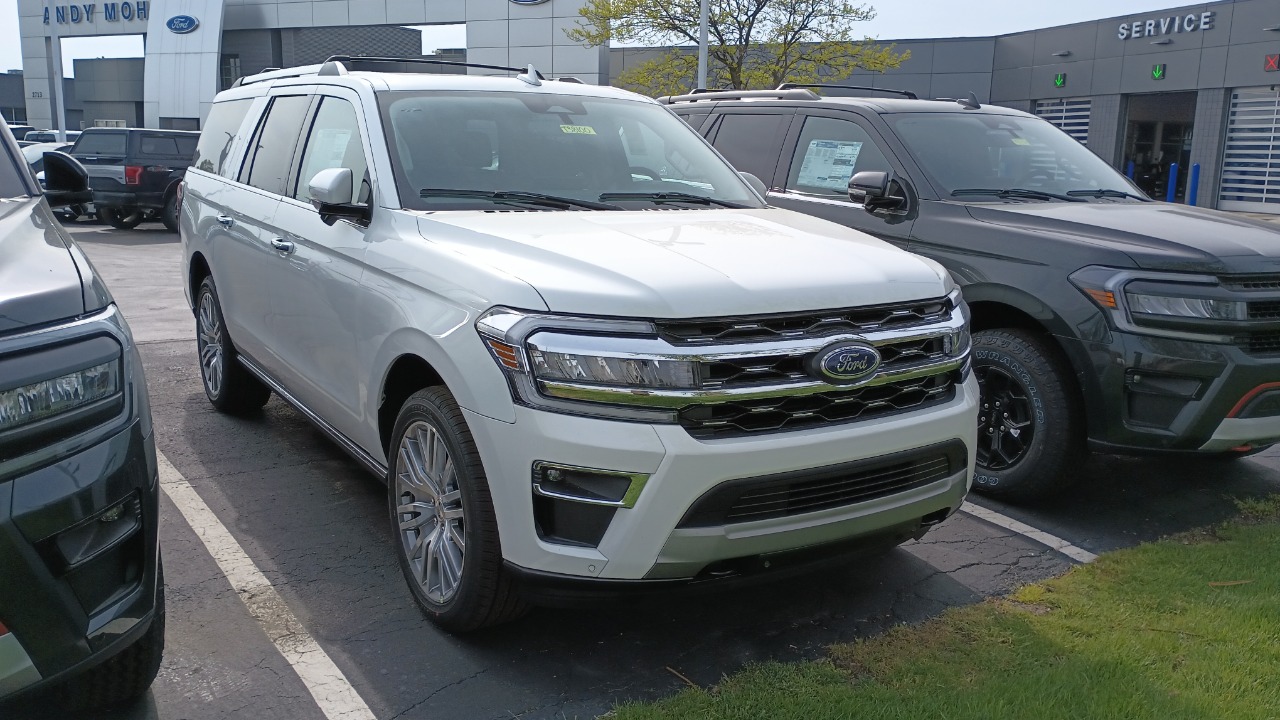
Ford gives the long-wheelbase Expedition MAX a 27.8-gallon fuel tank, a figure that holds steady across both the mid-range Active trim and the fully loaded Platinum trim. Carbuzz’s trim comparison notes the consistency even as the two trims differ sharply on price and standard equipment.
The stretched body that makes the MAX practical for three full rows of passengers also leaves enough extra room underneath for that noticeably bigger fuel tank.
10. Nissan Armada: A V8 Tank Built For Towing
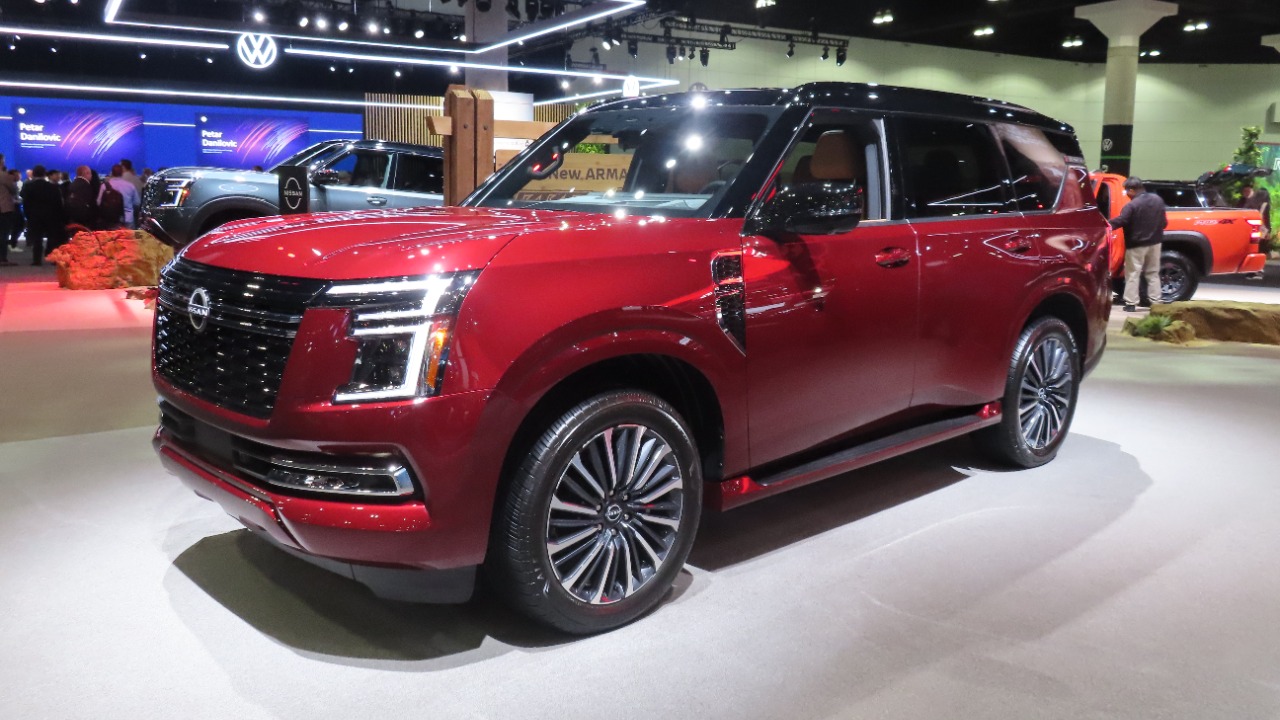
Nissan built the V8-powered Armada with a fuel tank of roughly 26 gallons, among the largest capacities of any full-size SUV from that era. The Car Connection’s specifications place the figure ahead of several rivals that Nissan directly competed against on towing capability.
That extra fuel capacity mattered most to owners who towed boats or campers, since a bigger V8 under load empties a tank faster than city driving ever would.
11. Ford Transit 350: A Standard Tank For A Full-Size Van
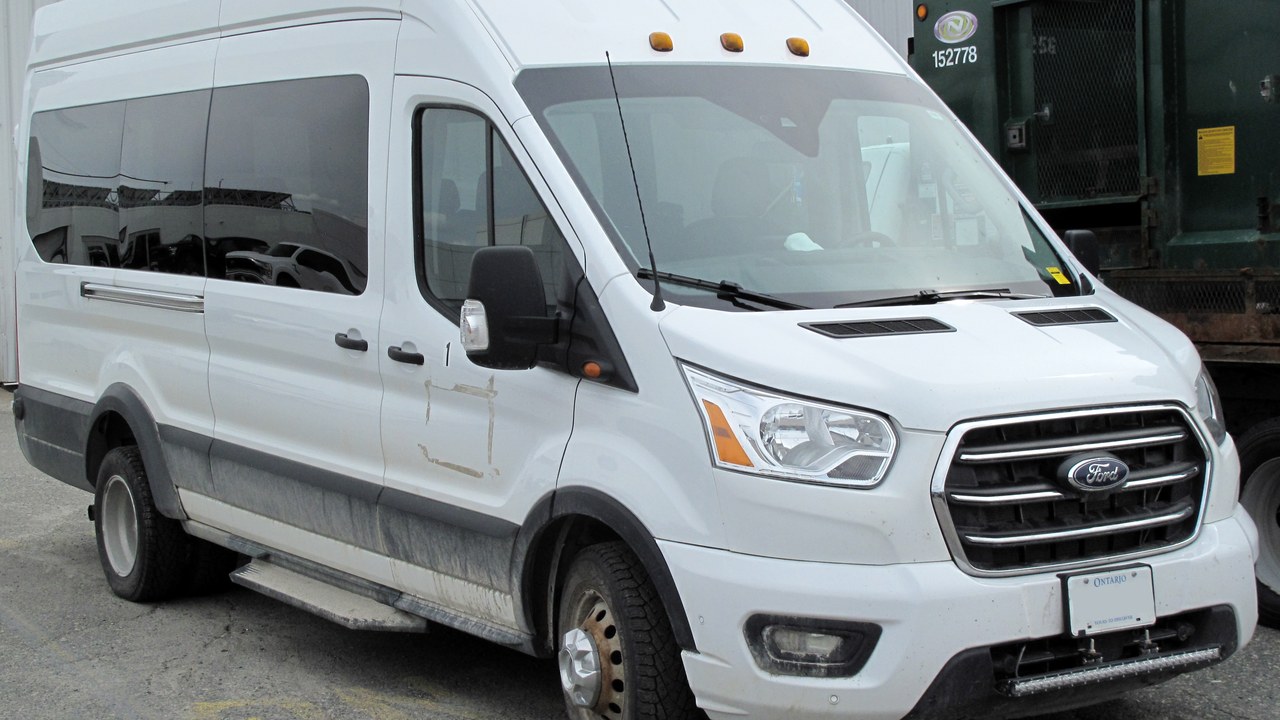
Ford equips the full-size Transit 350 with a 25-gallon fuel tank in its standard configuration, sized for a van that spends most of its life on delivery routes. Autopadre’s van tank data lists the figure as consistent across the Transit 350’s various roof heights and wheelbase lengths.
Fleet operators plan routes around that range, since a van running dozens of stops a day burns through fuel faster than its highway rating suggests.
12. Mercedes-Benz Sprinter 2500: Diesel Efficiency Meets A Big Tank
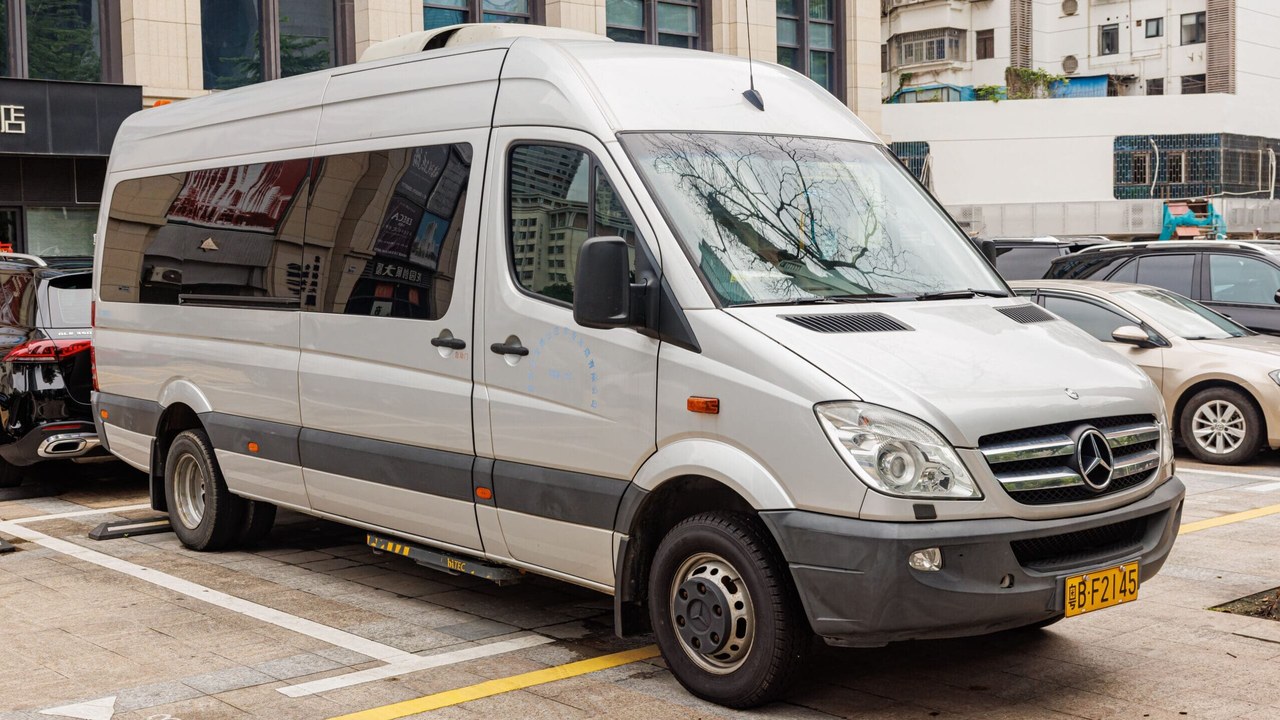
Mercedes-Benz tops the diesel Sprinter 2500 out at a 24.5-gallon fuel tank across its entire current lineup of configurations, spanning everything from a basic cargo van to a full passenger shuttle. Autopadre’s specifications list the capacity as unchanged regardless of roof height, wheelbase length, or drivetrain chosen.
Paired with the diesel engine’s efficiency, that tank size lets commercial operators cover unusually long delivery routes between fill-ups without cutting into a full workday’s tight schedule.
More from Morning Overview
- A granite sarcophagus surfaced in Egypt with its original lid still sealed
- The FBI tells phone owners to delete these toll-payment texts draining accounts nationwide
- Herbal supplements are landing Americans in the hospital with liver damage, doctors warn
- Long-term use of common heartburn pills is linked to kidney and dementia risk
