
New cars start losing value the moment they leave the lot, but some models fall off a cliff. Luxury sedans, flagship electrics, and tech-heavy SUVs tend to shed the most, punished by pricey options and thin used-car demand. A 2026 iSeeCars depreciation study helped flag the twelve here.
1. Nissan Leaf: The EV that erases most of its price
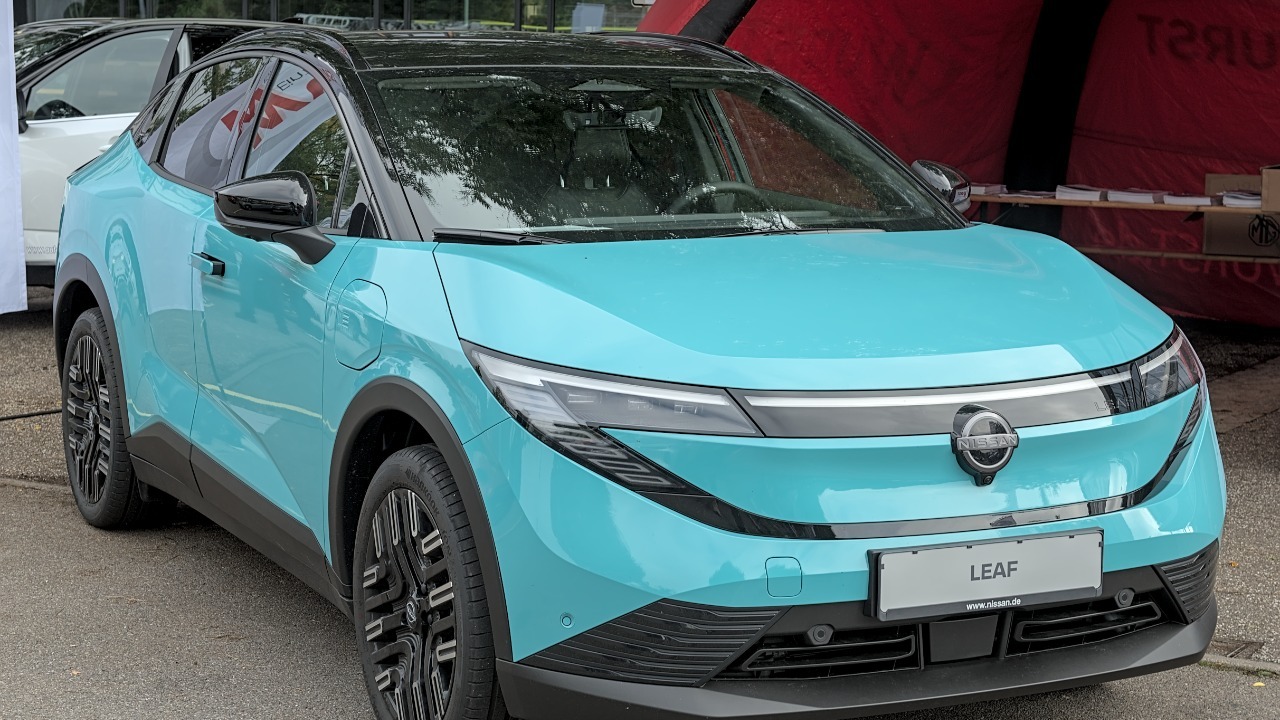
The Nissan Leaf routinely tops depreciation rankings, and the pattern punishes its earliest owners. Figures compiled by iSeeCars researchers put the five-year loss at roughly 63 percent, among the steepest drops recorded for any mainstream car.
Aging battery technology and a constant flow of longer-range rivals leave used examples badly undercut on price. Bargain hunters chasing cheap electric commuting come out ahead, while original buyers rarely recoup a meaningful share of the sticker.
2. Tesla Model X: Falcon doors and a fast fall
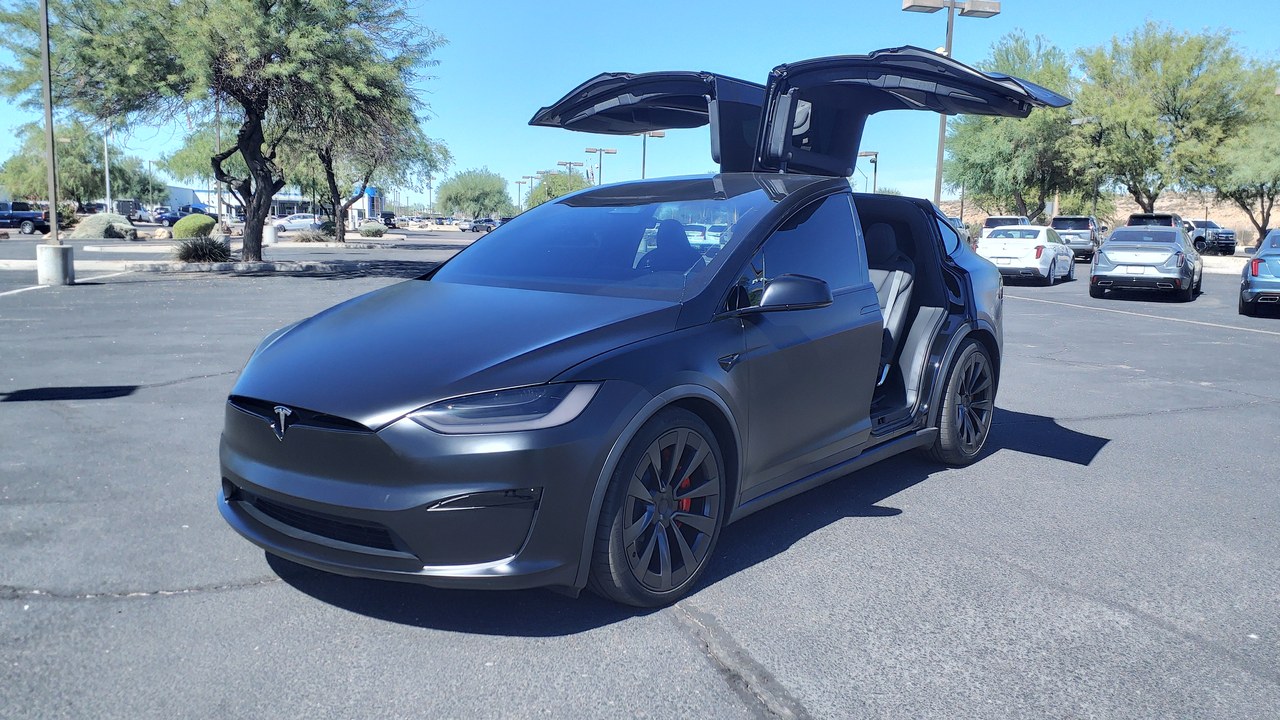
The Tesla Model X carries a lofty price when new, which sets up a long way to fall. Depreciation tracking by the same study pegs its five-year value loss somewhere between 57 and 67 percent.
Frequent price cuts on new Teslas drag the whole used lineup down, and the elaborate falcon-wing doors add repair worries that scare off resale shoppers. What was once a six-figure statement often changes hands for a fraction of the original cost.
3. Maserati Quattroporte: Italian luxury that bleeds value
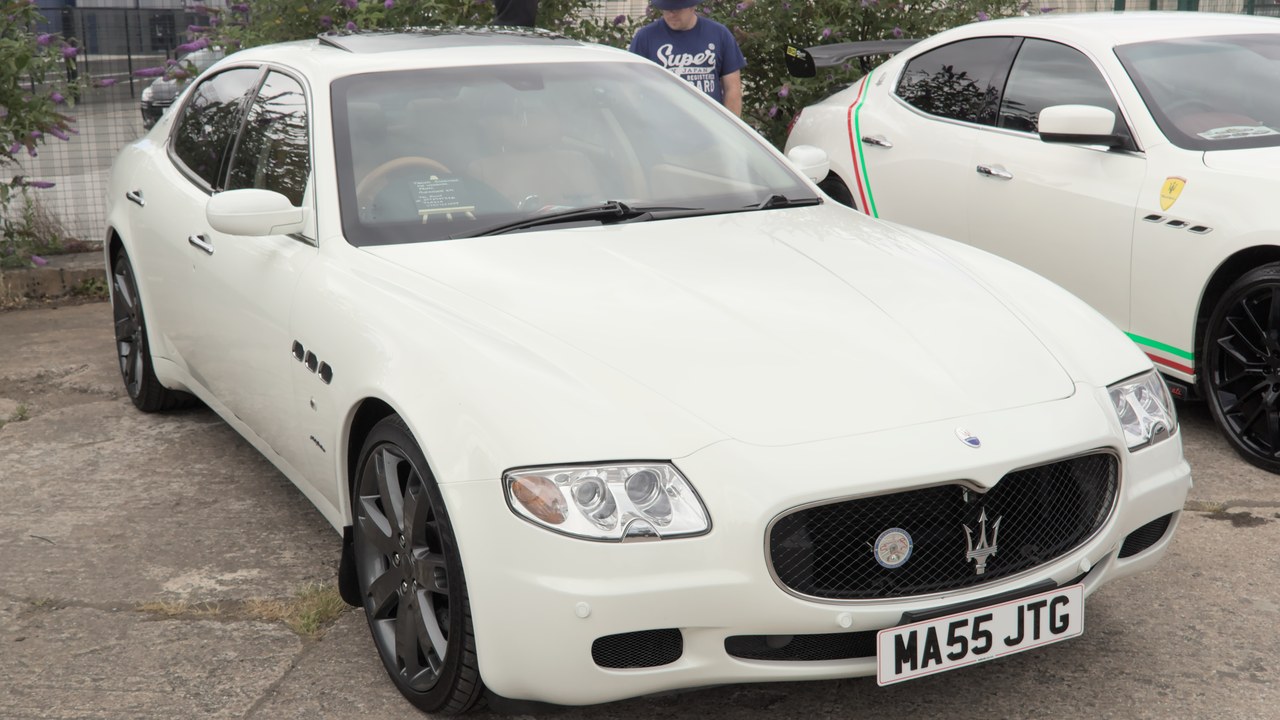
The Maserati Quattroporte sits among the fastest-depreciating luxury sedans on the market. Value-retention analysts, including iSeeCars, consistently rank it near the bottom for holding worth over a five-year span.
Costly upkeep, a limited service network, and shaky reliability reputation keep used buyers cautious, so asking prices collapse. The exotic badge and dramatic styling seldom translate into strong resale, leaving the second owner to enjoy the savings. Long depreciation curves like this one are exactly what turns an intimidating exotic into an unexpected bargain on the used market.
4. BMW 7 Series: Flagship tech that ages fast
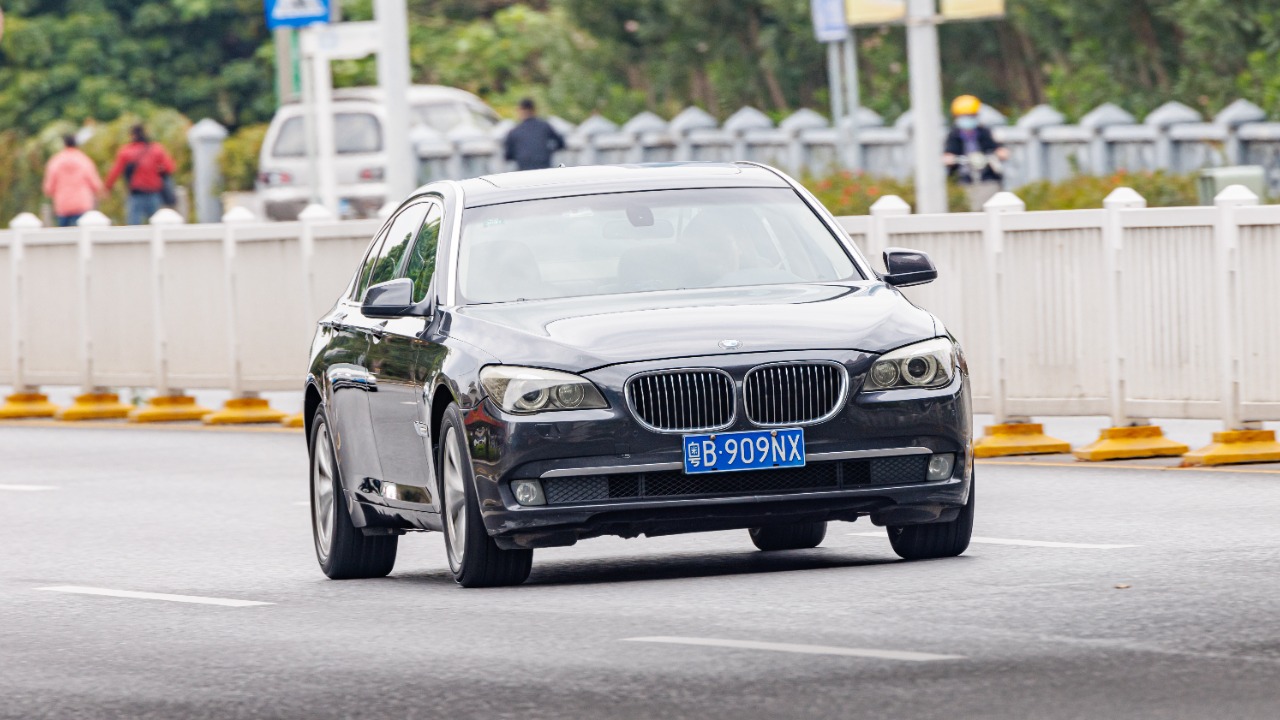
The BMW 7 Series showcases the brand’s newest technology, and that ambition works against resale. Reviewers at U.S. News list the flagship among the cars that shed value fastest after purchase.
Complex electronics and pricey out-of-warranty repairs make used shoppers nervous, dragging prices lower each year. A once-imposing luxury sedan can look startlingly affordable secondhand, which is exactly why depreciation hits its first owners so hard. Fleet and lease returns flood the market with low-mileage examples, and that oversupply pushes prices down even further.
5. Jaguar XF: Prestige badge, steep early loss
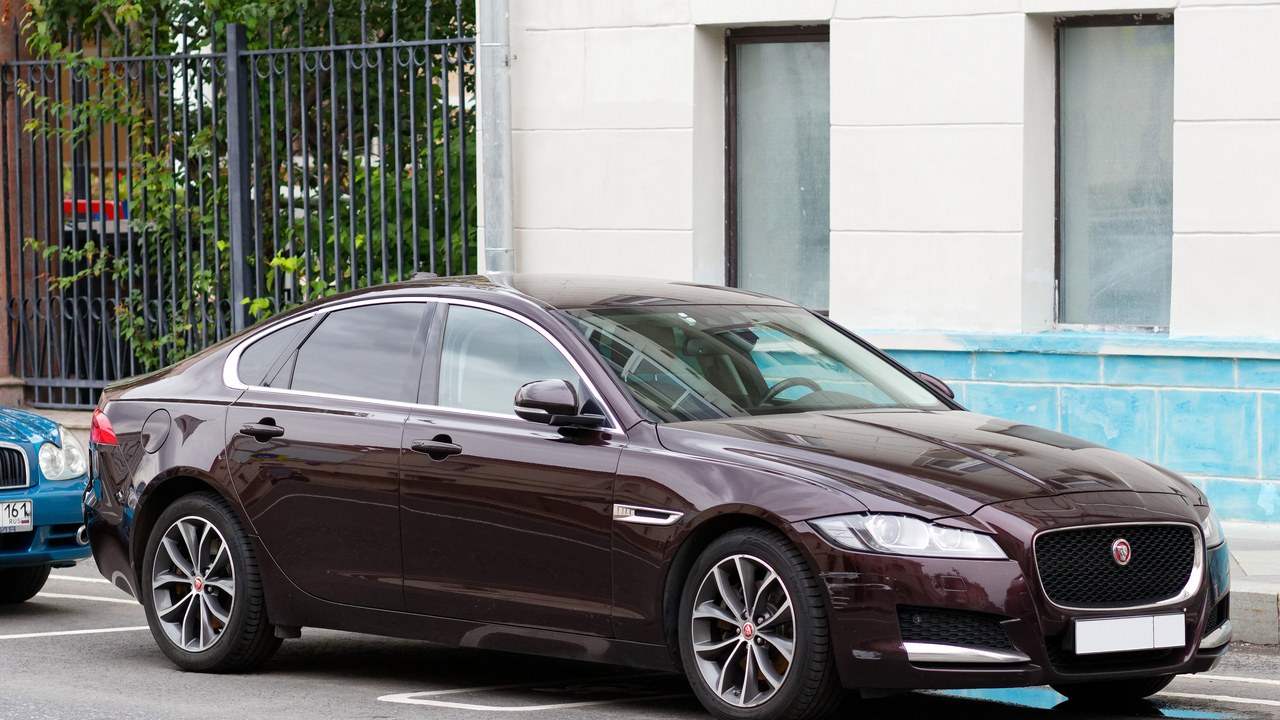
The Jaguar XF loses a large chunk of value in its first years on the road. Analysis from U.S. News flags the British sedan for depreciation that outpaces most rivals in its class.
Reliability concerns and a thin used-market following mean prices slide quickly once the warranty runs low. The elegant design and prestige nameplate do little to slow the drop, rewarding anyone willing to buy the car secondhand. Slow-moving inventory at dealers only accelerates the discounts, deepening the loss that early buyers ultimately swallow.
6. Audi A8: Tech-laden flagship on the slide
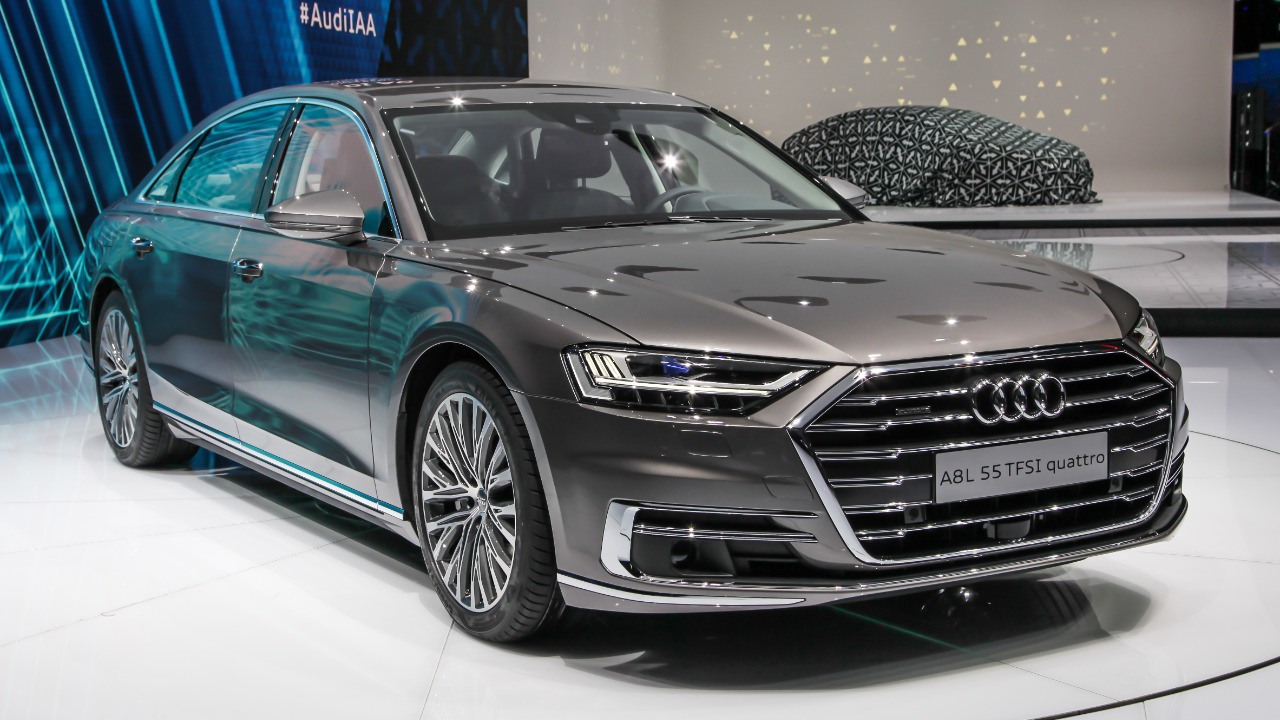
The Audi A8 packs the brand’s most advanced features, and that complexity accelerates its decline. Background on the full-size flagship shows a model constantly refreshed with expensive systems.
Each new generation makes the previous one feel dated, and looming repair bills spook secondhand buyers. The result is a luxury sedan whose lofty starting price gives way to a surprisingly modest used value within five years. Lease-heavy sales patterns keep secondhand supply high, and that abundance drives asking prices lower with each passing year.
7. Mercedes-Benz S-Class: Cutting-edge features age into losses
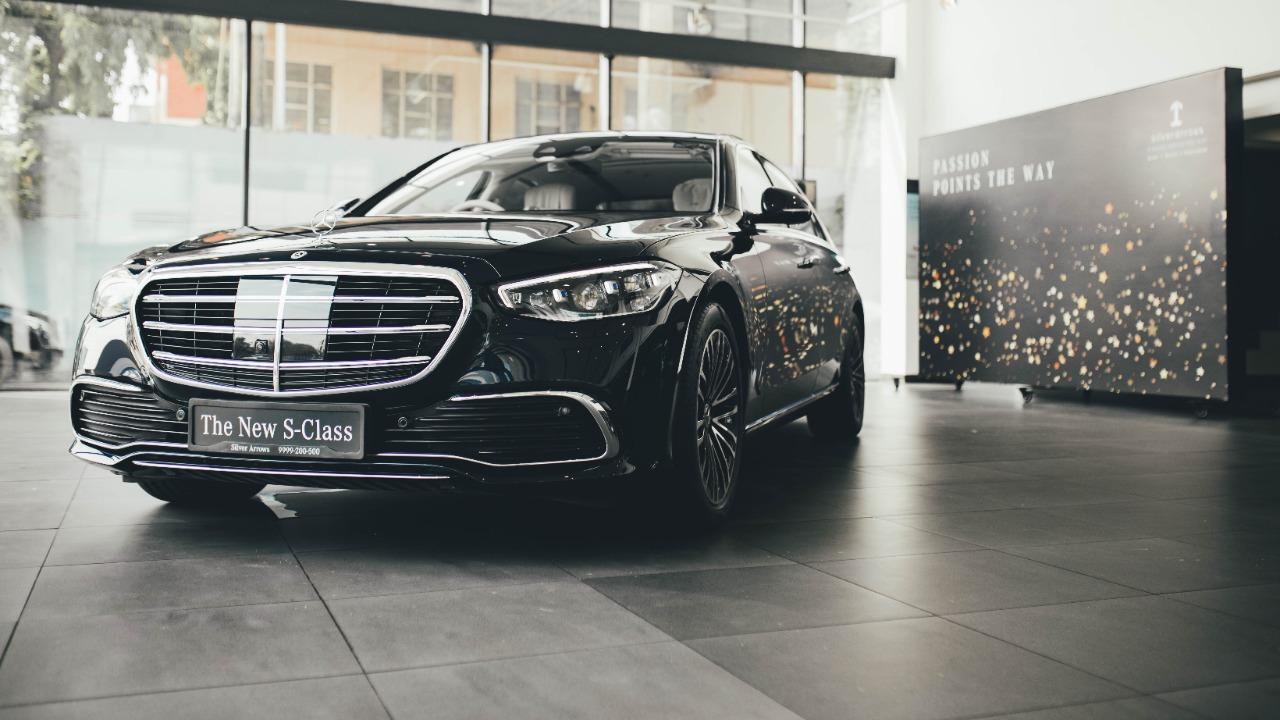
The Mercedes-Benz S-Class debuts technology that later trickles across the industry, yet that leadership hurts its resale. Details on the long-running flagship trace decades of feature-packed, expensive generations.
Once fresh innovations quickly feel ordinary, and maintaining an aging luxury flagship gets costly, so used prices sink. The gap between an eye-watering sticker and a soft secondhand value ranks the S-Class among the quickest to depreciate. Wealthy buyers who favor leasing rarely hold these cars long, so the used market stays flooded and prices keep sliding.
8. Porsche Taycan: Electric Porsche, sharp value drop
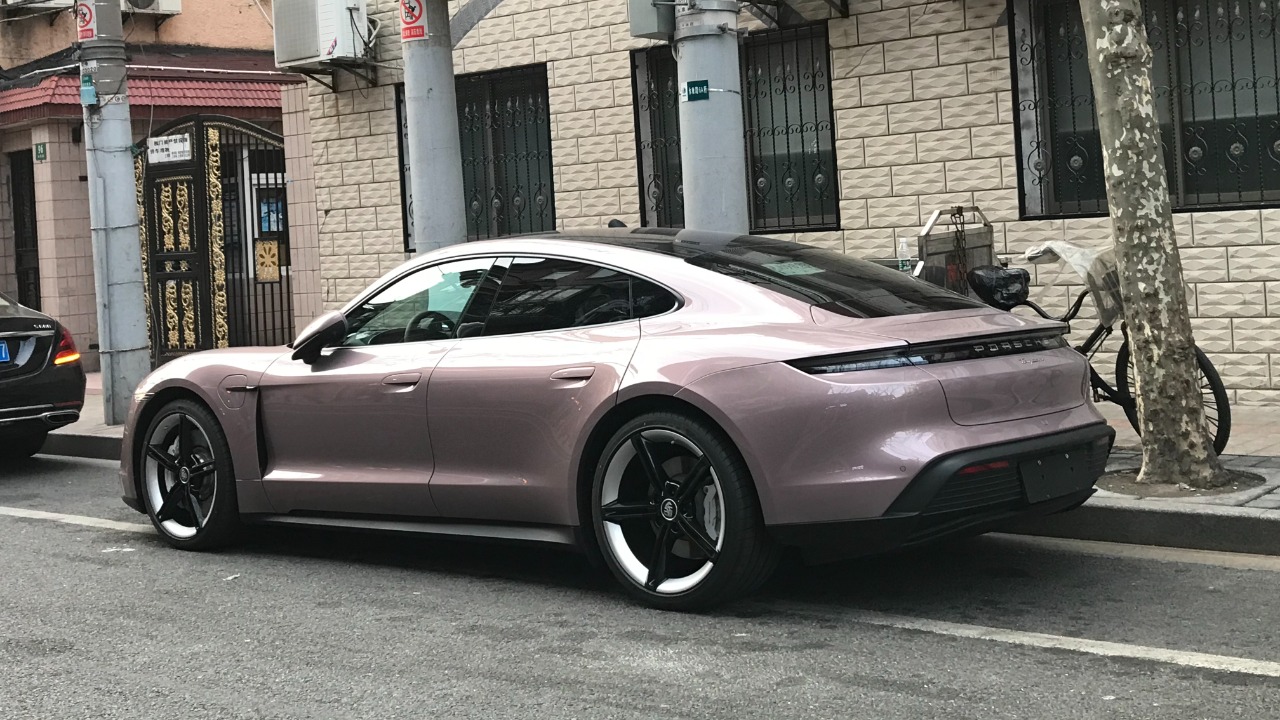
The Porsche Taycan proves even a coveted badge cannot outrun electric depreciation. Coverage of the battery-powered sports sedan highlights a premium price that leaves plenty of room to fall.
Rapid advances in EV range and steep discounts on newer models undercut used examples fast. Enthusiasts eyeing a discounted performance car win big, while early adopters absorb one of the sharper value losses in the segment. As charging speeds and battery range improve on newer builds, older Taycans look dated to shoppers and drop further still.
9. Cadillac CT6: Short-lived flagship, fast fall
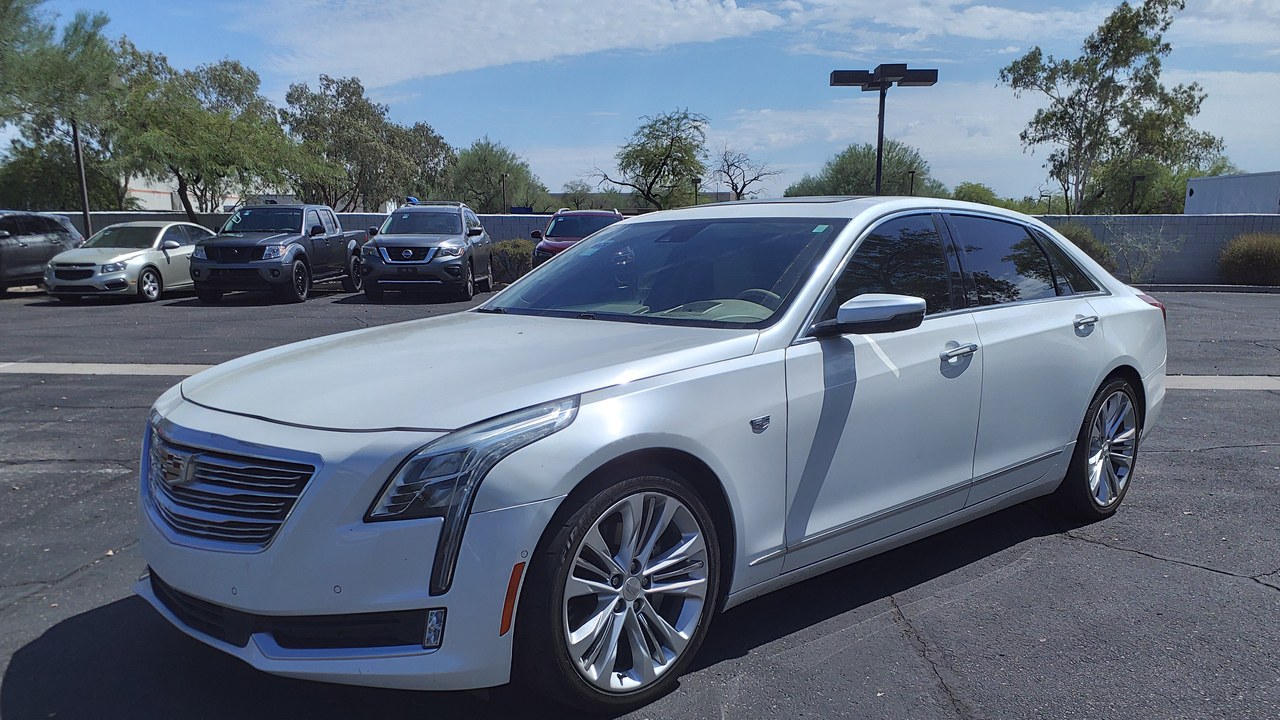
The Cadillac CT6 arrived as a flagship and left production only a few years later. The discontinued full-size sedan now carries the double burden of luxury depreciation and an orphaned nameplate.
Discontinued models often struggle for demand, and buyers worry about long-term parts and support. That anxiety pushes used prices down quickly, making the CT6 a striking example of how fast a premium sedan can lose ground. With the badge gone from showrooms, resale interest thins even more, cementing its place among the fastest luxury fallers.
10. Lincoln Nautilus: Luxury crossover, weak retention
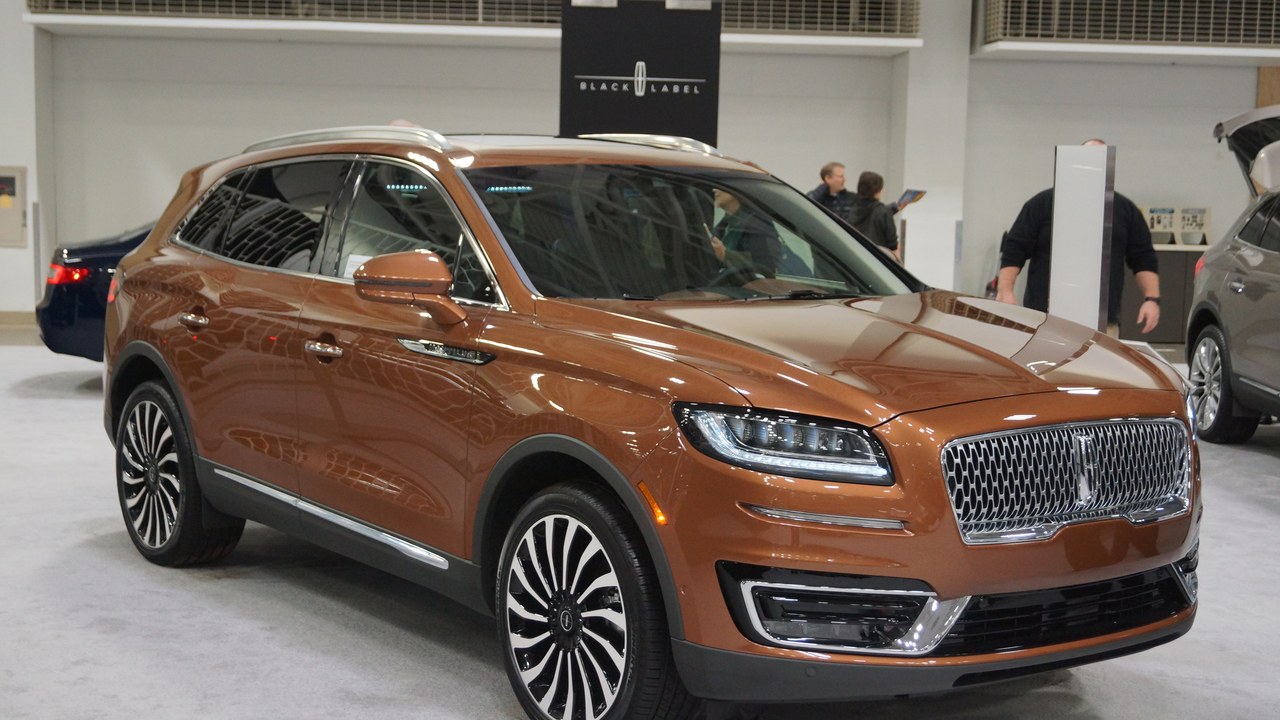
The Lincoln Nautilus offers a comfortable luxury crossover experience with disappointing value retention. Specs on the midsize SUV describe a model competing in a crowded, discount-heavy segment.
Heavy incentives on new units and a lukewarm luxury reputation drag used prices down year after year. Shoppers seeking near-luxury features for far less money find plenty to like, but original owners watch value evaporate. Strong competition from established German and Japanese rivals only sharpens the discounting that erodes its resale worth.
11. Infiniti QX60: Three-row luxury, early value loss
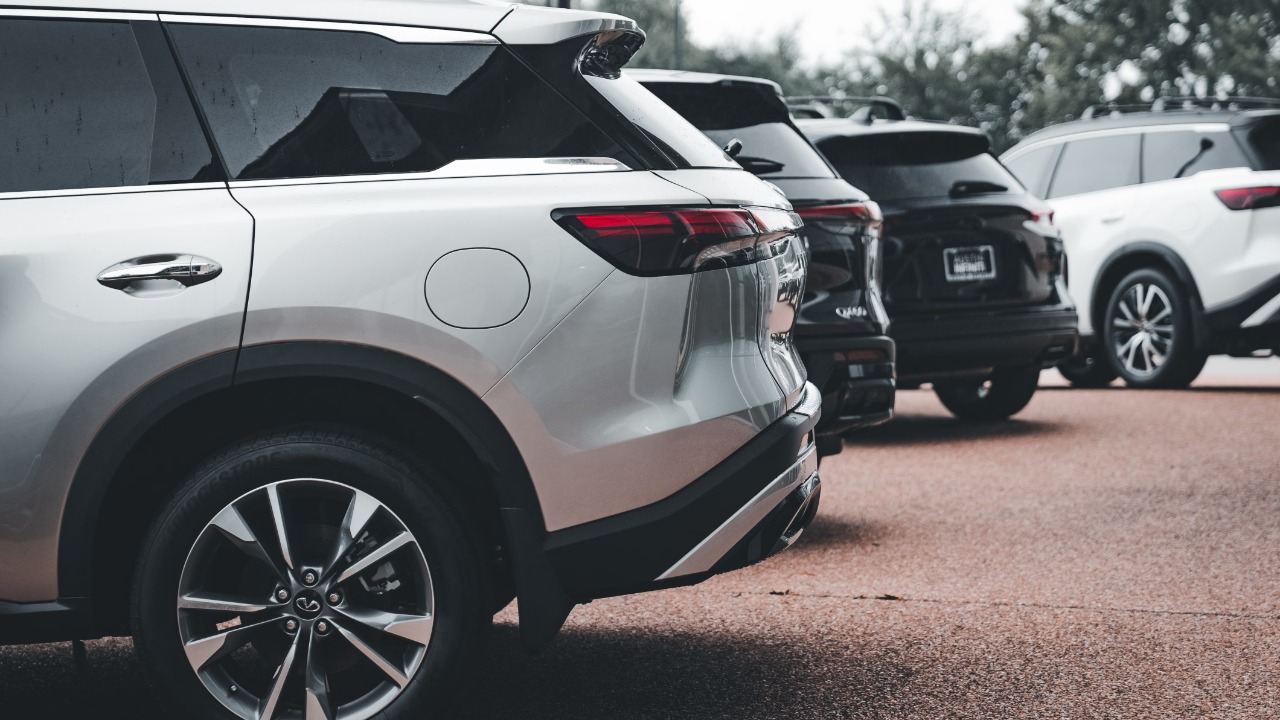
The Infiniti QX60 gives families a three-row luxury SUV that surrenders value early. Reference material on the three-row crossover points to a brand fighting for recognition against stronger rivals.
Aggressive new-car deals and a weaker resale reputation than its competitors keep used prices soft. The practical layout and comfortable cabin make it a smart secondhand buy, even as the first owner absorbs the steep depreciation. Limited brand loyalty and frequent redesigns keep demand from ever catching up, so the depreciation curve stays steep.
12. Volvo S90: Elegant Swede, quick depreciator
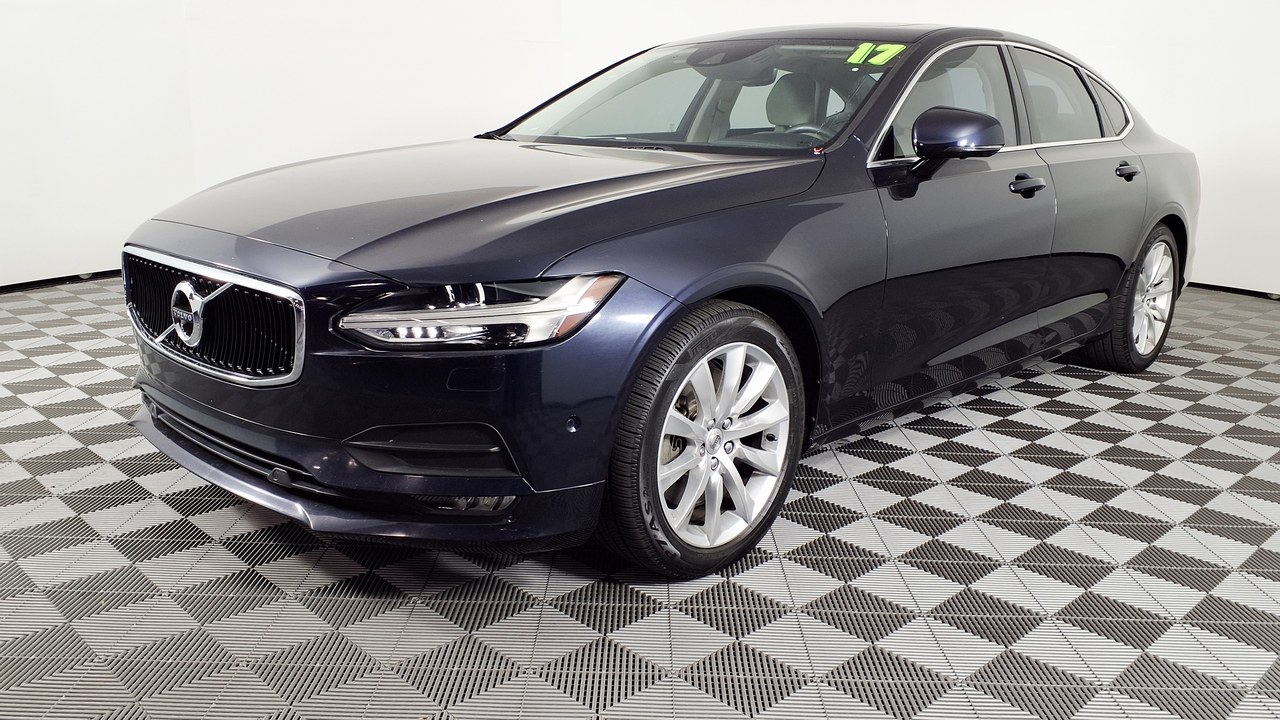
The Volvo S90 pairs Scandinavian design with a stubborn tendency to lose value. Background on the flagship sedan shows a handsome car overshadowed by German competitors in its class.
Limited brand cachet in the luxury sedan world and steady discounting leave used examples priced to move. The refined ride and understated styling reward secondhand buyers, while the original owners face one of the quicker drops around. Cross-shoppers who default to the badge-driven German trio leave S90 values with little support at trade-in time.
More from Morning Overview
- Scientists spotted a rare tusked whale alive at sea for the first time, then fired a crossbow at it.
- A Colorado wildfire forced level-three ‘leave now’ orders across Ouray County
- A skeleton beneath Petra’s Treasury was found clutching a chalice that resembles the Holy Grail
- 8 SUVs mechanics are quietly steering buyers away from in 2026
