
Federal safety regulators keep flagging popular cars and SUVs over defects that can spark under-hood or under-seat fires. Some carry blunt do-not-drive warnings until dealers complete free repairs, while others involve batteries, wiring, or fluid leaks. These are ten models owners should check against open recall notices right now.
1. Ford Bronco Sport: Do-not-drive warning
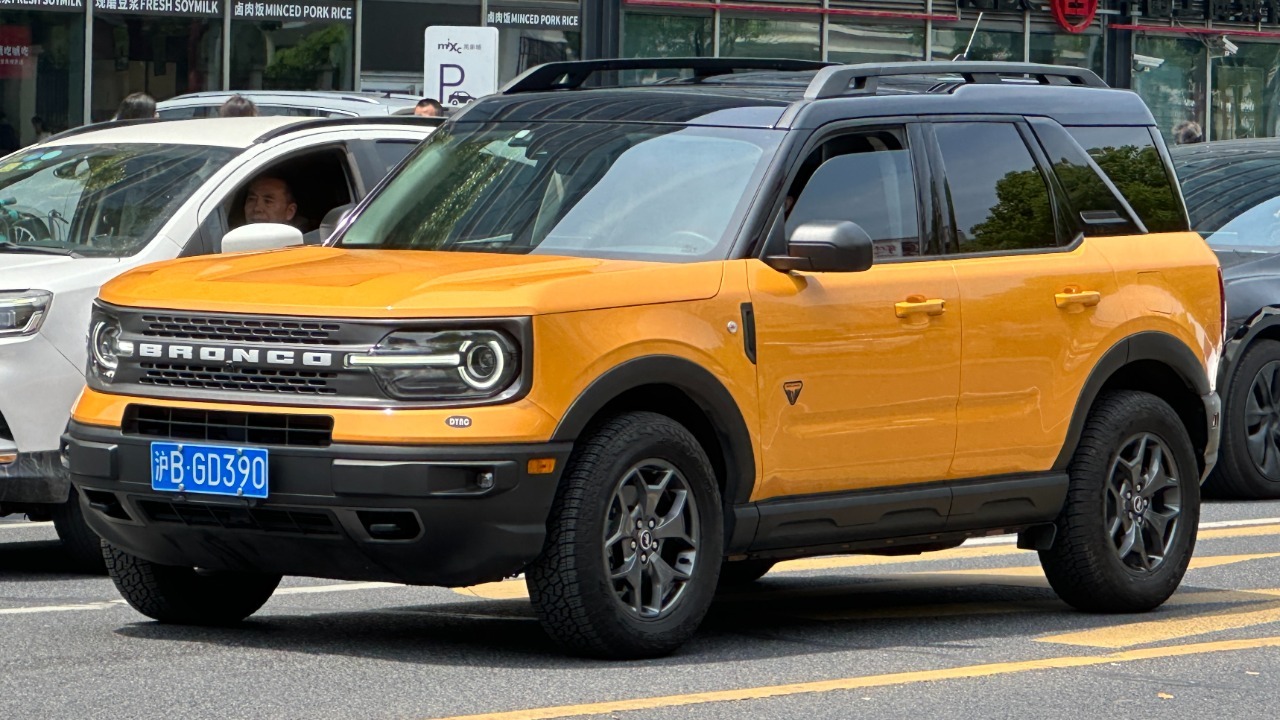
The compact Bronco Sport landed on a rare do-not-drive list after regulators warned a rear control arm could separate from the vehicle, risking loss of control.
Ford urged affected owners to stop driving and contact a dealer immediately for free inspection and repair. A failure at highway speed could be catastrophic, so the automaker treated the fix as urgent rather than routine. Anyone with an open notice should confirm the repair before the SUV goes back on the road. Owners should not wait for a warning sign before acting.
2. Ford Maverick: Same suspension defect
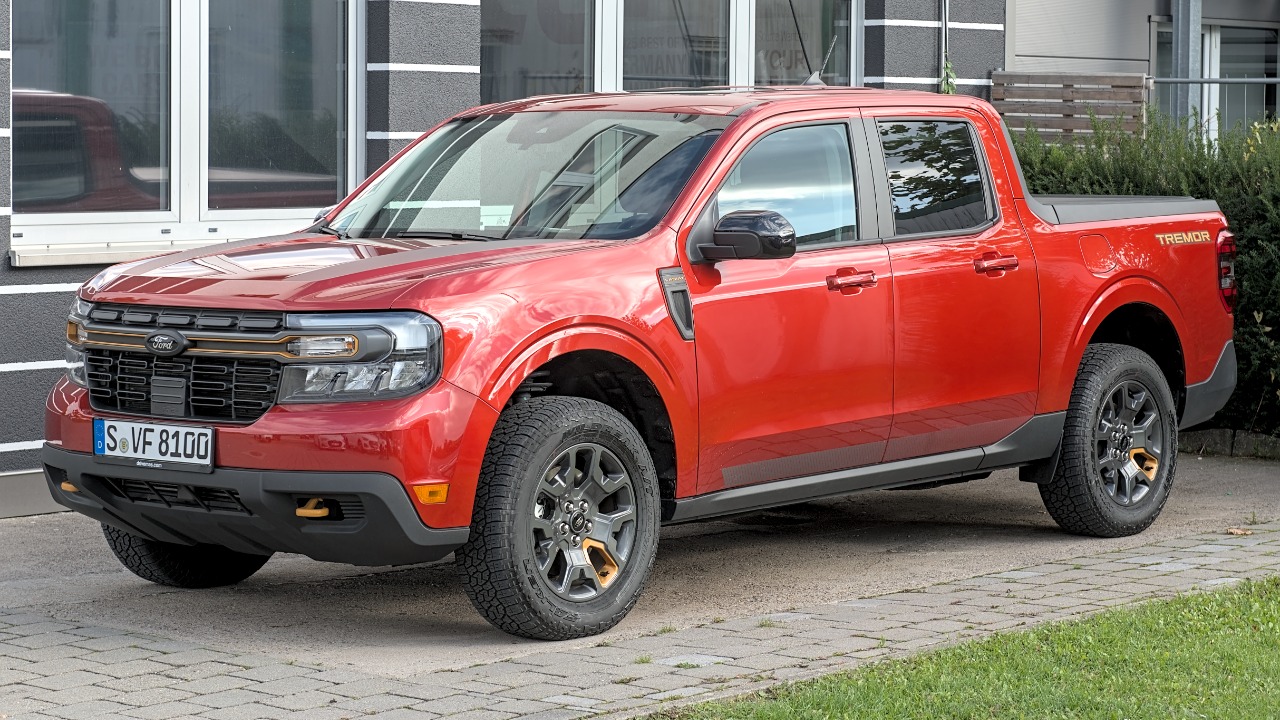
Ford’s small pickup shares a platform with the Bronco Sport, so it inherited the same do-not-drive suspension defect tied to a control-arm separation.
Owners drawn to the Maverick for its value and efficiency were told to park it until a dealer completes the corrective work at no charge. The overlap shows how one flawed component can trigger recalls across an entire vehicle family. Checking the notice status by VIN is the fastest way to know whether a given truck is affected.
3. Chevrolet Bolt EV: Battery-fire history
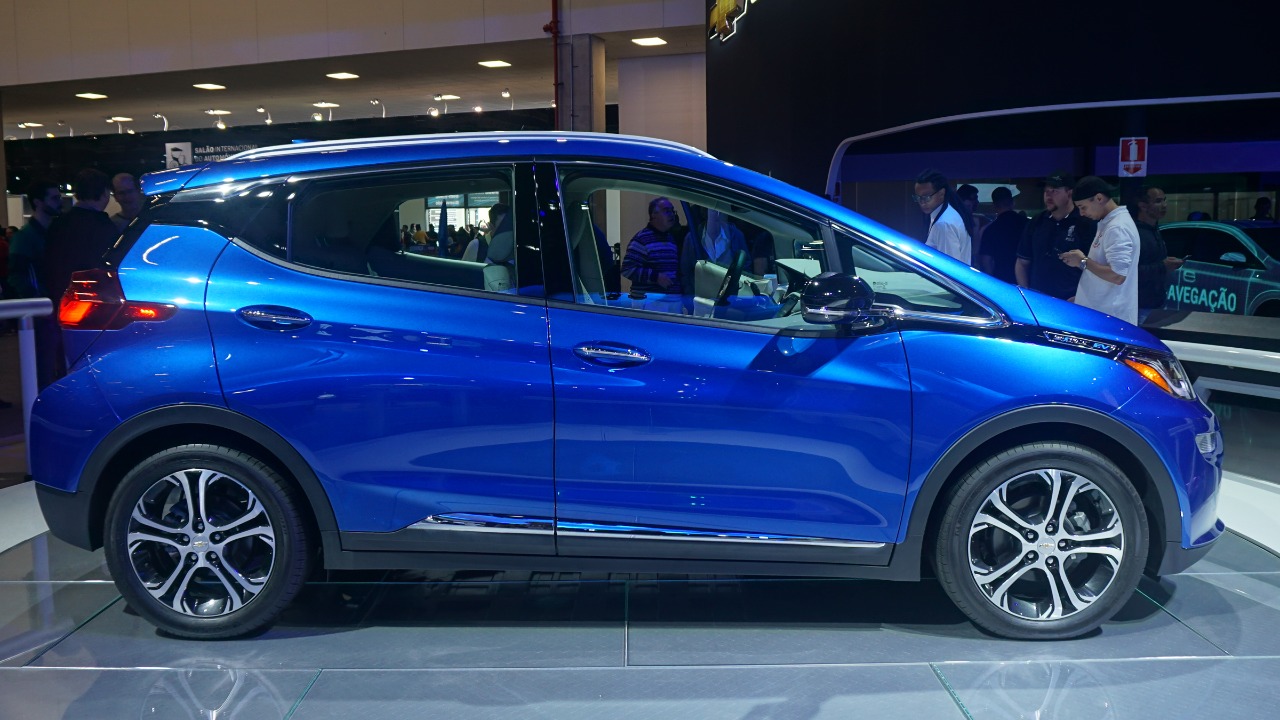
Chevrolet’s affordable electric hatchback became a cautionary tale when a landmark battery recall covered the entire production run over fire risk.
General Motors replaced defective battery modules and warned drivers not to charge to full capacity or park indoors until repairs were done. The episode ranked among the most expensive electric-vehicle recalls to date and reshaped how manufacturers screen battery cells. Bolt owners should verify their pack was replaced under the campaign rather than assuming an older fix still holds.
4. Hyundai Kona: Electric versions flagged
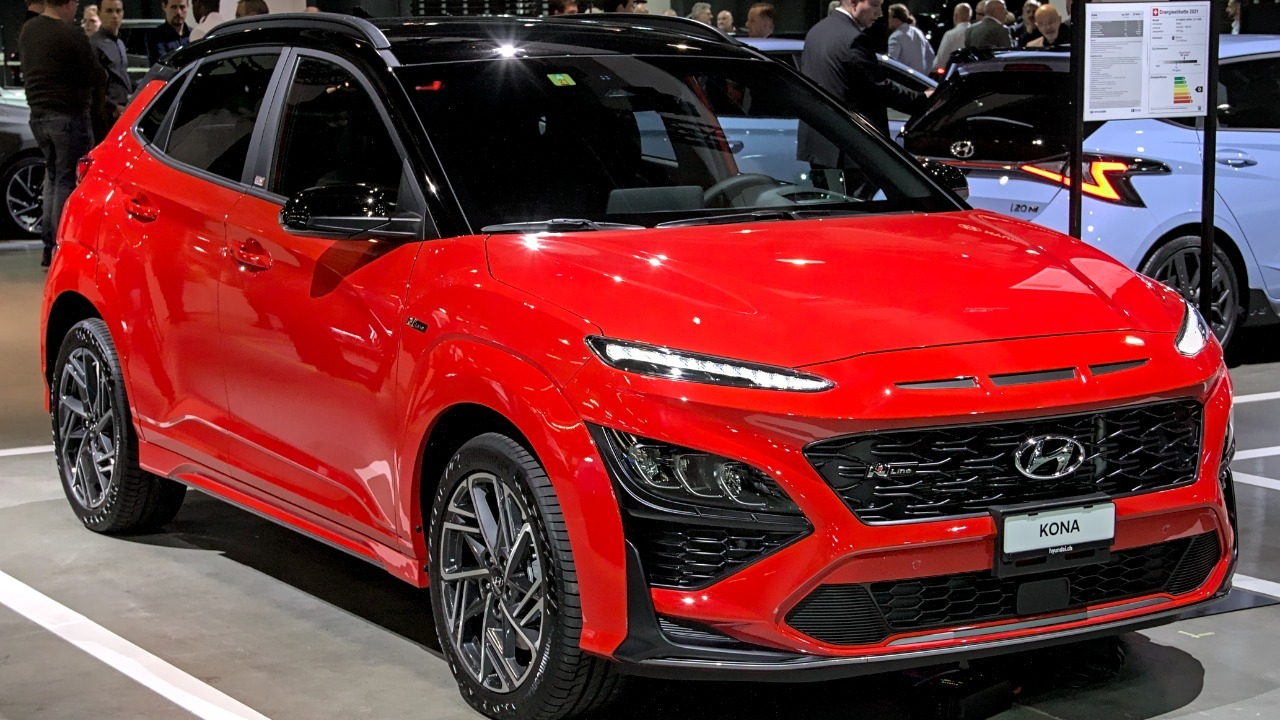
Electric versions of the subcompact Kona were pulled into battery-fire recalls after reports of packs igniting, some while parked.
Hyundai issued software limits and, in many cases, full battery replacements to address the defect. The recalls stretched across multiple markets and underscored that fire risk is not limited to a single brand. Gas-powered Kona models were not part of the battery action, so owners should confirm which drivetrain and campaign apply before assuming their vehicle is clear. Checking the recall status by VIN removes any guesswork about coverage.
5. Kia Telluride: Under-seat risk
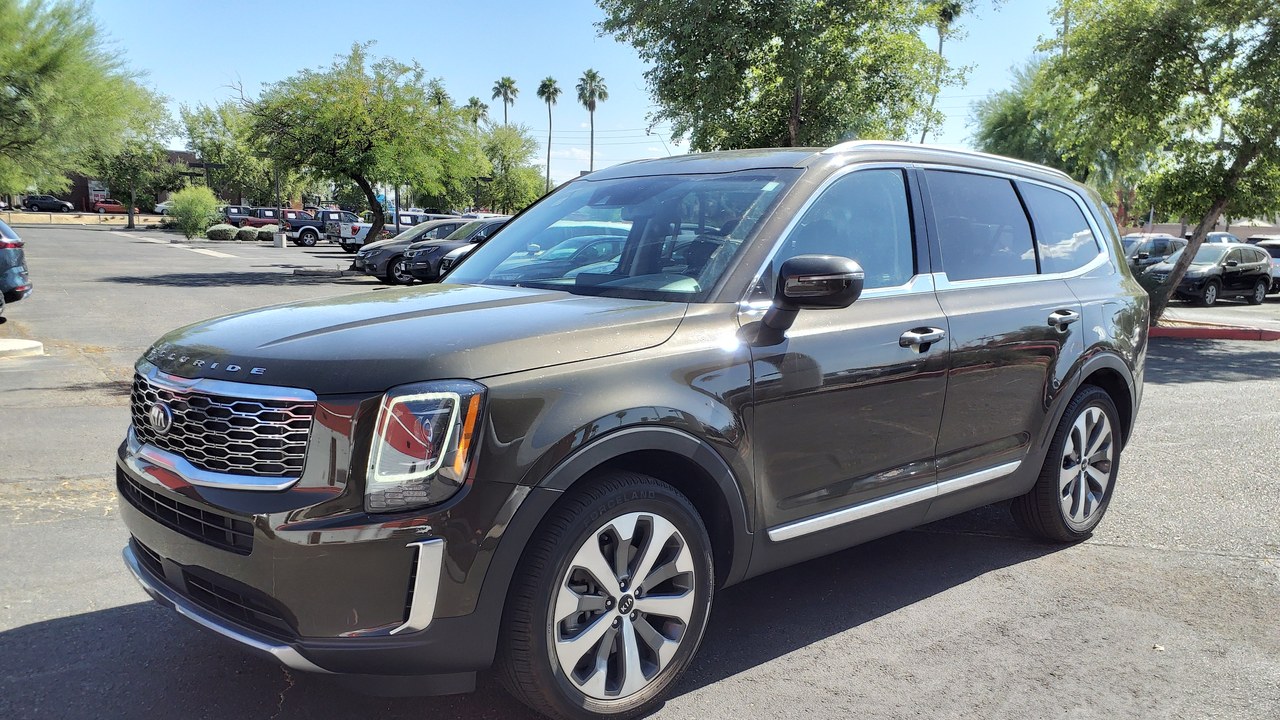
Kia’s award-winning three-row SUV faced a recall after regulators warned a component could overheat and create an under-seat fire hazard.
Owners were advised to park outside and away from structures until dealers completed the free repair, a precaution meant to limit damage if a fire started. The Telluride’s popularity meant the action touched a large pool of families who rely on the three-row SUV daily for school runs and long trips. Confirming the fix protects both the vehicle and anything parked near it.
6. Jeep Wrangler 4xe: Plug-in hybrid concern
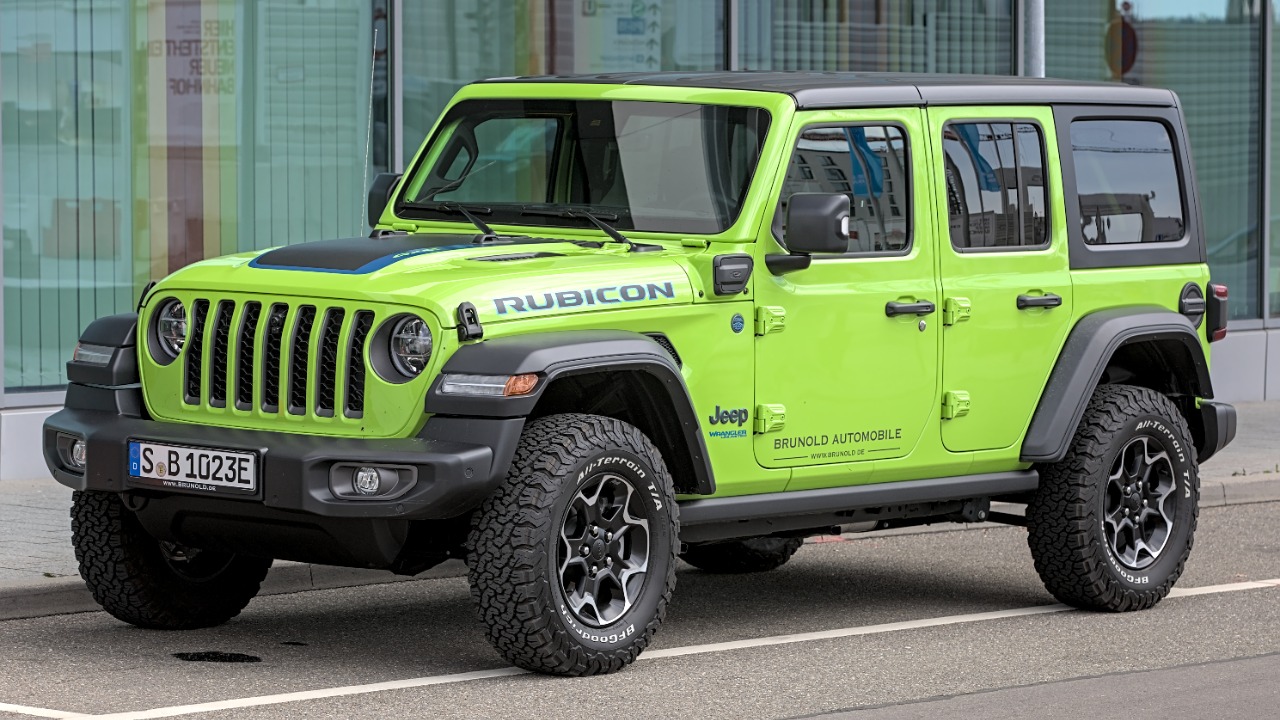
The plug-in hybrid Wrangler 4xe was recalled after its maker identified a fire risk and told owners to avoid charging until repairs were done.
Stellantis advised parking away from buildings and other vehicles as a temporary precaution, echoing warnings seen across several plug-in models. The 4xe blends rugged off-road capability with electric range, but the added high-voltage battery system introduced new failure points that regulators watched closely. Owners should confirm the remedy is installed before resuming home charging. Waiting on the fix keeps the plug-in hybrid safe to operate.
7. BMW X5: Wiring fault
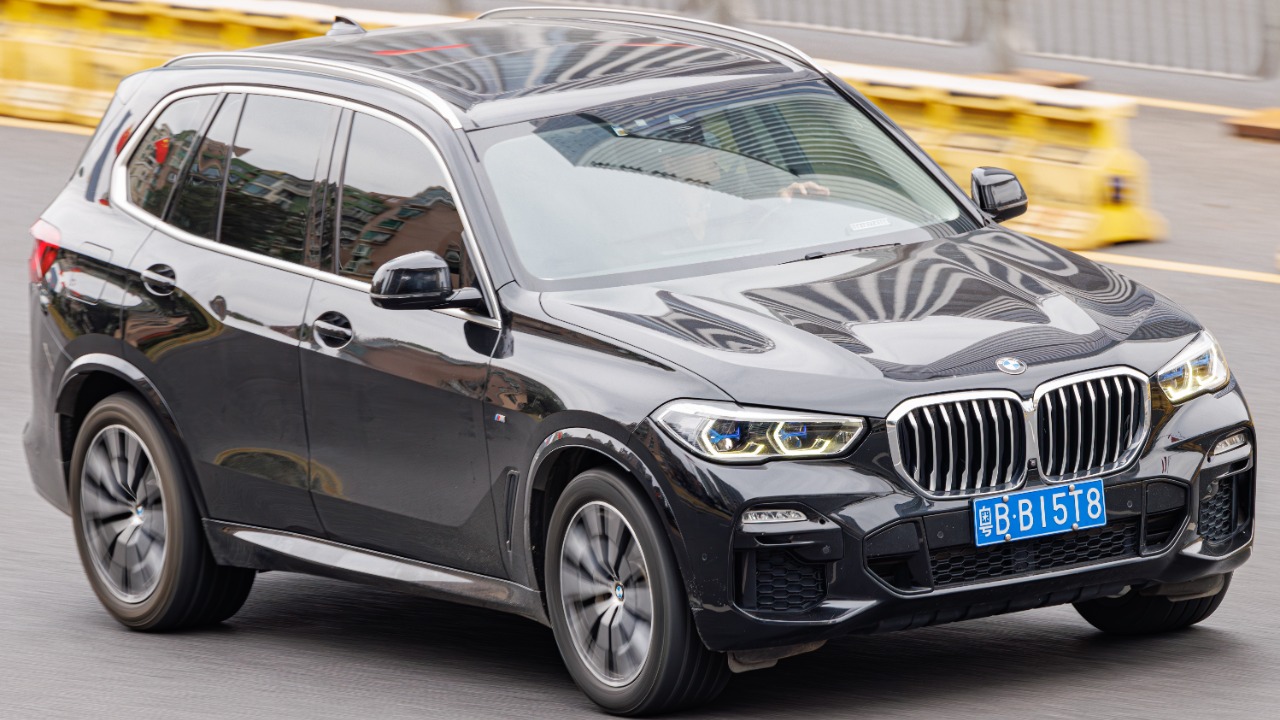
BMW’s flagship midsize SUV was recalled after a wiring or electrical fault was linked to a potential fire, in some cases even with the engine off.
The automaker sometimes advised parking outdoors until dealers inspected and corrected the issue at no cost. Fires that can start in a parked vehicle draw especially close regulatory scrutiny because owners have no warning. X5 drivers should check whether their model year falls within the campaign and schedule the free repair promptly. Acting early reduces the chance of damage to the vehicle or garage.
8. Volkswagen ID.4: Electrical fault
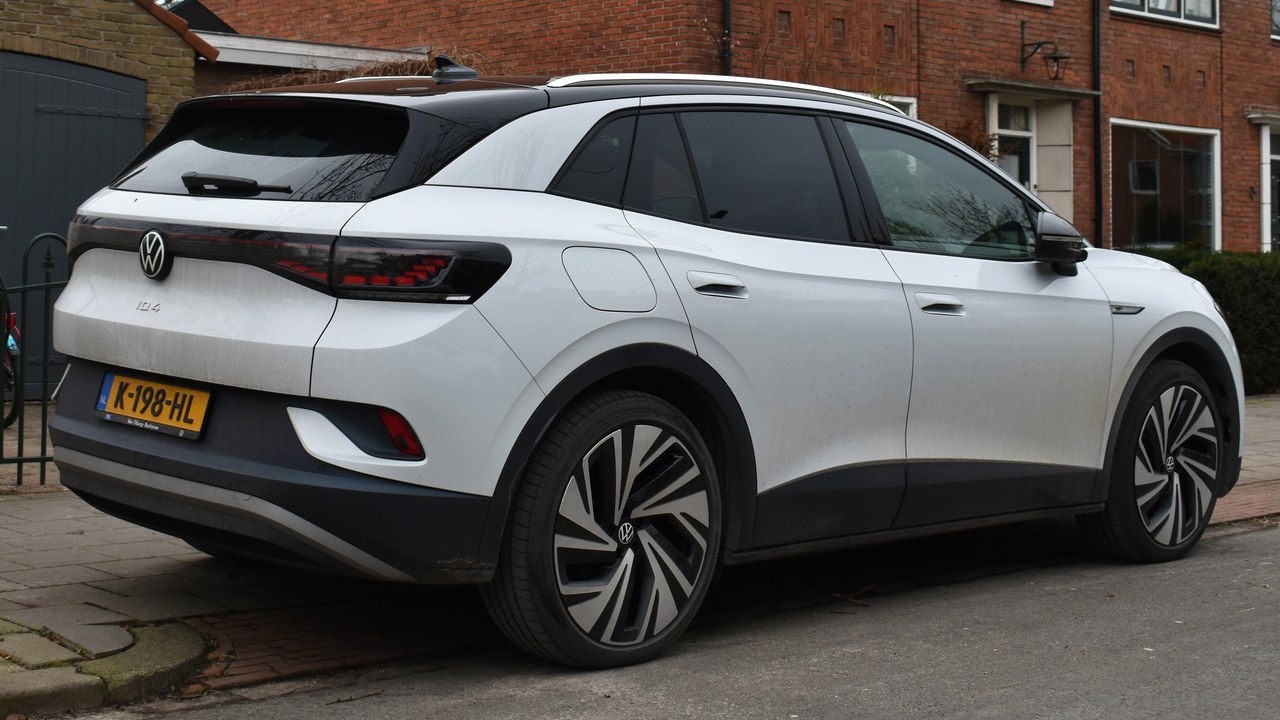
Volkswagen’s electric crossover, the ID.4, was subject to recall action after electrical faults raised safety concerns for the high-voltage system.
Volkswagen worked through software and hardware fixes to address defects that could affect power delivery or safety. As one of the brand’s mainstream electric models, the ID.4 sits at the center of its transition away from gasoline, making reliable fixes essential. Owners should confirm any open campaign has been completed rather than waiting for a warning light. Completing the campaign keeps the electric crossover running as intended.
9. Chrysler Pacifica: Hybrid fire concern
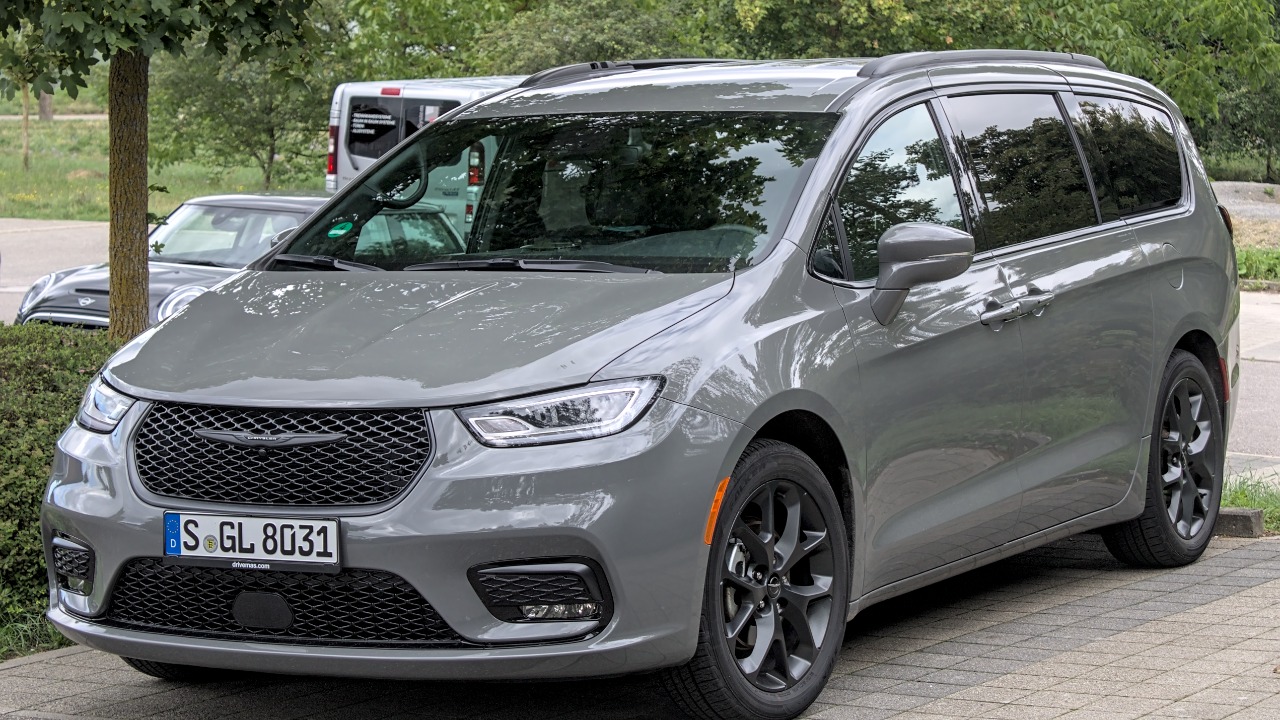
Plug-in hybrid versions of the Chrysler Pacifica minivan were recalled over fire concerns, with owners warned about charging and indoor parking.
Stellantis told affected drivers to avoid plugging in and to park outdoors until dealers completed the free remedy. The Pacifica is a family staple for road trips and school runs, so a defect that risks fire drew immediate attention from safety officials. Hybrid owners in particular should verify their van is covered and repaired before returning to normal charging habits.
10. Ford Escape: Powertrain leaks
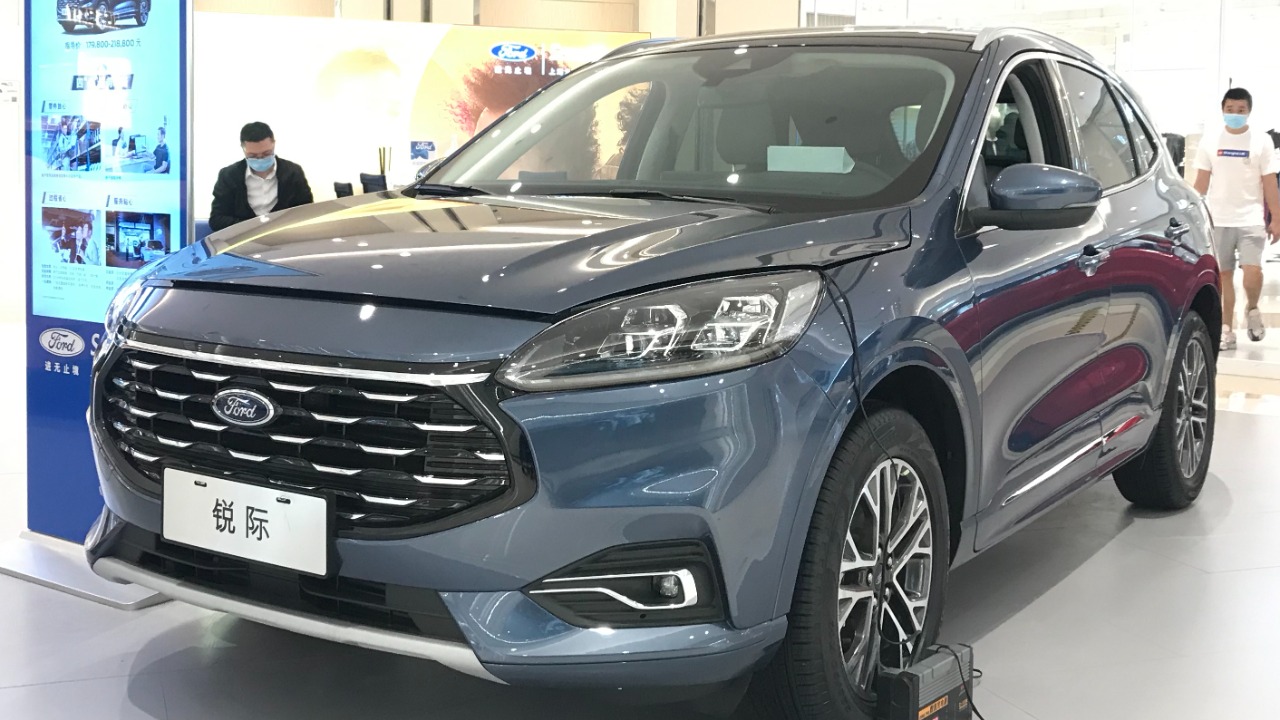
The Ford Escape has appeared in fire-risk recalls tied to powertrain fluid leaks that could reach hot surfaces and ignite.
Ford directed owners to dealers for free inspections and repairs meant to contain or reroute the leak paths before they reach hot surfaces. As a high-volume compact SUV, the Escape reaches a wide base of drivers, amplifying the reach of any recall. Owners should confirm their specific model year and engine are covered and complete the fix without delay. Waiting on a repair only extends the exposure to fire risk.
More from Morning Overview
