
Salt, slush and years of moisture eat steel quietly, and the damage often surfaces long after the warranty ends. Recalls, lawsuits and owner complaint files show which pickups and SUVs have taken the worst of it. Here are twelve trucks and SUVs where corrosion left a documented mark.
Help yourself and the planet: The Cool Down makes it easy to help yourself while helping the planet, with smart, simple changes to save more and waste less in your everyday life.
We may earn a commission if you sign up.
1. Toyota Tacoma: Frame Rust Settlement Centerpiece
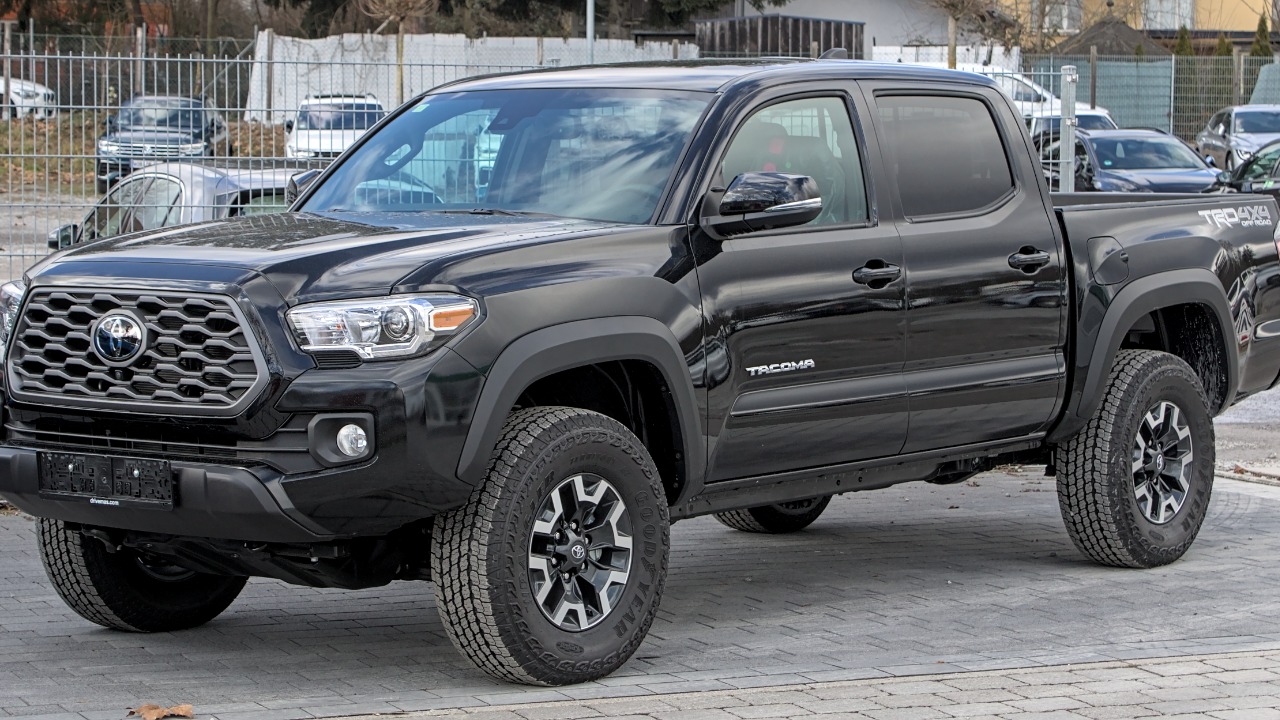
Toyota’s frame-rust settlement, described in a Gasgoo report on the deal, covers about 1.5 million trucks and SUVs and is worth up to $3.4 billion. Tacoma pickups from model years 2005 through 2010 sit inside that group, which puts the midsize truck at the center of a very large claim over frame corrosion.
Anyone shopping a used Tacoma from those years has a reason to inspect the frame itself instead of the paint. Rust underneath can hide behind an otherwise clean body, so an inspection by a shop that can lift the truck is the sensible first step before a purchase.
2. Toyota Tundra: When the Big Toyota Rusts Through
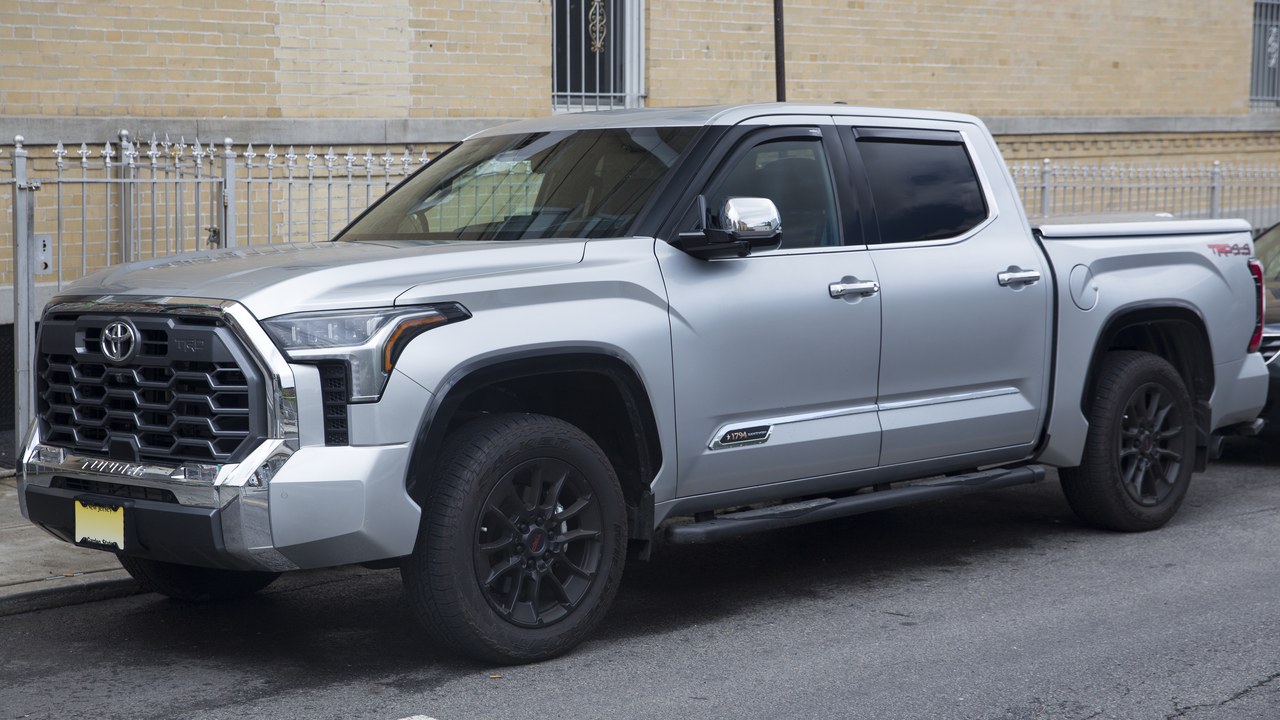
The same Toyota frame-rust settlement reaches the 2007 and 2008 Tundra, where frames with inadequate rust protection could rust through. That wording describes a structural concern rather than a cosmetic one, since the frame carries the cab, the bed, the engine and every towing load.
Buyers of used full-size trucks from those years can treat frame condition as the first line on the inspection list. Flaking scale, soft spots and patched sections are worth probing before any money changes hands, because a frame problem costs far more than a pre-purchase check.
3. Toyota Sequoia: Fifteen Thousand Dollars a Frame
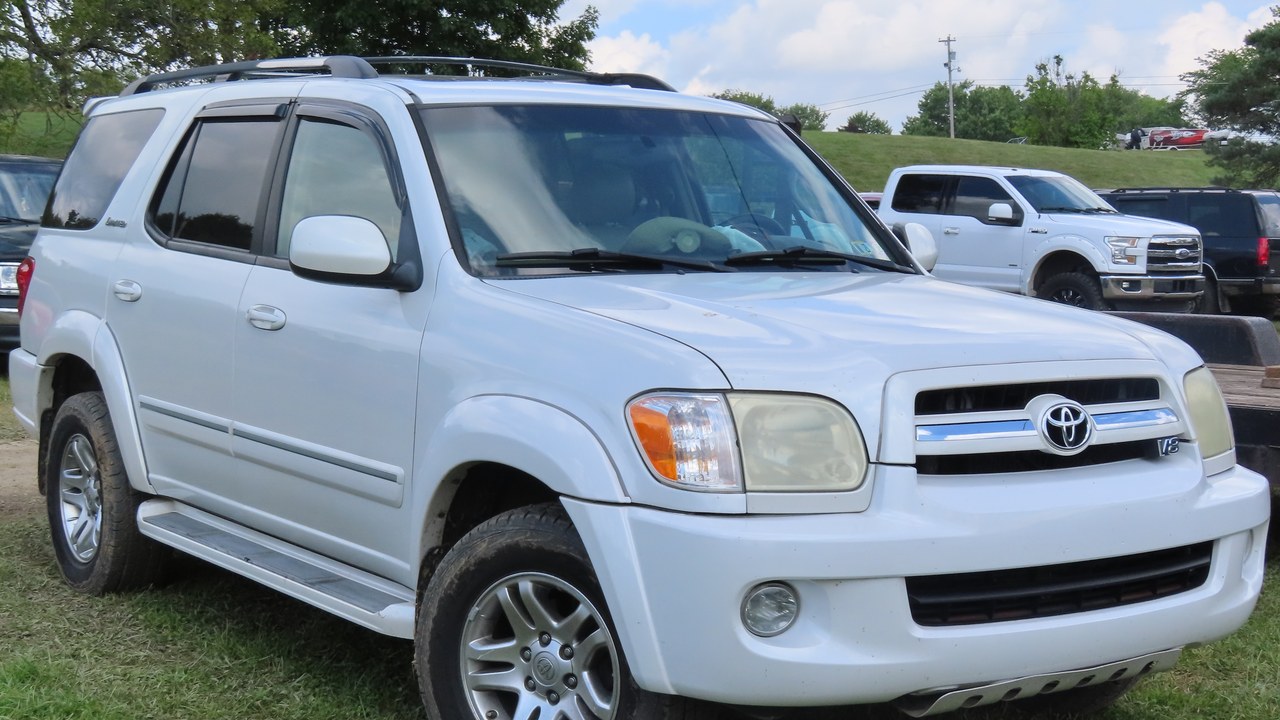
Toyota’s three-row SUV appears in the settlement as well, with 2005 through 2008 Sequoia models covered and replacement estimated at roughly $15,000 per frame, according to the Gasgoo settlement coverage.
That figure shows how an underbody problem can turn into an expense out of proportion to a vehicle’s age. A Sequoia from that era may look sound in the driveway while the cost of a structural repair sits underneath, so an owner or buyer should weigh the frame ahead of the interior and the odometer.
4. Chevrolet Silverado: Brake Lines Under the Microscope
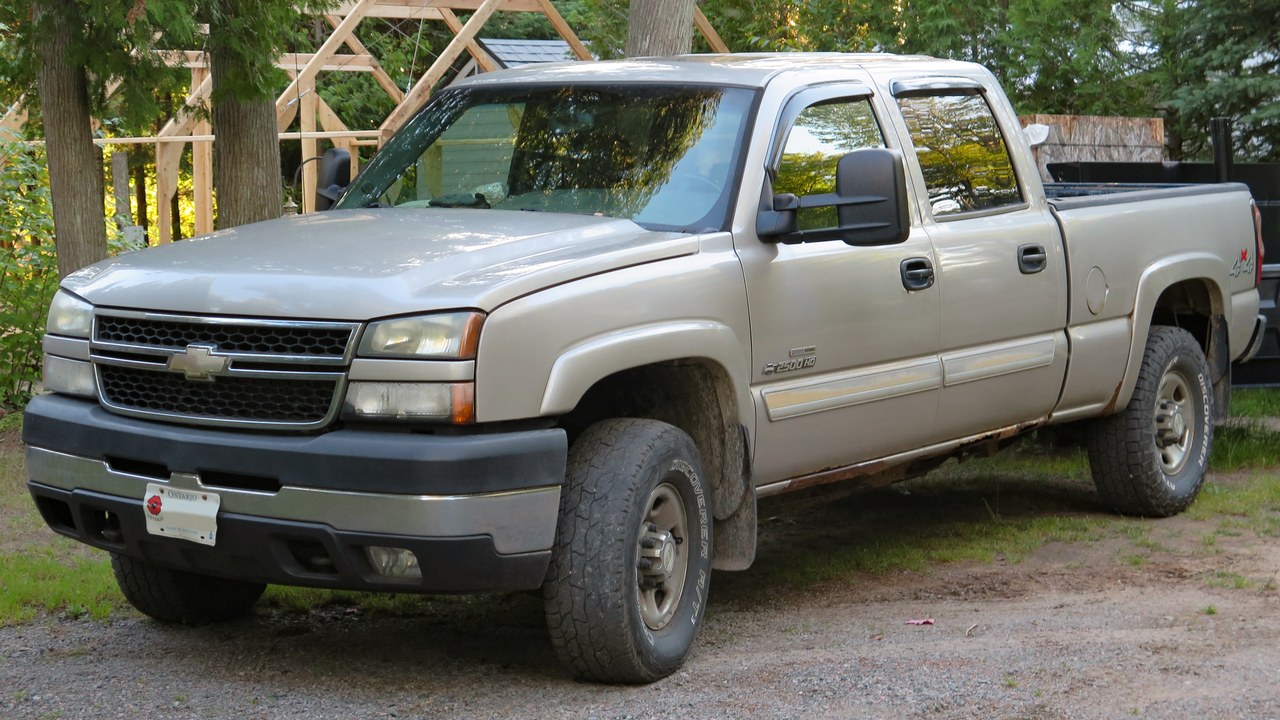
Federal investigation EA11-001, documented in an NHTSA investigation closing report, covered about 2,038,504 GM pickups and SUVs from 1999 through 2003 in 21 salt states. The concern was brake-line corrosion that could cause a rupture during brake application, and the file logged 2,702 complaints.
The agency closed the probe in April 2015 without a defect finding, so the record shows scrutiny rather than a ruling against the truck. Even so, steel brake lines in salt-belt regions are worth checking on any older Silverado that spent its life on treated winter roads.
5. Nissan Frontier: A Corroded Steering Joint
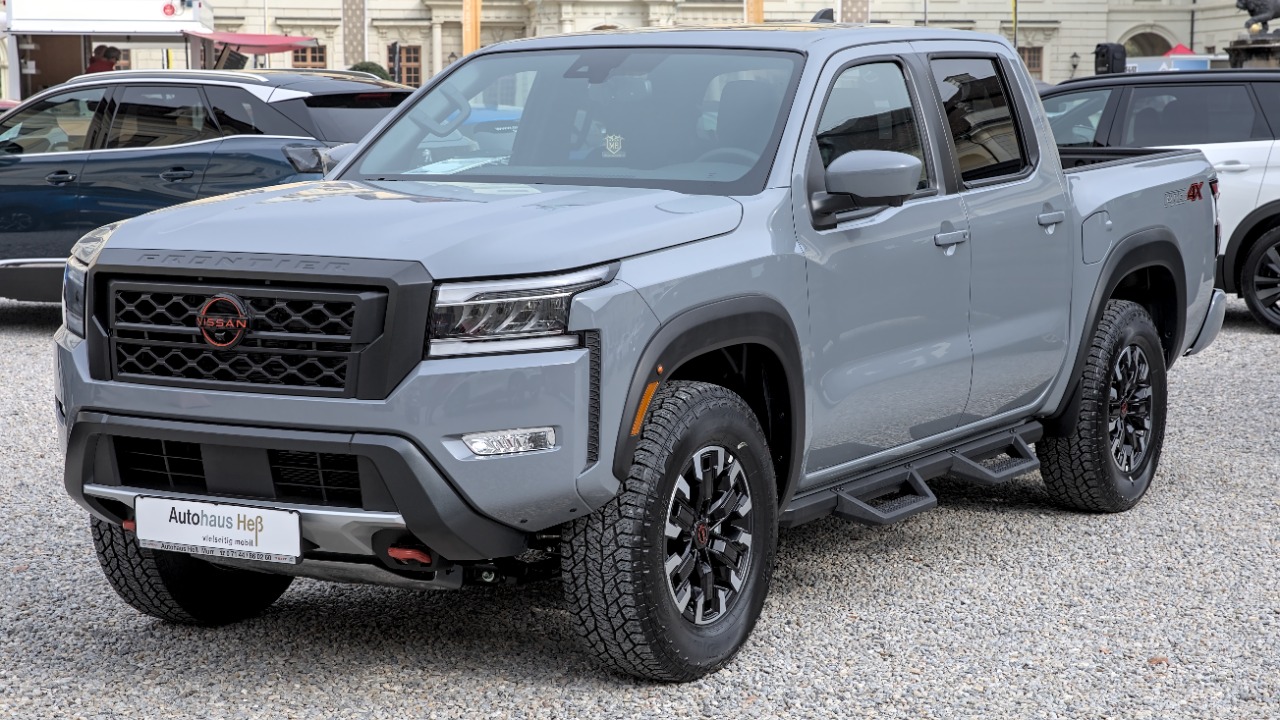
Recall 10V-554, filed with NHTSA and available as a NHTSA recall document, covered 500,552 vehicles from 2002 through 2004. The Frontier shares the campaign with the Xterra, and the defect was a corroded lower steering-column joint that could crack the shaft.
Corrosion here attacks a part that links the wheel to the steering gear, which makes the issue one of control rather than appearance. A used early-2000s Frontier deserves a recall-status check, and any play or noise in the column merits a mechanic’s attention.
6. Nissan Xterra: The Frontier’s Boxy Twin
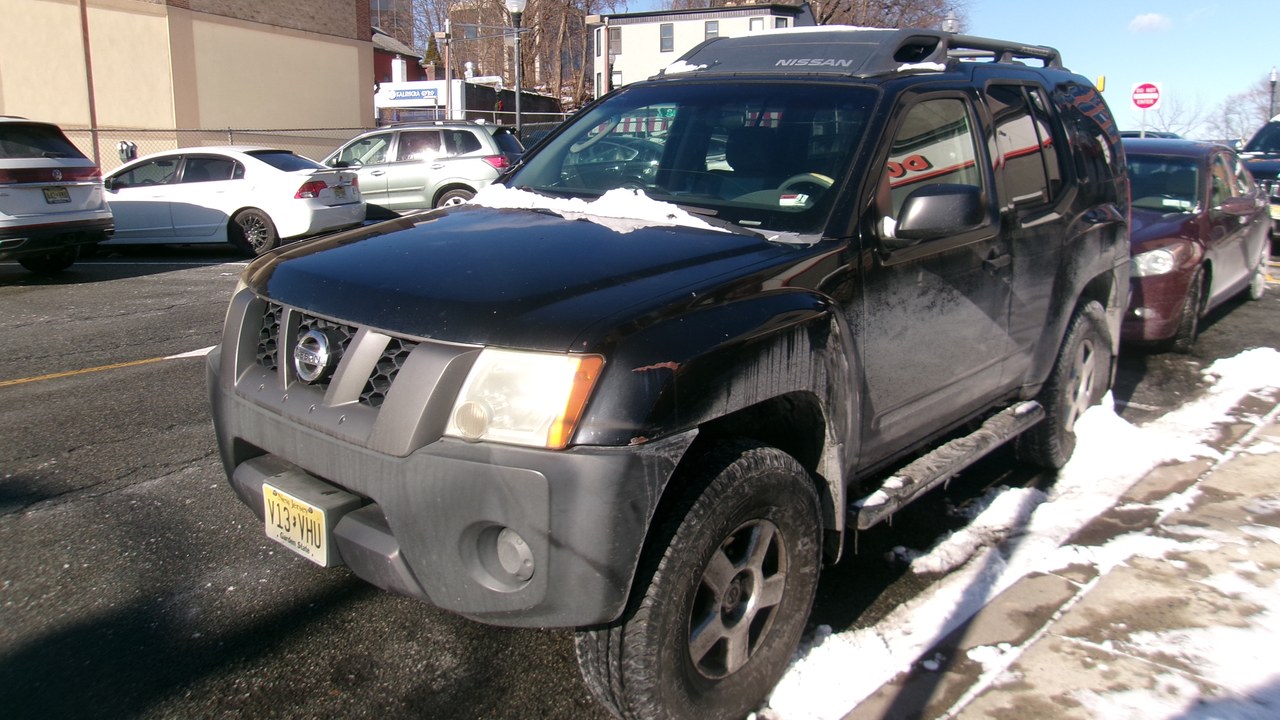
Named alongside the Frontier, the 2002 through 2004 Xterra falls under the same recall, 10V-554, set out in the NHTSA recall filing. The failing part is a lower steering-column joint, a spot where moisture and road salt could eat at the metal over time.
Owners of the first-generation SUV can confirm repair status by running the vehicle identification number through the NHTSA lookup. A vehicle that has seen salted winters or wet trails deserves a closer look at the steering column and its joint than the odometer alone would suggest.
7. Ford F-150: Fenders, Rockers and Tailgate
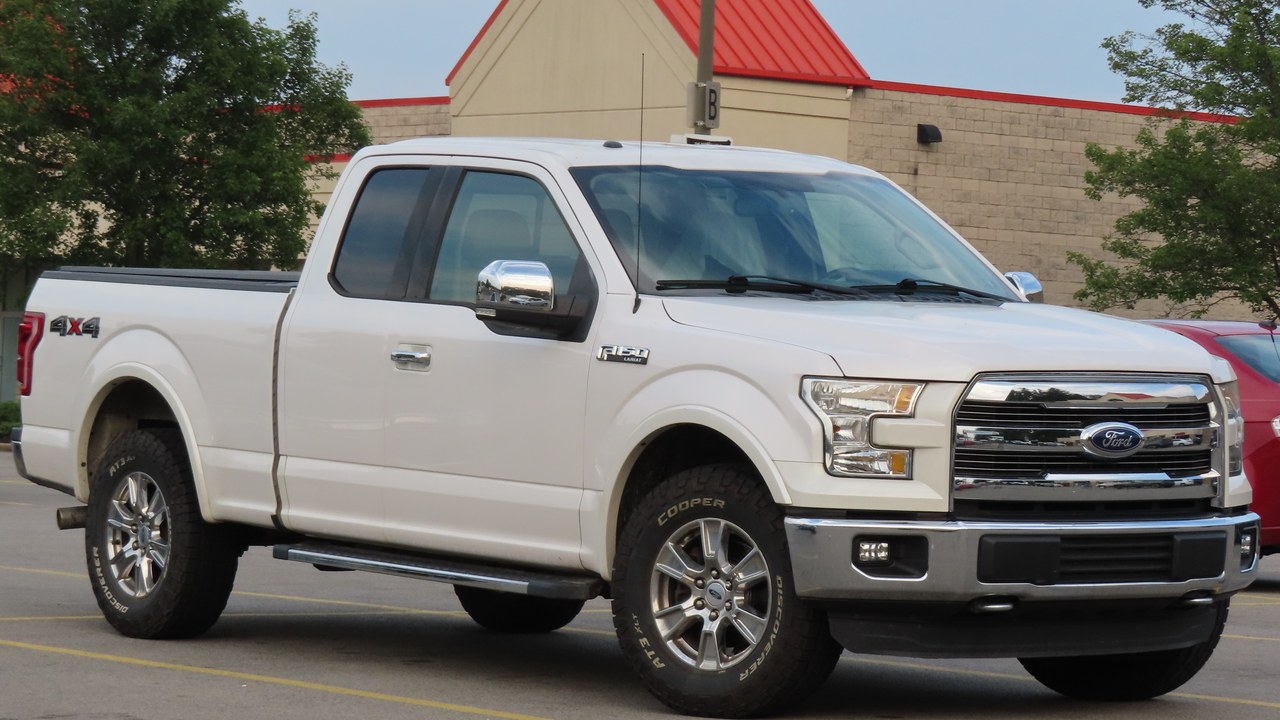
CarComplaints.com tracks 12 owner reports of premature excessive rust on the 2013 F-150, as shown on its CarComplaints rust page. The complaints name the rear fenders, rocker panels and tailgate, with an average failure mileage of 64,900 miles.
A dozen reports is a small sample against the number of trucks Ford sells, so the page works better as a pointer than a verdict. Still, the body areas listed can be inspected in minutes, and bubbling paint at those spots on a 2013 truck is a fair basis for negotiating the price.
8. Ram 1500: Rails Rusted All the Way Down
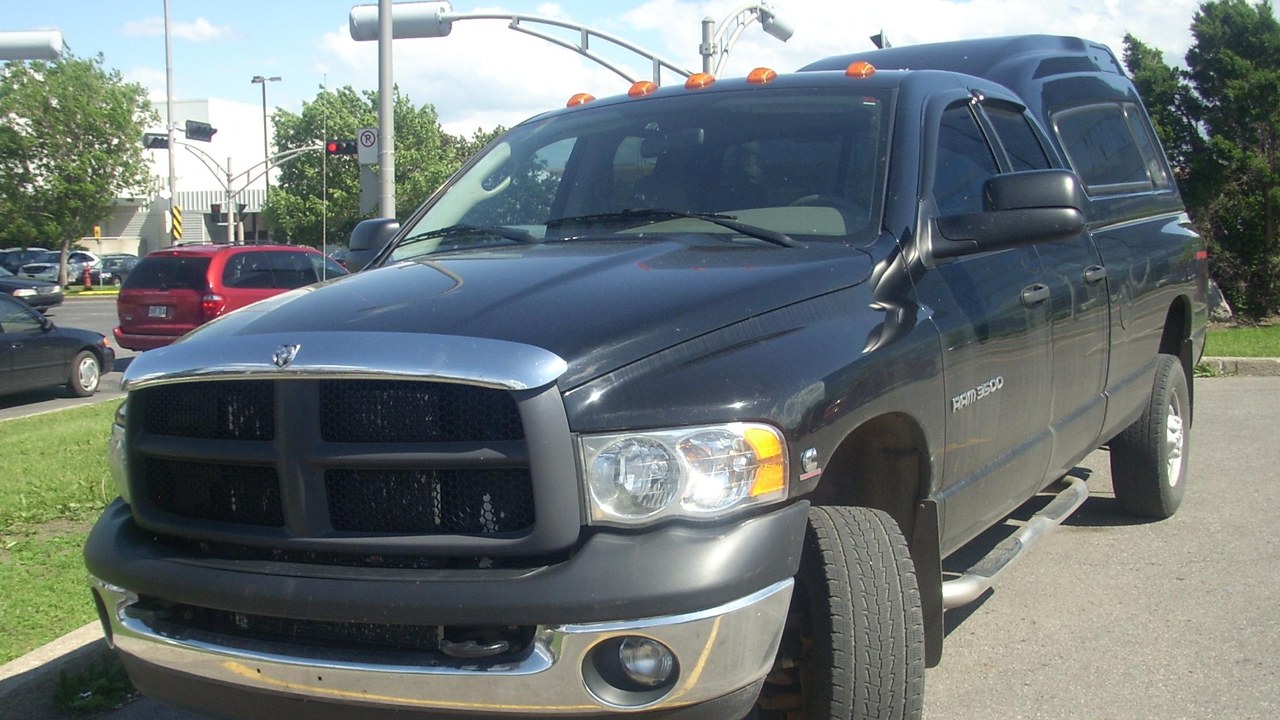
On the 2000 Dodge Ram 1500, CarComplaints logs five NHTSA frame complaints, summarized on its CarComplaints frame page. One owner reports the frame rusted all the way down the rails, and related notes mention holes in the rear bumper and rusted rear fenders.
Complaint databases reflect owners who chose to report, so five filings do not amount to a failure rate. The pattern still fits a truck now well past twenty years old, where the condition of the frame decides whether it is a usable pickup or a parts donor.
9. GMC Sierra: Crossmembers Gone Missing
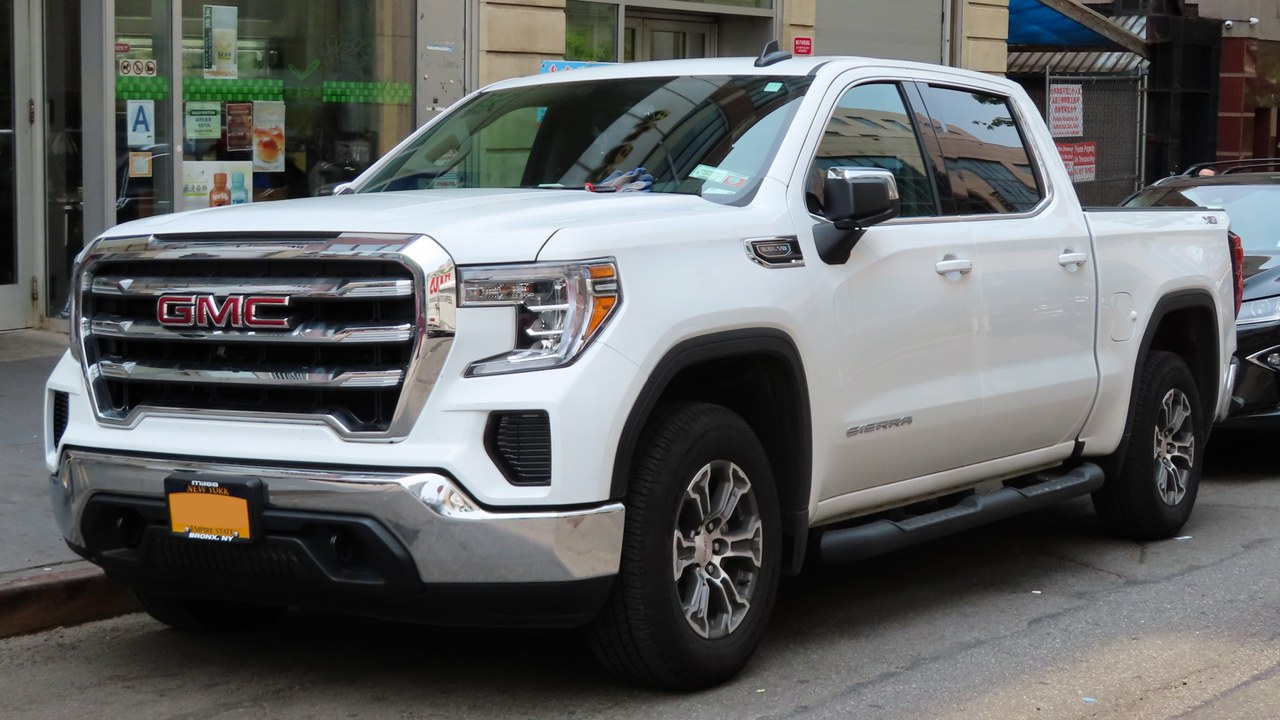
Owners on the CarComplaints body page for the 2013 GMC Sierra 1500 describe excessive rust perforating the frame, one at 115,000 miles. Crossmembers are reported rotted away between the rails, and one owner wrote that after only three years the frame was a mess, all rusted and destroyed.
These are individual accounts, not a recall, so the evidence is anecdotal. The detail that matters to a buyer is the timeline, since a frame complaint after three years suggests checking even fairly young trucks that have spent winters on salted roads.
10. Ford F-250: Straps That Rust and Break
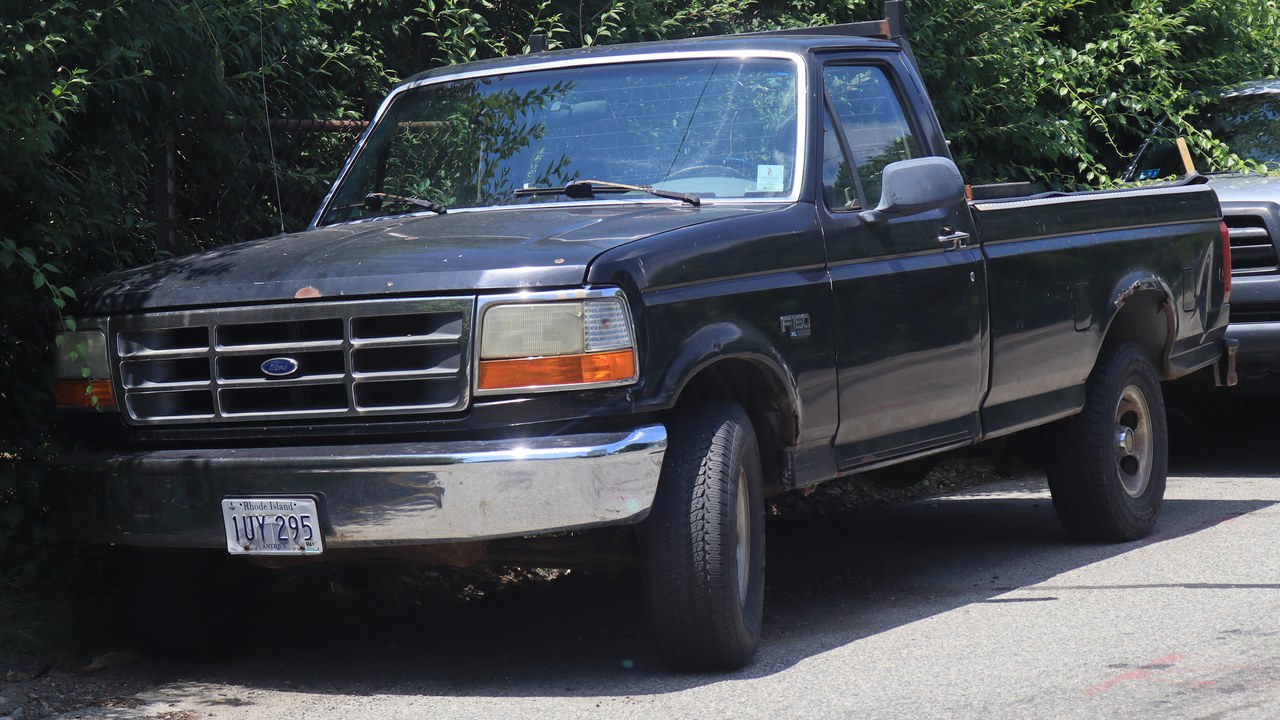
Ford recall 11S21, reflected in an NHTSA recall report from 2011, covered about 1.1 million F-Series trucks from 1997 through 1999, including the F-250. The fuel-tank straps could fracture from corrosion, and those straps are the parts that hold the tank in place.
Tank straps sit out of sight and are easy to overlook until one lets go. Heavy-duty trucks from this period are often kept working for decades, so the owner of an older F-250 should confirm the recall was performed and look at the straps for flaking steel.
11. Honda Pilot: Subframe Trouble in Salt States

Recall 26V365, posted in an NHTSA recall report from 2026, covers 880,514 Honda and Acura vehicles for rear subframe corrosion in salt states. Pilots from 2016 through 2022 make up 463,253 of them, which is the largest share of the campaign.
The recall is recent, dating to June 2026, so many affected owners may only now be hearing about it. Anyone with a Pilot from those years who lives where roads are salted should check the VIN with Honda or NHTSA and watch for notices about inspection or repair.
12. Honda Ridgeline: Unibody Truck, Subframe Problem
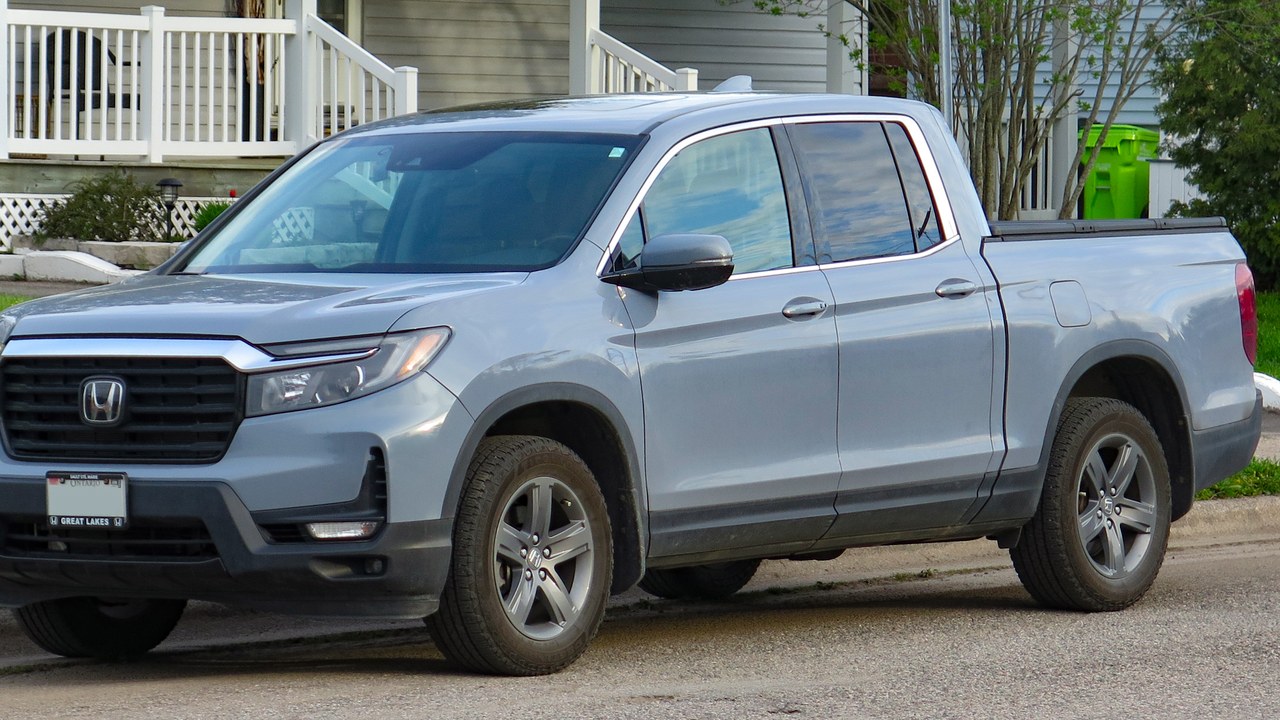
The same campaign pulls in 110,070 Ridgelines from 2017 through 2023, according to the 26V365 recall filing. Progressing subframe corrosion in these trucks can thin and fracture the mounting metal, which is the hardware tying the rear suspension to the vehicle.
The Ridgeline is a unibody pickup, so the mounting points carry more structural weight than a bolt-on accessory would. Owners in snowy regions can look for scale and flaking near the rear subframe, and a dealer inspection under the recall is the safest way to settle the question.
Help yourself and the planet: Get The Cool Down →
We may earn a commission if you sign up.
More from Morning Overview
- Hurricane Hunter radar shows four warning signs that a tropical cyclone is about to strengthen, a University of Miami study found
- Tropical Storm Rachel is dumping up to 12 inches on four Mexican states on its way to major hurricane strength
- The FTC says Lens.com doubled the price shoppers saw in Google ads
- Common allergy, bladder and sleep pills tied to sharply higher dementia odds
