
Full-size SUVs earn their keep when the seats fold and the load floor opens up. Cargo volume behind the front row varies widely across popular three-row models, and the gaps between them are larger than many shoppers expect. Here are twelve SUVs ranked by maximum cargo room, based on 2025 model year figures.
The day in tech, in one email: TLDR is the daily newsletter with links and TLDRs of the most interesting stories in startups, tech and programming.
We may earn a commission if you sign up.
1. Chevrolet Suburban: Longest Wheelbase, Biggest Hold
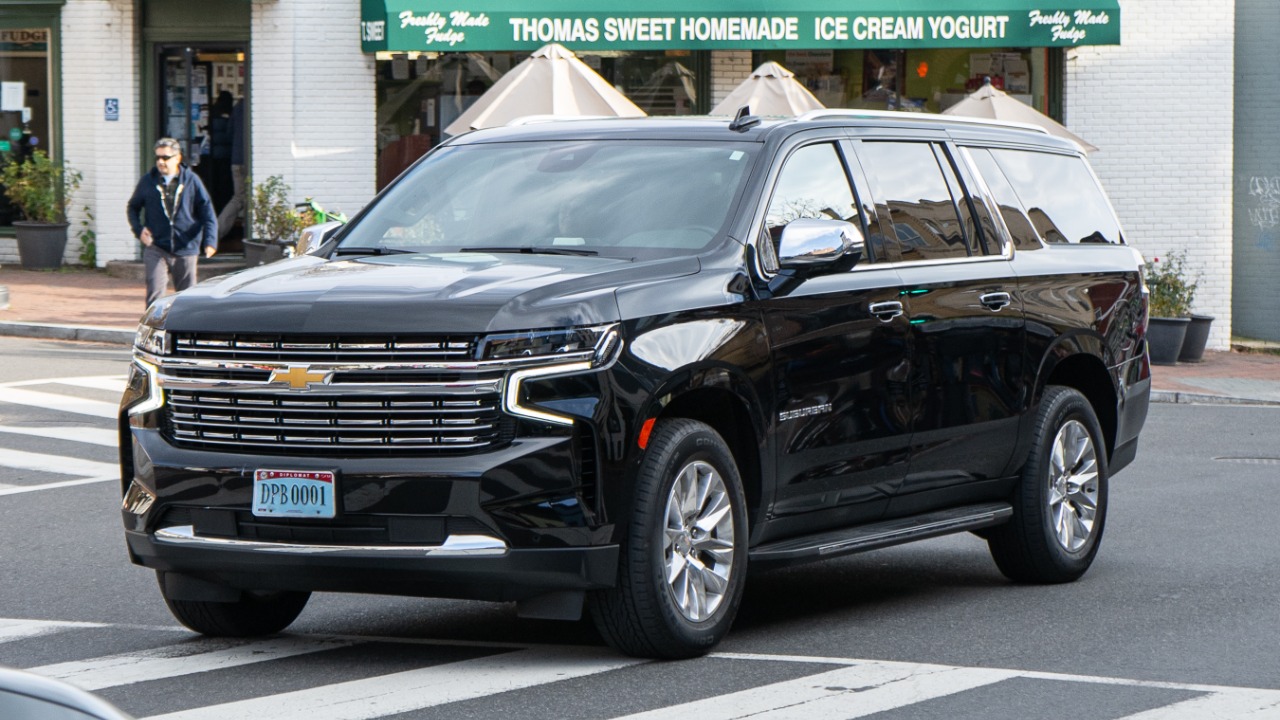
Chevrolet’s full-size wagon claims the top spot in this ranking, with 144.5 cubic feet of space behind the front row. That figure is for the 2025 model year with the second and third rows folded, and the Suburban is the largest number on the list.
The same source lists a slightly higher 144.7 in its model FAQ, so the exact digit depends on the page. For buyers hauling lumber, hockey gear or moving boxes, the practical takeaway is that no rival here offers more volume.
2. Cadillac Escalade ESV: Luxury With Cavernous Space
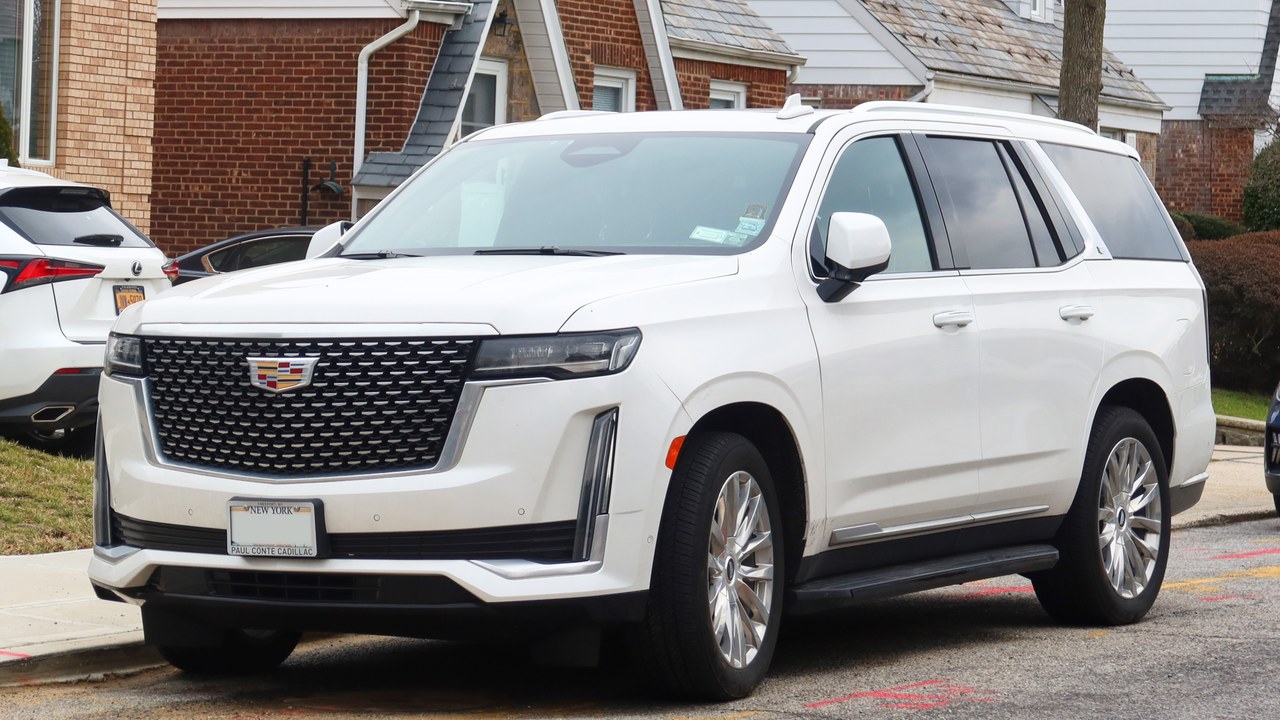
Cadillac’s stretched Escalade comes second at 142.8 cubic feet of maximum cargo space, measured behind the front row for the 2025 model year. The ESV body style is what puts it within a couple of cubic feet of the Suburban.
That makes the ESV the roomiest choice for shoppers who want a luxury badge without giving up hauling capacity. The measurement assumes the rear seats are folded, so everyday use with passengers aboard will offer far less open floor.
3. Jeep Wagoneer L: Long-Wheelbase Wagoneer
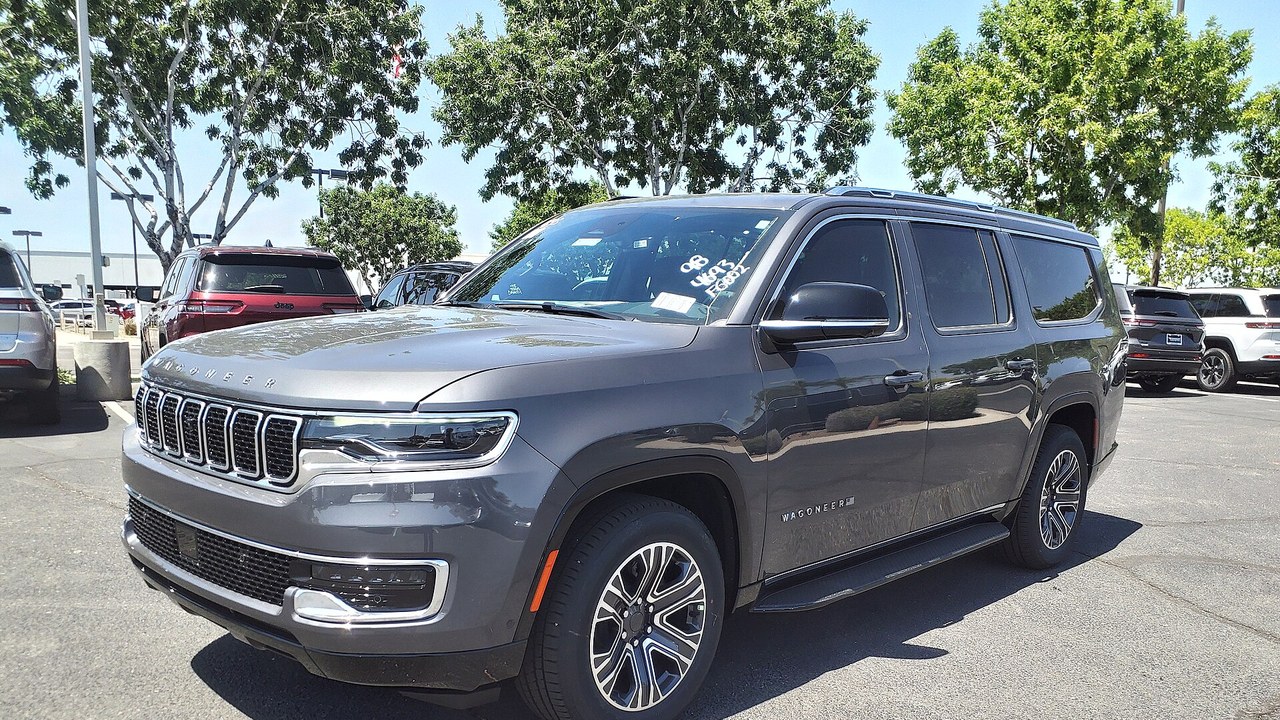
Jeep’s extended Wagoneer L offers 130.9 cubic feet of maximum cargo space, which places it third in the ranking. All figures come from the 2025 model year and are taken behind the front row.
The extra length over the standard Wagoneer is the reason it sits well ahead of it in the table. Families that regularly load a third row and still need luggage room will find the L version the more capable of the two.
4. Ford Expedition Max: Stretched Ford Hauler
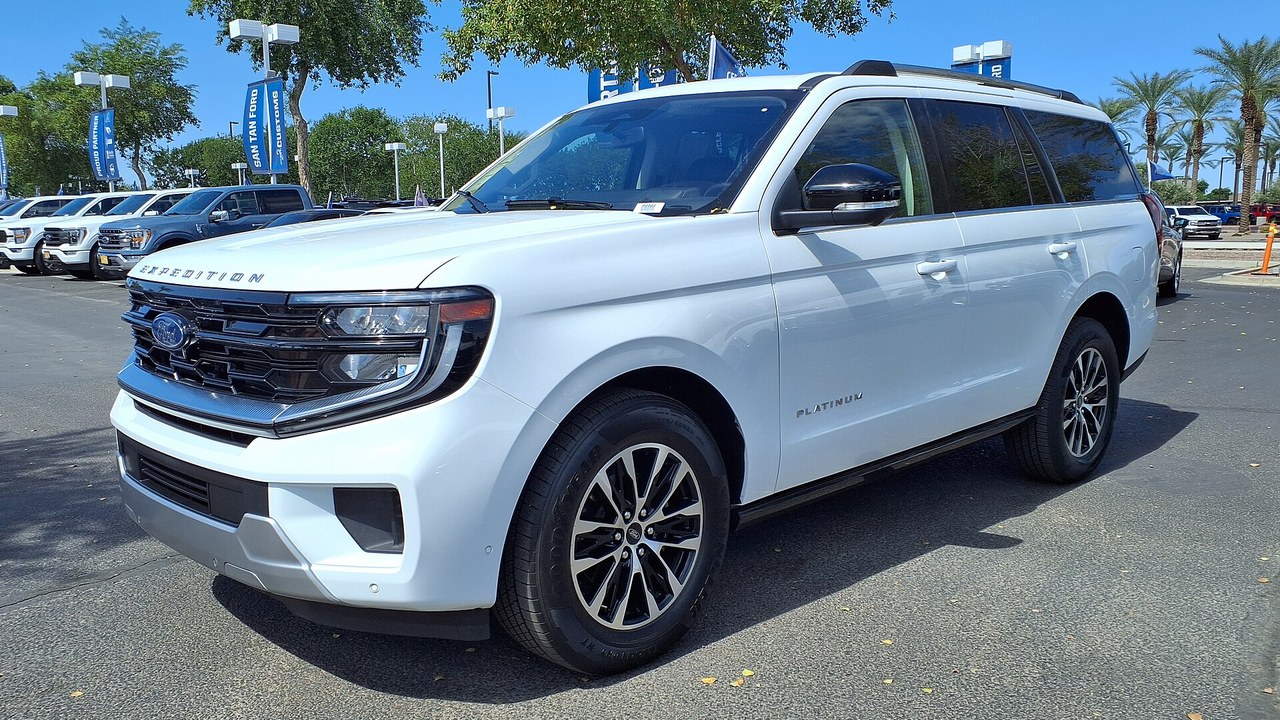
At 123.1 cubic feet of maximum cargo space, the Expedition Max takes fourth place. The number reflects the 2025 model year with the seats folded and measured behind the front row.
Ford’s longer body adds meaningful volume over the regular Expedition, which appears later in the ranking. Owners who tow or carry bulky gear gain the most from the Max, though its length can complicate tight parking. Measured the same way as every other entry, the figure allows a fair comparison.
5. Chevrolet Tahoe: Compact Footprint, Big Hold
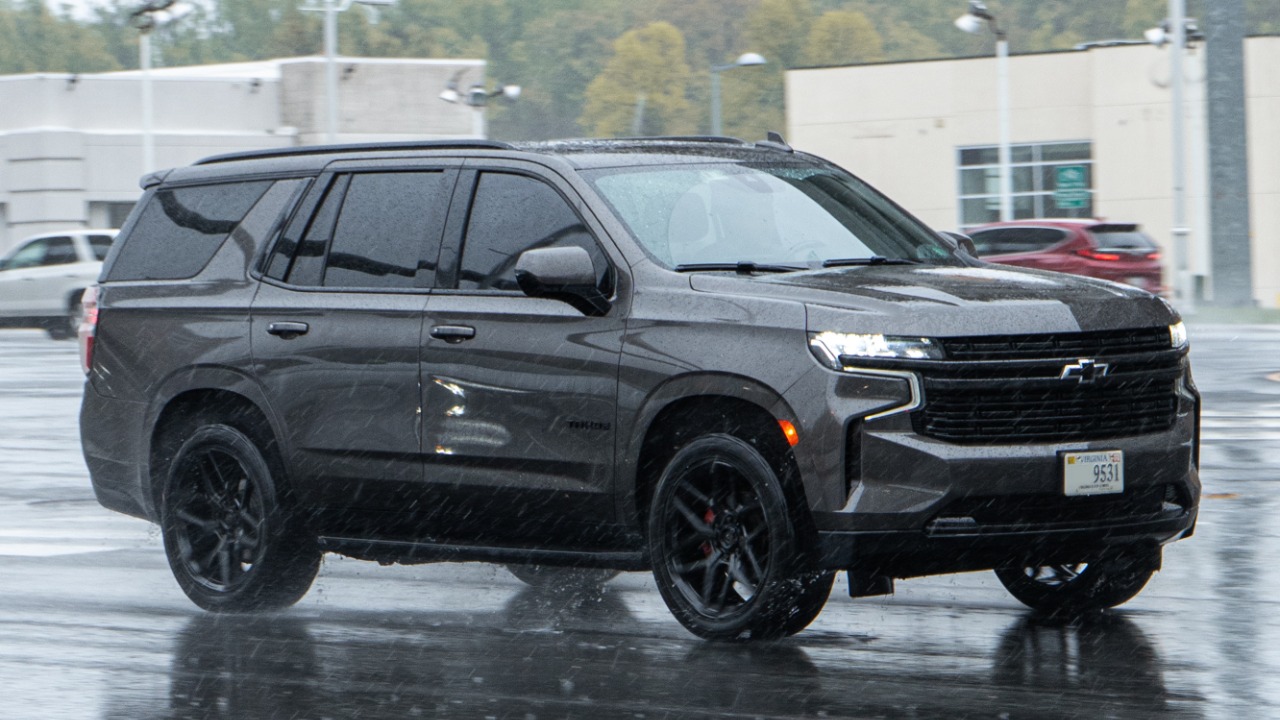
Chevrolet’s Tahoe lists 122.7 cubic feet of maximum cargo space, just behind the Expedition Max. Like every figure here, it applies to the 2025 model year and is measured behind the front row.
The shorter Tahoe gives up very little to the longer Ford while being easier to maneuver and park. That balance is why it suits households that want near-Suburban capability in a body that fits a standard garage more readily.
6. Lincoln Navigator L: Lincoln’s Long Navigator
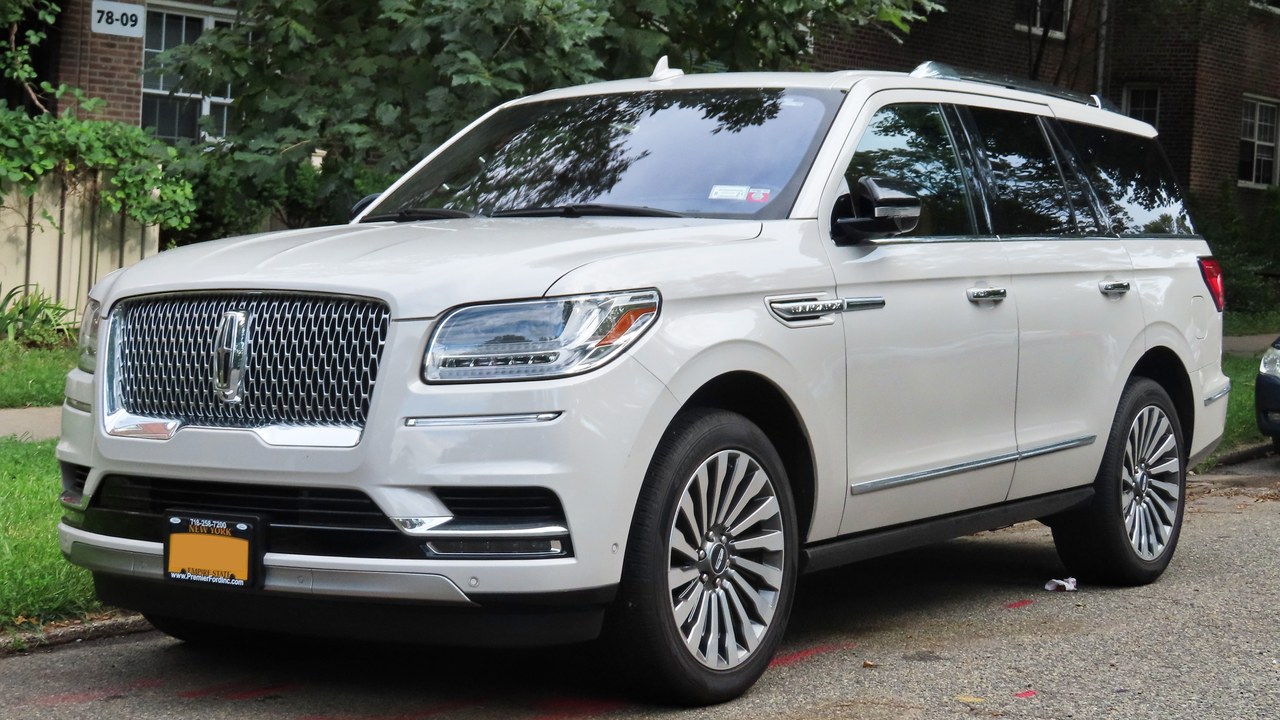
The extended Navigator L provides 121.6 cubic feet of maximum cargo space, ranking sixth. The figure is for the 2025 model year and covers the area behind the front row.
Lincoln pairs that volume with a luxury positioning, so the L suits buyers who want cargo room alongside a quieter cabin. Compared with the Cadillac and Chevrolet entries above it, the Navigator L trades a little capacity for a different brand character.
7. Jeep Wagoneer: Standard-Length Wagoneer
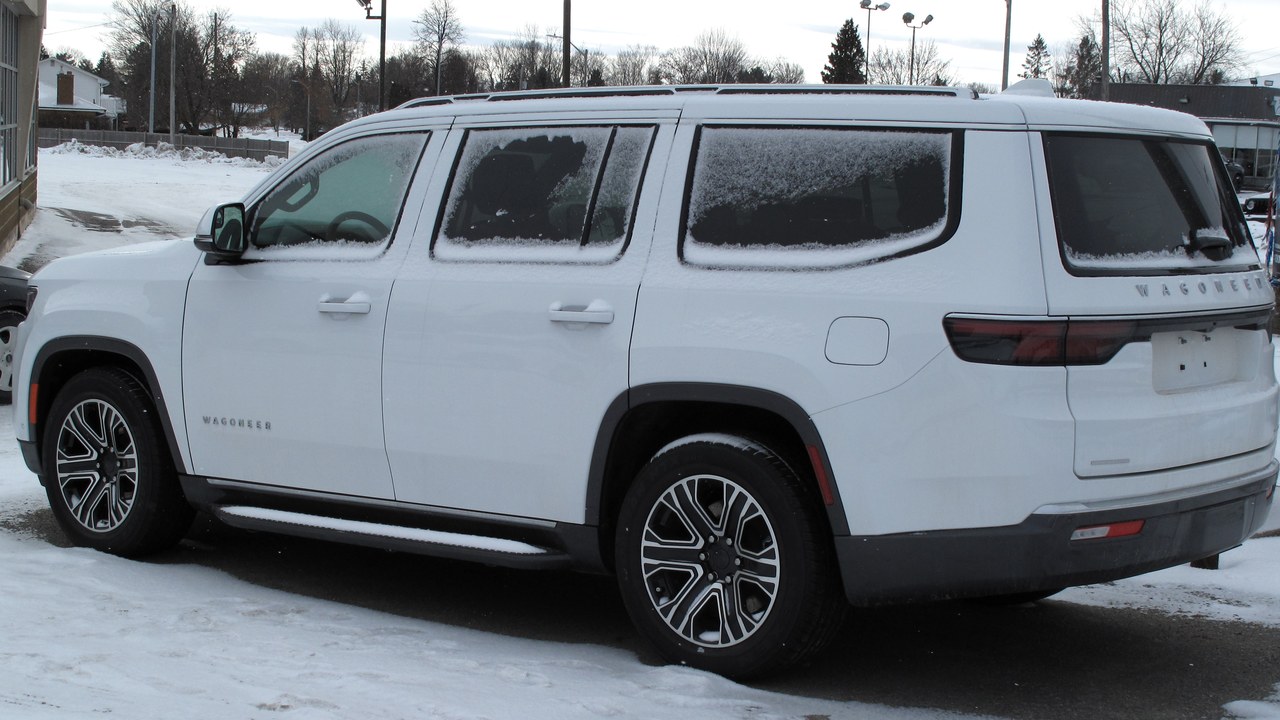
The regular-length Wagoneer registers 116.7 cubic feet of maximum cargo space, measured behind the front row for the 2025 model year. That is about 14 cubic feet less than the L version.
Shoppers who do not need the longest body can accept the smaller number in exchange for easier handling. The gap between the two Wagoneers illustrates how much a stretched wheelbase contributes to total volume in this class. Measured identically to the others, the number allows a direct comparison with the longer model.
8. Ford Expedition: Base Expedition Basics
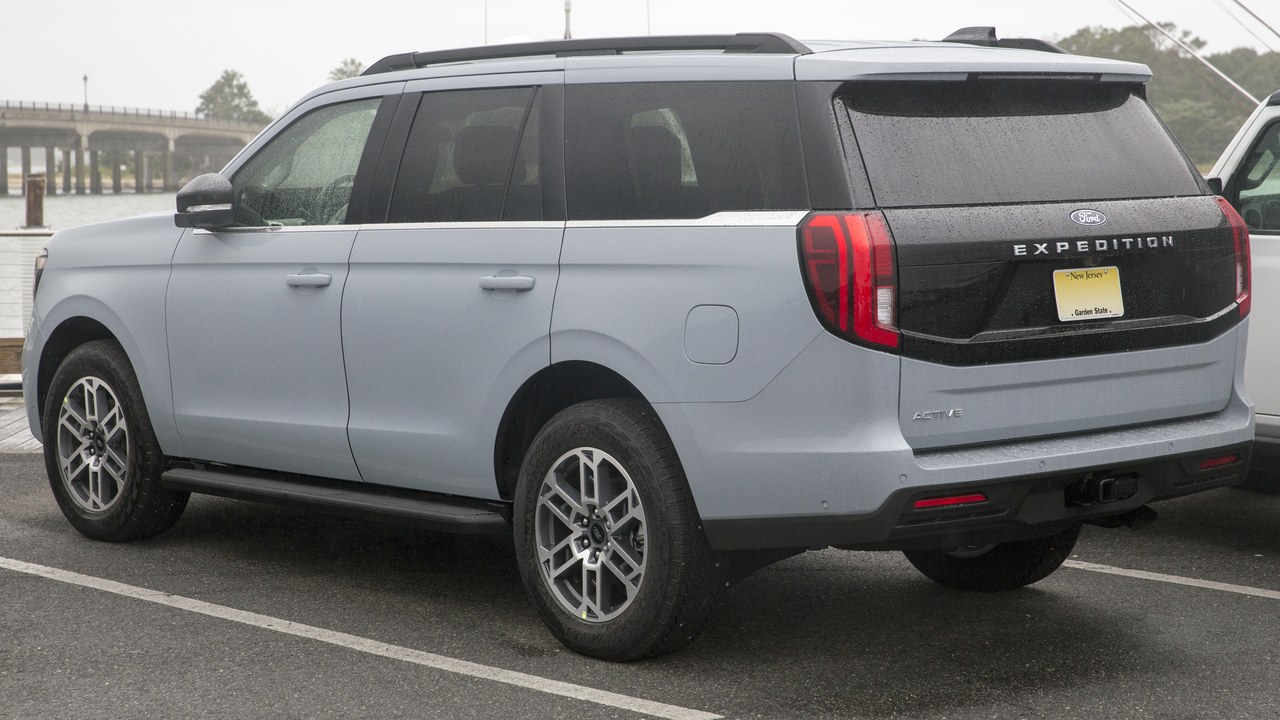
Ford’s standard Expedition lists 108.5 cubic feet of maximum cargo space, eighth in the ranking. The measurement is for the 2025 model year and is taken behind the front row.
Compared with the Max at 123.1 cubic feet, the shorter body gives up roughly 15 cubic feet. Buyers who rarely need to carry large loads may find that a fair trade for a more manageable vehicle overall. Measured the same way as every other entry, the number allows a fair side-by-side comparison.
9. Chevrolet Traverse: Three-Row Crossover Value
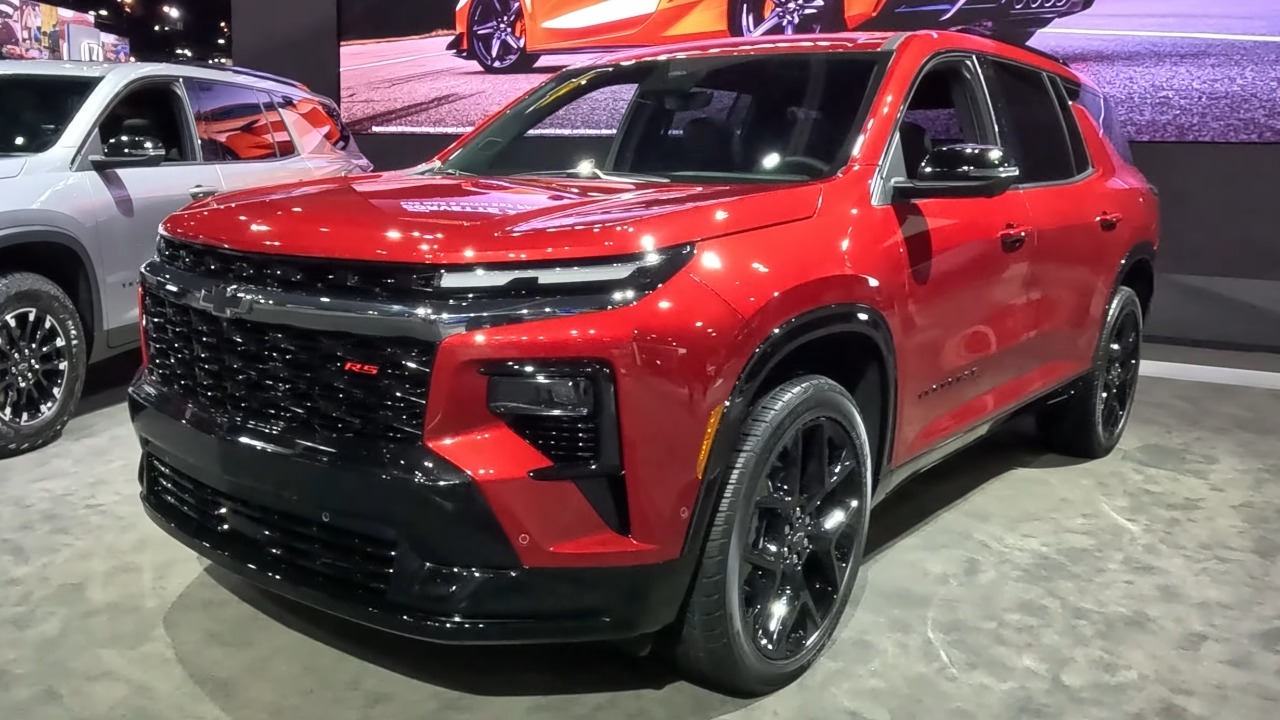
The Chevrolet Traverse reaches 98.0 cubic feet of maximum cargo space, the largest figure among the unibody entries here. It is a 2025 model year number measured behind the front row.
The source lists a slightly higher 98.2 in the Traverse FAQ, so the table value is the one used here. Families that want three rows without a truck-based body get substantial room, though it trails the big body-on-frame models.
10. Toyota Grand Highlander: Toyota’s Big Family Hauler
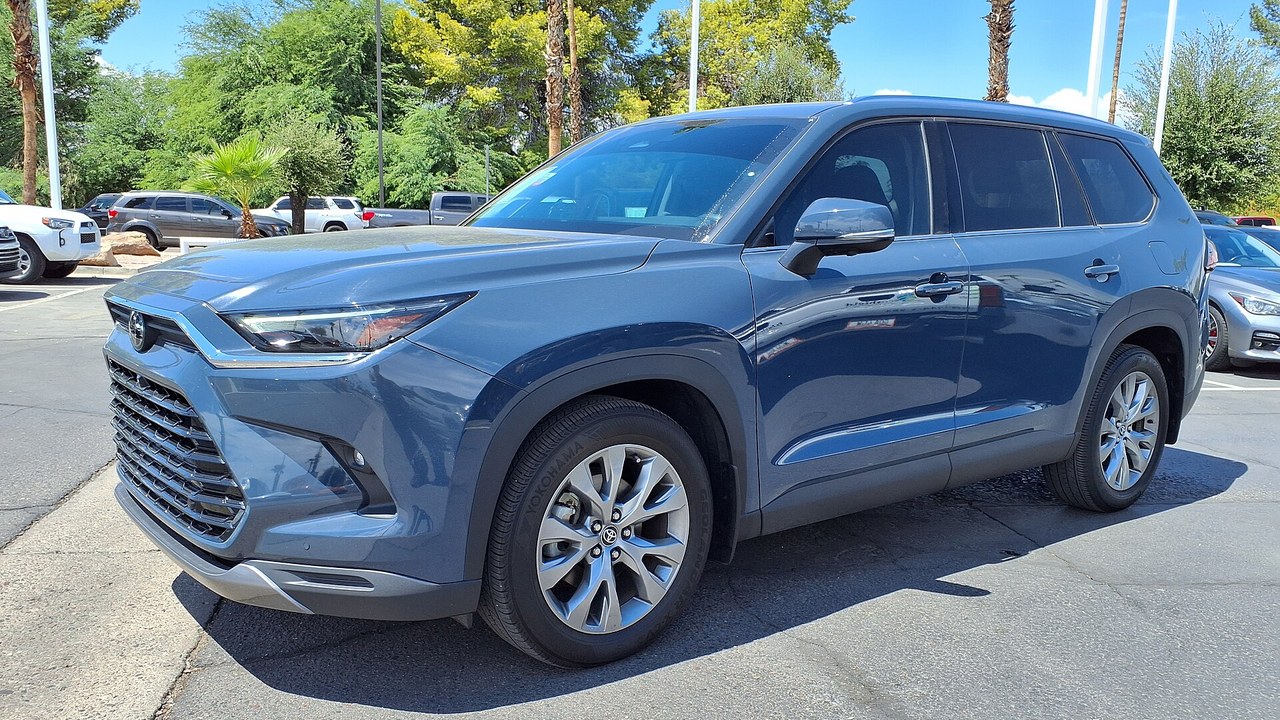
Toyota’s three-row Grand Highlander offers 97.5 cubic feet of maximum cargo space, tenth in the ranking. Like the others, it is a 2025 model year measurement behind the front row.
The result puts it within a hair of the Traverse and ahead of the Armada and Atlas. For shoppers prioritizing a mainstream badge and family-oriented packaging, the number shows that the Grand Highlander holds its own against larger rivals. Measured identically to every other entry, the figure allows an even comparison across brands.
11. Nissan Armada: Armada’s Spacious Cabin
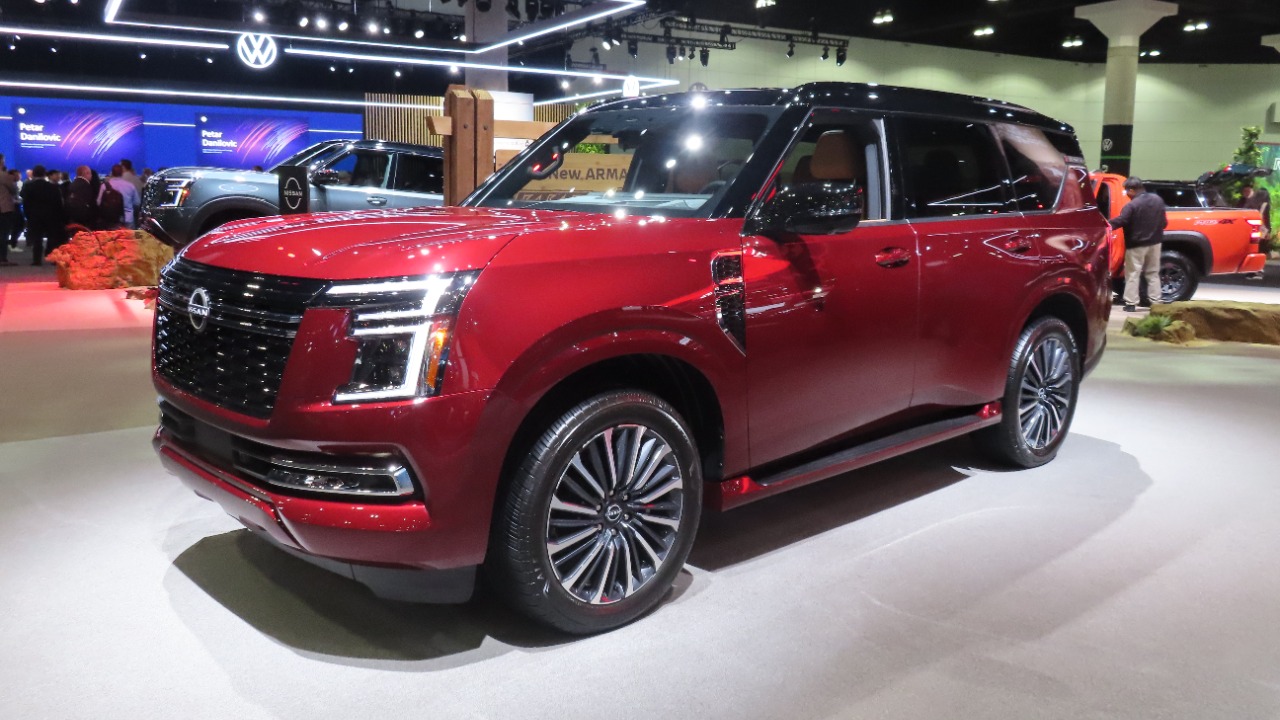
Nissan’s Armada posts 97.1 cubic feet of maximum cargo space, measured behind the front row for the 2025 model year. That places it eleventh of twelve.
The figure is only a few tenths below the Grand Highlander, so the two are effectively close in practical terms. Buyers cross-shopping the Armada can treat cargo volume as a near tie and decide on towing ability, ride comfort or driving feel instead. The measurement follows the same behind-the-front-row method used for every other entry in the ranking.
12. Volkswagen Atlas: Atlas Rounds Out the List
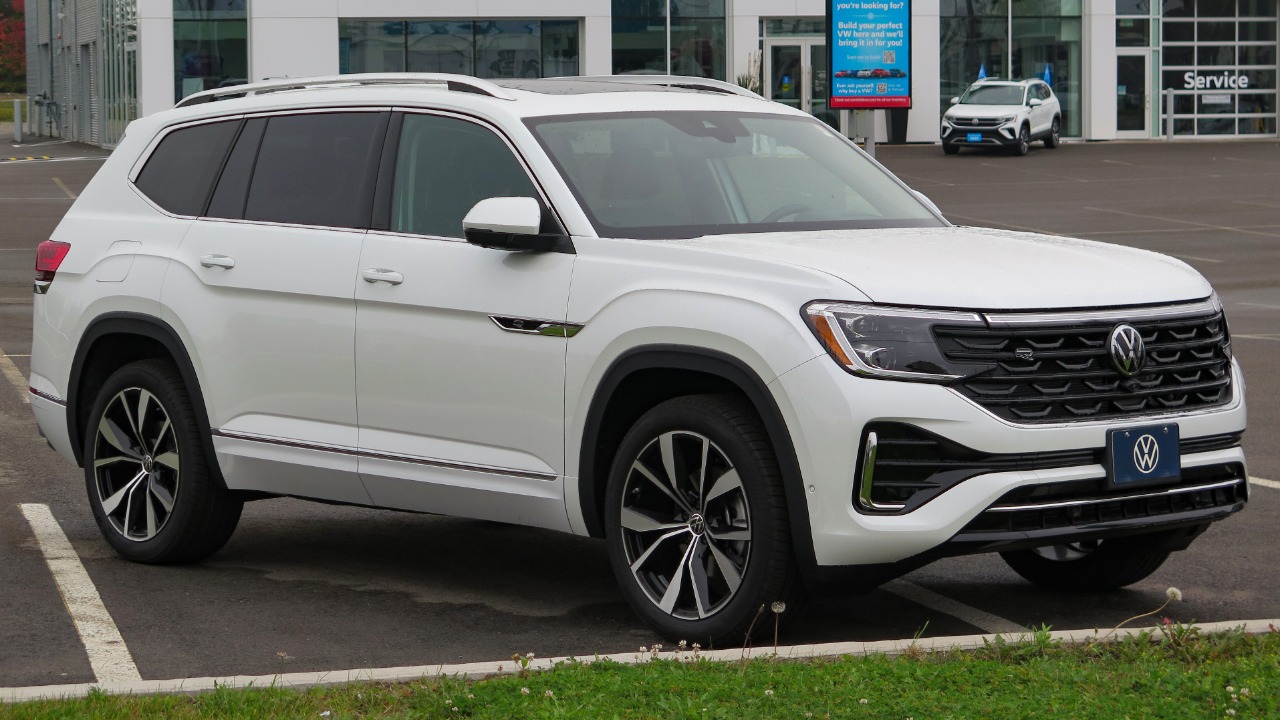
The Volkswagen Atlas finishes the ranking with 96.6 cubic feet of maximum cargo space. As with the rest of the list, the 2025 model year figure is measured behind the front row.
Even at the bottom, the Atlas offers close to 97 cubic feet, which shows how tightly bunched the lower half of the ranking is. Shoppers who want a three-row SUV without a huge footprint lose little cargo room by choosing it.
The day in tech, in one email: Get TLDR →
We may earn a commission if you sign up.
More from Morning Overview
- Two passengers died at an Ohio toll plaza, and the NTSB now wants the cash lanes shut
- Long use of a common prostate pill is tied to a higher chance of glaucoma
- Ford is recalling 223,472 F-150 pickups because the fuel tank can leak or detach
- Hybrids have 15% fewer problems than gas cars, while EVs and plug-in hybrids have about 80% more, Consumer Reports finds
