
Acceleration figures rarely decide a car purchase, yet they shape how a vehicle feels on a short on-ramp or a steep grade. Instrumented tests from Car and Driver and The Car Guide reveal which popular models take the longest to build speed. Here are twelve cars and crossovers whose stopwatch results trail the rest of the market.
1. Mitsubishi Eclipse Cross: Brisk It Is Not
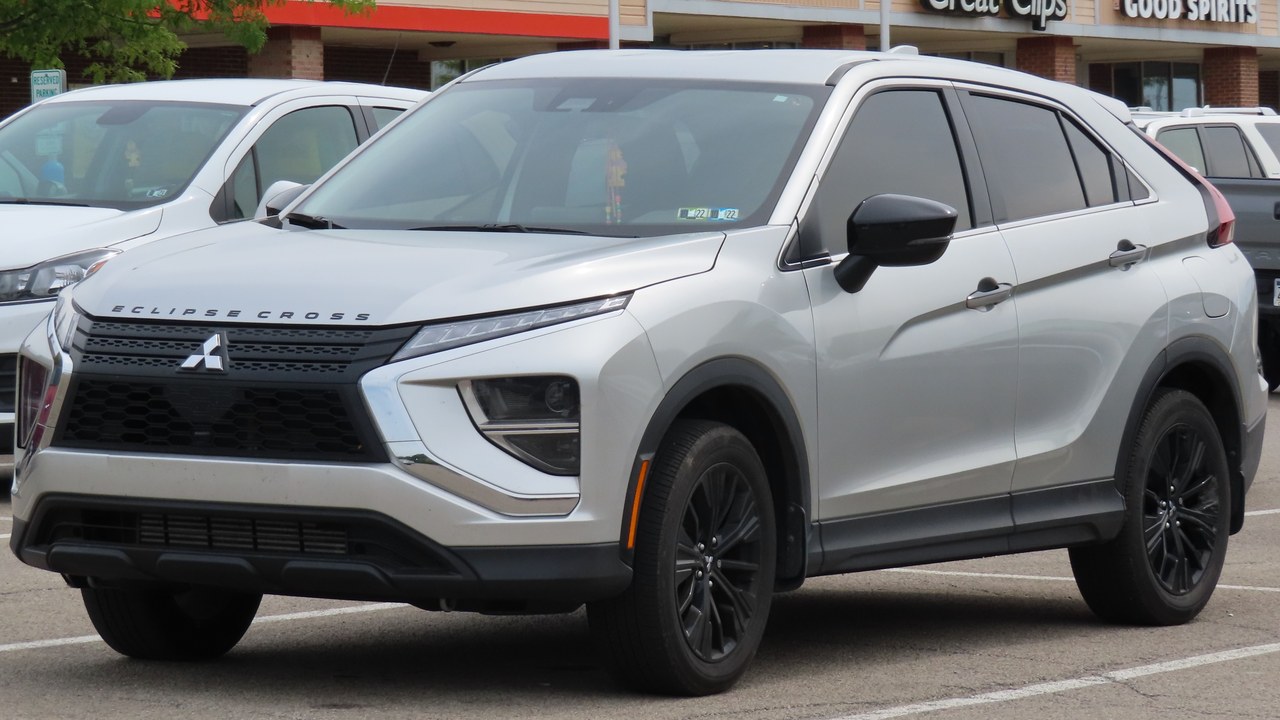
Car and Driver’s instrumented testing put the Eclipse Cross at 8.6 seconds from rest to 60 mph, a figure recorded in a compiled slowest-accelerating ranking of current models. That sluggish pace shows up most when a driver needs to merge onto a fast-moving freeway.
Buyers who mostly drive in town will rarely notice. Anyone facing short on-ramps or steep mountain grades should test-drive it with a full load first, because the stopwatch number hints at how much planning each pass or merge will demand.
2. Hyundai Tucson: Slow But Settled
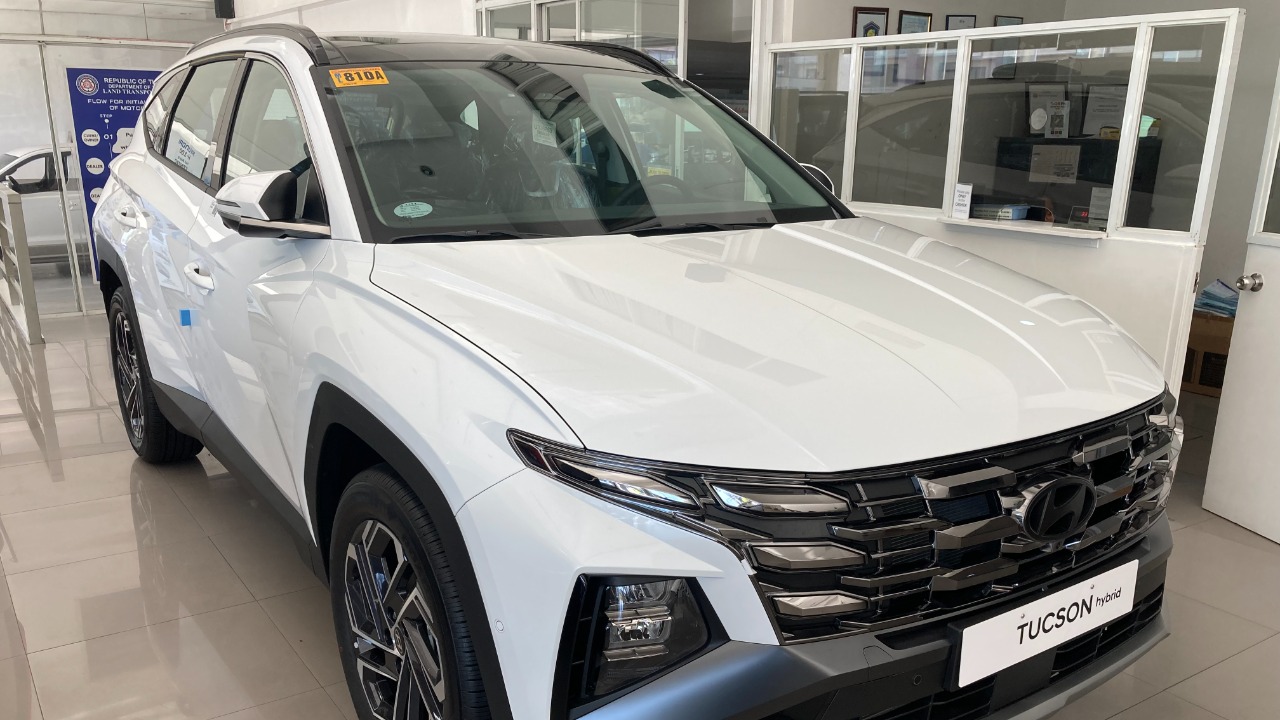
Hyundai’s compact crossover took 8.8 seconds to reach 60 mph in Car and Driver testing, which earned it a spot on a list of sluggish sprinters assembled from the magazine’s data. The number lands it among a crowd of family haulers that prioritize space and fuel use over urgency.
That time is perfectly livable for commuting and school runs, yet it leaves little reserve for passing two-lane traffic. Shoppers who want more punch can compare optional powertrains, since the quoted result reflects the tested configuration rather than every version sold.
3. Kia Niro Hybrid: Efficiency First
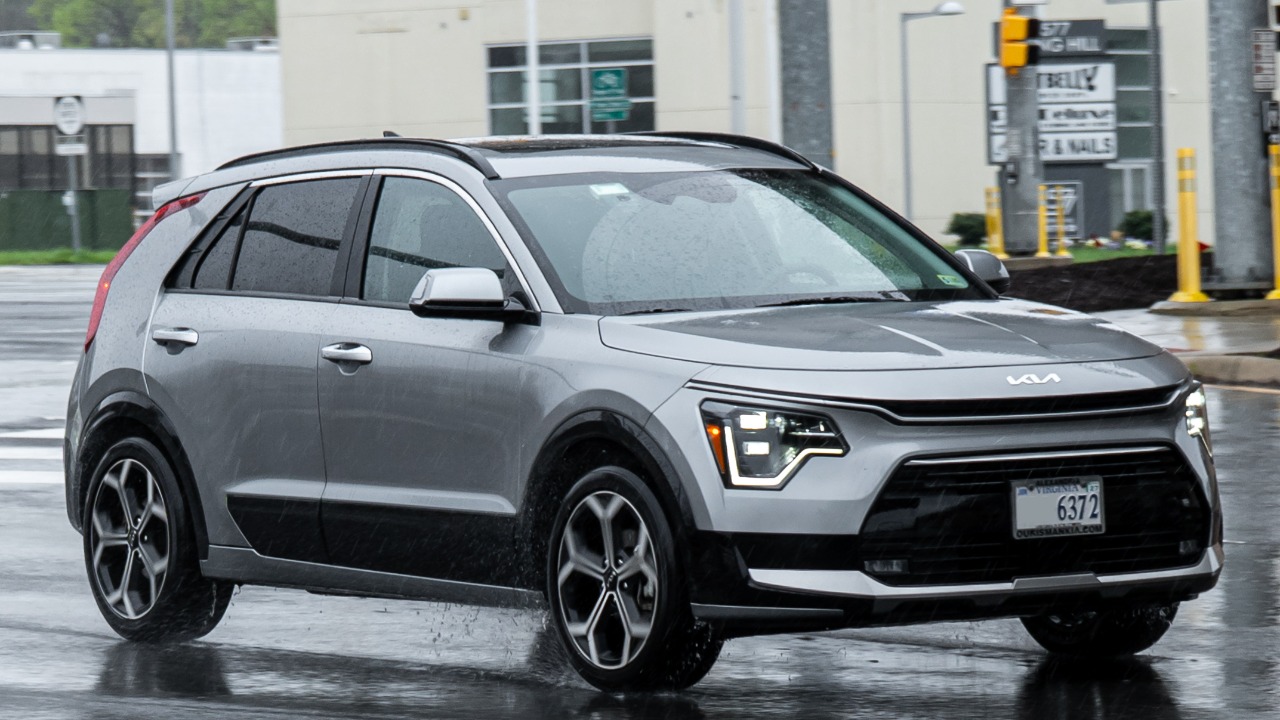
The Niro’s hybrid system reached 60 mph in 8.9 seconds during Car and Driver testing, a result that appears in the Quartz roundup of slow accelerators. Hybrids in this class tend to trade acceleration for mileage, and the Niro follows that pattern closely.
Owners chasing low fuel bills get what they pay for, but full-throttle merges feel labored compared with gas-only rivals that have more punch. The tradeoff suits steady commuters far better than drivers who regularly tow, climb long grades or carry a full cabin.
4. Toyota Corolla Hybrid: Thrift Over Thrills
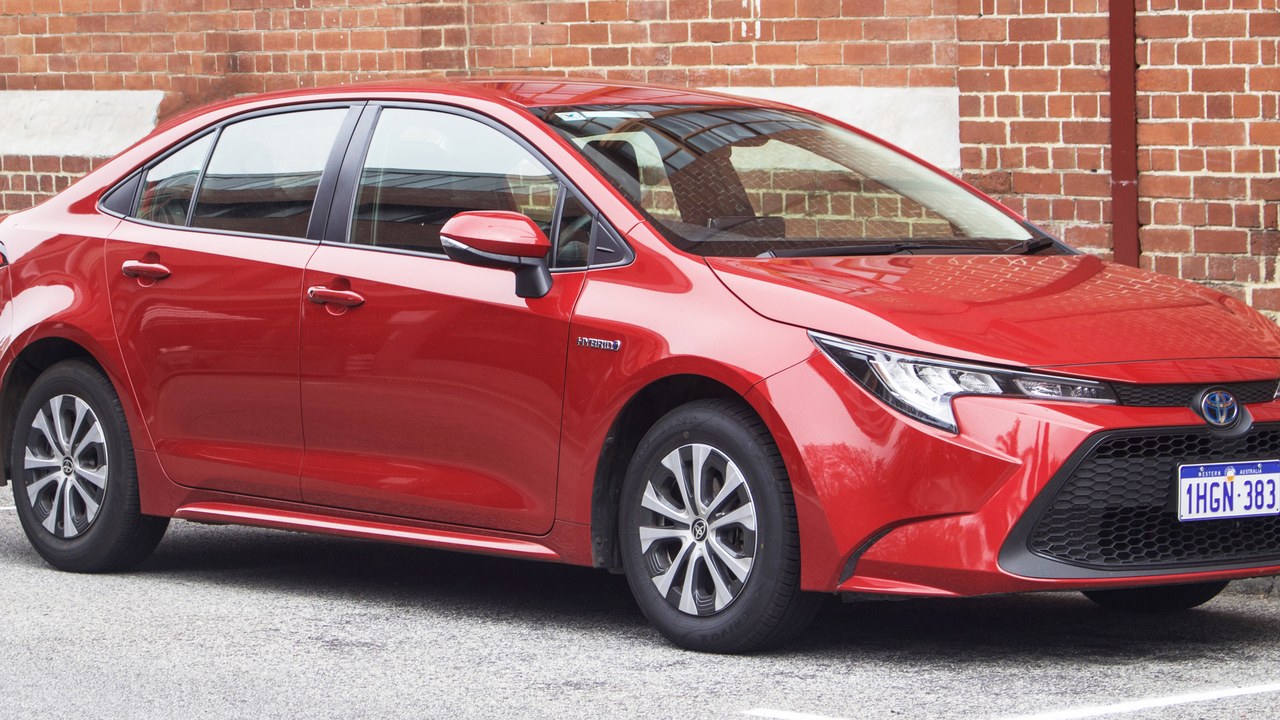
Car and Driver clocked the Corolla Hybrid at 9.0 seconds to 60 mph, according to the same slow-car ranking. The sedan is engineered around fuel economy and low running costs, so a leisurely sprint comes with the territory instead of signaling a flaw.
For shoppers focused on mileage and reliability, nine seconds is a fair price. Those who often pull onto busy highways from short ramps should plan their merges with extra room, since the car needs a long runway to build speed.
5. Buick Envista: Style Without Speed
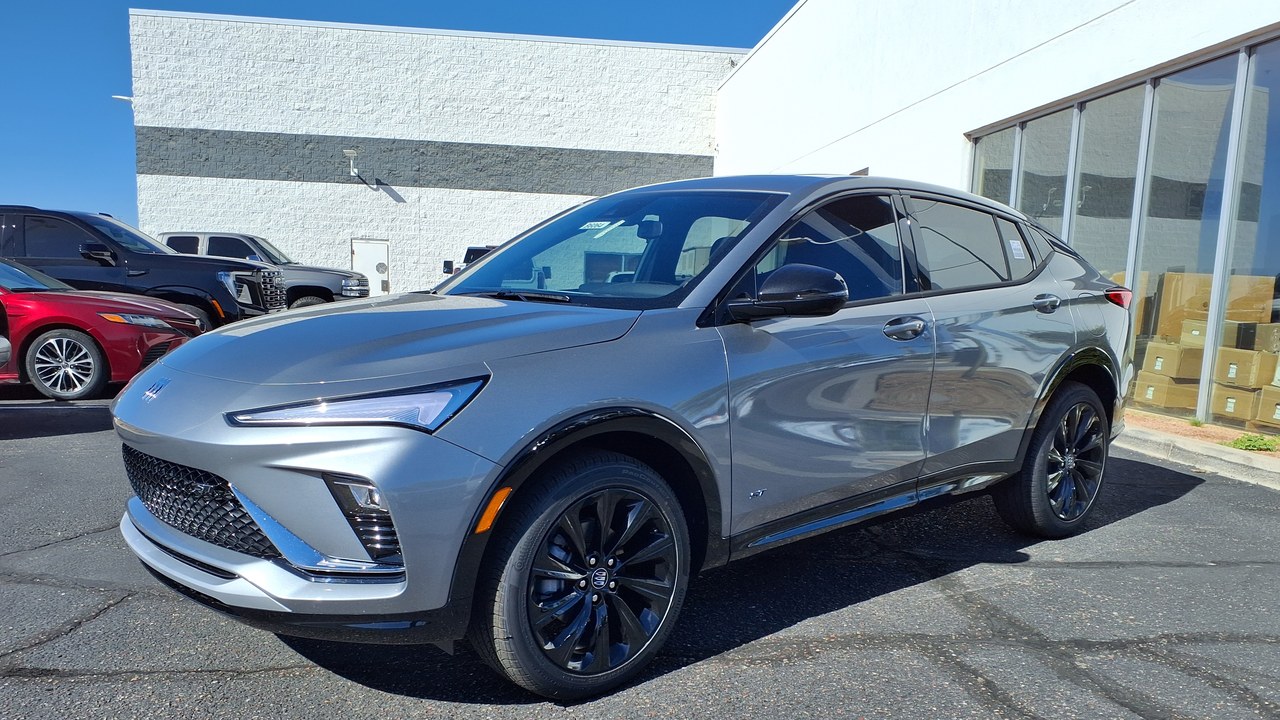
Buick’s small crossover needed 9.3 seconds to reach 60 mph in Car and Driver’s instrumented test, landing it on Jalopnik’s slowest-accelerating cars list. Its sloping, coupe-like roofline promises sportiness that the stopwatch does not quite deliver.
Buyers drawn by the design and the modest price should know that quick passing is not the Envista’s strength. In everyday suburban driving it feels adequate, but highway overtakes call for patience and a generous gap ahead.
6. Nissan Versa: Cheap And Unhurried
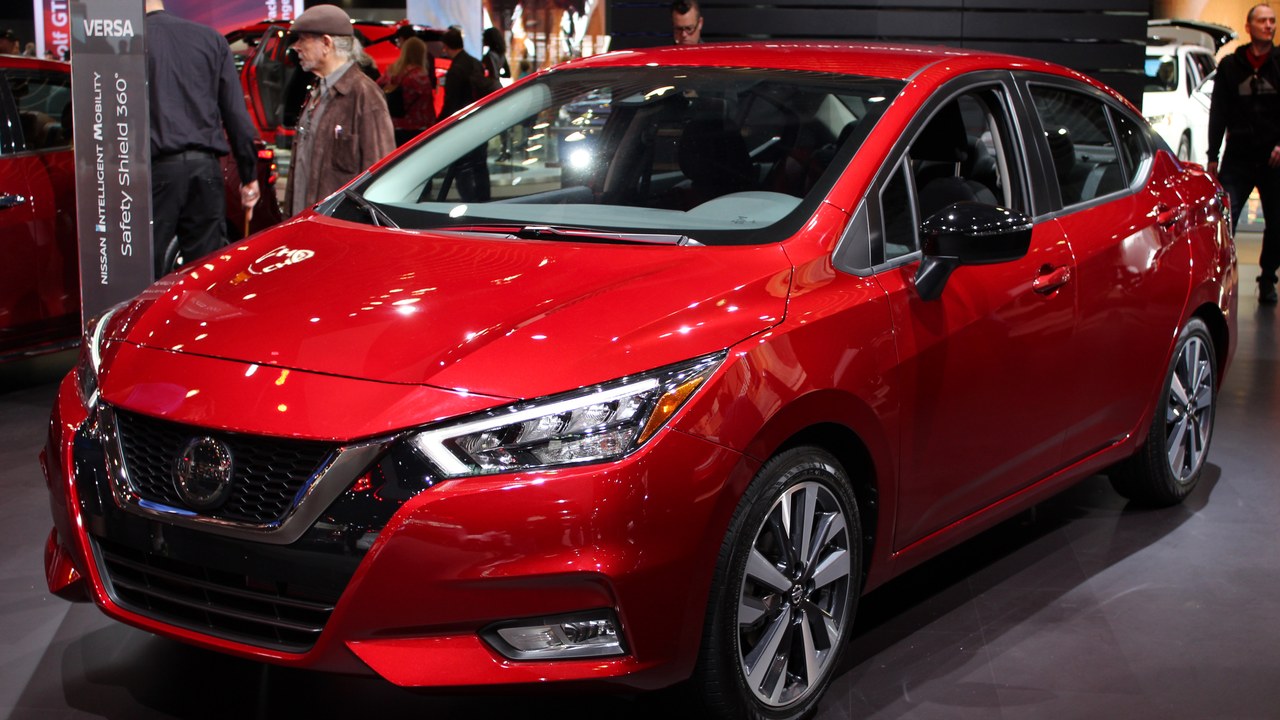
Nissan’s entry-level sedan took 9.5 seconds to reach 60 mph in Car and Driver testing, a time reported in Jalopnik’s ranking of slow cars. As one of the lowest-priced new cars on sale, it keeps costs down partly by keeping power modest.
Shoppers on tight budgets get a roomy, efficient commuter, but should expect long merges and a busy engine under hard throttle. Drivers who rarely leave city streets will barely notice, while frequent interstate travelers may want more reserve.
7. Nissan Kicks: Second From The Bottom
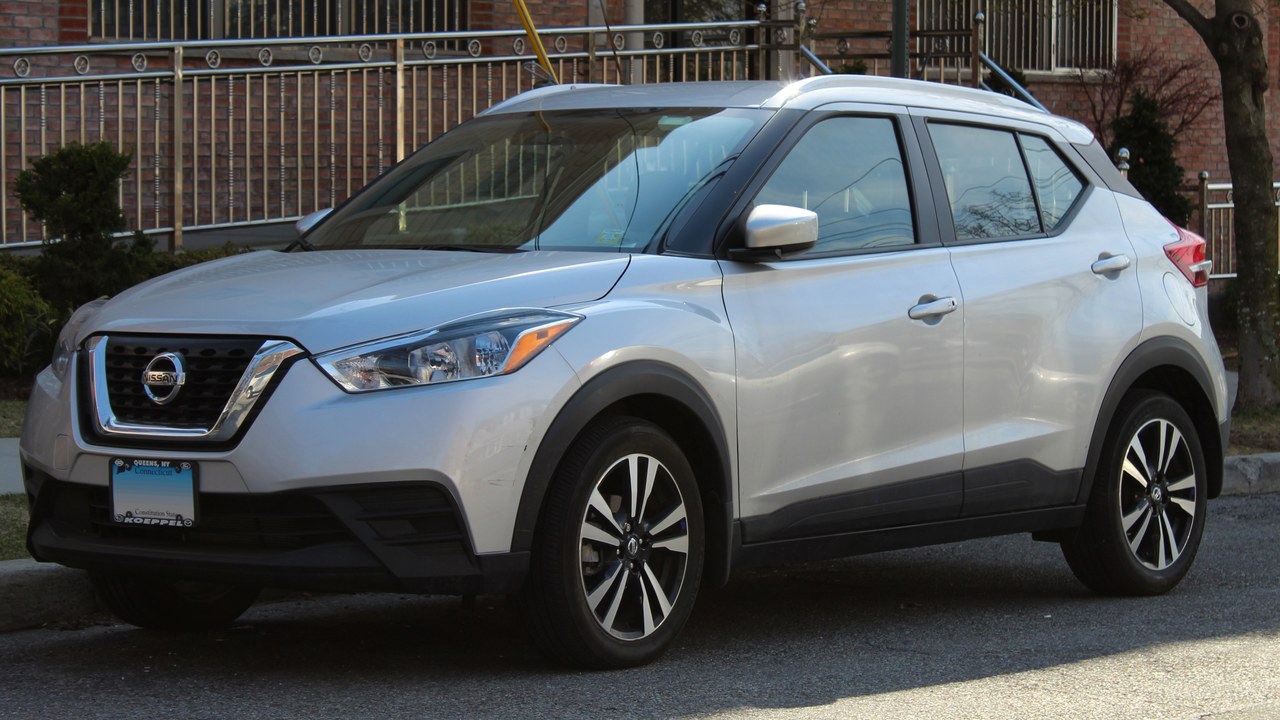
The Kicks managed 9.7 seconds to 60 mph in Car and Driver testing, making it the second-slowest vehicle in the Jalopnik ranking of 20 cars. Only one model on that list needed more time, which puts the subcompact near the very back of the field.
The crossover is easy to park and light on fuel, so many owners accept the trade. Anyone planning regular highway trips with passengers should budget extra distance for merging and passing, because reserve power is thin.
8. Kia Sportage: A Ten-Second Sprint
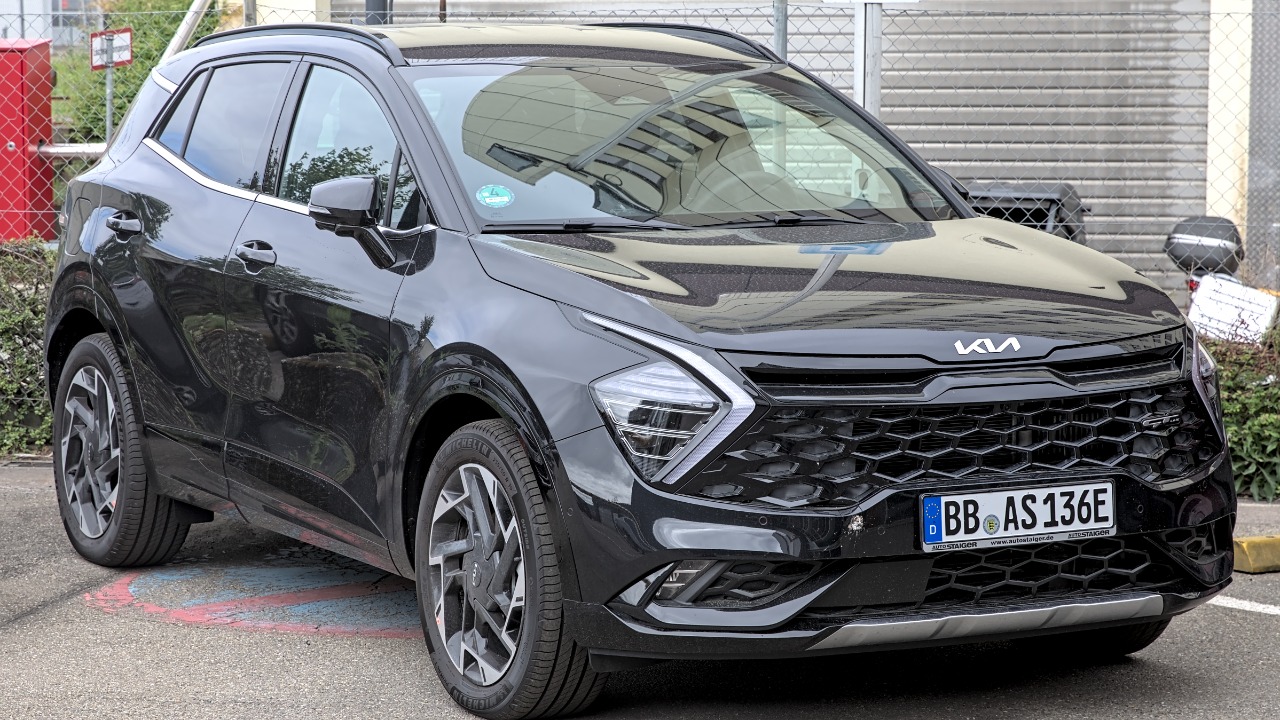
The Car Guide’s own test found that the Sportage’s 0-100 km/h sprint takes 10.3 seconds, a result included in its 2025 slow-vehicle roundup. A hundred kilometers an hour is about 62 mph, so the figure is not directly comparable with the 60 mph times used by American magazines.
Even so, a bit over ten seconds places the compact crossover well behind quicker rivals. Families who value space and ride comfort may not mind, though those who regularly pass on two-lane roads should weigh that result carefully.
9. Toyota Corolla Cross: Calm Under Load
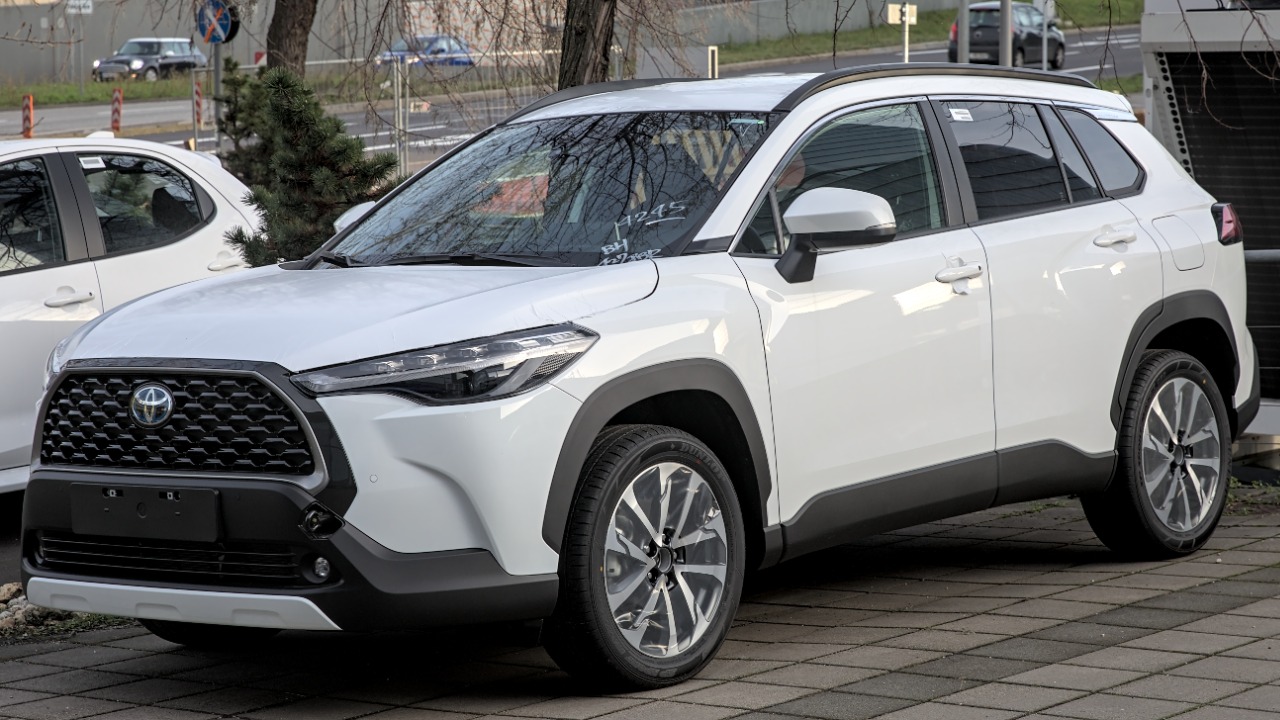
The Car Guide measured the Corolla Cross at 10.3 seconds from 0 to 100 km/h in its list of slowest 2025 vehicles. Toyota tunes the small crossover for economy and durability, and the stopwatch reflects that bias toward sipping fuel.
Owners get predictable running costs and a strong reliability reputation in exchange for a relaxed pace. Buyers who often carry a full load or climb long grades should try the car in those conditions, since the measured time came without extra weight.
10. Subaru Impreza: Sedate Familiar Commuter
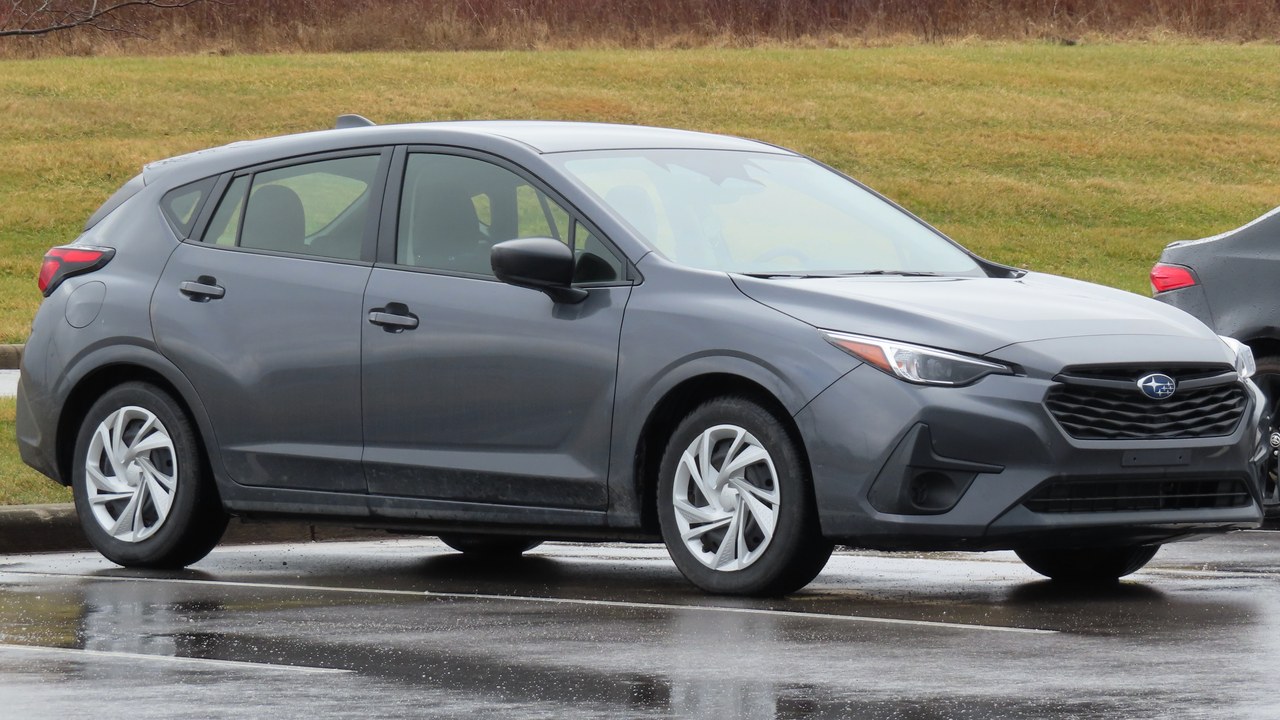
Subaru’s compact needs 10.3 seconds to reach 100 km/h, based on The Car Guide’s testing of the 2025 model and noted in its slow-acceleration feature. Standard all-wheel drive adds weight and drivetrain drag, which helps explain why the number trails many front-drive rivals.
The payoff is dependable traction in snow and rain, which many owners value more than a quick sprint. Shoppers who care mainly about acceleration should look elsewhere, but those living in wintry regions will see a sensible compromise.
11. Mitsubishi Outlander Sport: Slowest In Canada
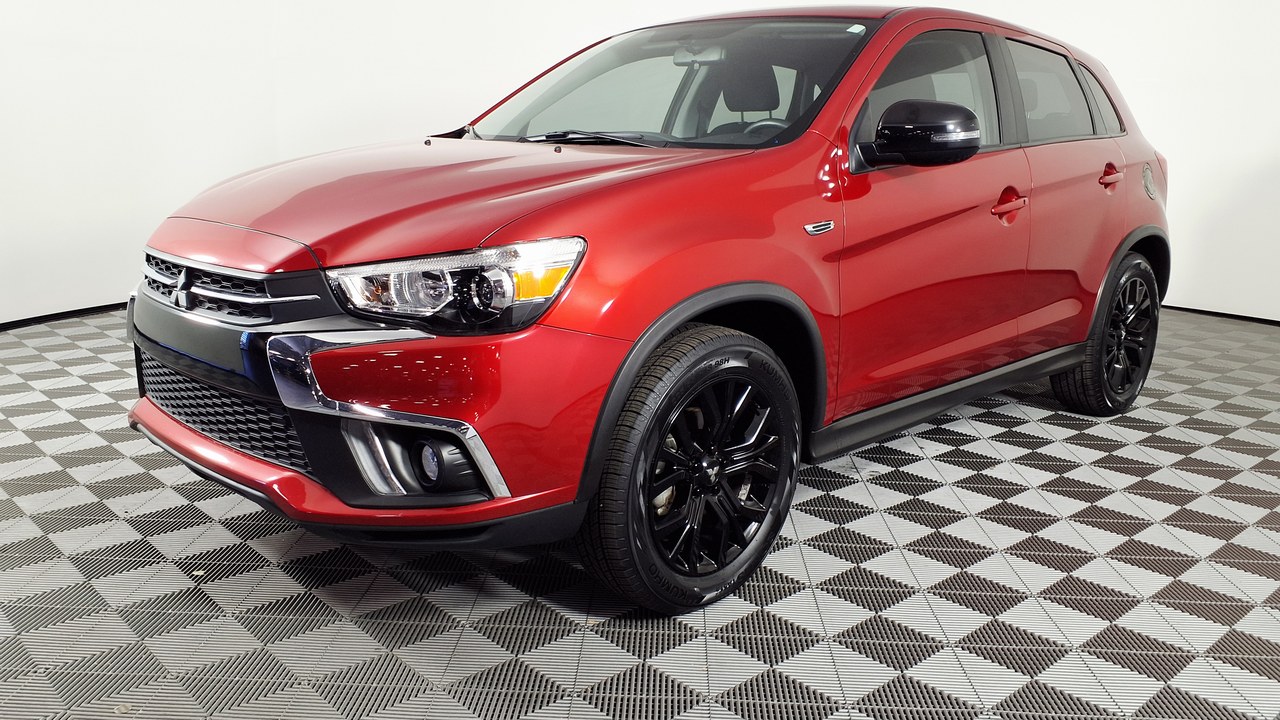
Sold north of the border as the RVR, the small crossover needs 11.5 seconds to reach 100 km/h, the slowest result on The Car Guide’s 2025 acceleration list. That long stretch makes it the most patient vehicle in that Canadian ranking.
The aging design remains affordable and easy to maneuver, which keeps it appealing as a budget runabout. Anyone planning frequent highway merges should treat the time as a warning and leave extra room before pulling into fast traffic.
12. Mitsubishi Mirage: Last Place Overall
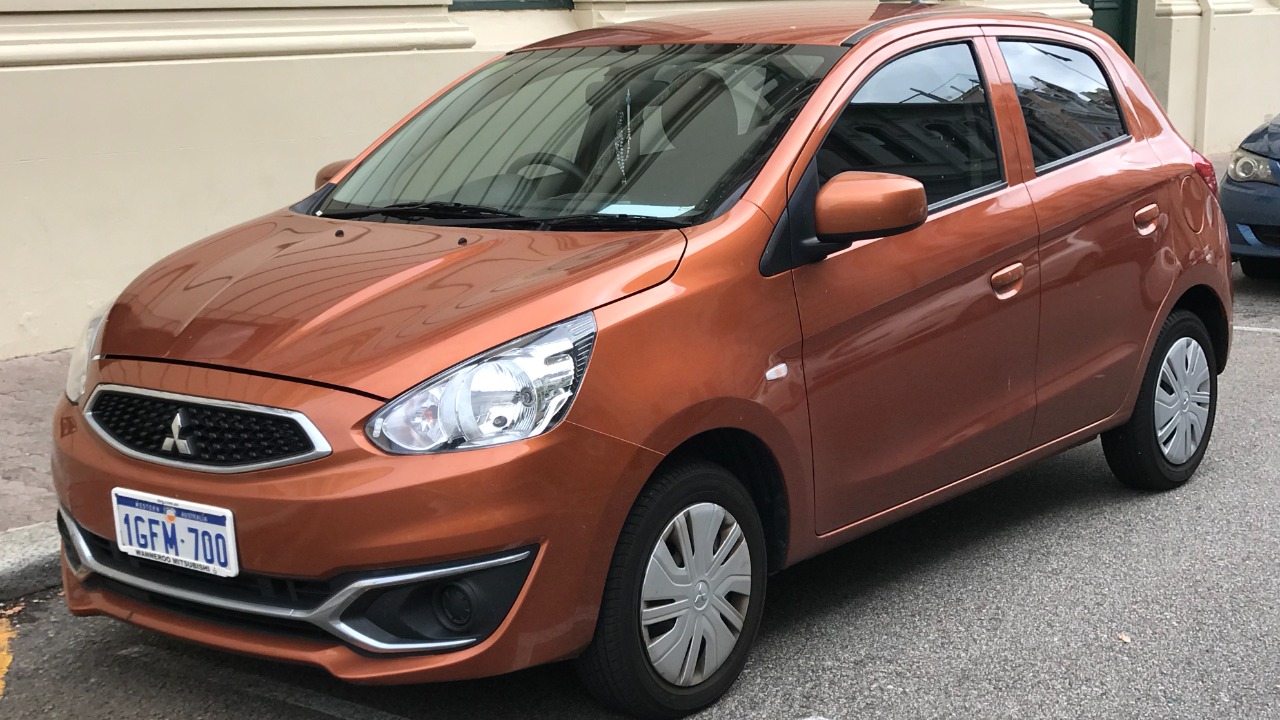
The Mirage required 12.8 seconds to reach 60 mph in Car and Driver testing, the slowest of the 20 cars in Jalopnik’s slowest-accelerating roundup. That is more than three seconds behind the 9.5-second Nissan Versa also on the list.
Its tiny engine buys exceptional fuel economy and a rock-bottom sticker price, which explains its loyal following among thrifty buyers. Highway driving demands foresight, because passing at speed takes real distance and a lot of throttle.
More from Morning Overview
- Doctors warn a silent liver disease now affects one in three American adults
- The FBI told the rest of ShinyHunters to surrender after a 24-year-old was arrested
- Two passengers died at an Ohio toll plaza, and the NTSB now wants the cash lanes shut
- Long use of a common prostate pill is tied to a higher chance of glaucoma
