
Japanese automakers did not win American drivers overnight. They did it through emissions breakthroughs, local factories, hybrid firsts and plain value that stretched across several decades of shifting tastes. Here are twelve models that tell that story, each paired with the milestone that mattered most to American buyers.
1. Honda Accord: Ohio Firsts
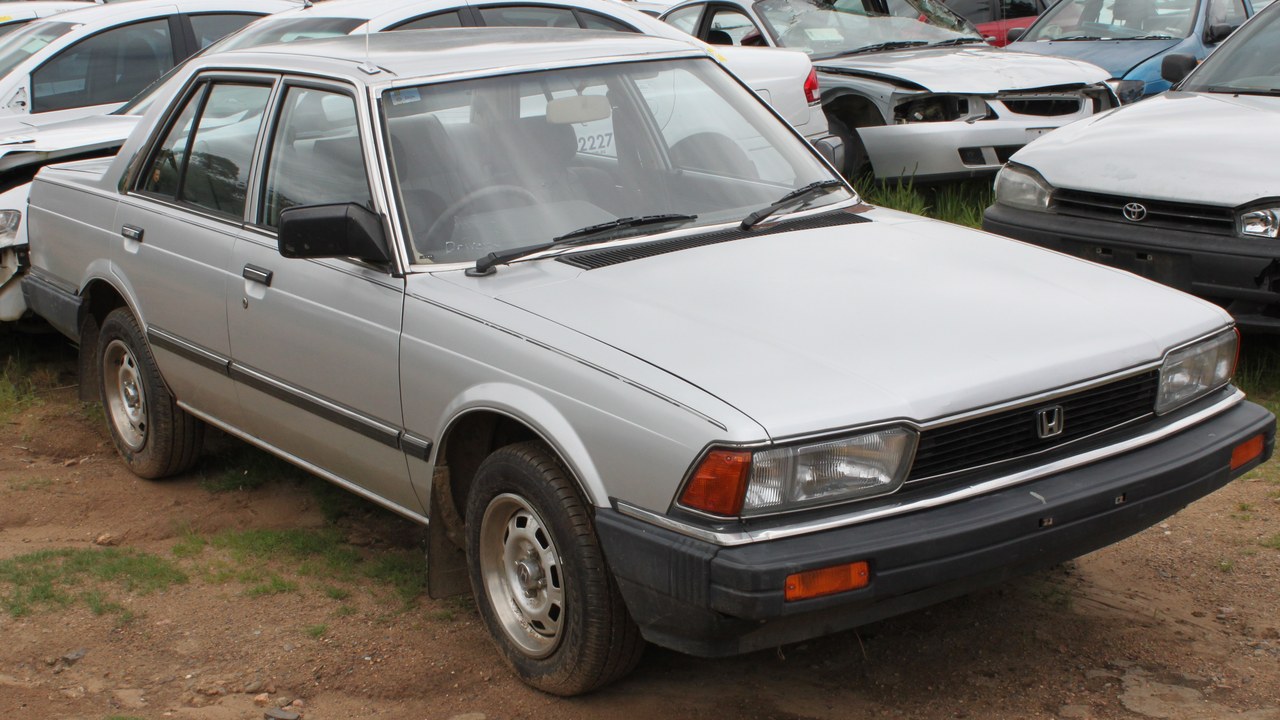
Honda’s own timeline credits the Accord as the first Japanese-nameplate vehicle produced in America, with production beginning in Marysville, Ohio, on Nov. 1, 1982. It later climbed to the top of the sales charts, finishing as the top-selling car in the United States from 1989 through 1991.
That pairing of local assembly and sustained volume made the Accord the template for every foreign brand that followed. Buyers looking at a used one benefit from decades of Ohio-built supply, so parts and service knowledge are easy to find. Its Marysville start gave Honda a manufacturing foothold, and the sales record that followed turned an import into a mainstream American choice.
2. Honda Civic CVCC: Clean Air Without a Converter
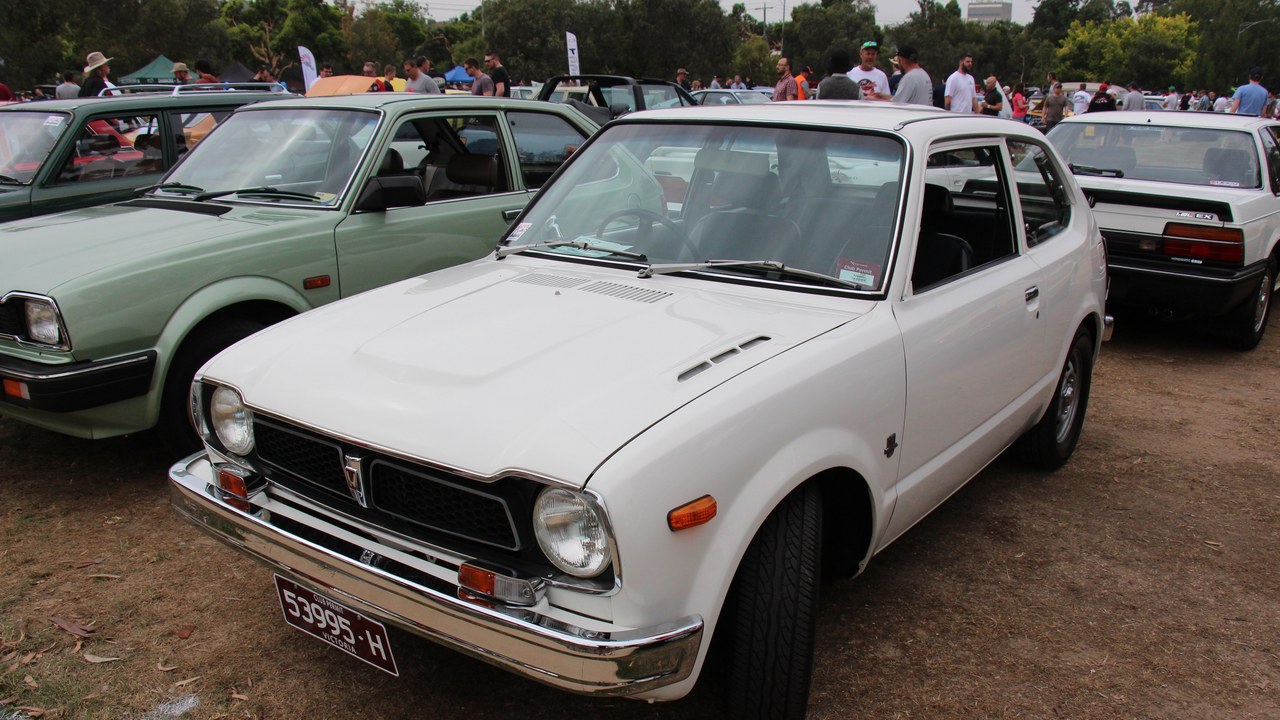
The 1975 Civic carried the CVCC engine, which made the first car to meet US Clean Air Act standards without needing a catalytic converter. That engineering shortcut let a small, inexpensive Honda clear a bar that stumped larger rivals.
For shoppers in the mid-1970s, it meant a cheap commuter that sipped fuel and still passed emissions rules. For collectors now, a CVCC badge marks the car that put Honda on the American map. The engine showed that clever engineering, not just low prices, could win over US regulators and everyday drivers alike.
3. Toyota Camry: From Corona Successor to Best-Seller
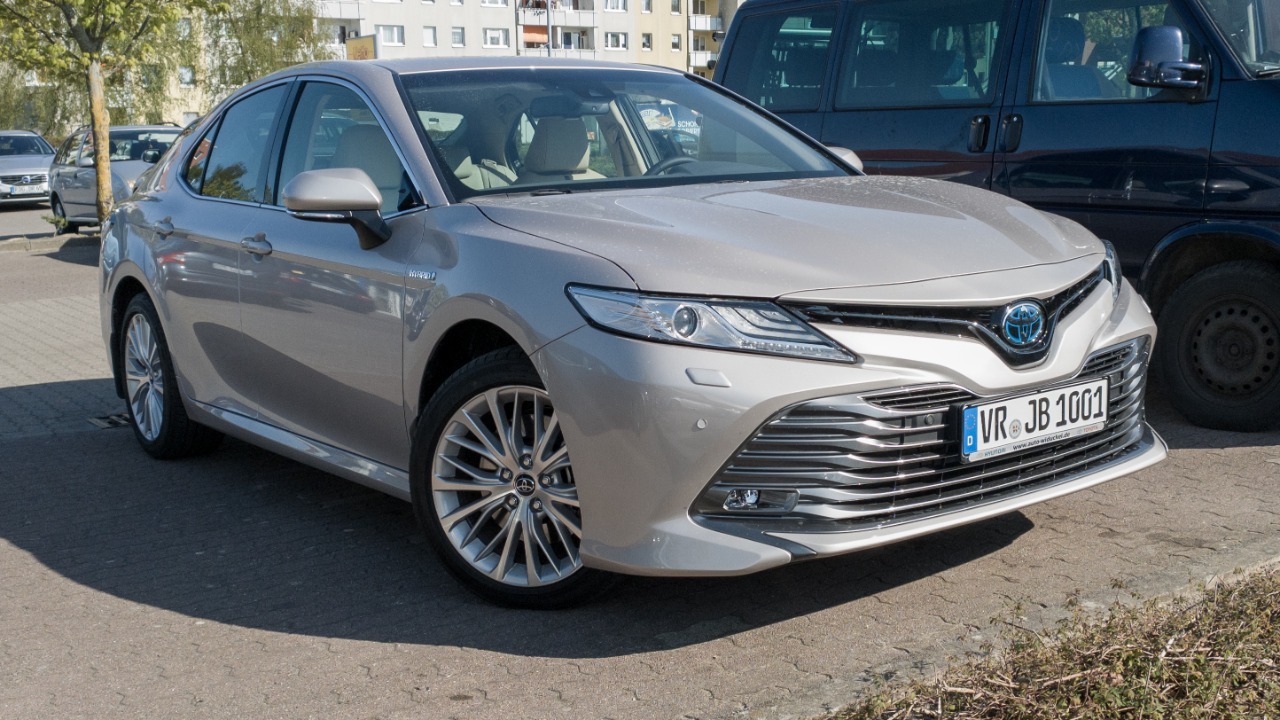
The Camry reached US showrooms in 1983 as the Corona’s replacement. Kentucky began building it in 1988, and by 1997 it had become America’s best-selling car.
Local production helped keep prices steady and supply deep. For buyers, that long run of American-built sedans explains why used examples remain plentiful and why the nameplate became the default sensible choice. Spanning replacement, local assembly and a sales crown in barely fourteen years, the Camry’s path shows how a foreign nameplate can shed its import label. Owners and shoppers benefit from that history, since a model built in volume in Kentucky tends to be familiar to mechanics everywhere.
4. Toyota Land Cruiser: The Original Toyota Truck Toehold
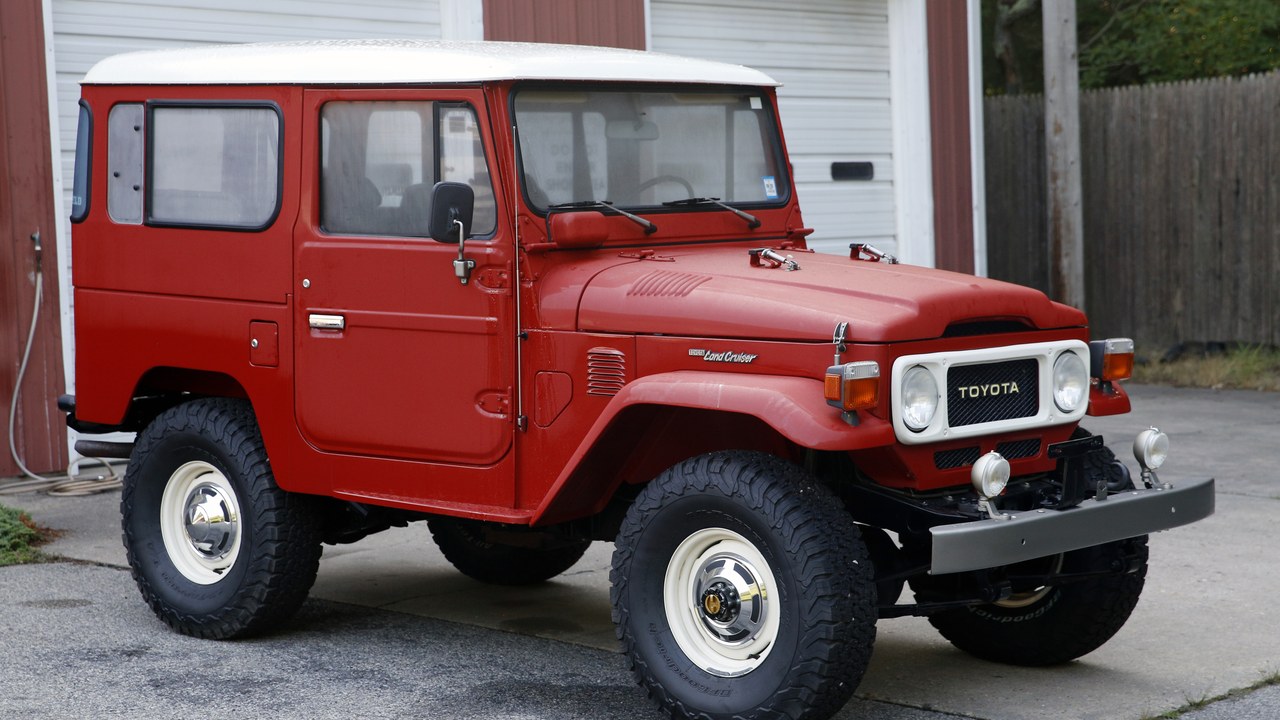
Toyota sold the first Land Cruiser in 1959, the same year the company moved 1,028 vehicles through just 97 dealers in the United States.
Those tiny numbers show how modest the start was for a brand that would later dominate. Anyone tracing Toyota’s American story begins with this rugged utility vehicle, which opened the door long before sedans did. The contrast between a few dozen dealers and today’s sprawling network underlines how far the brand has traveled. Enthusiasts value the Land Cruiser as the earliest chapter of that growth, and the 1959 sales figure is a useful yardstick for judging every later milestone on this list.
5. Toyota Tundra: Towing a Space Shuttle
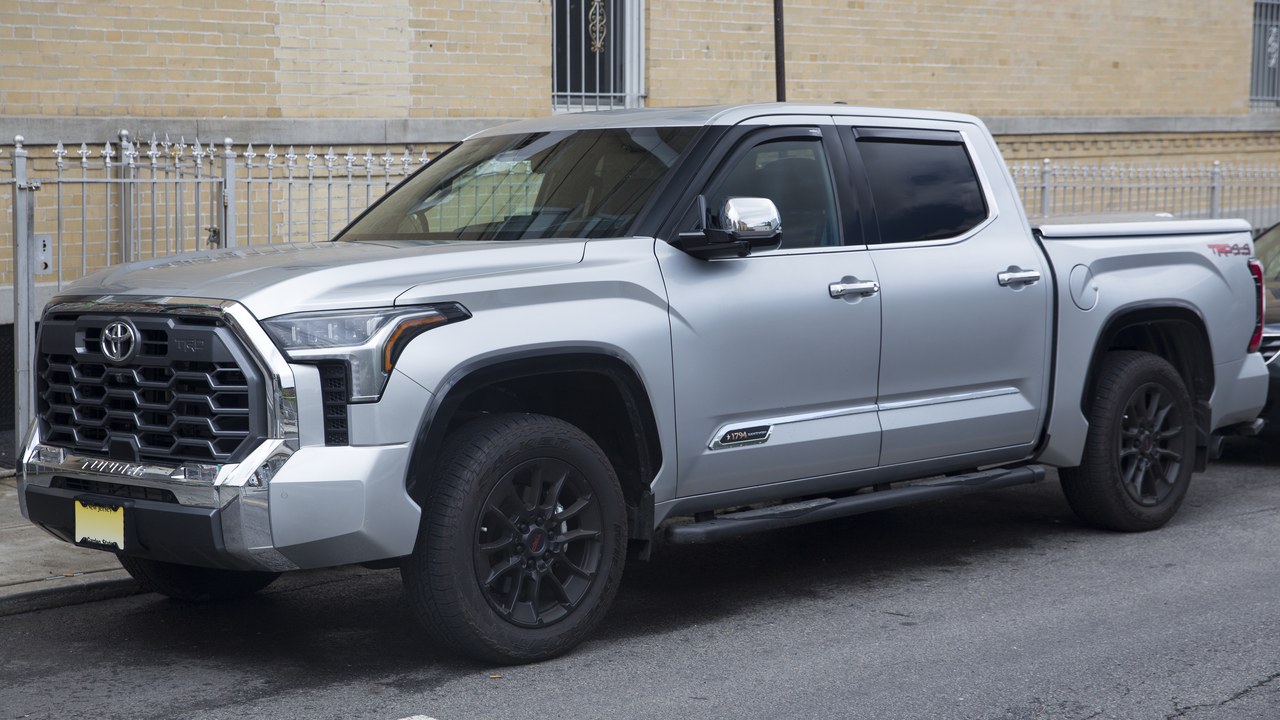
Toyota’s Texas plant has built the Tundra since 2004, and in 2012 one towed space shuttle Endeavour to the California Science Center.
The stunt gave a full-size pickup built on American soil a very public proving ground. For truck buyers, it is a vivid, if unusual, data point about the pull this nameplate can deliver. It also illustrates the point of building trucks in Texas: a domestic plant, a domestic nameplate image and a story that Americans could picture. Shoppers weighing capability claims can treat the shuttle tow as an attention-grabbing demonstration rather than a spec sheet, but it certainly stuck in memory.
6. Toyota 4Runner: Showroom Debut
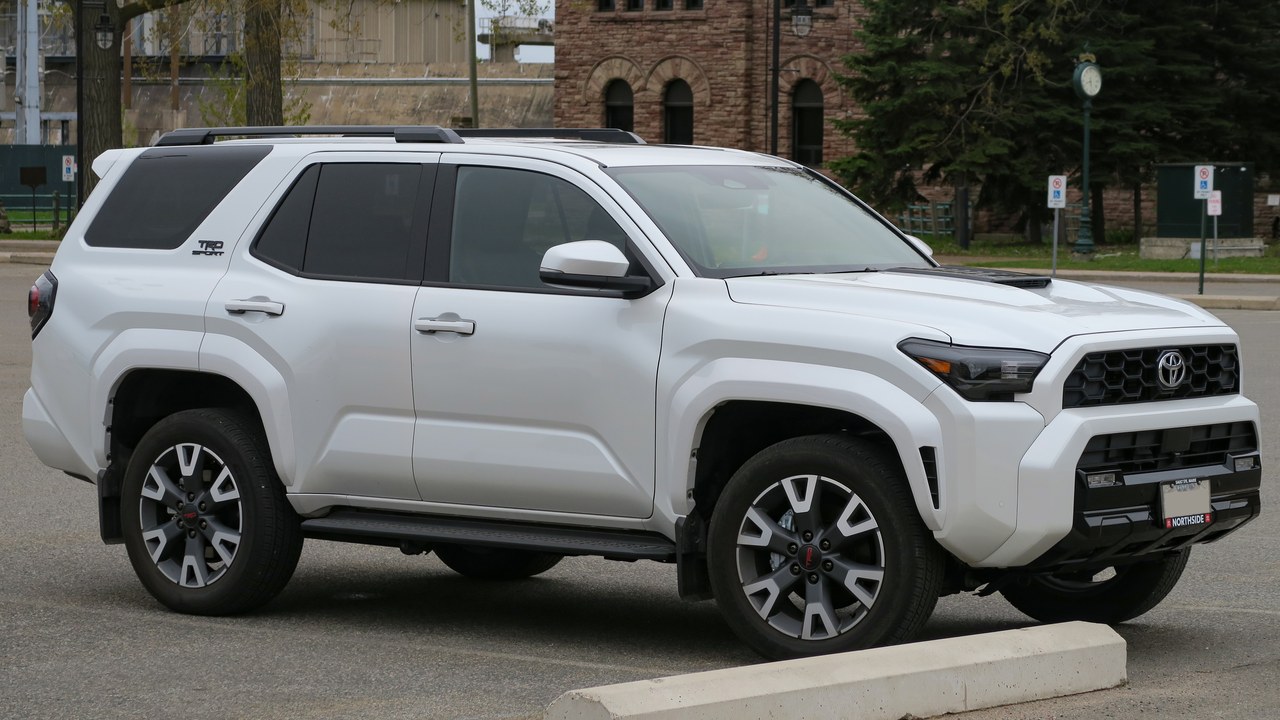
The first 4Runner hit US showroom floors in 1983, adding a rugged wagon alternative to Toyota’s growing US lineup.
That 1983 arrival launched a nameplate still sold today, giving adventurous buyers a body-on-frame choice from a mainstream Japanese brand. Shoppers comparing generations should check which era of 4Runner is actually on the lot. The story is one of steady accumulation rather than overnight success, since the 4Runner kept its place in the lineup while other models came and went. Owners tend to value that continuity, and used-vehicle shoppers get a long family tree to browse across different eras of the truck.
7. Lexus LS 400: The Launch That Built Lexus
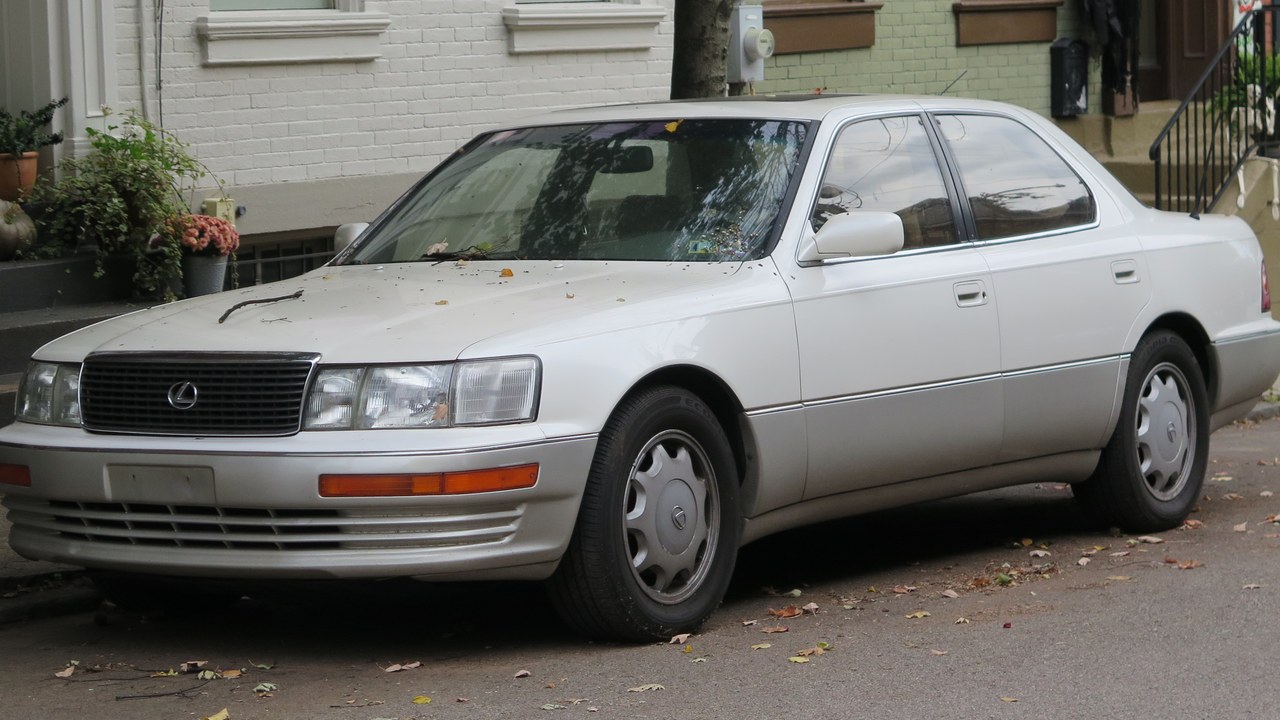
The LS 400 debuted in 1989 to launch Lexus, and by 1991 the brand was the No. 1 luxury import in the US, ahead of Mercedes-Benz and BMW.
Two years from debut to the top of the luxury import chart is a striking pace. Used buyers still seek first-generation examples as proof of how quickly Japanese makers could rival established European luxury names. Beating two established German rivals so quickly shook assumptions about prestige, which had long been tied to European badges. For owners, the lesson is that reputation can be earned fast when a product arrives with a clear mission.
8. Lexus RX: The First Luxury Hybrid
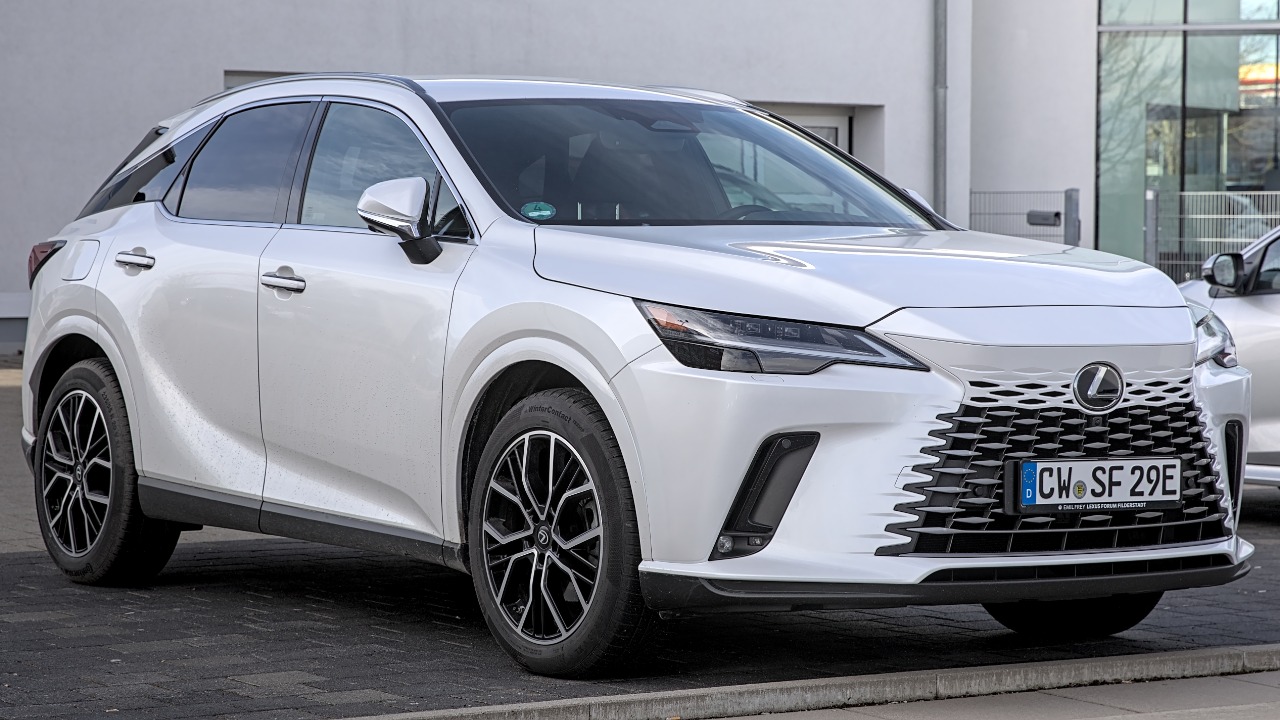
Lexus describes the 2005 RX 400h as the world’s first luxury hybrid, pairing an upscale crossover with a hybrid drivetrain.
That framing placed hybrid technology in the premium space years before it became common. Buyers today find the RX line carries that early efficiency-with-comfort identity forward. By tying the badge to the hybrid label, Lexus positioned the RX as both a family-friendly crossover and a technology statement, a combination that later rivals copied. Shoppers cross-comparing luxury crossovers should note that the RX line still leans on that heritage of comfort-first efficiency across its generations.
9. Datsun 240Z: Sports Car for the Masses
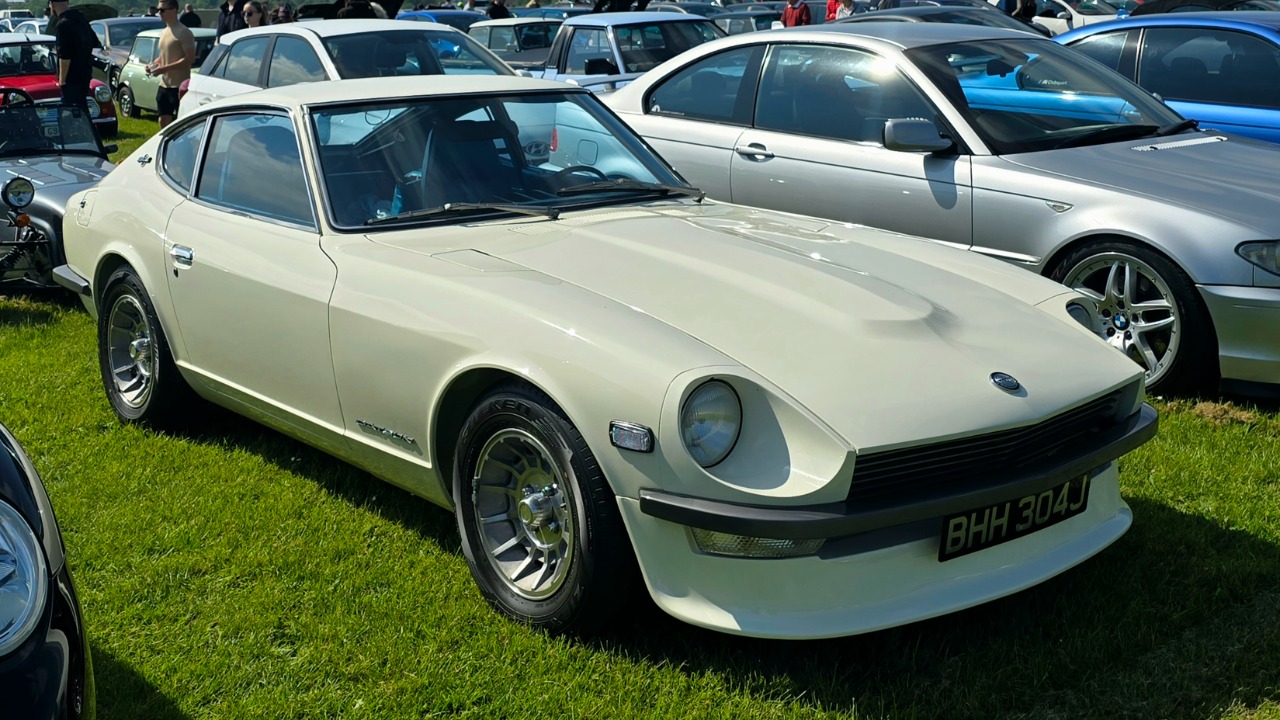
The 240Z arrived in 1970 with strong credentials: a 151-hp, 2.4-liter six that ran 0-60 mph in about eight seconds.
Those figures were quick for the era and priced within reach of ordinary drivers. Collectors now prize the original Z as the car that showed Americans a Japanese import could be thrilling. It also set a clear performance benchmark for the segment: a six-cylinder engine, tidy proportions and a price that competitors struggled to match. Anyone shopping for a classic Z today should expect steep restoration costs, since the original car has become a prized piece of automotive history.
10. Mazda RX-7: Rotary Rocket
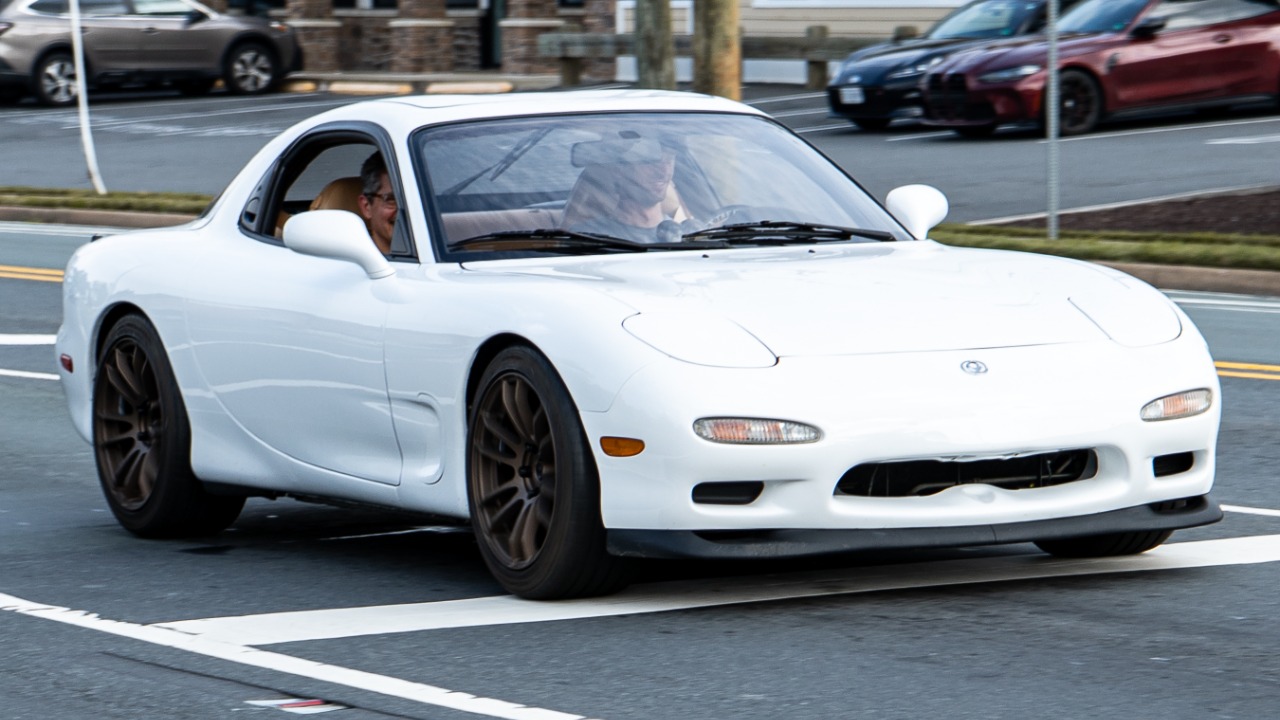
Mazda’s rotary-powered sports car sold more than 800,000 copies during its production run.
That total is large for a niche performance car built around an unconventional engine. Used buyers should remember rotary engines demand careful maintenance, but the sales figure shows how many drivers embraced the idea. The figure also underlines how broadly the car found an audience despite its unusual engine layout, which delivered smooth power in a compact package. Shoppers considering one today should inspect service history closely, since rotary engines reward diligent upkeep, and the sales total indicates plenty of survivors are out there to find.
11. Mazda MX-5 Miata: The Million-Mile Milestone
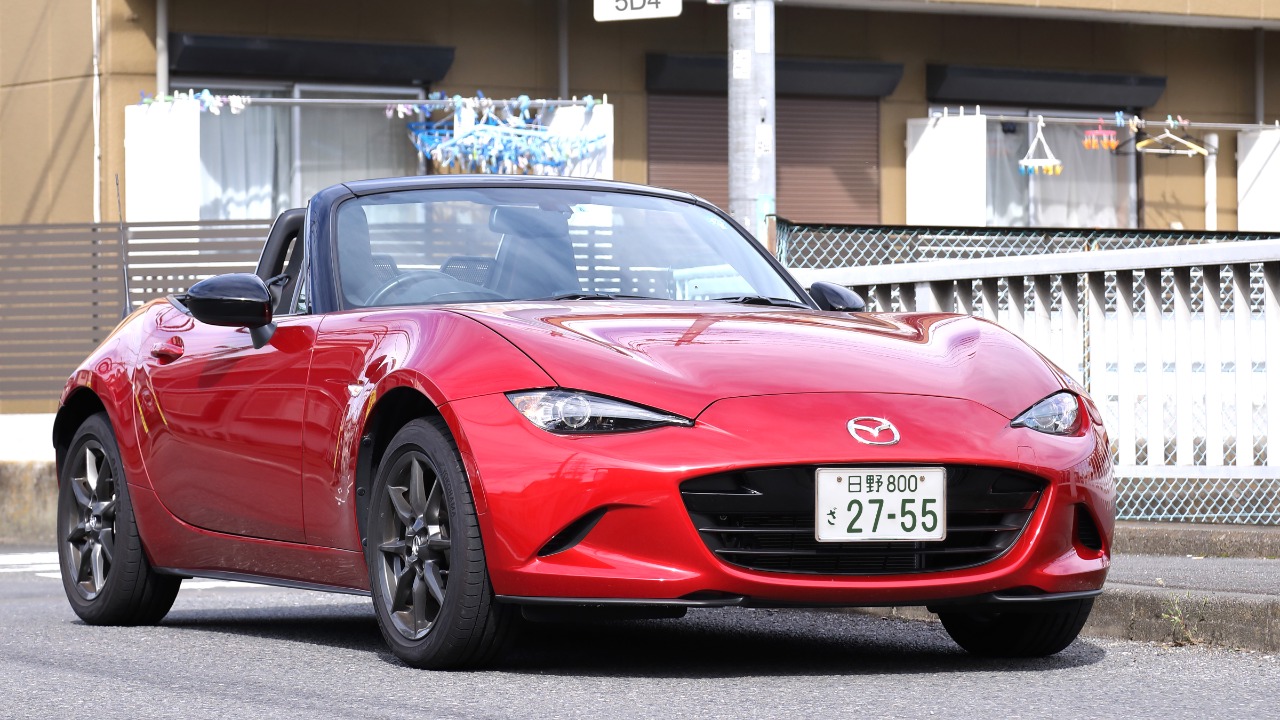
The Miata launched for 1990, and the 1,000,000th Miata rolled off the line in 2016.
Hitting seven figures made it a landmark for a small roadster, proof that a simple, affordable two-seater could keep finding buyers over decades. Shoppers can find examples from several eras at nearly any budget. Few two-seaters ever reach that kind of volume, which is why the number carries so much weight among enthusiasts. For anyone considering one, the Miata’s long production history means choices span first-generation charm to later refinements, and the car’s reputation for simple fun has kept demand strong among drivers on almost any budget.
12. Toyota Corolla: Fifty Million and Counting
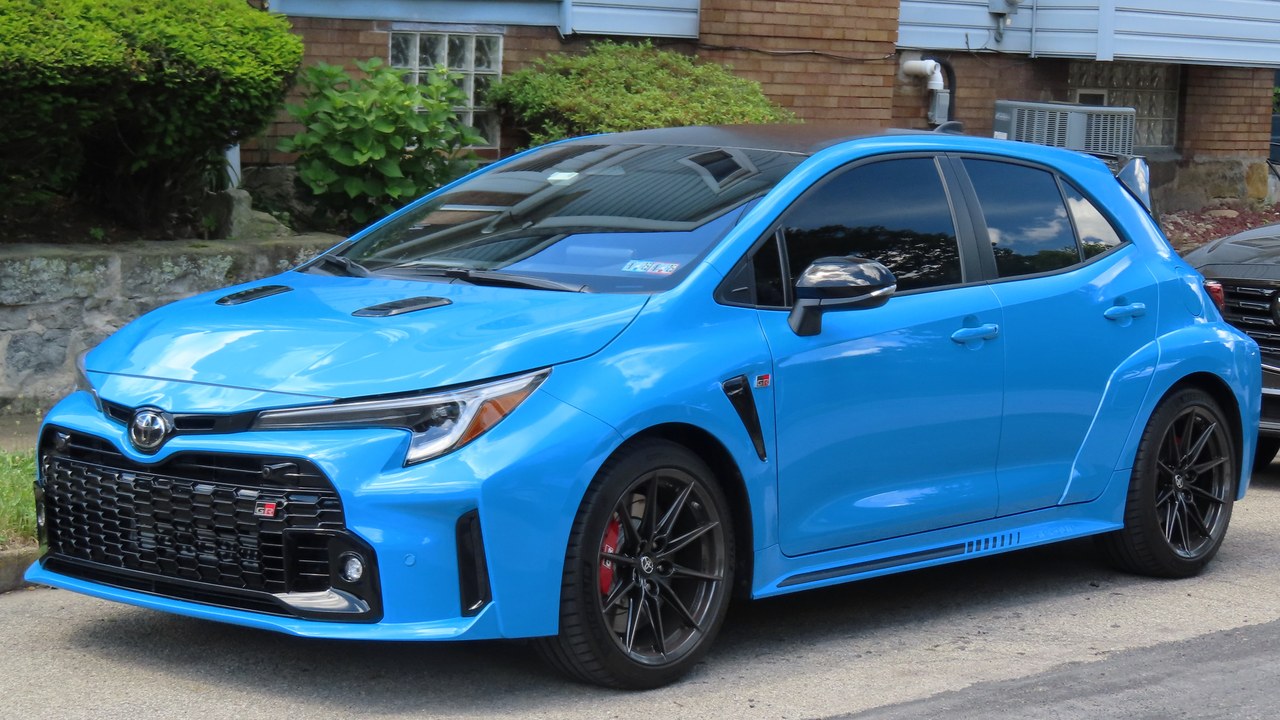
The Corolla sold for about $1,700 at launch with a 60-hp four, and Toyota has since sold its 50 millionth Corolla.
Few nameplates match that scale. The starting price and modest power explain its original appeal, while the sales total explains why it remains a benchmark for dependable economy cars. That low entry price and four-cylinder simplicity were the formula for early success, and the enormous cumulative total shows the formula held up for generations. For buyers, the takeaway is that the Corolla stands as the benchmark for affordable, easy-to-own transportation, with a long record that few rivals can claim.
More from Morning Overview
- Lake Powell sank to a record 3,517 feet, nearing the level that stops Glen Canyon Dam’s turbines
- Seven of Earth’s nine planetary boundaries are breached, and all seven are worsening
- The NSA says three phone features should be off whenever you aren’t using them
- Hurricane Hunter radar shows four warning signs that a tropical cyclone is about to strengthen, a University of Miami study found
