
Few nations have shaped the sports car like Italy, where storied design houses and racing bloodlines turned sheet metal into rolling art. From Maranello to Sant’Agata, these machines chased beauty and speed with equal obsession, earning a devotion that outlasts their original owners. What follows are twelve legends that still quicken the pulse of anyone who loves cars.
1. Ferrari 250 GTO: The Ultimate Collector’s Grail
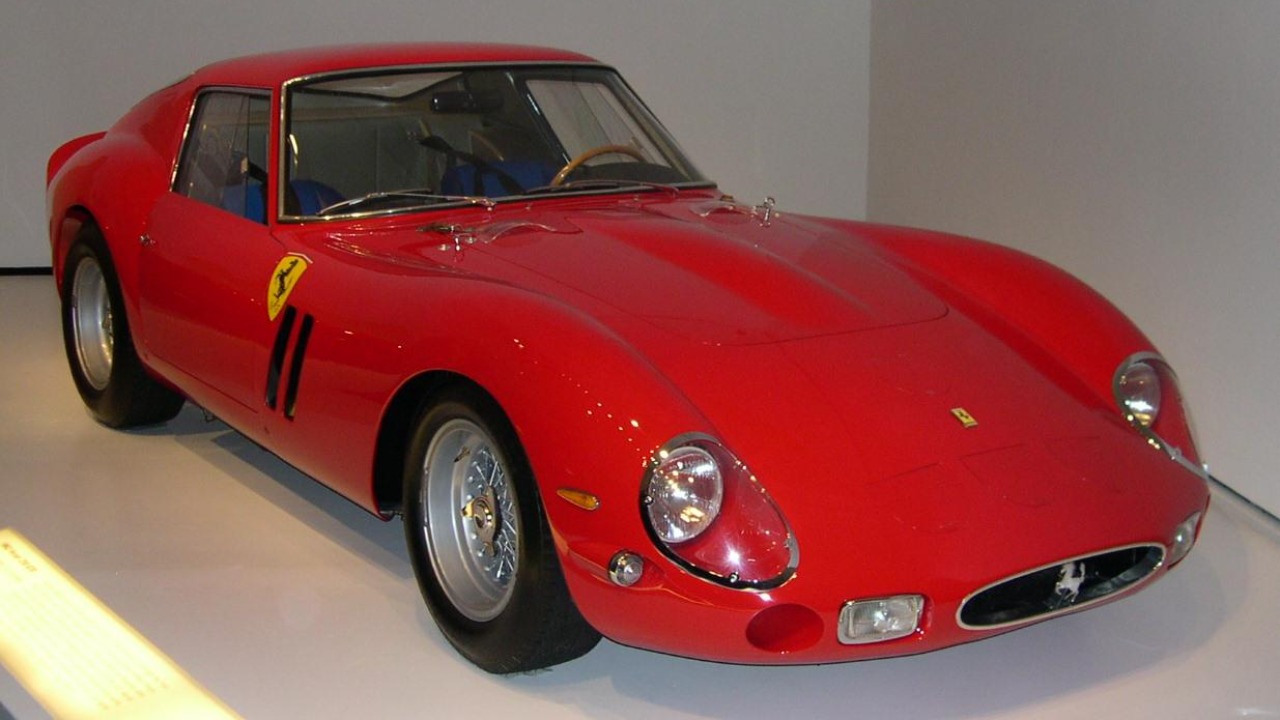
Built between 1962 and 1964, the Ferrari 250 GTO was conceived to homologate Ferrari for GT racing, and only 36 examples ever left Maranello. Beneath its hand-shaped aluminum body sat a 3.0-liter Colombo V12, feeding a chassis that dominated endurance events across Europe.
Its blend of rarity, competition pedigree, and sensual Scaglietti lines has made it the most valuable car in the world, with individual examples changing hands for tens of millions of dollars. To collectors, no other Ferrari carries quite the same mystique.
2. Lamborghini Miura: The Car That Invented a Genre
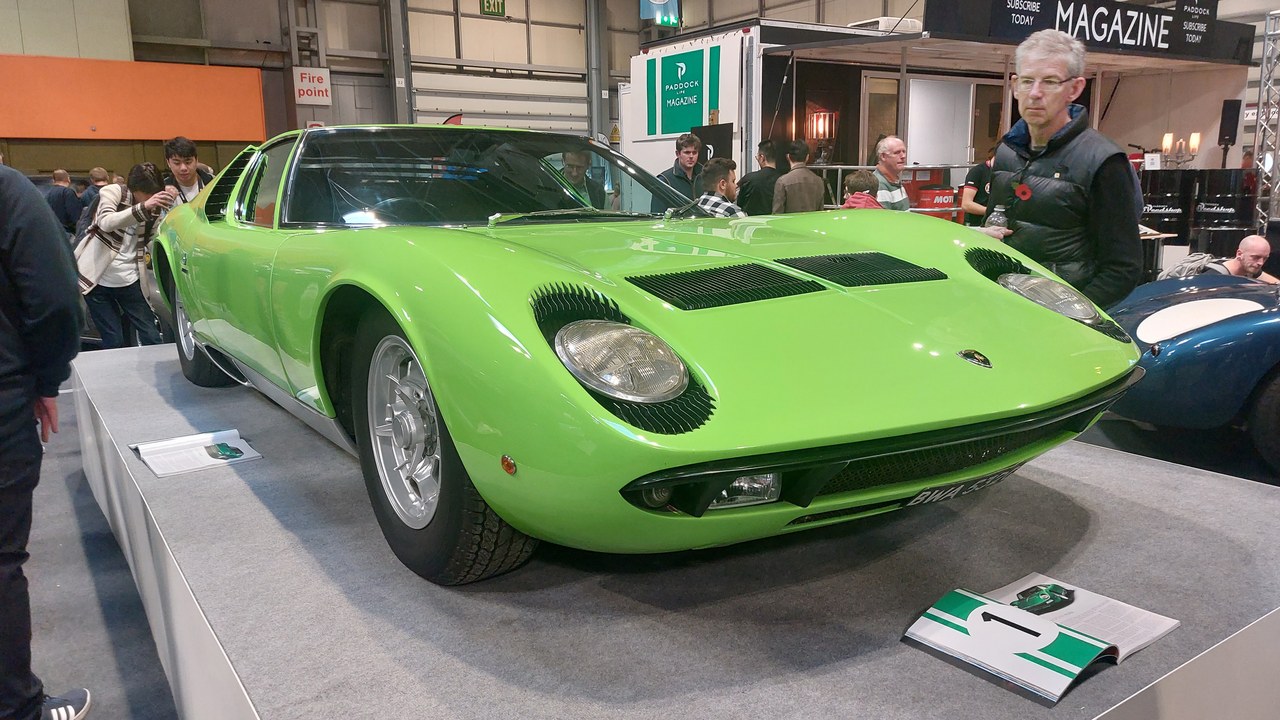
When the Lamborghini Miura debuted in 1966, its transversely mounted mid-engine layout stunned a car world still wedded to front engines. Marcello Gandini penned the low, curvaceous body at Bertone, wrapping a 3.9-liter V12 that could push the coupe toward 170 mph.
Widely regarded as the first true supercar, the Miura set the template that rivals would chase for decades. Its slinky proportions and eyelash-framed headlamps still make enthusiasts weak, proving Ferruccio Lamborghini’s upstart brand could out-dazzle Maranello on looks alone.
3. Alfa Romeo Spider: The Roadster From The Graduate

Introduced in 1966, the Alfa Romeo Spider was styled by Pininfarina with a distinctive boat-tail rear, and it soon reached global fame after Dustin Hoffman drove one through 1967’s The Graduate. A twin-cam four gave the lightweight roadster spirited, rev-happy character.
Production stretched across nearly three decades, making it one of the longest-lived sports cars of its era. Affordable, pretty, and endlessly charming, the Spider let ordinary drivers taste Italian romance without a Ferrari’s price, and it remains a beloved entry into classic ownership.
4. Maserati Ghibli: Trident-Badged Grand Tourer
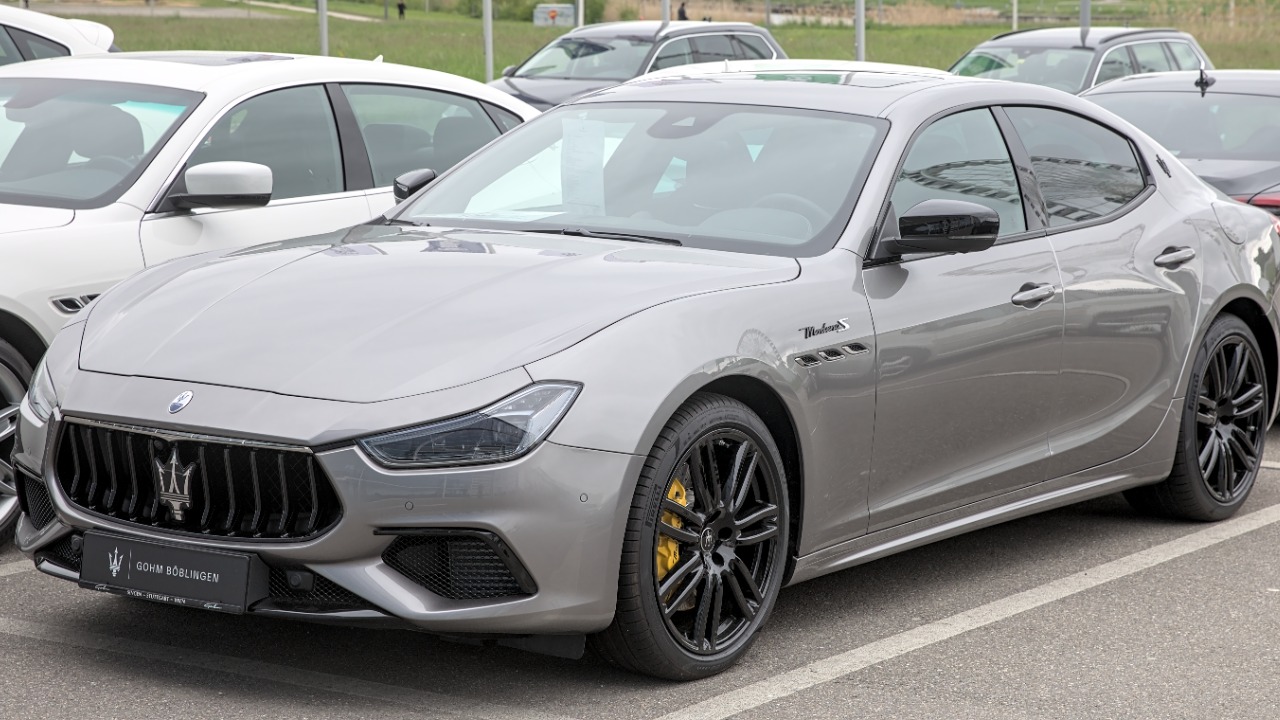
The Maserati Ghibli name first appeared in 1967 on a sleek Giorgetto Giugiaro-designed grand tourer, its long hood covering a potent V8. Decades later Maserati revived the badge for a sport sedan, giving the trident a rakish four-door powered by turbocharged, Ferrari-built engines.
Both interpretations share a mission of effortless, long-distance speed wrapped in unmistakably Italian tailoring. Whether as the original coupe or the modern saloon, the Ghibli offers exotic character and a snarling exhaust note, appealing to drivers who want Maserati flair with room for company.
5. Lancia Stratos: The Purpose-Built Rally Wedge
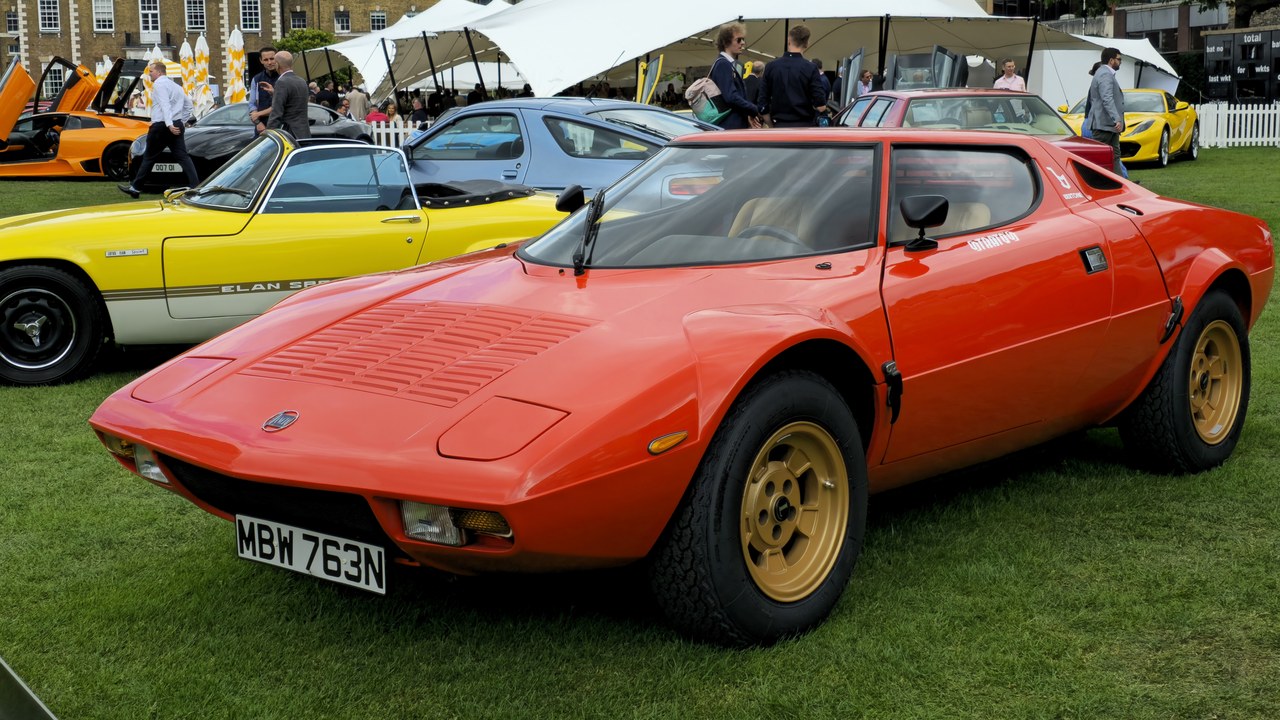
Few cars were as single-minded as the Lancia Stratos, a compact wedge engineered almost purely to win rallies. Bertone’s Marcello Gandini shaped its dramatic angles, while a Ferrari-derived Dino V6 sat behind the seats to give the short-wheelbase machine razor-sharp reflexes.
The gamble paid off spectacularly, as the Stratos claimed three consecutive World Rally Championship manufacturers’ titles in the mid-1970s. Wild to look at and wilder to drive, it proved a purpose-built exotic could dominate motorsport and still stir the imagination on a poster.
6. Ferrari F40: Enzo’s Farewell Masterpiece
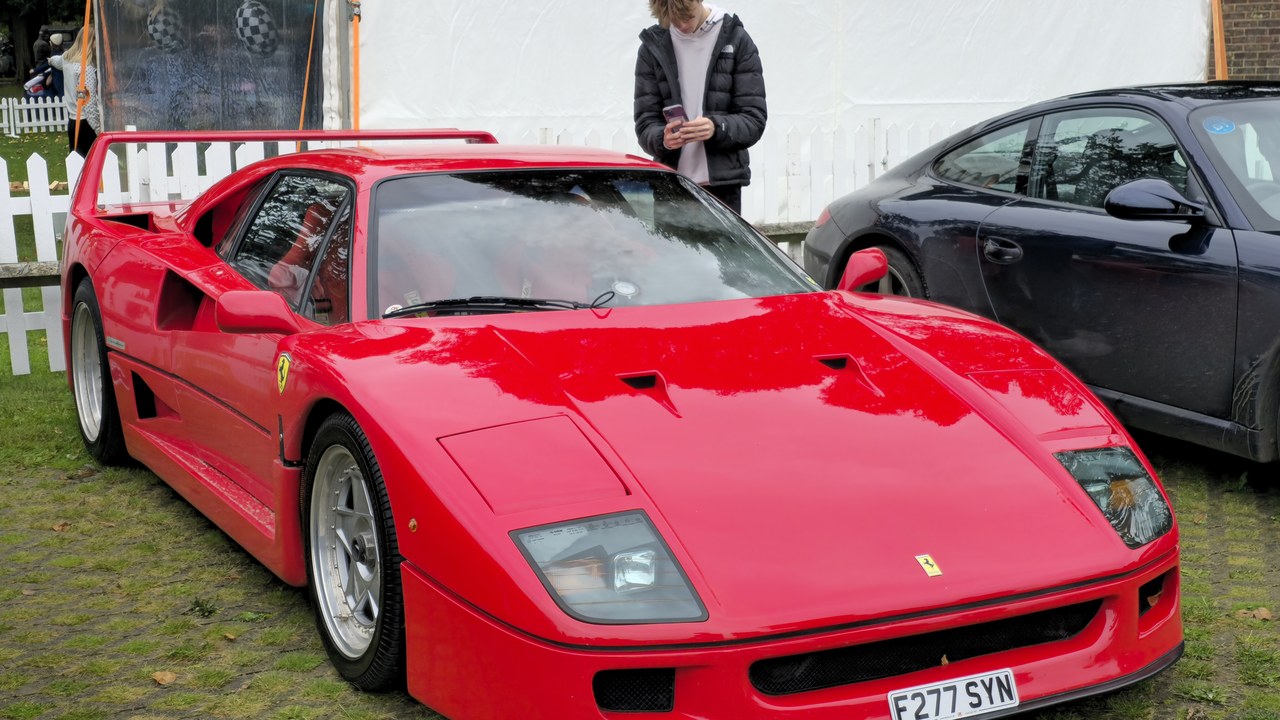
Unveiled in 1987 to mark Ferrari’s 40th anniversary, the Ferrari F40 was the final model personally approved by company founder Enzo Ferrari. A twin-turbocharged V8 and a stripped, Kevlar-and-carbon body made it brutally fast, and it became the first production car to exceed 200 mph.
Inside there were no carpets, no door handles, and little sound insulation, only a raw connection between driver and machine. That uncompromising purity is exactly why enthusiasts revere it, treating the F40 as the definitive analog supercar and a fitting send-off from Ferrari’s founder.
7. Alfa Romeo 8C Competizione: A Modern Halo Masterwork
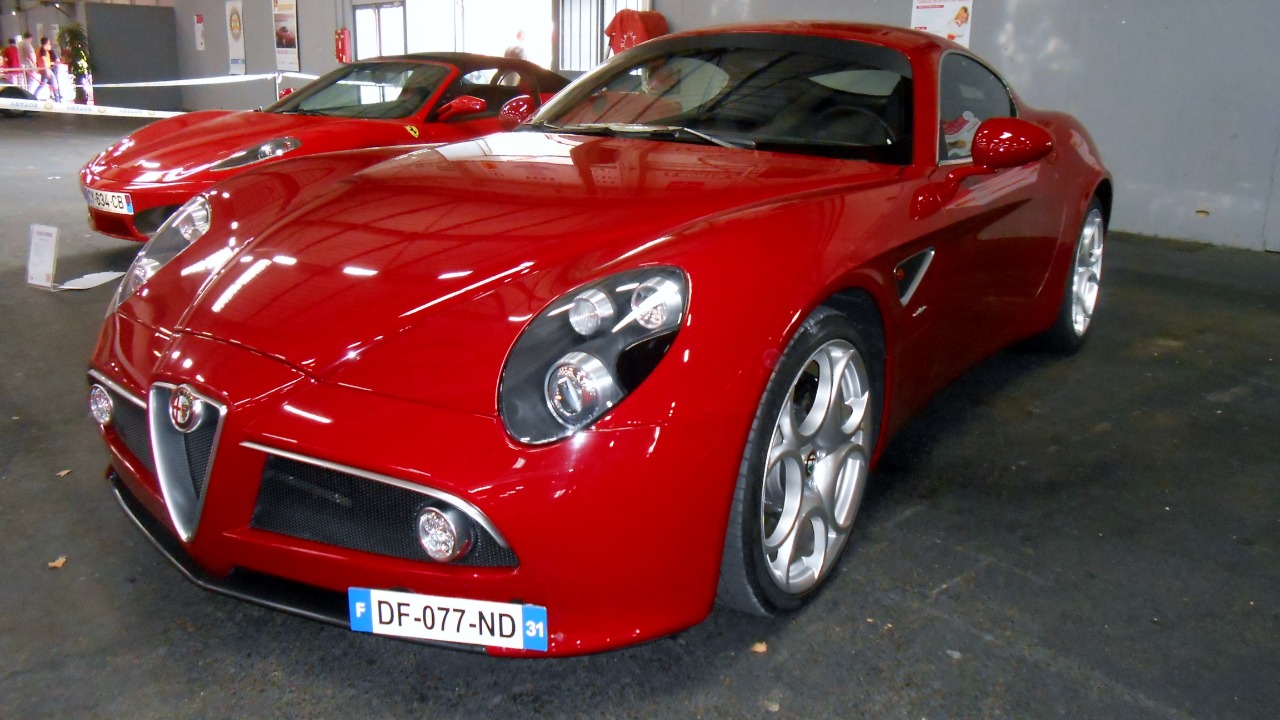
Revealed as a concept before entering limited production, the Alfa Romeo 8C Competizione reminded the world how gorgeous a modern Alfa could be. Its sculpted carbon-fiber body drew on the marque’s racing heritage, while a Maserati-sourced 4.7-liter V8 delivered a soaring, hard-edged soundtrack.
Only around 500 coupes were built, instantly making the 8C a coveted collector’s piece. Named in tribute to Alfa’s legendary prewar 8C racers, it served as a rolling halo car that restored some of the emotional magic the brand had been missing.
8. De Tomaso Pantera: Italian Body, American Heart
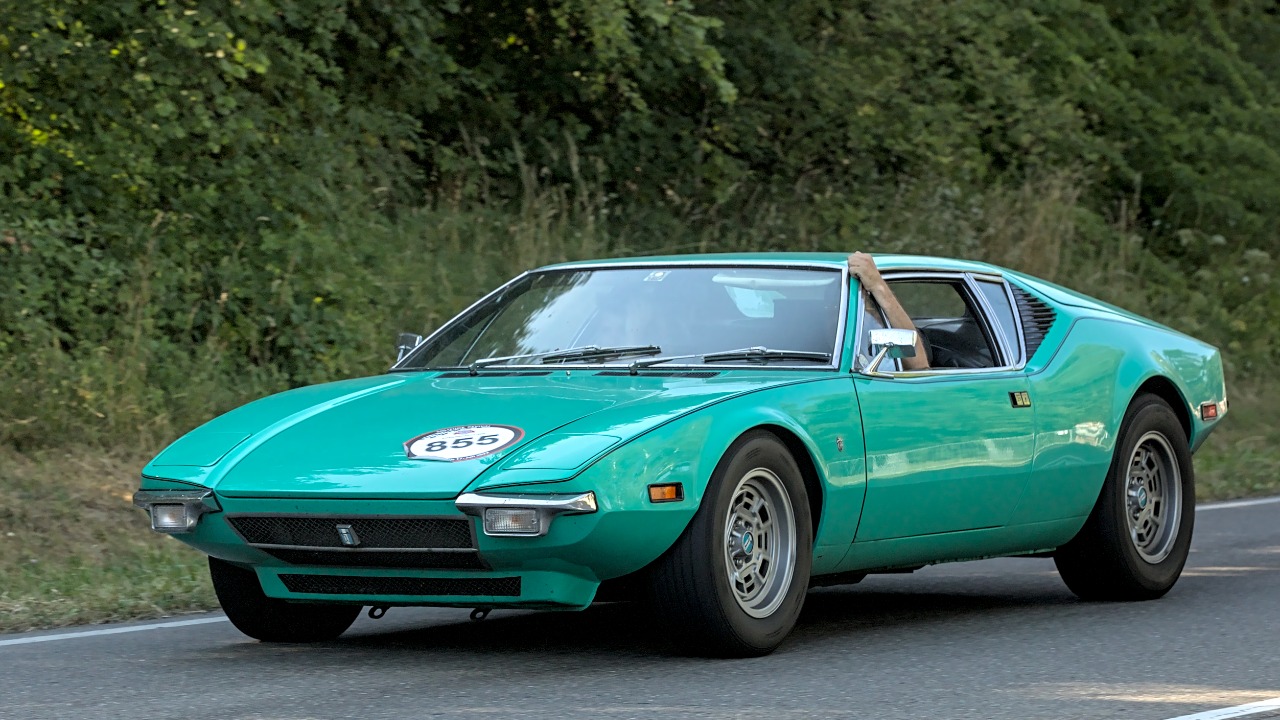
Blending exotic style with everyday muscle, the De Tomaso Pantera paired a Ghia-designed Italian body with a mid-mounted Ford V8. That combination gave buyers supercar looks and thunderous American torque, all backed by parts that were relatively easy to service compared with pure exotics.
Sold in the United States through Lincoln-Mercury dealerships, the Pantera brought mid-engine drama within reach of ambitious buyers. Its aggressive wedge shape and rumbling exhaust made it a 1970s icon, and it remains a favorite for enthusiasts who crave flair without fragile temperament.
9. Lamborghini Countach: The Poster Car Personified
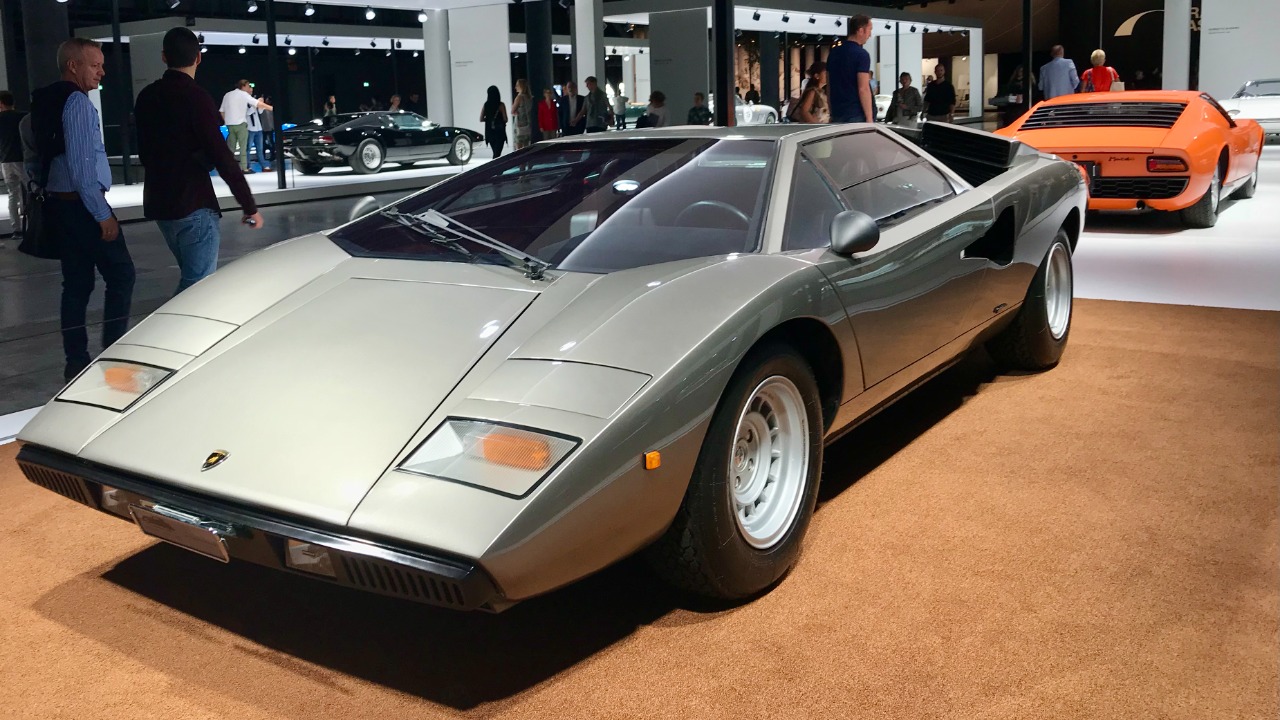
Perhaps no shape defined childhood dreams like the Lamborghini Countach, whose scissor doors and knife-edge wedge profile made it an instant legend. Marcello Gandini again worked the magic, evolving the design over a long production run while a mighty V12 provided the thrust.
Impractical, loud, and famously hard to see out of, the Countach never cared, because it existed to look outrageous and go fast. Its poster hung on countless bedroom walls, turning a generation of kids into lifelong gearheads and cementing Lamborghini’s reputation for glorious excess.
10. Ferrari Testarossa: The 1980s Excess Icon
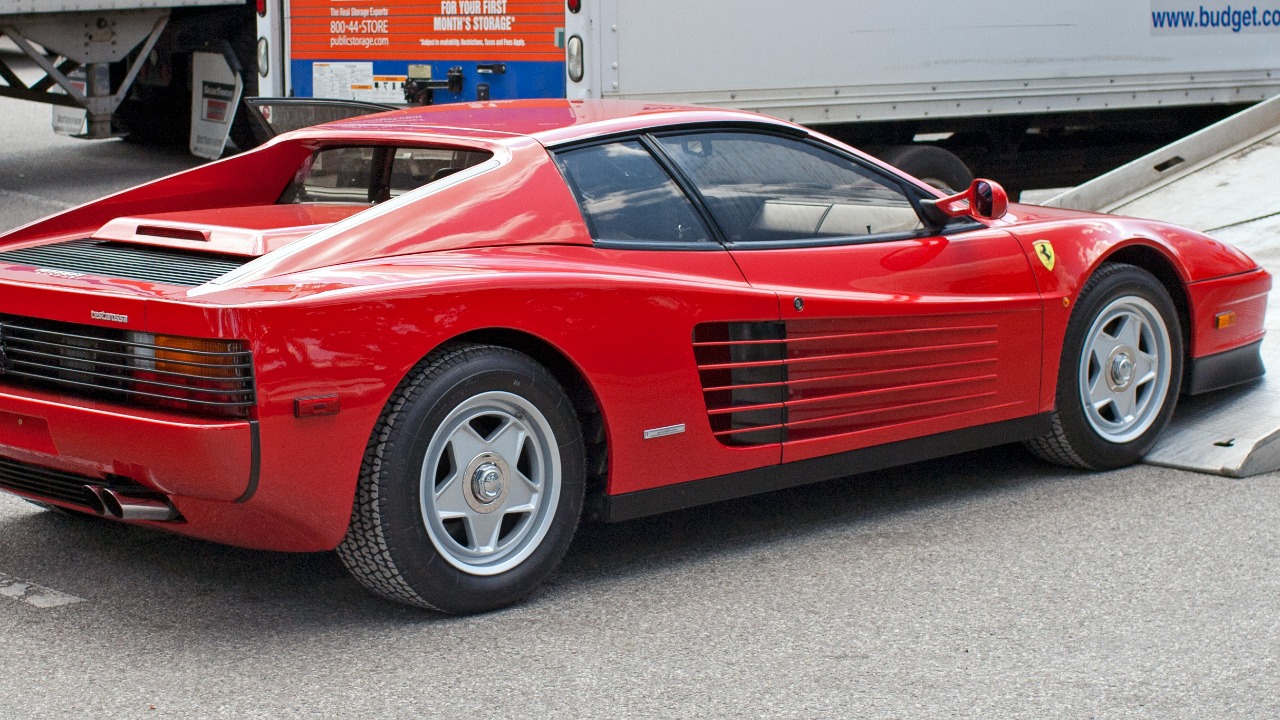
Instantly recognizable by its side strakes and dramatically wide rear haunches, the Ferrari Testarossa became a symbol of 1980s excess. Beneath its Pininfarina bodywork lay a flat-12 engine, giving the wide-hipped coupe both a distinctive exhaust howl and genuine high-speed muscle.
Television fame, most famously on Miami Vice, cemented the Testarossa as the era’s ultimate status symbol. Bold, brash, and unapologetically flashy, it captured a decade’s appetite for glamour, and its striped-tail silhouette still triggers instant nostalgia for anyone who grew up then.
11. Fiat Dino: A Ferrari Engine in a Fiat
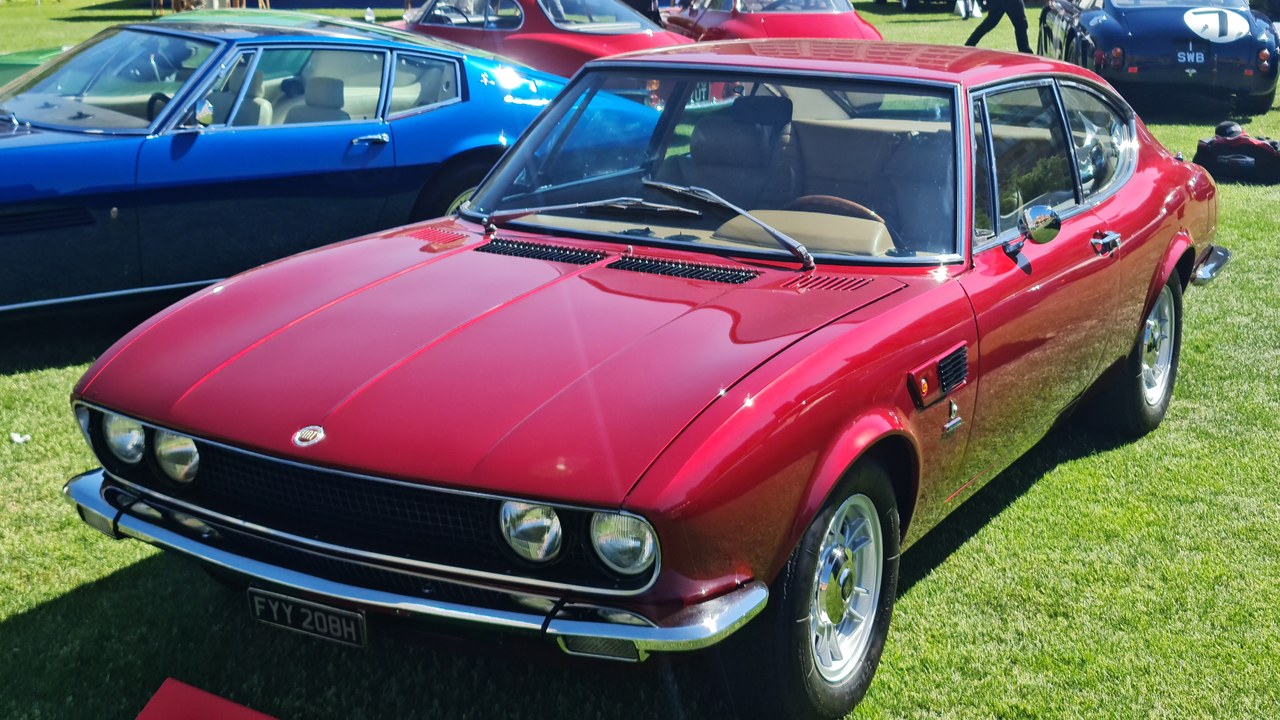
The Fiat Dino exists for a fascinating reason: Ferrari needed to build enough Dino V6 engines to homologate the unit for racing, so Fiat put it into road cars. The result gave buyers exotic Ferrari-derived power in a comparatively attainable, elegant Italian package.
Offered as a Bertone-styled coupe and a Pininfarina spider, it wore handsome, understated lines that hid its serious mechanical pedigree. Long overlooked beside flashier exotics, the Fiat Dino is increasingly cherished by collectors who appreciate a genuine Ferrari heart in humbler clothing.
12. Maserati MC12: The Enzo-Based Track Weapon
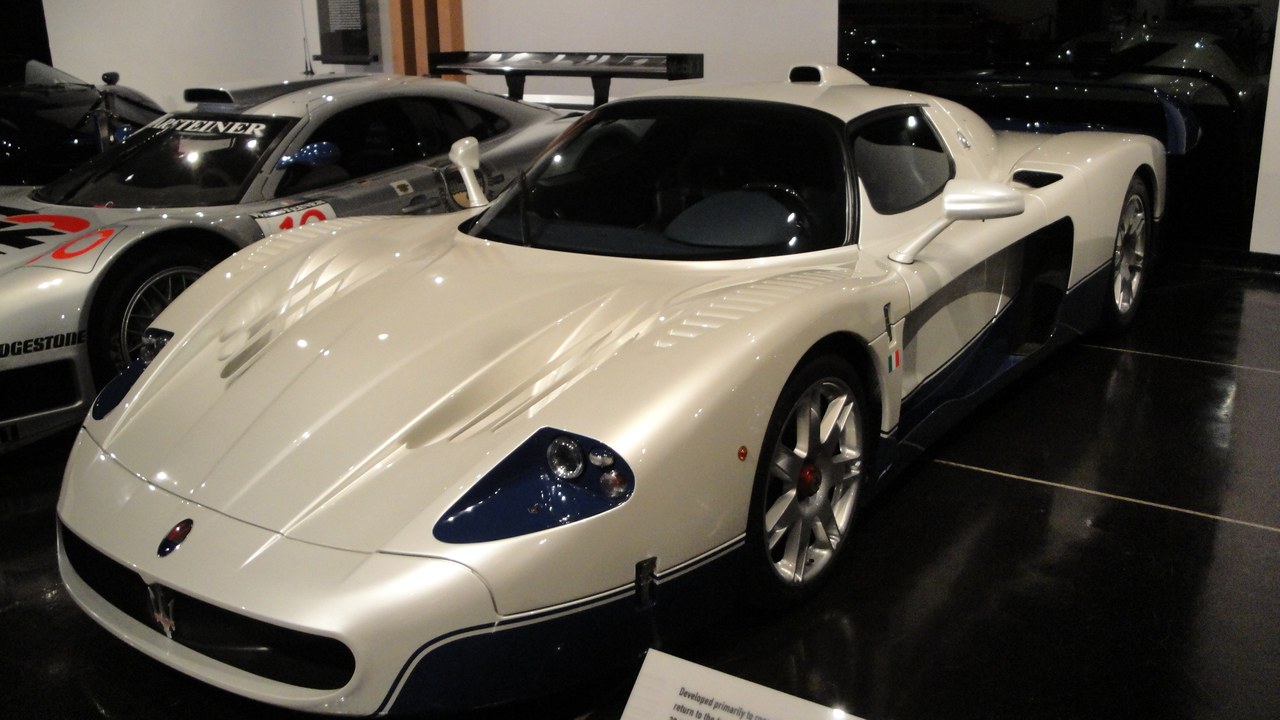
Created to return Maserati to top-level GT racing, the Maserati MC12 shared much of its engineering with the Ferrari Enzo, including a mighty V12. Its enormous, low-slung body was longer and wider than its Ferrari cousin, cloaked in striking white-and-blue livery evoking Maserati’s racing past.
Only a small run of road-going examples was produced to satisfy homologation rules, making the MC12 exceptionally rare. On track it proved dominant in GT competition, and today it stands as one of the most extreme and desirable machines the trident has ever built.
More from Morning Overview
- Long-term use of common heartburn pills is tied to kidney and dementia risk
- A California supervolcano has bulged upward about two and a half feet since 1978
- The FTC is warning about a scam quietly draining thousands from victims
- The NSA is again telling phone owners to switch off one location setting
