
Cold weather is the great equalizer for electric cars, shrinking the range printed on the window sticker. Winter tests in Norway, Canada and the American market show how large that gap can become for specific models. Here are twelve electric vehicles with documented range losses in freezing conditions.
Read next on Morning Overview: Two Kentucky residents died when a small plane crashed at Missouri’s Lake of the Ozarks, and the NTSB is investigating
1. Lucid Air: Worst Of The Norway Test
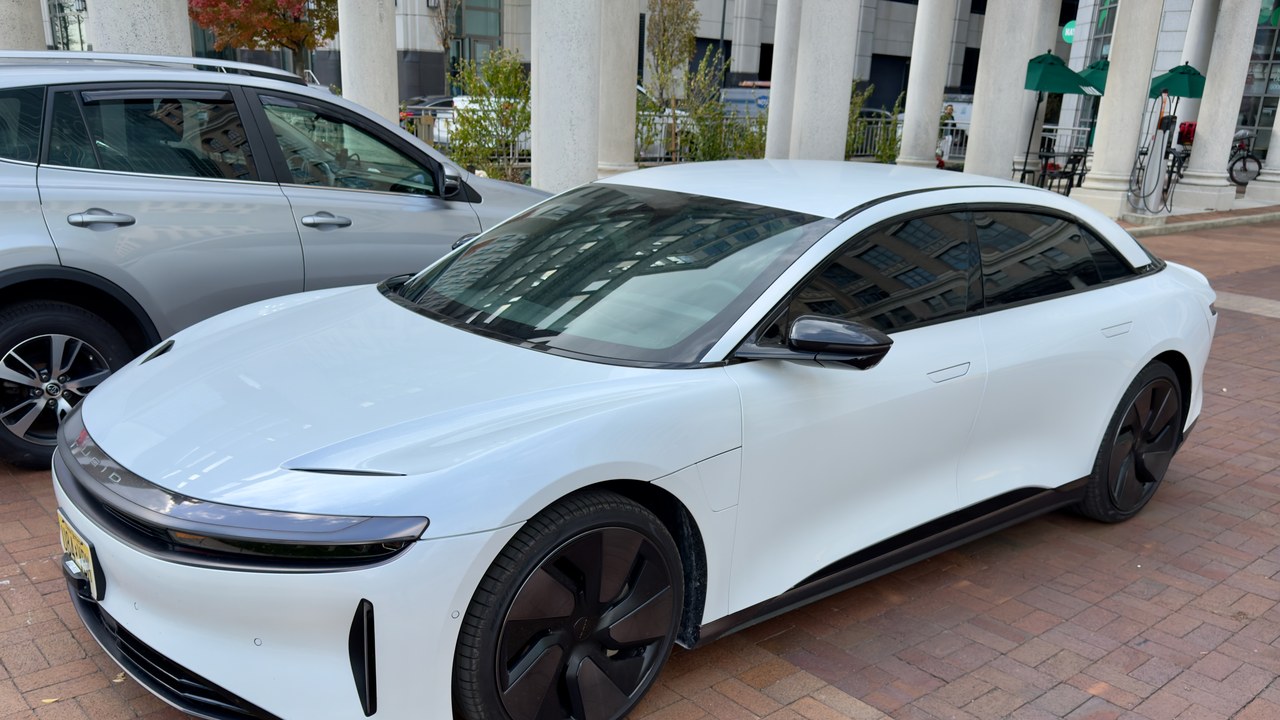
In Norway’s El Prix 2026 winter test, covered by CarScoops’ El Prix report, the Lucid Air managed 520 km (323 mi) against a WLTP rating of 960 km (597 mi), a 46% loss in temperatures that fell as low as -31C.
That is the largest drop in the test group. Owners of long-range luxury EVs in cold climates should plan around the real figure, not the lab rating. The test used temperatures down to -31C, which is harsher than most owners will face, so typical losses may be smaller.
2. Volvo EX90: Big SUV, Big Drop
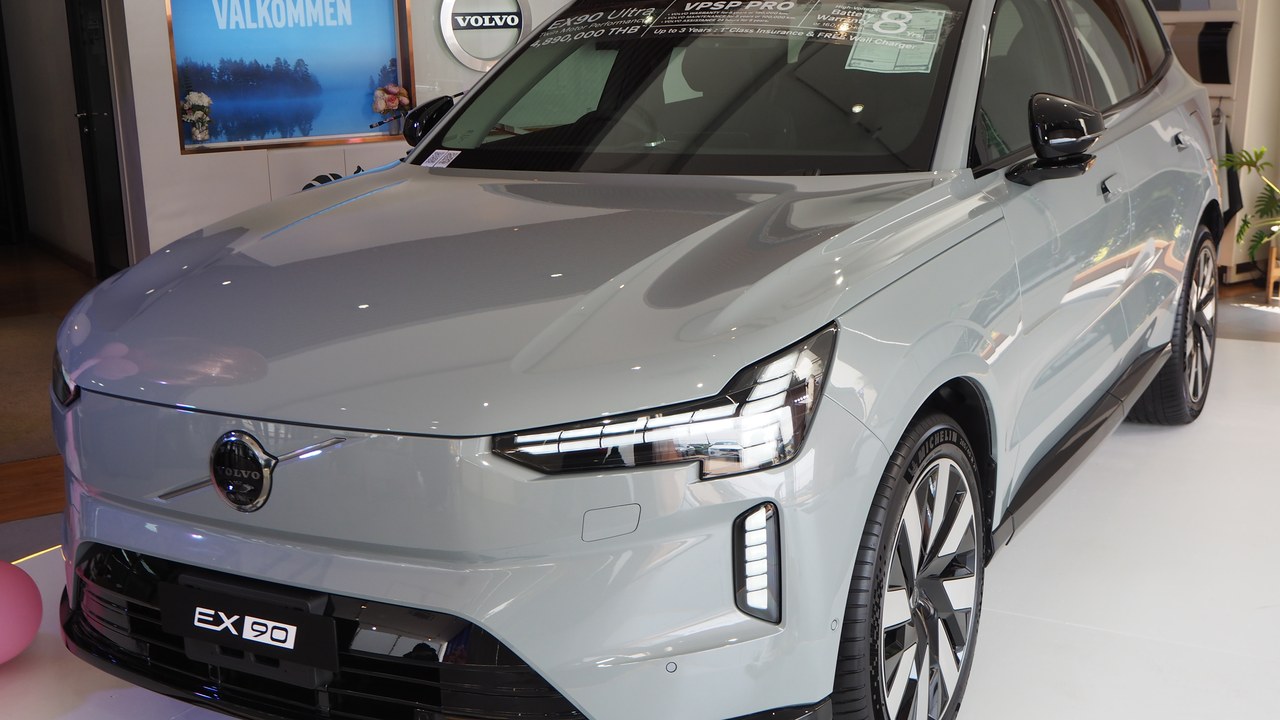
The Volvo EX90 covered 339 km (211 mi) against a WLTP rating of 611 km (380 mi) in Norway’s El Prix 2026 winter test, a 45% loss, according to El Prix 2026 results. Temperatures fell as low as -31C.
A three-row electric SUV loses nearly half its rating under these conditions. Families planning long winter trips should budget extra charging stops. The test was run by NAF and Motor Norway in January 2026, so the figure reflects a recent model and genuine arctic conditions.
3. Tesla Model Y: Best-Seller Feels It
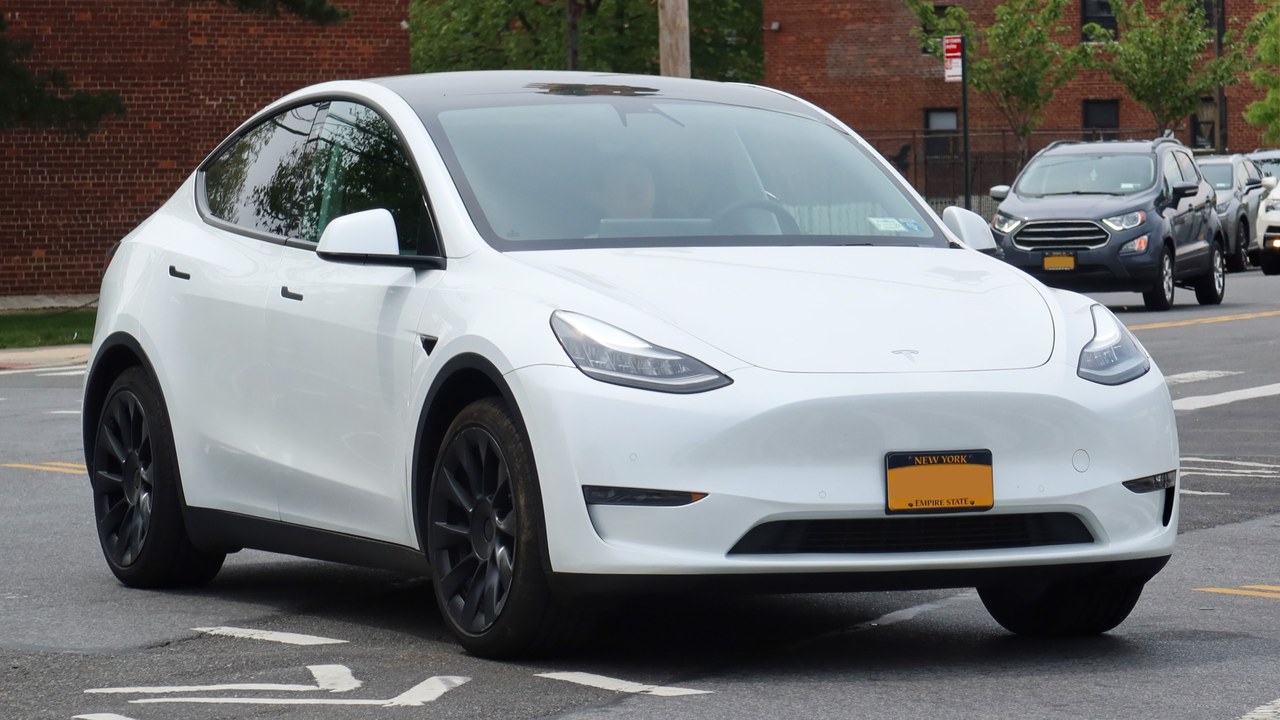
The Tesla Model Y covered 359 km (223 mi) against a WLTP rating of 629 km (391 mi) in Norway’s El Prix 2026 winter test, a 43% loss, per the Norway winter test, with temperatures as low as -31C.
Even the most common electric crossover sees a large gap in extreme cold. The result is a reminder that WLTP numbers are set for mild laboratory conditions. The same test produced the figures for all four El Prix cars on this list, so the comparison between them is like for like.
4. Mercedes-Benz CLA: New Compact Sedan
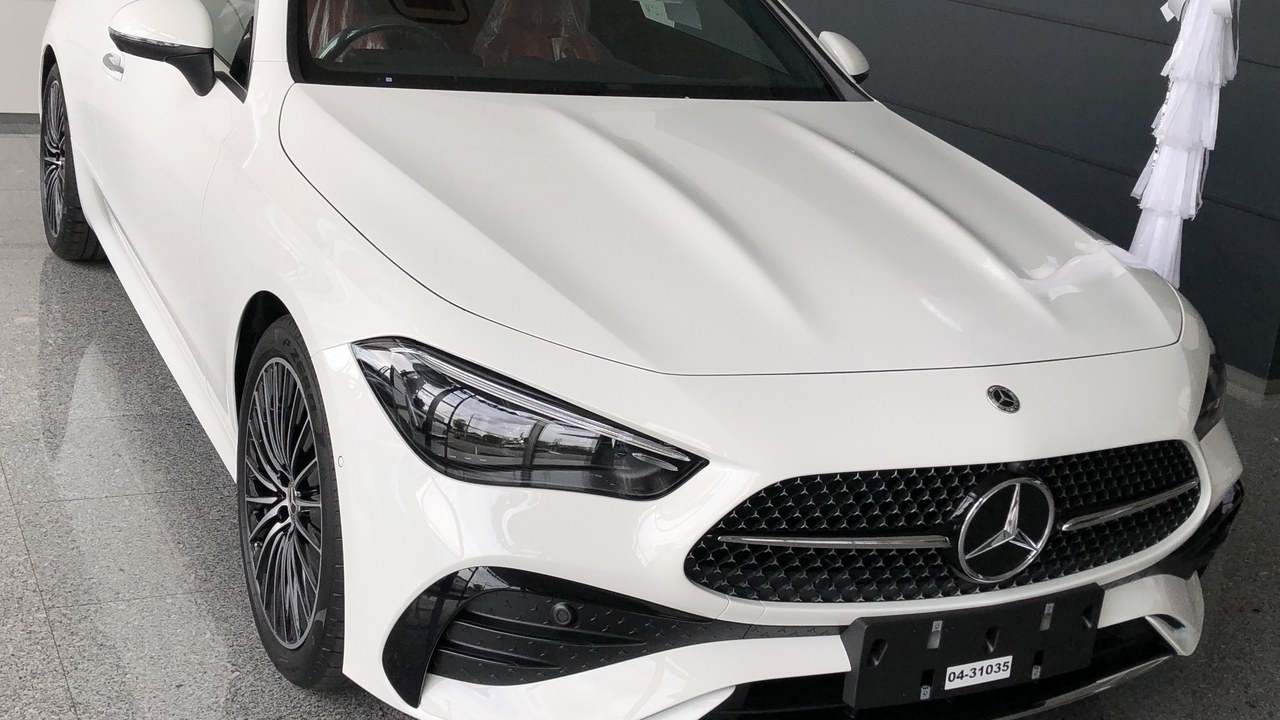
The Mercedes-Benz CLA covered 421 km (262 mi) against a WLTP rating of 709 km (441 mi) in Norway’s El Prix 2026 winter test, a 41% loss, as listed by CarScoops’ winter range table. Temperatures fell as low as -31C.
The CLA still travelled farther than several rivals in absolute terms, but the percentage drop remains steep. Buyers in Nordic-style winters should expect roughly 60% of the rated distance. Because WLTP is the baseline, the loss is measured against a generous rating, which partly explains why the percentages look so large.
5. Volkswagen ID.4: Lowest Retention In Study
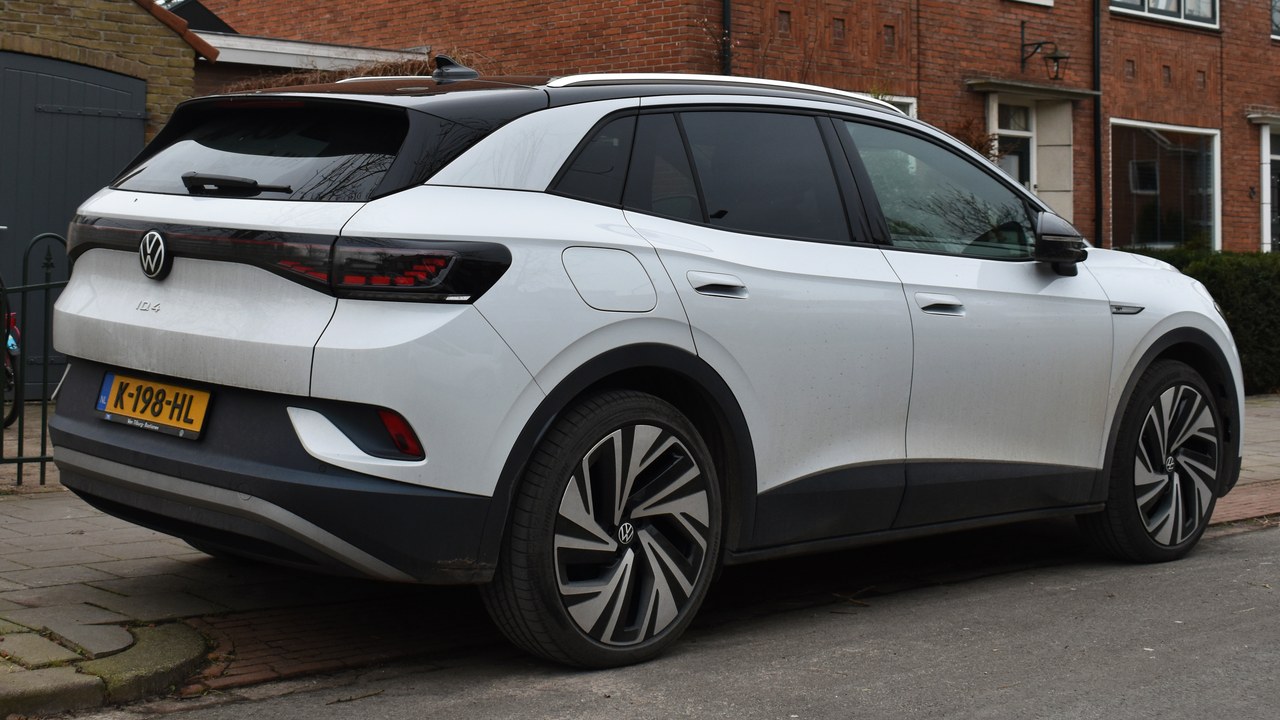
Recurrent’s 2025 analysis of more than 18,000 vehicles found the ID.4 kept just 64% of its ideal range in freezing weather, the lowest of the 16 models named in CarScoops’ Recurrent coverage.
That means a loss of roughly a third of rated range. The study is from 2025 and covers U.S. owner data, so it describes real driving rather than a single test day. The study’s 16 named models allow direct comparison, and the ID.4’s 64% is the figure to beat for any rival claiming better cold performance.
6. Ford Mustang Mach-E: Mach-E In The Freeze
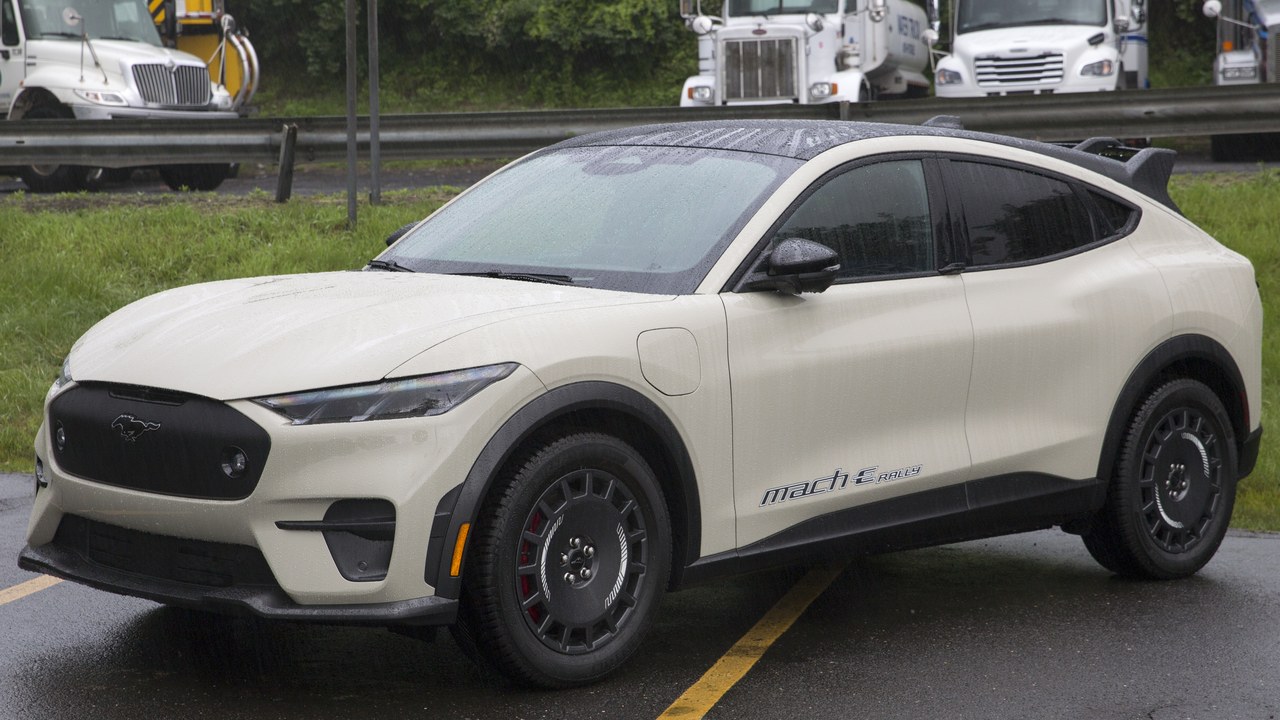
Recurrent’s 2025 freezing-weather analysis had the Mustang Mach-E retaining only 66% of its ideal range, as reported by a CarScoops range study, one of the weakest results among 20 popular U.S. models studied.
Owners in cold states should treat the rated figure as a ceiling. The data come from a 2025 study, so later software or battery changes are not reflected. Recurrent’s data come from real-world driving in cold weather, which makes the results more relevant to commuters than a single standardized test.
7. Cadillac Lyriq: Heat Pump, Still Lagging
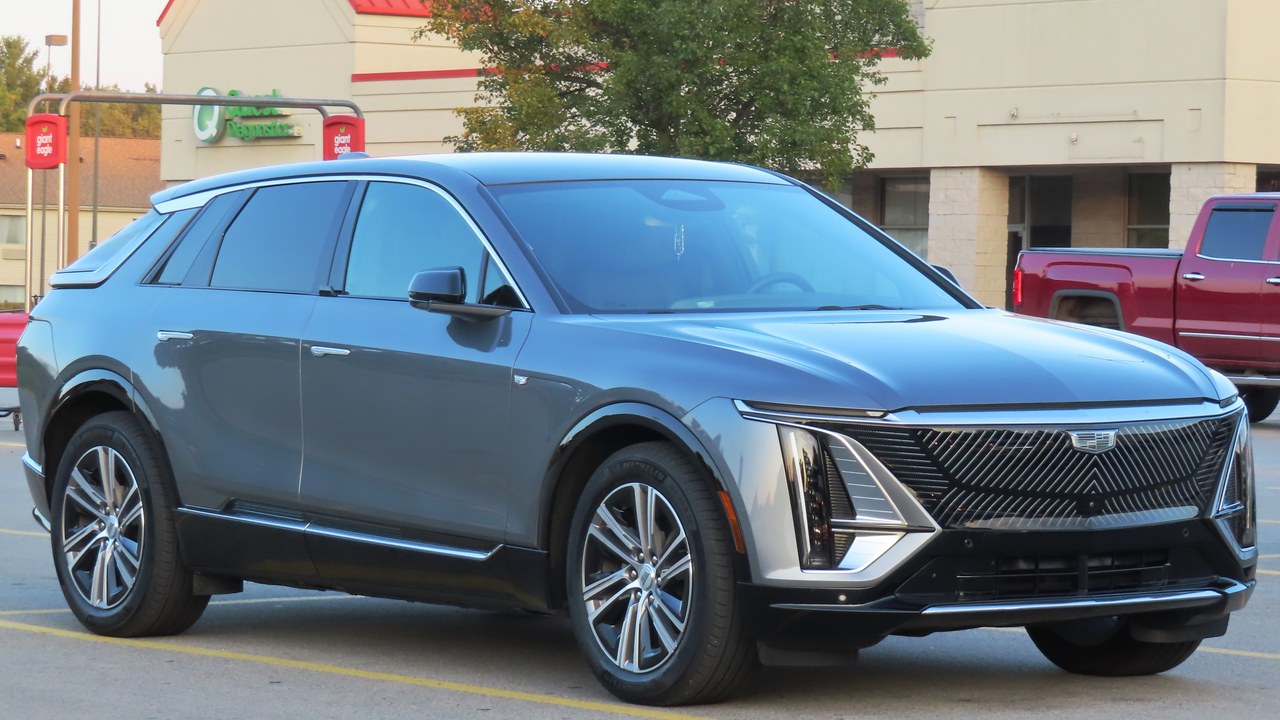
Recurrent’s 2025 analysis found the Lyriq retained just 72% of its range in freezing conditions, even though it has a heat pump, according to a freezing-weather study. The sample covered more than 18,000 vehicles across 20 popular U.S. models.
The finding shows that a heat pump does not guarantee strong winter performance. Shoppers comparing efficiency should look at measured cold-weather retention, not equipment lists. The heat pump did not prevent a sizable loss, so prospective buyers should look at independent retention numbers.
8. Chevrolet Equinox EV: Another Heat Pump Case
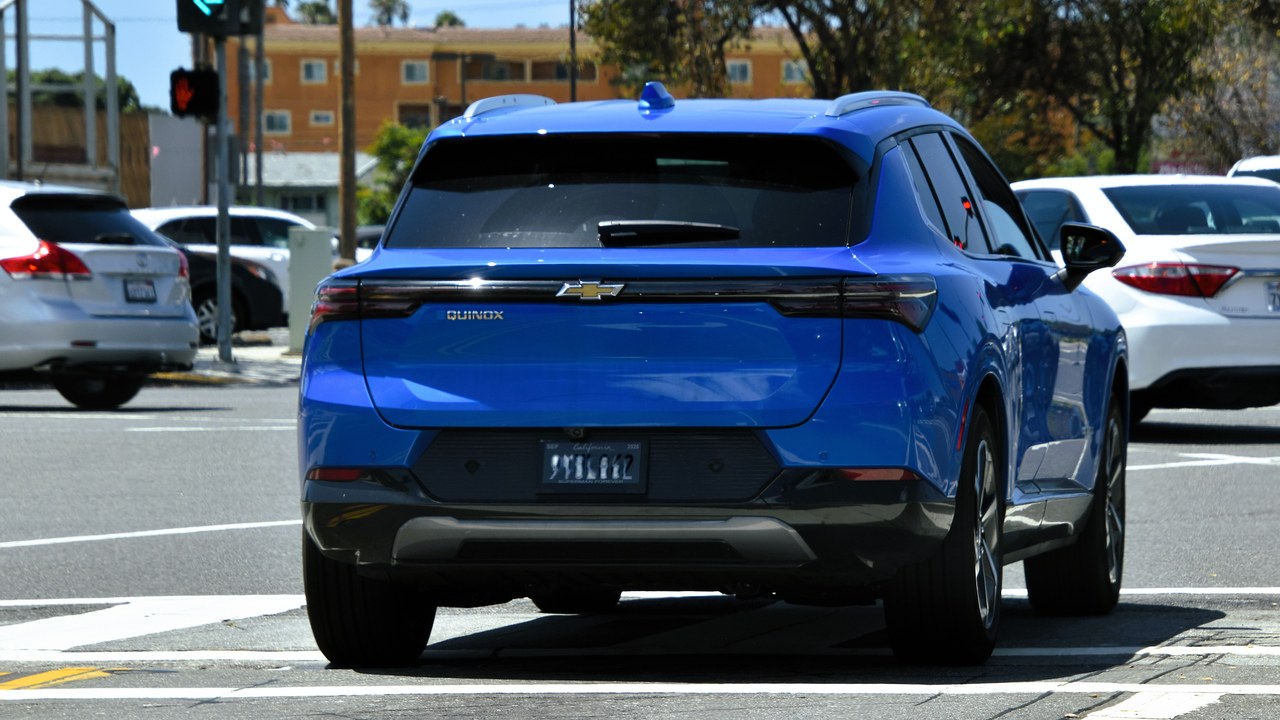
Recurrent’s 2025 freezing-weather analysis put the Equinox EV at 74% of ideal range retained, despite having a heat pump, according to the 2025 Recurrent figures. The study covered more than 18,000 vehicles across 20 popular U.S. models.
A 26% loss is smaller than the worst results on this list but still noticeable on a winter commute. The figure dates from 2025 and reflects owner data rather than a controlled test. The Equinox is a mainstream, relatively affordable model, so the result matters to the shoppers most likely to choose it as an only car.
9. Chevrolet Blazer EV: Dead Last Of 32
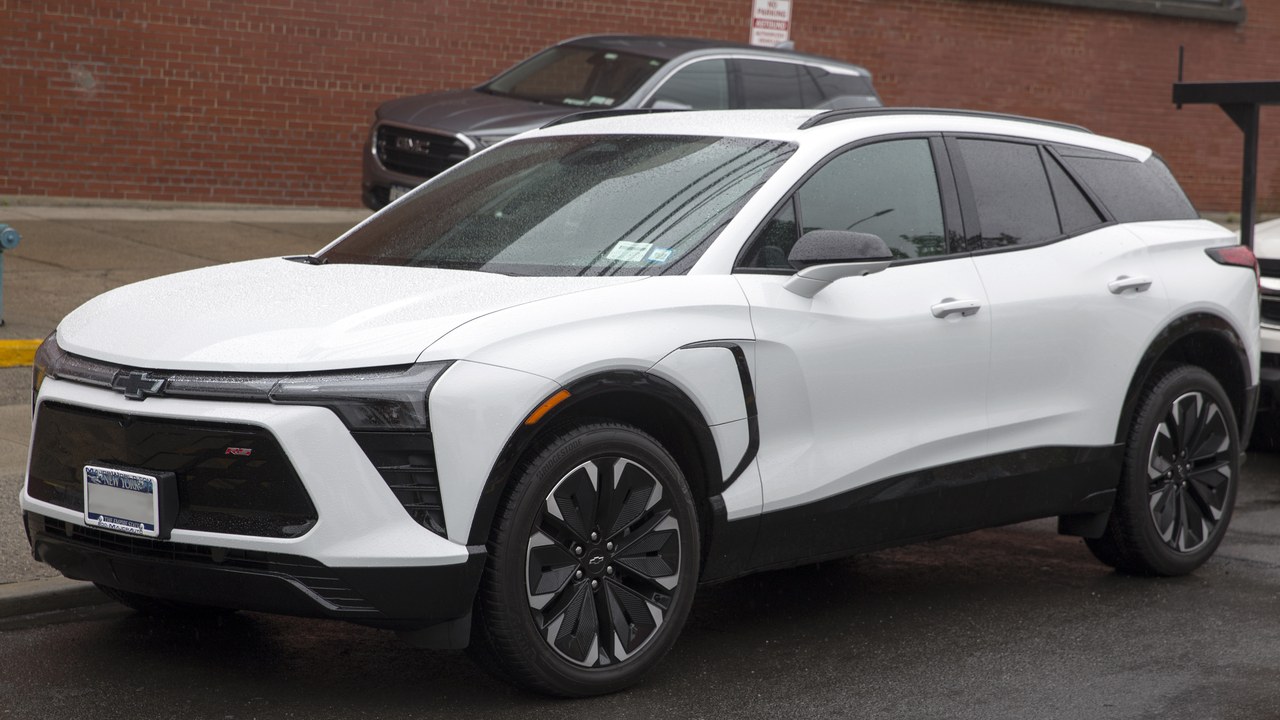
Recurrent’s 2025/2026 winter ranking lists 32 models, and Recurrent’s winter ranking puts the Blazer EV in 32nd and last place. Recurrent says the worst vehicle gets only 69% of its maximum range at 32F, versus 88% for the best.
The spread between 69% and 88% shows how much model choice matters for cold-climate owners. Anyone shopping in snow country can use the ranking as a tiebreaker. Recurrent’s ranking uses the 32F benchmark, so the figures describe a typical cold day rather than the deepest freeze.
10. Chevrolet Bolt: Older Bolt Sits Low
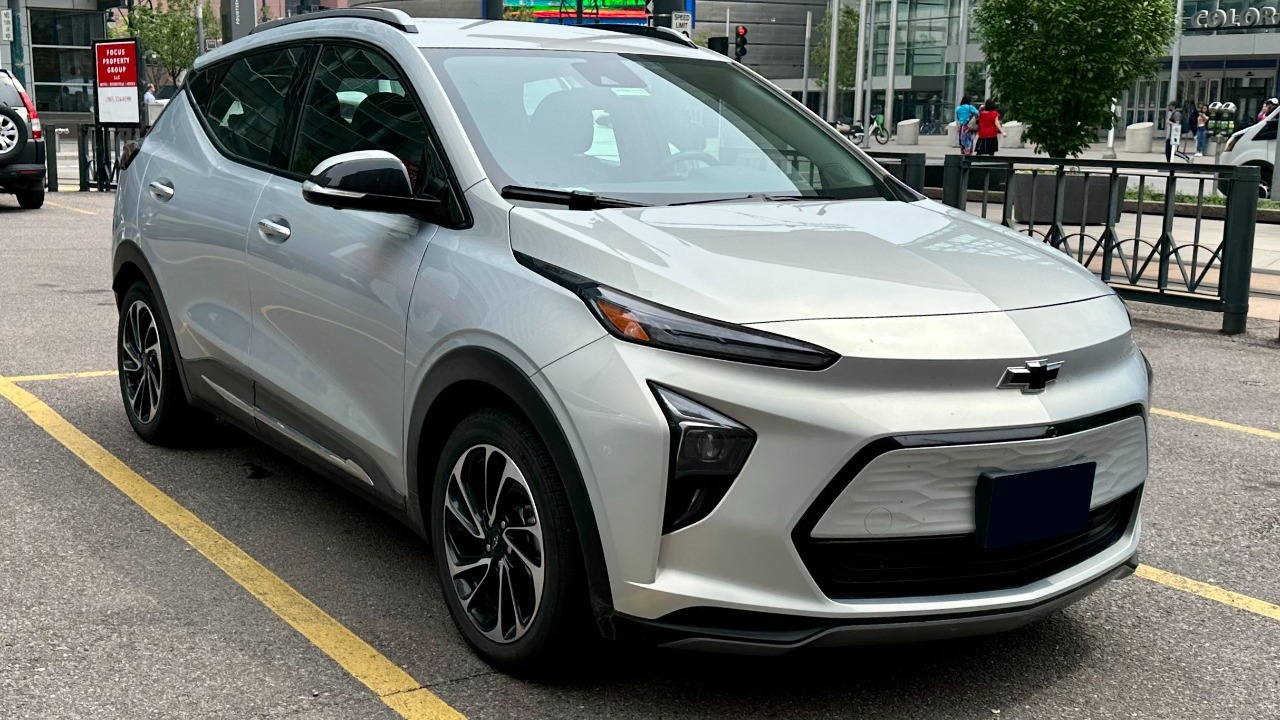
The pre-2025 Chevrolet Bolt EV and EUV sit 29th of 32 models in Recurrent’s 2025/2026 winter range ranking, built from real-world data on more than 30,000 U.S. vehicles, as described by Recurrent’s cold range data.
The placement applies to the earlier Bolt generation, not the 2025 redesign. Used-car shoppers weighing a Bolt for a cold region should factor in that ranking. The ranking draws on more than 30,000 vehicles, so the Bolt’s placement rests on a large sample rather than a handful of cars.
11. Volvo XC40 Recharge: Canadian Winter Drive
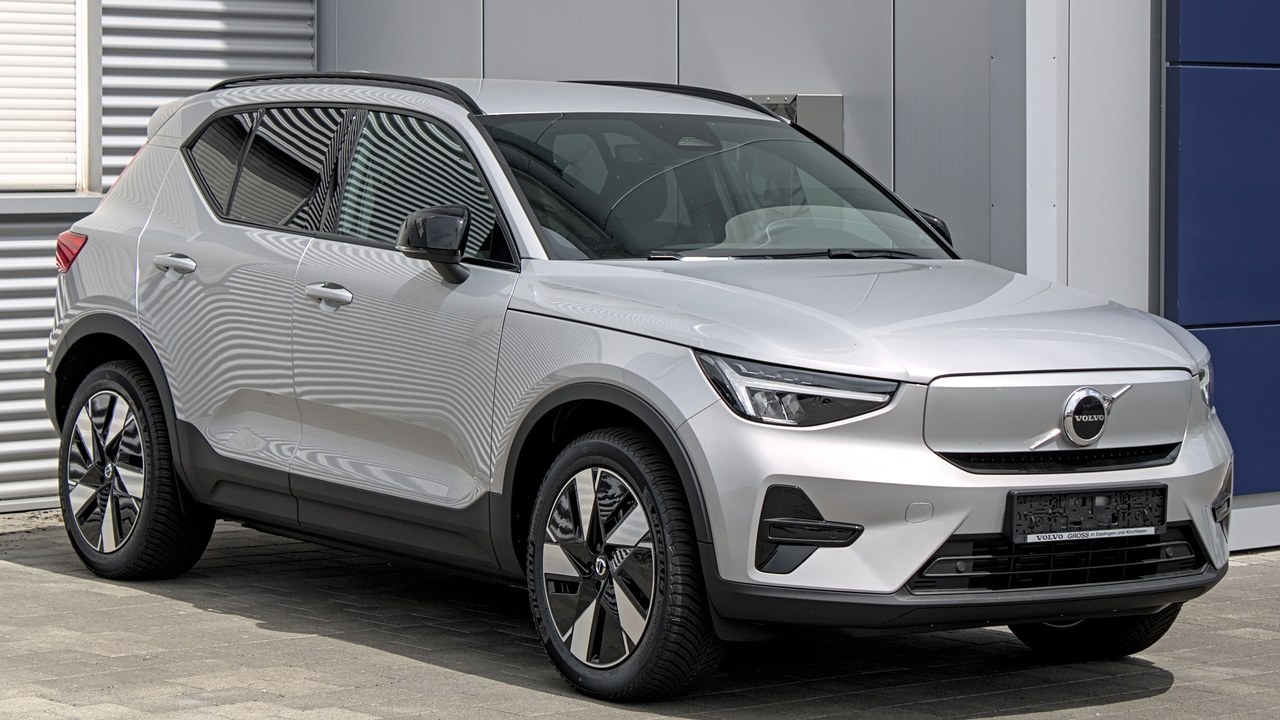
In a March 2025 CAA winter test drive, electric vehicles lost between 14 and 39 per cent of their stated range, and the Volvo XC40 Recharge lost the most, according to CAA’s winter test.
The result comes from Canadian conditions and a single early-2025 test. It still places the XC40 at the weak end of the group for owners who face real winters. The CAA range of 14 to 39 per cent shows how widely models differ, and the XC40 sits at the harsh end of that spread.
12. Lexus RZ: Climate Control Penalty
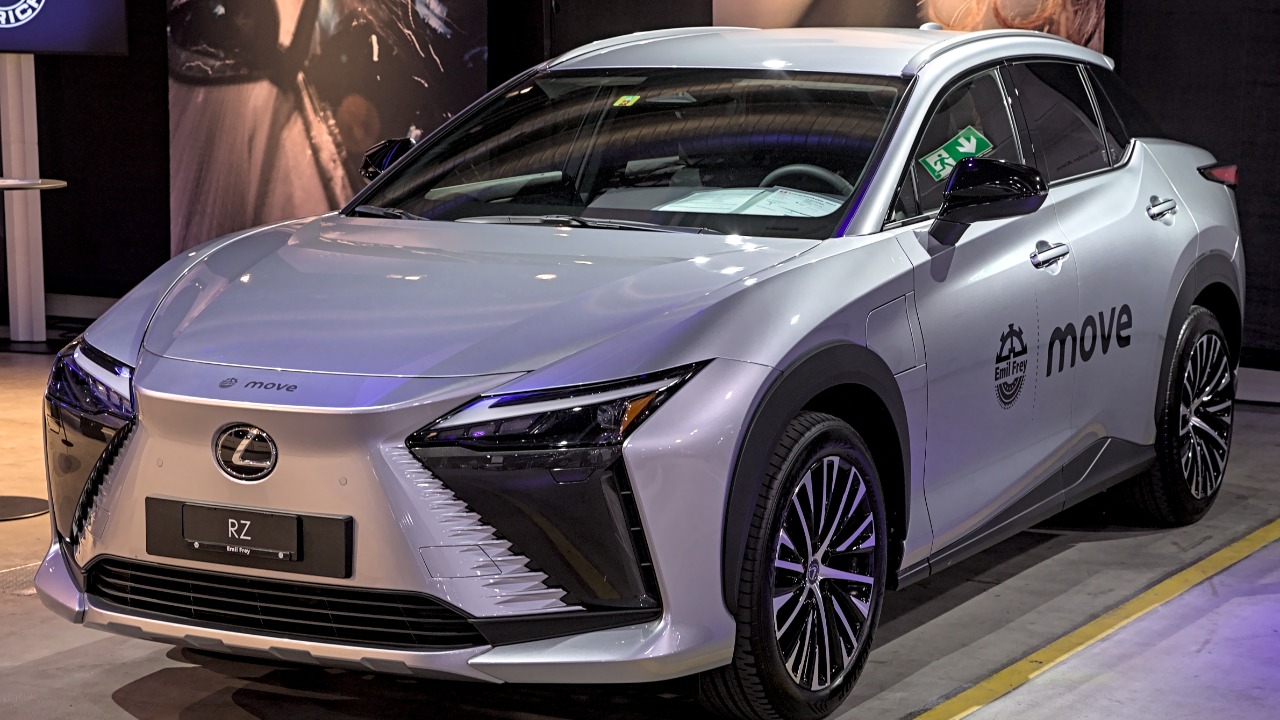
In Consumer Reports’ freezing-weather test at 23 to 31F, the 2023 Lexus RZ 450e had just 17 miles of range left with the climate system on, versus 43 miles with it off, per Consumer Reports’ cold test.
The gap shows how much cabin heating can cost in the cold. The test used a 2023 model, so owners of other model years should treat it as an indicator rather than a rule. Consumer Reports tested at 23 to 31F, which is cold but not extreme, so the loss from running the heater is visible even in moderate winter weather.
More from Morning Overview
- Shaq spent $1.3 million on three Rolls-Royce Phantoms to prove a point to a salesman
- The Justice Department asked courts to undo approvals for three offshore wind farms, one already making power
- Over 20 trillion gallons of rain fell on the Four Corners states and Nevada in two weeks
- 11 engines built to run well past 200,000 miles
