
Gardens and yards hold more than flowers and shade. Some familiar shrubs, weeds and bedding plants carry compounds that public health and horticulture sources flag as dangerous when eaten. Here are twelve plants that turn up in ordinary yards and are listed as hazards for young children.
1. Oleander: Oleander Leaves
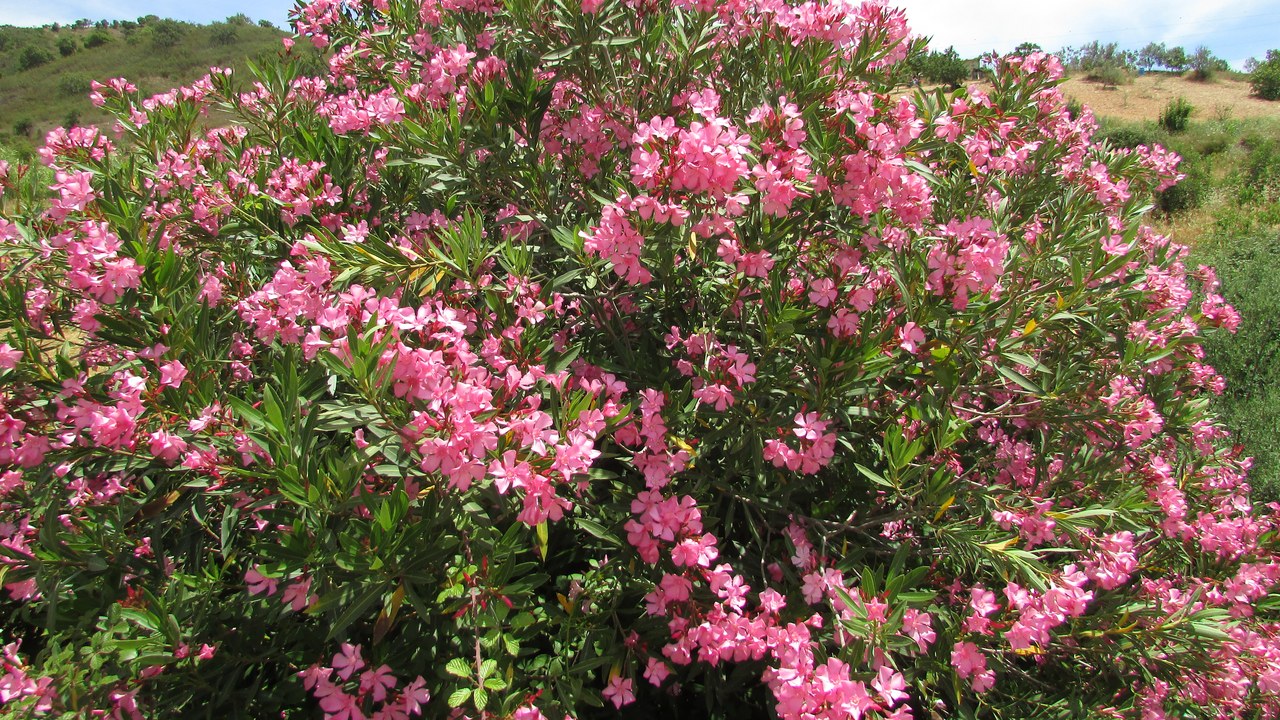
Texas A&M AgriLife lists the toxic parts as leaves and branches in its poisonous plant guide, and calls the shrub extremely poisonous. According to that guide, it affects the heart, produces severe digestive upset and has caused death.
Because oleander is a familiar hedge and screen plant in warm regions, the entry reads as a reminder that an ordinary landscape shrub can sit among the most hazardous plants a yard holds. The source offers no figure for dose, only the plain verdict on severity.
2. Castor bean: Castor Bean Seeds
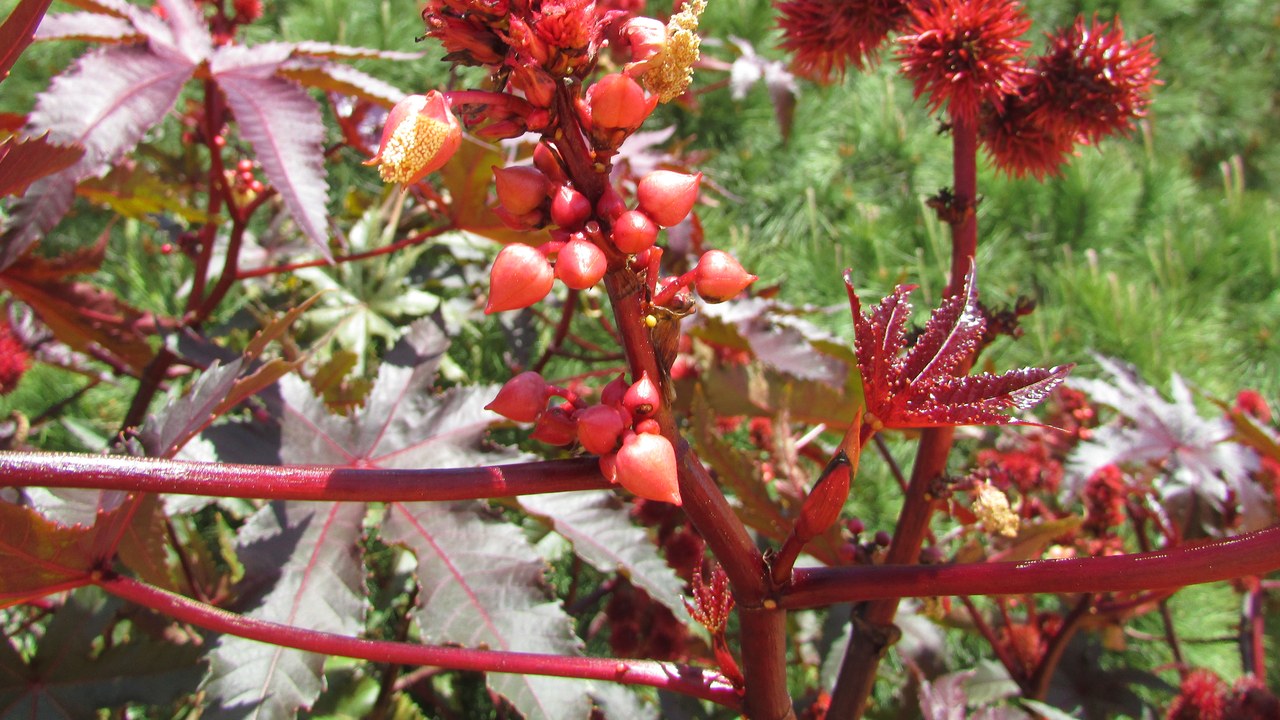
The danger in castor bean sits in the seeds, according to the same AgriLife guide. That guide states flatly that one or two castor bean seeds are near the lethal dose for adults.
The tall, tropical-looking plant is sometimes grown for its bold foliage, and the seed warning is the part of the entry that stands out. The source frames the risk around the seeds specifically. The listing sets the seeds apart from the rest of the plant, which is not described the same way.
3. Water hemlock: Toxic From Root to Tip
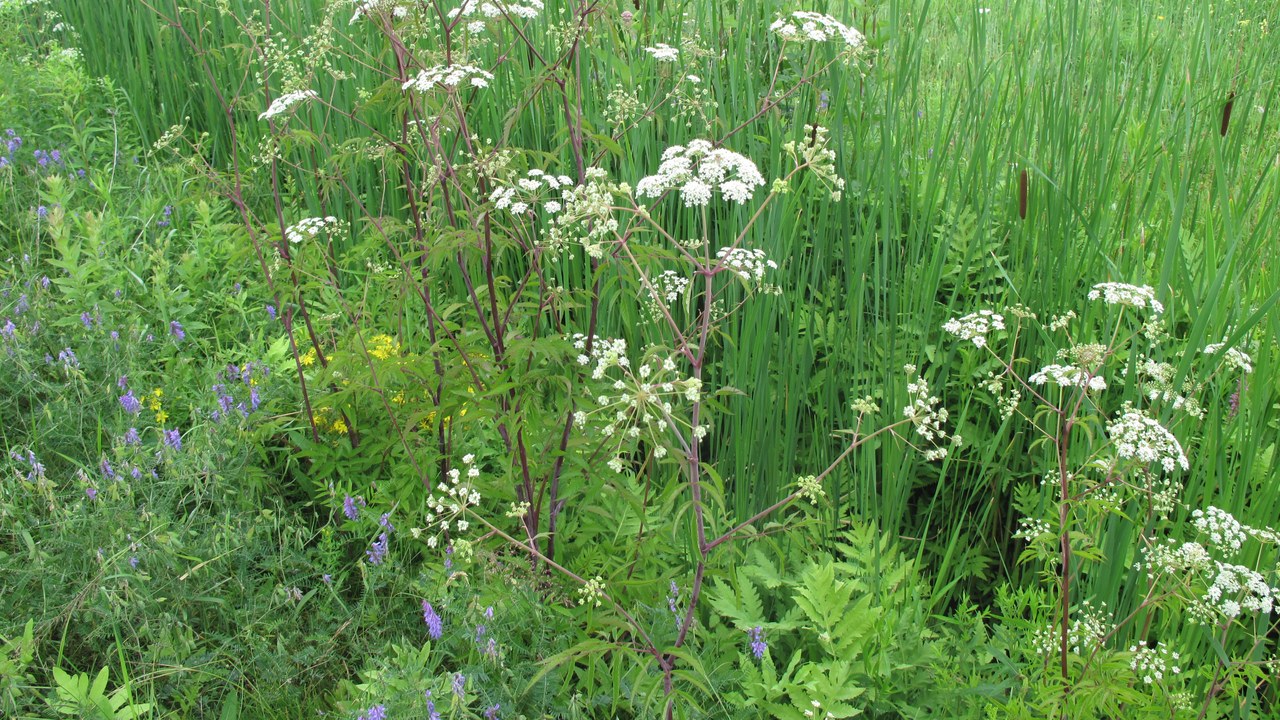
Water hemlock is listed in the AgriLife plant table as toxic in all parts and fatal, producing violent and painful convulsions. The guide notes that a number of people have died from hemlock.
The entry makes no distinction between leaf, stem or root, which is the point of the listing. A plant of damp ground and ditch edges, it can turn up in wet corners of a property. The source describes the effect in blunt terms and offers no further detail.
4. Rhubarb: The Leaf Is the Problem
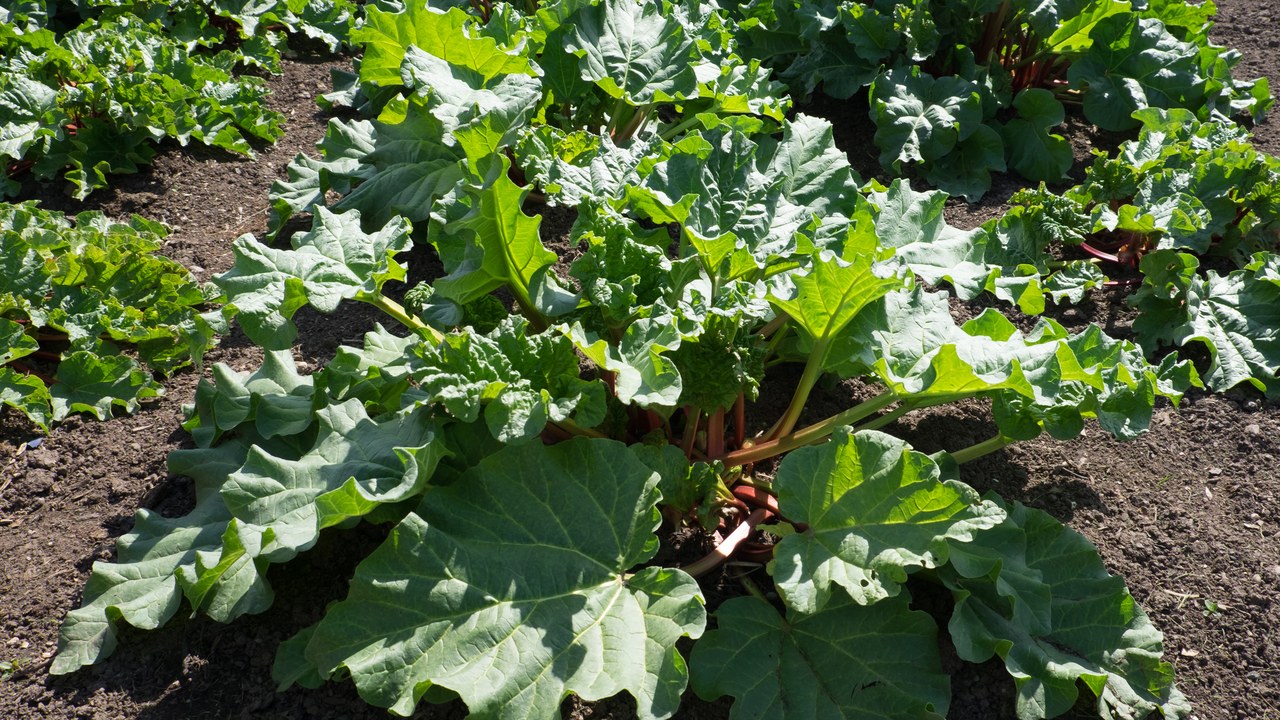
The stalk is food, but the leaf blade is not. AgriLife lists the rhubarb entry as fatal, with large amounts of raw or cooked leaves causing convulsions and coma.
Rhubarb is a standard vegetable-patch plant, so the warning is about a single part of a plant that is otherwise harvested for the kitchen. The source draws the line at the leaf blade. Cooking does not change that verdict in the source, which names raw and cooked leaves alike.
5. Deadly nightshade: Atropa Belladonna
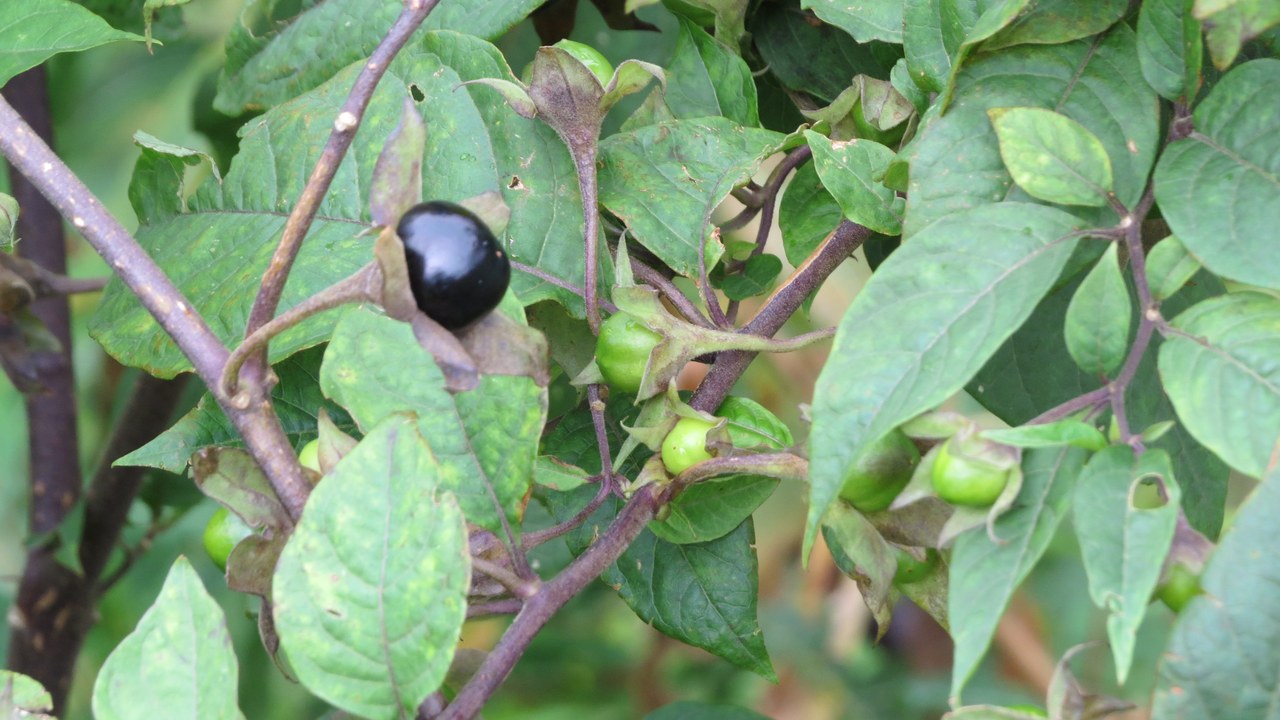
Deadly nightshade is named on the federal Head Start poisonous-plants list for child-care settings, listed under its botanical name Atropa belladonna. Programmes are told to keep it away from children.
The listing comes from Head Start, which publishes safety guidance for early childhood programmes. Its inclusion places the plant alongside other species that child-care staff are asked to watch for around play areas. The source supplies the name and the listing, and nothing beyond that is claimed here.
6. Pokeweed: Purple Berries at Child Height
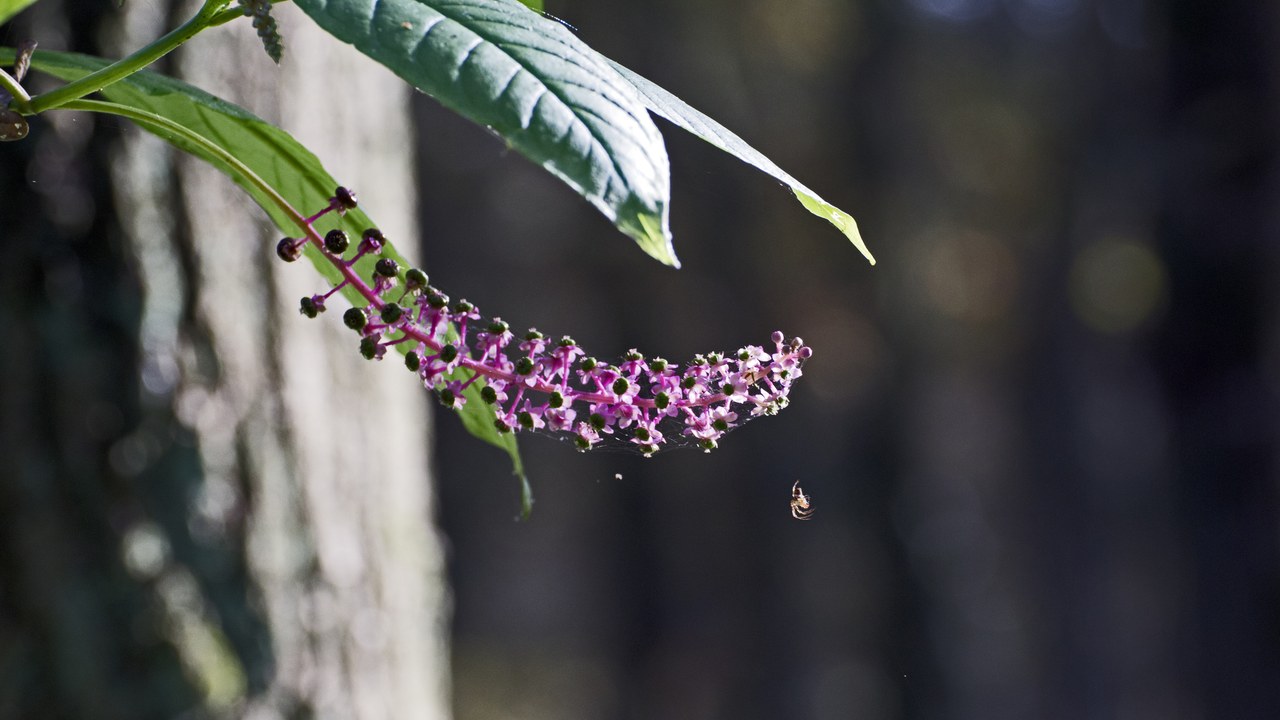
Pokeweed appears on the same federal table as Phytolacca americana, according to the Head Start safety article. It is a plant whose purple berries grow at child height along fences and alleys across the eastern US.
That placement is what makes the listing notable, since the berries are easy for small hands to reach. The source names the plant and flags it for programmes that care for young children. The source supplies the listing, and nothing further is claimed here about effects.
7. Mountain laurel: Evergreen on the List
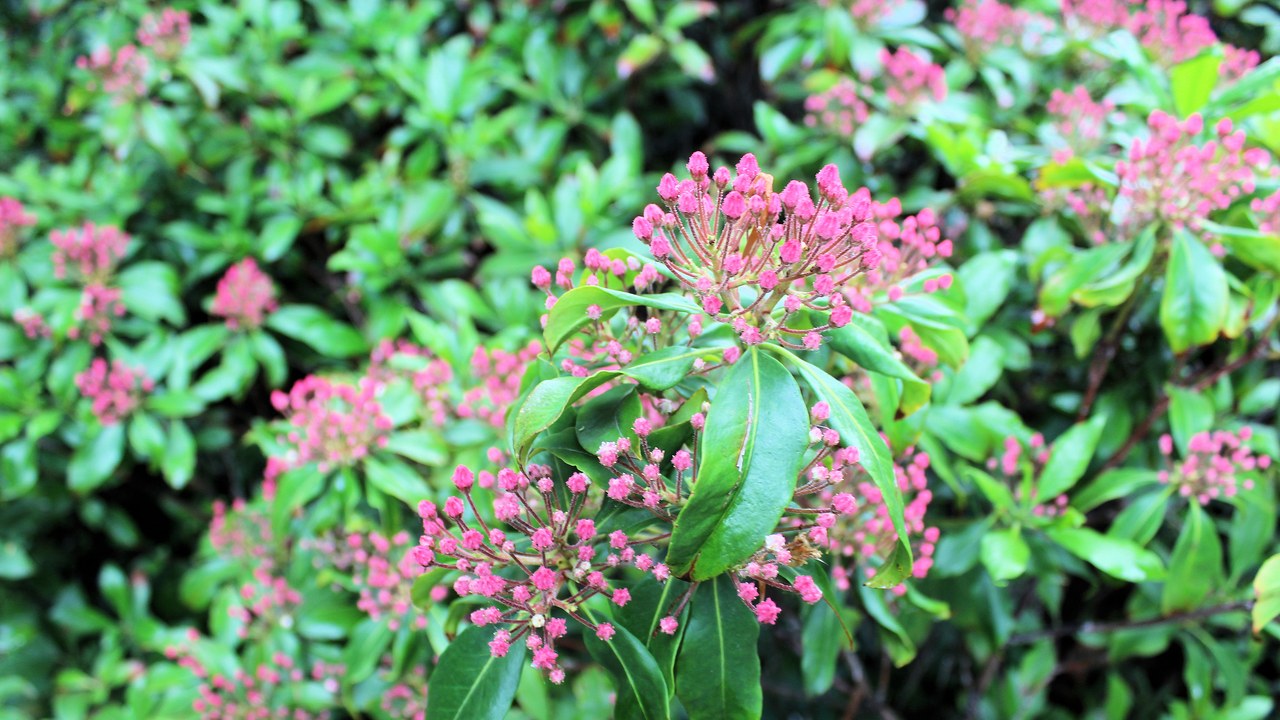
Mountain laurel is carried on the Head Start poisonous-plants table as Kalmia latifolia, as the federal safety article shows. It is a common landscaping evergreen across the East.
Its appearance on the list is a reminder that plants chosen for year-round foliage and spring flowers can also be flagged for child-care settings. The table identifies the species and leaves the details to the programmes using it. The source supplies the listing and the species name, and nothing further is claimed here.
8. Lantana: Bedding Plant Berries
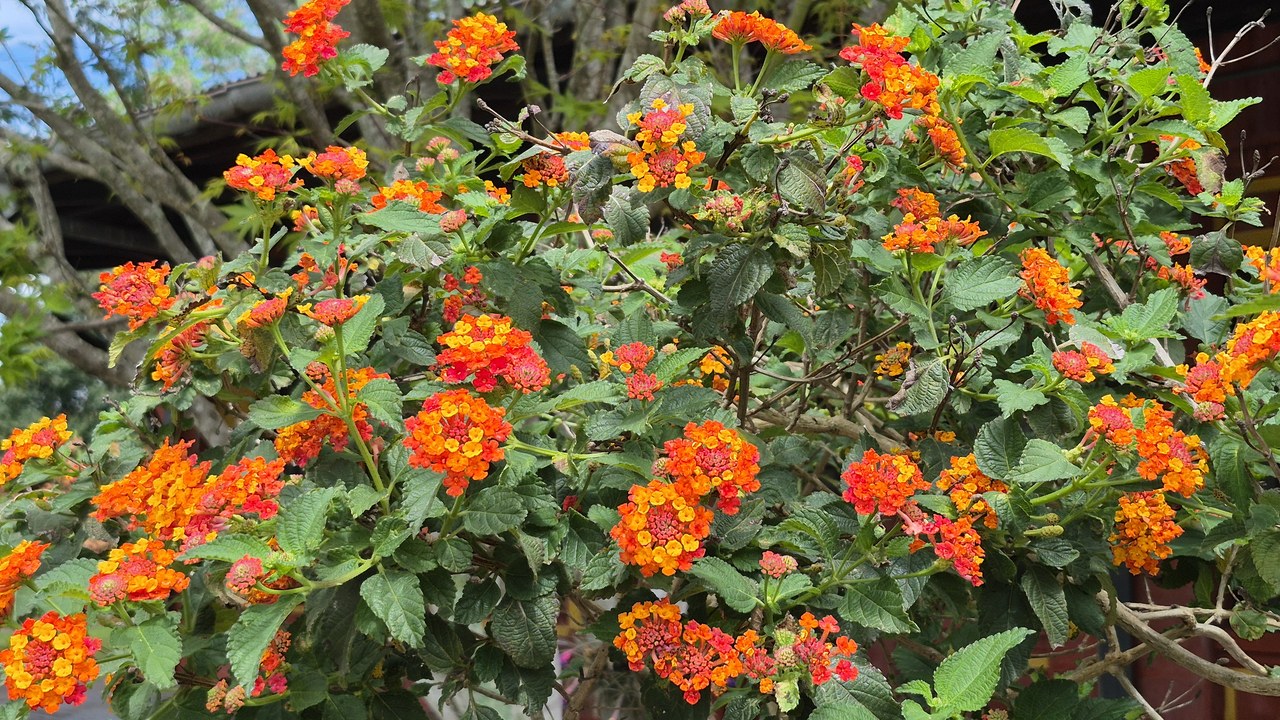
Lantana is also on the federal list, as Lantana camara, according to the Head Start listing. It is a bedding plant sold by the flat every spring, with berries that ripen within reach of a toddler.
The listing covers a plant that many households buy for colour rather than think of as a hazard. Its entry on the Head Start table is the sourced basis for including it among yard plants of concern. The source supplies the listing, and nothing further is claimed here about effects.
9. Foxglove: Source of Digitalis
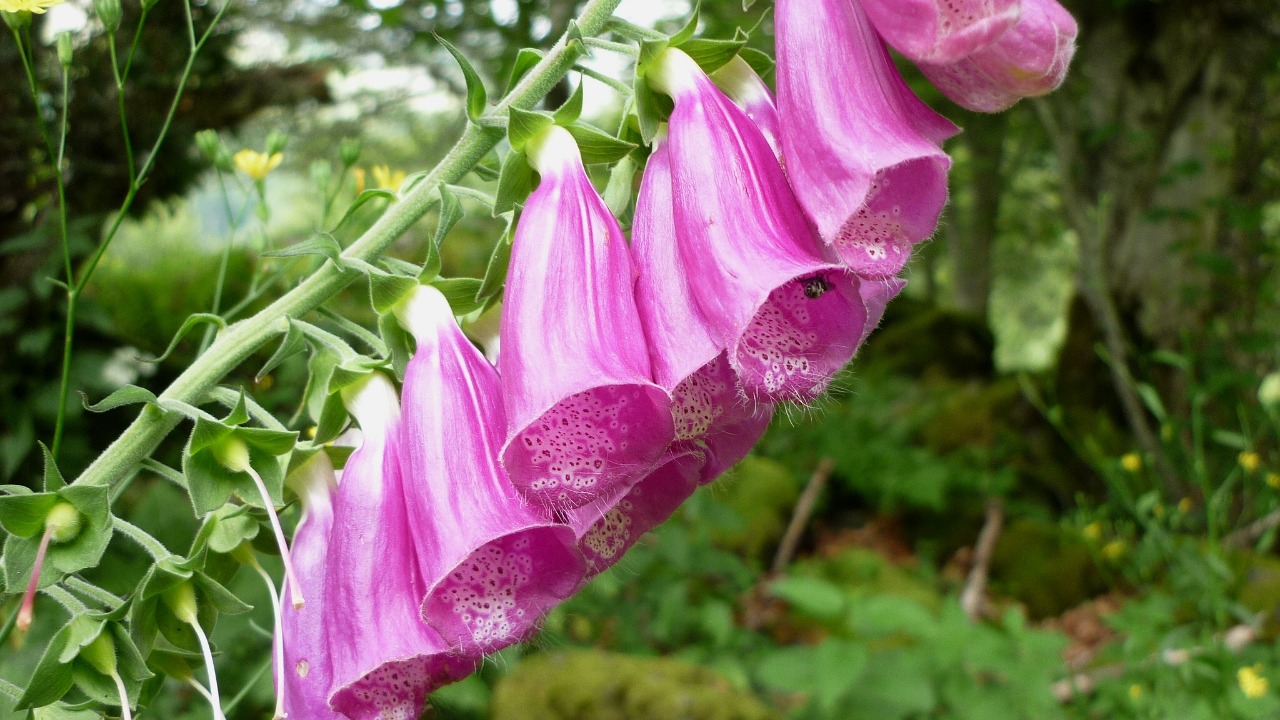
Foxglove is the source of the heart drug digitalis, and the Wikipedia species entry describes why it is poisonous. Its leaves carry cardiac glycosides that disturb heart rhythm.
The same chemistry that makes the plant medically useful in controlled preparations makes the garden plant hazardous. A cottage-garden favourite with tall spikes of bell-shaped flowers, it is easy to mistake for a harmless ornamental. The plant’s name alone gives little hint of the pharmacology behind the warning.
10. Lily of the valley: Shaded Beds, Red Berries
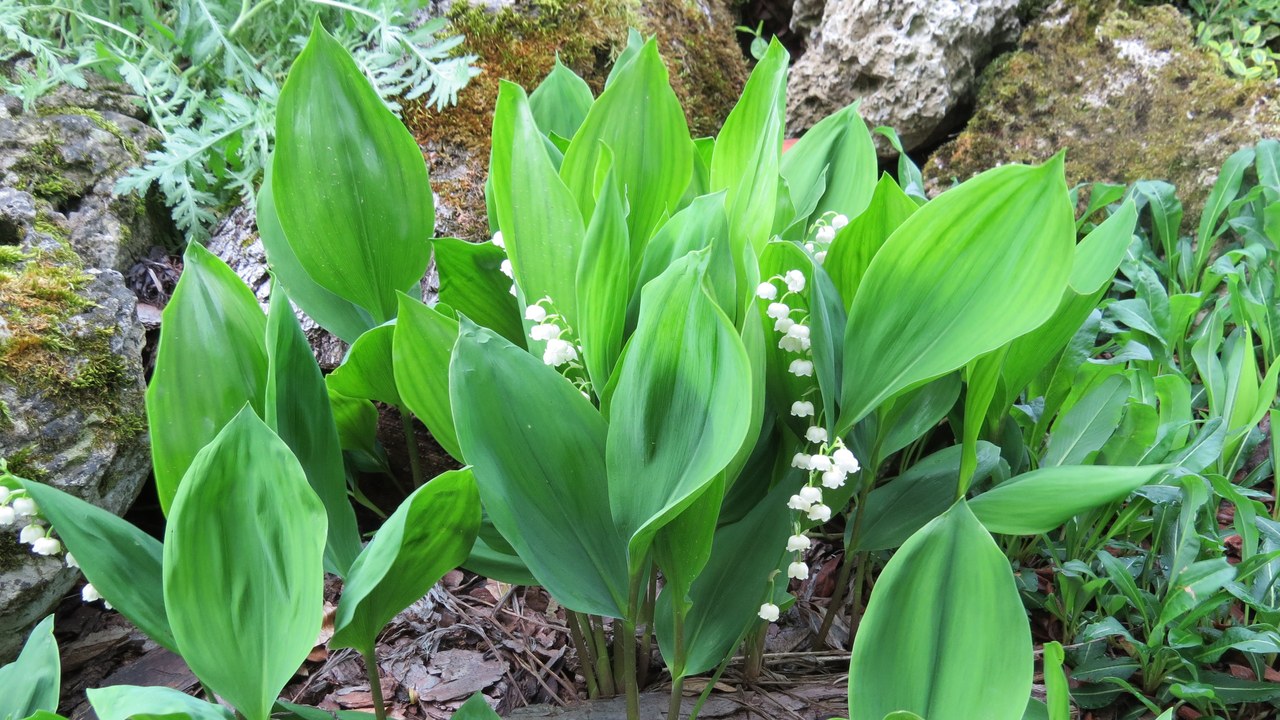
Lily of the valley is an ornamental ground cover of shaded beds, and the species description notes that its leaves, flowers and red berries all carry cardiac glycosides.
Because every visible part is named, there is no safe-looking portion of the plant. The red berries stand out against the foliage, which is one reason the species features among yard plants worth knowing about. The source lists the compounds in each of those parts rather than singling out one.
11. Yew: The Hedge With a Catch
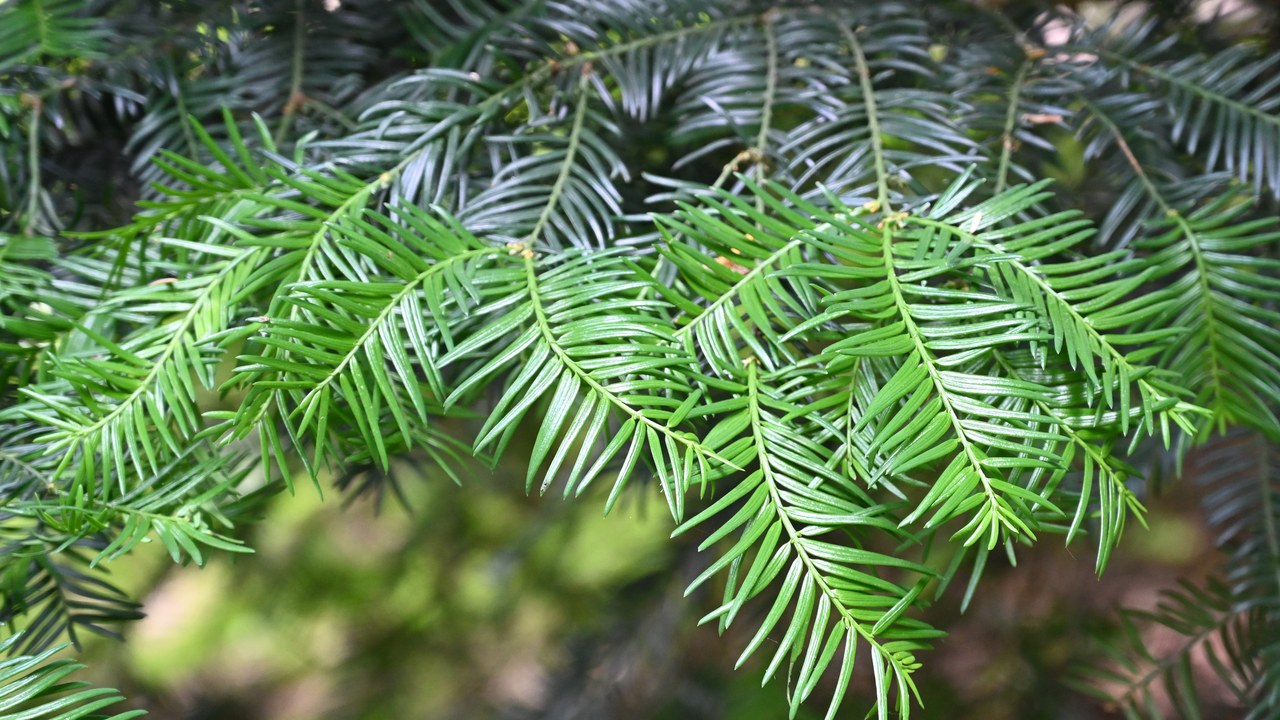
Yew is the dark evergreen hedge of countless front yards, and the yew species page explains that its foliage carries taxine alkaloids. Only the red flesh of the berry is not toxic.
That exception is narrow, since the berry flesh surrounds a seed and the rest of the plant is the concern. The common hedge shrub therefore belongs on a list of everyday plants that deserve caution. The source separates the berry flesh from the foliage, and the distinction is the key detail.
12. Jimsonweed: Pod Children Pick Apart
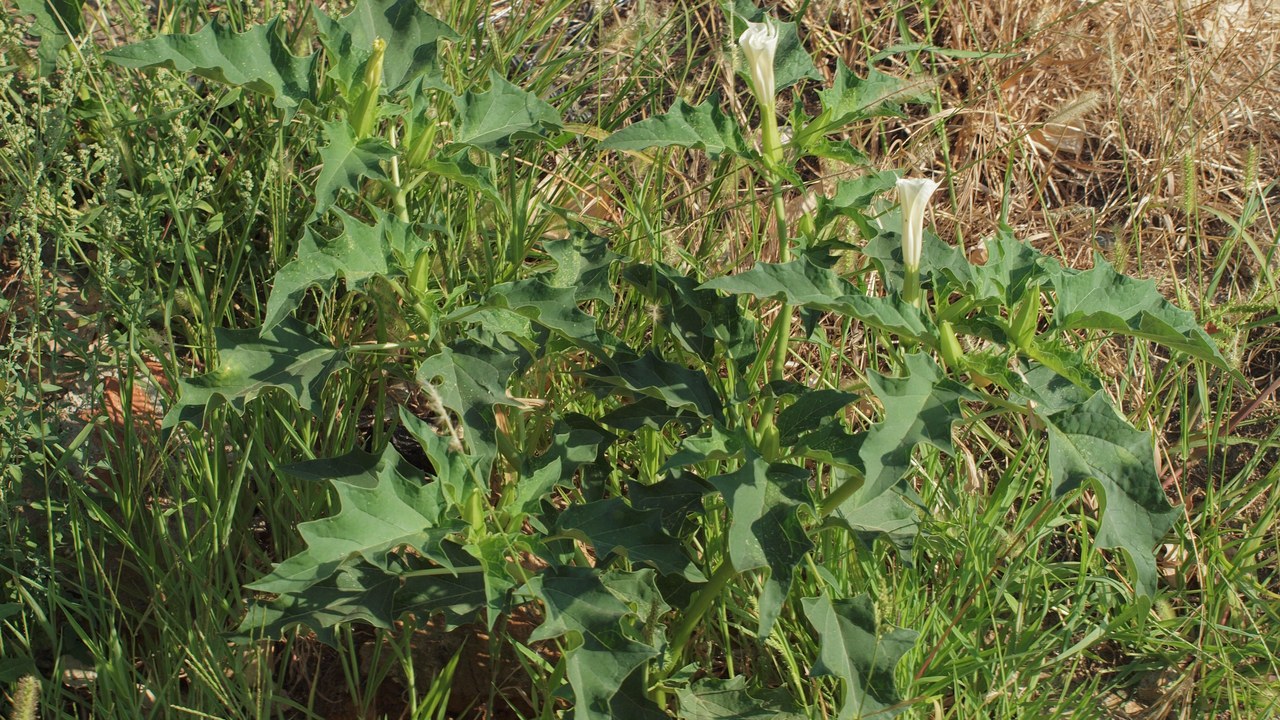
Jimsonweed is a weed of waste ground and garden edges, and the Datura species article says it carries tropane alkaloids. Its seed pod is conspicuous enough that children pick it apart.
The spiky pod is the feature that draws attention, and the source links that curiosity to the plant’s chemistry. Growing in neglected corners, the species can appear in a yard without ever being planted. The source describes the alkaloids by class, and no further detail is claimed here.
More from Morning Overview
- Hurricane Hunter radar shows four warning signs that a tropical cyclone is about to strengthen, a University of Miami study found
- NTSB report details how a family of four died when their plane’s nose suddenly pitched up
- Doctors warn a silent liver disease now affects one in three American adults
- Common allergy, bladder and sleep pills tied to sharply higher dementia odds
