
Some V6 engines look like bargains until a hidden part starts a chain of expensive failures. Internal water pumps, gasket-eating coolant, worn balance shaft gears and oil sludge have each turned ordinary cars into costly repair cases. Here are twelve models, from Ford to Mercedes-Benz, that earned the reputation.
1. Ford Explorer (2011-2019): Hidden Pump Puts Coolant in the Oil
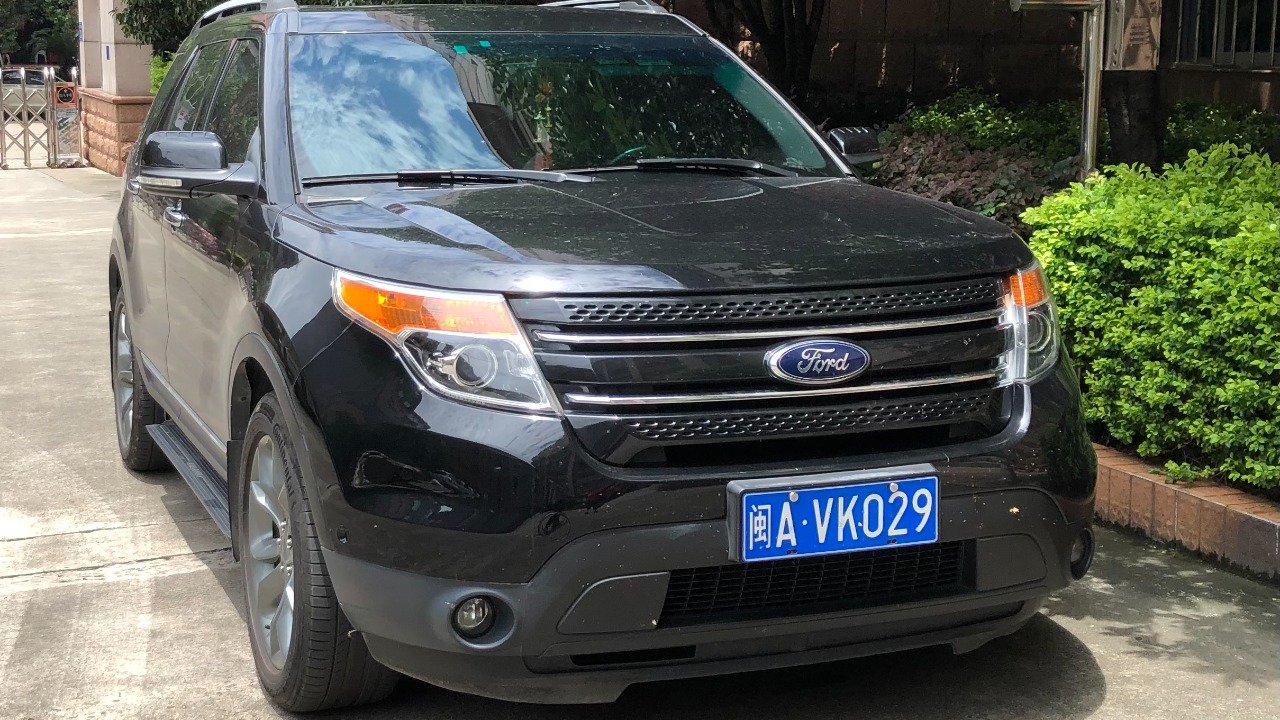
The 3.5-liter V6 in the Explorer drives its water pump from inside the engine, off the timing chain, which makes it a hard-to-reach internal pump with a nasty failure mode. When the pump leaks, coolant can mix into the engine oil and ruin the engine, and fixes often cost thousands of dollars.
Owners shopping for a used example of this generation face a simple lesson: a coolant leak that never drips on the driveway can still be the one that ends the engine. Regular oil checks for a milky look and attention to the coolant level are cheap insurance against a repair bill that can approach the vehicle’s value.
2. Ford Flex (2009-2019): Shared Engine Brings Shared Risk
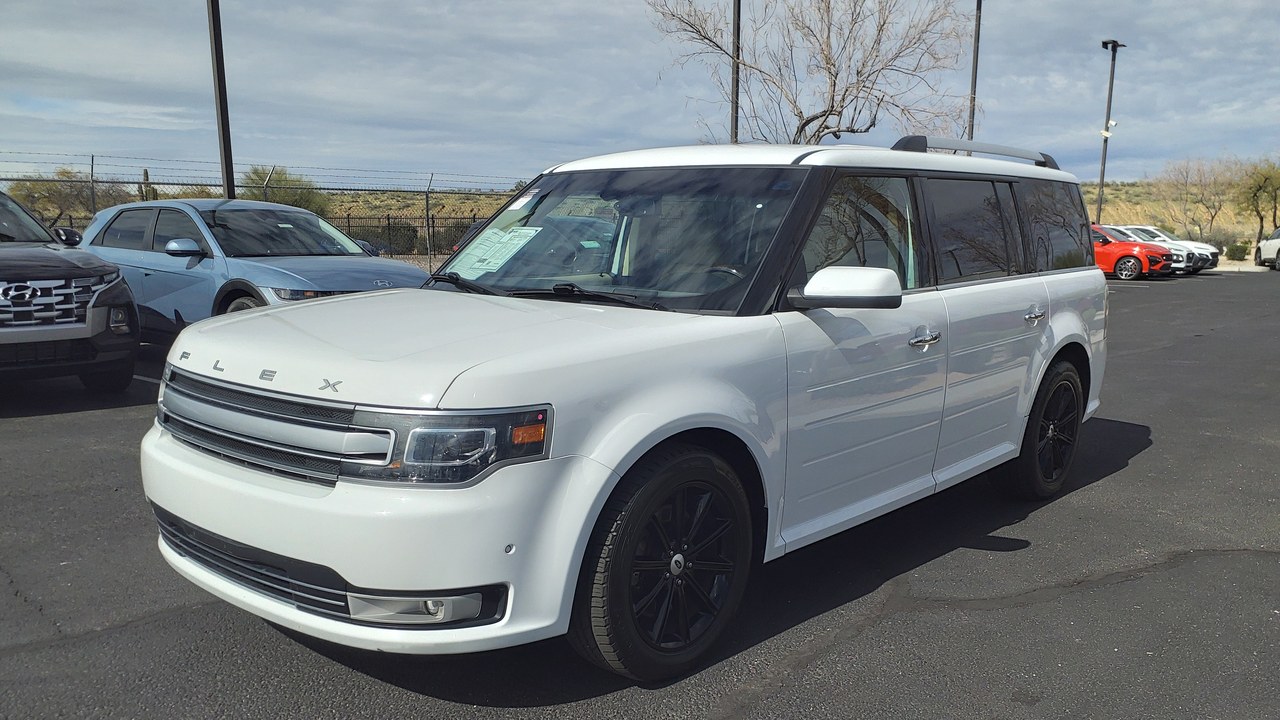
The Flex shares the Ford V6 family and its internal water pump design, and it appears on the list of models hit by the 3.5 and 3.7-liter pump failures described in Ford’s Cyclone engine history. A class action over the problem was dismissed, and Ford never issued a recall for it.
That combination matters to anyone buying used, because no recall means no free fix. A failed pump on a Flex lands on the owner’s wallet, so a service record showing pump work or careful coolant maintenance is worth more than low mileage alone.
3. Ford Taurus (2008-2019): Even the SHO Carries the Flaw
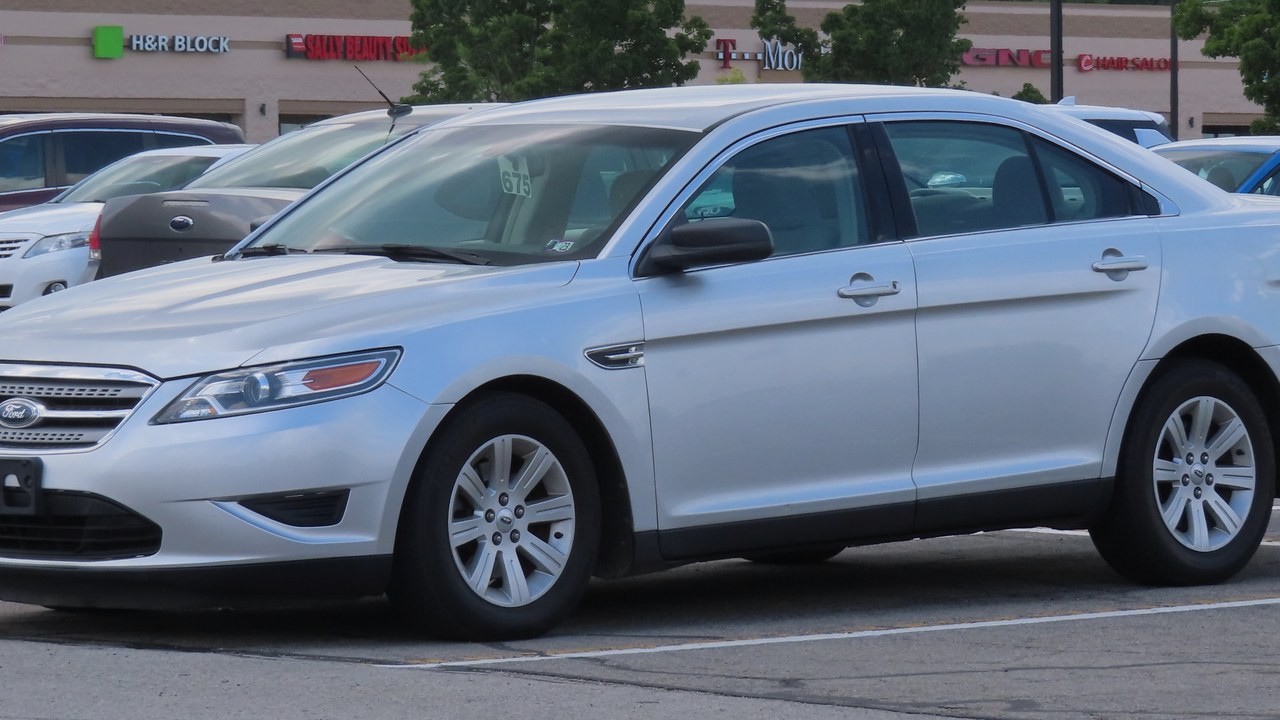
Ford’s full-size sedan used the same failure-prone V6, and the internal water pump problem reached every version, including the SHO performance trim, according to the engine’s published record. A pump hidden behind the timing cover is a poor place for a wear part.
Buyers drawn to the SHO for its power should treat the pump as the car’s biggest financial risk. A leak caught early costs far less than one that lets coolant foul the oil, so any used Taurus with this engine deserves a close look at its cooling history.
4. Lincoln MKX (2007-2018): Lincoln Inherits the Ford Problem
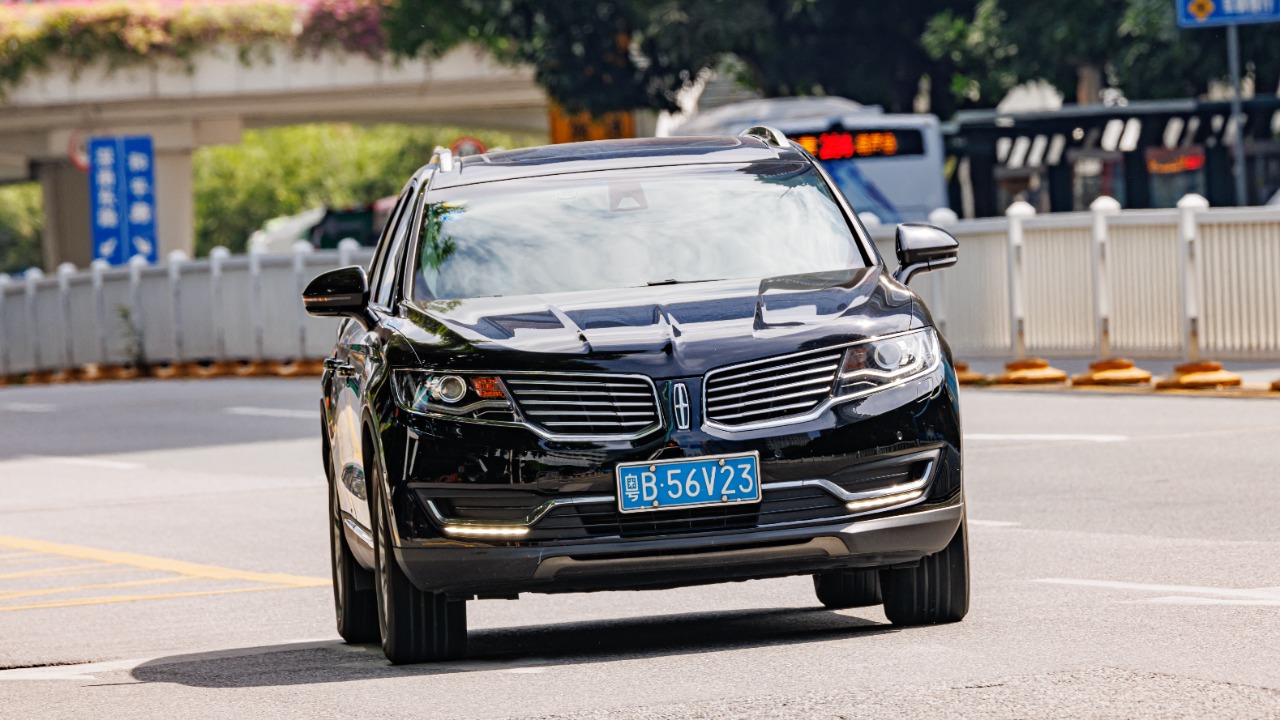
Dressing the crossover in Lincoln trim did nothing to change what sits under the hood. The MKX carried the same 3.5 V6, and the water-pump defect described in Ford’s V6 pump record followed it into the showroom of the luxury brand.
Shoppers who assume a premium nameplate means a sturdier engine can be caught off guard. The MKX deserves the same scrutiny as its cheaper Ford cousins, starting with proof that the cooling system has been serviced and no oil contamination has ever been noted.
5. Ford Edge (2007-early 2011): Leaks Into Oil, Bills Past $2,000
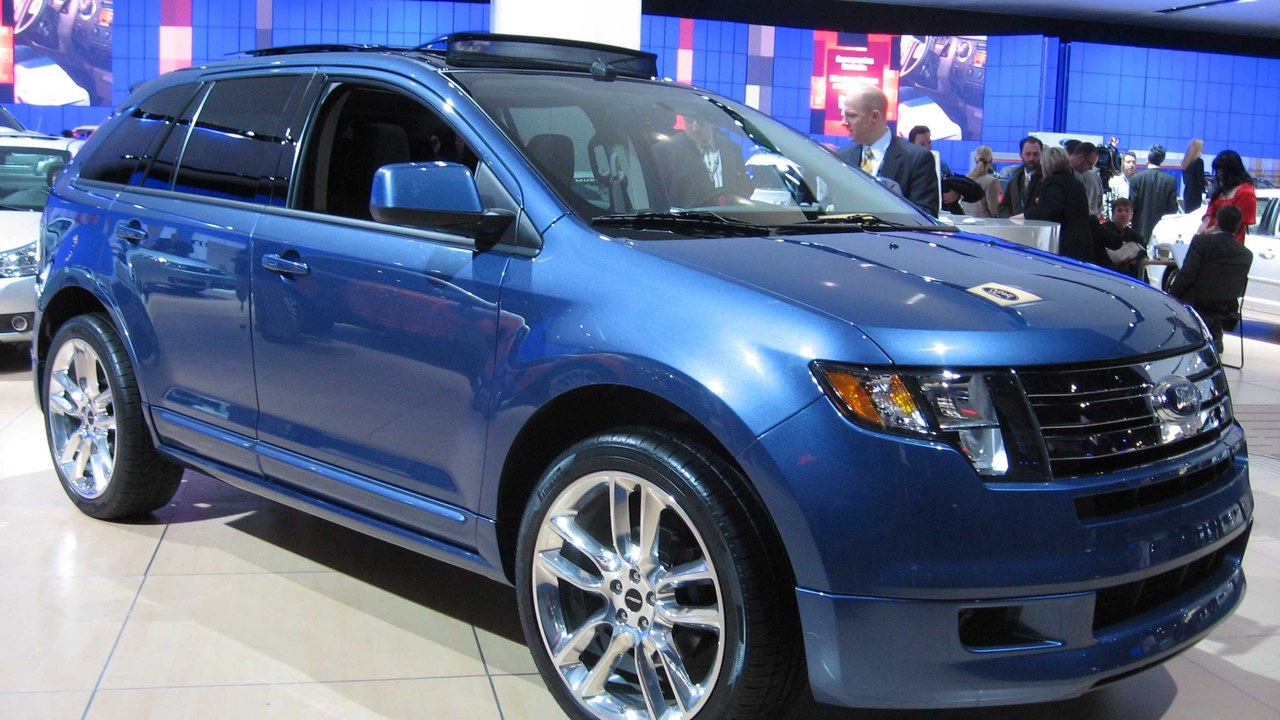
The first-generation crossover ran the Duratec V6, whose internal water pump can leak coolant into the oil. SlashGear’s roundup of worst V6 engines ever puts a replacement at ‘north of $2,000’, and that figure covers only the pump, not any engine damage that follows a late catch.
Because the pump sits inside the engine, a symptom may show up first as sludgy oil rather than a puddle. Owners of early Edges are best served by checking the dipstick and coolant level routinely and replacing the pump before it fails on its own schedule.
6. Chevrolet Impala: Intake Gaskets Cost $800 to $1,500
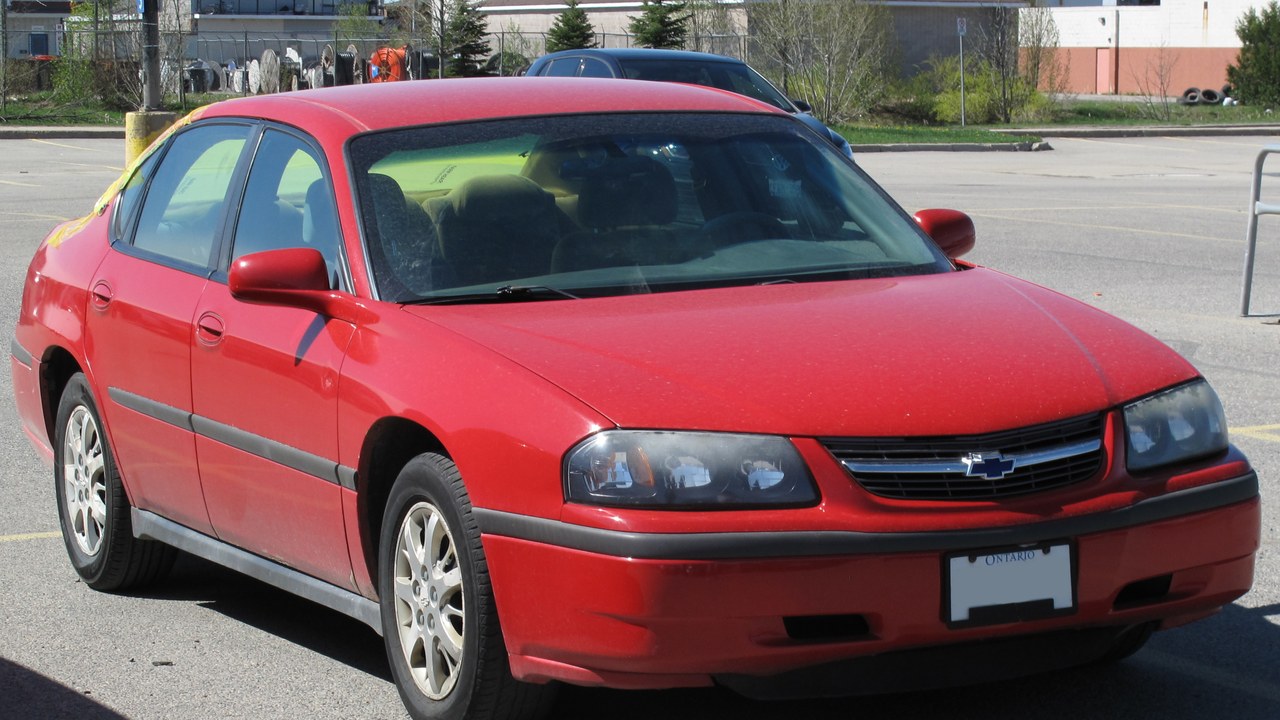
General Motors’ 3.4-liter V6 earned a reputation for consuming intake manifold gaskets, a problem the Impala shared. Repairs ran from $800 to $1,500, according to SlashGear’s list of the worst V6 engines, and the issue ended in a 2008 class-action settlement.
The failure usually announces itself through coolant loss or a rough-running engine, and ignoring it risks coolant reaching the oil. Used-car buyers should ask whether the gaskets have been replaced with updated parts, since that single repair separates a safe example from a recurring headache.
7. Pontiac Grand Am: Same Gaskets, Pontiac Badge
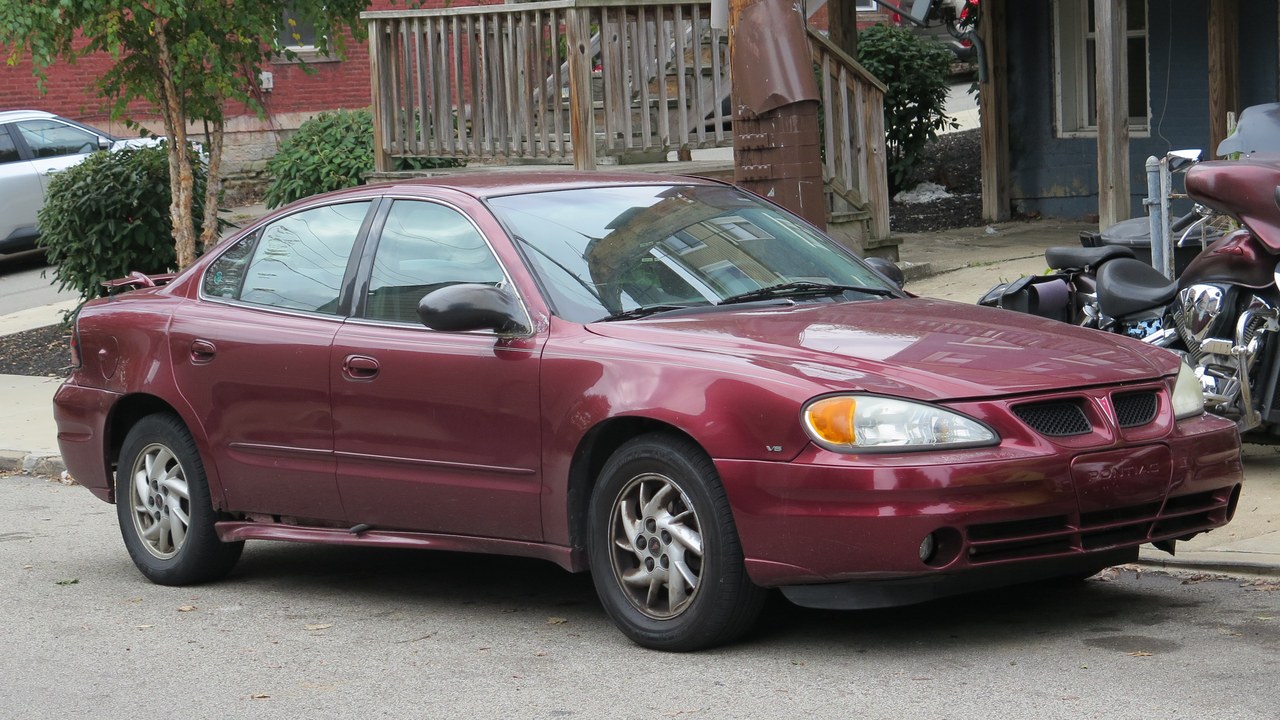
Pontiac’s compact coupe and sedan carried the same gasket-eating 3.4 V6 as the Impala. Head gasket jobs on the engine ran from $1,000 to $3,000, a range SlashGear notes among the engine’s costly failures.
That spread reflects how much the damage depends on how long the leak was ignored. Anyone considering a Grand Am with this engine should look for coolant stains, check for oil that looks like chocolate milk, and budget for gasket work as a likely cost rather than a surprise.
8. Buick Rendezvous: Another 3.4 V6 Casualty
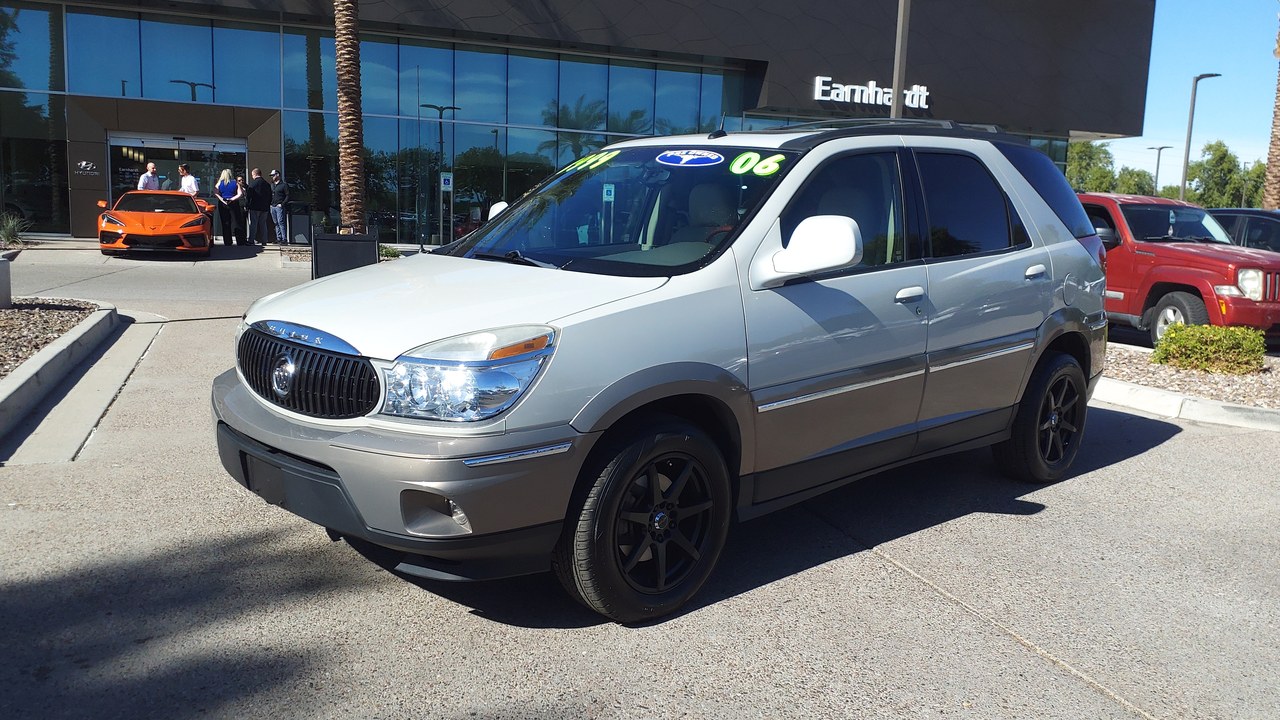
Buick’s Rendezvous crossover is listed as one more victim of the 3.4 V6, whose gasket failures have been linked to Dex-Cool coolant. The SlashGear engine rundown groups it with the Impala and Grand Am as part of a single, widely shared flaw.
Because the cause is tied to coolant chemistry and gasket wear, a cooling system neglected for years raises the odds of trouble. A Rendezvous with documented coolant service and no history of overheating is a far better bet than one with a vague maintenance past.
9. Mercedes-Benz C350 (2005-2008): Balance Shaft Wear Hits Hard
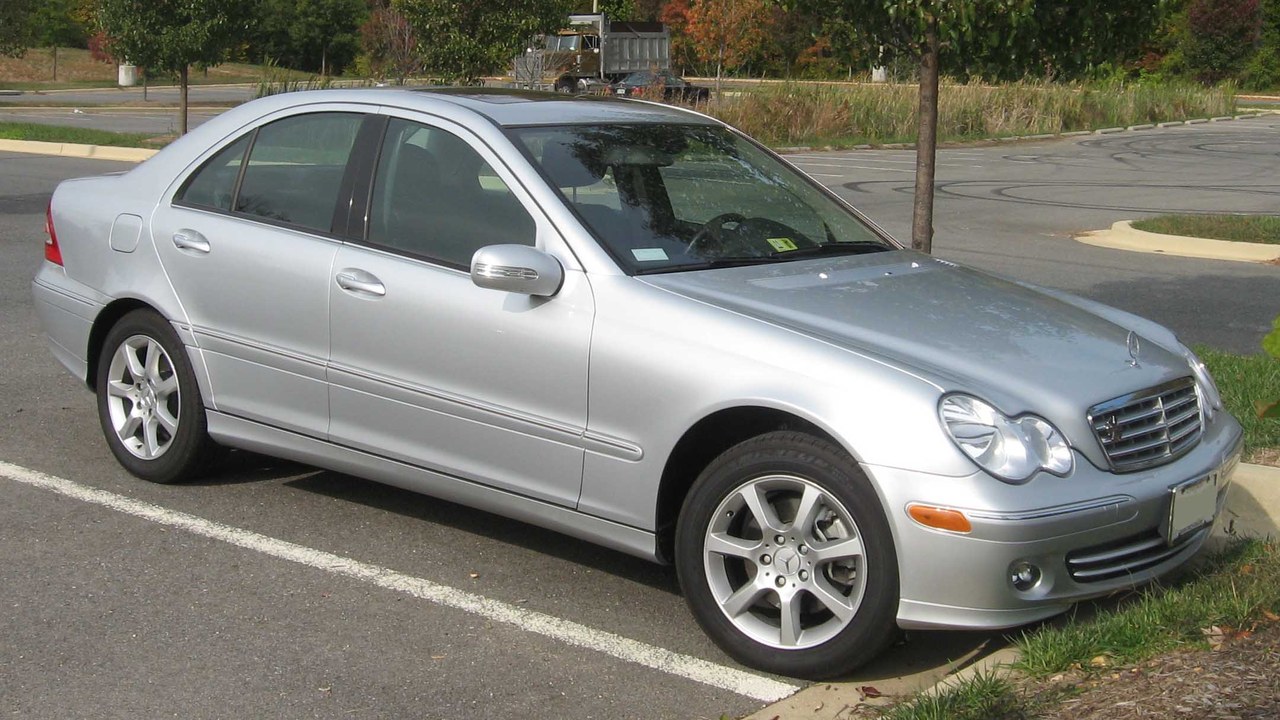
The M272 V6 in the C350 has a balance shaft gear that wears out, and fixing it means pulling the engine. The balance shaft failure guide puts the bill at about $4,500 to $6,000.
Warning signs include a rough idle and timing codes, and early detection can keep a bad situation from becoming a destroyed engine. Buyers of a used C350 from these years should ask for evidence the gear has been inspected or already replaced.
10. Mercedes-Benz E350 (2005-2008): Same Weak Gear, Bigger Sedan
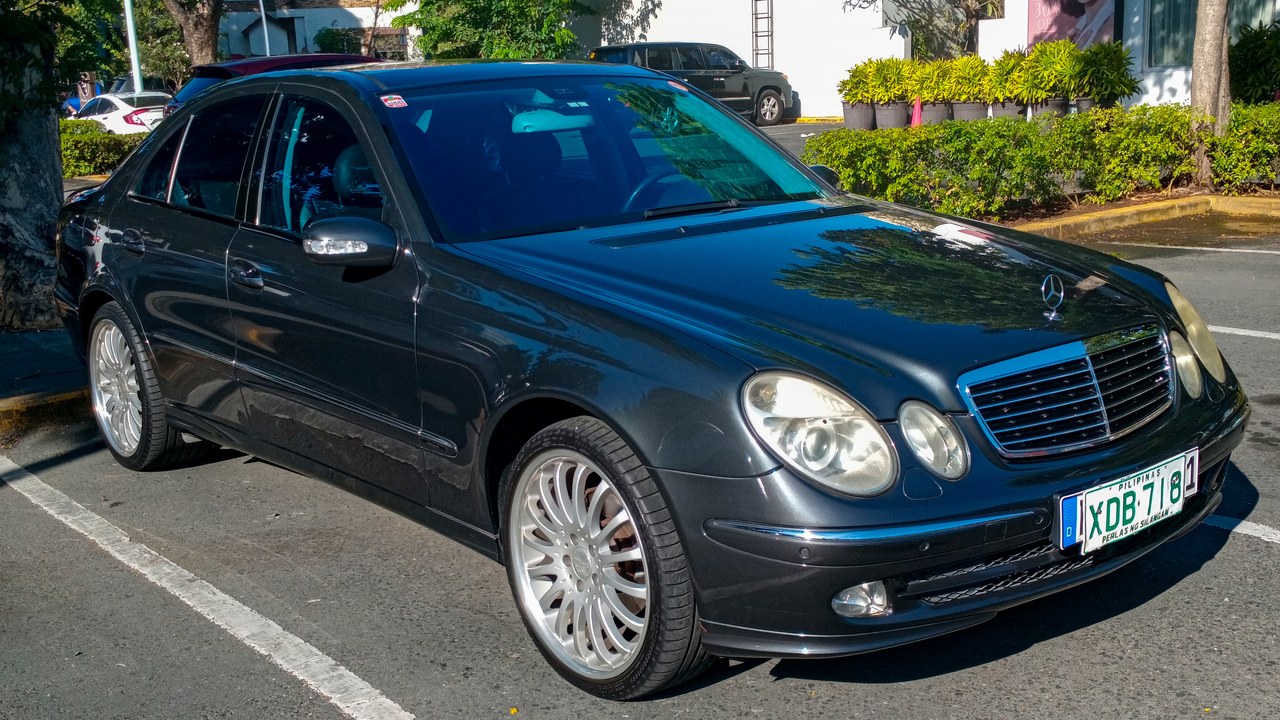
The E350 belongs to the same M272 balance-shaft failure list, and its symptoms include the P0016 and P0017 fault codes. Per the M272 repair write-up, the fix lands at $4,500 to $6,000, matching the C-Class.
Those codes point to a camshaft and crankshaft correlation problem, a clue that the worn gear may already be shifting the timing. Prospective buyers should scan for stored codes before purchase, because a clean scan and a repair receipt are the strongest signs the costly work is behind the car.
11. Dodge Intrepid (1998-2004): Sludge Can Kill the Engine
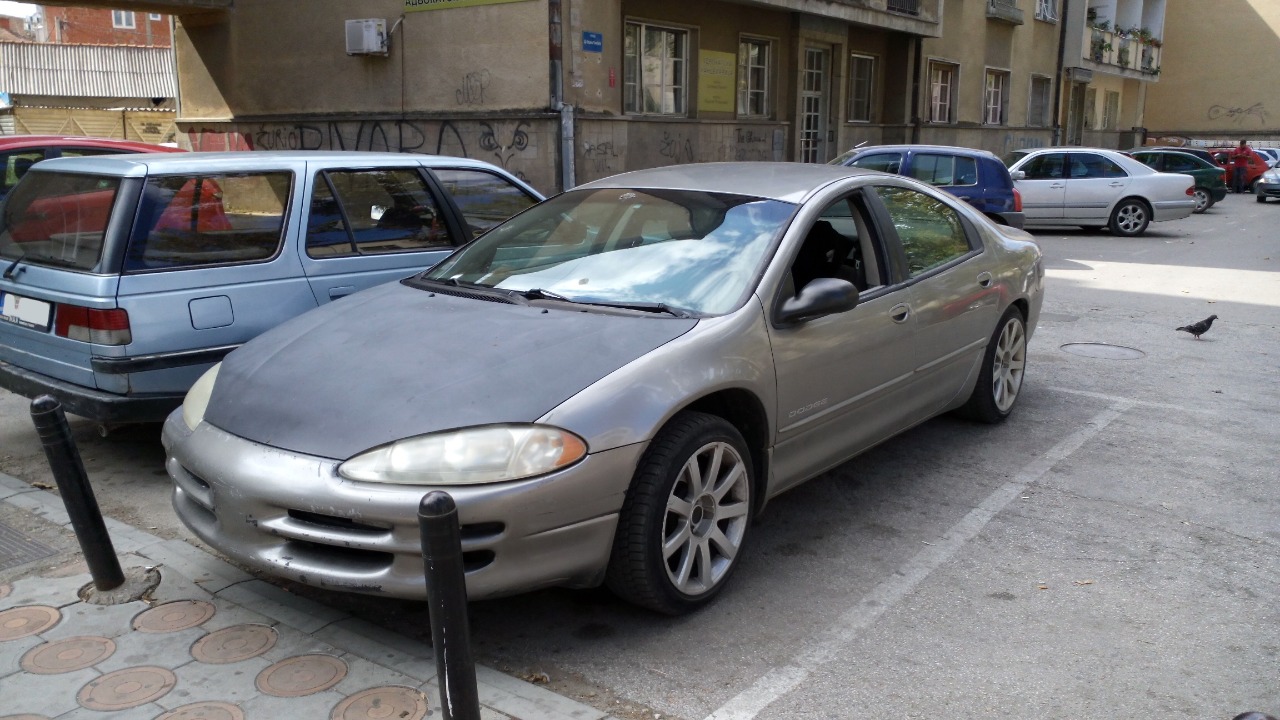
Chrysler’s 2.7-liter V6 was plagued by oil sludge that, in the words of the Chrysler LH engine entry, ‘could cause complete failure’. Five class actions over the engine were consolidated in 2009, a sign of how widespread the complaints had become.
Sludge builds fastest when oil changes are stretched, so an Intrepid with a spotty service record is a gamble. Buyers should favor examples with documented, frequent oil changes and avoid any car whose owner cannot show the engine was kept clean inside.
12. Chrysler Sebring (2001-2010): Sludge and a Leaky Pump
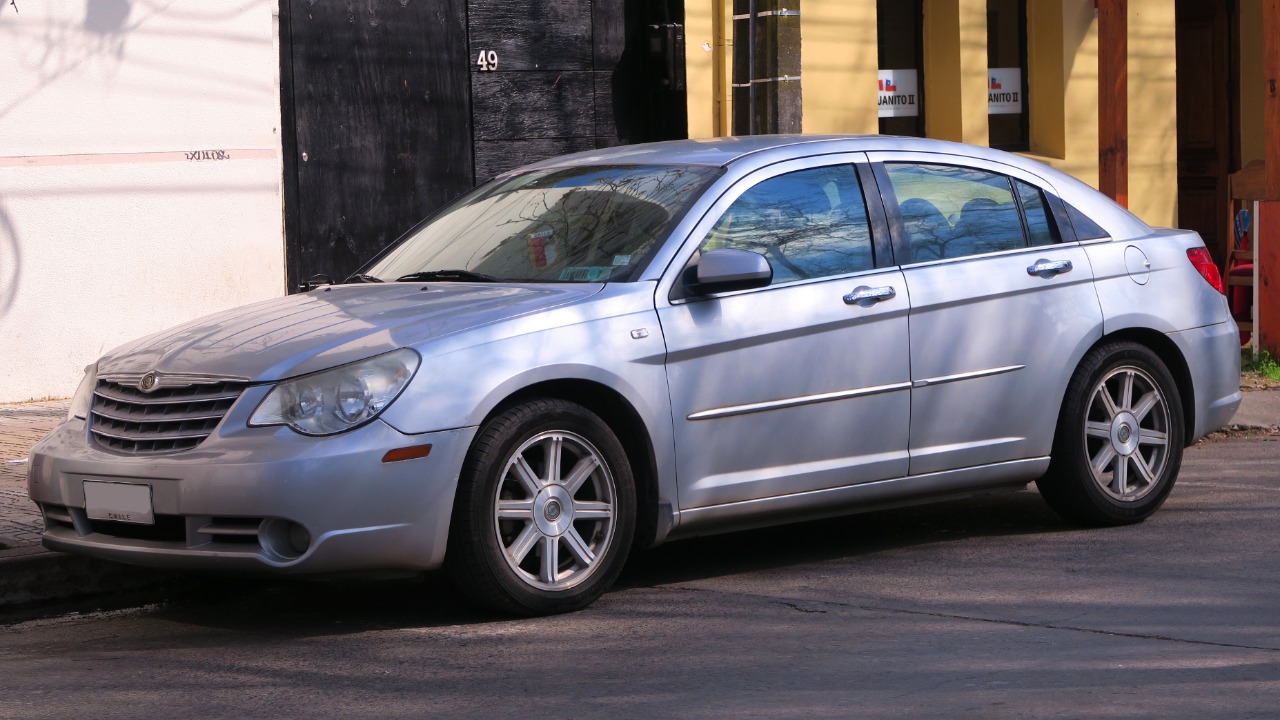
The Sebring ran the same sludge-prone 2.7 V6, and the LH engine’s documented problems include a leaking water pump that could dilute the oil. Coolant in the crankcase breaks down lubrication and speeds the same sludge damage the engine was already known for.
Owners should watch for coolant loss with no visible puddle and for oil that looks thin or discolored. Changing the oil often and replacing the pump at the first sign of weeping is the most practical defense for a Sebring that still carries this engine.
More from Morning Overview
- The FBI told the rest of ShinyHunters to surrender after a 24-year-old was arrested
- Two passengers died at an Ohio toll plaza, and the NTSB now wants the cash lanes shut
- Long use of a common prostate pill is tied to a higher chance of glaucoma
- Ford is recalling 223,472 F-150 pickups because the fuel tank can leak or detach
