
A badge on the grille has never guaranteed who engineered or assembled the car behind it. Automakers have long traded platforms, factories and whole models, sometimes leaving a Toyota rolling out of a Subaru plant or a Dodge that was really a Mitsubishi. Here are twelve cars that carried one company’s name while being another company’s work.
1. Toyota GR86: Built in Subaru’s Gunma Plant
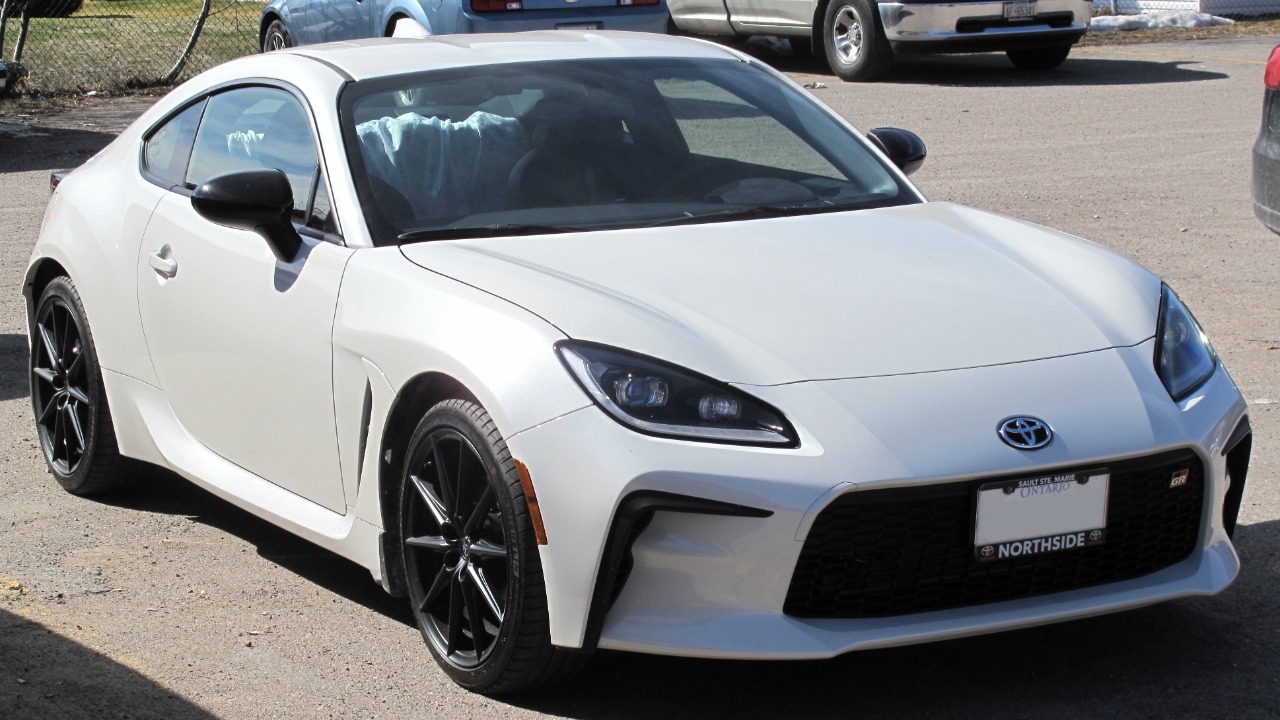
Toyota’s launch release for the GR86 says the coupe was jointly developed with Subaru and lists production at the Main Plant of Gunma Plant, Subaru Corporation. A Toyota-badged sports car therefore leaves a Subaru factory floor, which is the detail behind this gallery’s headline.
The partnership began with the original 86, and the flat-four engine and rear-drive layout reflect Subaru’s engineering input. An owner of the Toyota and a buyer of the Subaru BRZ are driving close cousins that differ mainly in tuning and trim.
2. Fiat 124 Spider: Miata Bones, Italian Skin
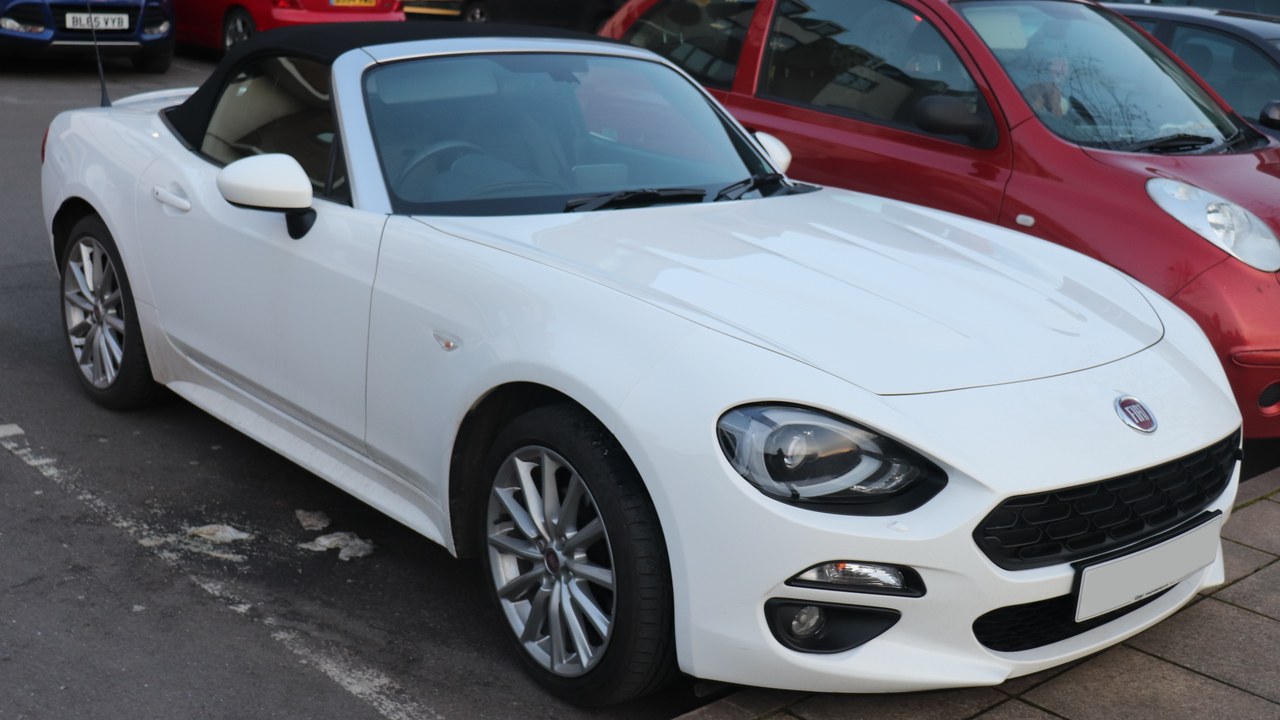
The Fiat 124 Spider and the Mazda MX-5 Miata, a Cars.com counterpart roundup notes, roll off the same assembly line in Japan and share a number of components. The Italian roadster was built by Mazda rather than in Italy.
Fiat supplied its own turbocharged engine and restyled the body to echo the 1960s 124 Spider. Beneath the new sheet metal, the compact rear-drive roadster underneath remained recognizably a Miata, which explains its light, balanced handling. Mazda’s plant in Hiroshima handled assembly, so the Italian name sat on a thoroughly Japanese product.
3. Toyota Supra: A BMW Z4 in Disguise
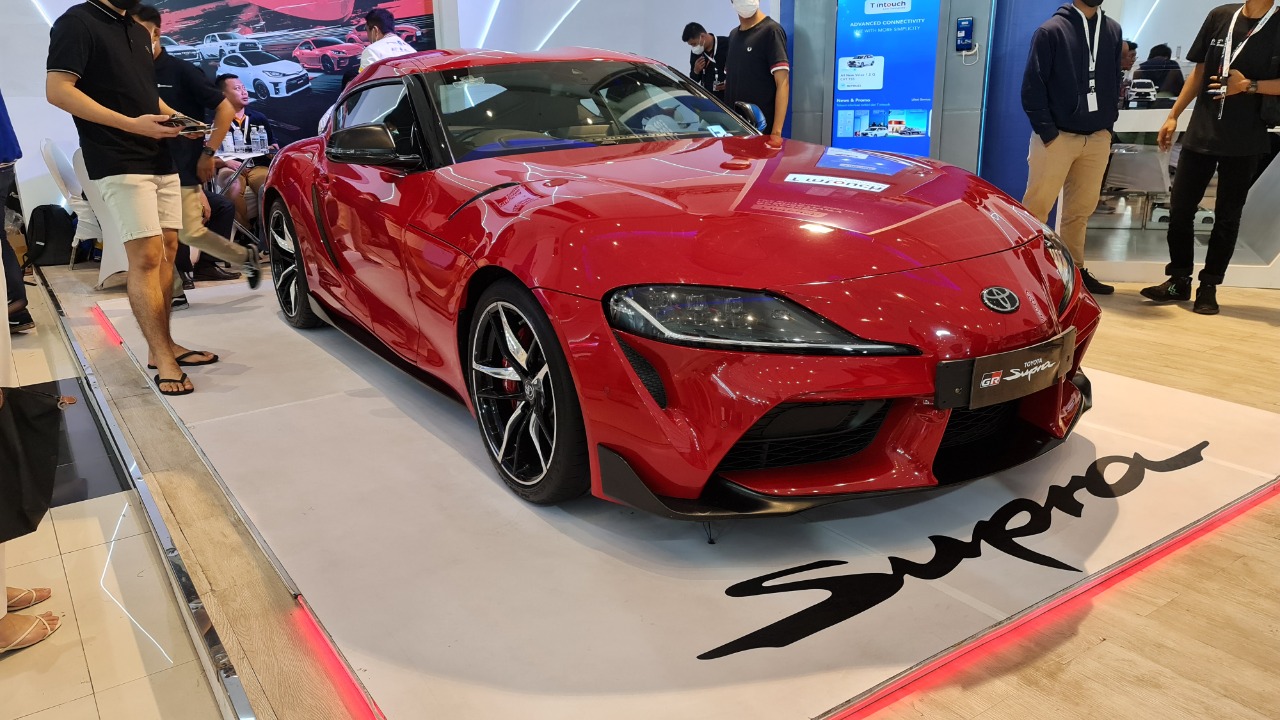
Cars.com reported that BMW was working on a sports car with the same chassis as the new Supra, and that car was the Z4. The fifth-generation Supra was developed jointly with BMW and shares its platform with that roadster.
The pairing drew criticism from enthusiasts who expected a purely Toyota design after years of waiting for a successor. Buyers still got a rear-drive coupe with a turbocharged inline-six, though the underlying engineering came from a rival in Munich. Toyota handled tuning and the badge, while BMW’s Austrian contract builder assembled the car.
4. Chevrolet City Express: A Nissan Van with a Bowtie
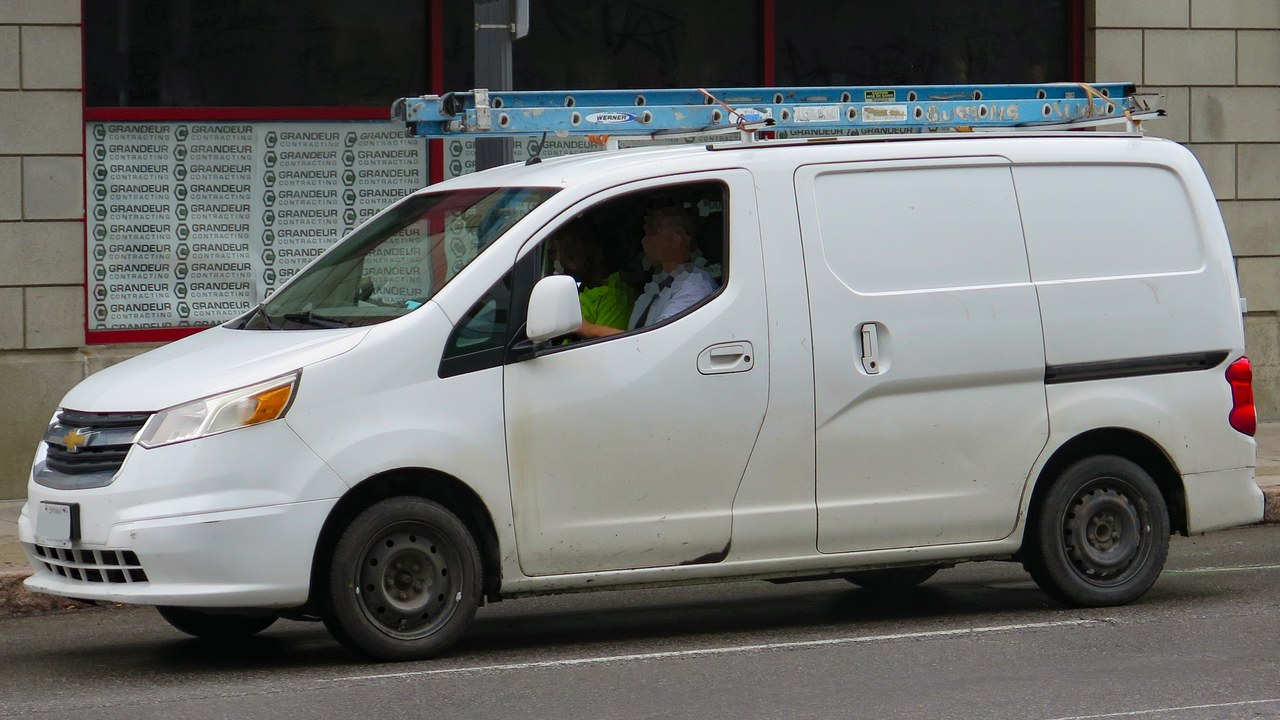
The Chevrolet City Express was a Nissan NV200 with a bowtie, and a Cars.com friendship-day piece notes that the last one rolled off Nissan’s Mexican assembly line. General Motors sold it as a small commercial van without building it.
The arrangement let Chevrolet fill a gap beneath its full-size vans quickly, using a product from a direct competitor. Fleet buyers got a compact cargo hauler with a familiar badge, while the engineering and the factory stayed entirely Nissan’s.
5. Geo Prizm: Corolla by Another Name
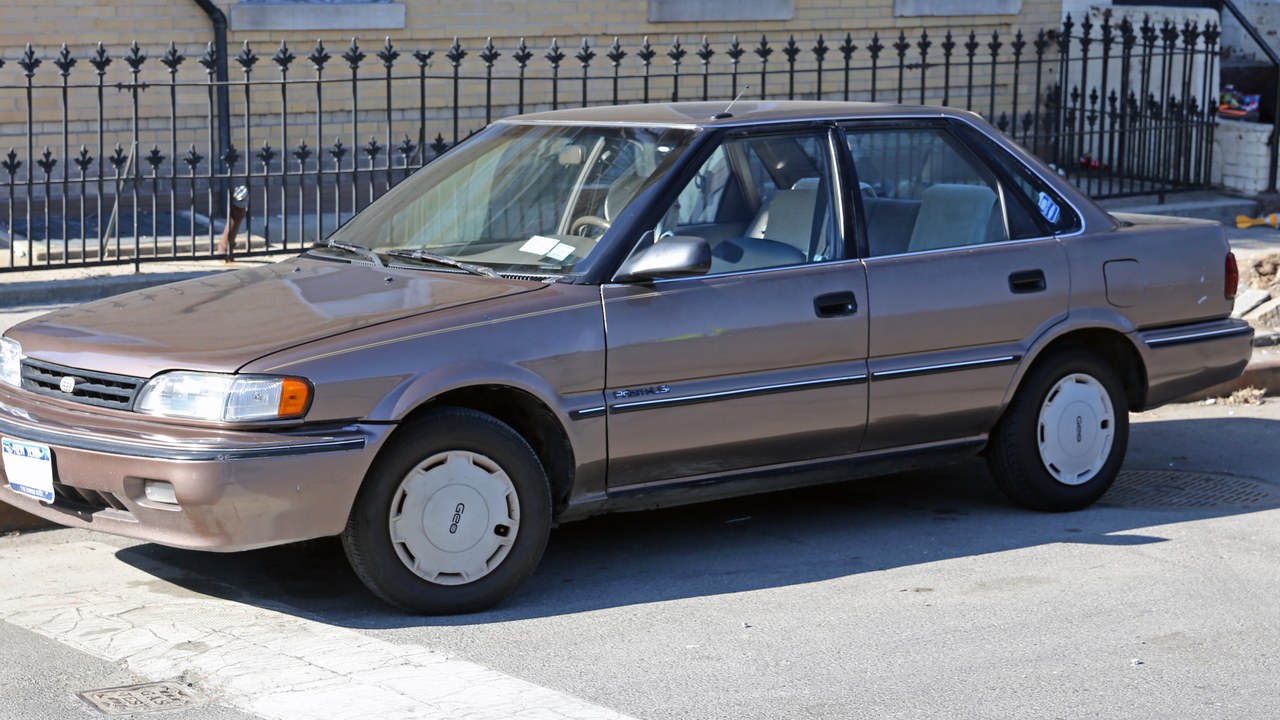
Jalopnik’s rebadged cars roundup says the Geo Prizm looks like an eighth-generation Toyota Corolla at first glance, and the resemblance is no accident. It was built at the GM-Toyota NUMMI plant in California.
Sold through Geo and later Chevrolet dealers, the compact sedan gave General Motors a fuel-efficient small car it had struggled to engineer itself. Shoppers in the early 1990s often chose it for Toyota reliability at a Chevrolet-dealer price. The shared factory in Fremont made such sibling models routine for both companies throughout that decade.
6. Mazda B-Series pickup: Ranger Underneath
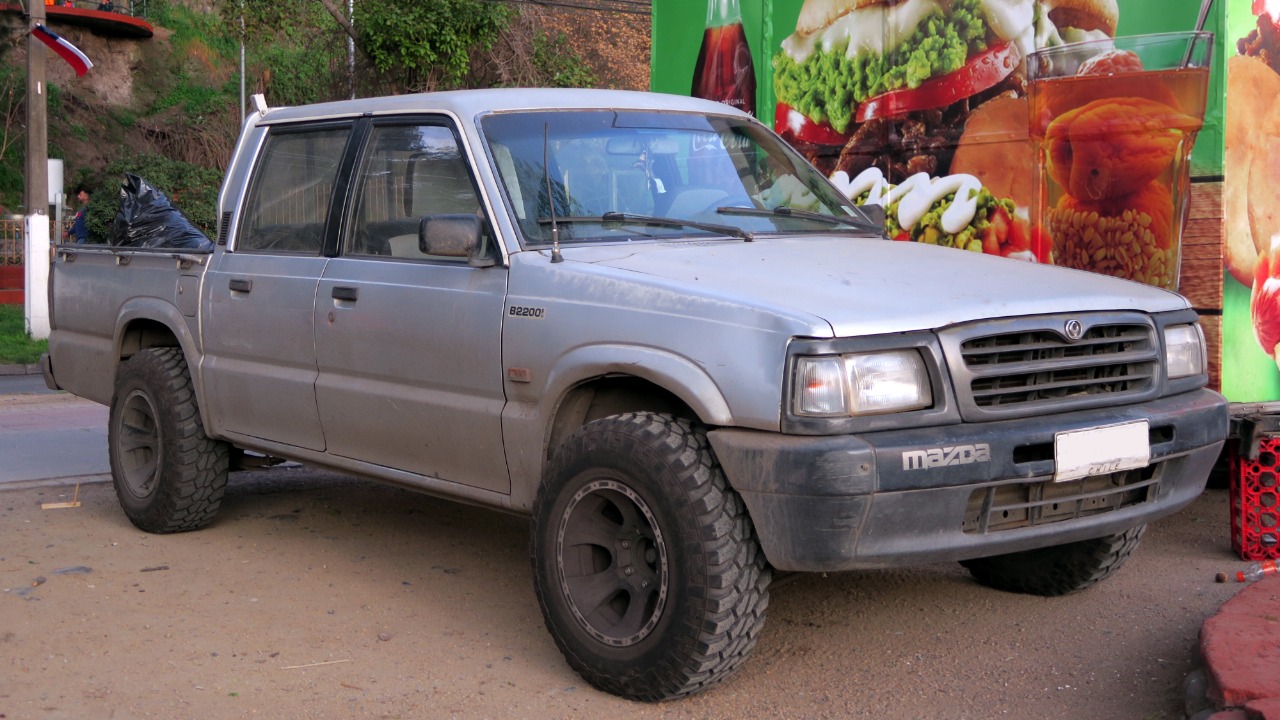
Between 1994 and 2010, Jalopnik says, Mazda’s B-Series pickups were nothing more than Ford Rangers with slightly different trim and badging. Ford built the trucks, and Mazda sold them in North America.
The deal grew out of the long partnership between the two companies. Mazda dealers received a compact pickup without a development bill, while Ford moved more Rangers through a second showroom network. The Mazda version rarely differed in any way that mattered to a buyer, and many owners treated the two as interchangeable.
7. Mitsubishi Raider: A Dakota in an Ill-Fitting Suit
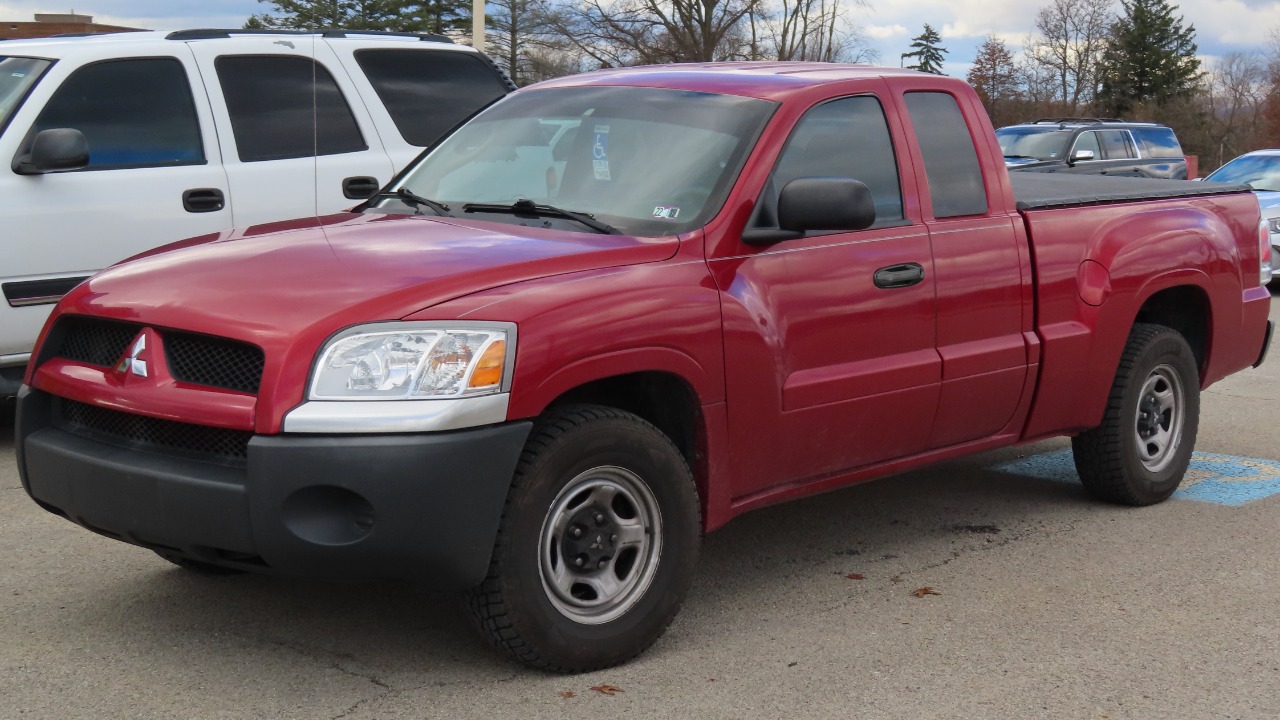
Jalopnik’s verdict is blunt, calling the Mitsubishi Raider a Dodge Dakota in an ugly, ill-fitting suit. Chrysler built the midsize pickup, and Mitsubishi sold it with a revised front end and its own badging.
The Raider arrived in the mid-2000s as Mitsubishi tried to expand its American lineup without funding a new truck. Sales stayed modest, and the model disappeared after a few years, leaving a rare Dakota variant for collectors. Its Dodge origins remained obvious to anyone who looked at the cab and bed.
8. Dodge Challenger (1978): Galant in a Muscle-Car Name
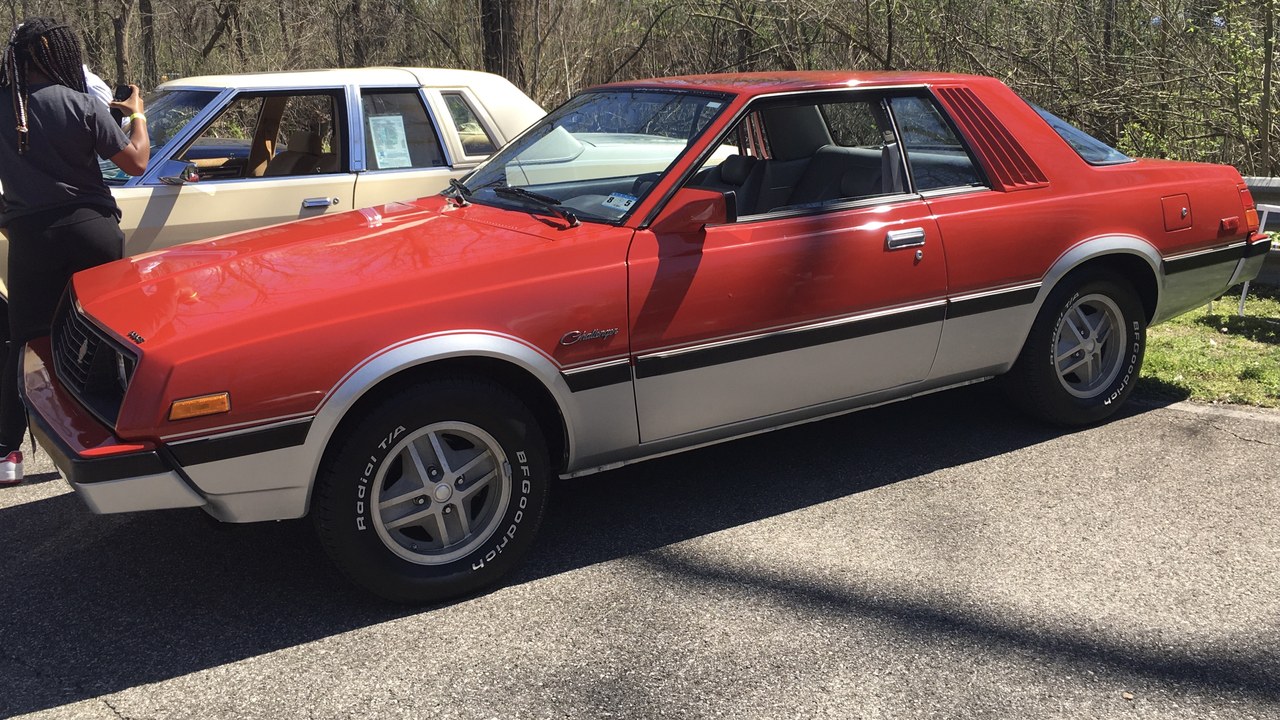
SlashGear explains that the 1978 Challenger is just a rebranded Mitsubishi Galant. The Japanese coupe wore the Challenger nameplate in North America, replacing the muscle car that had ended earlier in the decade.
Chrysler imported the car through its Dodge dealers to offer a small, efficient coupe during a period of fuel anxiety. Buyers expecting the old V8 Challenger found a four-cylinder import, and the name carried little of its former reputation.
9. Chevrolet LUV: Isuzu’s Pickup, Chevy’s Badge
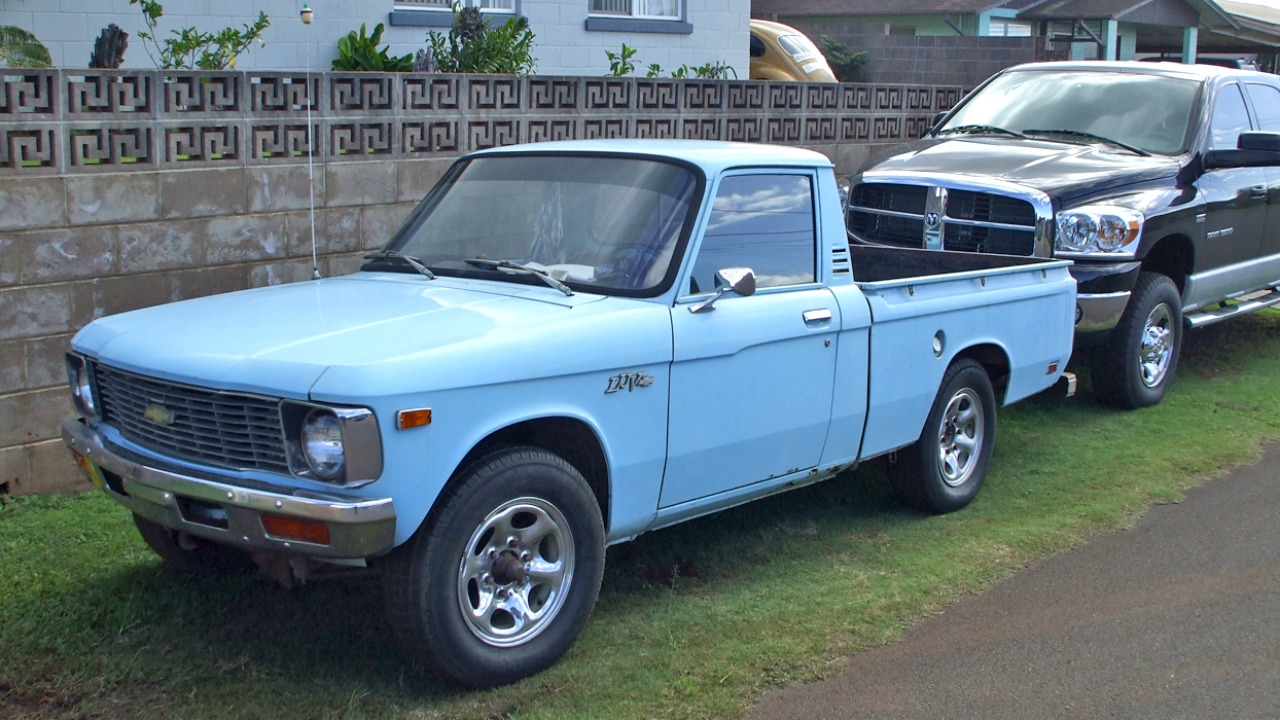
Chevrolet’s 1970s mini-pickup, Driving Line recounts, was built by Isuzu and sold at home as the Isuzu Faster. The LUV gave General Motors a small truck without building one itself.
General Motors held a stake in Isuzu, which made the arrangement natural, and the truck sold strongly as small pickups became popular. It helped establish the Japanese minitruck as a fixture of American driveways well before domestic rivals responded. Its low price and modest running costs made it an easy choice for small businesses and young drivers alike.
10. Dodge Ram 50: Mighty Max in Dodge Clothes
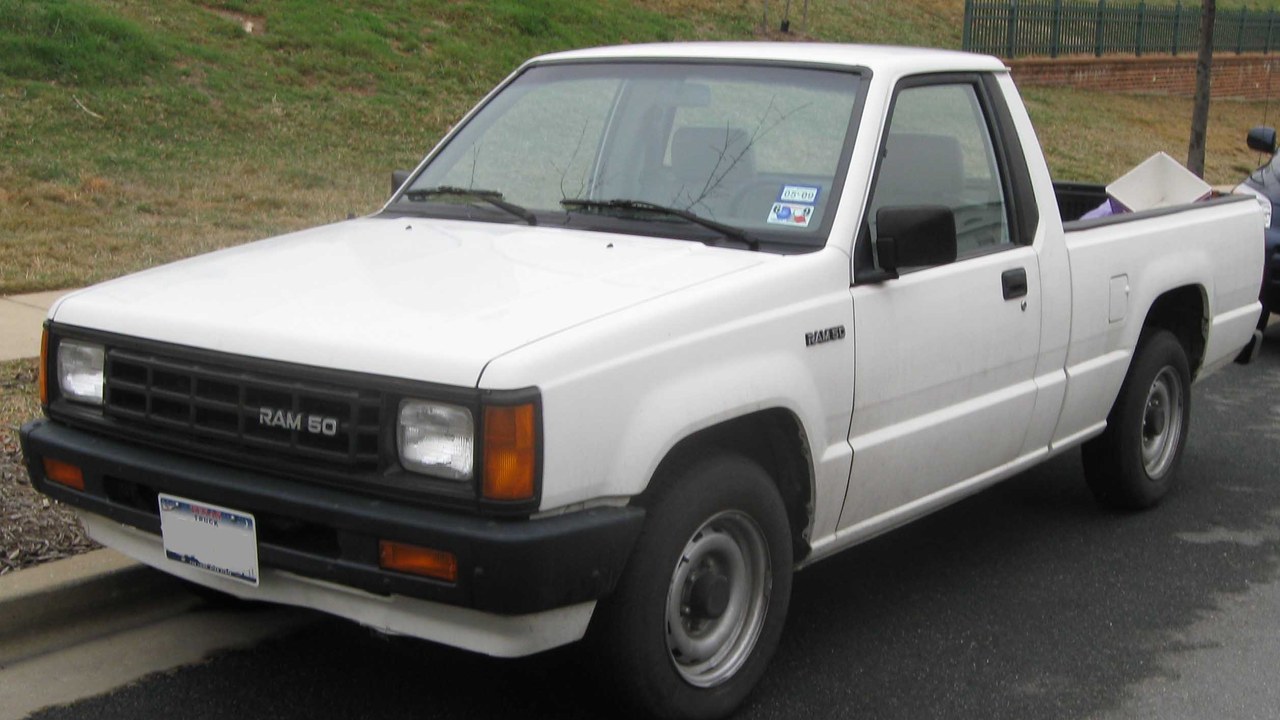
Dodge dealers sold the Ram 50 until 1994 as a rebadged Mitsubishi Mighty Max, according to Driving Line. Mitsubishi engineered and built the compact pickup, and Chrysler simply applied its own grille and badges.
Chrysler used the import to compete in the small-truck segment while concentrating its resources on larger vehicles. The Ram name, later used for full-size trucks, was applied here to a pickup that shared almost everything with its Mitsubishi twin. The cab, bed and mechanical layout all came directly from Mitsubishi’s catalog.
11. Ford Courier: A Mazda Wearing a Blue Oval
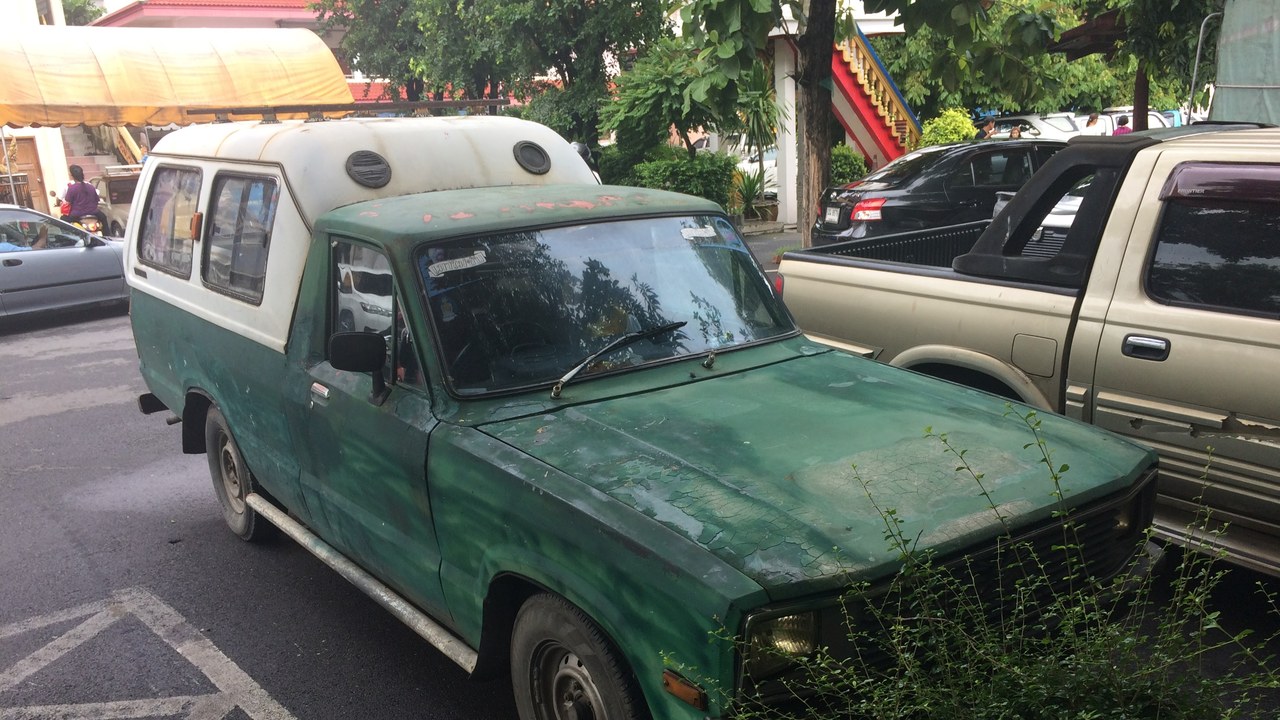
Hagerty traces the Ford Courier to a rebadged Mazda B1600 introduced in 1972. Ford advertised 1,400 pounds of payload, despite the ostensibly identical Mazda delivering 2250 pounds of cargo capacity.
The gap in the numbers hints at how little the badge changed and how much marketing shaped the claims. Ford needed a small truck quickly during the early 1970s, and sourcing one from its Japanese partner was faster than developing its own. The Courier lasted through several generations, always tied to Mazda’s underpinnings.
12. Volkswagen Routan: Caravan with VW Badges
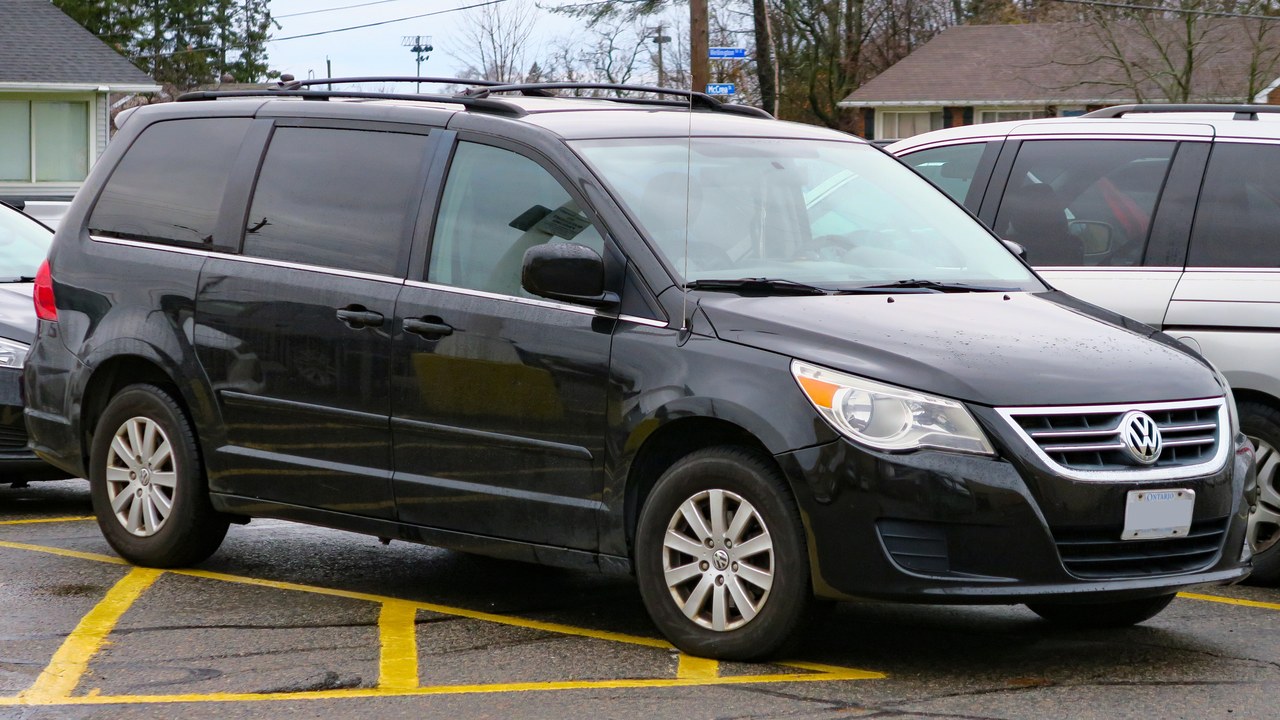
The Volkswagen Routan was a Chrysler minivan with VW badges, and GTPlanet writes that it was similar to the Caravan in every way save for the front fascia and rear tail lights. Sales were abysmal.
Volkswagen wanted a minivan for American families without developing one, so it borrowed a rival’s platform and built it in Canada. Buyers who wanted a German-engineered van did not find one, and the model left the market after a short run. The minivan’s Chrysler origins were visible in its interior and switchgear.
More from Morning Overview
