
A timing belt does the same job as a timing chain, but it wears out on a schedule and its replacement is not optional maintenance. Interference engines make a snapped belt catastrophic, bending valves against pistons and turning a routine service into an engine rebuild. Here are twelve vehicles whose engines still rely on a rubber belt instead of a metal chain to keep the camshafts in time.
1. Honda Odyssey: A Belt-Driven V6
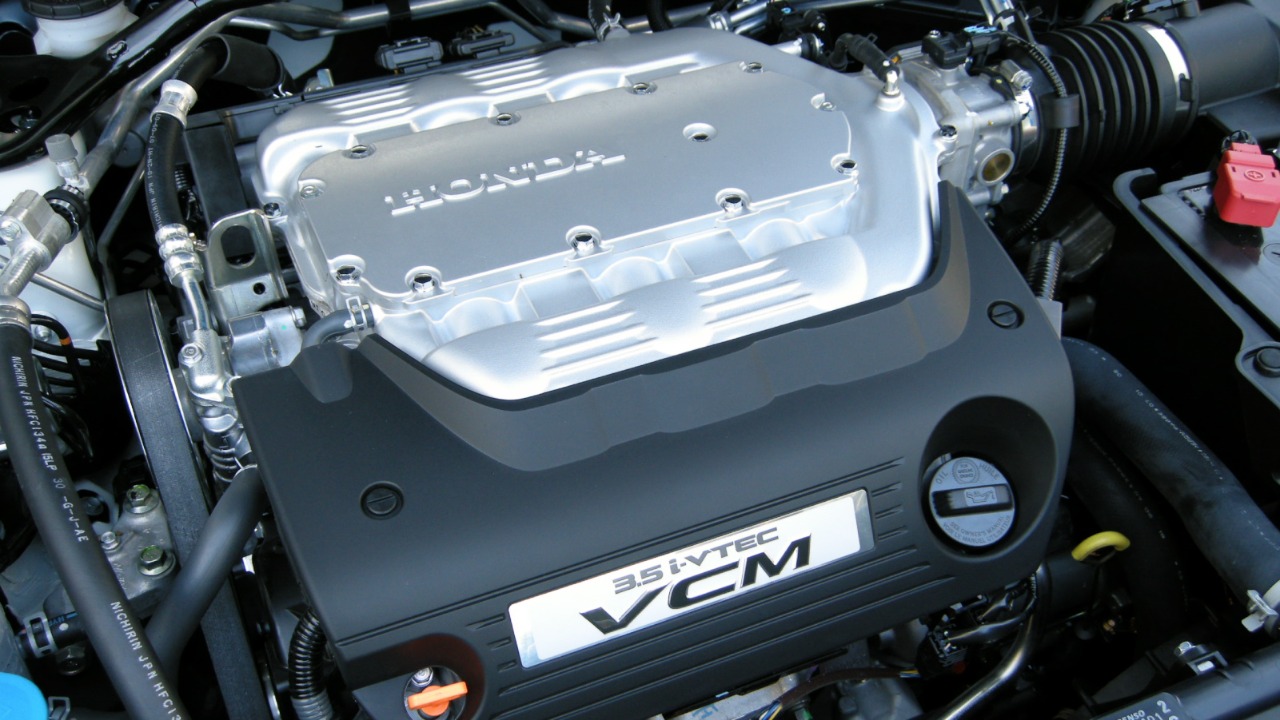
The Honda Odyssey’s V6 is built around the J-series V6 engine, a design that times its camshafts with a rubber belt rather than a chain. Honda specifies replacement at roughly 105,000 to 110,000 miles, and the J-series is an interference engine, meaning the valves and pistons share the same space when the crankshaft turns.
A belt that lets go past its service interval does not just strand the minivan; it can bend valves and require a cylinder-head rebuild. Owners who buy an Odyssey secondhand should confirm the belt’s replacement history before counting on the engine’s remaining life.
2. Honda Pilot: Same V6, Same Belt
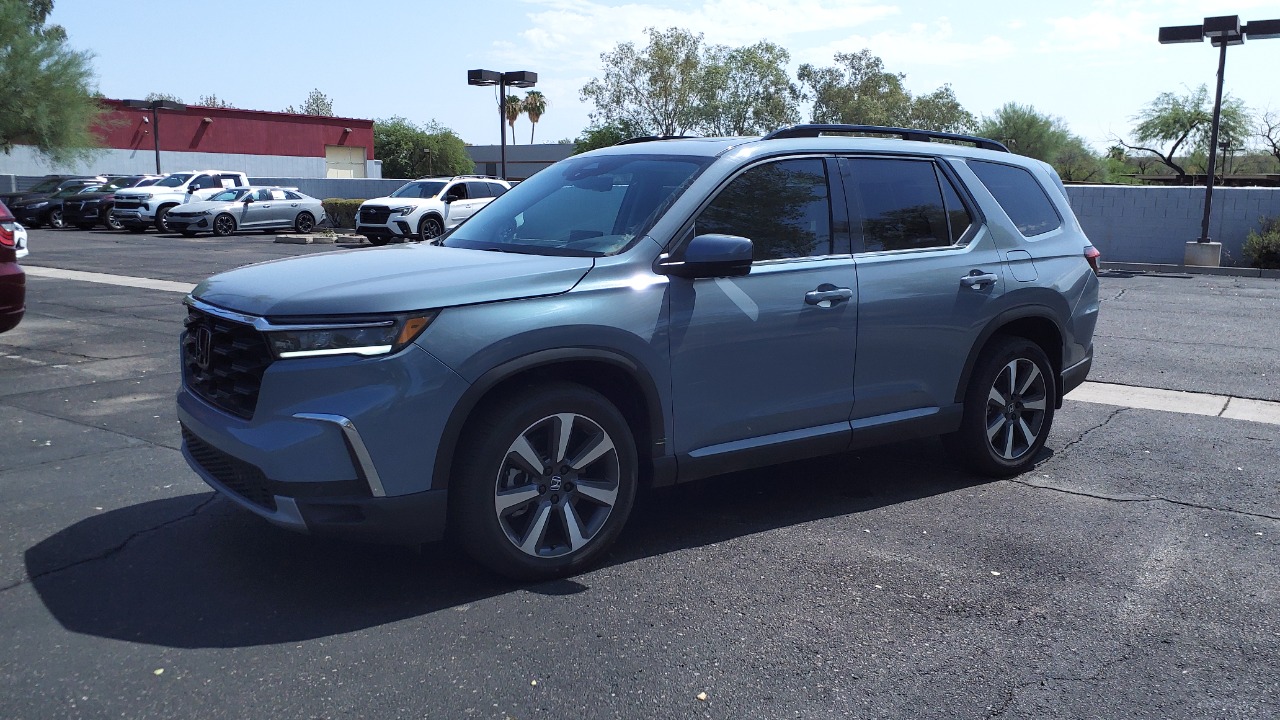
The Honda Pilot shares its V6 with the Odyssey, and Car and Driver’s coverage of the Honda Pilot confirms the SUV runs the same belt-driven J35 architecture rather than a timing chain. Honda’s maintenance schedule calls for belt replacement in the same 105,000-to-110,000-mile window as the minivan.
Because the J35 is an interference design, a belt that fails past that mileage can bend valves and strand the SUV far from a shop. A timing-belt kit replacement, done preventively, is far cheaper than the repair that follows a snapped belt.
3. Honda Ridgeline: A Pickup With The Same Belt
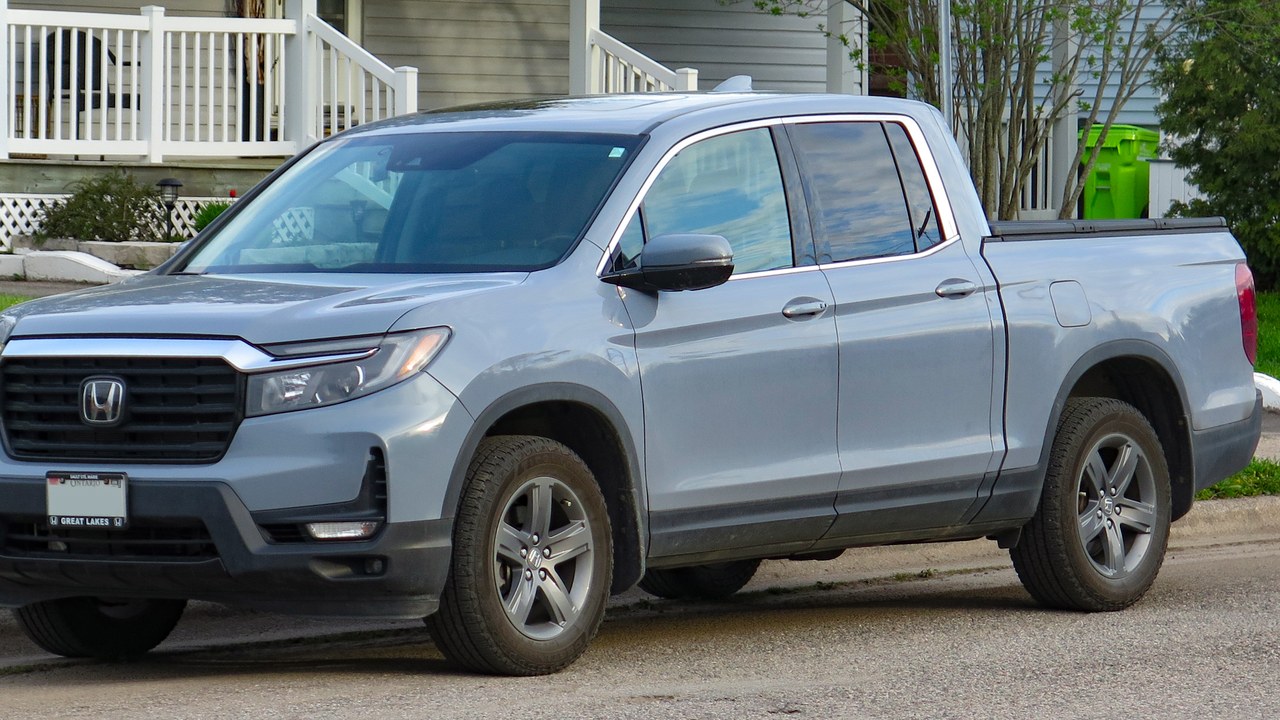
Honda’s Ridgeline pickup is built on the same platform and V6 as the Pilot, which means it inherits the belt-driven J-series engine rather than a chain-driven design. The truck carries the identical 105,000-to-110,000-mile belt-replacement interval as its SUV siblings.
Owners who tow or haul with the Ridgeline should treat the belt interval as firm rather than approximate, since higher loads add stress to an engine that already depends on a wearing part to keep time. Skipping the service risks the same interference damage that threatens any J-series engine.
4. Acura MDX: Acura’s Version Of The Same Belt
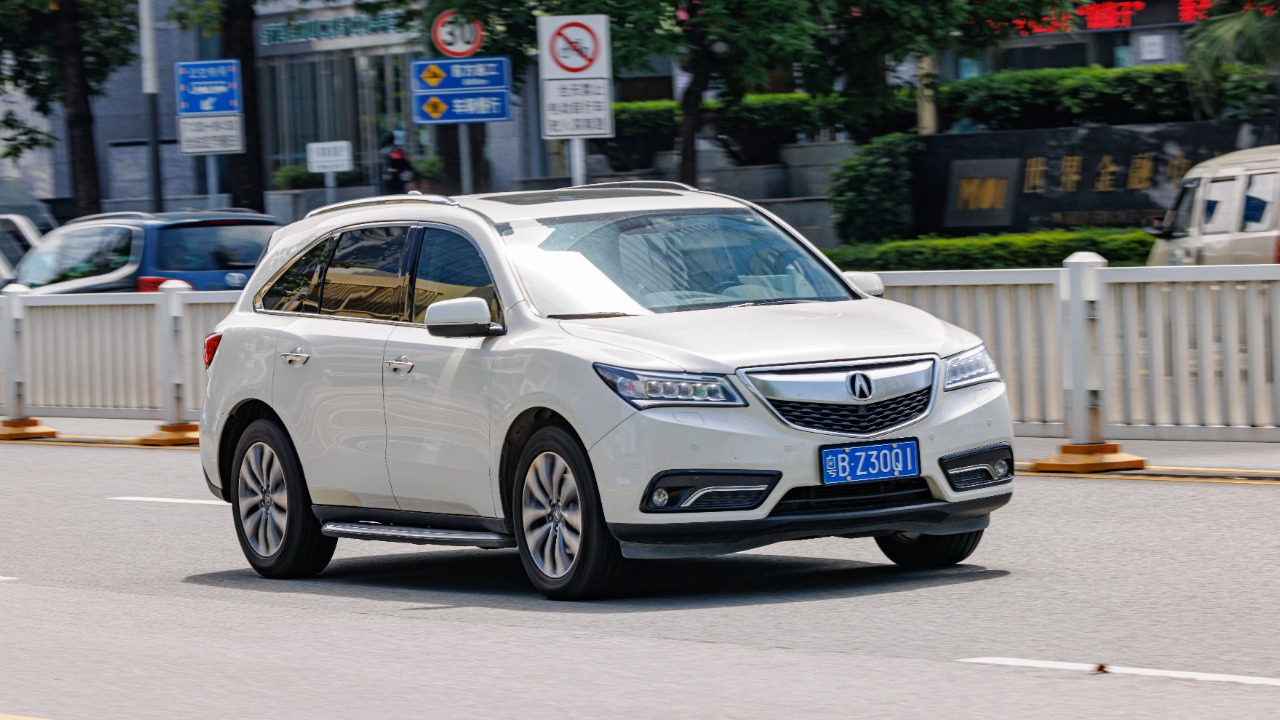
J.D. Power’s Acura MDX coverage documents the luxury SUV’s use of the same J-series V6 family that powers the Odyssey, Pilot and Ridgeline, complete with the same belt-driven camshaft timing. The MDX does not swap to a chain despite its higher trim and price point.
That means the same 105,000-to-110,000-mile belt service applies regardless of the extra badge and leather. Buyers of a used MDX should ask for belt-replacement records the same way they would on any other J-series Honda product.
5. Subaru Outback with the EJ25: The Flat-Four’s Interference Risk
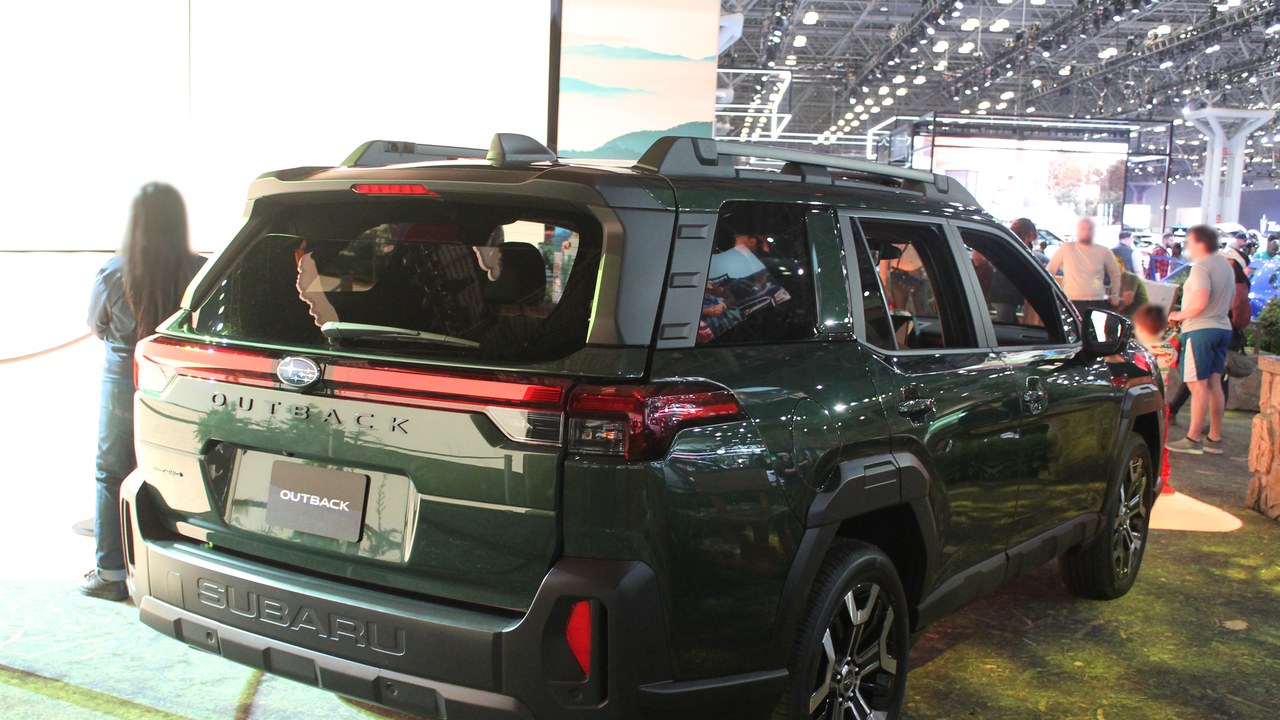
The Subaru Outback’s EJ25 flat-four is a belt-driven engine, and it is built to an interference design, so the valves and pistons occupy shared space when the crankshaft spins. Subaru’s own schedule calls for belt replacement roughly every 105,000 miles.
A belt that snaps past that interval on the EJ25 typically bends every valve in the cylinder heads, turning a routine service into a full valvetrain rebuild. The flat-four’s boxer layout does not change the belt’s job or its failure mode.
6. Subaru Forester with the EJ25: The Same Engine, A Different Body
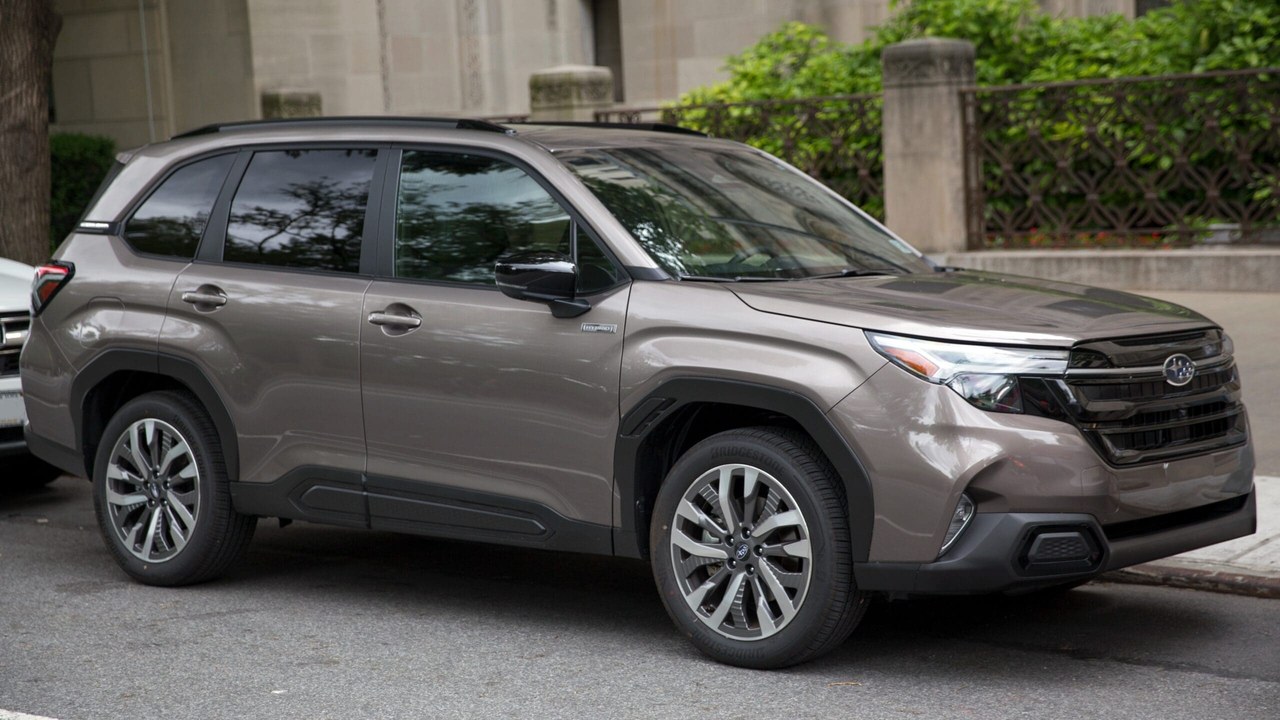
The Subaru Forester used the same EJ25 engine as the Outback for years, which means it carries the identical belt-driven, interference-design camshaft timing. Subaru’s maintenance documentation lists the same roughly 105,000-mile belt-replacement line for both models.
Because the EJ25 shows up across so many Subaru models, the belt interval is one of the most common maintenance items a used-Forester buyer needs to verify. A skipped belt service is invisible from the outside until the engine stops running.
7. Volkswagen Jetta TDI: A Belt That Also Runs The Injection Pump
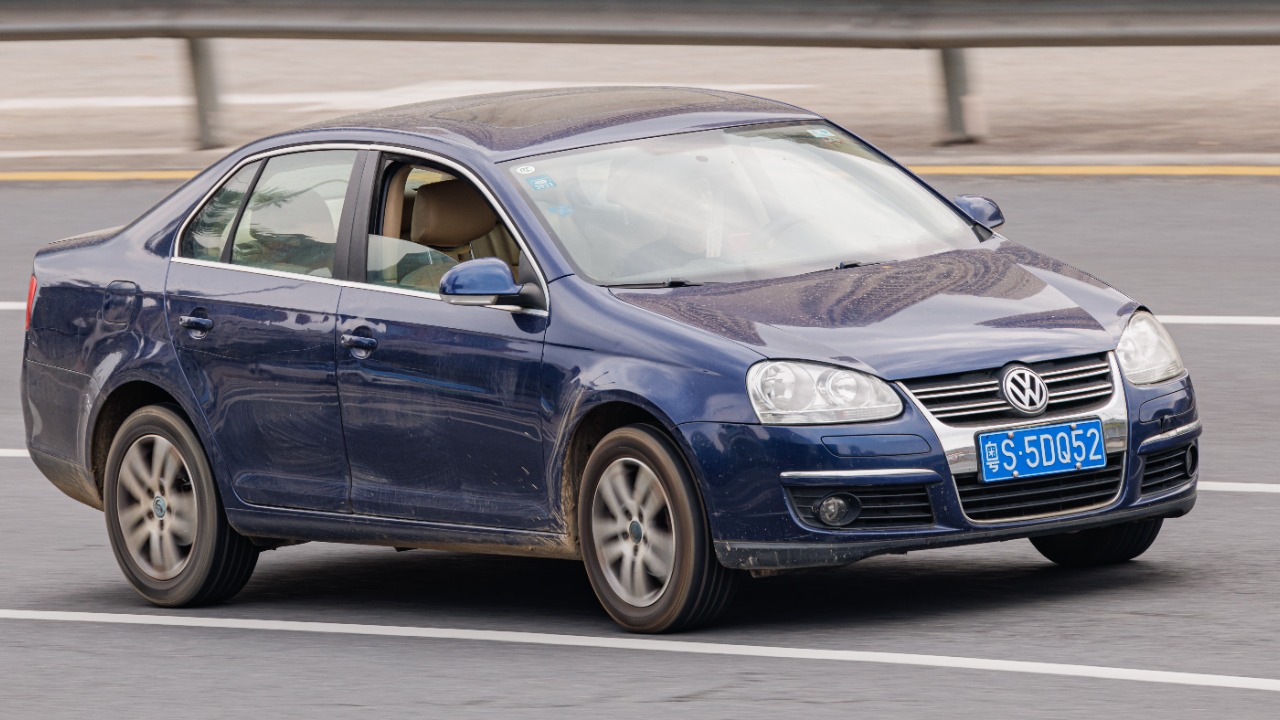
Car and Driver’s history of the Volkswagen Jetta TDI describes the 1.9-litre diesel’s timing belt as a component that drives both the camshaft and the fuel-injection pump, a dual role that raises the stakes of a failure. Volkswagen specified belt replacement at intervals as short as 40,000 to 60,000 miles on early TDI applications.
Because the belt also times fuel delivery, a snapped belt on the TDI can destroy the injection pump in addition to bending valves. Diesel Jetta owners who inherit an unknown service history should treat the belt as overdue until proven otherwise.
8. Audi A4 1.8T: The Turbo Four’s Hidden Belt
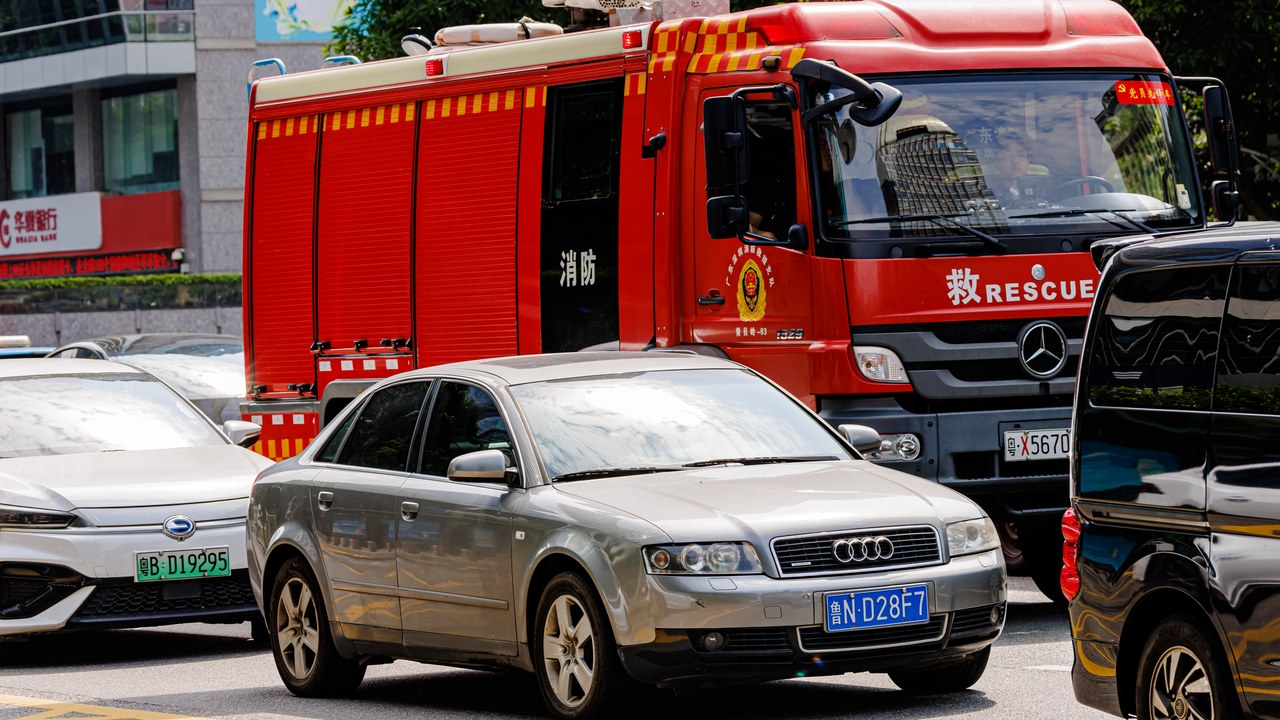
The early Audi A4‘s 1.8T twenty-valve four-cylinder times its camshafts with a belt rather than a chain, a detail that surprises owners used to newer turbocharged Audis running chains. Audi’s service schedule called for the belt, tensioner and water pump to be replaced together roughly every 90,000 miles.
Because the water pump shares the belt’s drive path on many 1.8T applications, a neglected belt job often takes the cooling system down with it. The combined repair is one reason the belt service on this engine carries a higher bill than most.
9. Toyota Camry V6 of the 1MZ era: Before Toyota Switched To A Chain
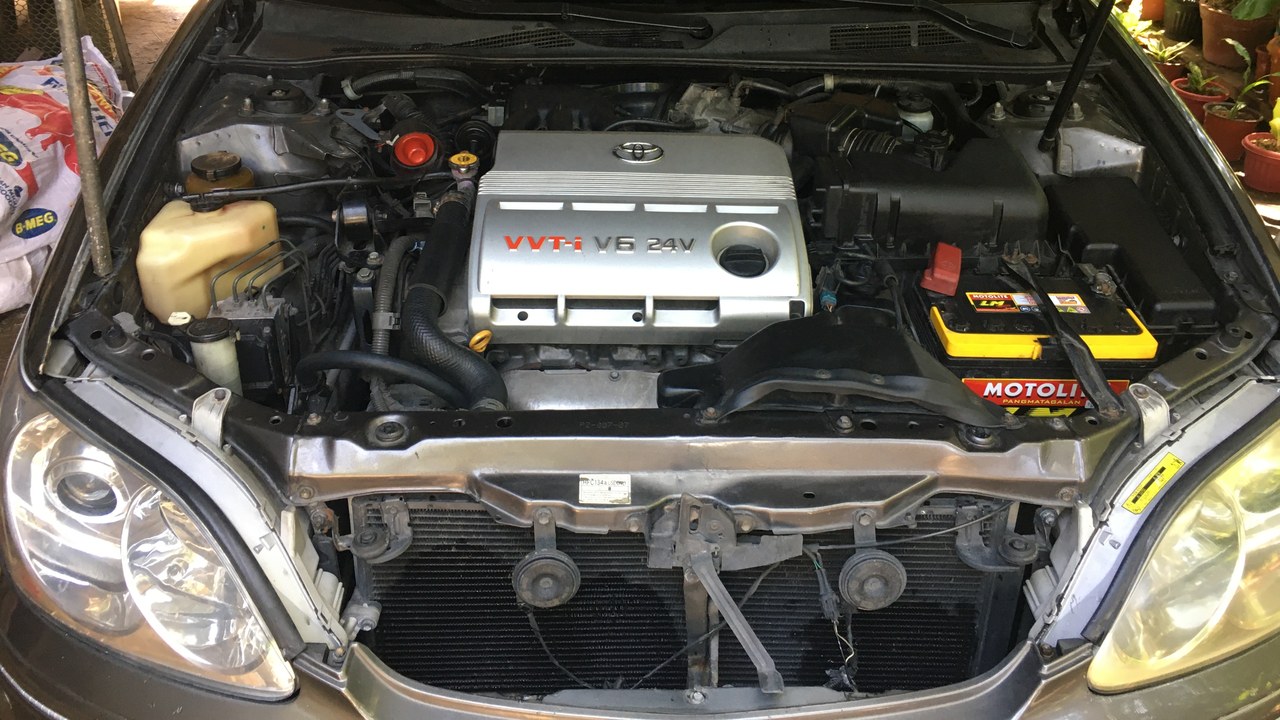
Wikipedia’s entry on the Toyota MZ engine family notes that the 1MZ-FE V6, fitted to the Camry through the early 2000s, used a timing belt before Toyota replaced it with the chain-driven 2GR-FE. The 1MZ’s belt interval sat around 90,000 miles.
A Camry from the 1MZ era needs the same belt discipline as any other belt-driven car despite Toyota’s reputation for chain-driven reliability in later models. Confirming the engine generation, not just the badge, is the only way to know which service schedule applies.
10. Mitsubishi Montero: A V6 Family That Never Went To Chains
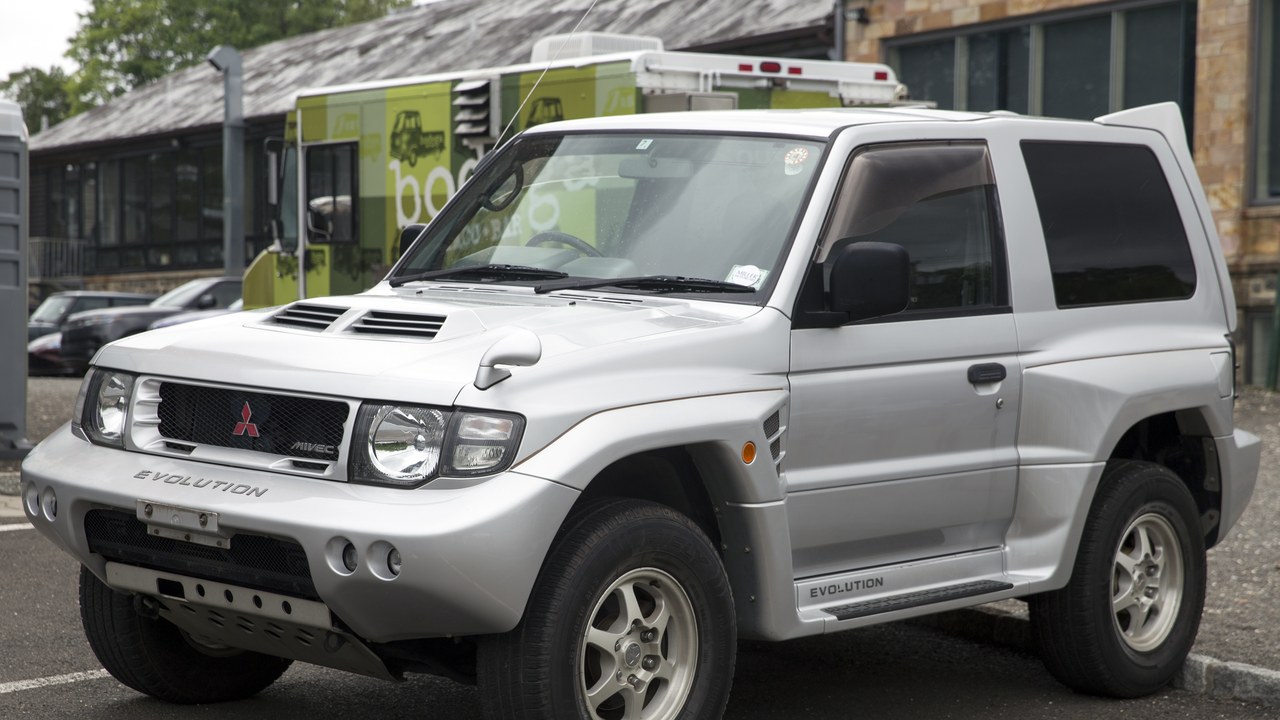
The Mitsubishi 6G7 engine family, used across the Montero and Pajero SUVs, kept a belt-driven camshaft design throughout its production run rather than moving to a chain. Mitsubishi’s recommended interval for the belt sat in the 60,000-to-90,000-mile range depending on the model year.
Because the Montero was sold and serviced globally under different names, replacement parts and service records can be harder to trace than on a mainstream domestic model. A buyer chasing a used 6G7-powered SUV should budget for a belt job as a near-certain near-term expense.
11. Ford Focus with the 1.0 EcoBoost: A Belt That Runs In Oil
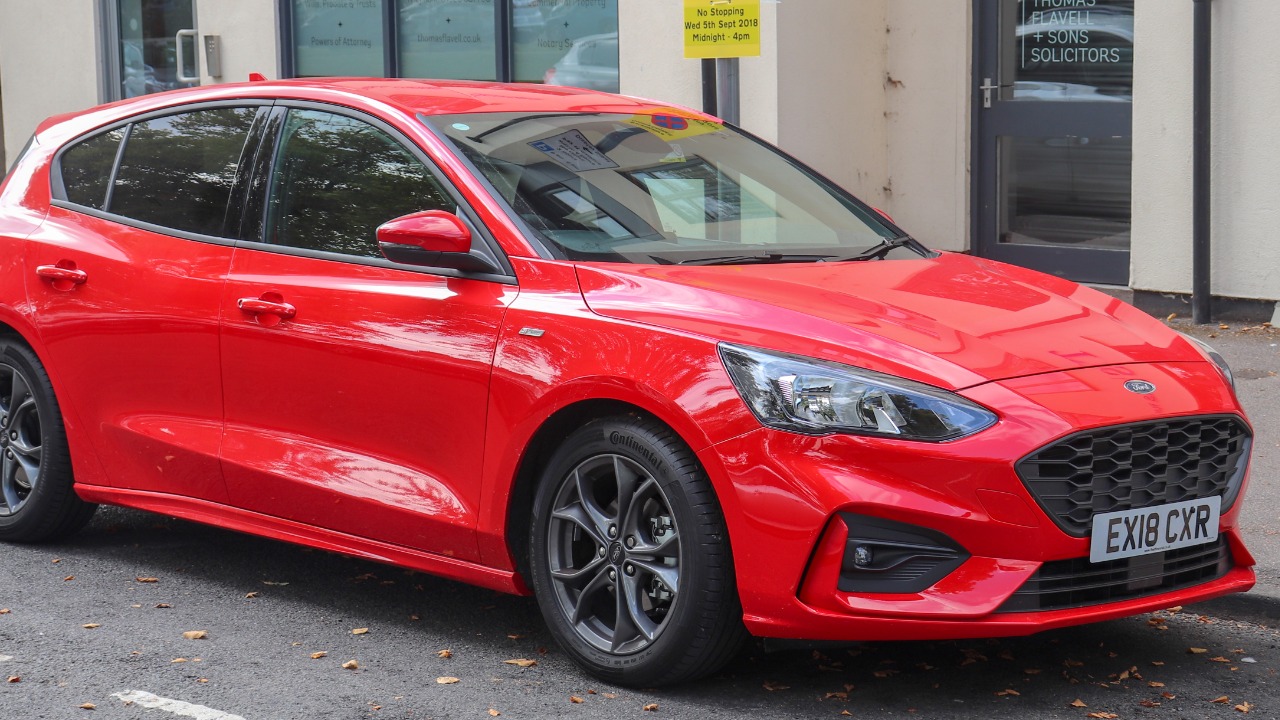
The Ford EcoBoost engine family’s 1.0-litre three-cylinder, fitted to the Focus, uses what Ford calls a wet belt, a timing belt that runs submerged in engine oil rather than exposed in open air. The design was meant to reduce friction and noise compared with a dry belt or a chain.
In practice, the wet belt has drawn scrutiny for shedding rubber particles into the oil and failing without the warning signs a dry belt gives, sometimes well short of a conventional belt’s mileage. Owners of the small EcoBoost three-cylinder should track oil condition and belt age closely rather than assume the wet design is maintenance-free.
12. Porsche 944: The Job That Also Moves The Balance Shafts
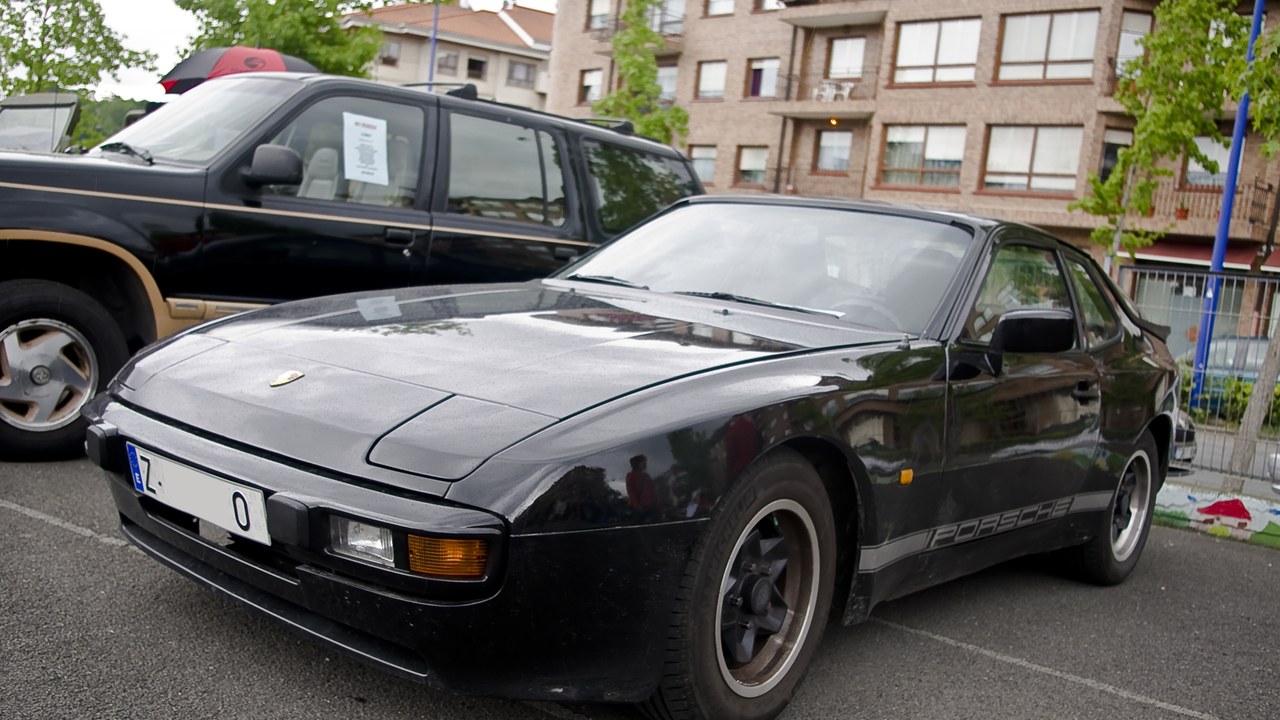
The Porsche 944‘s four-cylinder engine uses a timing belt that drives not only the camshaft but also a pair of balance shafts, a feature that smooths the engine’s vibration at the cost of a more involved belt job. Porsche’s interval for the belt and its associated components runs roughly every four years or 30,000 miles.
Because the balance-shaft belts must be timed precisely alongside the main belt, a 944 service is longer and pricier than a typical four-cylinder belt job, and it is a well-known expense among owners of the model. Skipping it risks the same interference damage that threatens any belt-driven engine, magnified by the extra components involved.
More from Morning Overview
- The FTC is warning about a scam quietly draining thousands from victims
- The NSA is again telling phone owners to switch off one location setting
- A handful of car transmissions are so tough mechanics say they almost never fail
- A handful of SUVs keep hitting 300,000 miles, and they share one engine trait
