
Radiators became standard equipment across the auto industry, but a scattered lineage of engineers chose air instead of water to keep pistons cool. Their reasoning ranged from freeze-proofing to simplicity to shaving weight off a tiny economy car, and the resulting engines sat everywhere from a car’s tail to its trunk. Here are twelve cars that never needed a radiator.
1. Volkswagen Beetle: Cooled By Air Alone
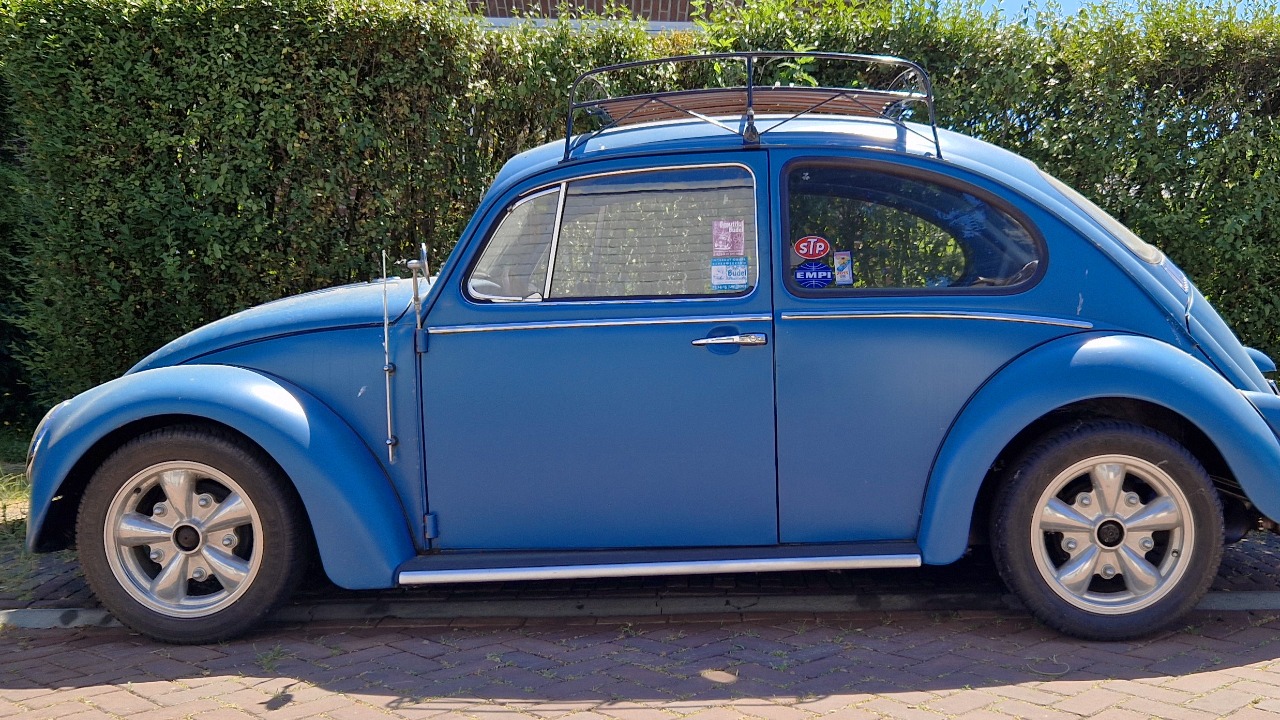
Volkswagen mounted the Beetle’s flat-four engine over the rear axle and cooled it entirely with air, so the car carried no radiator, no coolant, and no hoses to fail in a hard freeze. Lane Motor Museum’s 1956 Beetle example shows the layout Volkswagen kept largely unchanged for decades.
That simplicity became the car’s signature: fewer parts to leak or burst meant fewer roadside breakdowns, a selling point that helped the Beetle outlast nearly every rival built around a conventional water-cooled engine.
2. Porsche 911 (993): The Last Air-Cooled 911
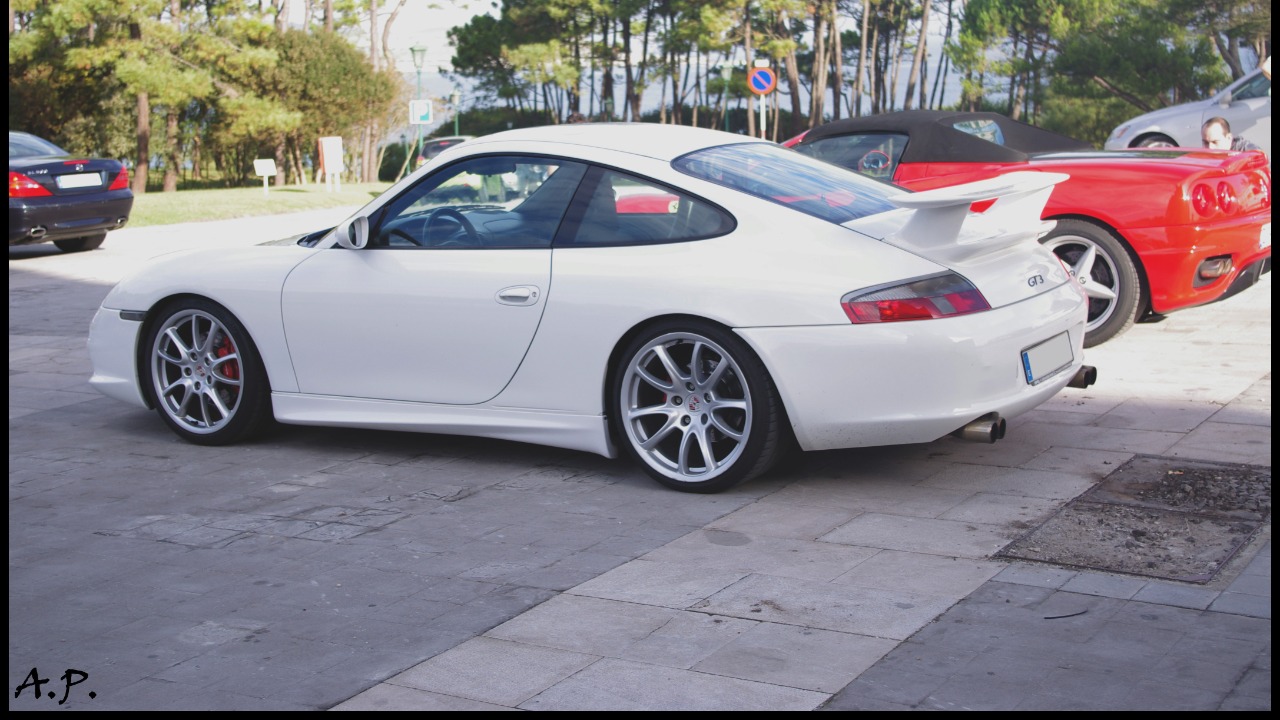
Porsche kept air-cooling in the 911 long after most automakers had abandoned it, and the 993 generation’s flat-six was the final version to skip a radiator entirely. Porsche’s own history of the 993-generation 911 puts total production at 68,881 cars built between 1993 and 1998.
Thirty-five years of air-cooled 911s ended with that run, and collectors now treat the 993 as the closing chapter of a design philosophy Porsche never repeated in a production car.
3. Citroën 2CV: Deliberately Simple Engineering
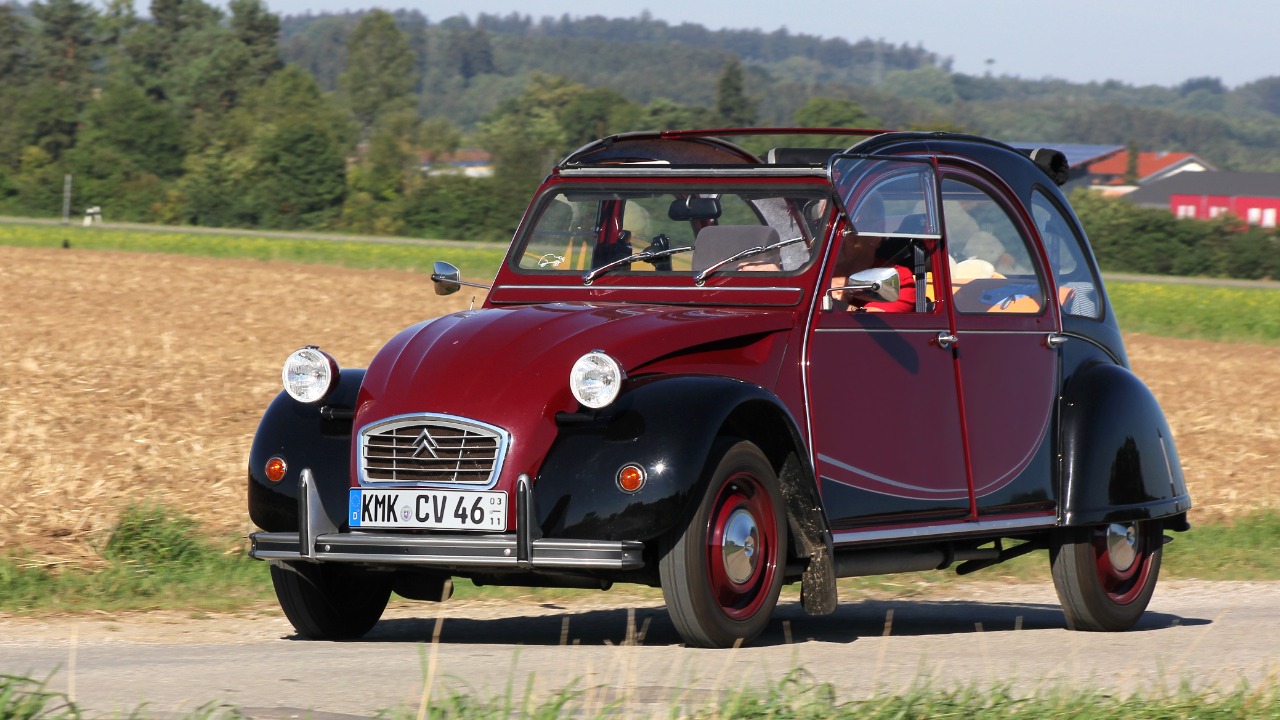
Citroën built the 2CV around a flat-twin engine cooled by air, a choice that fit the car’s mission as cheap, rugged transportation for French farmers. Lane Motor Museum’s 1975 2CV in its collection still runs that same air-cooled twin decades later.
Skipping a radiator and coolant system stripped weight and complexity from a car engineered to survive rutted dirt roads, and the approach stayed in production essentially unchanged for more than forty years.
4. Chevrolet Corvair: An American Sedan Apart
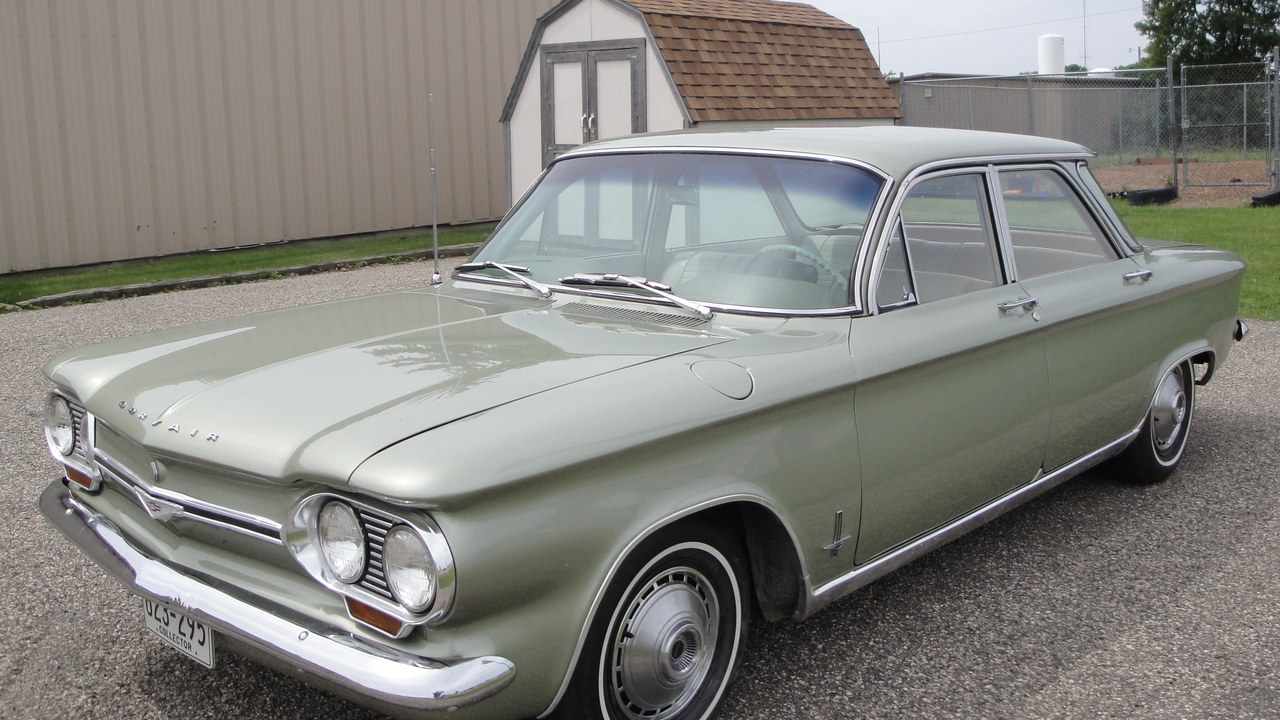
Chevrolet placed a flat-six engine over the Corvair’s rear axle and cooled it with air, an arrangement no other mainstream American sedan of its era copied. Lane Motor Museum documents a 1962 Corvair wagon built on that same rear-engine, air-cooled architecture.
General Motors borrowed the layout from European small cars rather than Detroit convention, giving the Corvair a driving feel and a mechanical simplicity that set it apart from every Ford or Plymouth parked beside it.
5. Trabant 601: Minimal By Design
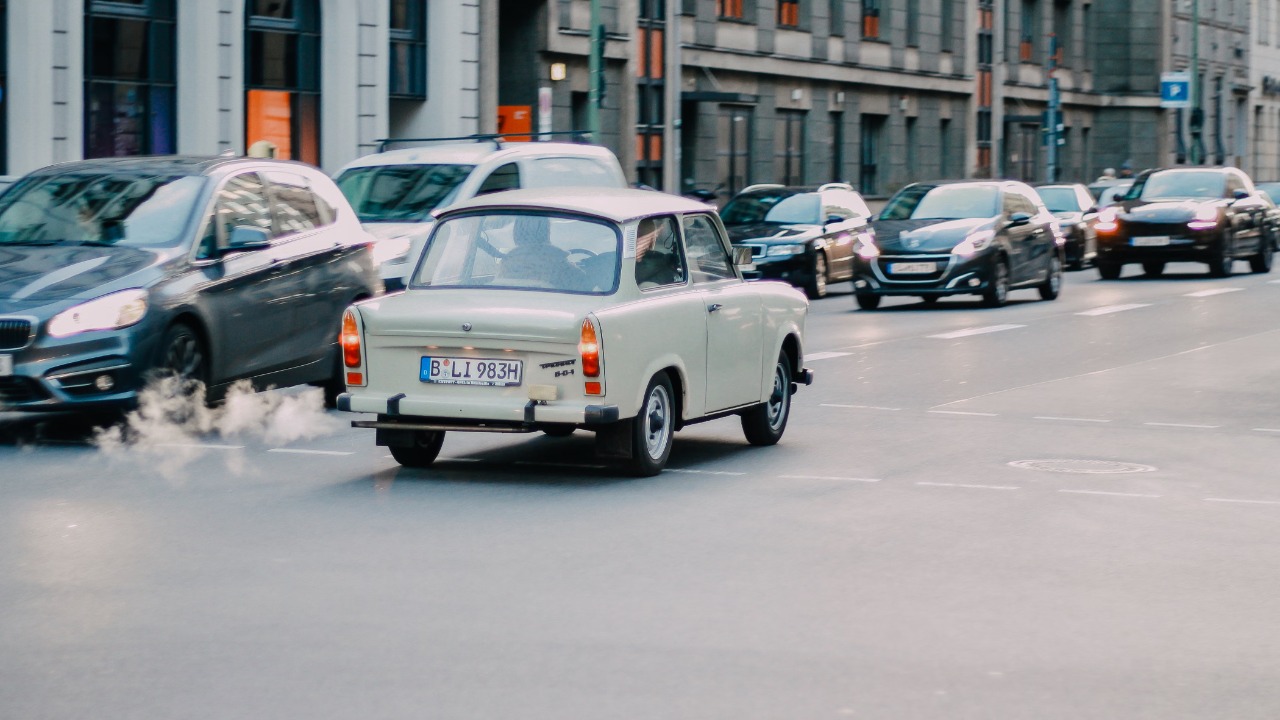
East Germany’s Trabant 601 ran a two-stroke twin cooled by air, part of an engineering approach that stripped the car down to only what was strictly necessary. Lane Motor Museum’s 1975 601 convertible carries the same bare-bones drivetrain.
That minimalism made the Trabant infamous for its smoky exhaust and buzzy ride, but it also meant no radiator to crack in the cold winters the car was built to survive across the Eastern Bloc.
6. NSU Prinz: A Rear-Mounted Twin
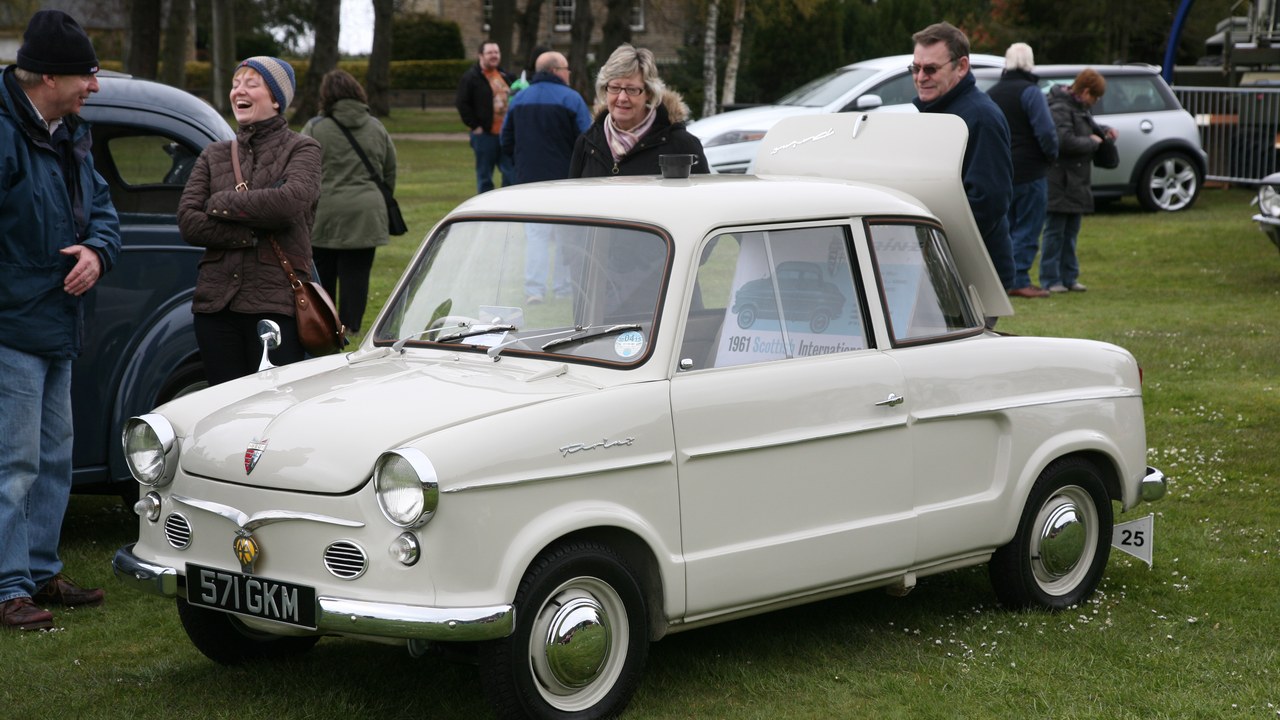
NSU built the Prinz around a rear-mounted, air-cooled twin-cylinder engine before later versions grew to an air-cooled four, skipping liquid cooling across the whole model line. Lane Motor Museum’s 1959 Prinz represents the earlier twin-cylinder layout.
The small West German company used the format to keep its economy car light and cheap to build, competing directly against other European microcars that had already proven air-cooling could work in a mass-market product.
7. Honda 1300: An Elaborate Workaround
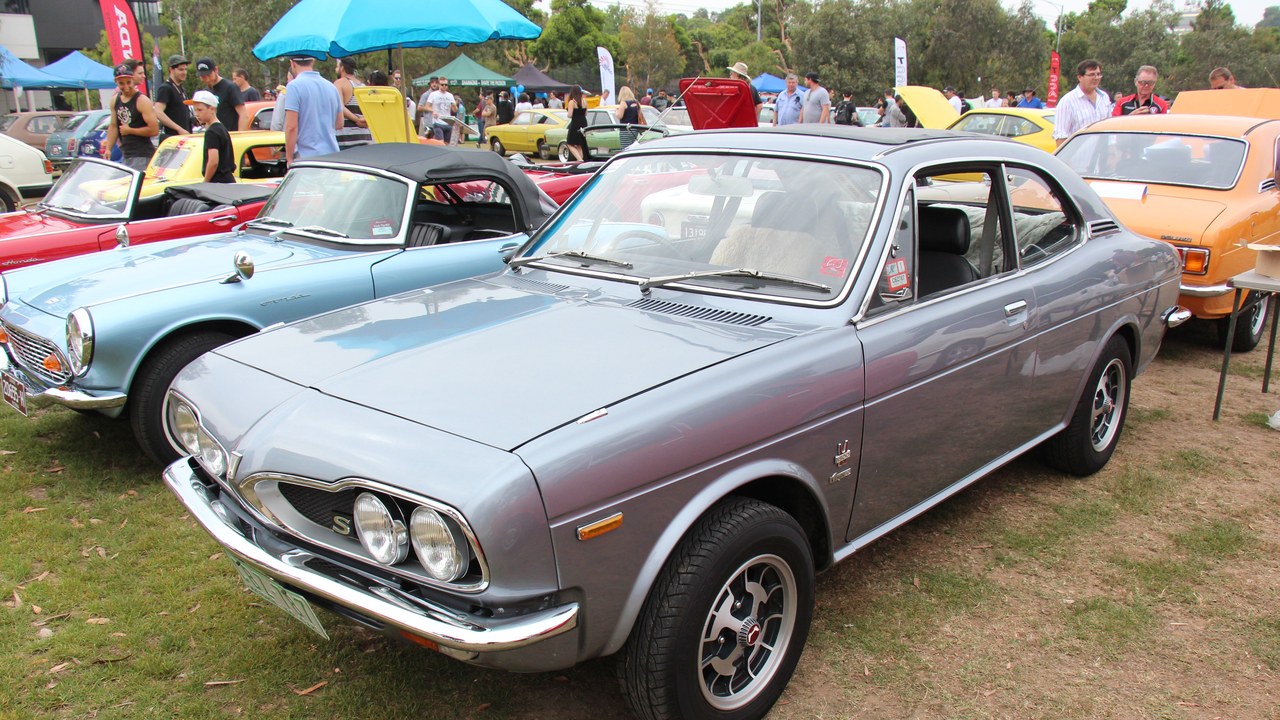
Honda engineered the 1300 with an unusually complex air-cooled four-cylinder instead of adopting a conventional radiator, a decision that reflected founder Soichiro Honda’s personal resistance to liquid cooling. Lane Motor Museum’s 1972 Coupe 9 GTL shows that engineering pushed into a sport coupe body.
The system used extra ducting and a dual-circuit design to compensate for air-cooling’s usual drawbacks, and its complexity became one reason Honda quietly returned to water-cooled engines within just a few years.
8. Porsche 356: Air-Cooled From The Start
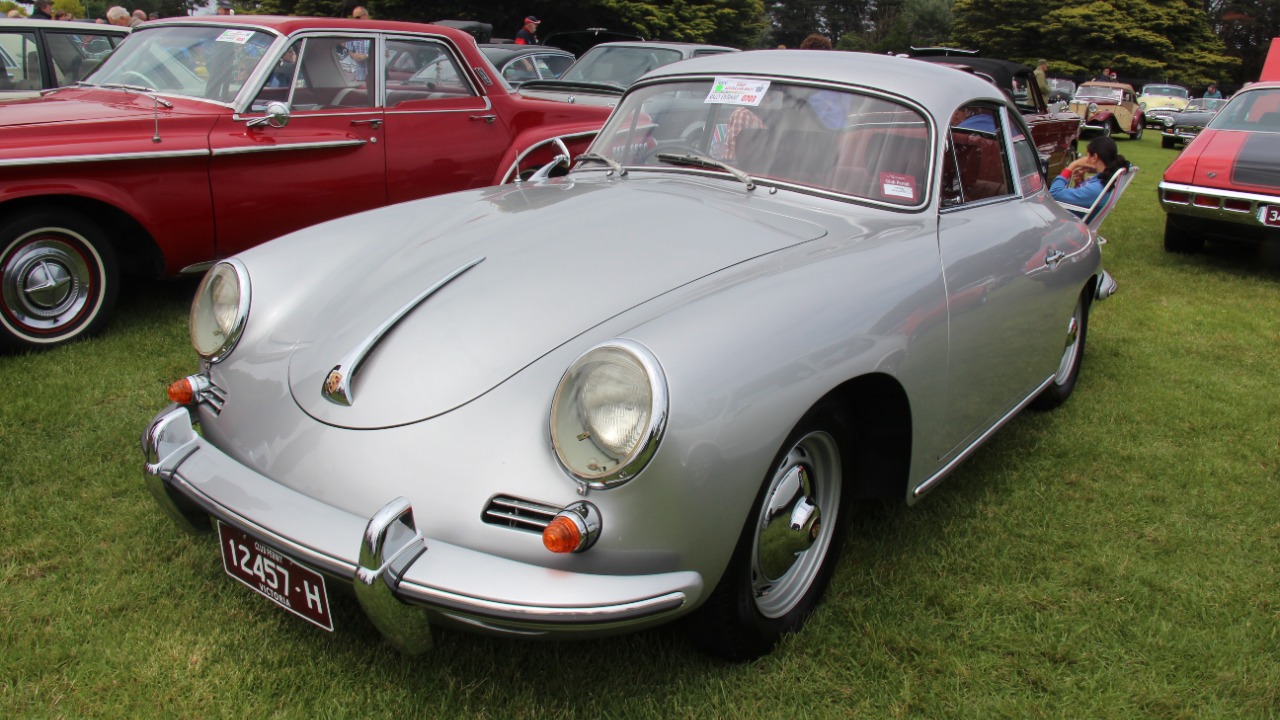
Porsche launched the 356 in 1948 with an air-cooled flat-four borrowed from the Volkswagen parts bin, and every 356 built through the final 356C kept that same cooling approach. The 356’s production history spans roughly seventeen years without a single water-cooled variant.
That continuity linked Porsche’s first production car directly to the air-cooled 911s that followed, establishing a cooling philosophy the company carried forward for decades before eventually switching to water-cooled engines.
9. Volkswagen Type 2: The Bus Inherited It Too
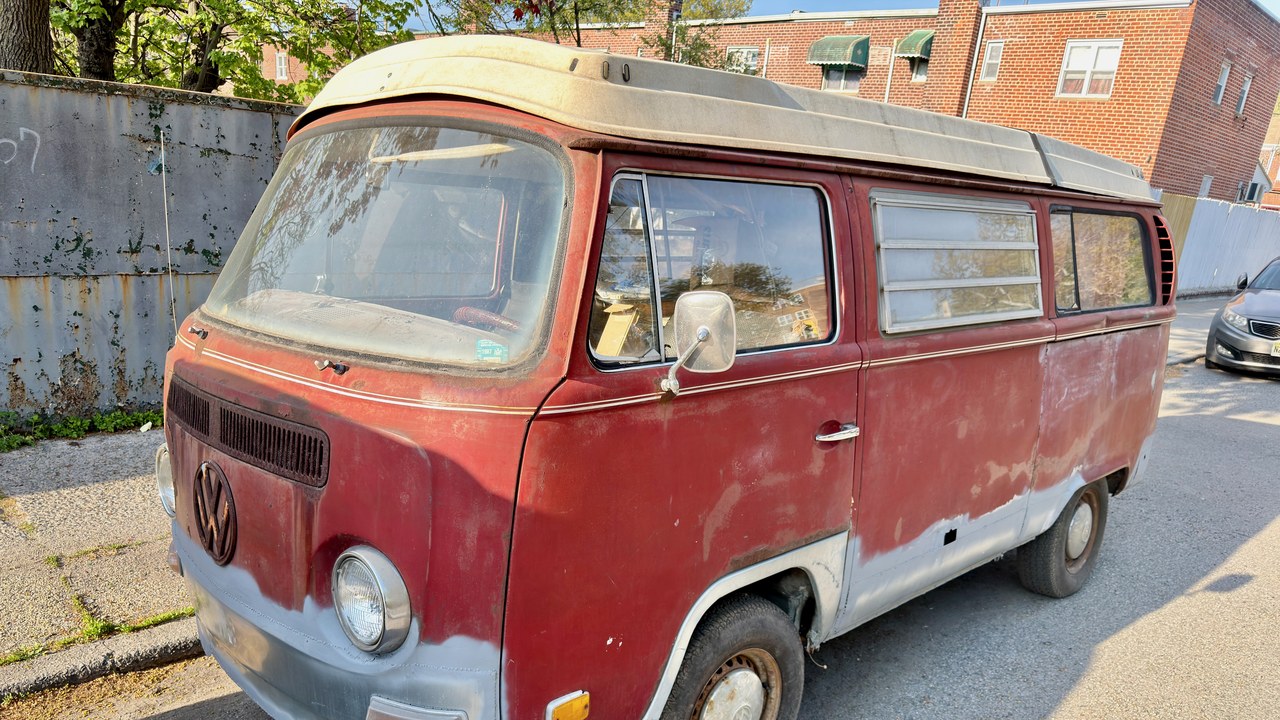
Volkswagen carried the Beetle’s air-cooled flat-four straight into the Type 2 van, mounting the engine behind the rear axle in the same basic layout. The Type 2’s design history traces that shared drivetrain across the model’s early generations.
Sharing an engine family with the Beetle simplified parts and repairs for owners who used the boxy van as a delivery vehicle, a camper, or family transport, all without a radiator to maintain.
10. Tatra 603: A V8 Hidden In The Tail
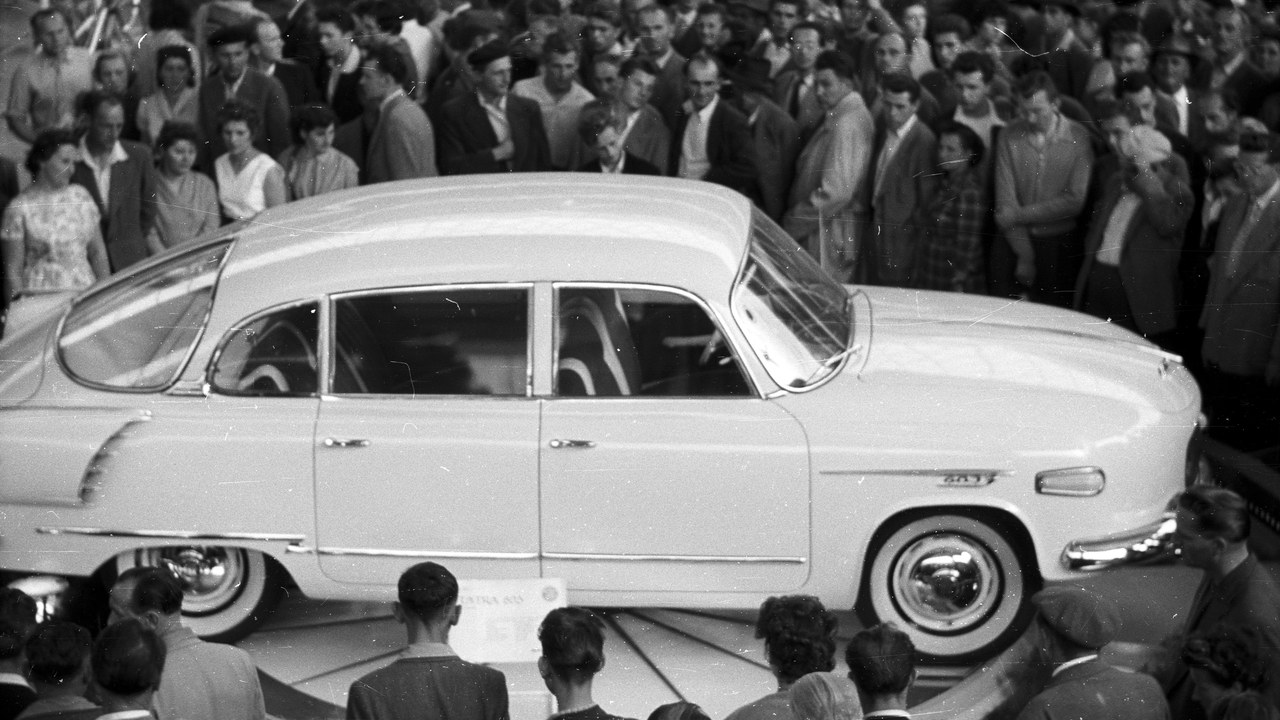
Tatra tucked a rear-mounted V8 into the 603’s fastback tail and cooled it entirely with air, an engineering signature the Czechoslovak automaker carried across multiple model generations. The 603’s technical history details how that layout stayed hidden behind smooth, aerodynamic bodywork.
Government officials and diplomats were the 603’s main audience, and its air-cooled V8 gave Tatra a distinctive engineering identity that separated it from ordinary Eastern Bloc sedans built around simpler engines.
11. Subaru 360: Subaru’s First Small Car
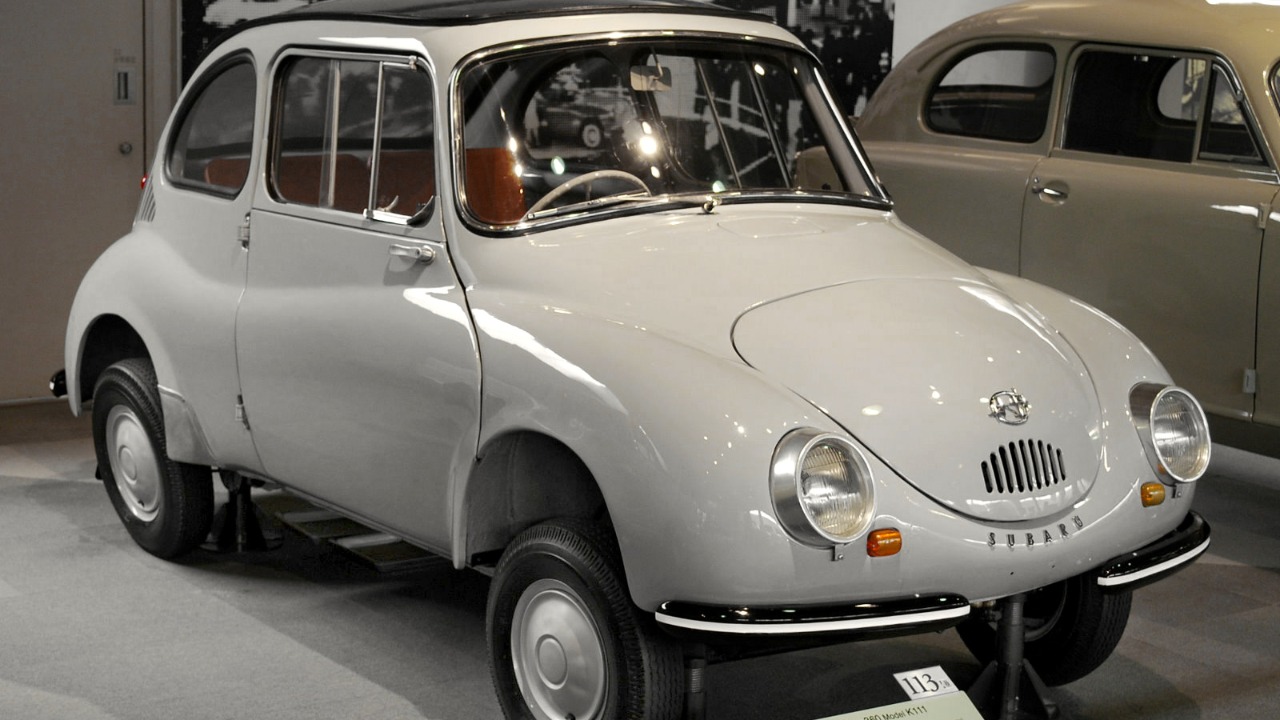
Subaru’s first production car, the 360, packed an air-cooled two-stroke twin behind the rear seats to keep the tiny economy car as light and simple as possible. The 360’s engineering record shows a car built around minimal weight from the very start.
That rear-engine, air-cooled formula let Subaru compete in Japan’s kei-car segment on cost and simplicity, launching the company into passenger cars before it moved on to larger, water-cooled models.
12. Fiat 500 (1957): Nuova And Air-Cooled
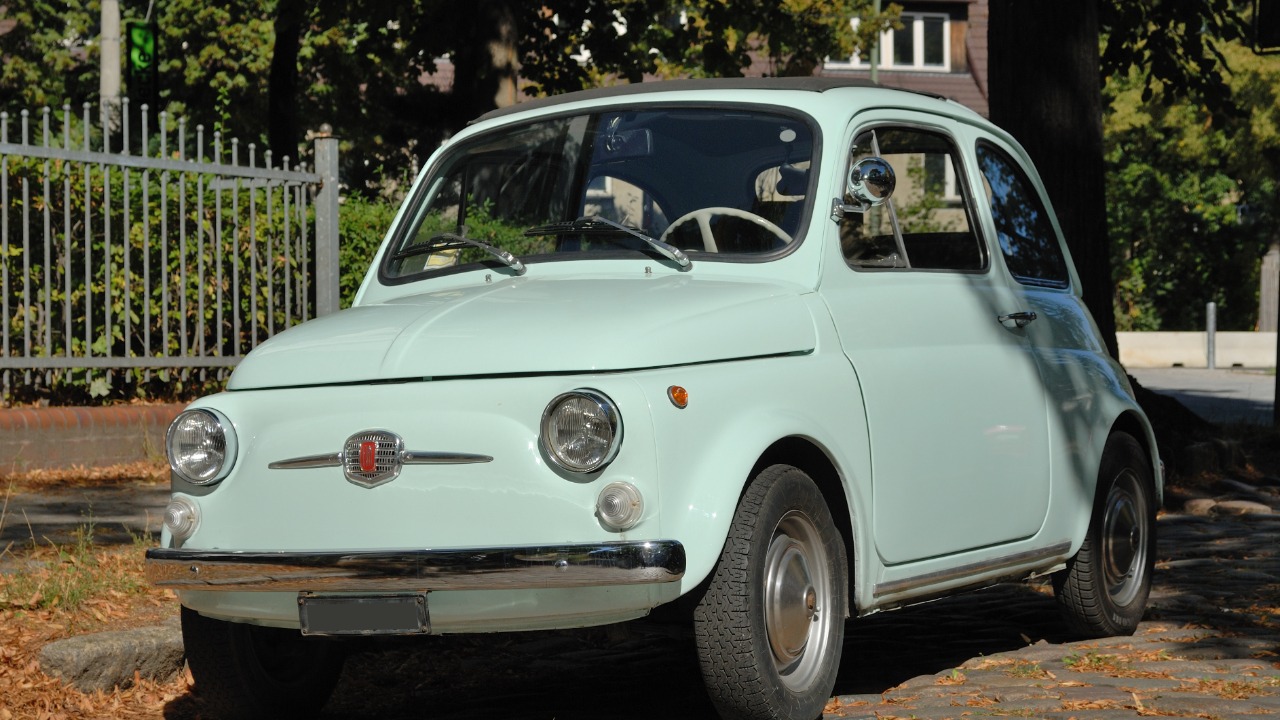
Fiat placed an air-cooled two-cylinder engine in the tail of the 1957 Nuova 500, eliminating the radiator entirely from one of Europe’s smallest postwar cars. The 500’s model history covers that rear-engine layout through the car’s original production run.
Fiat aimed the Nuova 500 at ordinary buyers who needed cheap, reliable transportation more than outright performance, and the simple air-cooled twin fit that mission by keeping maintenance and manufacturing costs low across the model’s long production run.
More from Morning Overview
- Card skimmers hidden on gas pumps are draining accounts, and there’s a quick way to spot them
- The NSA warns one messaging setting can clone your texts to a stranger
- Security experts still urge phone owners to switch off one location-tracking setting
- Automakers are quietly dropping the stop-start feature many drivers love to hate
