
Car regret rarely shows up on the showroom floor; it surfaces months later, in a repair bill, a trade-in quote, or a warning light that keeps returning. Owners describe the same disappointments across very different price points, from budget compacts to six-figure luxury models, when reliability, resale value, or running costs fall short of what the badge implied. Here are twelve cars owners say they most regret buying.
1. BMW i7: A Luxury EV That Sheds Value Fast
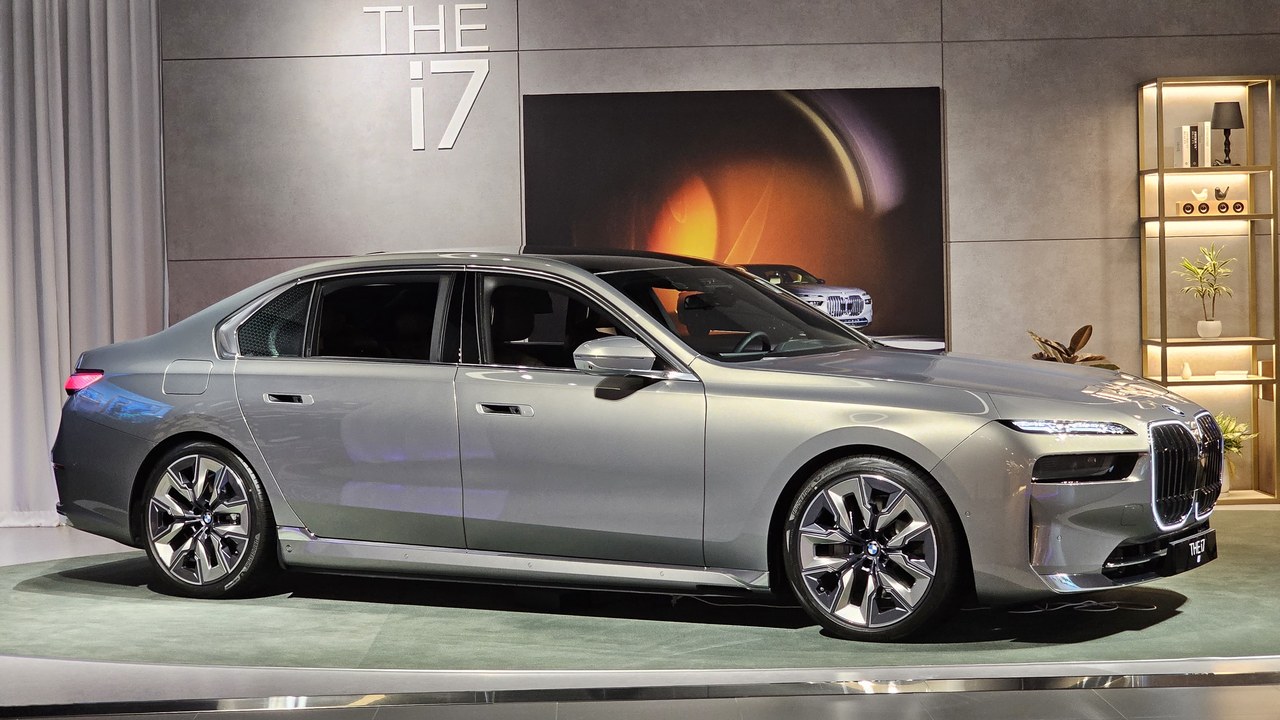
BMW’s flagship electric sedan built its reputation on cutting-edge cabin technology, but that same complexity is what owners cite most often when explaining their regret. A depreciation study tracking five-year-old vehicles found the i7 among the fastest to lose value, a steeper drop than gas-powered luxury sedans in the same price bracket.
For a car that can list near six figures new, that pace of value loss turns an already expensive purchase into a costly one to sell or trade in early. Owners also point to touchscreen-dependent controls and software glitches that make routine tasks feel more complicated than they should be in a car at this price point.
2. Nissan Leaf: Early EV Tech Shows Its Age
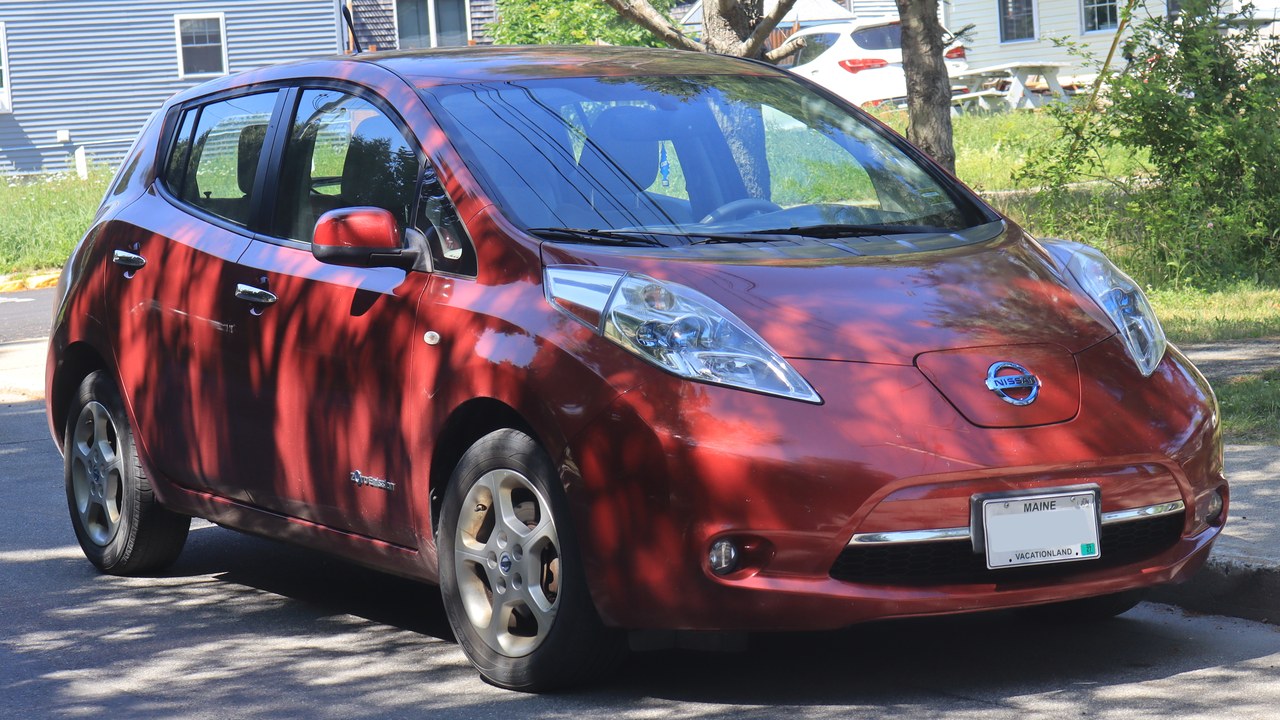
The Leaf was one of the first mass-market electric cars, so its early tech now works against it on the used market. The same depreciation research that flagged the i7 also lists the Leaf among the fastest-depreciating vehicles after five years, a pattern tied to its short range and an aging battery-cooling design.
Owners of higher-mileage Leafs frequently report noticeable range loss well before 100,000 miles, especially in hot climates where the lack of active thermal management accelerates wear. That combination of degraded range and weak resale value leaves many owners feeling the technology went outdated faster than a comparable gas car would have.
3. Chevrolet Equinox: A Transmission That Tests Patience
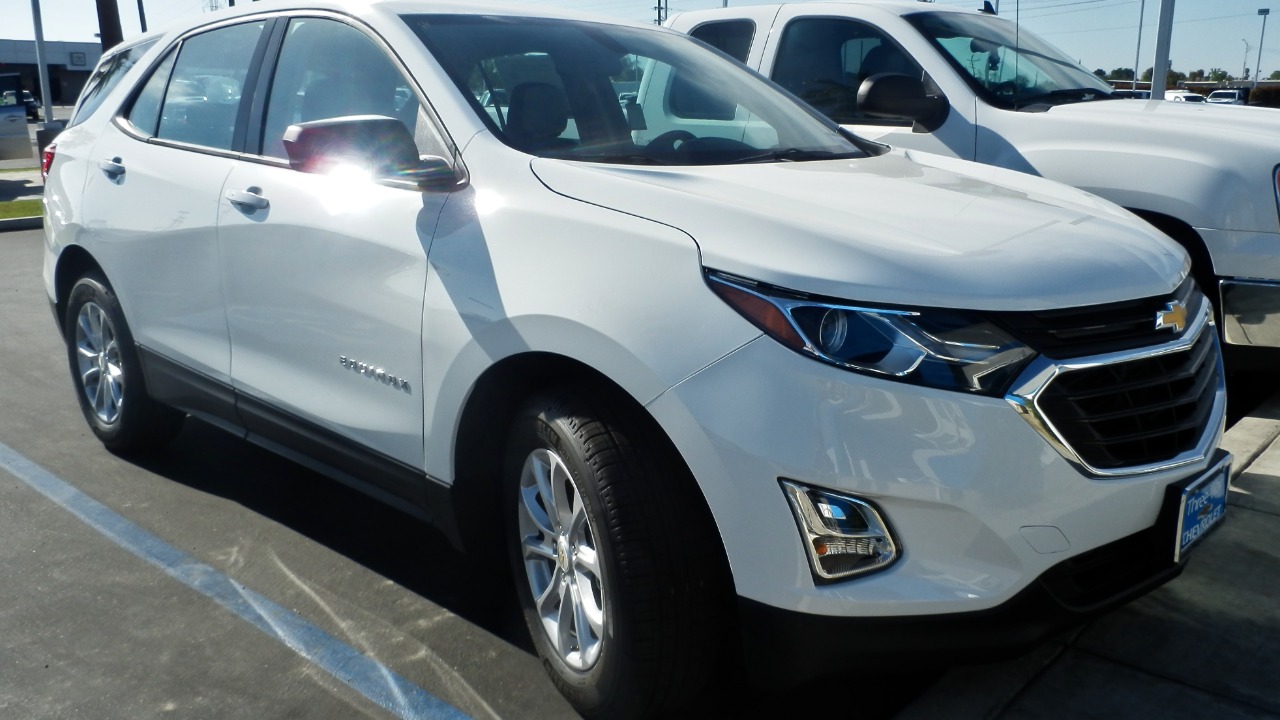
Sales volume ranks the Equinox among the best-selling compact SUVs in the country, but that popularity hasn’t shielded it from a reliability problem that keeps surfacing in owner complaints. Consumer Reports places the Equinox on its list of least reliable models, citing transmission trouble as a recurring source of repair visits.
Owners describe shuddering shifts, delayed engagement, and repeat trips to the dealership for a problem that isn’t always fixed on the first attempt. For buyers who chose the Equinox expecting Chevrolet’s mainstream reliability, a transmission that behaves unpredictably turns routine commuting into a source of frustration and unplanned repair costs.
4. GMC Acadia: Complaints Pile Up On A Family Hauler
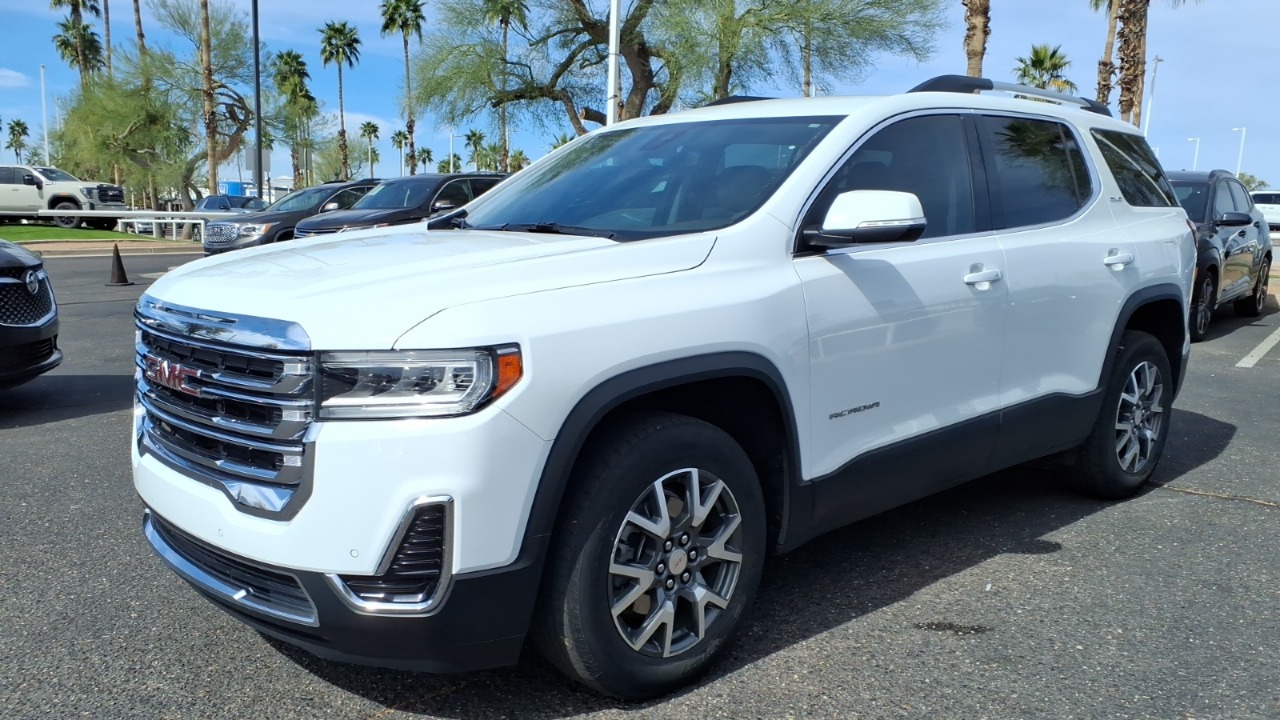
GMC markets the Acadia as a rugged, family-ready three-row SUV, but owner feedback tells a less flattering story. The same reliability ranking that flags the Equinox also places the Acadia among the least dependable models in its class, driven by recurring complaints across the powertrain and electronics.
Buyers who cross-shopped the Acadia against Toyota or Honda’s three-row offerings often report more frequent trips back to the shop than they expected for the price. That gap between the SUV’s rugged marketing and its real-world repair record is a common thread in owner regret, especially once the factory warranty runs out.
5. Mazda CX-90: A New Hybrid With Early Growing Pains
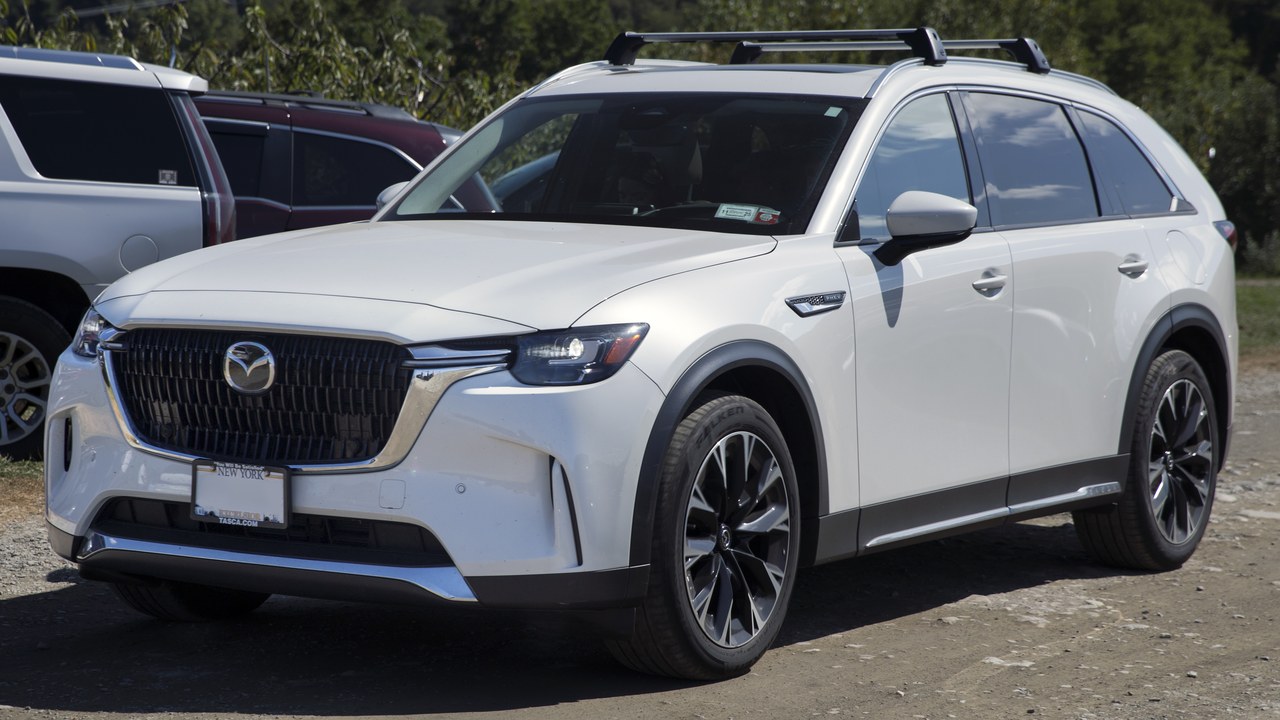
Mazda’s largest SUV introduced a plug-in hybrid powertrain meant to compete with more established three-row rivals, but the new system hasn’t matched that ambition in practice. Reliability data lists the CX-90 among its least dependable vehicles, with hybrid-specific components cited as a frequent source of complaints.
Because the plug-in hybrid variant is still relatively new to Mazda’s lineup, it lacks the long service history that helps buyers judge a powertrain’s true durability. Owners who bought early, expecting a smoother debut, instead describe dealing with a system still working through the kind of issues normally ironed out in earlier model years.
6. Jeep Compass: Underpowered And Overlooked
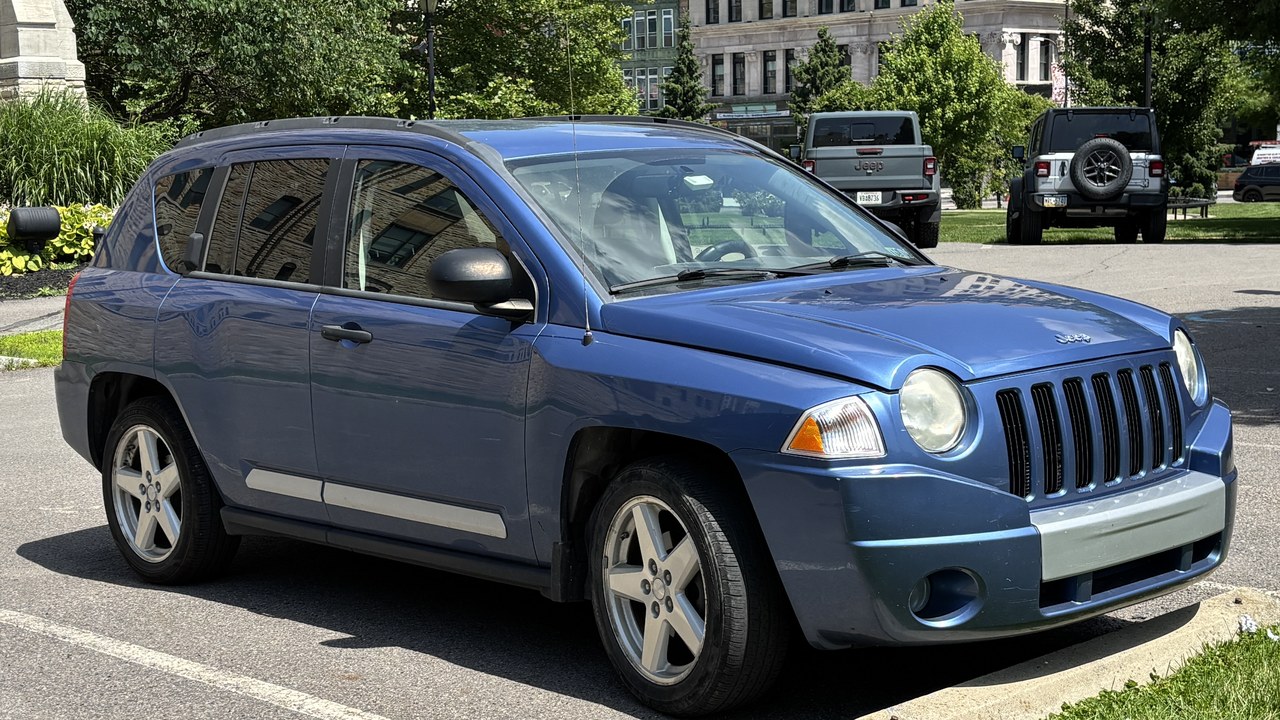
Jeep’s smallest SUV occupies the brand’s entry-level slot, and that budget positioning shows up in how it drives rather than in how it looks. Its production history spans multiple redesigns aimed at fixing early complaints about a weak four-cylinder engine and a cabin that feels behind newer compact SUV rivals.
Drivers who expected Jeep’s off-road reputation to carry over into its smallest model often come away disappointed by sluggish acceleration and an interior that lags competitors on materials and tech. For buyers shopping on brand name alone, the gap between the Compass and larger Jeep models is a common source of regret.
7. Fiat 500: Style That Outran Substance
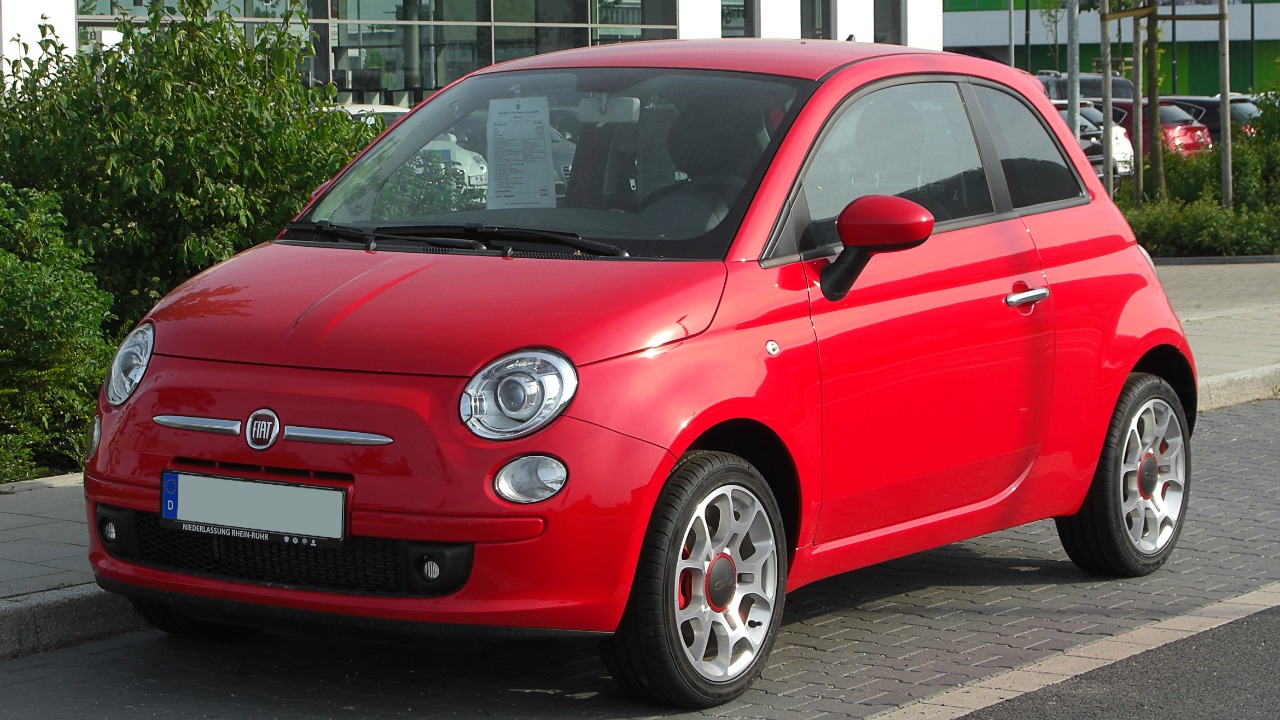
Retro styling and a low price were the pitch behind the reborn 500, aimed at buyers who wanted a distinctive city car rather than a mainstream compact. Its model history shows a run cut short in the US market, undermined by electrical gremlins and mechanical issues that surfaced well before other small cars of the same age.
Owners frequently report warning lights, minor electrical faults, and parts availability headaches once Fiat’s dealer network thinned out. What began as a charming alternative to a Honda Fit or Toyota Yaris often turned into a car that spent more time at the shop than its low purchase price seemed to promise.
8. Mitsubishi Mirage: The Tradeoffs Behind The Low Price
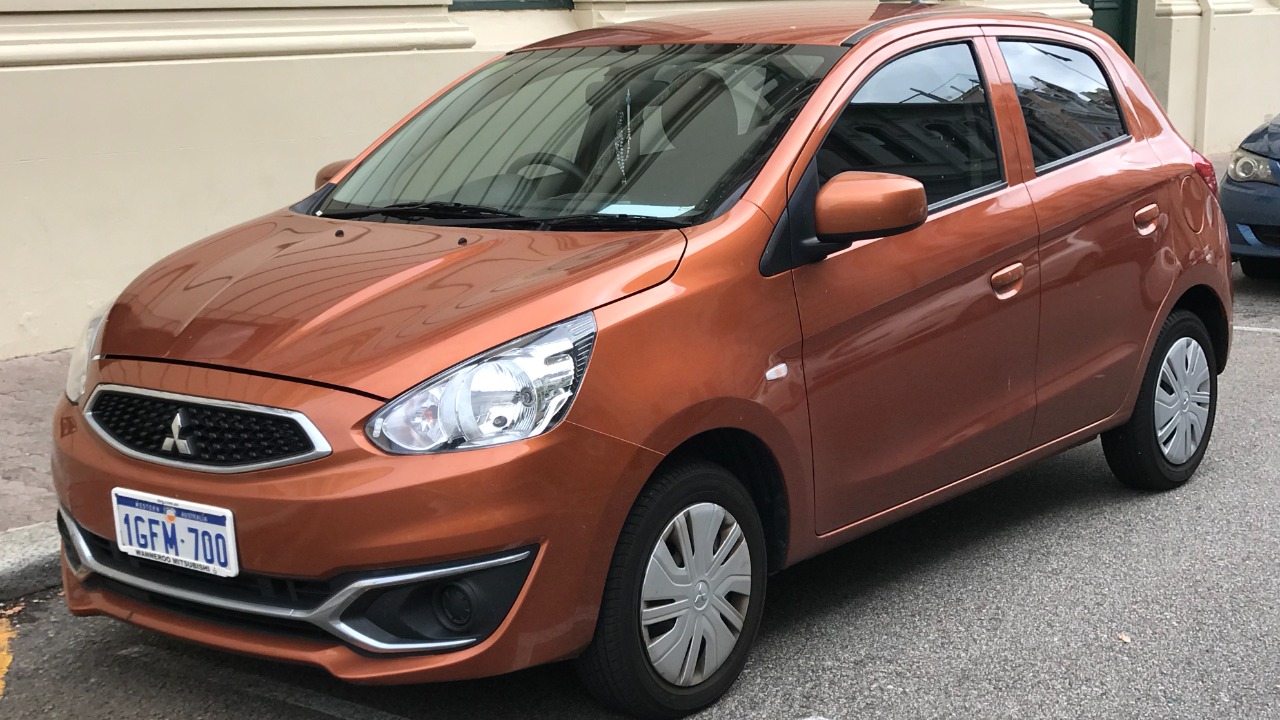
Few new cars sold in the US undercut the Mirage’s price tag, a pitch aimed squarely at buyers prioritizing cost over everything else. Its specifications reveal the tradeoffs behind that number: a small three-cylinder engine, minimal sound insulation, and a continuously variable transmission that struggles at highway speeds.
Buyers drawn in by the sticker price often find the driving experience harder to live with than expected, particularly on longer highway trips where the underpowered engine has to work hard just to keep pace. That gap between expectation and daily reality is the most common thread in Mirage owner regret.
9. Jaguar I-Pace: A Luxury EV Pioneer That Fell Behind

One of the first premium electric SUVs to challenge Tesla, the I-Pace earned early industry awards for its design when it launched. Its production record shows a shorter run than rival luxury EVs, a sign of how quickly newer competitors with longer range and stronger dealer support overtook Jaguar’s early entry.
Owners describe steep depreciation and a dealer service network less equipped to handle EV-specific repairs than competitors backed by larger manufacturers. For buyers who paid a luxury premium expecting Jaguar’s brand cachet to hold its value over time, the I-Pace’s resale numbers have been a hard adjustment to accept.
10. Maserati Ghibli: Prestige With A Painful Maintenance Bill
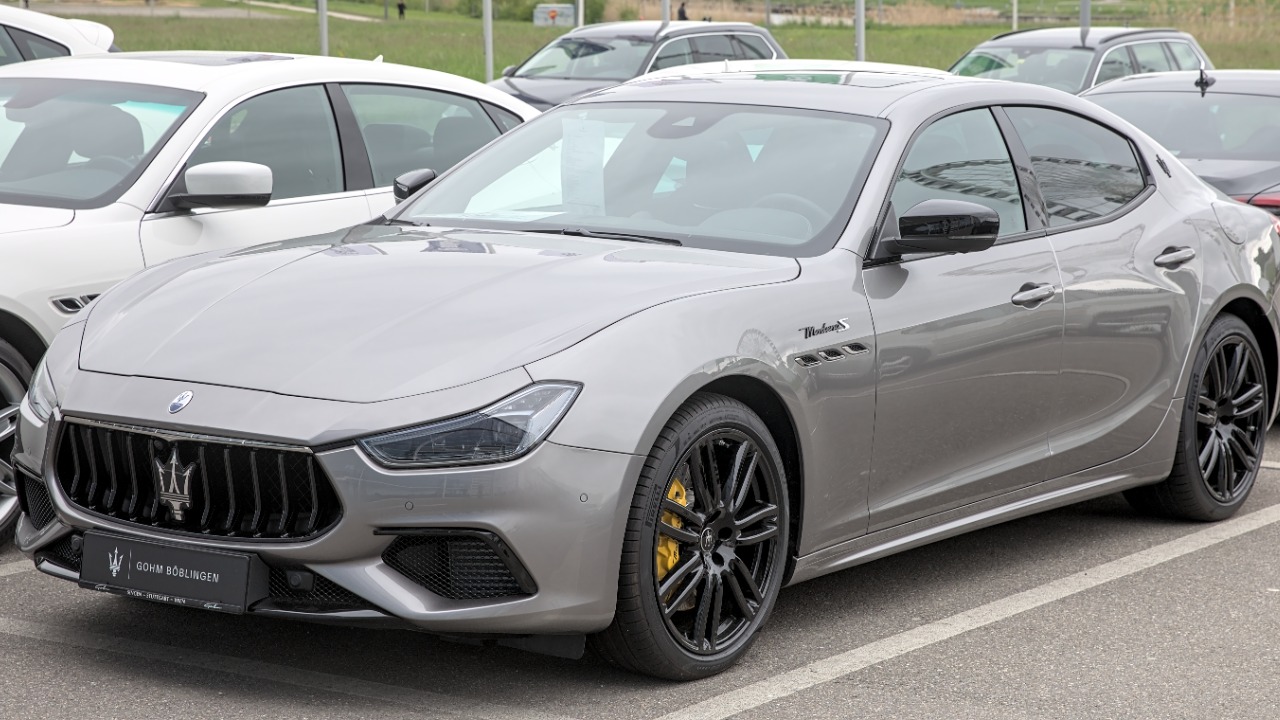
Italian styling and a Ferrari-derived engine note give the Ghibli a lower-priced route into Maserati’s lineup than its flagship models, drawing buyers stepping up from mainstream luxury brands. Its model history spans multiple generations built around that same exotic-on-a-budget positioning.
That lower purchase price doesn’t extend to ownership costs, where specialized parts, limited dealer networks, and labor-intensive maintenance push routine service well past what a Mercedes or BMW owner would expect to pay. Buyers drawn in by the badge often discover the real cost of exotic ownership only after the warranty ends.
11. Nissan Altima: A Transmission With A Troubled Reputation
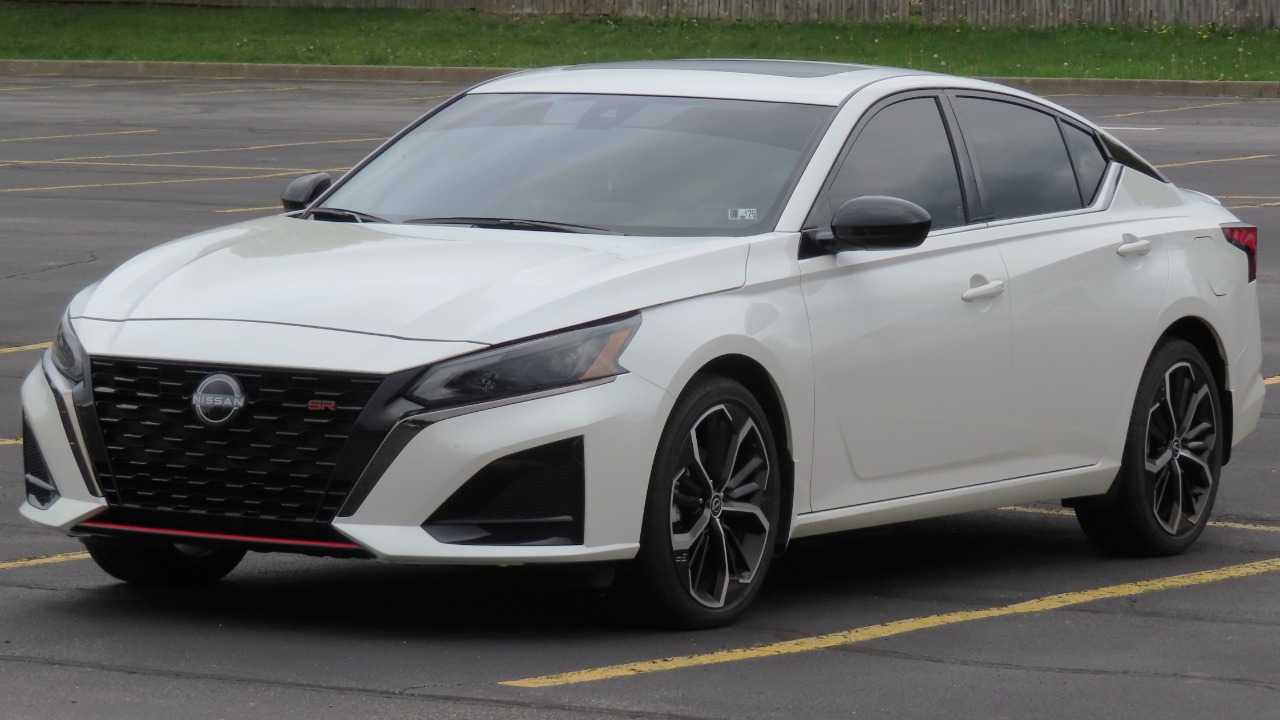
Multiple generations of the Altima have paired with a continuously variable transmission carrying one of the more troubled reputations in the mainstream sedan class. Its production history includes design revisions aimed at addressing shuddering and premature failure complaints that dogged earlier model years.
Owners of higher-mileage Altimas frequently report transmission replacement costs that rival a used car’s remaining value, a repair bill few expect from a mainstream Nissan sedan. That reputation follows the Altima on the used market, where shoppers who remember the complaints often steer toward a Camry or Accord instead.
12. Cadillac Escalade: Luxury Size Comes With Luxury Bills
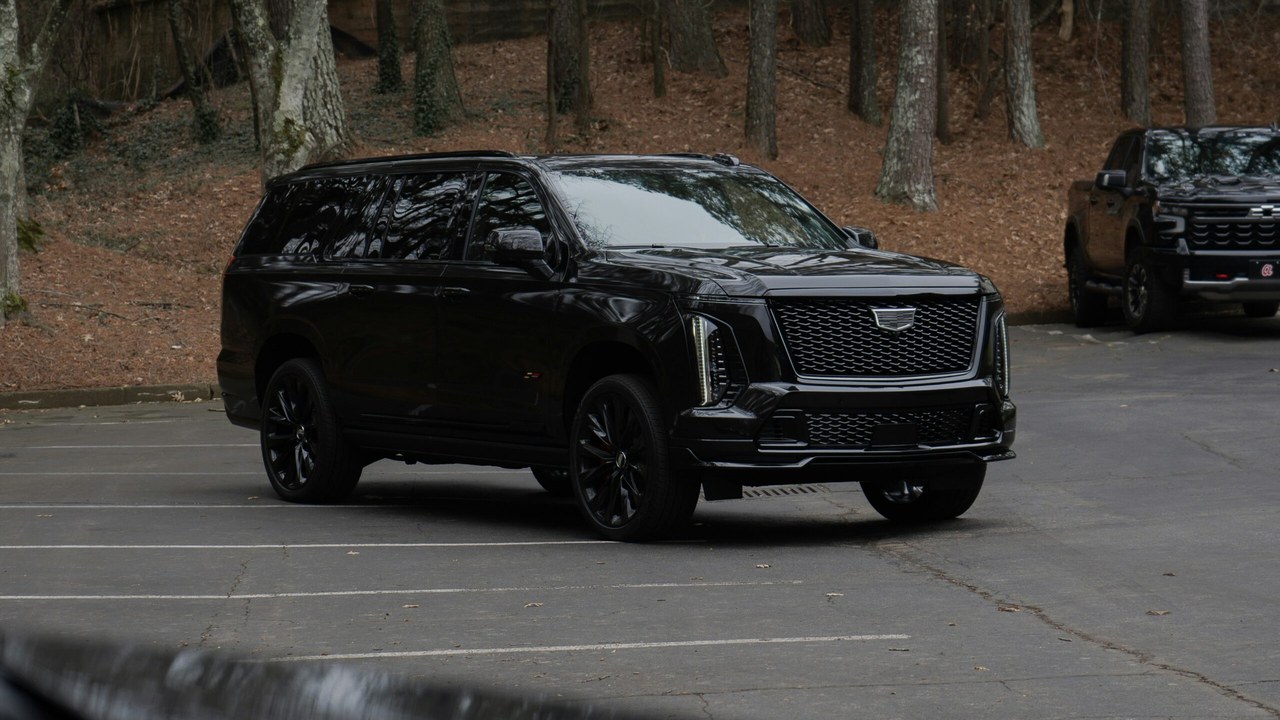
Three rows of American luxury built on a full-size truck platform give the Escalade a price tag to match its size. Its model lineage traces a decades-long climb upmarket that pushed the Escalade’s price well past the full-size SUVs it once competed against directly.
Beyond the purchase price, owners cite fuel costs, tire replacement, and premium-fuel requirements as ongoing expenses that catch first-time buyers off guard. For shoppers drawn in by the badge and the size, the total cost of keeping an Escalade on the road often runs higher than the sticker price implied.
More from Morning Overview
- Card skimmers hidden on gas pumps and ATMs are draining accounts, and here’s the tell
- The FBI says hackers are hijacking outdated home routers, and it named the models to check
- Older Teslas are wearing out in ways early owners never saw coming
- A common childhood virus is now tied to multiple sclerosis years later
