
Rabies is a viral disease carried by mammals that share space with people, from backyards to attics to roadside woods. Surveillance data and species profiles show which wildlife and pets turn up most often in American settings. Here are twelve animals that belong on any list of American rabies carriers.
1. Big brown bat: Attic Dweller
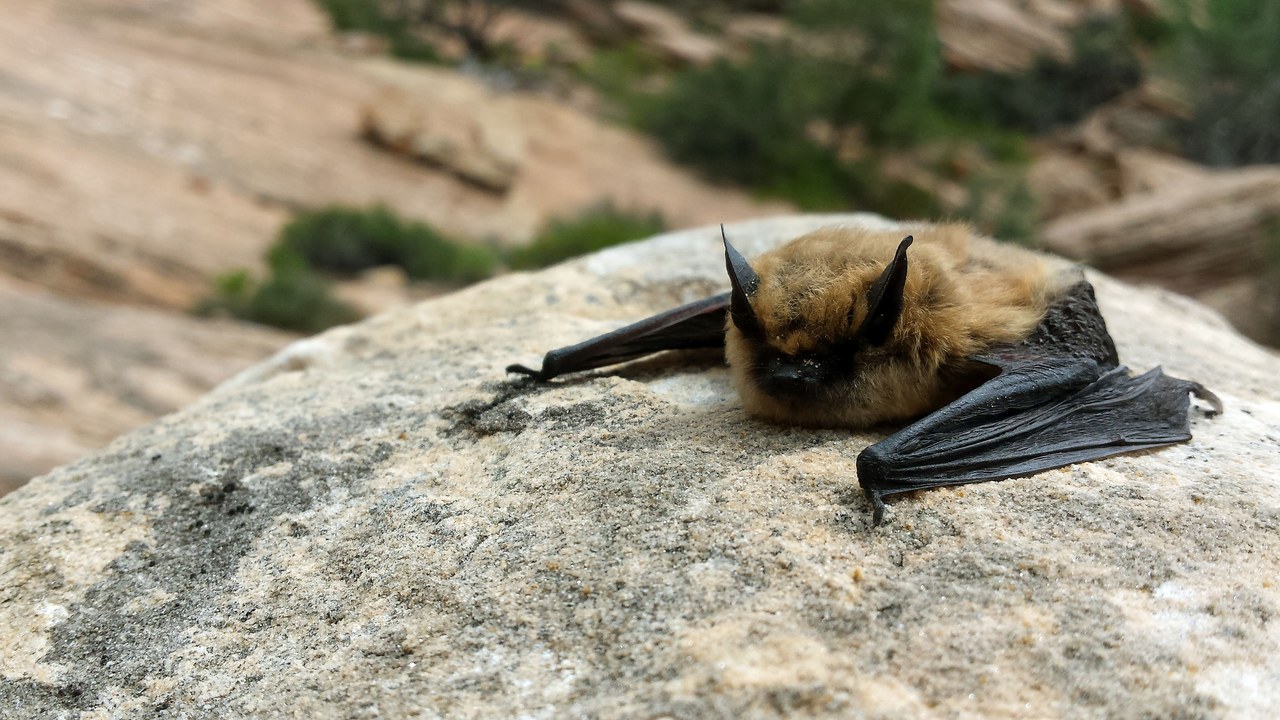
Bats were the most frequently reported rabid wildlife species in CDC rabies surveillance, ranking ahead of raccoons, skunks and foxes. The big brown bat is the species most often found roosting in American attics and barns.
That roosting habit puts the animal close to homes. The surveillance statement covers bats as a group, so it does not single out the big brown bat or put a number on how many of its members carry the virus.
2. Raccoon: Second on the List
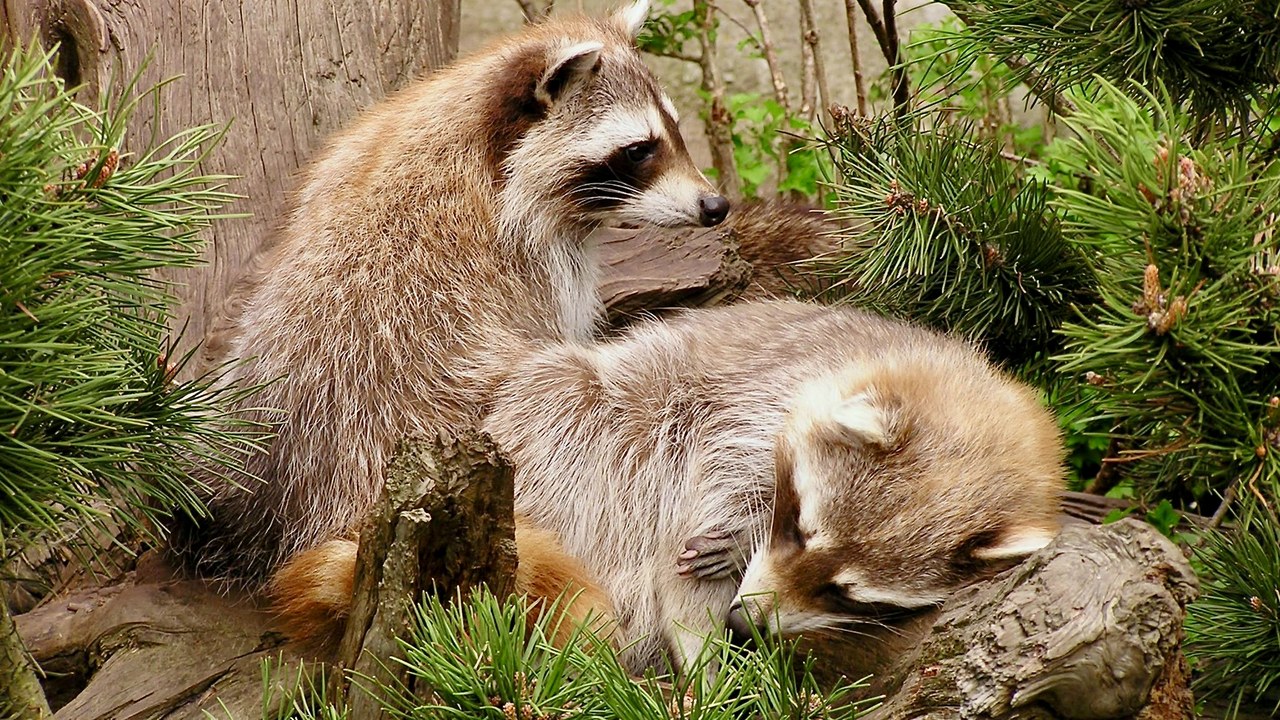
The CDC surveillance page ranks raccoons immediately behind bats among the wild animals reported rabid in the United States. That standing helps explain why raccoons sit at the centre of oral vaccine baiting along the East Coast.
The ranking describes reported cases among wildlife, not the chance that any single raccoon is infected. Vaccine baiting exists because the species is a recognised carrier in the region. Reported counts reflect which animals are tested and submitted, so they describe surveillance records and nothing more.
3. Striped skunk: Porch Denner
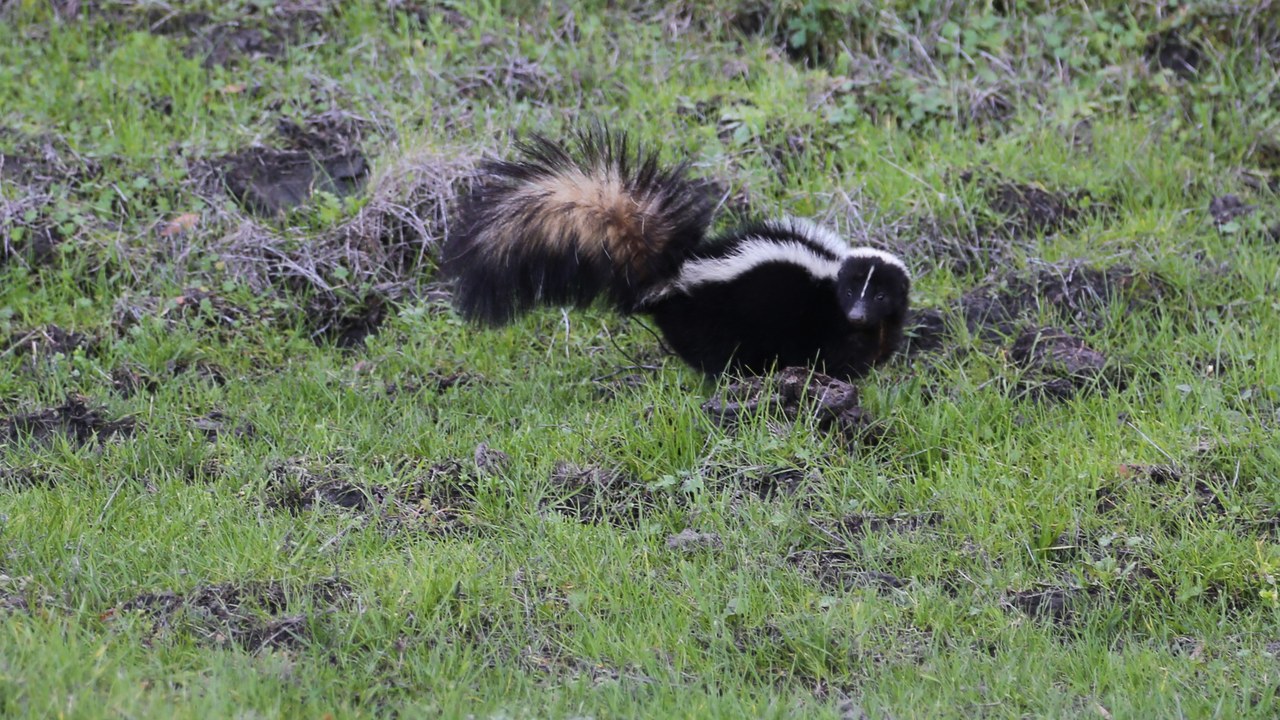
Skunks follow bats and raccoons in the CDC ranking of wild species reported rabid most often. They den under porches and sheds, in exactly the places where people and dogs walk.
The ranking is a statement about reported cases across the country. It carries no figure for how likely a particular skunk is to be infected, and the denning habit simply explains why encounters happen near homes. The ranking is best read as a record of what has been reported, not a forecast.
4. Cat: Pets Count Too
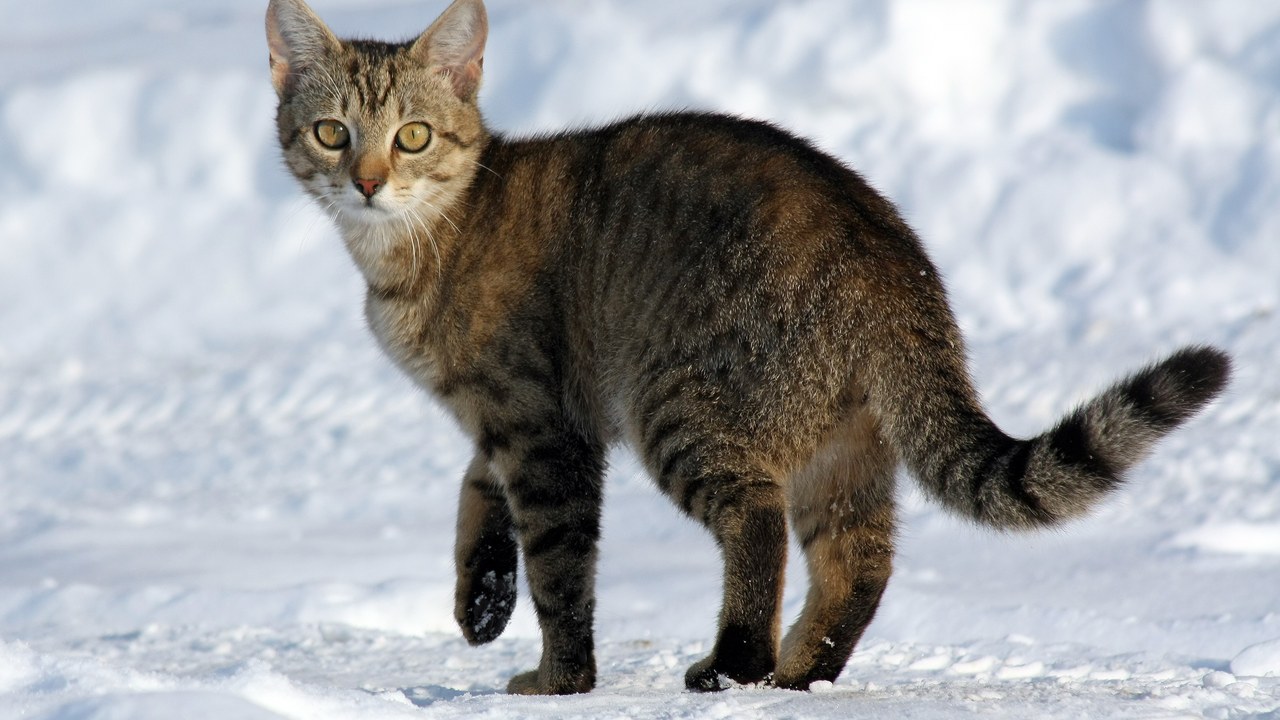
Pets are not exempt from the disease, and CDC reported cases show cats falling from 276 to 241 between 2017 and 2018. That was more than any other domestic animal in the same count.
The drop is a decline in reported rabid cats rather than a sign the problem has gone away. The comparison is limited to domestic animals, so it says nothing about how cats compare with bats or raccoons.
5. Red fox: Widest Range
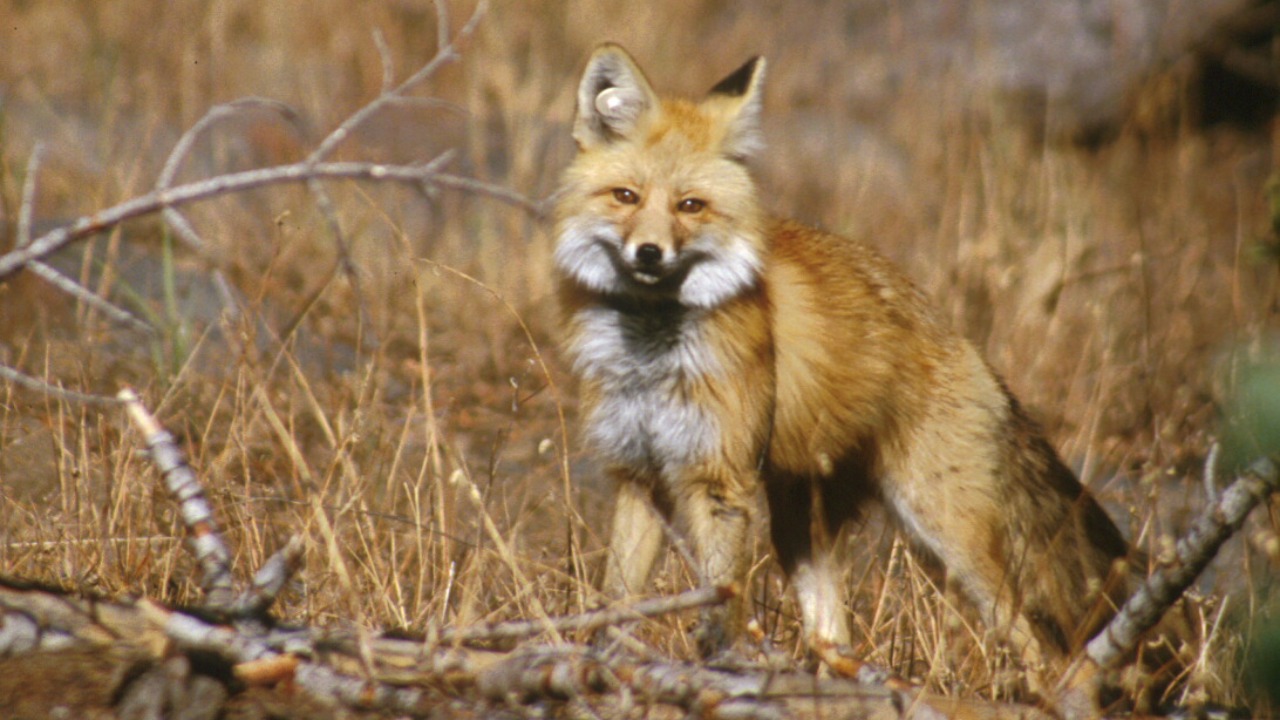
Foxes round out the four wild groups CDC names, and the red fox is the most widely distributed wild carnivore on earth. It is present across nearly all of the contiguous United States.
That reach means the species overlaps with people in many regions. The cited profile describes distribution rather than rabies statistics, so it gives no basis for stating how common infection is in red foxes. The CDC mention of foxes as a wild group is the only rabies link made here.
6. Gray fox: Tree-Climbing Canid
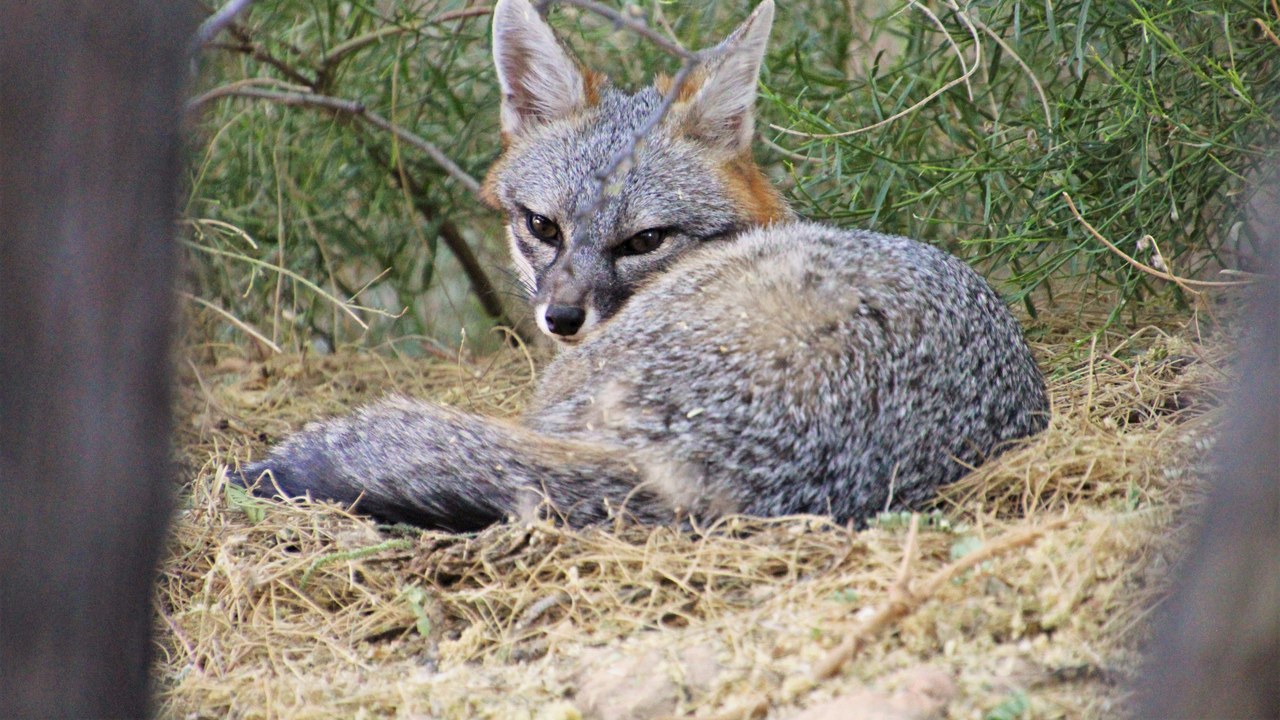
The gray fox is the only American canid that routinely climbs trees. It ranges through the eastern states and the Southwest, including suburban woodlots and greenbelts.
Suburban habitat is the detail that matters for a rabies list, since it brings the animal near yards and trails. The source speaks to range and behavior only, and no rabies rate for the species is given. Its inclusion rests on the headline’s premise that the animal can carry rabies.
7. Coyote: Tolerant of Towns
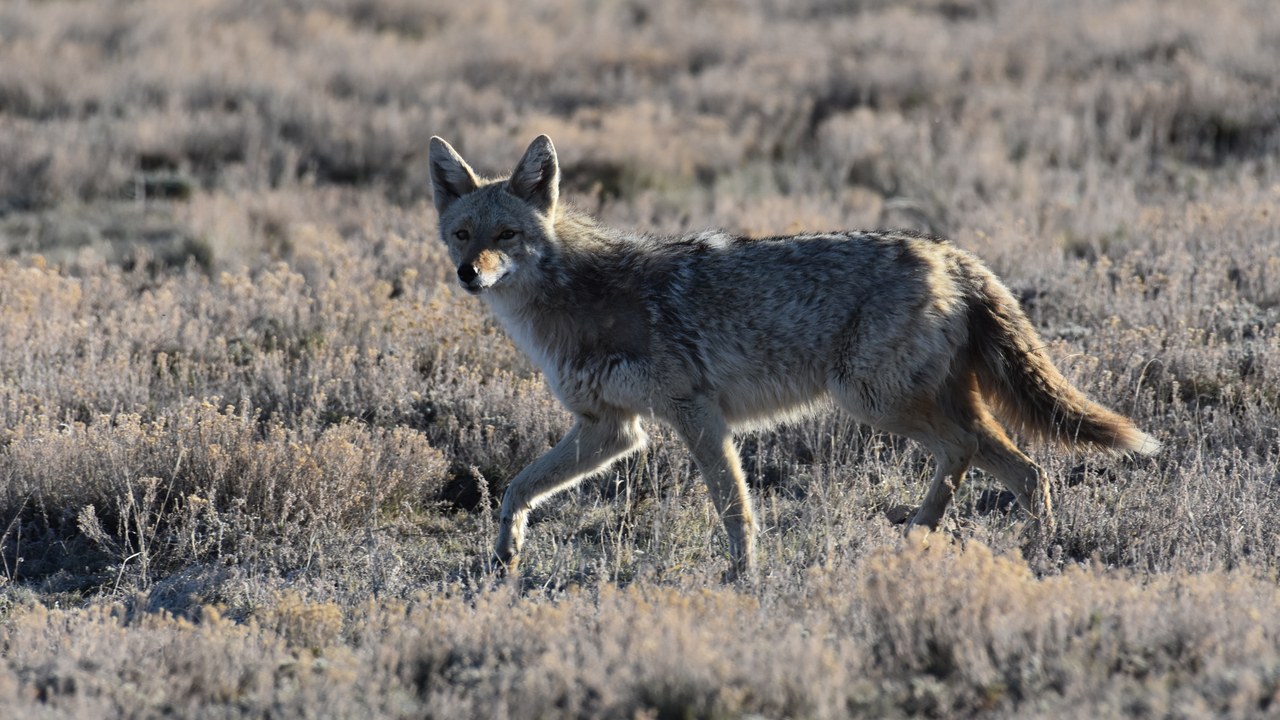
Animal Diversity Web, run by the University of Michigan, records a coyote range reaching from Panama to Alaska. Because coyotes tolerate human activity, they also occur in suburban, agricultural and urban settings.
The account establishes how widely the species lives alongside people. It is silent on rabies frequency, so the coyote’s place in this gallery reflects its status as a mammal that can carry the virus, not a stated level of risk.
8. Bobcat: Edge of Town Cat
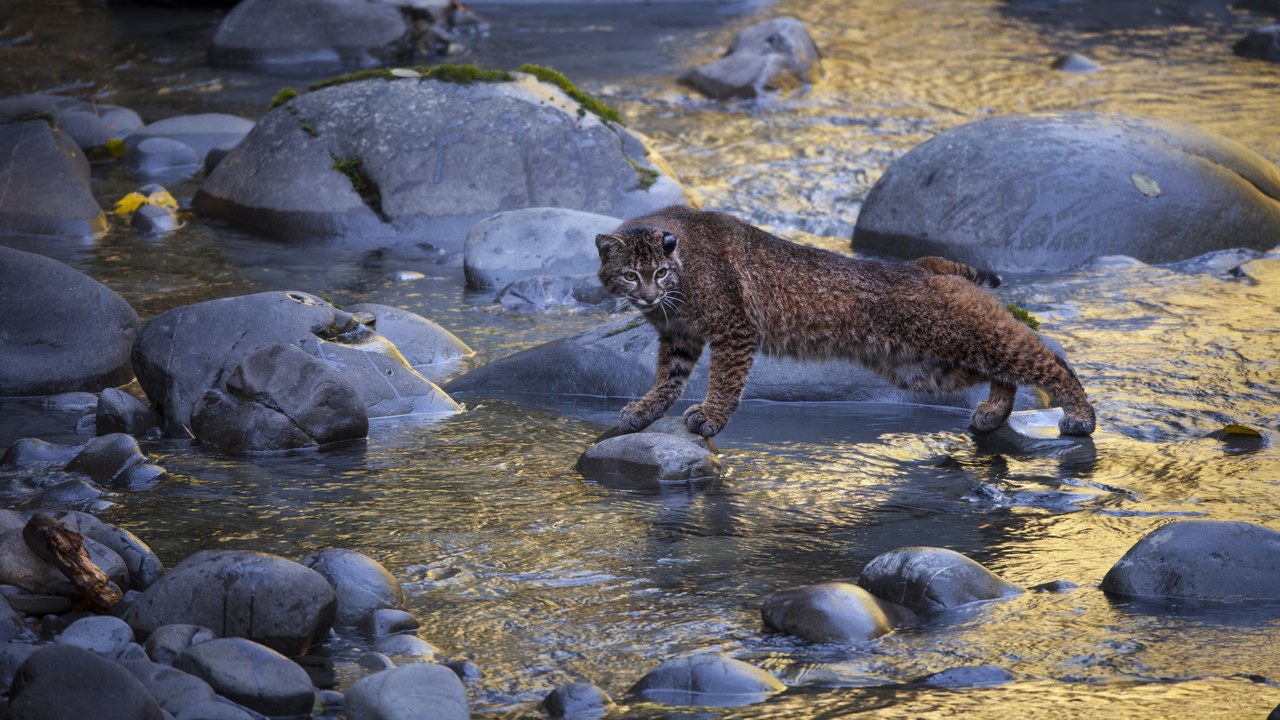
The bobcat is a mid-sized wild cat found across most of the contiguous United States, including the developed edges of towns. It is the wild feline people are most likely to meet.
Meeting a bobcat remains uncommon in practice, since the animal is secretive. The cited entry covers range and habitat and offers no rabies figures, so nothing here suggests how often the species is infected. Any claim about risk would need a source beyond the entry cited.
9. Groundhog: Under the Deck
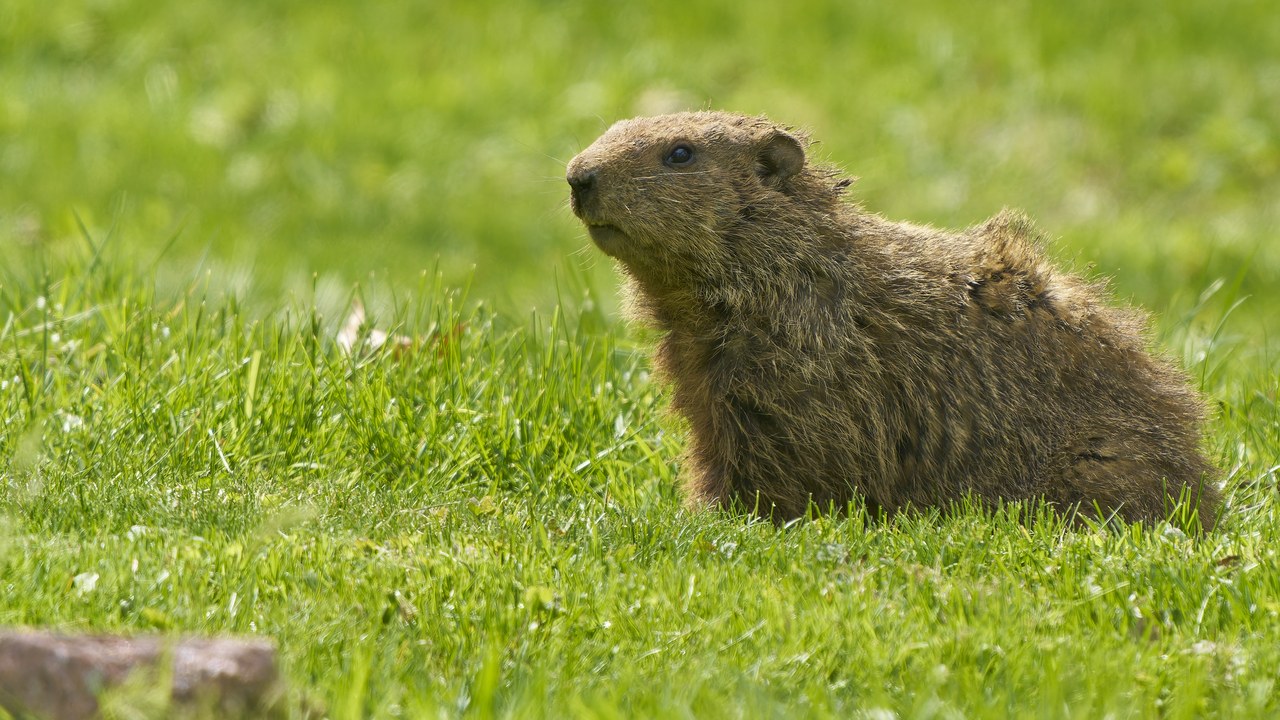
The groundhog is a heavy burrowing rodent of the eastern United States. It digs dens under decks, sheds and barn foundations, which puts it in biting range of pets and children.
The danger described is proximity, because the den sits beside places where household animals roam. The source does not supply a rabies rate for groundhogs, so no claim about how often they carry the virus follows from it. The entry is cited for habitat alone.
10. Mexican free-tailed bat: Colony in a Culvert
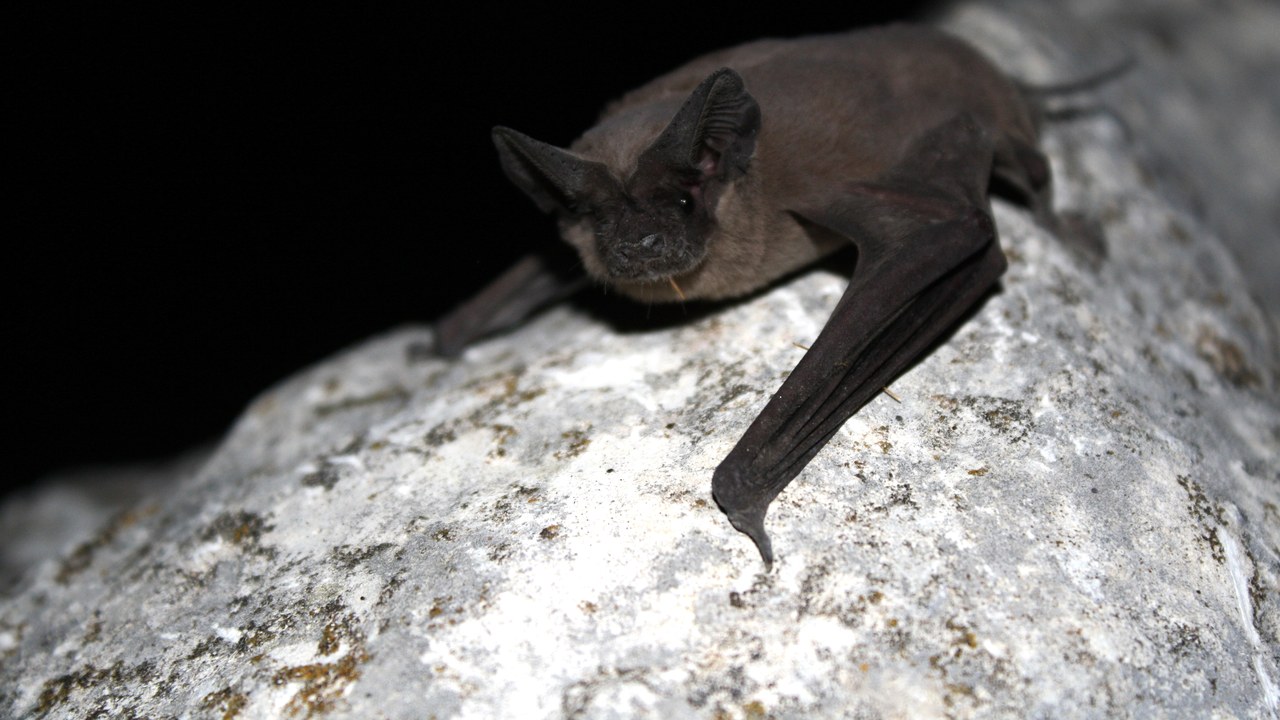
The Mexican free-tailed bat forms enormous colonies in bridges, culverts and buildings across the Southwest. A single roost can put millions of bats inside a human structure.
Sheer numbers under a bridge or roof make this species a frequent neighbor in the region. The cited profile describes roosting habits rather than rabies data, so it supports no statement about infection levels. Colony size is a fact about roosting, and it should not be read as a rabies rate.
11. Small Indian mongoose: Island Predator
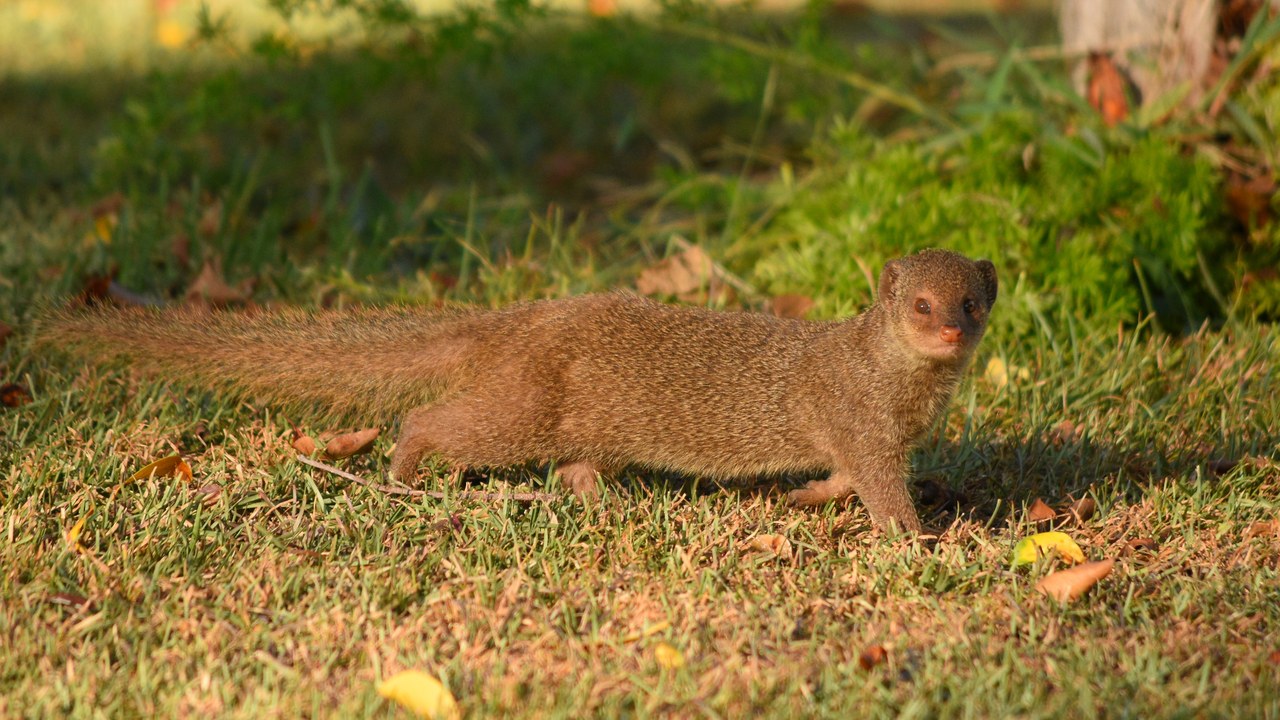
The small Indian mongoose was introduced to Puerto Rico and the US Virgin Islands and is now established in the wild there. It is the carnivore islanders encounter instead of a fox or raccoon.
The mongoose shows that the list is not limited to the mainland. The source covers introduction and range, with no rabies statistics attached, so the extent of infection in the species is not stated here. Its presence on the islands is the only point the source establishes.
12. Hoary bat: Tree Roosting Traveler
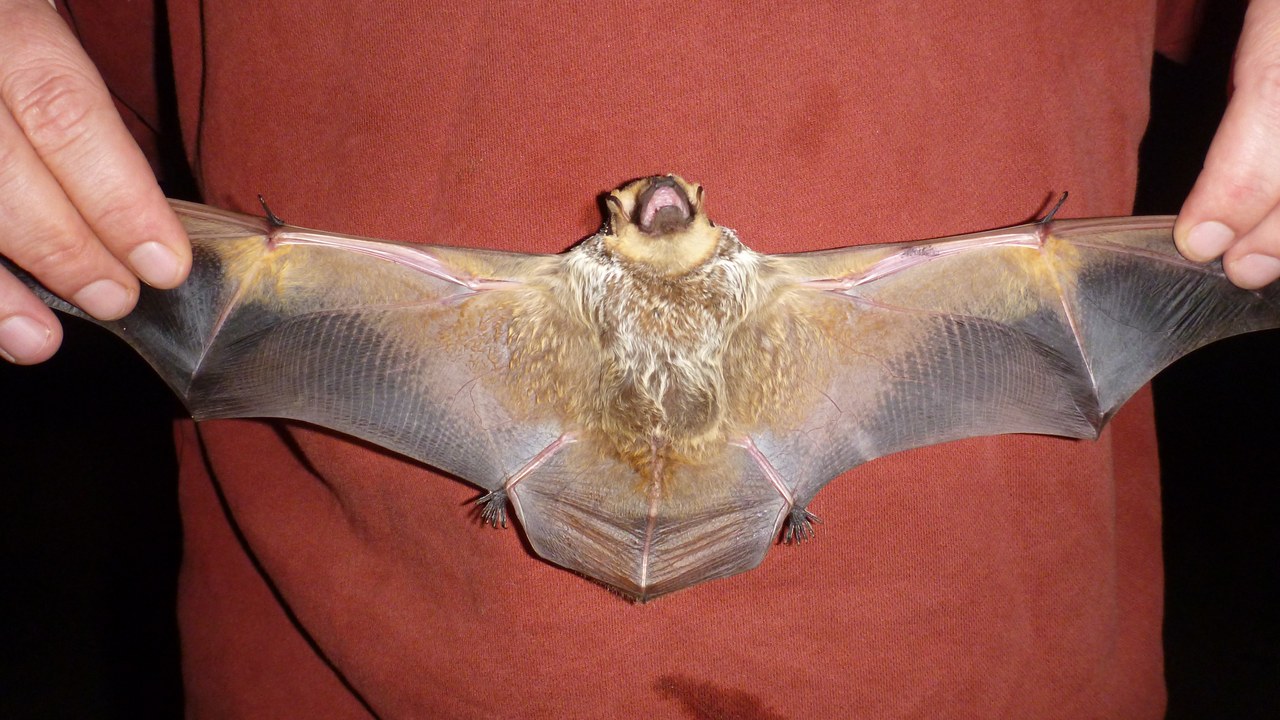
The hoary bat is a large migratory bat recorded in every contiguous state. It roosts in trees rather than caves, and so turns up in yards, orchards and parks.
Its tree roosts bring it nearer to ordinary outdoor spaces than cave-dwelling bats. The profile cited deals with range and roosting, and it gives no rabies figure for the species. Roosting in trees is a habit, not a measure of how often the animal is infected.
More from Morning Overview
- Tropical Storm Rachel is dumping up to 12 inches on four Mexican states on its way to major hurricane strength
- The NSA is again telling phone owners to switch off one location setting
- Card skimmers hidden on gas pumps and ATMs are draining accounts, and here’s the tell
- Hurricane Hunter radar shows four warning signs that a tropical cyclone is about to strengthen, a University of Miami study found
