
Most dog owners picture a fence as the edge of a safe space. The reality is that wildlife shares many yards, ponds and trails with pets, and some of it is dangerous. Here are eleven predators and poisoners that are documented as a danger to dogs.
1. Coyote: Dawn And Dusk Hunter
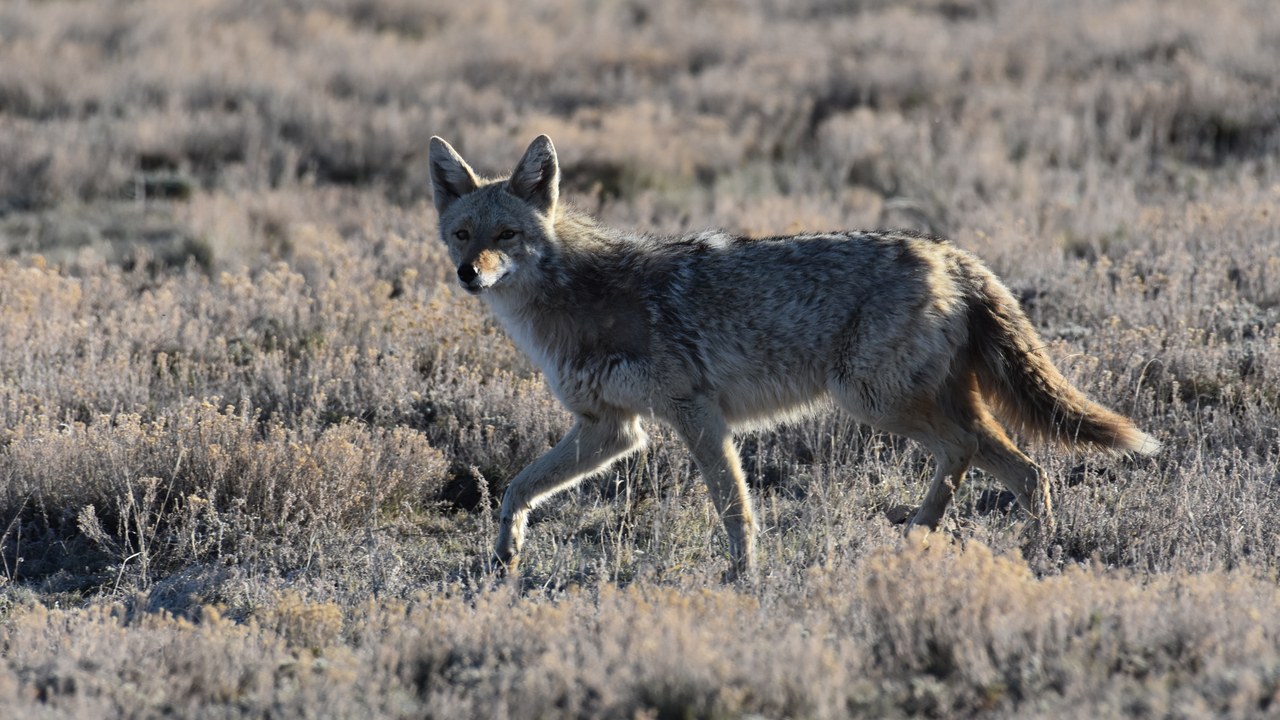
Among wild animals, the coyote is the suburban-adapted canid behind most reported attacks on pets in American neighbourhoods. The species hunts the same yards at dawn and dusk that dogs are let out into, having adapted well to life beside people.
That overlap in timing and territory is the whole story here. Small dogs left unattended in an unfenced yard at twilight sit squarely inside what a hunting coyote treats as ordinary ground, which is why the hours matter as much as the animal.
2. Bobcat: Edge Of Town Cat
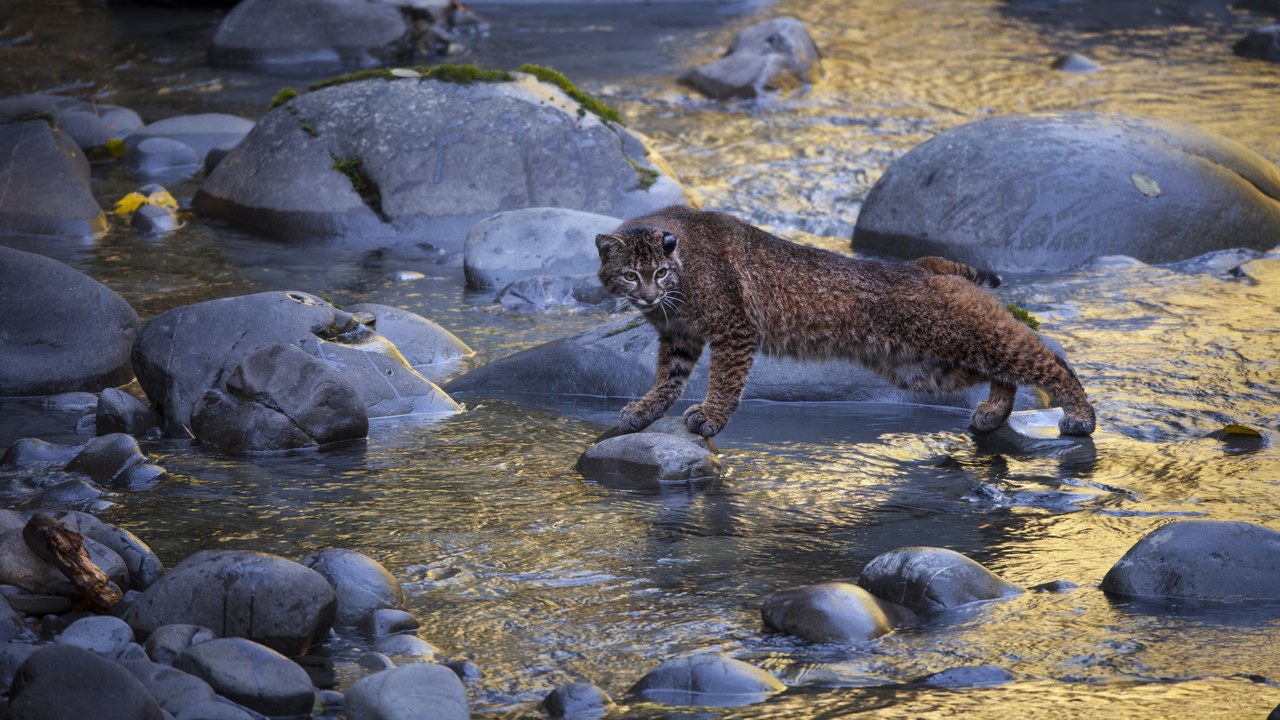
The bobcat is a wild cat big enough to take a small dog, and the species is comfortable on the developed edges of towns across most of the lower 48. Its range overlaps heavily with suburban lots that back onto brush or woods.
Size is the limiting factor in the account. A bobcat is a threat mainly to small breeds, not to large dogs, but the cat’s ease around houses means that small pets near wooded boundaries share territory with a capable ambush hunter.
3. Cougar: Foothill Visitor
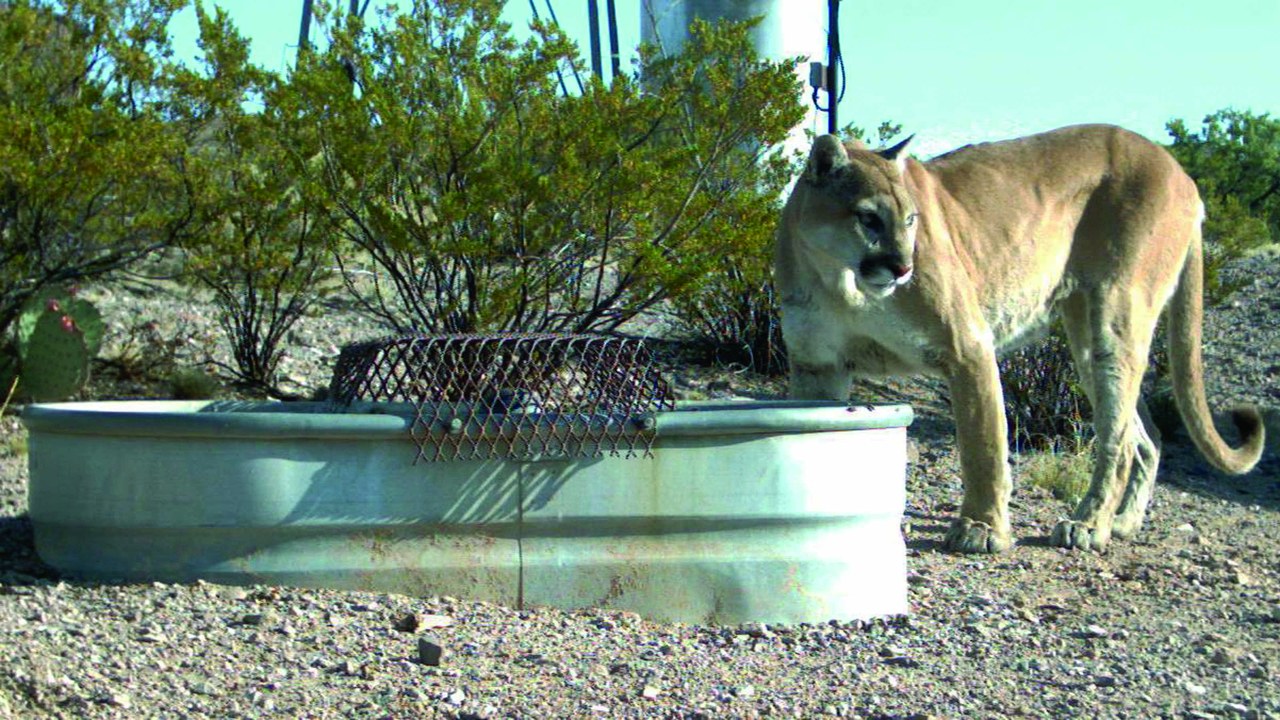
Western mountain lions are documented preying on domestic animals, dogs included, on properties that back onto foothills and canyons. The cougar is the largest of the wild cats found in these residential fringes.
The caveat is geography. Such incidents cluster where homes meet steep, wild country in the West, so the risk described applies to those edges and not to every neighbourhood. Dogs on properties beside canyons are the ones within reach.
4. American black bear: Lured By Food
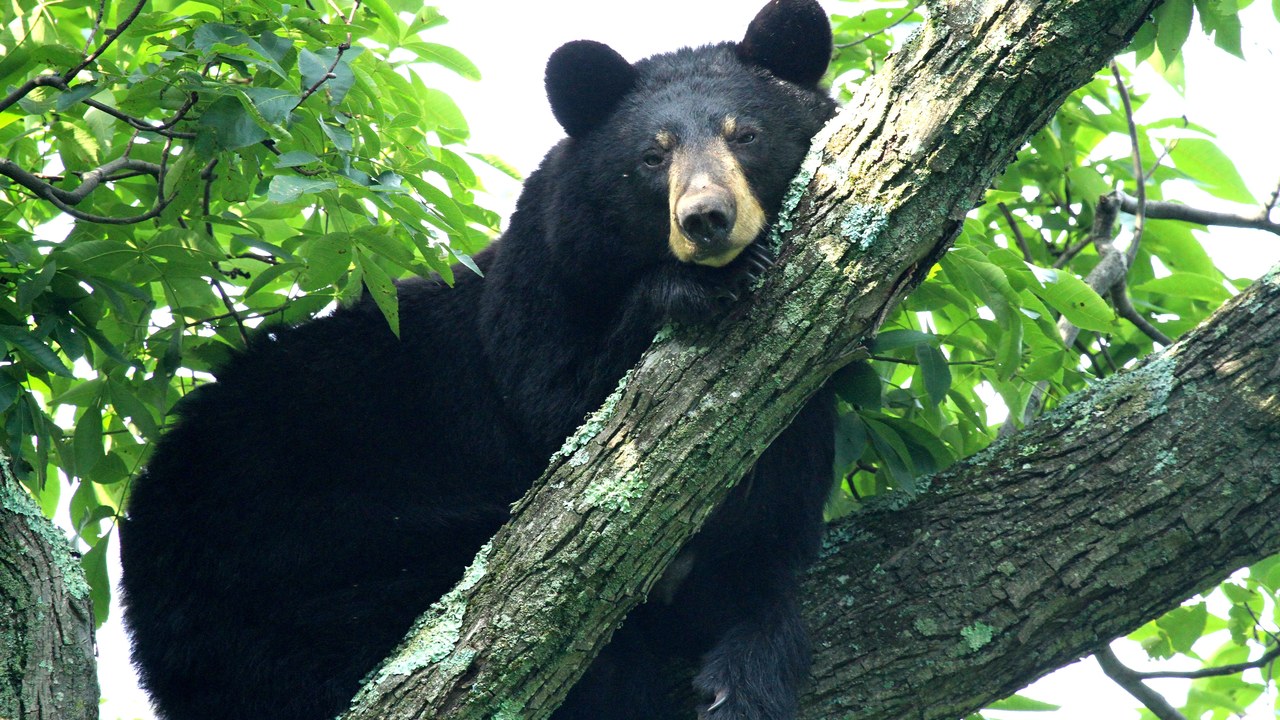
The National Park Service’s black bear material is blunt about the draw: food, garbage and feeders around homes pull bears into yards. That, in turn, is where a dog meets one, usually on the animal’s way to an easy meal.
The agency’s framing puts the cause on attractants rather than on aggression. Secured trash and removed feeders take away the reason a bear enters a yard, and with it the setting in which a dog and a large bear end up face to face.
5. American alligator: Water’s Edge Reptile
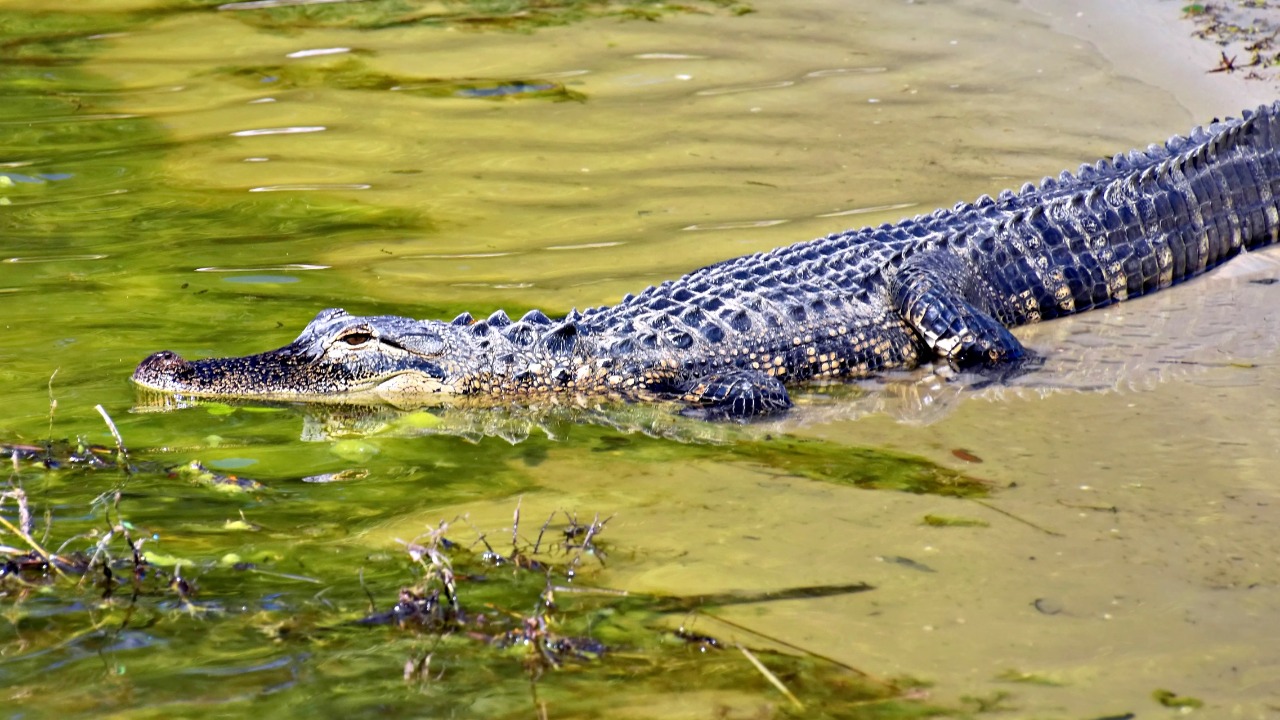
The US Fish and Wildlife Service species profile places alligators in fresh and brackish water across the Southeast. These are the ponds, canals and golf-course lakes beside which dogs are routinely walked.
The danger lies in the match between habitat and habit. A dog that drinks, wades or splashes at the edge of Southeastern water is entering the home territory of a large reptile, which is a documented capability of the species rather than a statement about frequency.
6. Great horned owl: Silent Night Raptor
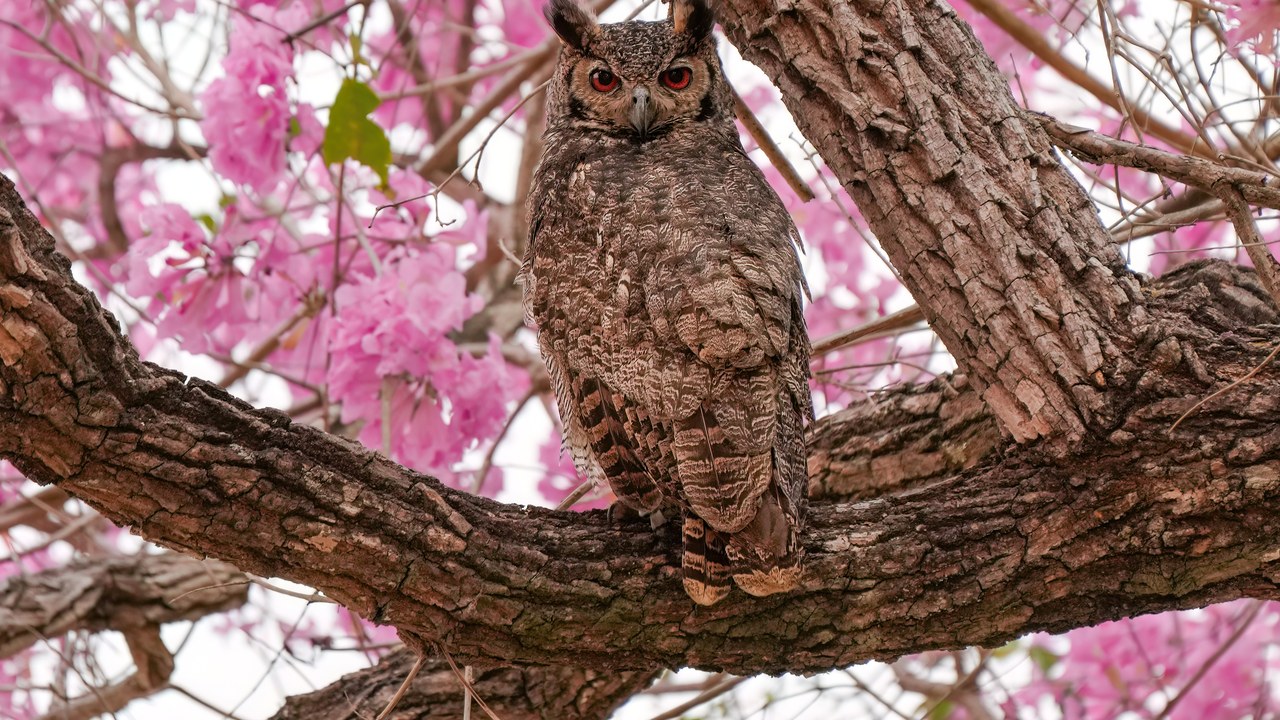
Cornell’s Lab of Ornithology describes an owl powerful enough to take prey far larger than itself, including other raptors. That places a small dog in a yard inside the great horned owl’s range of potential targets.
The point is capability, not routine. The bird hunts at night and strikes without warning, so the realistic concern involves very small pets left outdoors after dark. Larger dogs sit well outside the prey sizes that the lab’s profile suggests.
7. Cottonmouth: Pond Edge Viper
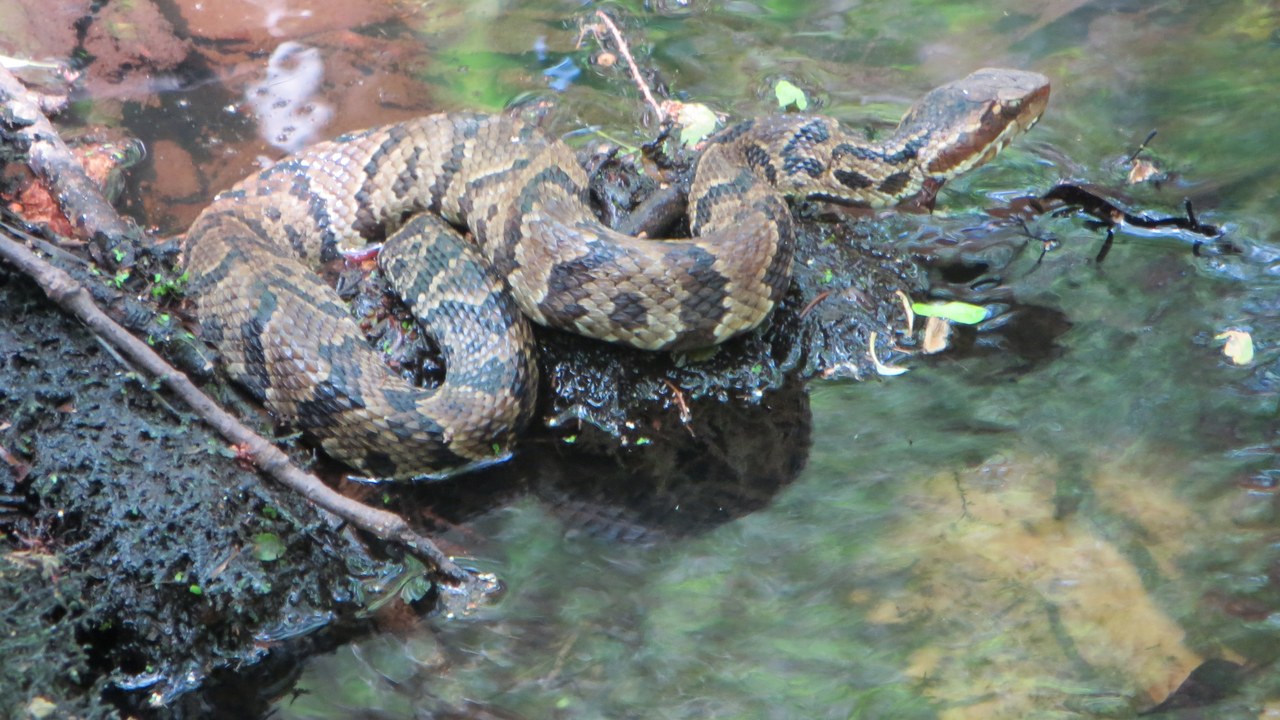
The cottonmouth is a venomous semiaquatic pit viper of the Southeast, at home in exactly the ponds, ditches and creek edges a loose dog wades into, according to the Animal Diversity Web species account.
A bite from a venomous snake is a serious emergency for a dog, and the setting is what raises the odds of a meeting. Water margins with thick cover put a curious nose within striking distance of an animal that often stays still rather than fleeing.
8. Copperhead: Woodpile Neighbour
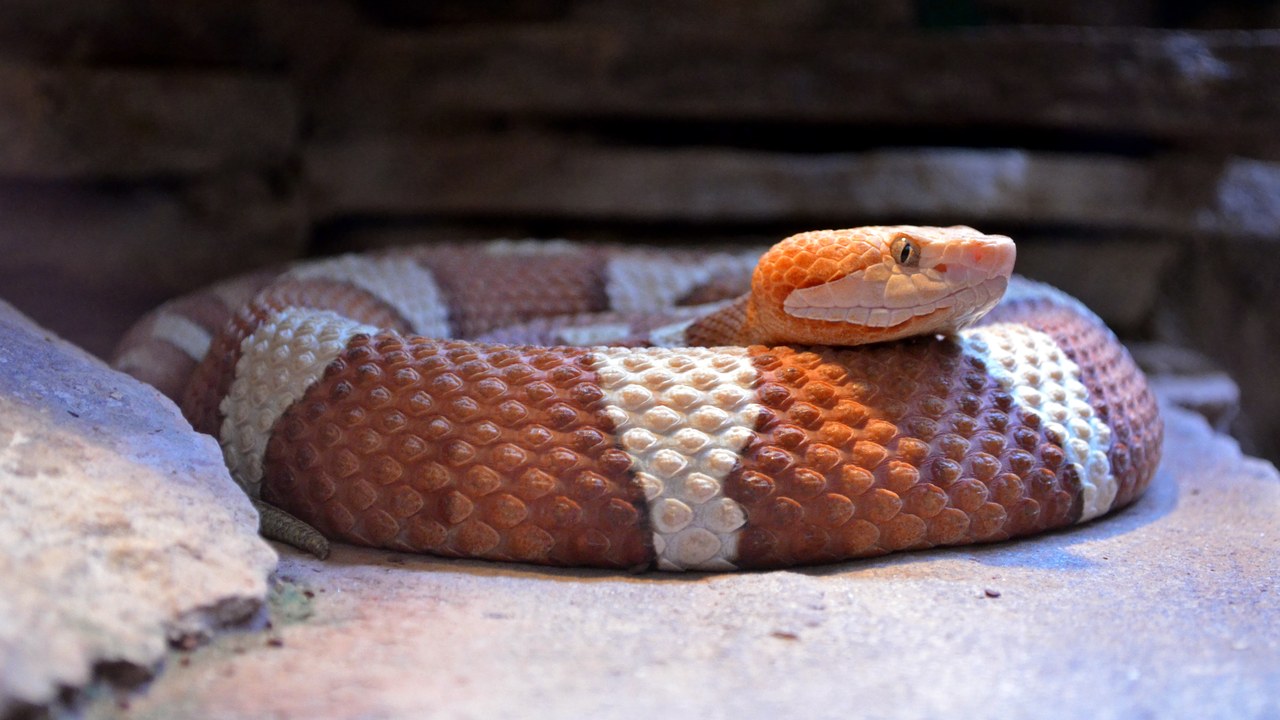
The copperhead is a venomous pit viper that lives right up against people across the East, in woodpiles, leaf litter and landscaping where a dog noses around. The Animal Diversity Web account stresses that close association.
Camouflage is part of the hazard. Leaf litter hides the snake well, and a dog investigating a pile of wood or a planted border can find one before any warning registers. Such places are ordinary features of a tidy garden.
9. Western diamondback rattlesnake: Southwest Rattler
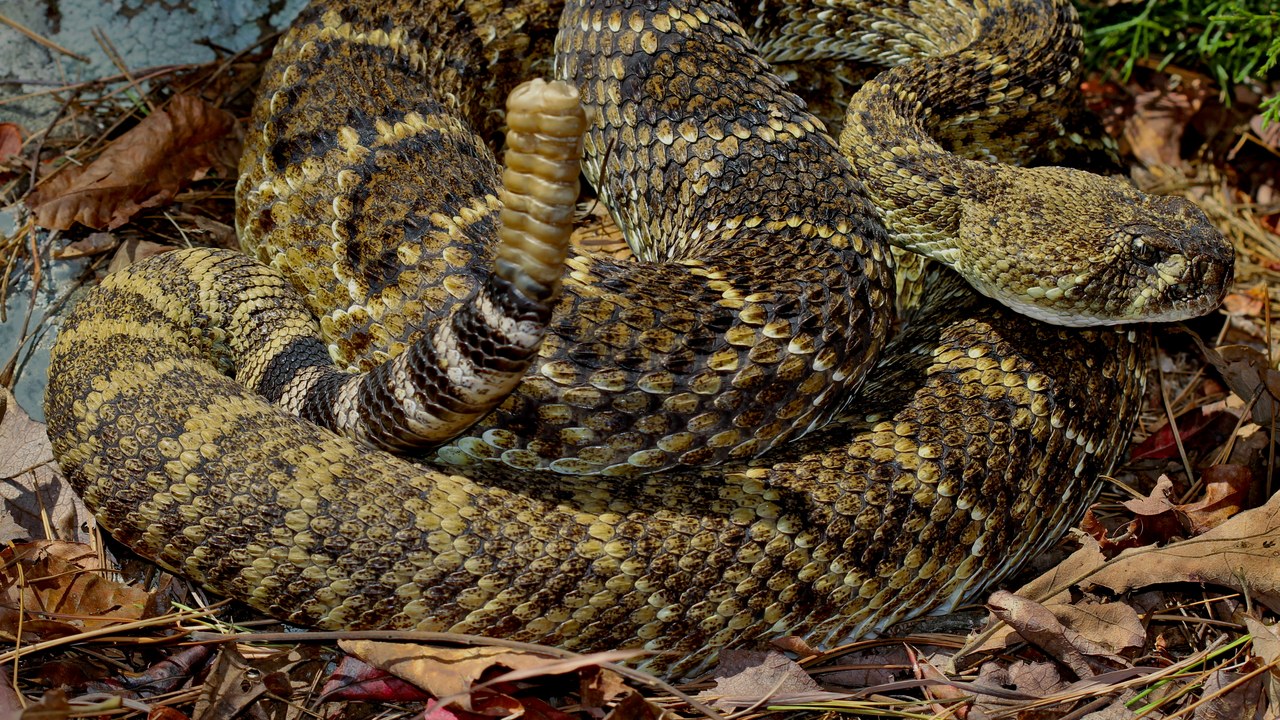
The Western diamondback is the big-bodied rattlesnake of the Southwest, common in exactly the dry, rocky suburban margins where dogs are walked off-leash. Its heft makes the species one of the most formidable snakes in that region.
The setting explains the concern. Rocky washes and desert edges just beyond a subdivision put roaming dogs into snake habitat, and a bite there is a recognised danger for pets. The account describes the habitat overlap, not how frequently bites happen.
10. Southern black widow: Garage Dweller
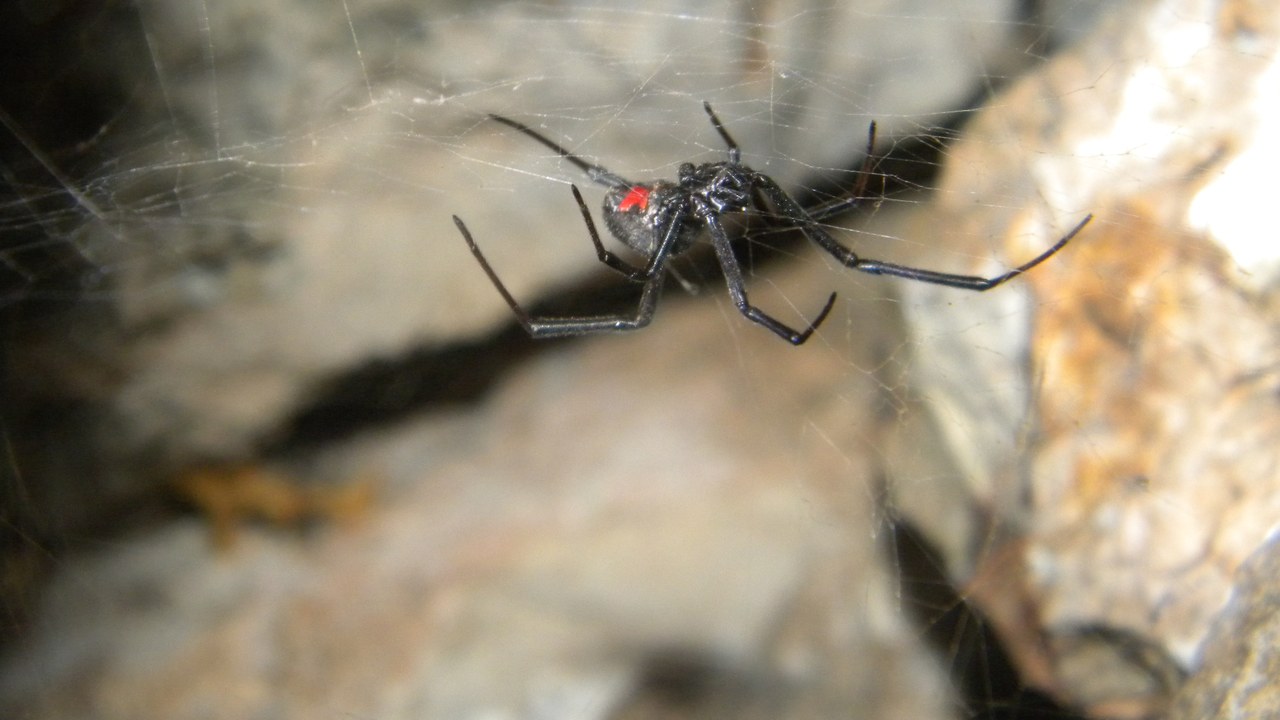
The southern black widow is a venomous spider that webs up in garages, sheds, woodpiles and under garden furniture across the southern states. Its web sites are ordinary clutter spaces that a household shares with its pets.
Dogs are not hunters of the spider, and that is what makes it a hazard of proximity. Tucked-away corners where a dog sniffs, scratches or sleeps are the places where the animal and a pet are most likely to meet.
11. Cane toad: Toxic Toad
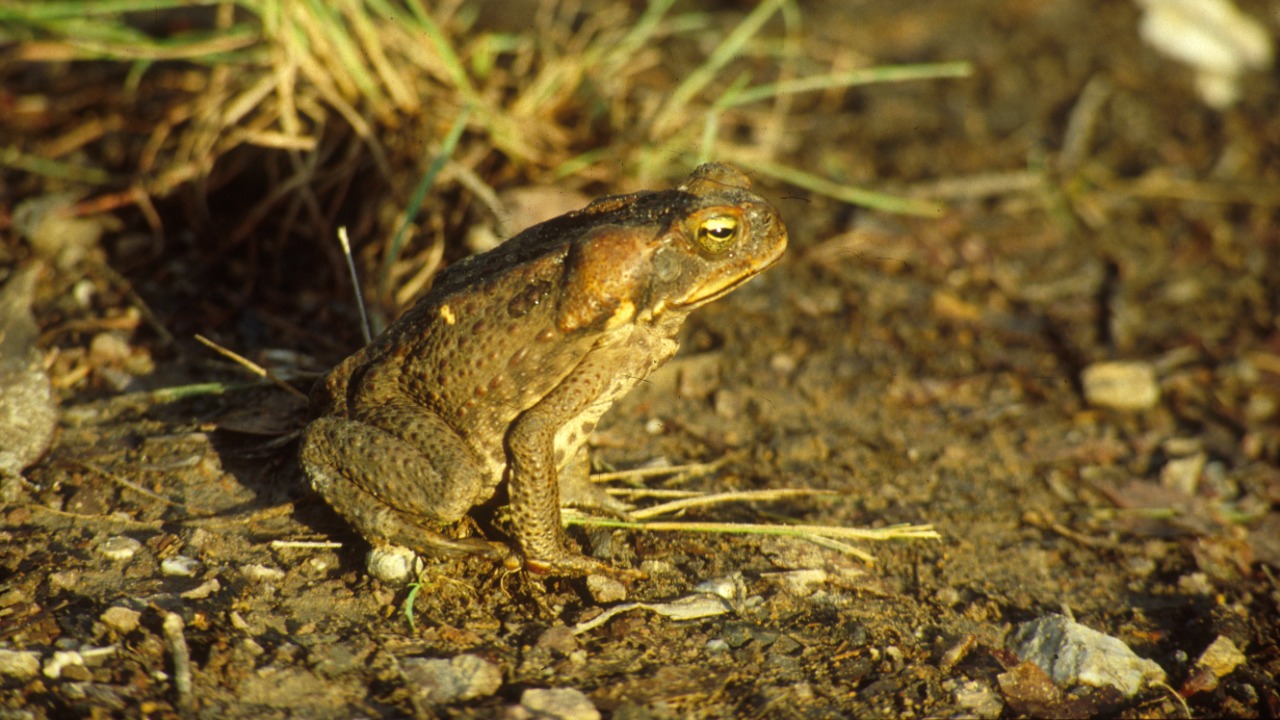
The cane toad is invasive in Florida and along the Gulf, and the poisonous invasive toad is poisonous to dogs that mouth or bite it. That makes it one of the few backyard animals that can kill a pet without any hunting at all.
Unlike every other animal on this list, the toad is no predator. The danger comes entirely from the toxin, which a dog meets by picking up or chewing the amphibian. Wet lawns and patios after dark are where such encounters tend to be recorded.
More from Morning Overview
- The NSA is again telling phone owners to switch off one location setting
- Card skimmers hidden on gas pumps and ATMs are draining accounts, and here’s the tell
- Hurricane Hunter radar shows four warning signs that a tropical cyclone is about to strengthen, a University of Miami study found
- NTSB report details how a family of four died when their plane’s nose suddenly pitched up
