
A sports car does not have to cost six figures to reward a driver on a twisty road. Some of the most engaging options on sale trade raw horsepower for balance, chassis feel, and a manual gearbox that still matters. Here are twelve affordable sports cars that deliver genuine driving enjoyment without draining a bank account.
1. Mazda MX-5: Featherweight And Playful
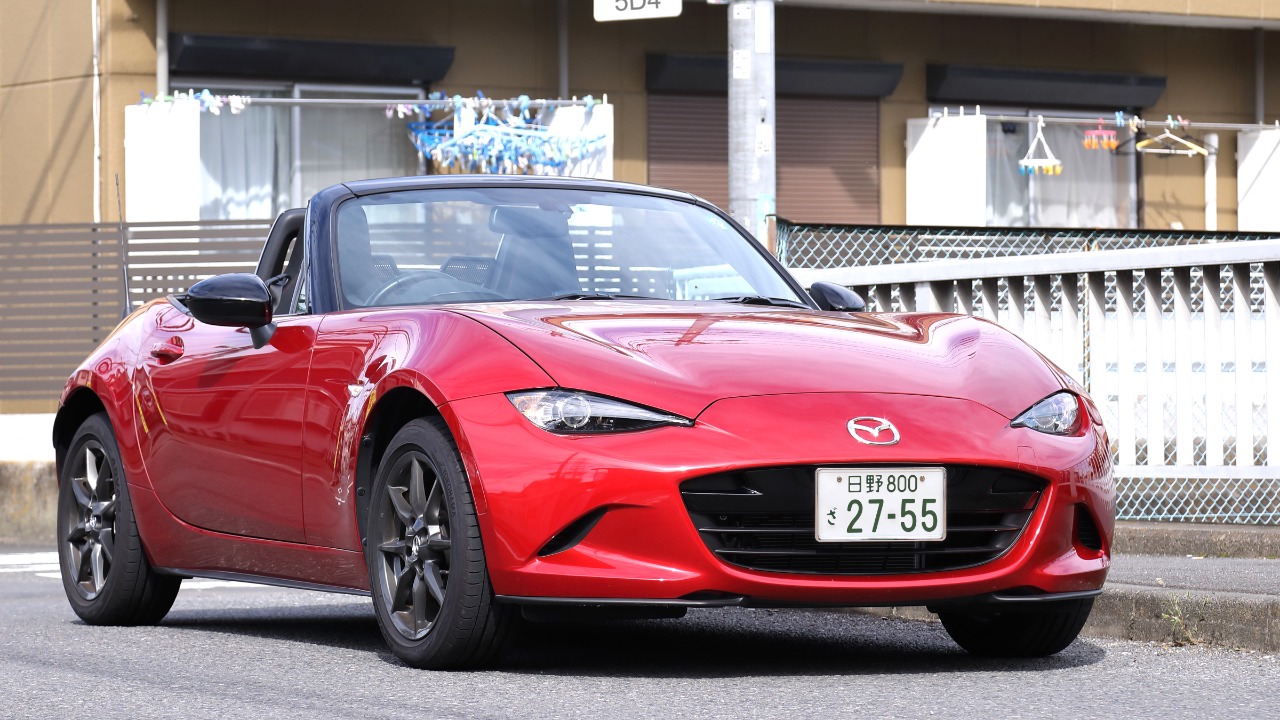
The Mazda MX-5 roadster has built its reputation on weight rather than power, favoring a light body and a low center of gravity over big horsepower numbers. That formula makes the car feel eager and balanced through corners, with quick steering and a manual gearbox that rewards deliberate inputs.
Because the car is so compact and light, drivers can explore its limits at speeds that stay well within reach of everyday roads. It remains one of the rare sports cars that feels engaging without ever feeling intimidating.
2. Toyota 86: Built Around Feel
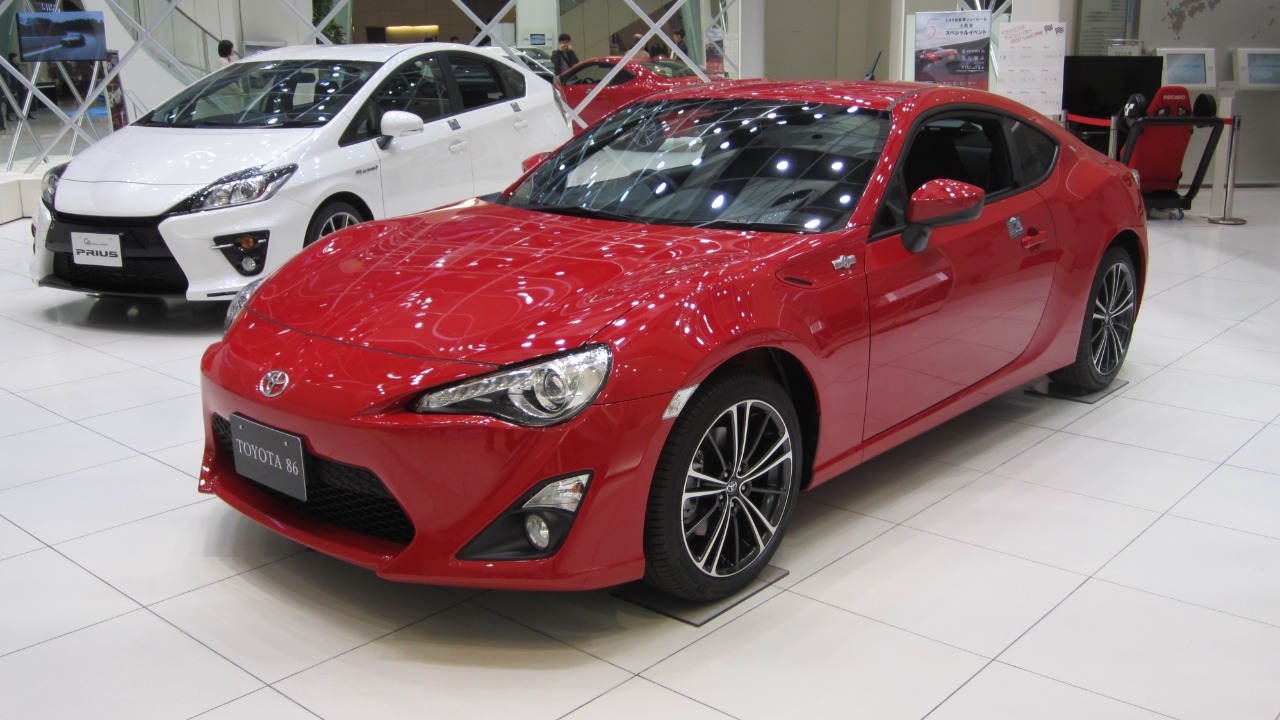
The Toyota 86 coupe was engineered around a low, front-mid-mounted engine and rear-wheel drive rather than outright acceleration. Toyota tuned the chassis to communicate grip levels clearly, letting a driver sense exactly when the rear tires are about to step out.
That transparency is why enthusiasts kept buying it even as more powerful rivals arrived. A modest engine forces drivers to carry momentum through corners instead of relying on brute force, which is precisely the skill the car was designed to teach.
3. Subaru BRZ: Same Bones New Badge
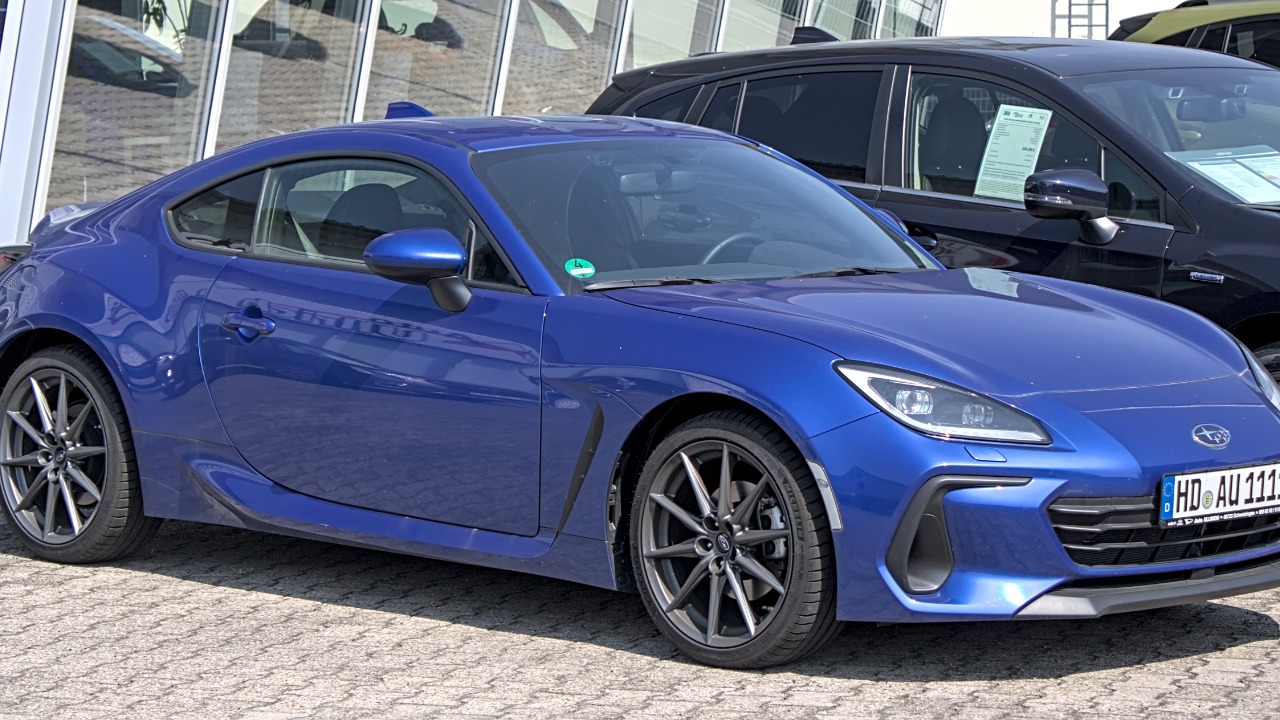
Built alongside its Toyota counterpart, the Subaru BRZ shares the same low seating position, boxer engine layout, and rear-drive chassis tuned for balance over raw speed. Subaru’s own suspension calibration gives it a slightly different personality behind the wheel despite the shared architecture.
Owners often note how planted the car feels at moderate speeds, a trait that comes from its low center of gravity. It remains a favorite for drivers who want a purist, momentum-based sports car rather than one built around a big horsepower figure.
4. Ford Mustang: V8 Muscle For Less
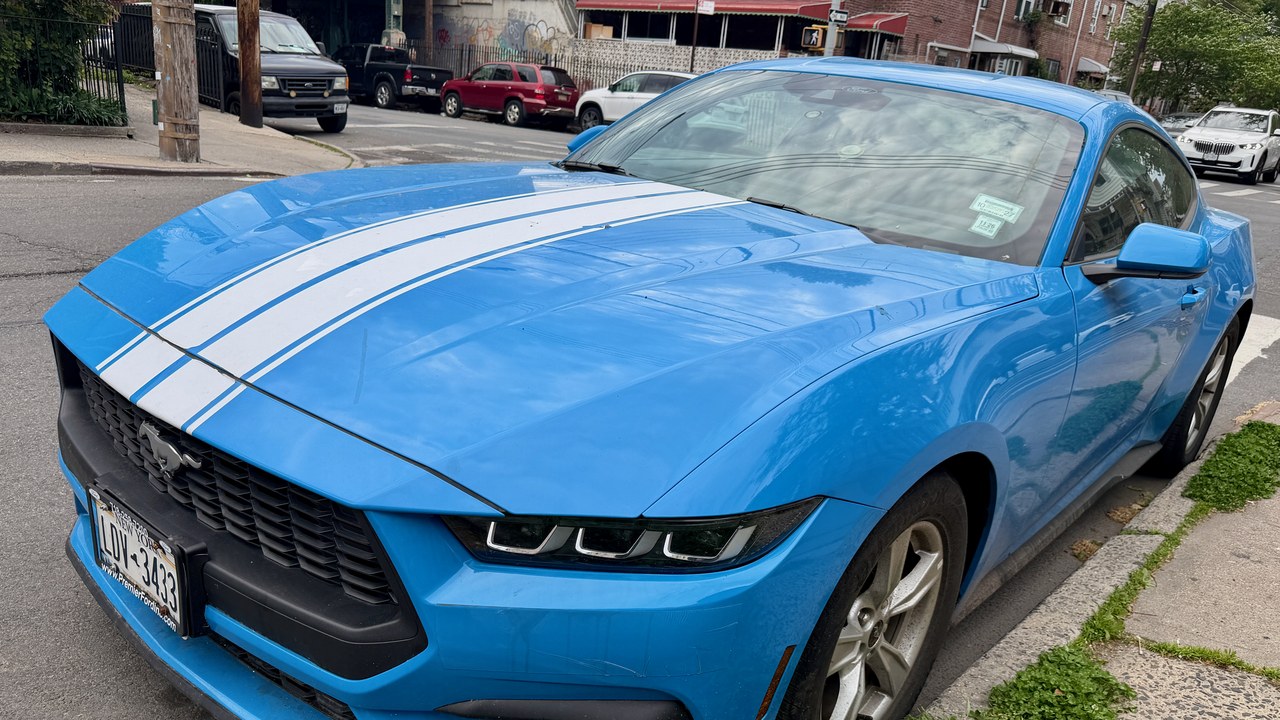
The current seventh-generation Mustang still offers a naturally aspirated V8 in a segment where many rivals have moved to smaller turbocharged engines. Ford kept a manual transmission available on higher trims, preserving the traditional muscle car experience for drivers who want to shift for themselves.
That combination of a large engine and driver-focused controls keeps the Mustang relevant against pricier sports cars. It remains one of the few affordable options where buyers can still choose eight cylinders over turbocharged four- or six-cylinder alternatives.
5. Volkswagen Golf: Hot Hatch Practicality
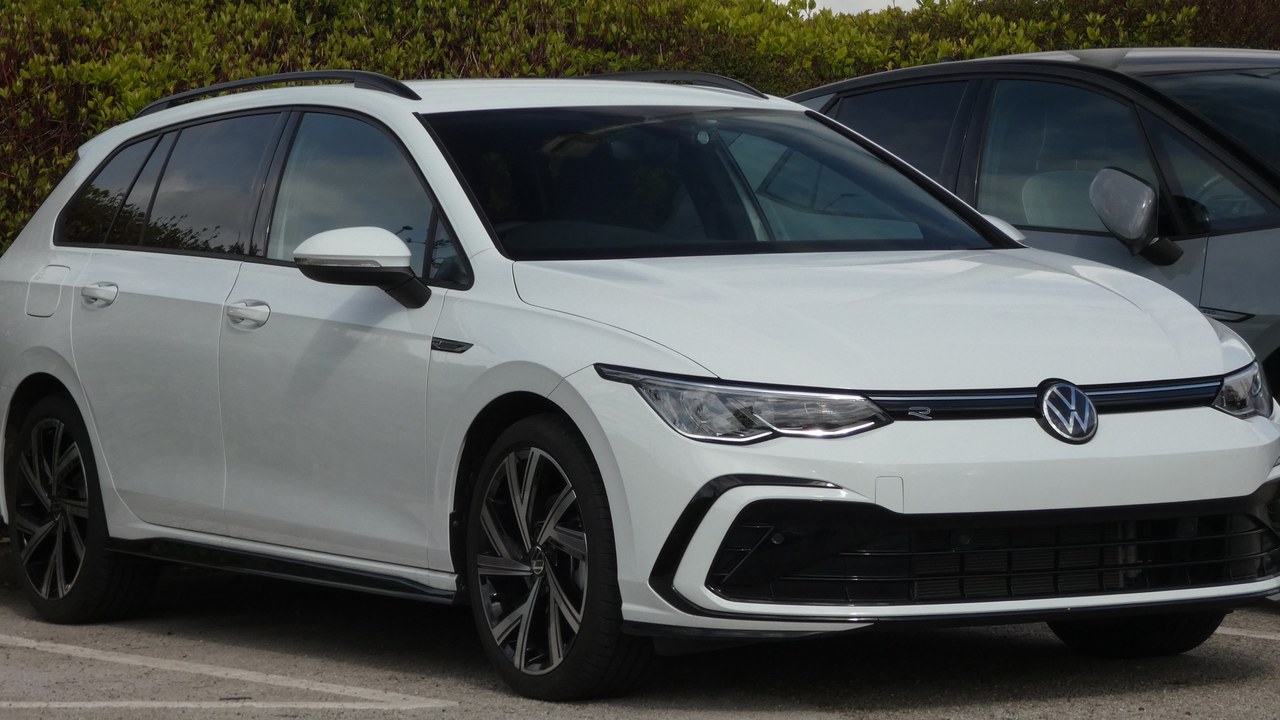
The performance-tuned GTI variant of the Volkswagen Golf pairs a turbocharged engine with a chassis that stays composed under hard cornering, all wrapped in a practical hatchback body. Volkswagen designed it so a driver could enjoy a spirited backroad and still fold down the rear seats for cargo the same day.
That dual identity has kept the GTI in production far longer than most dedicated sports cars. It gives buyers genuine driving engagement without asking them to give up daily usability.
6. Honda Civic Type R: Track Manners Daily Commute
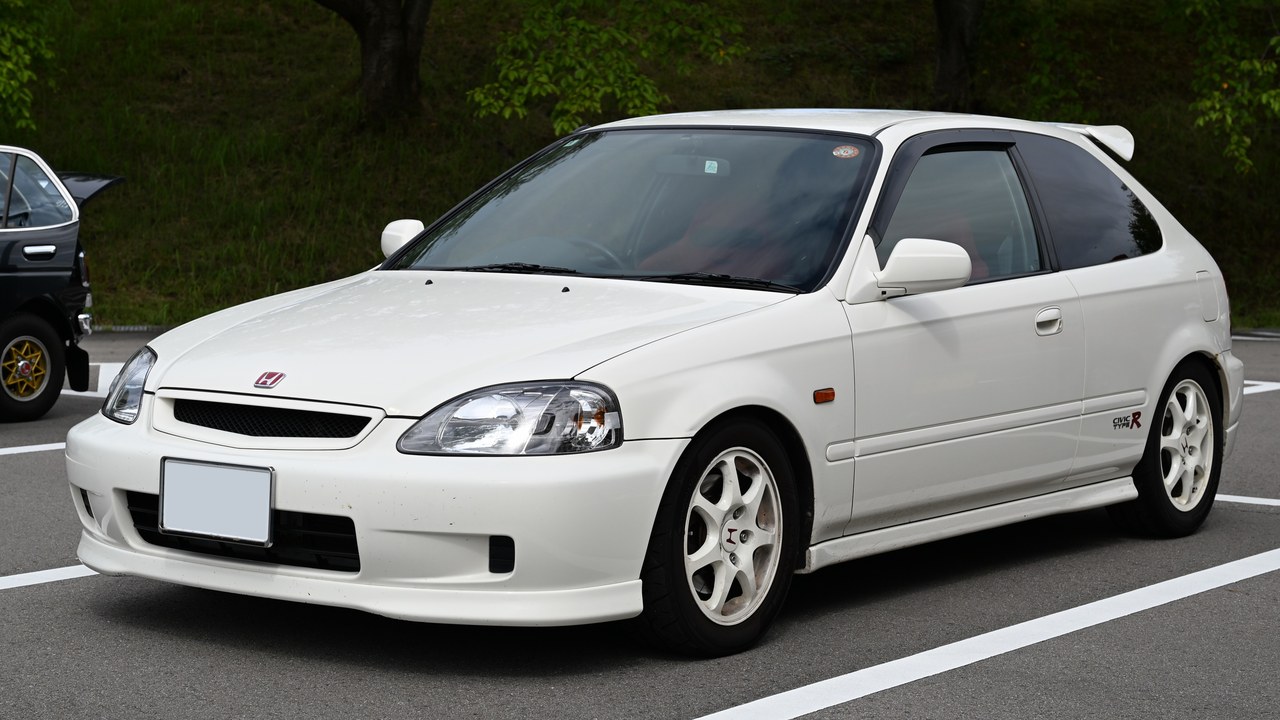
The Honda Civic Type R channels serious power through the front wheels using a limited-slip differential and a chassis tuned to resist the torque steer that usually plagues fast front-drive cars. Honda built it to be legitimately quick on a road course while still meeting the daily demands of a normal commuter.
That balance between track capability and everyday comfort is rare in a front-wheel-drive platform. It has become the benchmark that other hot hatchbacks are measured against for outright cornering speed.
7. Hyundai Elantra N: Underdog Sport Sedan
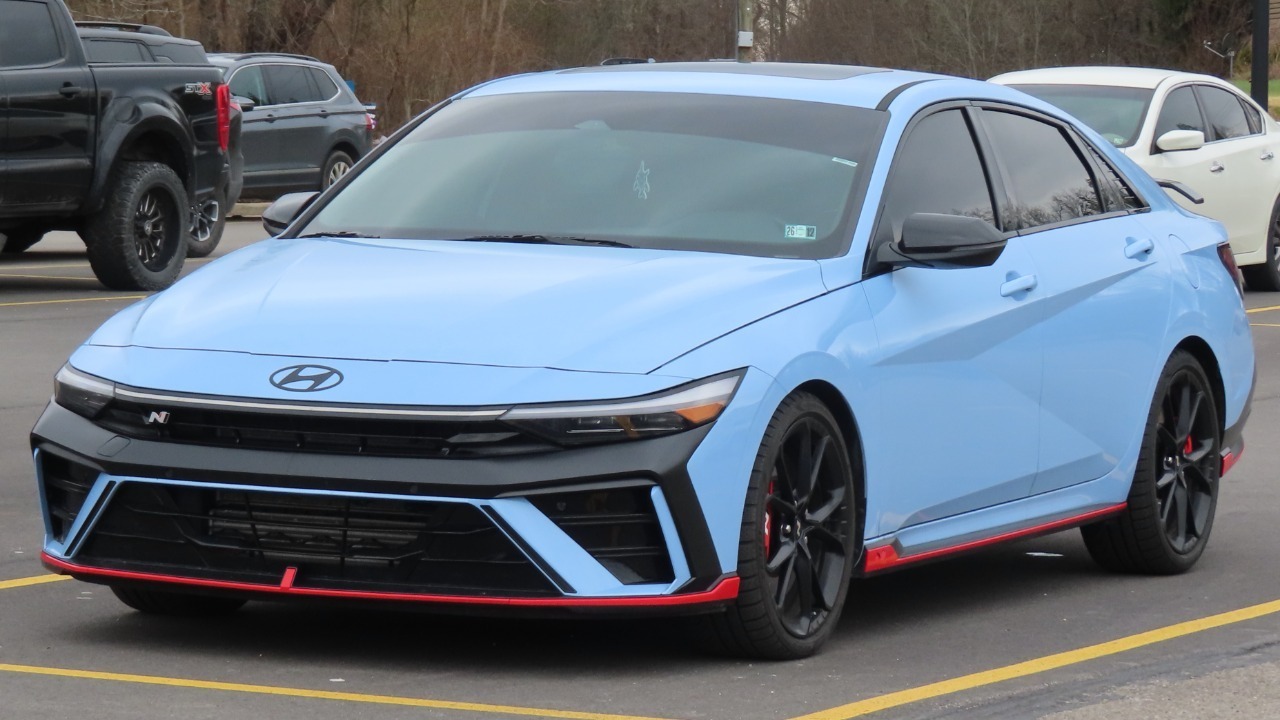
Built on the standard Hyundai Elantra platform, the N performance variant adds a turbocharged engine, stiffened suspension, and driver-adjustable settings that let owners sharpen the car’s responses for a back road or soften them for a commute. Hyundai’s motorsport division shaped its chassis tuning to compete directly with more established hot sedans.
The result is a sedan that punches well above its badge in enthusiast circles. It offers four doors and a trunk without sacrificing the sharp turn-in and eager throttle response that define a genuine sports sedan.
8. Nissan Z: Twin Turbo Throwback
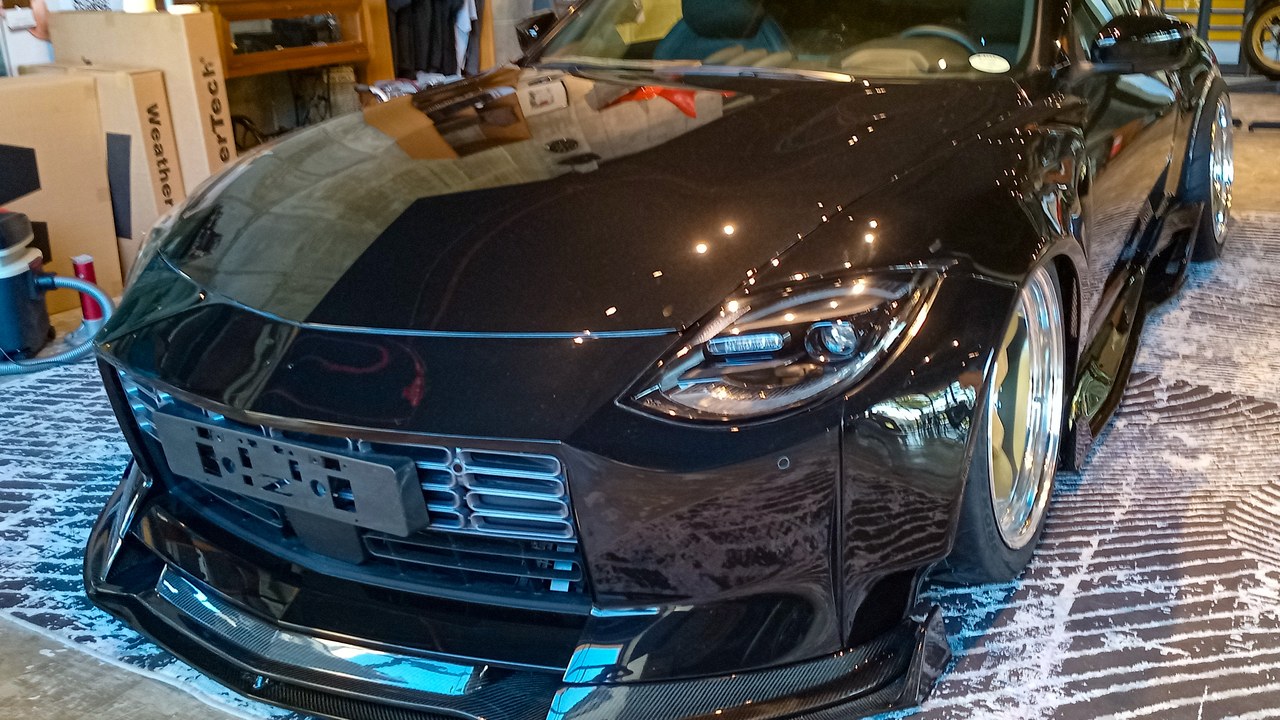
The current Nissan Z pairs a twin-turbocharged six-cylinder engine with rear-wheel drive and a long-hood, short-deck silhouette that echoes earlier generations of the nameplate. Nissan kept a manual gearbox as a standard offering, a choice increasingly rare among modern turbocharged sports cars.
That layout gives the Z strong low-end pull without needing to rev to the redline for excitement. It continues a lineage of affordable Japanese performance cars built around effortless power rather than complexity.
9. Chevrolet Camaro: Handles Better Than Expected
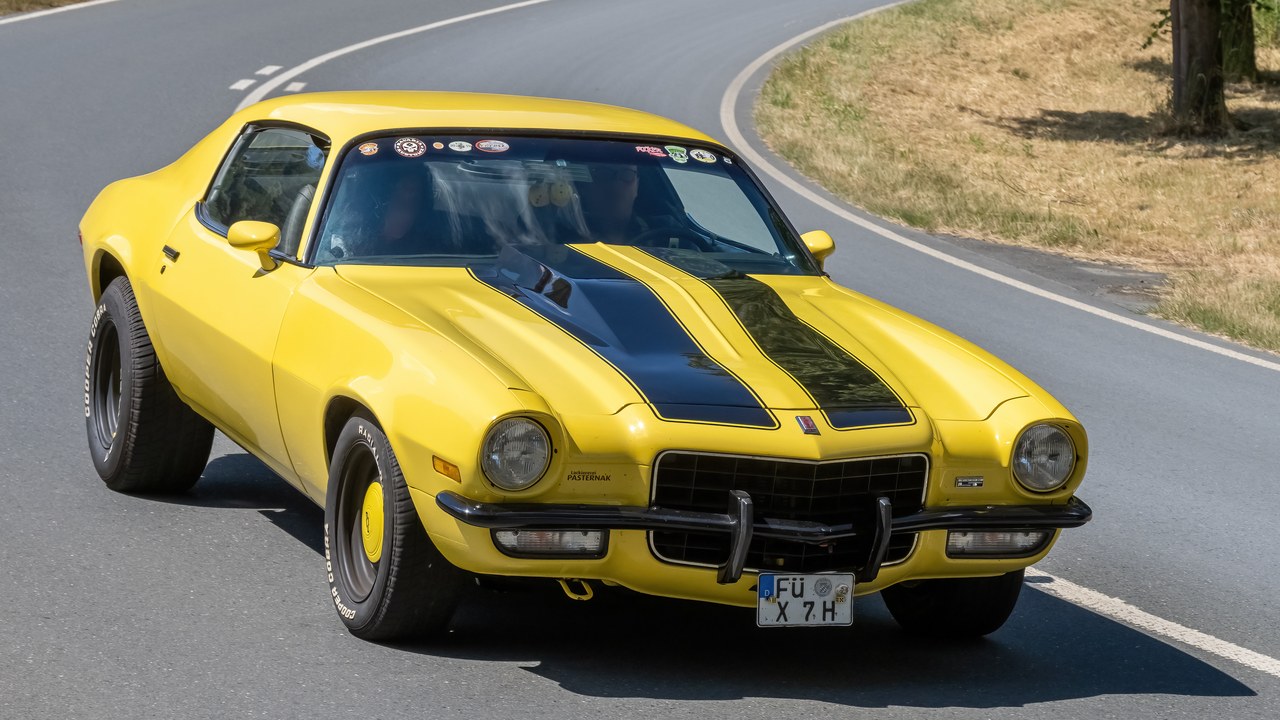
The Chevrolet Camaro carries a reputation built on straight-line muscle, but its chassis engineering has closed much of the gap with sharper-handling imports. Chevrolet widened the track and lowered the car’s stance compared with the model it replaced, giving it a planted feel through fast corners.
That improved cornering ability surprises drivers who expect a car built purely for drag strips. Paired with a wide range of engine options, it lets buyers choose exactly how much muscle-car character they want.
10. Toyota GR Corolla: Rally Bred Hatchback
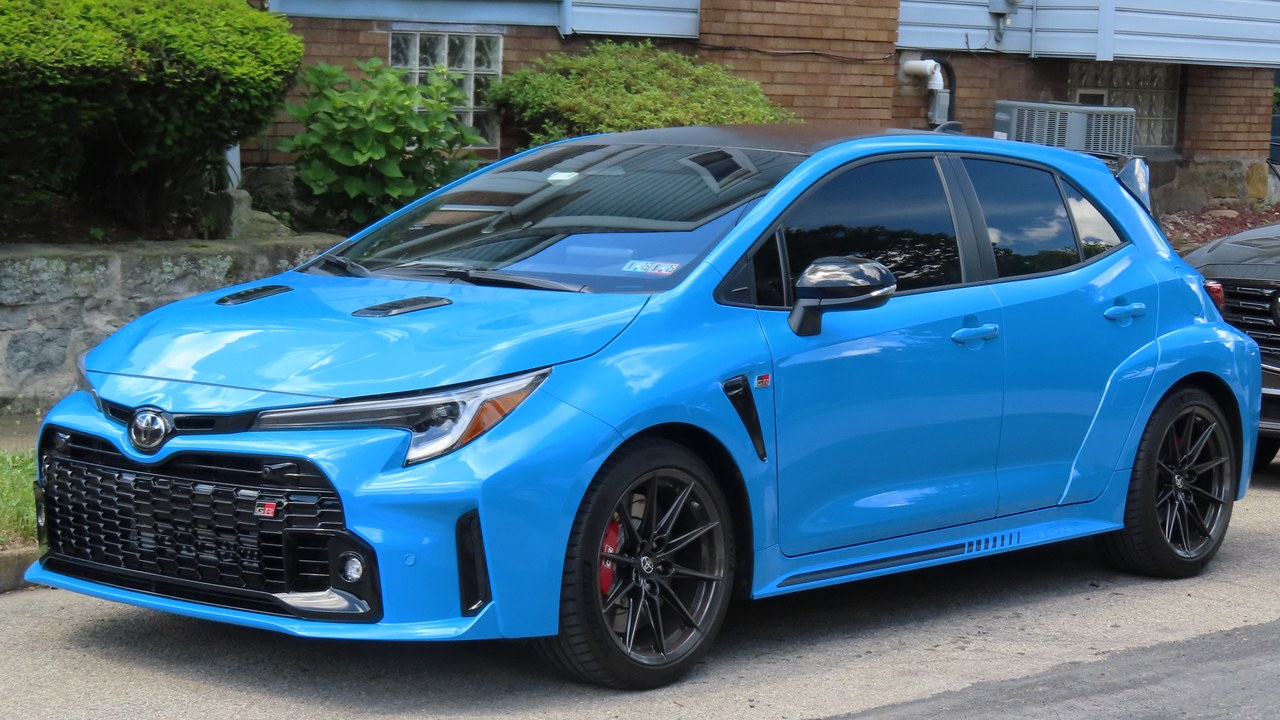
The Toyota GR Corolla pairs a turbocharged three-cylinder engine with a driver-adjustable all-wheel-drive system borrowed from Toyota’s motorsport program. That drivetrain lets a driver shift power between the front and rear axles depending on the surface and the type of cornering grip needed.
The result is a hatchback that behaves like a small rally car, staying planted on loose or wet pavement where rear-drive rivals struggle. It gives everyday drivers access to a drivetrain layout usually reserved for motorsport-derived specials.
11. Mini Hatch: Go Kart In Miniature
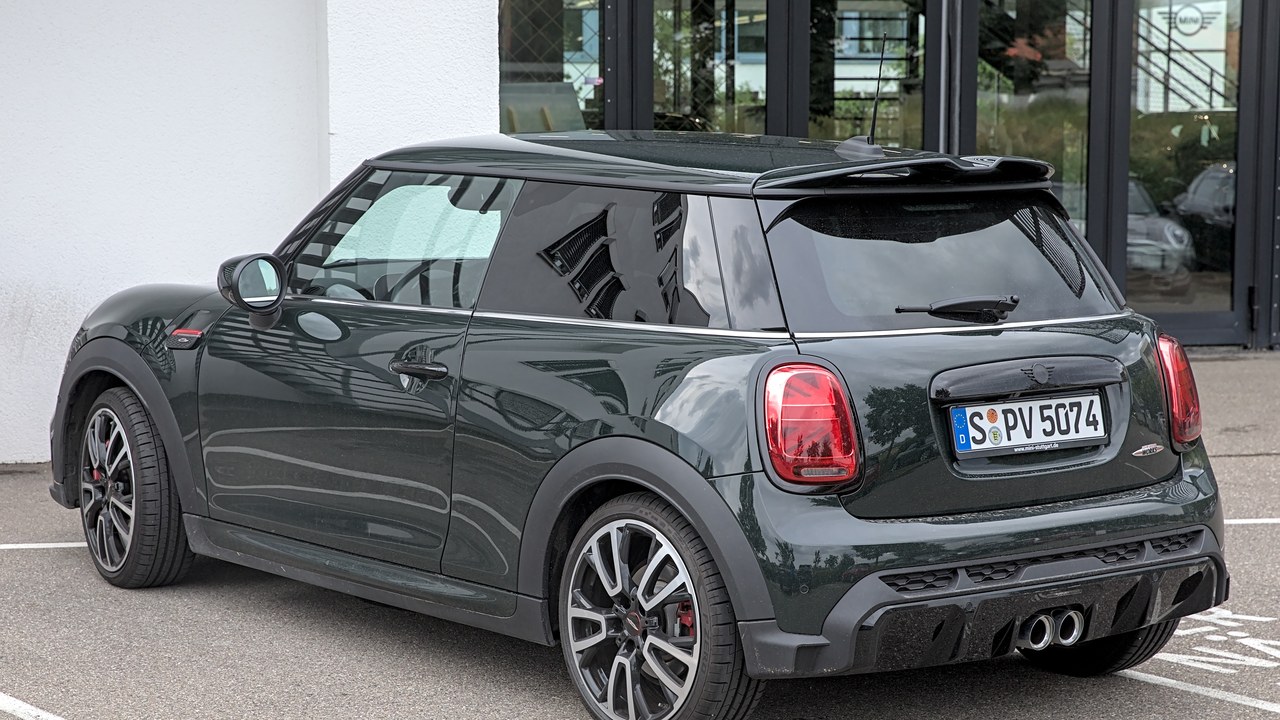
The Mini Hatch keeps a short wheelbase and a wide track relative to its overall length, a layout that has defined the nameplate’s handling character since the original design decades ago. That proportion gives the modern car quick direction changes and minimal body roll through tight corners.
Its compact footprint makes it easy to place precisely on a narrow road, a trait often described as go-kart-like handling. It remains one of the smallest cars on this list, yet one of the most engaging at low speeds.
12. Mazda RX-8: Rotary Powered Oddball
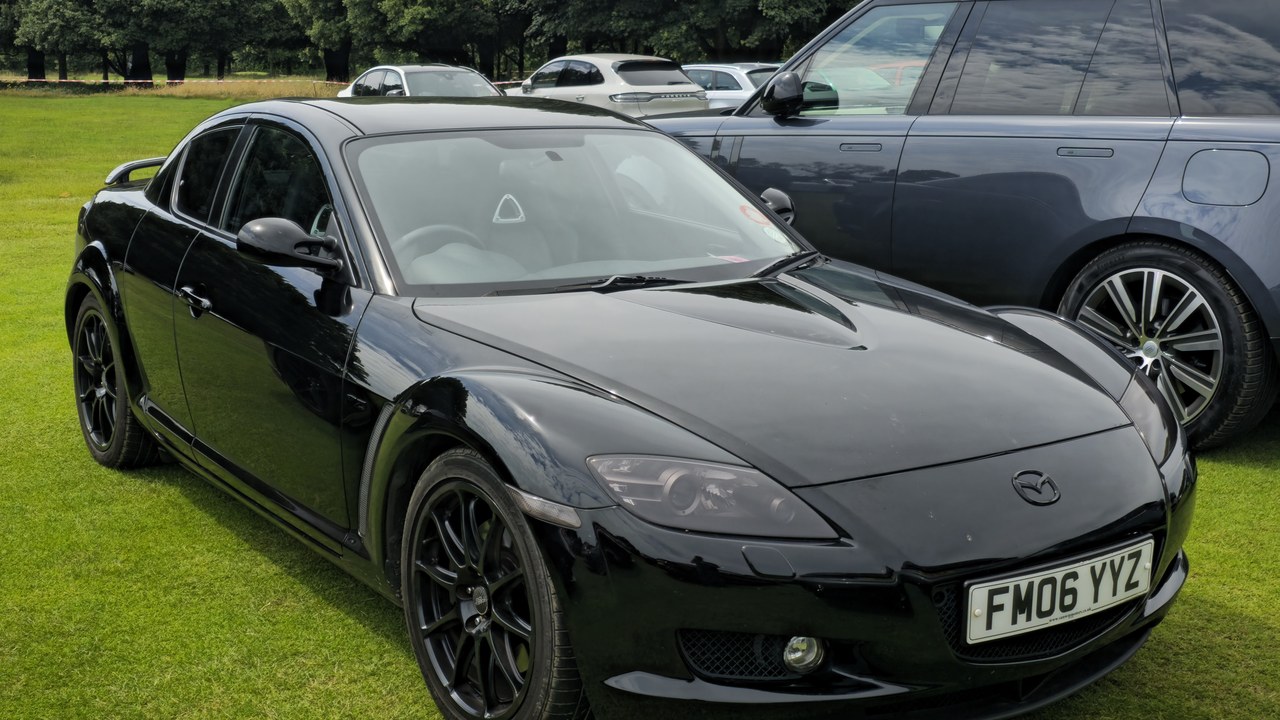
The Mazda RX-8 used a rotary engine instead of a conventional piston design, giving it a compact powerplant mounted low and far back in the engine bay. That placement helped the car achieve a near-even front-to-rear weight distribution, a rarity among affordable sports cars.
The rotary’s willingness to rev freely rewarded drivers who kept it spinning high in its range. Its unusual layout and rear-hinged back doors also made it one of the more distinctive-looking sports cars of its era.
More from Morning Overview
- Long-term use of common heartburn pills is tied to kidney and dementia risk
- A California supervolcano has bulged upward about two and a half feet since 1978
- The FTC is warning about a scam quietly draining thousands from victims
- The NSA is again telling phone owners to switch off one location setting
