
Every Jeep traces back to a single wartime contract, and Jeep’s own heritage pages document the path from there. The Army paid $738.74 per Willys MB in 1941, and the family grew through the civilian CJ models into every generation of the Wrangler. Here are twelve milestones from that first order to the HEMI-powered Rubicon 392.
The day in tech, in one email: TLDR is the daily newsletter with links and TLDRs of the most interesting stories in startups, tech and programming.
We may earn a commission if you sign up.
1. Willys MB (1941): Contract Price: $738.74
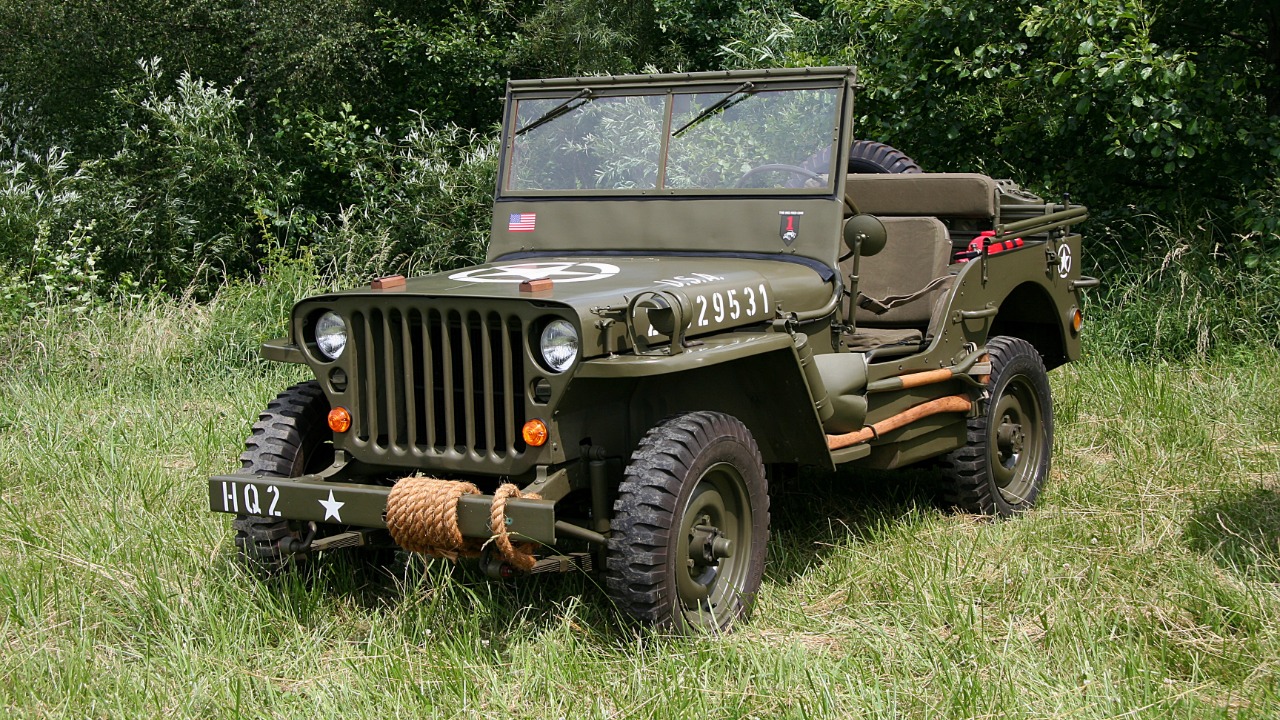
The Army awarded the contract in July 1941 for 16,000 revised MB models at a unit price of $738.74. That order is the origin point for the whole lineage, and Gen. Marshall later called the Jeep “America’s greatest contribution to modern warfare.”
Few vehicles have a price tag as well documented as this one. The $738.74 figure anchors the story, and every CJ and Wrangler that followed traces back to the MB that the Army put into mass production through that wartime order.
2. Jeep CJ-2A (1945): The Farm Work-Horse
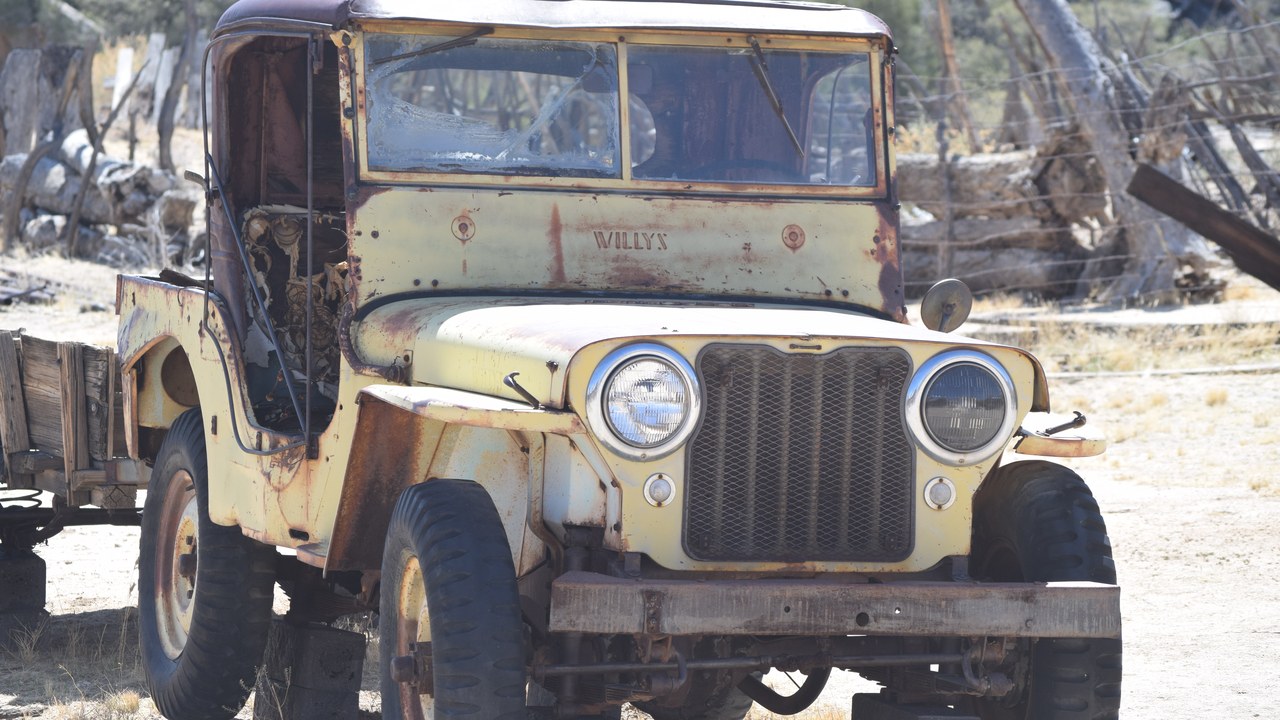
The 1945 CJ-2A carried an MSRP of $1,090 and was the first Jeep sold to civilians. Marketing pitched it to farmers as “The All-Around Farm Work-Horse,” a long way from the battlefield role of the MB.
The move from military order to showroom sticker set the template for what a Jeep could be. Selling a wartime workhorse to ordinary buyers opened a civilian market that the brand would keep serving for generations. Jeep’s heritage page frames the model as the point where the brand turned from supplying the military to selling directly to buyers.
3. Jeep CJ-5 (1955-1983): Three Decades on Sale

Production of the CJ-5 ran from 1955 to 1983, the longest run of any Jeep vehicle and roughly thirty years. Along the way, the 1972 Renegade trim brought a 304 V8 to the model.
Longevity makes the CJ-5 the backbone of the pre-Wrangler era. A single basic design stayed in production across multiple decades while engines and trim levels changed around it. Its 1955 start and 1983 end bracket nearly the entire postwar CJ story, and the Renegade V8 shows how far the powertrain options grew within that single nameplate.
4. Jeep CJ-7 (1976): A Longer Wheelbase
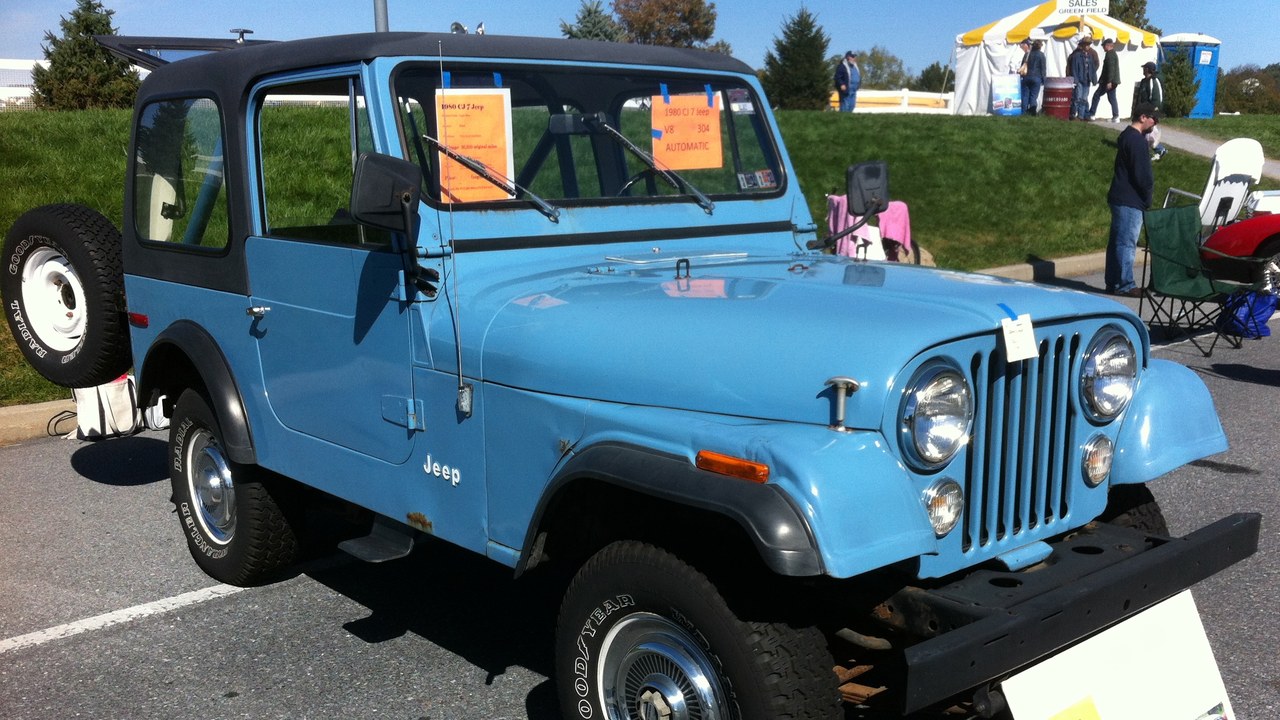
The 1976 CJ-7 stretched the wheelbase to 93.5 inches, slightly longer than the CJ-5’s 83.5 inches, so that an automatic transmission could fit. It also introduced the first molded plastic top and steel doors in the line.
Counted as the first major redesign in about twenty years, the CJ-7 gave the family a more practical everyday form. The added length and weather protection pointed toward the Wrangler that came later. The longer frame was a deliberate response to a practical need, since the automatic transmission had no room in the shorter CJ-5 layout.
5. Jeep CJ-8 Scrambler (1981-1985): The Pickup-Style CJ
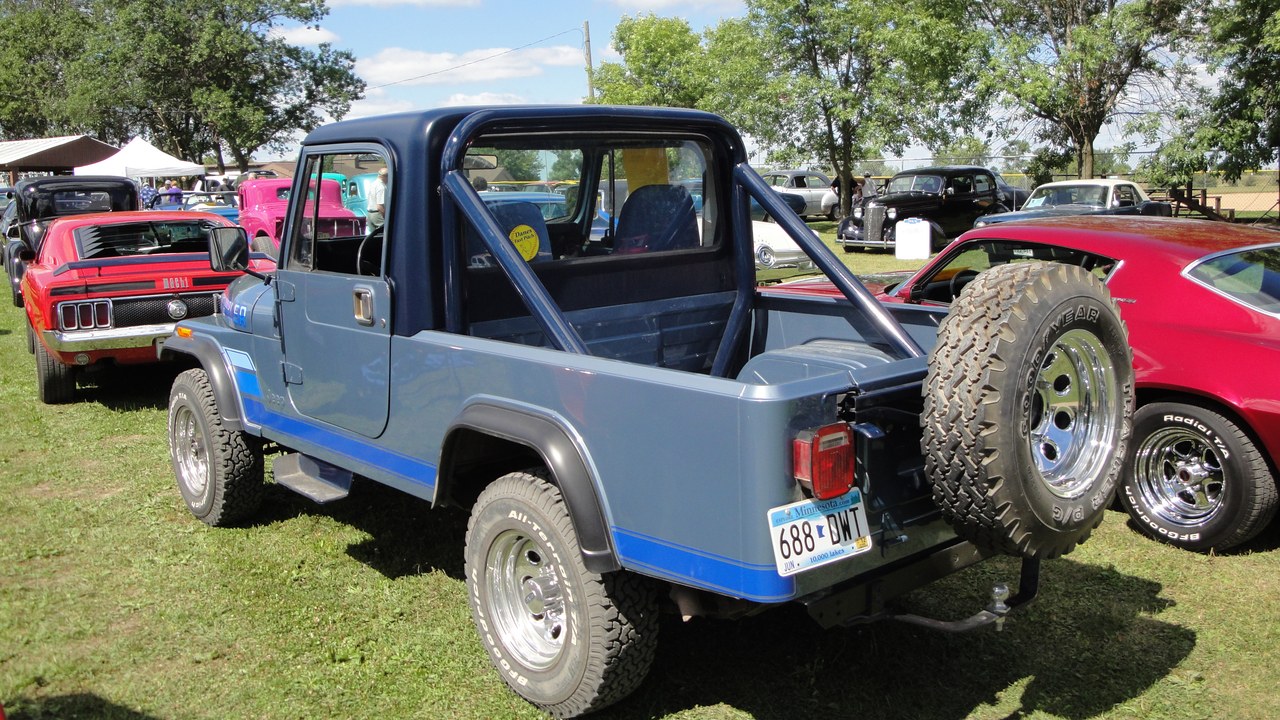
The CJ-8 Scrambler rode a 103-inch wheelbase, a stretched take on the CJ formula with a pickup-style bed. Production ran from 1981 to 1985, and the United States Postal Service used some in Alaska.
Its short run makes the Scrambler one of the rarer branches of the family tree. The idea of an open Jeep with a cargo bed would resurface decades later in the brand’s lineup. Jeep’s 1980s history lists the Scrambler alongside the Wrangler YJ, showing the decade as a handoff between the old CJ line and the new nameplate.
6. Jeep Wrangler YJ (1987-1996): Square Headlights
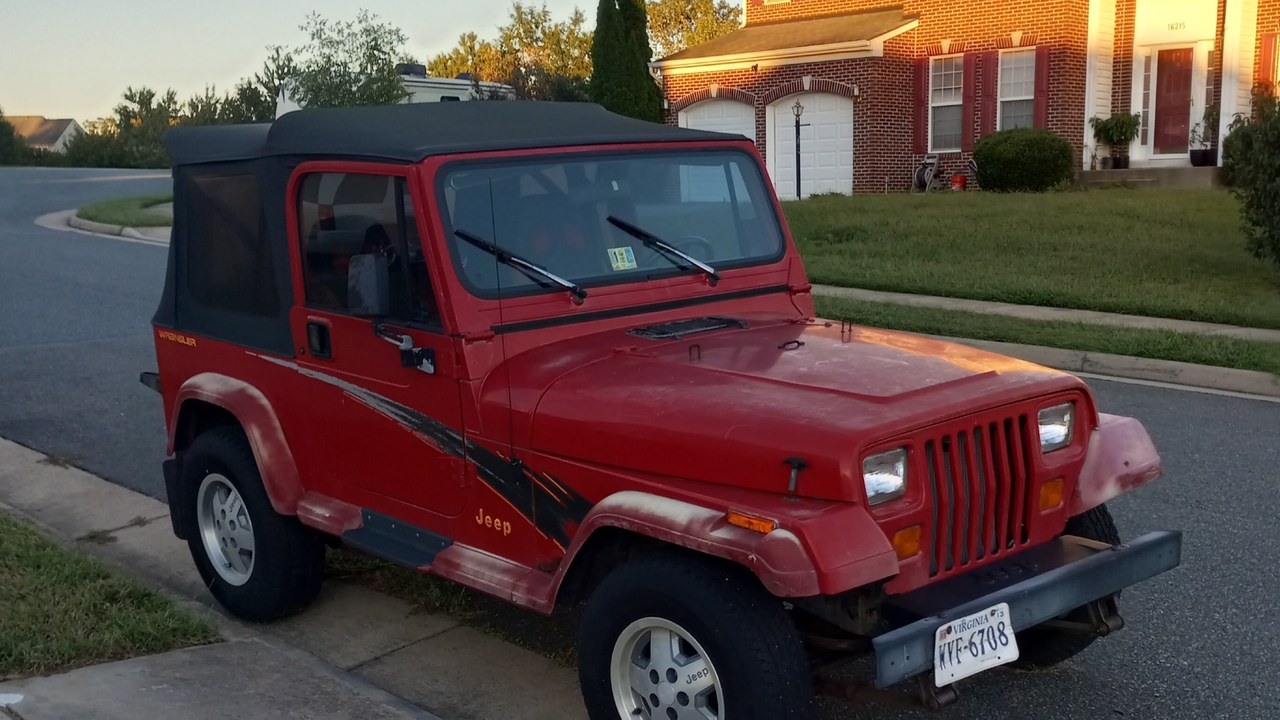
The Wrangler YJ arrived for 1987 and ran through 1996. Its most visible quirk was a set of square headlights, which Jeep describes as a first and also a last for the line.
The rectangular lamps give the YJ a look that sets it apart from the round-eyed Wranglers around it. Jeep’s own history treats the feature as a one-time design chapter. The detail also marks the YJ as the model that bridged the CJ era and the Wrangler era, since the nameplate itself debuted in 1987.
7. Jeep Wrangler TJ (1997): Round Lights Return
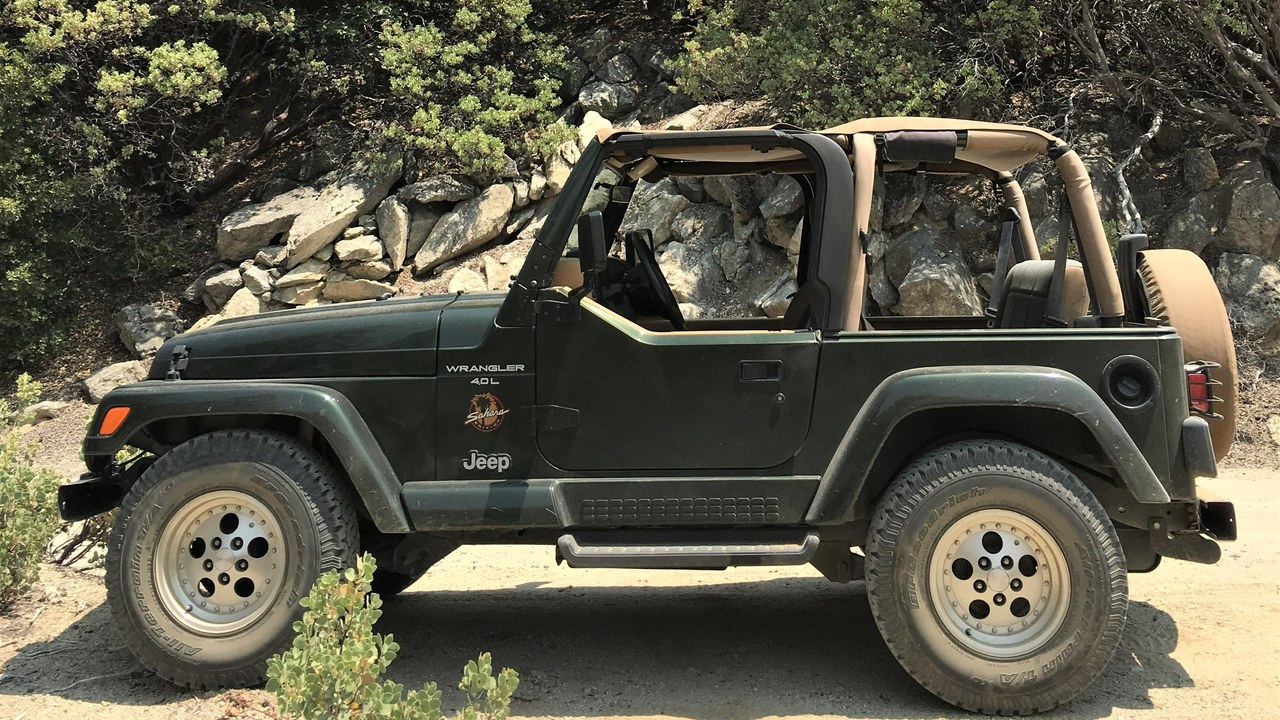
The 1997 Wrangler TJ went back to round headlights and brought nearly 80 percent new parts. It also introduced Quadra-Coil suspension to the model.
That level of change made the TJ a near-reset for the nameplate. The return of the classic circular lamps pleased traditionalists while the new suspension changed how the Wrangler rode. Jeep’s 1990s history presents the redesign as a fresh start rather than a facelift, with the suspension change as the headline mechanical upgrade.
8. Jeep Wrangler Rubicon (2003): Most Capable Jeep Yet
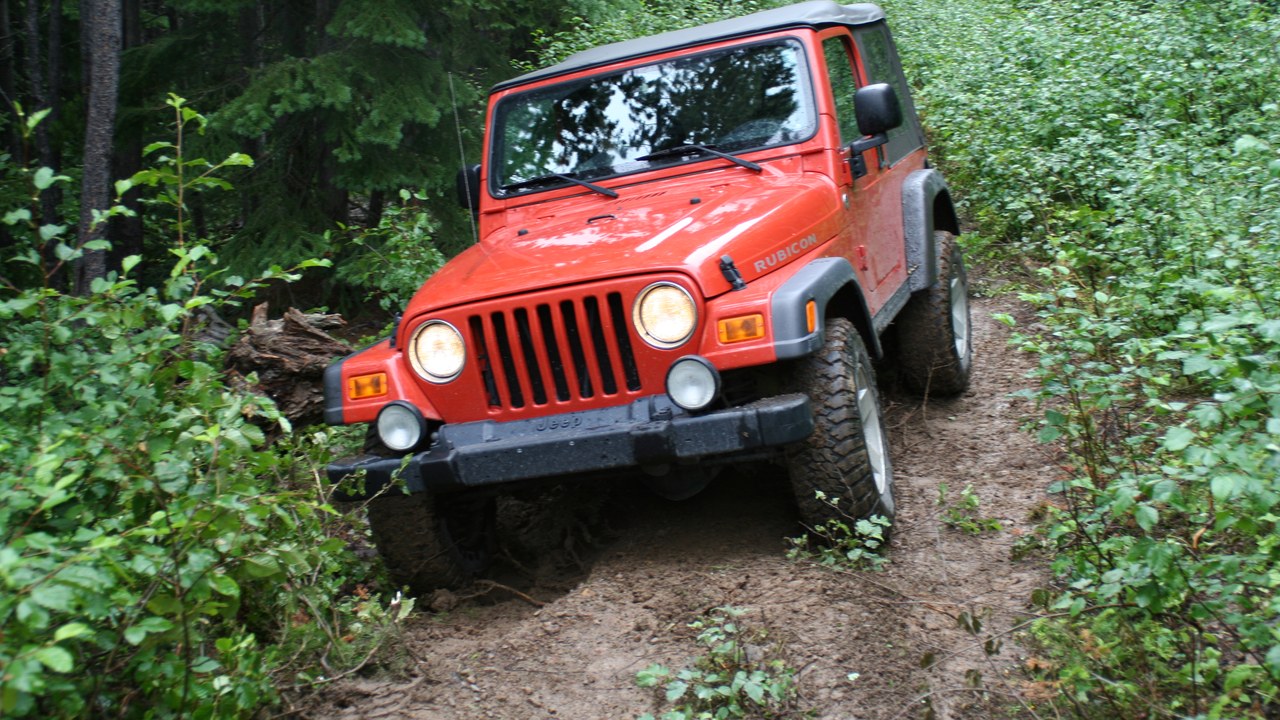
Jeep describes the radical 2003 Wrangler Rubicon as the most capable vehicle ever produced by the Jeep brand.
Calling it the brand’s most capable vehicle was a bold claim for a company built on capability. The Rubicon name returns later in this lineage on the 392. The word radical in Jeep\’s own description signals how much weight the company placed on the model at launch, and the entry sits in the 2000s decade page of its heritage history.
9. Jeep Wrangler JK, 2007 (first four-door Unlimited): First Four-Door Wrangler
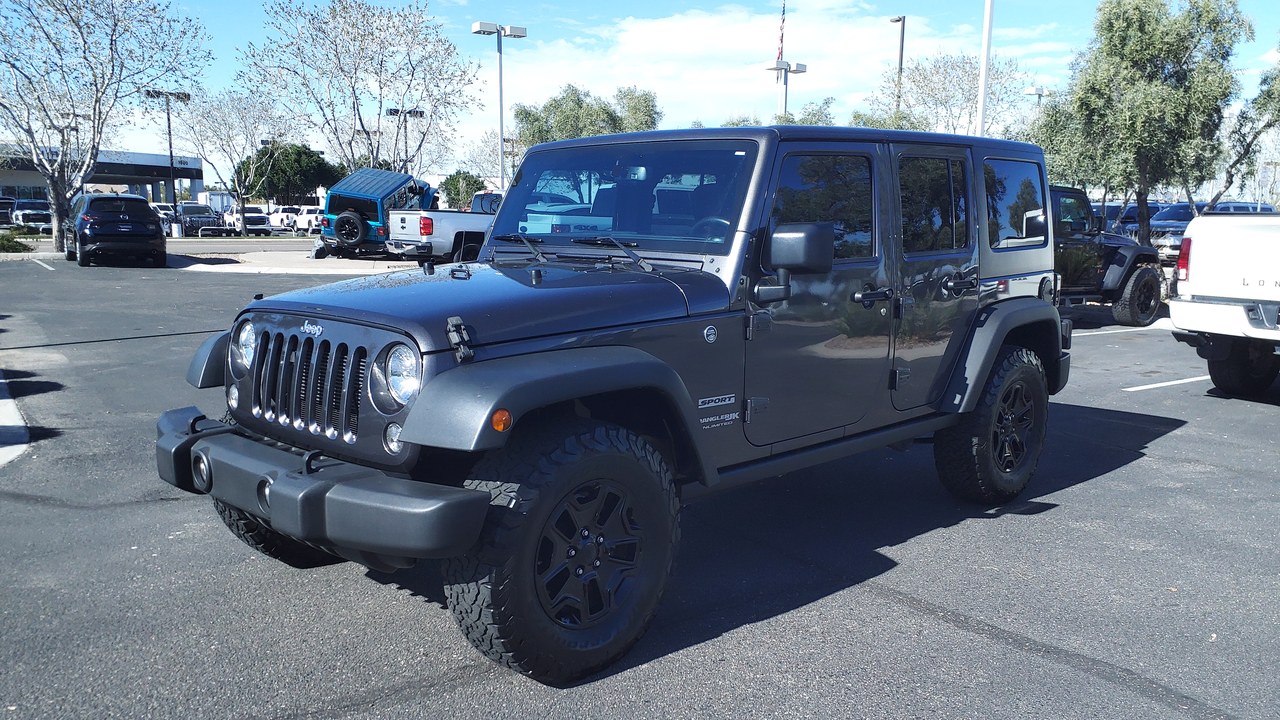
The all-new 2007 Wrangler brought the first four-door Wrangler, billed as an all-new four-door model with room for five adults. Trail Rated badging also featured on the redesigned lineup.
Adding rear doors made the Wrangler a more practical choice for carrying passengers. The five-adult seating capacity stood as a notable change for a lineage that began with a two-seat military vehicle. The JK also carried an all-new design for 2007, so the four-door body arrived together with a ground-up redesign instead of as a late addition.
10. Jeep Wrangler JL (2018): Three 4×4 Systems
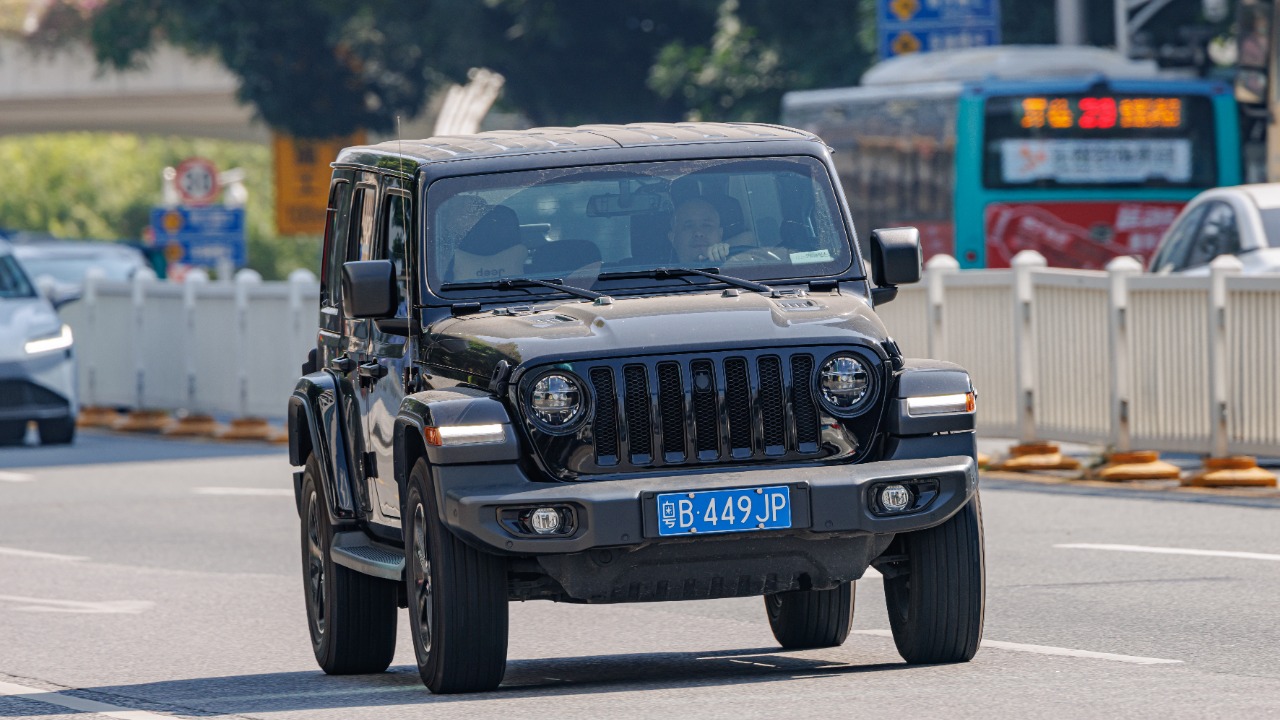
The 2018 Wrangler JL offered three available 4×4 systems. Jeep also counts 70 standard and available safety and security features on the redesigned model.
The safety count marks a shift for a vehicle once defined by minimal equipment. A choice of four-wheel-drive setups let buyers match the Wrangler to how they actually used it. The 2010s entry on Jeep’s heritage pages leads with these figures, which underline how much the Wrangler spec sheet had grown since the 1940s.
11. Jeep Wrangler 4xe (2021): Plug-In Hybrid Wrangler
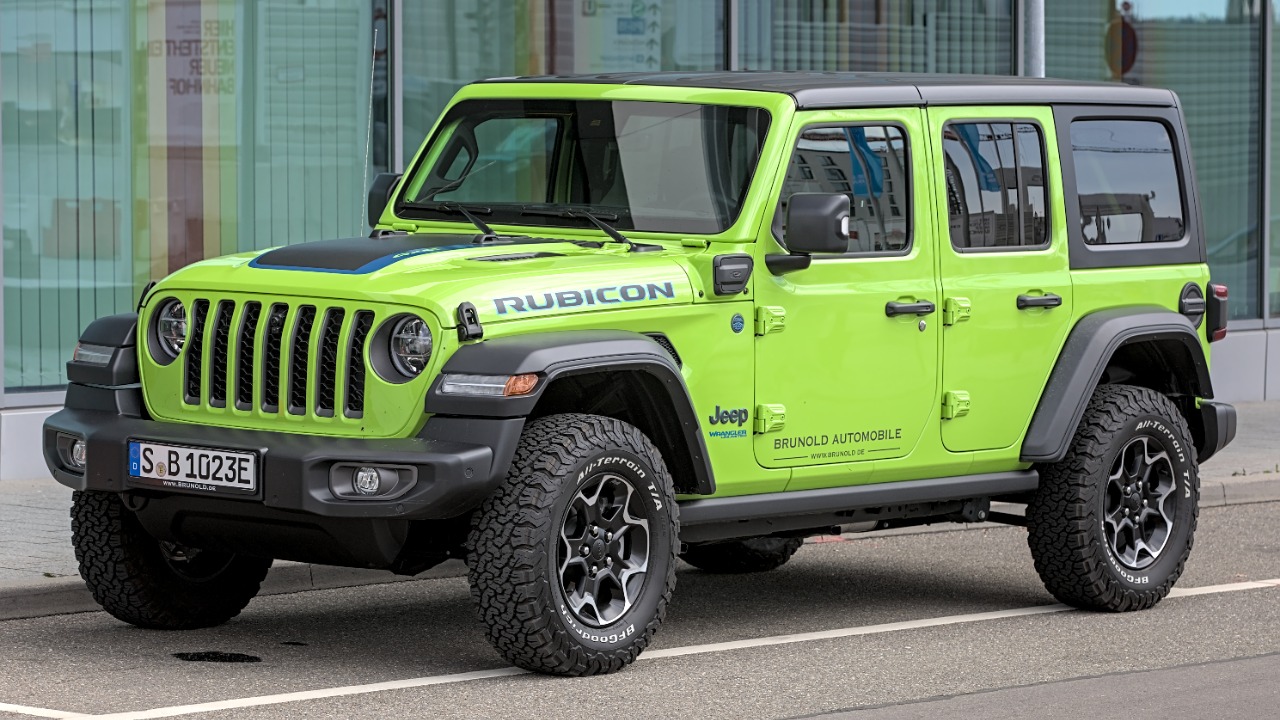
The 2021 Wrangler 4xe pairs a 2.0L turbocharged four-cylinder with plug-in hybrid hardware for 375 hp and 470 lb-ft of torque. Jeep lists 49 MPGe and 370 miles of total range, and Green Car Journal named it its 2021 Green SUV of the Year.
Electrification gave the Wrangler a new kind of credential. The award shows that a vehicle known for trail work could also earn recognition on efficiency terms. The numbers sit far from the MB\’s wartime brief, with a turbocharged four-cylinder and electric assistance doing the work.
12. Jeep Wrangler Rubicon 392 (2021): HEMI V8 Returns
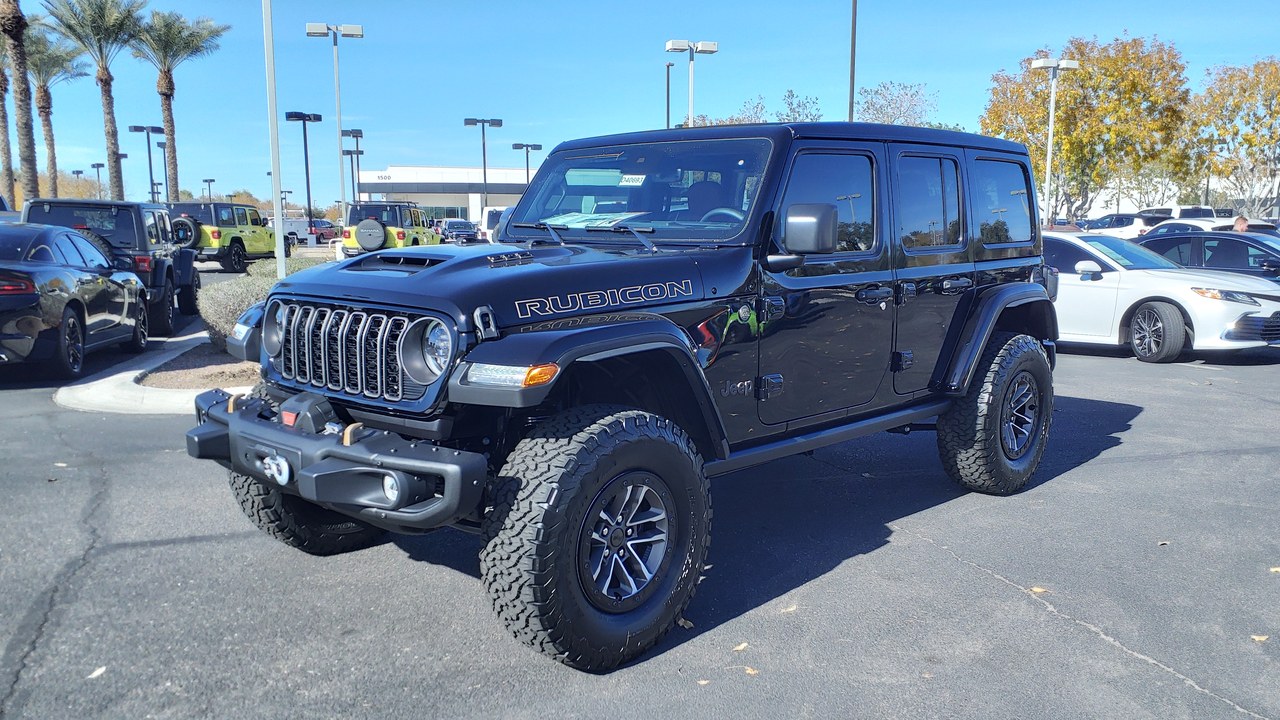
Under the hood of the Rubicon 392 sits a 6.4L HEMI V8 making 470 hp, good for 0-60 mph in 4.5 seconds. Jeep bills it as the quickest, most powerful Wrangler ever.
Where the 2003 Rubicon was sold on capability, the 392 is sold on raw output. It marks the most powerful point of the lineage so far. Jeep\’s 2020s page pairs the engine with the Quickest, Most Powerful label, so the 392 is presented as the performance peak of every Wrangler generation.
The day in tech, in one email: Get TLDR →
We may earn a commission if you sign up.
More from Morning Overview
- The NSA says three phone features should be off whenever you aren’t using them
- Hurricane Hunter radar shows four warning signs that a tropical cyclone is about to strengthen, a University of Miami study found
- Tropical Storm Rachel is dumping up to 12 inches on four Mexican states on its way to major hurricane strength
- The FTC says Lens.com doubled the price shoppers saw in Google ads
