
Toyota’s 4Runner has changed a great deal since it debuted as a Hilux with a removable fiberglass top. Each generation brought new engines, safety features and body styles, and the output climbed from modest to muscular. Here are ten milestones from 1984 through the latest hybrid.
The tech news worth your time: 400,000+ professionals from Google, Apple and OpenAI read Techpresso, a daily email with the most interesting tech news and insights.
We may earn a commission if you sign up.
1. Toyota 4Runner (first generation, 1984): Hilux With a Removable Top
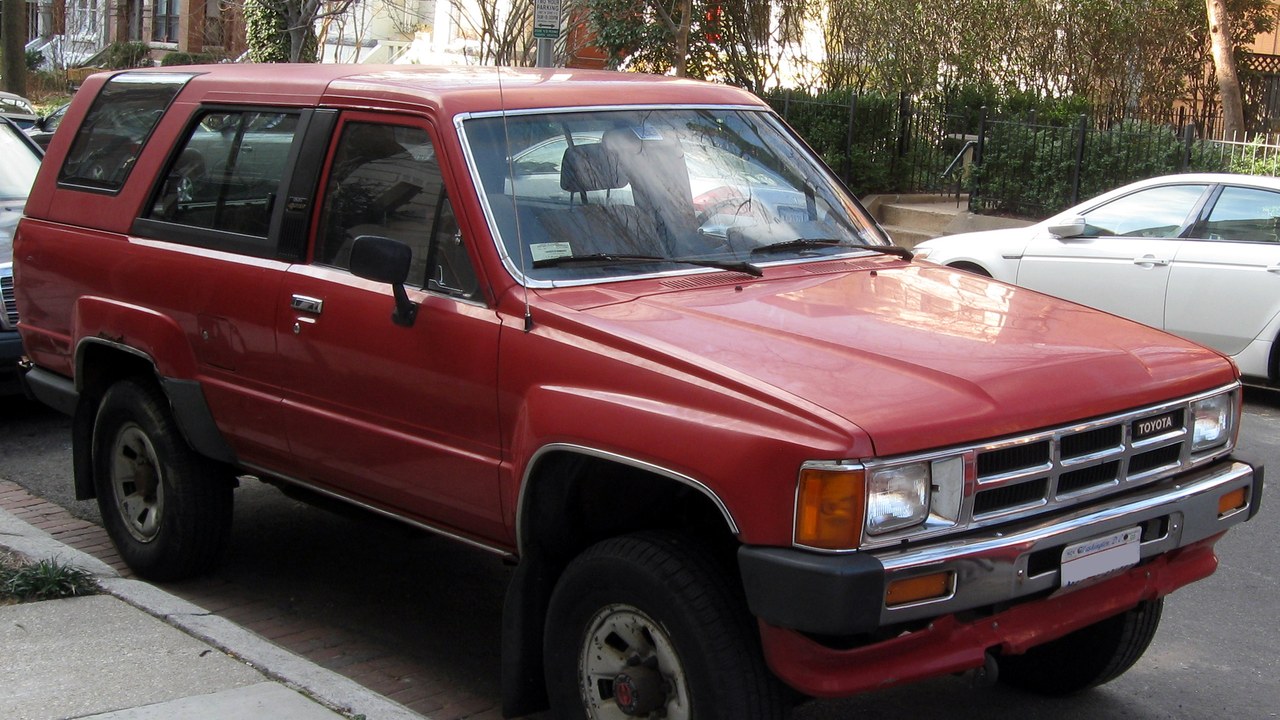
The first 4Runner debuted in 1984 as a Hilux fitted with a removable fiberglass rear top, as described in Toyota’s a Toyota 4Runner pressroom history. The original layout offered two front seats and no rear seats, so the cargo area took up everything behind the driver and passenger.
Power came from a 2.4-liter 22R carbureted engine rated at just 96 horsepower. That modest figure is the starting line for the climb the rest of this list traces, ending with a hybrid that makes more than three times as much.
2. Toyota 4Runner (1986 turbo 22R-TE): First Turbo and Hi-Trac
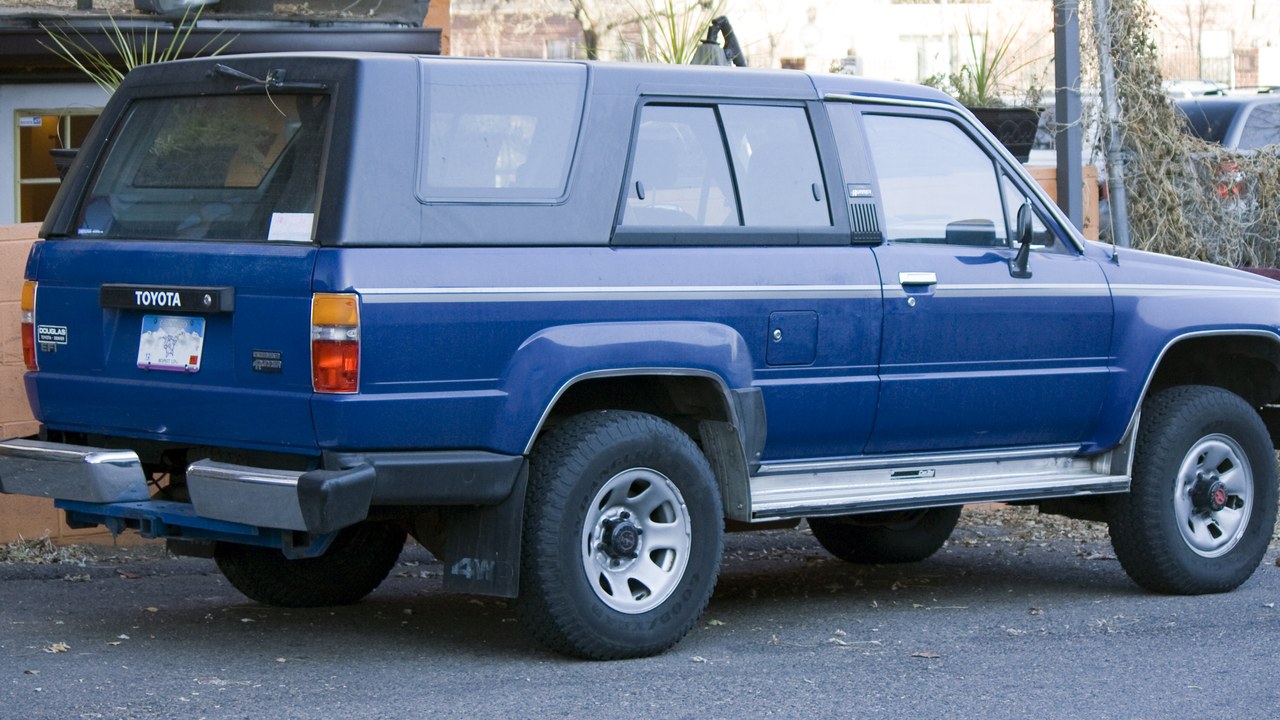
Model year 1986 brought the first turbocharged 4Runner, with the 22R-TE engine making 135 horsepower, according to the Wikipedia 4Runner article. That was a big jump over the 96 horsepower of the original carbureted four-cylinder, and it arrived only two years after the truck’s debut.
The same year added Hi-Trac independent front suspension, a change aimed at how the truck rode and handled on the road. Together, the turbo engine and the new front end marked the first real mechanical step beyond the original Hilux-based recipe, and they set a pattern of steady upgrades that continued through every later generation.
3. Toyota 4Runner (second generation, 1990): Full-Steel Body Arrives
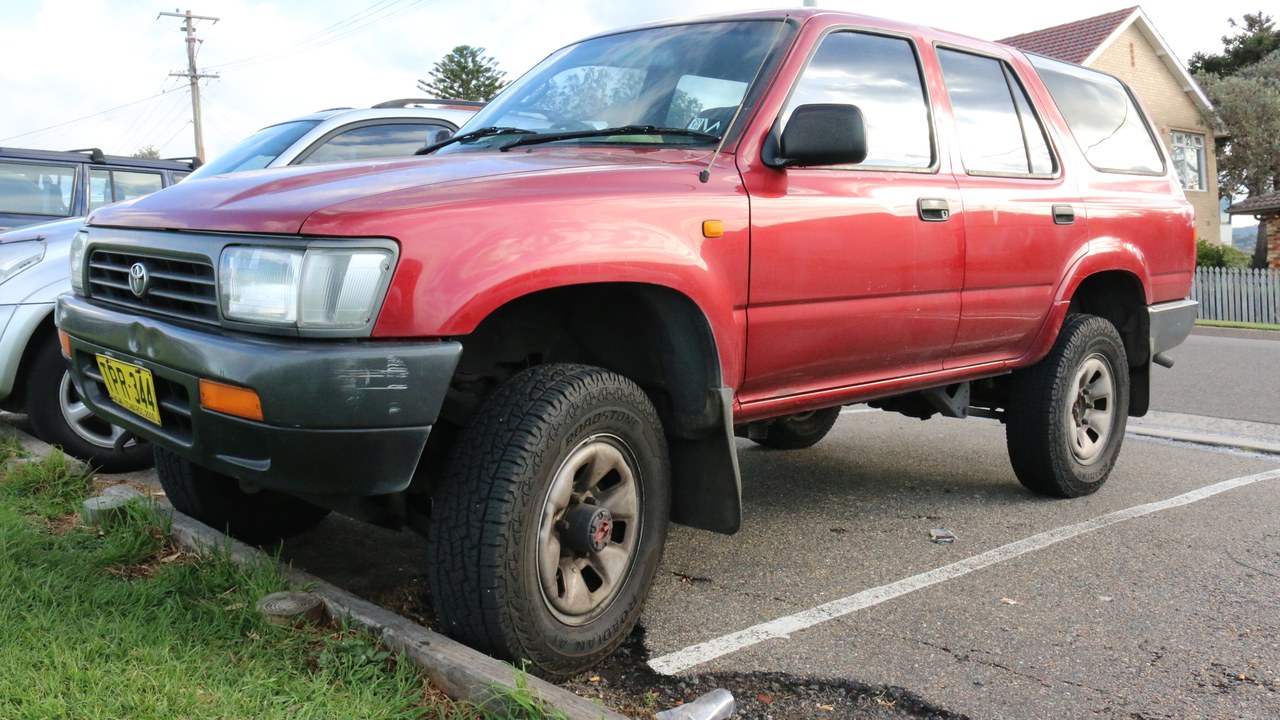
The 1990 redesign dropped the removable top in favor of a full-steel body and added three rear seats, with Toyota’s Toyota 40-year retrospective noting that a more muscular, aggressive exterior style was introduced at the same time.
The change turned the truck from a two-seat cargo hauler with a lift-off roof into a proper family wagon with a permanent roof overhead. US sales reached 75,962 by 1995, a sign that buyers welcomed the more practical second generation and its tougher look.
4. Toyota 4Runner (third generation, 1996): Airbags and a 3.4-Liter V6
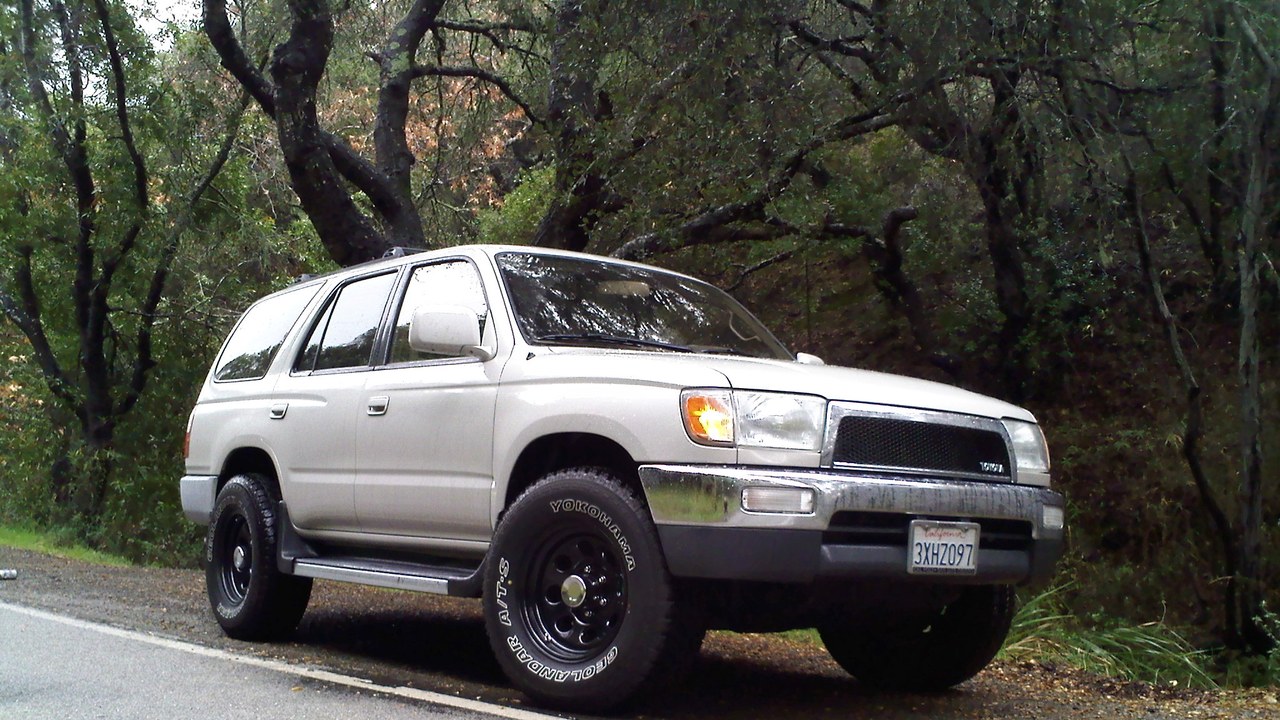
The all-new 1996 4Runner added dual airbags and a 3.4-liter 5VZ-FE V6 making 183 horsepower, per the Wikipedia 4Runner article. Driver and passenger airbags were a notable safety addition for a truck that began life with a removable fiberglass top.
Buyers responded in a big way. US sales jumped to 128,496 in 1997, the largest annual figure cited anywhere on this list, which made the third generation a high point for the nameplate in the showroom. That total sits well above the 75,962 units cited for the second generation by 1995.
5. Toyota 4Runner (fourth generation, 2003): Prado Underpinnings and a V8

The fourth-generation 4Runner arrived for 2003 on Land Cruiser Prado underpinnings, with a 245-horsepower 4.0-liter V6 and the first V8 option, according to the Wikipedia 4Runner article. The shift to Prado hardware gave the truck a fresh foundation.
Toyota’s pressroom history also credits the period with its first all-aluminum engine, pitched as offering more power and less weight than before. A stronger V6 paired with an optional V8 moved the 4Runner far beyond the 96-horsepower four-cylinder that started the story.
6. Toyota 4Runner (fifth generation, 2010 Trail Edition): Trail Edition and a Baja Result
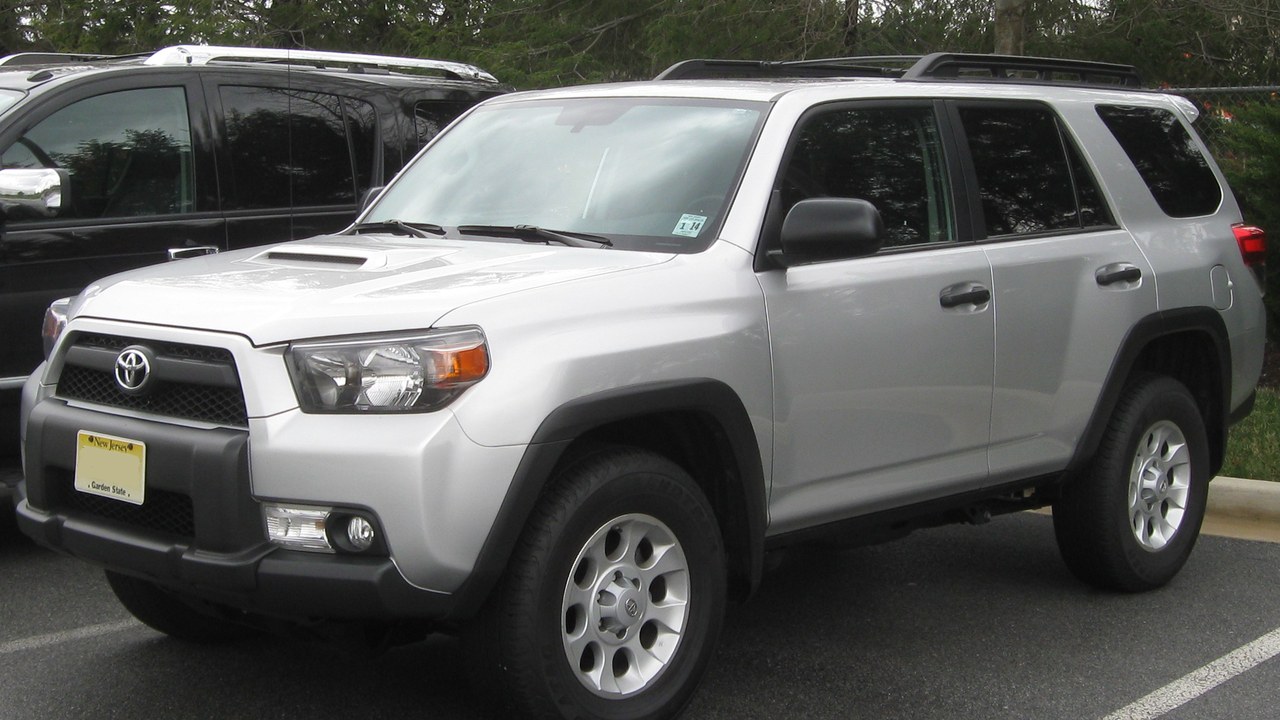
The fifth generation, which arrived in 2009, added the Trail Edition, and Toyota’s Toyota pressroom history points to a stripped 4Runner racing in the 2009 Baja 1000 as proof of the truck’s toughness.
That race truck finished second in its class by a margin of just eight minutes, a result Toyota’s account calls remarkable. The story gave the new generation some off-road credibility from the start, and the Trail Edition carried that image into showrooms. The close margin makes the result a fitting piece of trivia for a truck sold on trail ability.
7. Toyota 4Runner TRD Pro (2015): TRD Pro Joins the Lineup
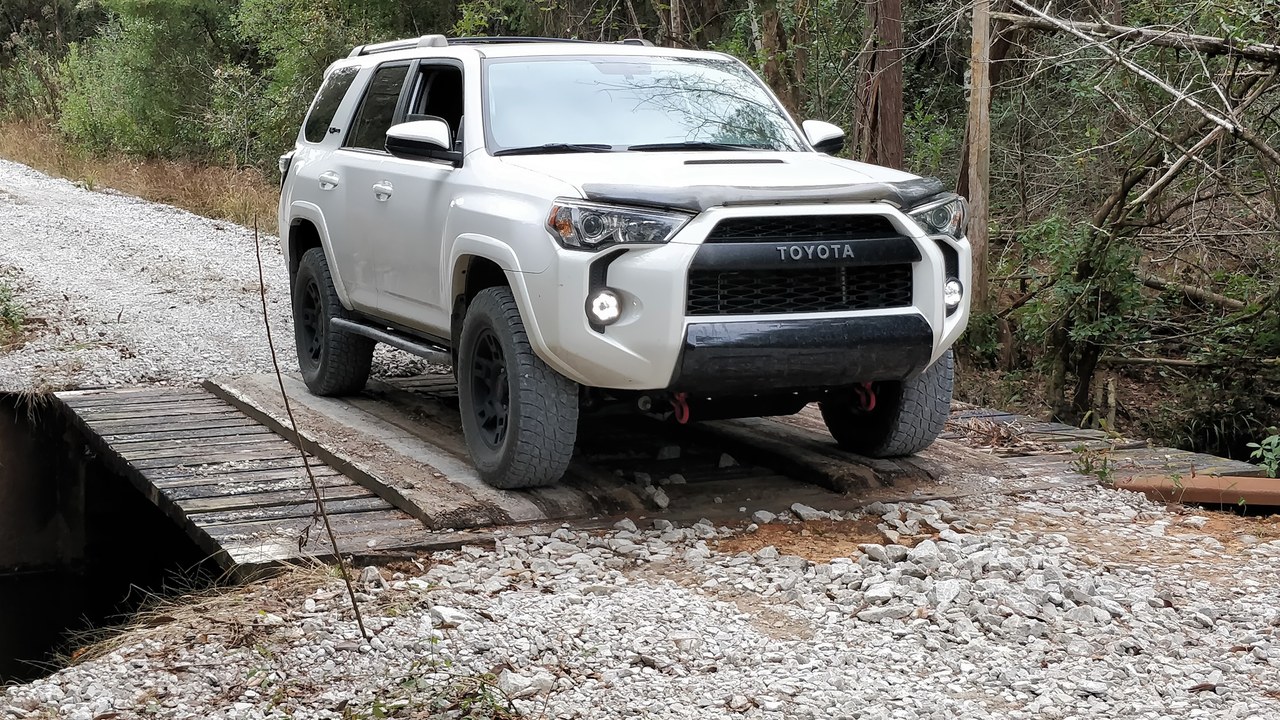
The TRD Pro arrived for the 2015 model year, built on the 4.0-liter 1GR-FE V6 that made 270 horsepower, per the Wikipedia 4Runner article. It added a dedicated off-road-focused trim to the fifth-generation lineup.
The new trim landed on a truck that was already selling well, as US sales reached 97,034 in 2015. Its arrival gave the long-running fifth generation a rugged flagship in its later years and a template for the premium off-road trims that followed. The 270-horsepower rating gave the new trim a strong V6 to work with.
8. Toyota 4Runner (sixth generation, 2025): First Redesign in 15 Years
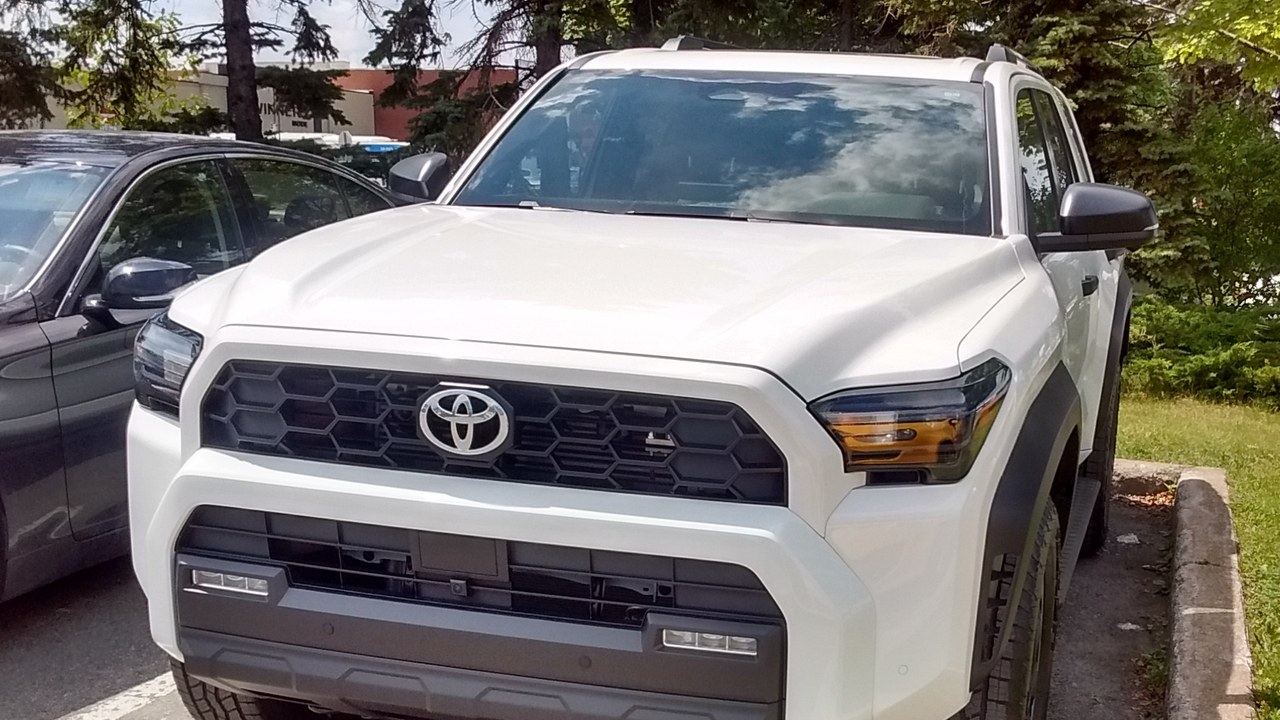
The sixth-generation 4Runner is the first redesign in 15 years, and Toyota’s 2025 4Runner press release lists a 2.4-liter turbocharged i-FORCE engine with up to 278 horsepower and 317 pound-feet of torque.
It rides on Toyota’s TNGA-F platform, a clean break from the architecture beneath the earlier generations. Even before the hybrid is considered, the turbo four already outpowers the 270-horsepower V6 listed for the 2015 TRD Pro. The 278-horsepower rating is the entry point for the new generation, with the hybrid sitting above it.
9. Toyota 4Runner i-FORCE MAX hybrid (2025): Hybrid Power Debuts
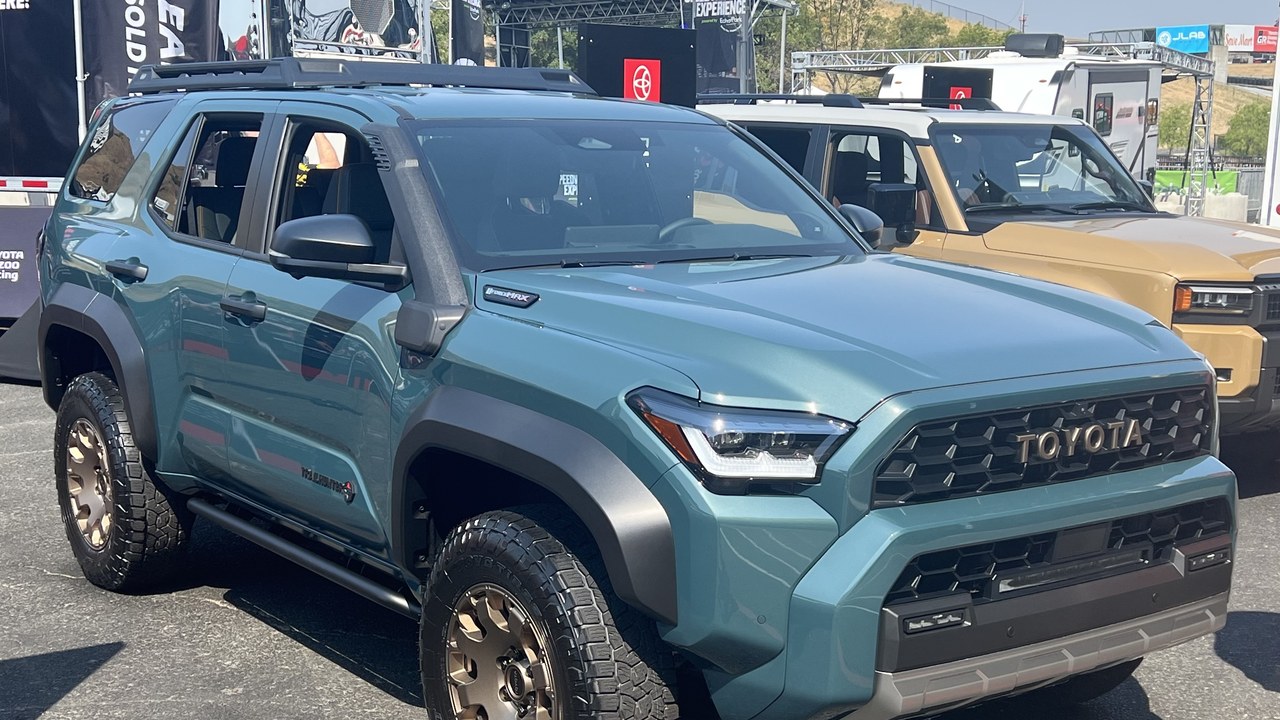
The i-FORCE MAX is the first hybrid 4Runner, and Toyota’s 2025 4Runner press release puts combined output at up to 326 horsepower and 465 pound-feet of torque. The release describes it as standard on the TRD Pro, Trailhunter and Platinum trims.
That places the most powerful version at the top of the lineup rather than in a niche option. It is also the 326-horsepower figure that anchors this list’s headline, more than three times the output of the 1984 original.
10. Toyota 4Runner (1988 V6 SR5): A V6 Finally Arrives
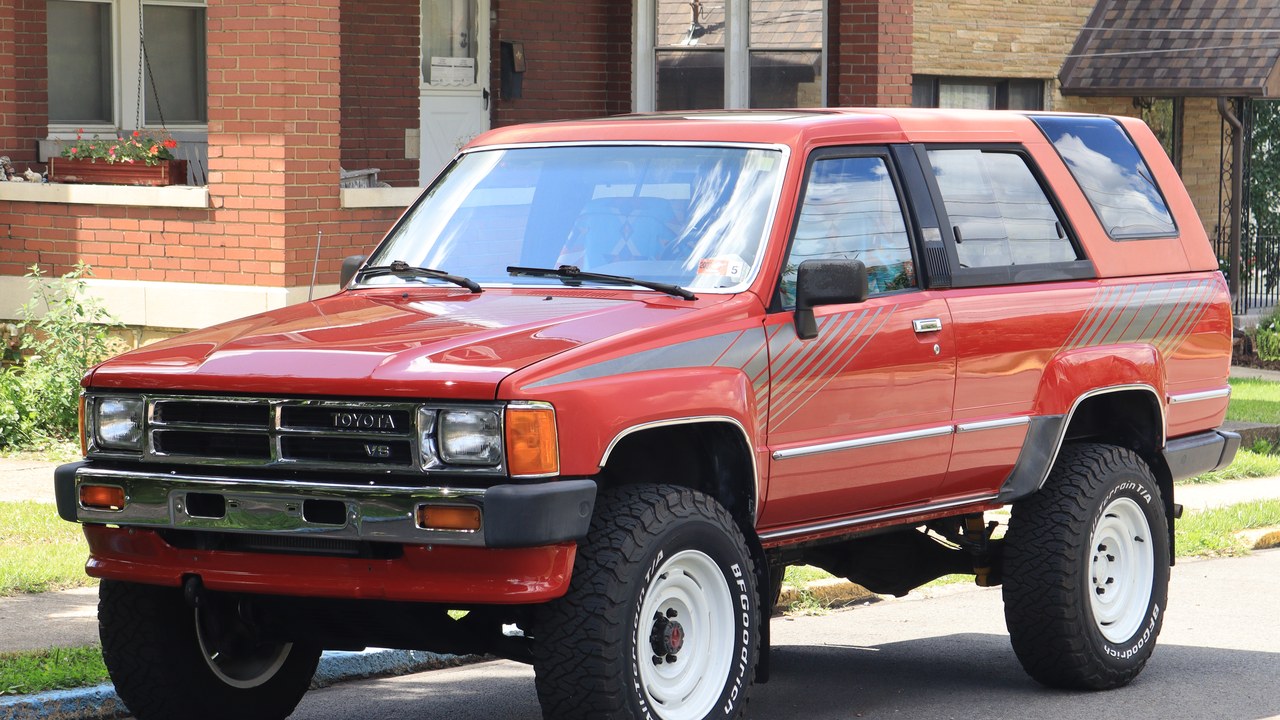
The 3.0-liter 3VZ-E V6 joined the lineup in 1988 with 145 horsepower, according to the Wikipedia 4Runner article. It was the first six-cylinder in the story, arriving well before the 183-horsepower V6 of 1996.
Sales shot up once the six-cylinder was available, going from 3,635 in 1987 to 20,880 in 1988. The jump shows how much the extra power mattered to the truck’s appeal in its first generation. Sales had been 3,635 units the year before, so the V6 coincided with a nearly sixfold increase.
The tech news worth your time: Subscribe to Techpresso →
We may earn a commission if you sign up.
More from Morning Overview
