
Long before European contact, Indigenous builders raised earthworks, mounds and stone cities across North America, and many of them survive today. The oldest of them dates to between 1700 and 1100 BCE, while most of the others belong to the medieval period. These ten places can all be visited on foot.
1. Serpent Mound: Coiled In Earth
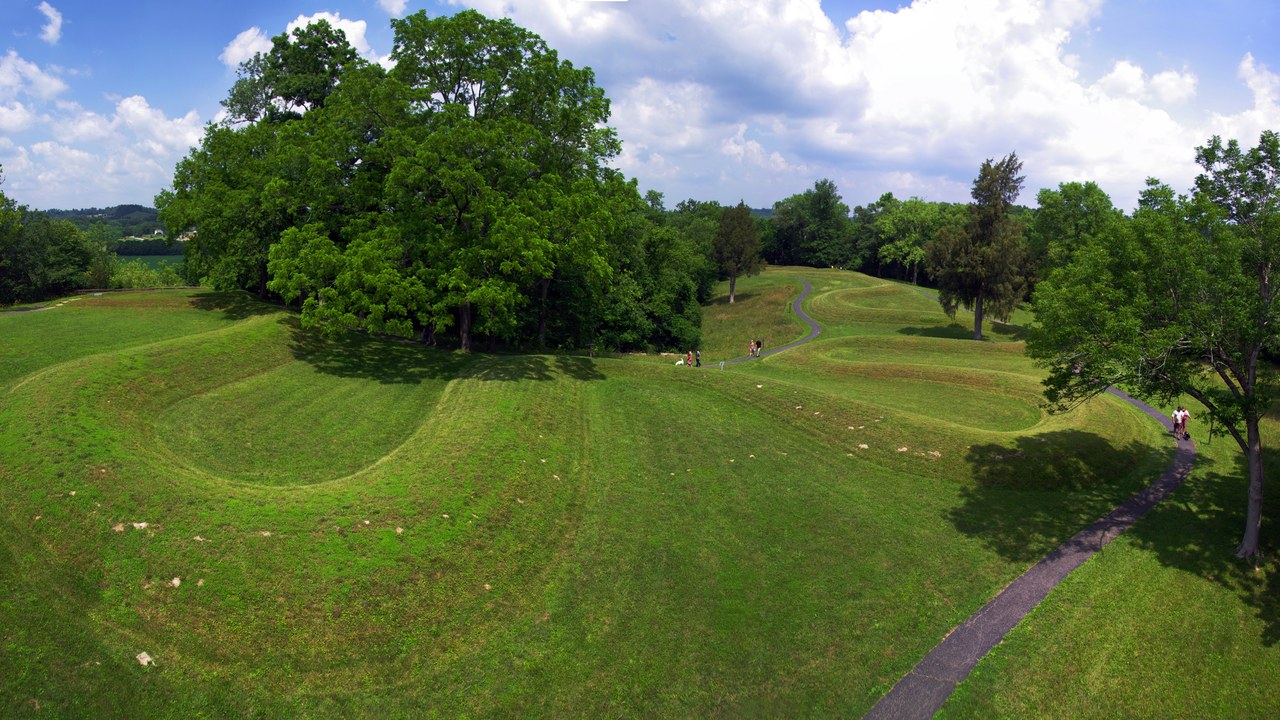
The effigy of a serpent in Ohio sits within the Fort Ancient landscape, described in the National Park Service guide to Indigenous landscapes. At sunset on the summer solstice, the sun is reported to line up with the head of the snake, though the agency gives no construction date. The earthwork is a long, low ridge winding across a hilltop, and its shape is easiest to grasp from above.
Visitors walk a path beside the coils rather than over them, which protects the fragile embankments. Because no construction date is given, any age quoted for the mound is best treated as an estimate rather than a settled fact.
2. Poverty Point: Five Mounds And Six Ridges
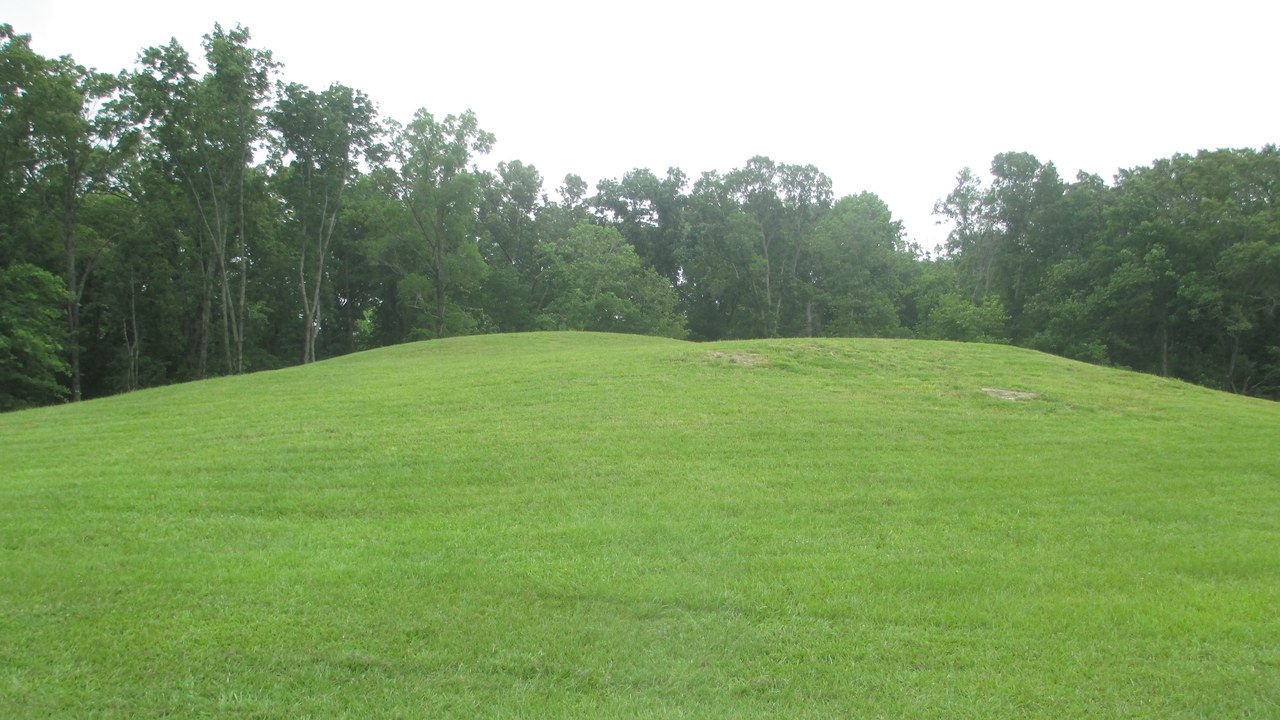
Hunter-fisher-gatherers built this Louisiana site between 1700 and 1100 BCE, according to the National Park Service account of the World Heritage earthworks. The complex has five mounds and six concentric semi-elliptical ridges, and about 53 million cubic feet of soil was moved to make them. Its builders were hunter-fisher-gatherers, not farmers.
The ridges are subtle at ground level, so the scale registers best from the elevated viewpoints and the mounds themselves. It is among the oldest sites on this list, far older than the medieval earthworks elsewhere in the eastern woodlands.
3. Hopewell Ceremonial Earthworks: Geometry In The Ohio Valley
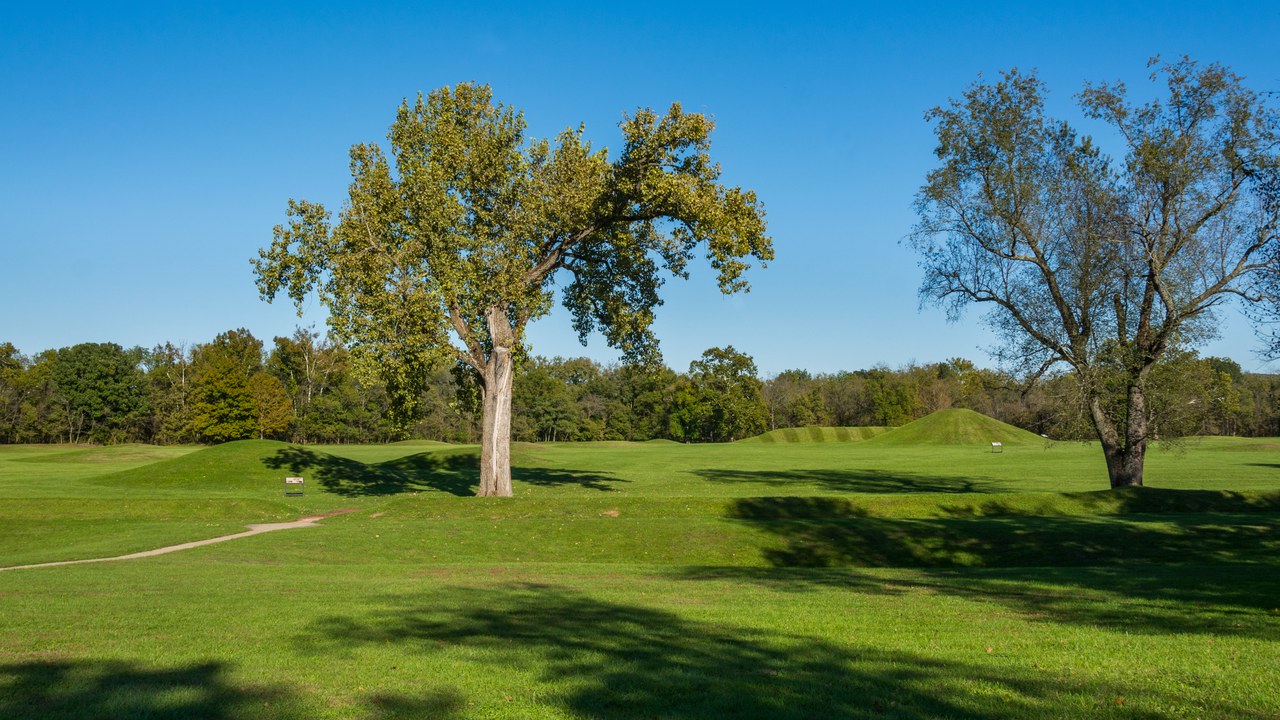
Five major earthworks in Ohio, built almost 2,000 years ago, make up the Hopewell Ceremonial Earthworks, and three of them are open to the public. Enclosures and mounds form part of the national park service listing of places where Indigenous landscapes can still be visited. The scale of the walls shows organised labour long before any European contact.
Only part of the original network survives, and the open sites are the practical place to start. Walking the grassy embankments gives a sense of the enclosed spaces that the builders laid out across the landscape.
4. Effigy Mounds National Monument: Bears And Birds In Iowa
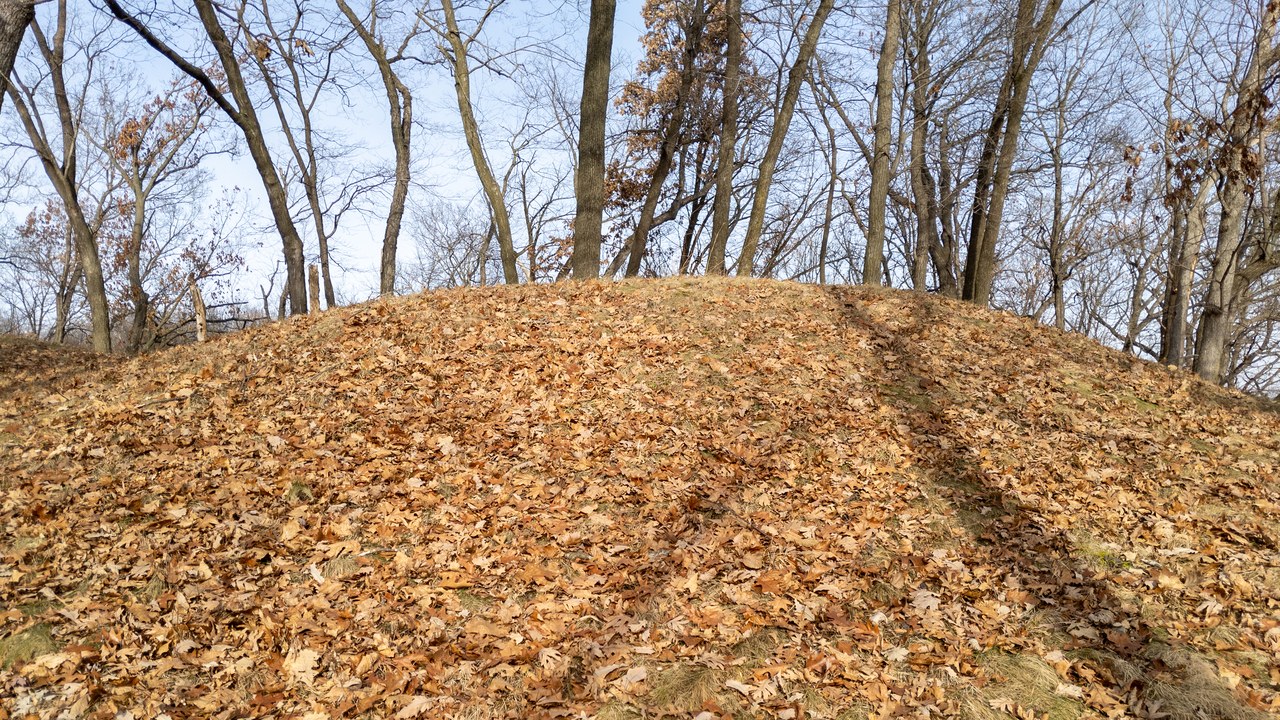
More than 200 mounds stand in Iowa at this monument, dated to roughly 650 to 1200 CE, and 31 of them were shaped as birds and bears, according to the park service overview. The remainder include conical and linear forms. Together they form a woodland landscape above the Mississippi River rather than a single monumental structure.
The animal outlines are low and broad, so they are hard to read from the ground in leaf cover. Trails lead through the trees to the mounds, and the bluff-top setting adds a view across the river valley.
5. Mesa Verde: Cliff Dwellings Of Colorado
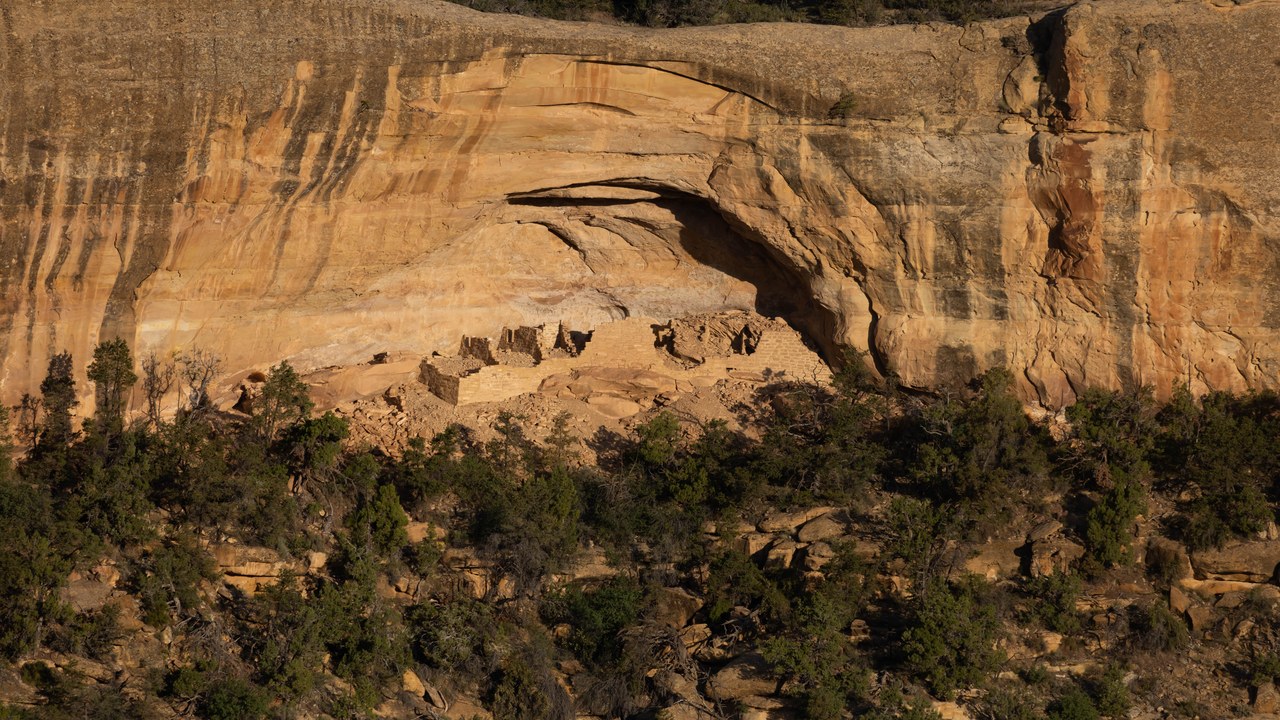
Ancestral Puebloan people occupied the mesa from about 600 to 1300 CE, and the park holds some 5,000 known archaeological sites, among them 600 cliff dwellings, as the Mesa Verde National Park entry notes. Many of the dwellings sit in natural alcoves in the sandstone, tucked beneath overhanging rock. The long span of occupation produced several building styles.
Many of the alcove structures are fragile, so access to them is managed. Mesa Verde is one of the later sites in this gallery, and it dates to the medieval period rather than to remote antiquity.
6. Chaco Canyon: Great Houses In The Desert
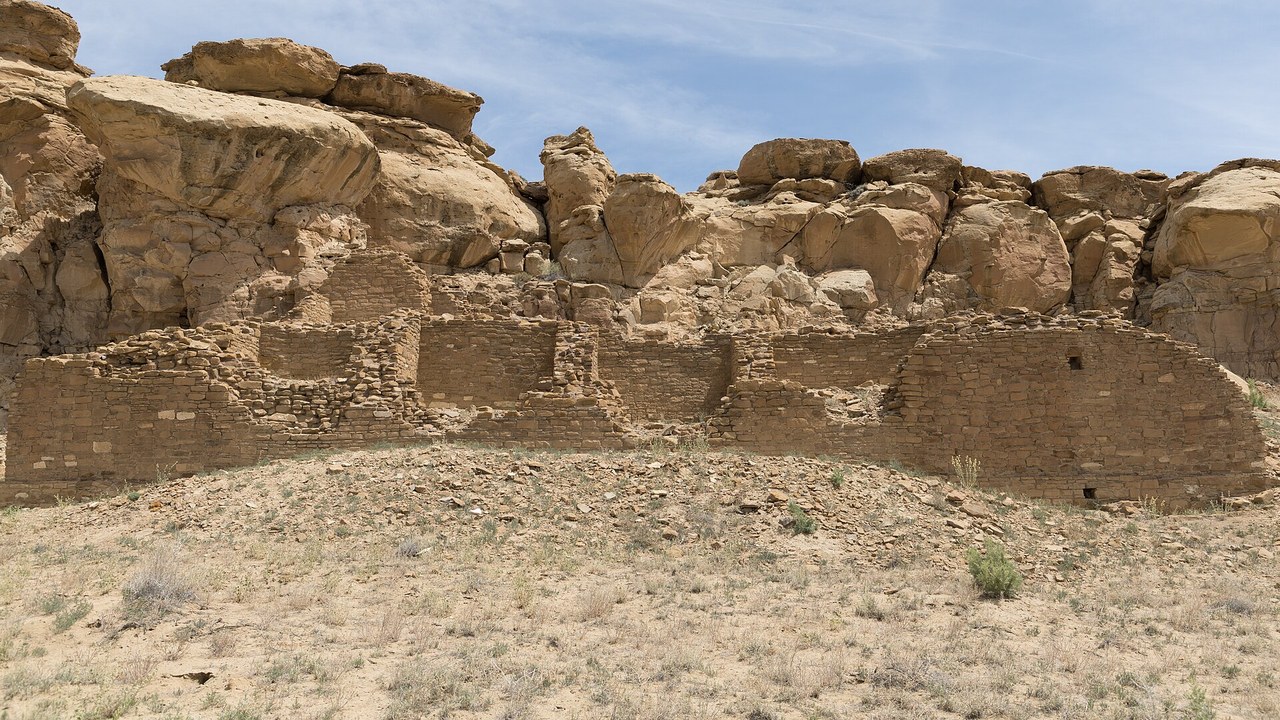
Great houses, astronomical markers, water-control devices and earthen mounds had been established in this New Mexico canyon by 1050 CE, according to the park service guide to Indigenous landscapes. The masonry great houses are large stone structures that stand out in the landscape. The canyon served as a centre for people across the surrounding Southwest.
Walls of stone and mortar stand exposed in a dry, open landscape, and walking the ruins reveals the layered masonry. The desert setting makes the visit more demanding than a stroll across a mown mound.
7. Cahokia: The Largest Settlement North Of Mexico
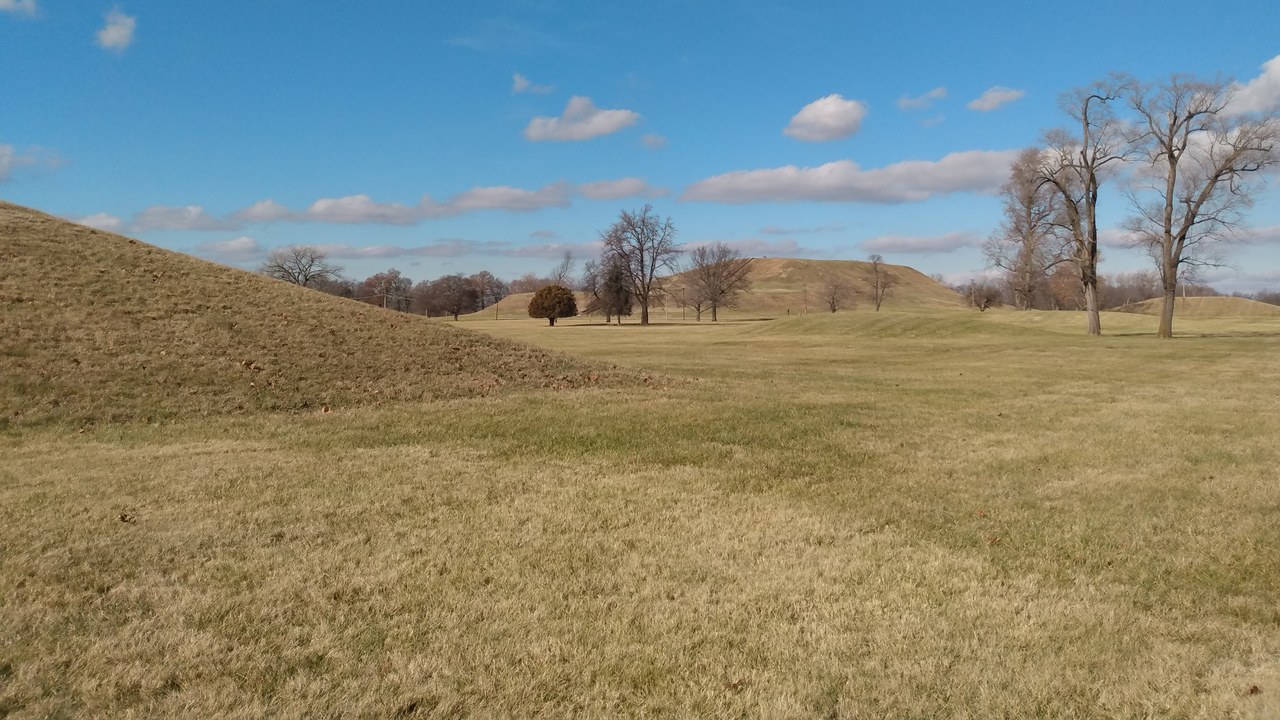
Between 1050 and 1350 CE, this Illinois site flourished as the largest and most complex Mississippian site, and Wikipedia’s entry on Mississippian culture calls it the largest pre-Columbian settlement north of Mexico. Its earthen mounds were the monumental core of a city that drew on surrounding farmland. The settlement set the pattern for later towns across the Southeast.
Visitors climb the large platform mound and look across the plaza toward the smaller mounds. The headline claim applies to the settlement as a whole rather than to any single mound, so the site is best understood as an urban centre.
8. Moundville: Alabama’s Mississippian Core
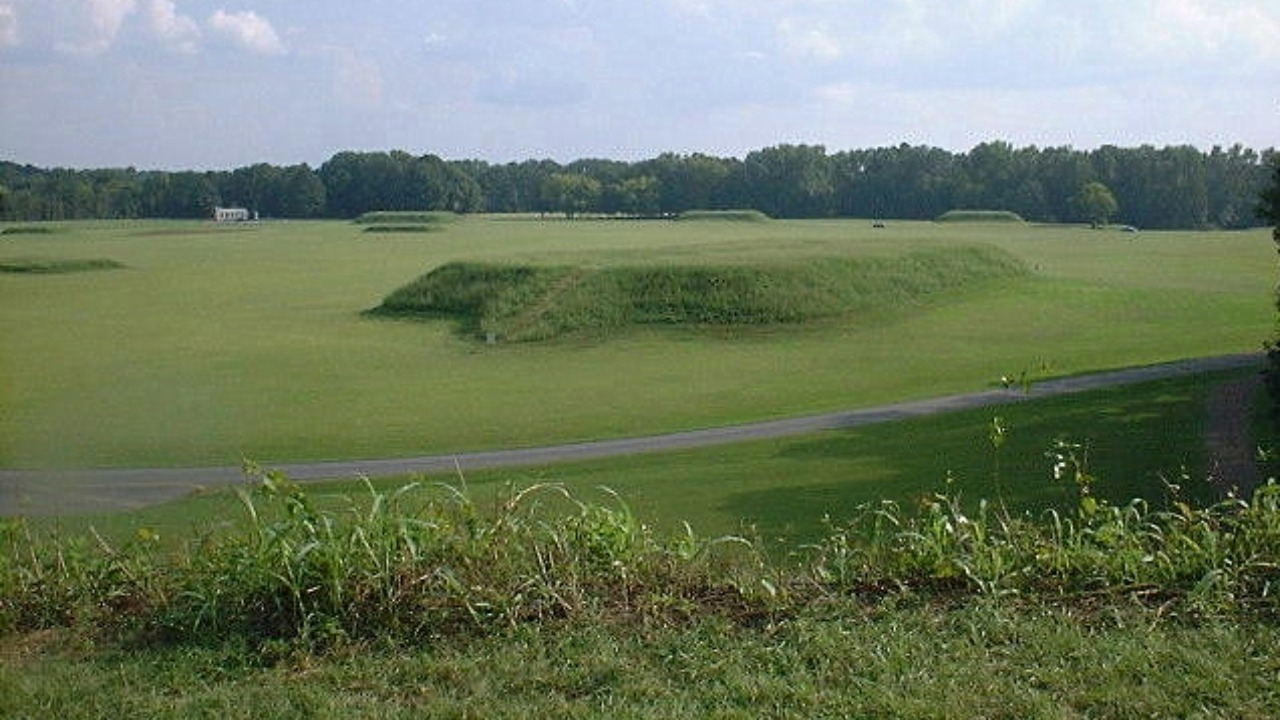
Moundville, near Tuscaloosa in Alabama, is ranked with Cahokia as one of the two most important sites at the core of Mississippian culture, per the Mississippian culture article. Its platform mounds are arranged around a central plaza. That pairing places it among the foremost towns of its era.
The park keeps its mounds open to walking. Only its rank, and not any specific population figure, is supported here, so comparisons with Cahokia should be made cautiously. Walking the grounds shows how the mounds were arranged around an open plaza, a layout shared with other major towns of the Mississippian world.
9. Etowah Mounds: Georgia’s Earthwork Town
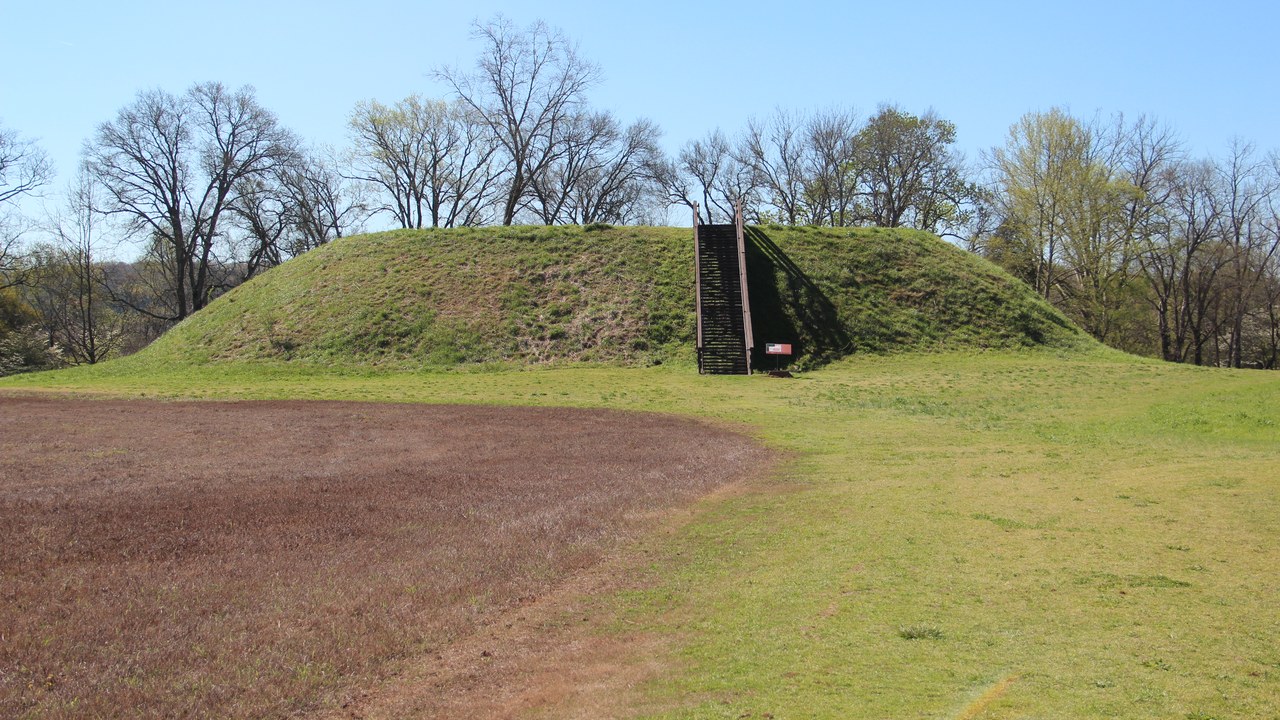
A prominent South Appalachian Mississippian settlement stood at Etowah in Georgia, with multiple large earthwork mounds, as the overview of Mississippian culture records. The platform mounds rise above the river floodplain and form a ceremonial core. The town belonged to a wider network of Mississippian communities across the Southeast.
Visitors can walk to the base of the largest mounds and, at several, climb the stairs installed for access. The site shows that monumental earthwork building was not confined to the Midwest. The mounds are earthen platforms, which in Mississippian towns typically supported important buildings.
10. Ocmulgee Mounds: Mounds Beside The Macon Plateau
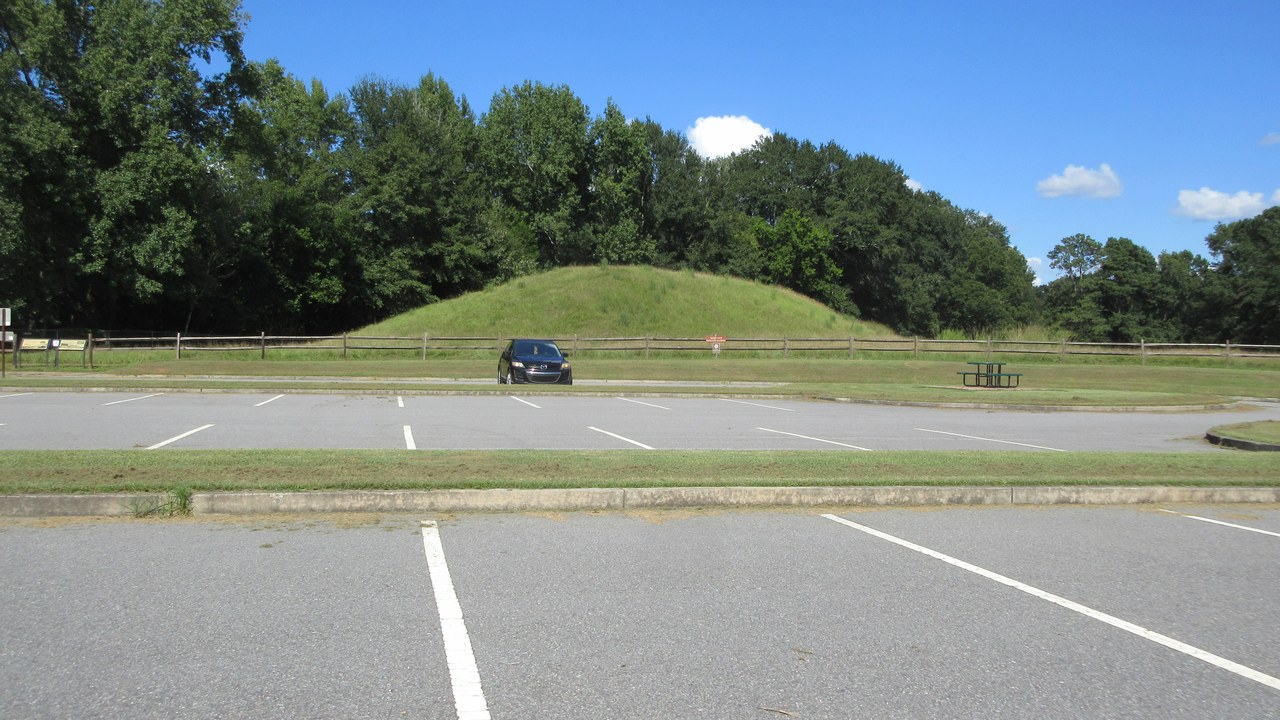
A major South Appalachian Mississippian settlement lay at Ocmulgee in Georgia, with multiple large earthwork mounds, according to this Mississippian settlement summary. The mounds are preserved within a national historical park, and the largest are clearly visible from the entrance area. They illustrate the same builders’ tradition seen at Etowah.
Open grounds and short trails make the site easy to cover on foot. Because the evidence cited here is general, the visit is best framed as a look at a surviving Mississippian town rather than a precise chronology.
More from Morning Overview
- Two passengers died at an Ohio toll plaza, and the NTSB now wants the cash lanes shut
- Long use of a common prostate pill is tied to a higher chance of glaucoma
- Ford is recalling 223,472 F-150 pickups because the fuel tank can leak or detach
- Hybrids have 15% fewer problems than gas cars, while EVs and plug-in hybrids have about 80% more, Consumer Reports finds
