
The muscle-car boom of the 1960s produced a handful of machines that now trade for more than a suburban house. Fat engines, thin production runs, and unbroken paperwork have pushed the best examples into rarefied auction territory, where bidding wars routinely stretch past the quarter-million mark. These are the eleven that turned Detroit horsepower into a genuine investment class.
1. Shelby GT500: Carroll’s Big-Block Prize

When Carroll Shelby dropped a 428-cubic-inch big-block into the 1967-68 Mustang, he created a car that outgrew its sticker price within a generation. The Shelby GT500 program paired factory Ford muscle with hand-finished bodywork and limited numbers, and the best documented cars now clear six figures easily.
The Shelby name attracts clones and tribute builds, so an original steel VIN and a Shelby American registry listing matter enormously. A rebodied or re-stamped car can look identical in photos yet trade at a fraction of a verified example, making paperwork the difference between a fortune and a fake.
2. Chevrolet Chevelle SS 396: Blue-Chip Bowtie
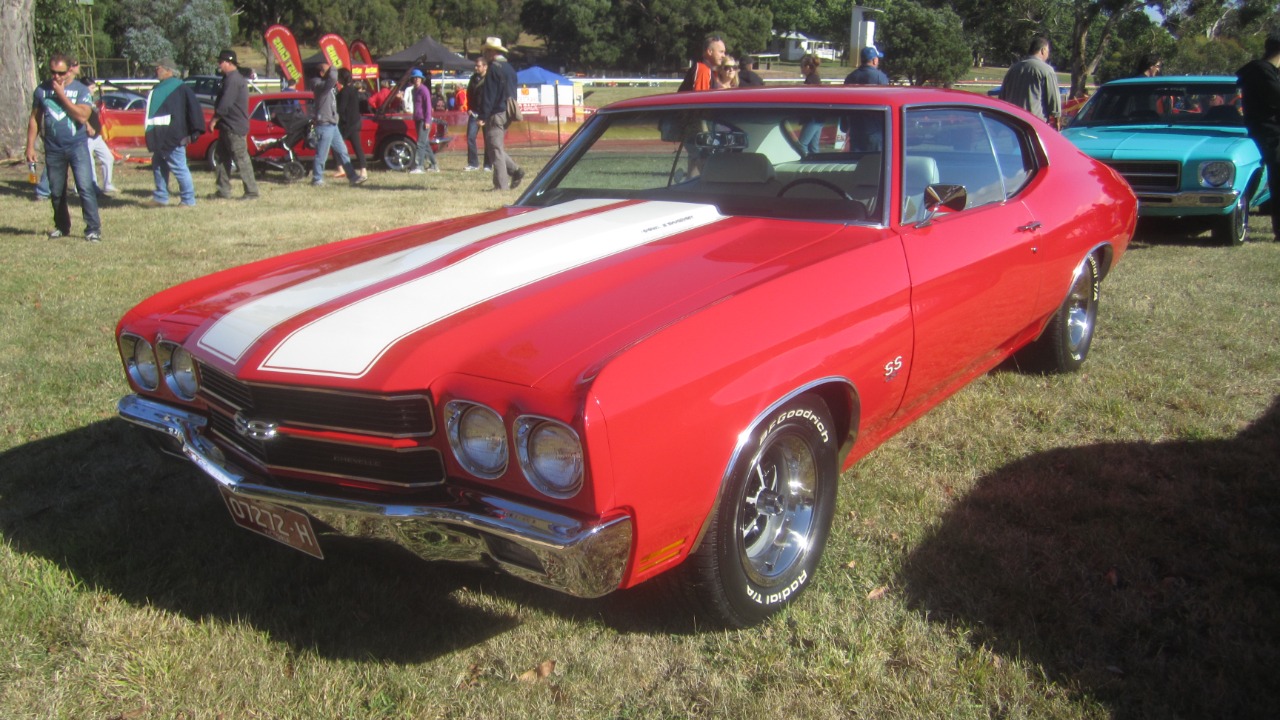
The 1966-67 Chevelle SS 396 turned Chevrolet’s mid-size sedan into a street brawler. A genuine SS 396 hardtop with matching numbers and the correct build sheet now anchors serious collections, and the rarest L78 375-horsepower cars push toward and past the six-figure line at major auctions.
The catch is that SS badges were easy to add and hard to prove, so a well-optioned Malibu is often dressed to look like the real thing. Serious money only follows a documented SS with cowl-tag evidence, meaning a buyer who trusts looks alone risks paying muscle prices for a dressed-up coupe.
3. Pontiac GTO: The Car That Started It
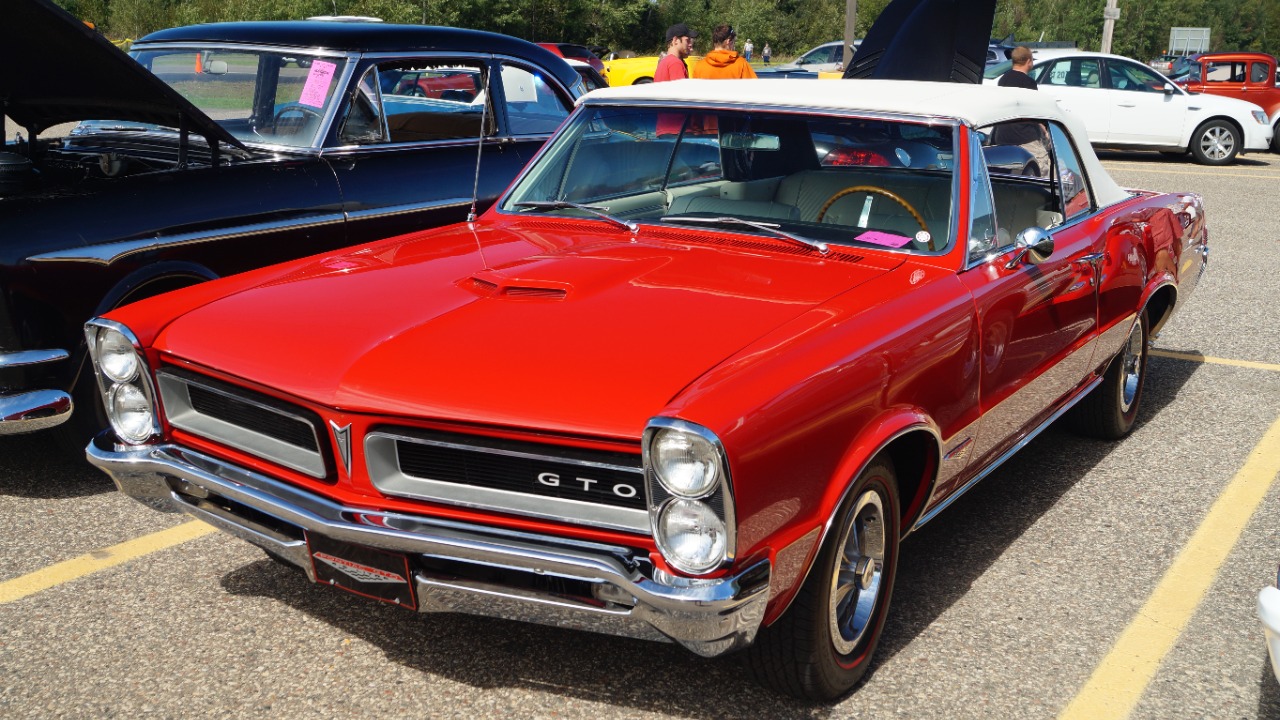
Widely credited with launching the muscle-car era, the original 1964-67 Pontiac GTO packed a big engine into a light body and rewrote what a mid-size coupe could do. The Tri-Power GTO carries historical weight, and that first-mover status now translates into six-figure results for pristine tri-carb and convertible examples.
Because the GTO began as an option package on the Tempest and LeMans, provenance is everything and lookalikes are common. A buyer chasing top dollar needs original engine codes and factory documentation, since a converted LeMans wearing GTO trim may drive the same but will never command the same respect or resale.
4. Dodge Charger: Coke-Bottle Mopar Royalty
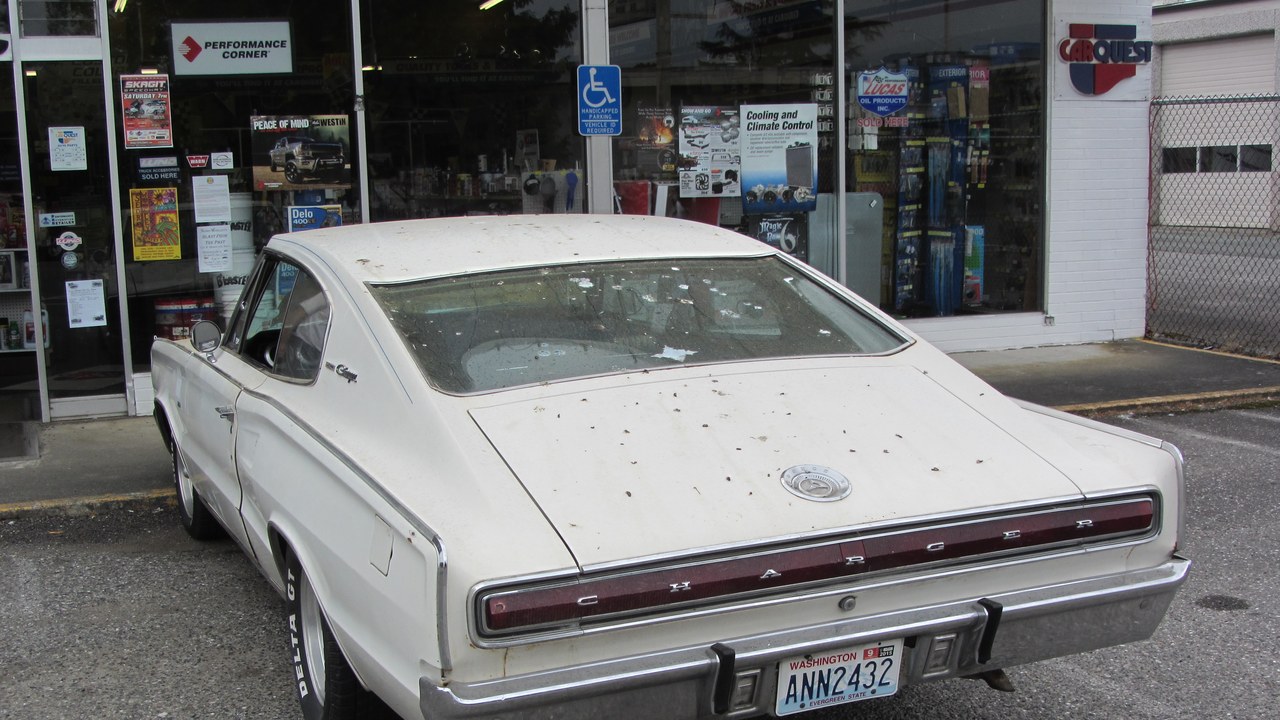
The 1968-69 Dodge Charger, with its hidden headlights and coke-bottle flanks, has become one of the most valuable Mopars ever built. A Hemi-powered Charger from this window regularly commands six figures, and the halo R/T and 500 variants push even higher when the numbers match.
The trouble is that the 426 Hemi was a rare and costly factory choice, so many cars on the market are 440 or 383 conversions dressed to imply more. A collector must verify the fender-tag and engine stampings, because the gap between a real Hemi Charger and a convincing tribute runs into hundreds of thousands of dollars.
5. Plymouth Barracuda: The ‘Cuda Fortune
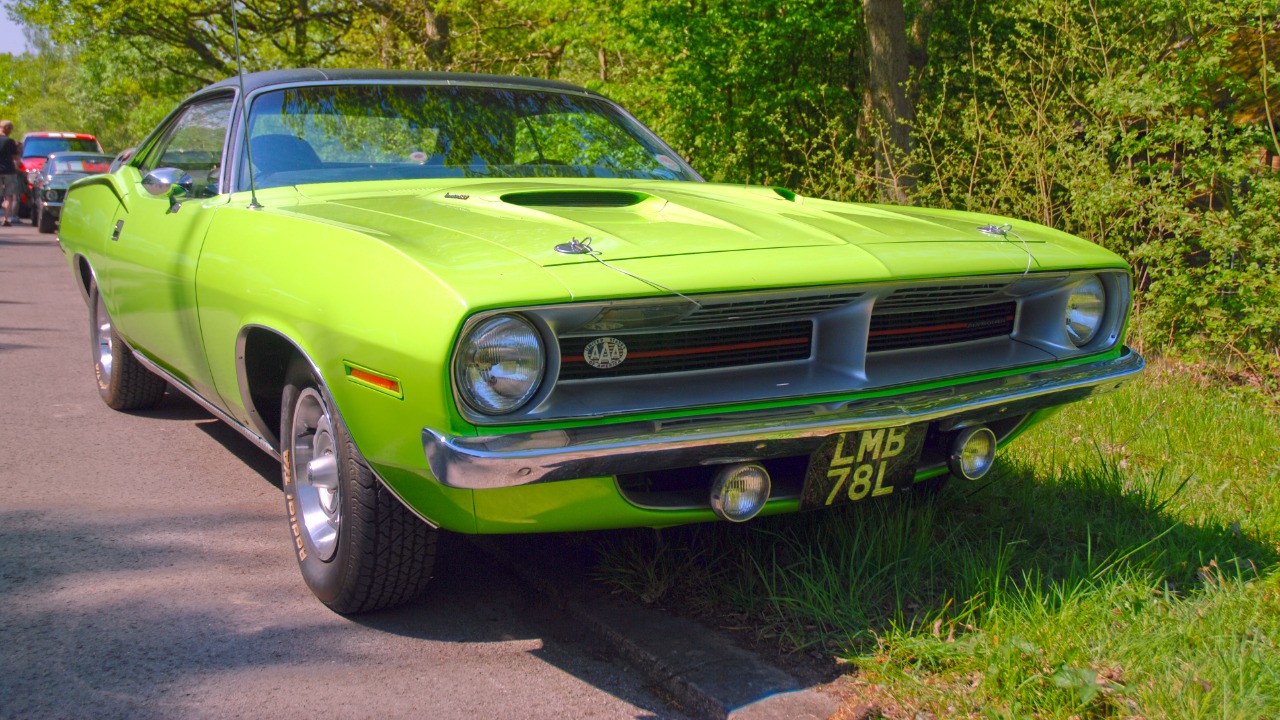
Big-block Plymouth Barracudas, especially the muscular late-1960s ‘Cuda variants, now trade for sums that once seemed absurd for a Plymouth. A properly documented Hemi ‘Cuda sits among the most valuable American cars of any era, and even the strong 440 cars command six figures when originality holds up.
Values this high create powerful incentives to fake, and the ‘Cuda market is thick with re-created cars and swapped drivetrains. Anyone buying at these levels should insist on a broadcast sheet and expert authentication, since an unverified ‘Cuda can evaporate hundreds of thousands in value the moment its paperwork is questioned.
6. Chevrolet Camaro Z/28: Trans-Am Bred
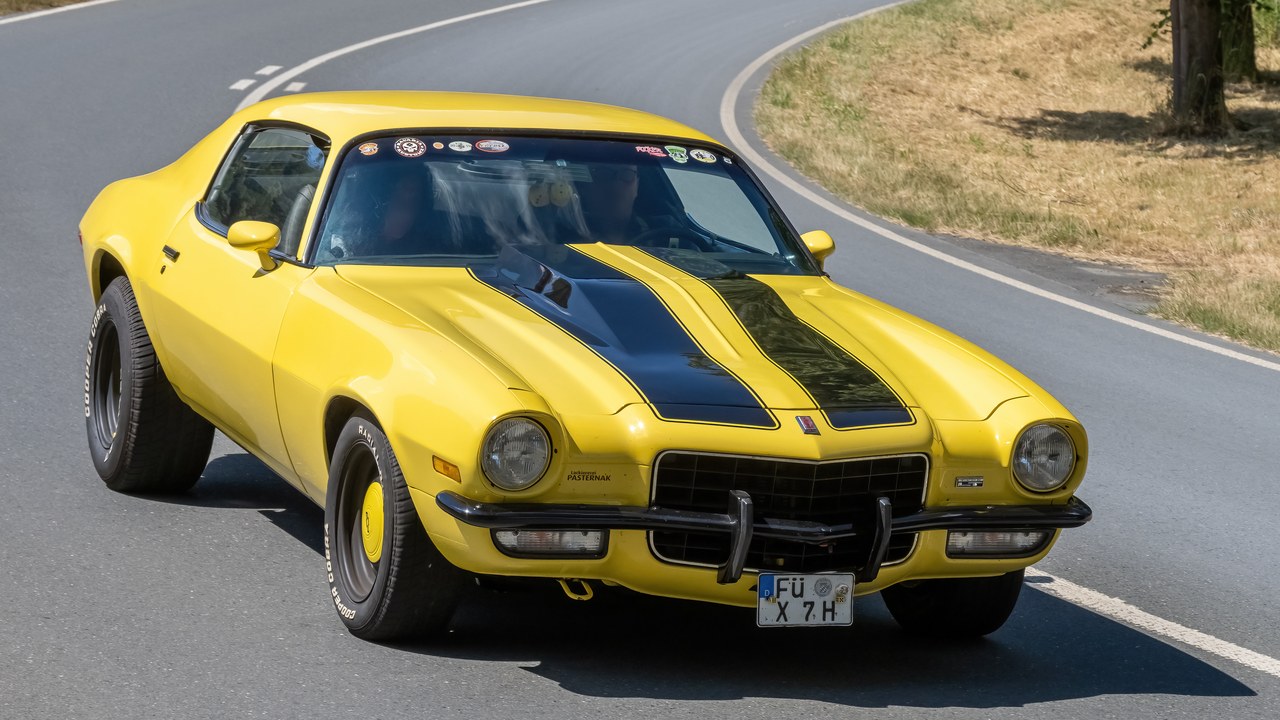
Built to homologate Chevrolet for Trans-Am racing, the 1967-69 Camaro Z/28 paired a high-revving 302 with road-course credibility that collectors still chase. The first-generation Z/28 is prized for its motorsport DNA, and the cleanest 1969 examples with correct trim and documentation now reach into six figures.
The Z/28 was a specific option code rather than a distinct model, so base Camaros are frequently rebadged to imitate it. A collector serious about value must confirm the cowl tag and original 302 block, because a tribute Z/28 offers the look without the pedigree that supports genuine six-figure pricing.
7. Ford Mustang GT: Pony Car Icon

The 1965-68 Mustang GT has quietly climbed from affordable classic to genuine collector target, especially in K-code high-performance form. A well-kept first-generation Mustang with the GT equipment group and a documented four-speed can now approach six figures, driven by nostalgia for the car that created the pony-car segment.
Because Ford built Mustangs by the million, condition and originality decide everything at the top of the market. A base-engine survivor will never match a verified GT with its original drivetrain, so buyers chasing appreciation should focus on factory GT documentation and matching numbers rather than cosmetic upgrades.
8. Chevrolet Corvette Sting Ray: Split-Window Icon
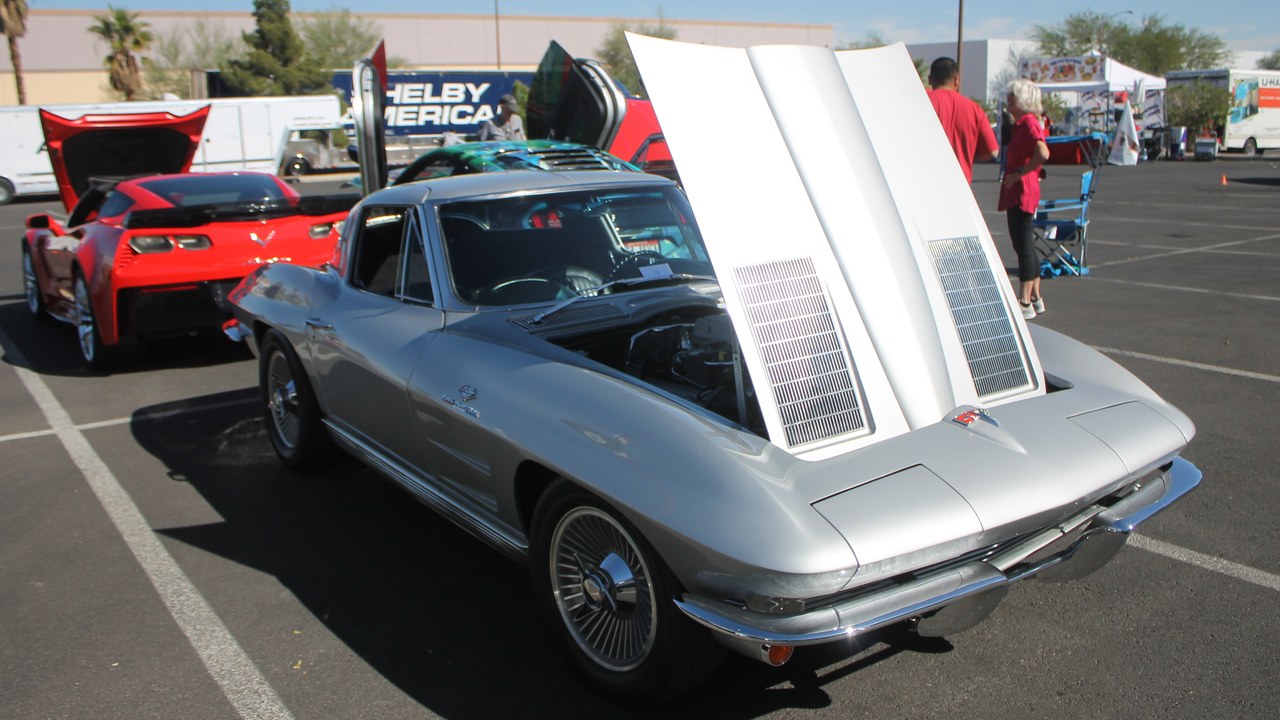
The 1963-67 Corvette Sting Ray, particularly the one-year split-window coupe and the fuel-injected and big-block cars, is a fixture of six-figure sales. The second-generation Corvette combined dramatic styling with real performance, and the rarest 427 and L88 examples reach into the millions.
Corvette values reward originality with brutal precision, so a car with a replaced engine or non-original fiberglass falls well behind a matching-numbers example. Collectors should study tank stickers and casting dates carefully, because the difference between a correct Sting Ray and a modified one can be enormous at this level.
9. Oldsmobile 442: The W-30 Sleeper
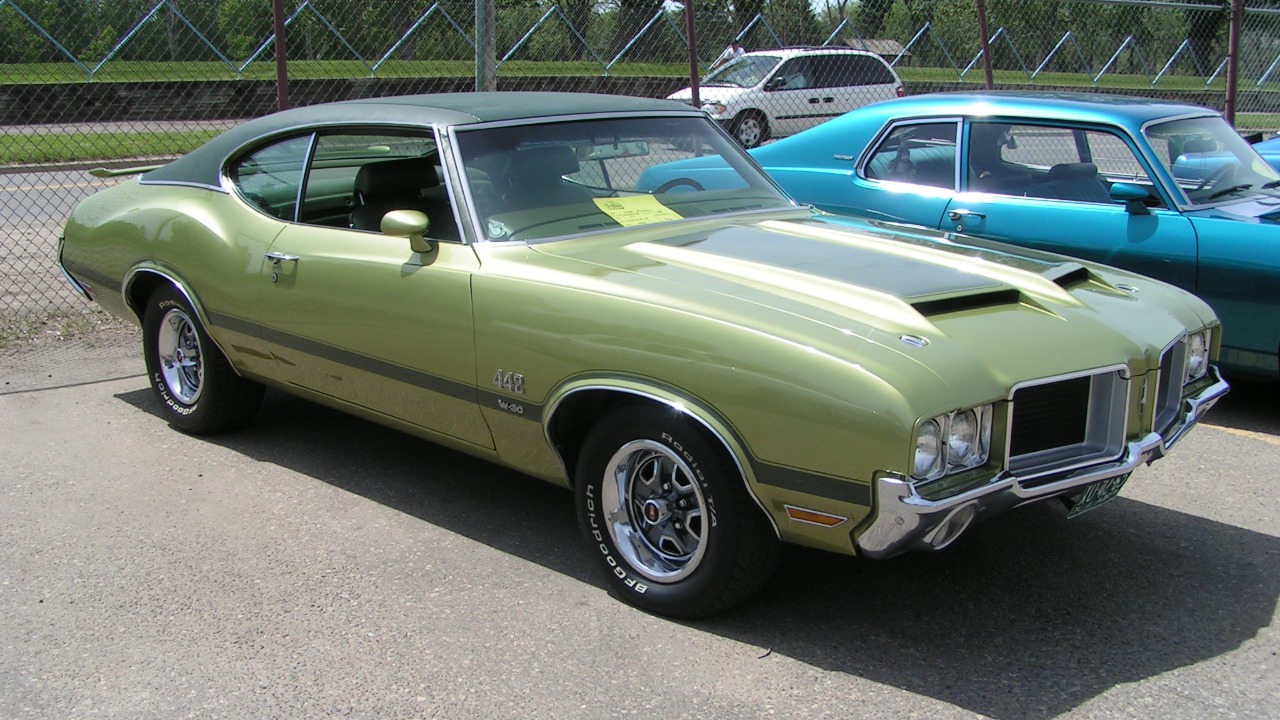
Often overshadowed by flashier rivals, the Oldsmobile 442 hid serious muscle beneath a more restrained badge, and the rare W-30 cars now fetch big money. A documented 442 W-30 with its cold-air induction and correct drivetrain has climbed into six-figure territory, rewarding collectors who saw its credentials early.
The W-30 package was scarce, so most 442s on the market are standard cars that lack the option’s value multiplier. A buyer needs to verify the specific W-30 codes and documentation, since a base 442 offers similar looks but sits far below the rare cold-air cars in collector pricing.
10. Buick GS 455: The Gentleman’s Bruiser
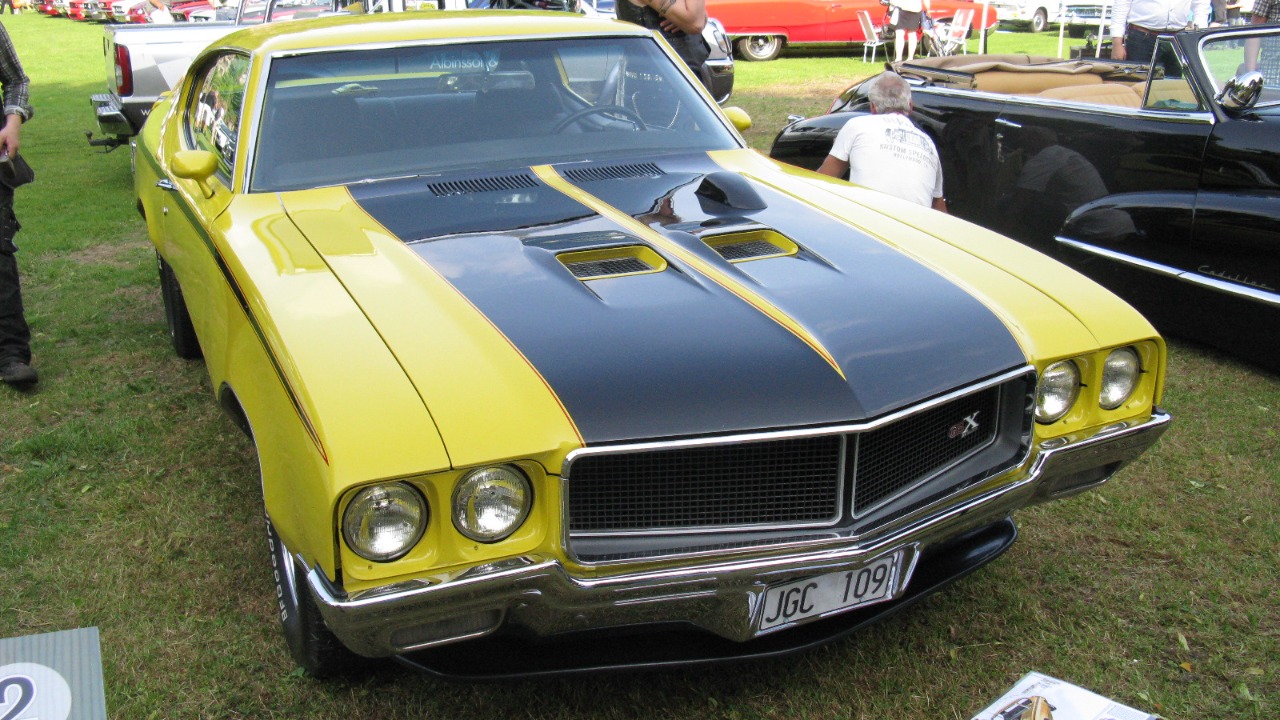
Buick’s GS 455, crowned by the fierce Stage 1 package, has become a sleeper favorite that quietly delivers six-figure results. The GSX Stage 1 paired massive torque with luxury-brand refinement, and its rarity has pushed the best documented cars past prices once reserved for Chevrolets and Mopars.
Stage 1 hardware and the striking GSX appearance package are frequently added to ordinary GS cars, so authentication is critical. A collector chasing top value should confirm the build documentation and engine codes, because a genuine Stage 1 commands a premium that a cloned or optioned-up example simply cannot support.
11. Dodge Coronet R/T: Hemi Chart-Topper
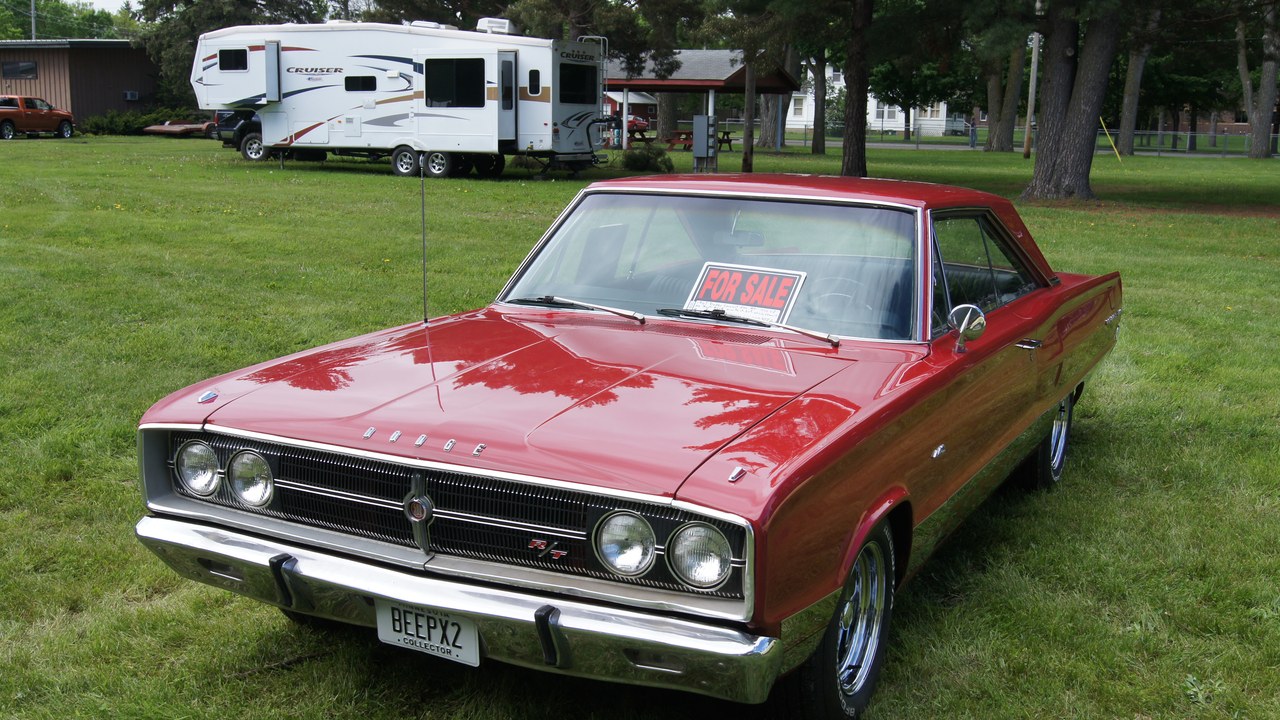
The Dodge Coronet R/T, in Hemi form, tops the charts for its generation and stands among the most sought-after Mopar muscle cars. A Hemi Coronet R/T from the late 1960s pairs a legendary engine with a clean-cut body, and documented convertibles command well into six figures at auction.
As with every Hemi Mopar, the engine’s rarity invites conversions and re-creations that muddy the market. A buyer must verify the fender tag and matching drivetrain, because a real Hemi R/T sits in a completely different price tier than a 440-powered car dressed to resemble one.
More from Morning Overview
- Long-term use of common heartburn pills is tied to kidney and dementia risk
- A California supervolcano has bulged upward about two and a half feet since 1978
- The FTC is warning about a scam quietly draining thousands from victims
- The NSA is again telling phone owners to switch off one location setting
