
Few nameplates have stayed on sale as long as the Honda Accord, which began as a small Japanese hatchback and grew into a fixture of American driveways. Along the way each generation added something new, from American assembly to hybrid and turbocharged power. Here are eleven generations that trace the Accord from 1976 to today.
1. Honda Accord (first generation): A Small Hatchback Arrives
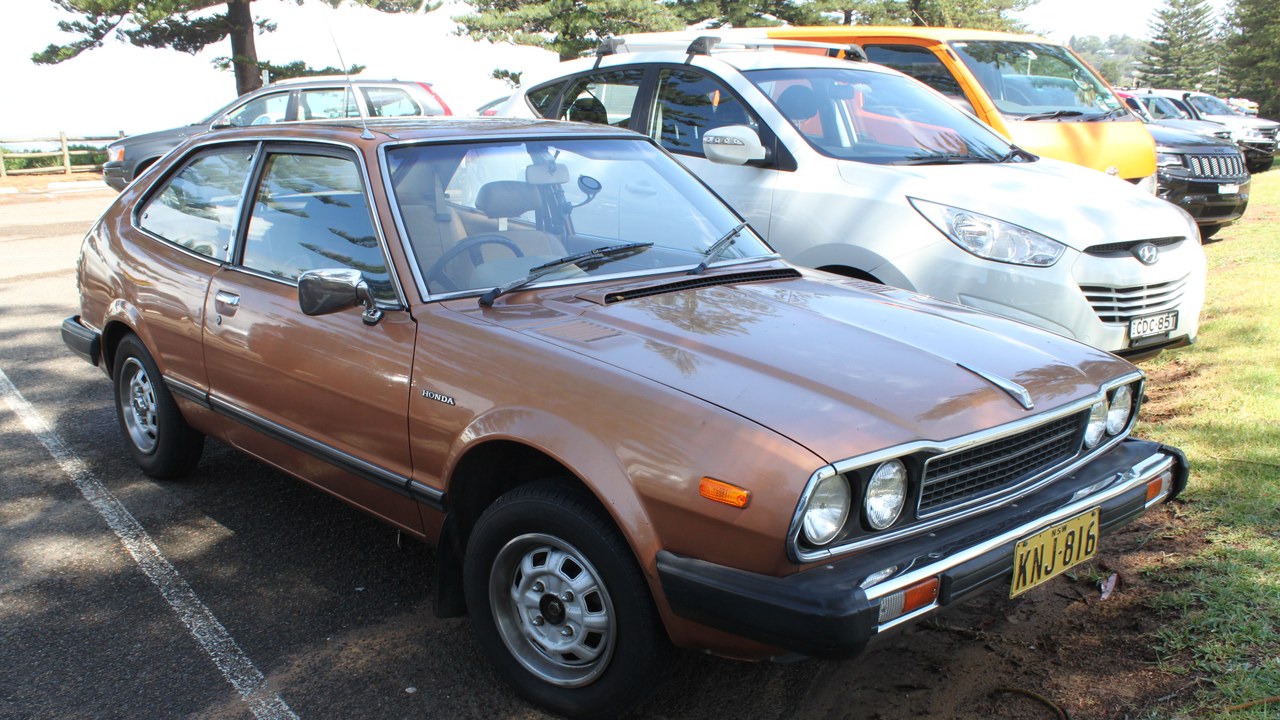
The first Accord arrived in 1976 as a 68-hp, three-door CVCC hatchback priced at $3,995. Honda sold 18,333 of them in that first year, a modest start for a nameplate that would later dominate American sales charts for decades.
Early examples now read as a reminder of how small and simple the car once was. Anyone shopping a modern Accord is looking at a very different machine, yet the founding idea of an efficient, well-built Honda has stayed constant across the decades.
2. Honda Accord (second generation): Built in Ohio
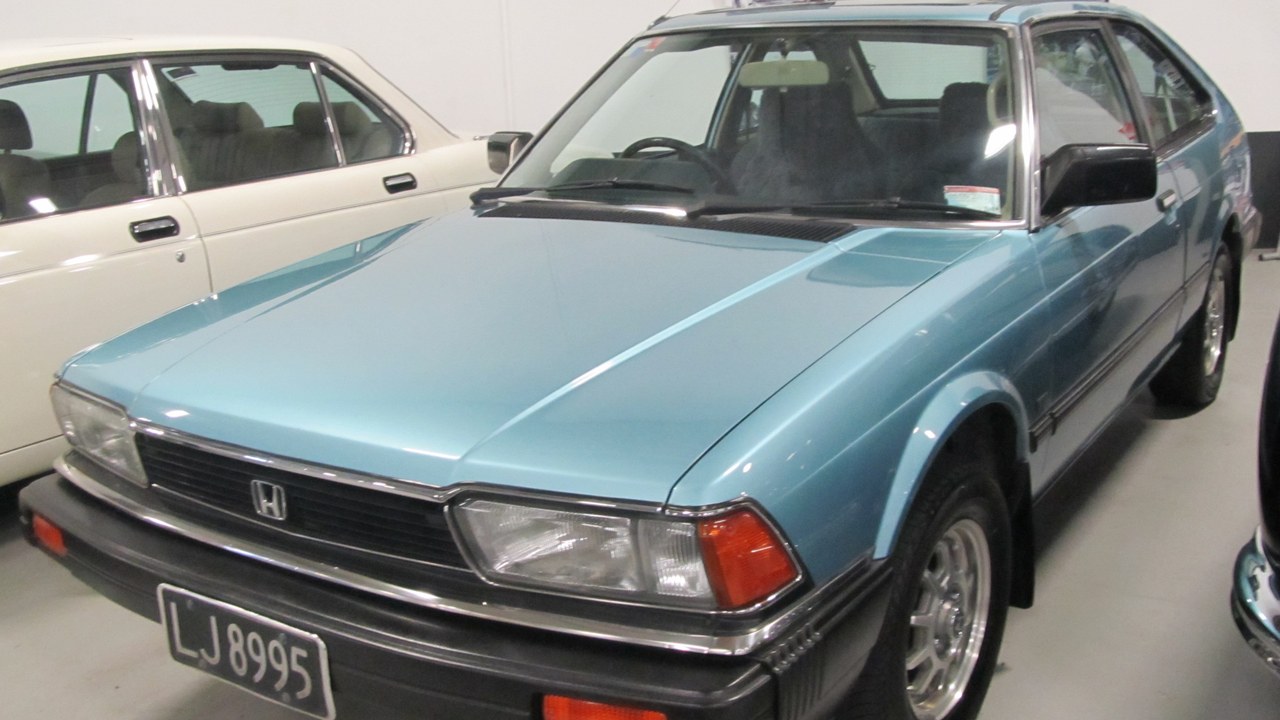
Production began in Marysville, Ohio, on Nov. 1, 1982, making the second-generation Accord the first passenger car built in America by a Japanese automaker. The date marked a turning point for the model and for the company’s role in the country.
The move mattered beyond one model. Local assembly tied the Accord to American workers and communities, and it set a pattern that other import brands would later follow when they built cars on U.S. soil.
3. Honda Accord (third generation): Pop-Up Headlights, Better Handling
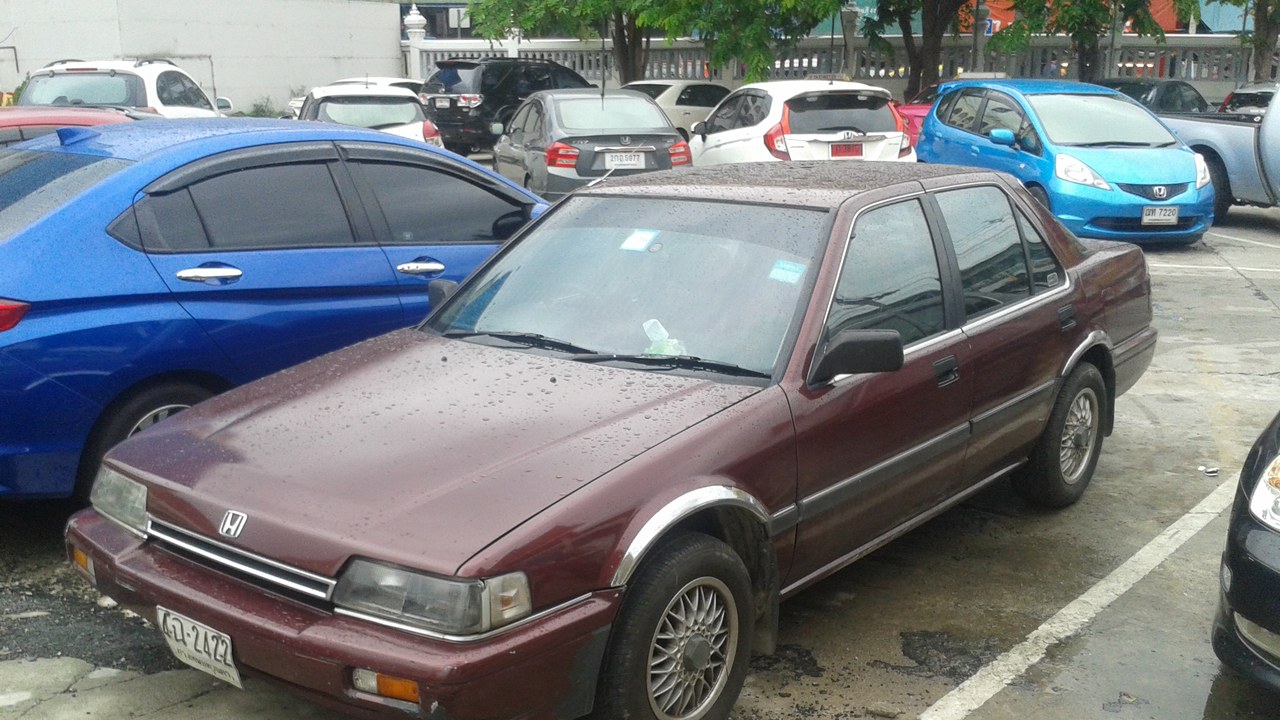
The 1986 Accord brought pop-up headlights and double-wishbone suspension, the latter a first for front-drive cars. By 1989 the third generation had become America’s top-selling car, a milestone that confirmed the Accord as a mainstream leader.
Buyers got a low, sharp-looking sedan with unusually sophisticated underpinnings for its class. That combination helps explain why this era is remembered fondly by enthusiasts and why surviving cars still draw attention at local meets.
4. Honda Accord (fourth generation): Midsize at Last
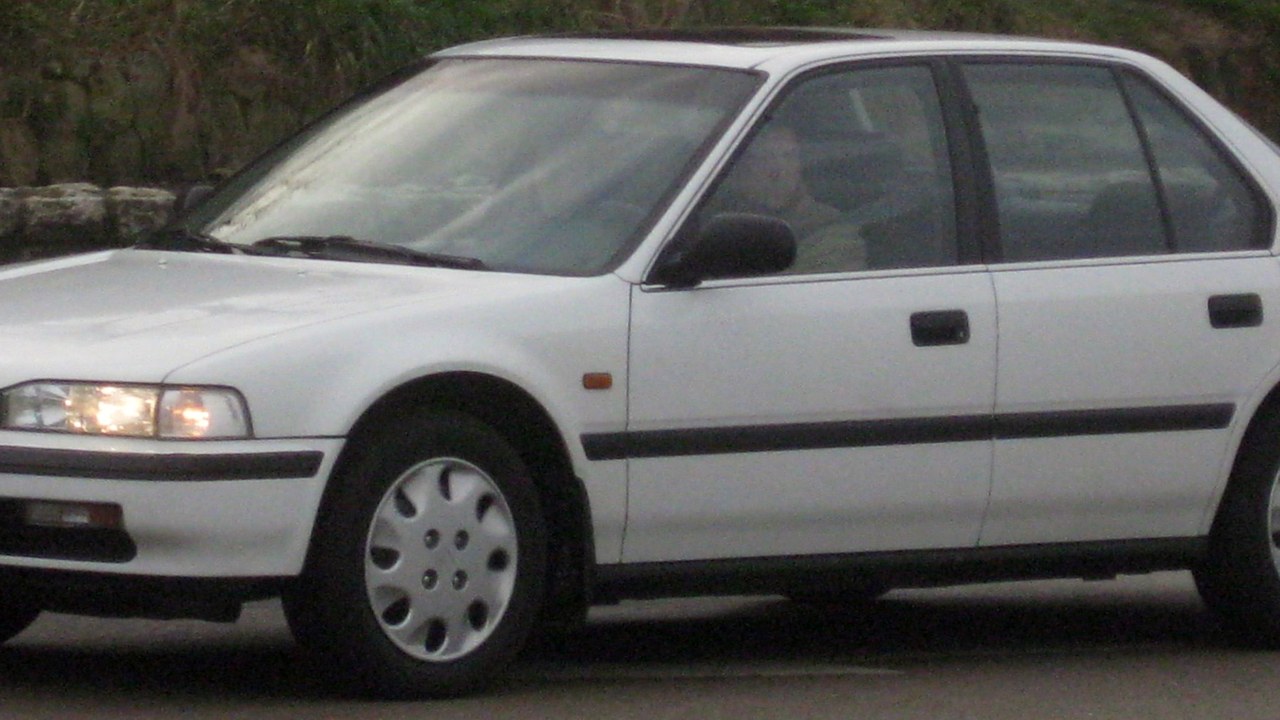
With the 1990 model the Accord grew into a true midsize car. Under the hood, a 2.2-liter four made up to 130 hp, and the DX sedan started at $12,345, a price that kept the larger car within reach of family buyers.
The extra room pushed the Accord into direct competition with Detroit’s family sedans. It has held that position ever since, and the fourth generation is where the car first looked like the sedan that most shoppers now picture.
5. Honda Accord (fifth generation): Award Winner Gets a V6
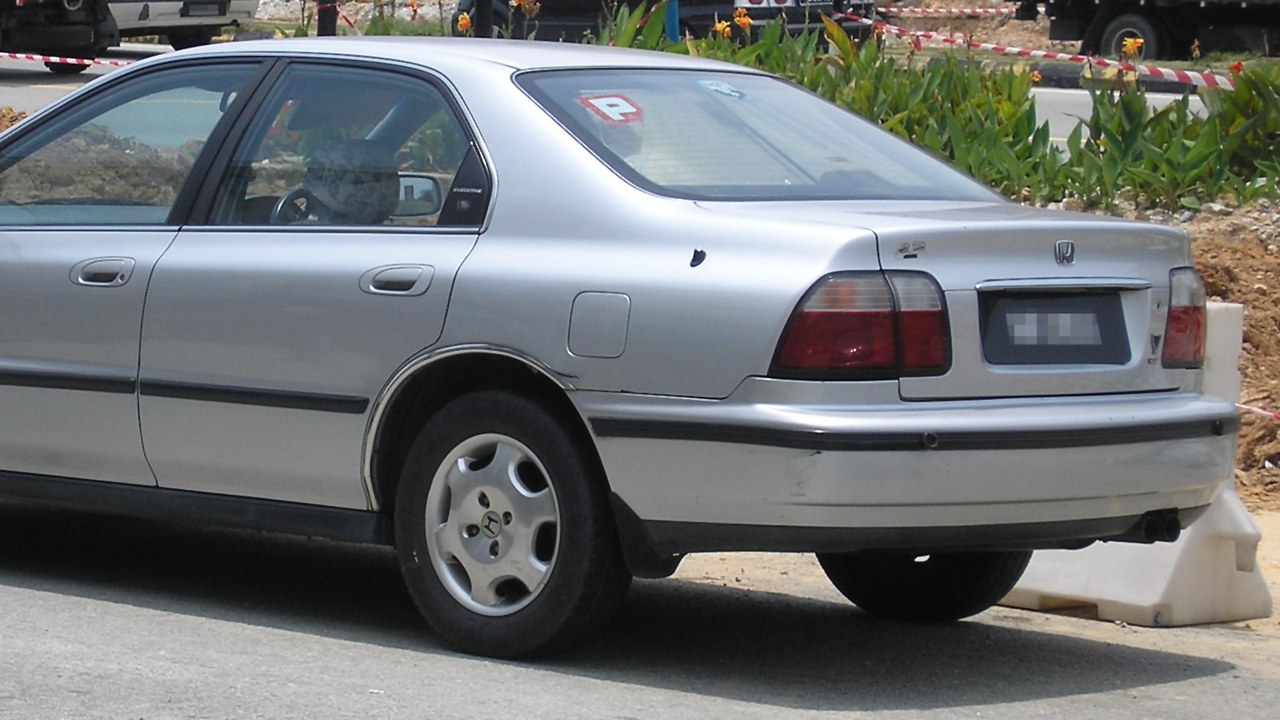
The 1994 Accord was named Motor Trend Car of the Year, a major honor for the fifth generation. In 1995 it also received the first V6 in Accord history, giving buyers a smoother and stronger alternative to the familiar four-cylinder.
A used car from this era is an appealing piece of history, since it marks the point where the Accord began offering six-cylinder power. Later generations kept the V6 option for years, building on the groundwork laid here.
6. Honda Accord (sixth generation): Clean Enough for California
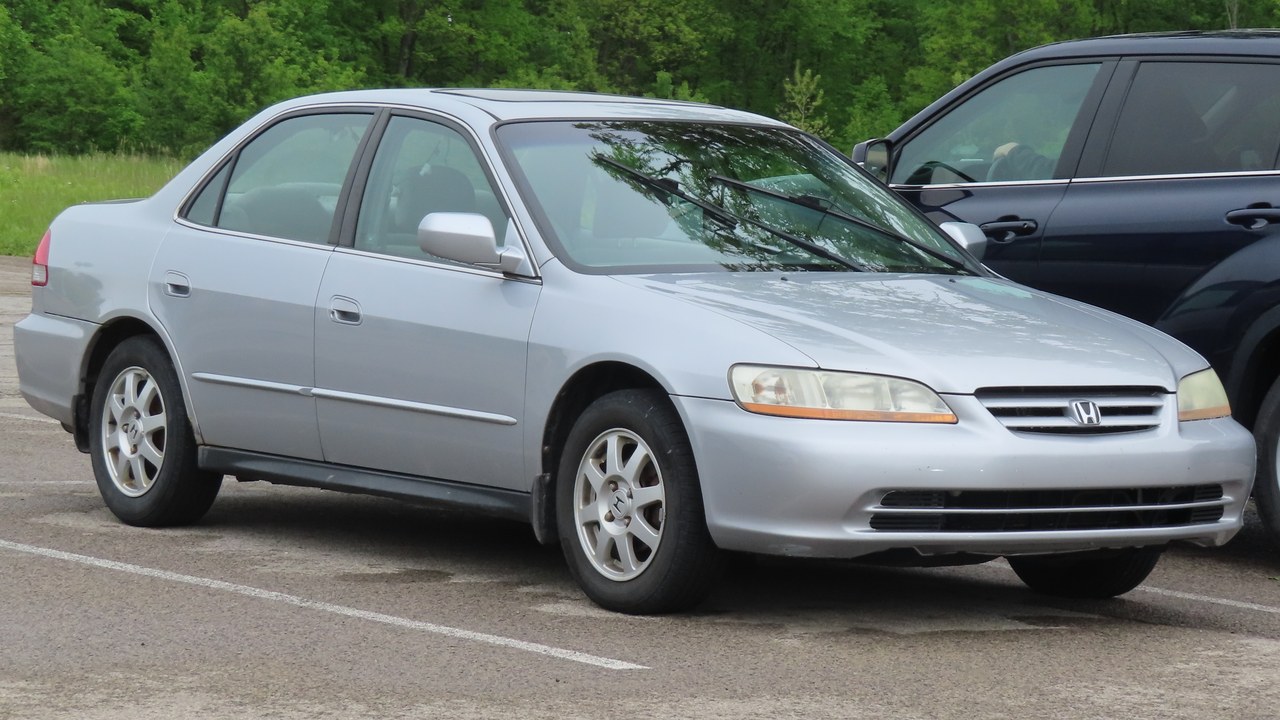
In 2000 a California Accord sedan became the first gasoline car to reach SULEV emissions status, a very strict standard. A year later, in 2001, Accord was America’s best-selling car, so the sixth generation was succeeding in showrooms as well.
The pairing shows the car winning on two fronts at once, with demanding emissions credentials and broad popular appeal. For buyers, it showed that a mainstream family sedan did not have to choose between cleanliness and popularity.
7. Honda Accord (seventh generation): The First V6 Hybrid
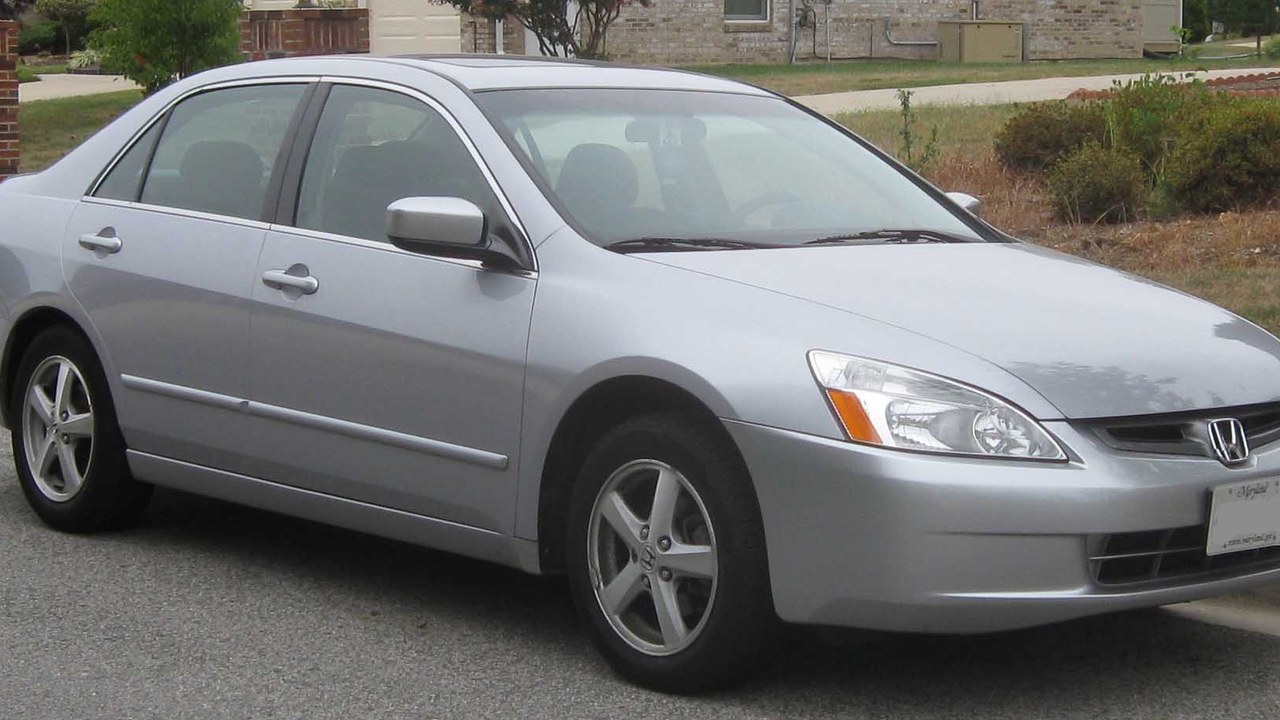
The 2005 Accord Hybrid was the world’s first V6 gasoline-electric hybrid, rated at 255 hp and 29/37 mpg. The seventh generation thus paired a six-cylinder engine with electric assistance at a time when most hybrids used small four-cylinders.
It pointed toward efficiency without giving up power, an idea later Accord hybrids would develop much further. Anyone curious about how the current hybrid lineup began can trace it back to this unusual and ambitious experiment.
8. Honda Accord (eighth generation): Longer Than the Original
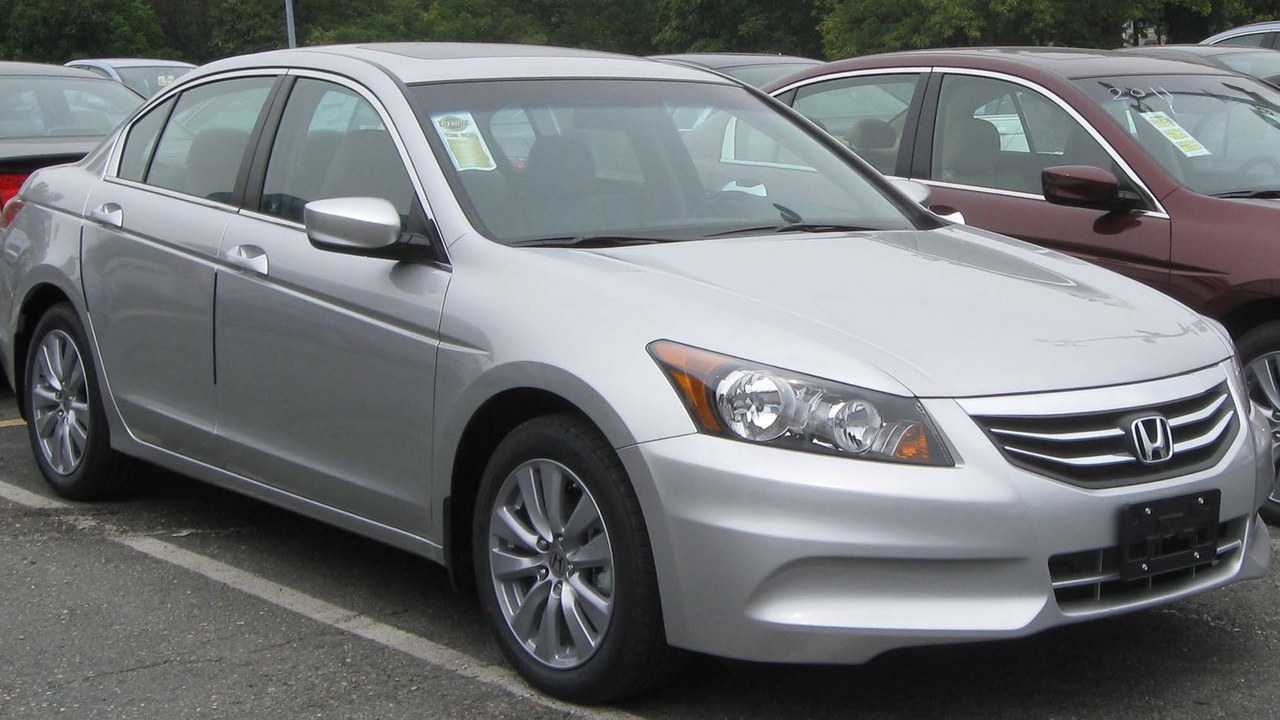
By 2008 the eighth-generation Accord was 31.3 inches longer than the 1976 original. It also offered a 268-hp 3.5-liter V6 with cylinder deactivation, which shut down cylinders when full output was not needed.
The numbers show how completely the little hatchback of 1976 had been replaced by a large sedan with the engine to match. Buyers in this era got far more space and power than the earliest owners could have imagined.
9. Honda Accord (ninth generation): Direct Injection and a CVT
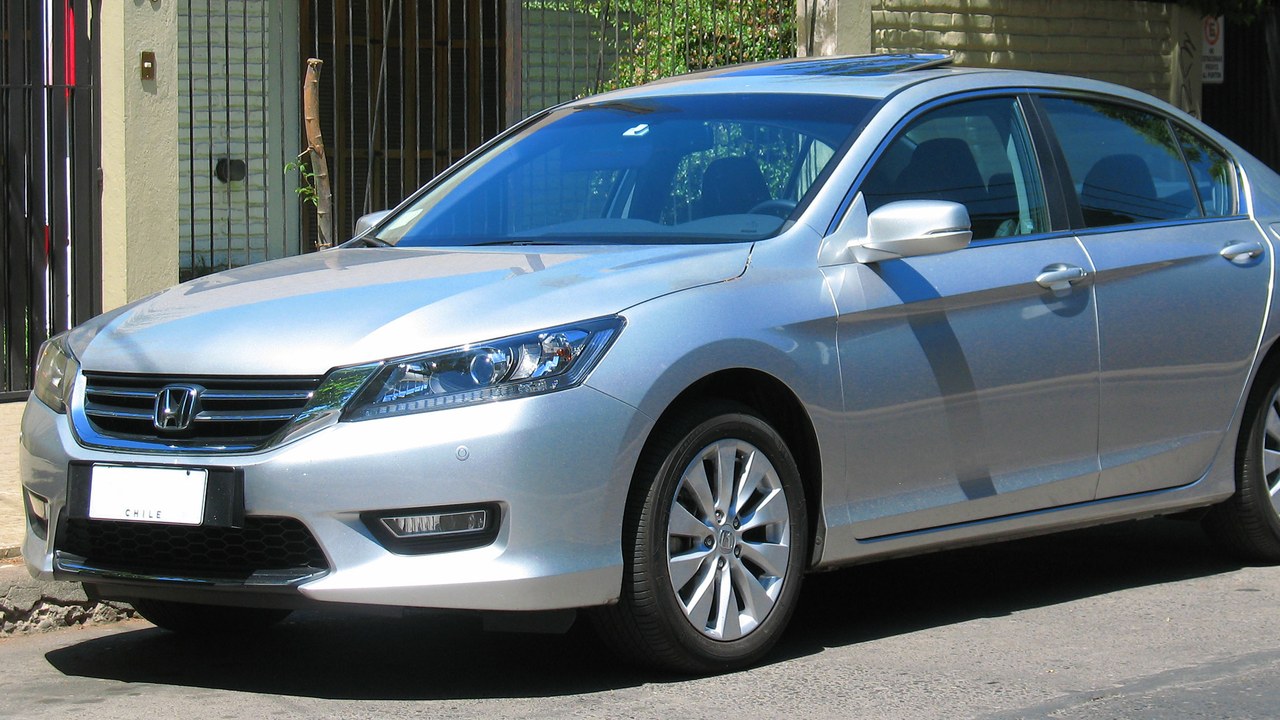
The 2013 Accord brought Honda’s first North American direct injection and the Accord’s first CVT, a significant mechanical change. A 2014 plug-in hybrid version could travel 10 to 15 miles on electricity before the gasoline engine took over.
That electric range was short, but it made the ninth generation a bridge between conventional and electrified Accords. Shoppers considering one should note how much of today’s Accord technology first appeared during these years.
10. Honda Accord (tenth generation): Turbo Power Debuts
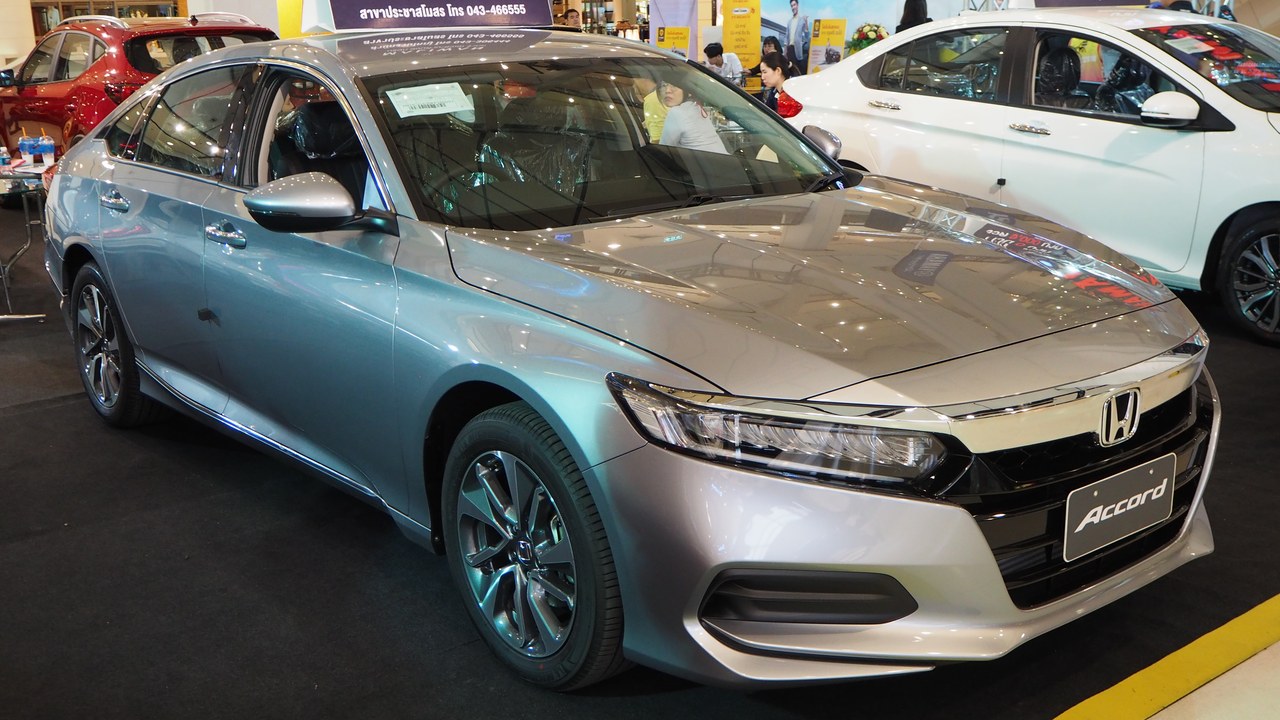
The 2018 Accord, with its first turbocharged engines, was both North American Car of the Year and Motor Trend Car of the Year. Few sedans collect both honors in the same season, which put the tenth generation in rare company.
Winning both awards with a turbocharged lineup showed the car could be sporty and sensible at once. For used buyers, the 2018 model represents a point where the Accord’s performance and its everyday appeal came together.
11. Honda Accord (eleventh generation): Nearly Fifteen Million
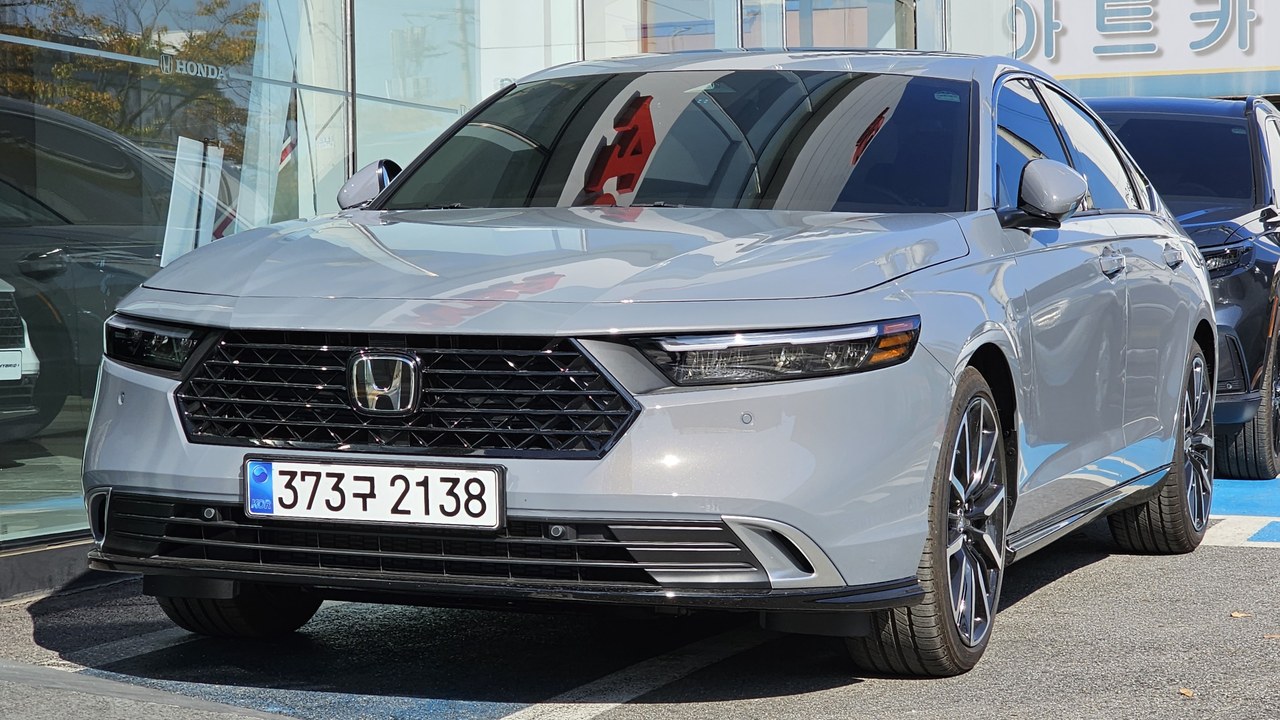
Wards data ranks the Accord as America’s best-selling car from 1976 to 2025, according to Honda. The current Accord carries cumulative U.S. sales through June 2026 to nearly 15 million, a total built one generation at a time.
That long record helps explain why the nameplate has outlasted so many rivals. For anyone buying today, the eleventh generation inherits half a century of steady development and the reputation that came with it.
More from Morning Overview
