
Flex-fuel vehicles were built to run on gasoline or E85, a blend that can carry up to 85 percent ethanol, without any special conversion or aftermarket part. Automakers spread the technology across pickups, sedans, SUVs, and commercial vans for more than a decade, often at no extra cost to the buyer. Here are eleven vehicles factory-certified to drink E85.
1. Chevrolet Silverado 1500 with the 5.3 V8: The Standard Flex-Fuel Half-Ton
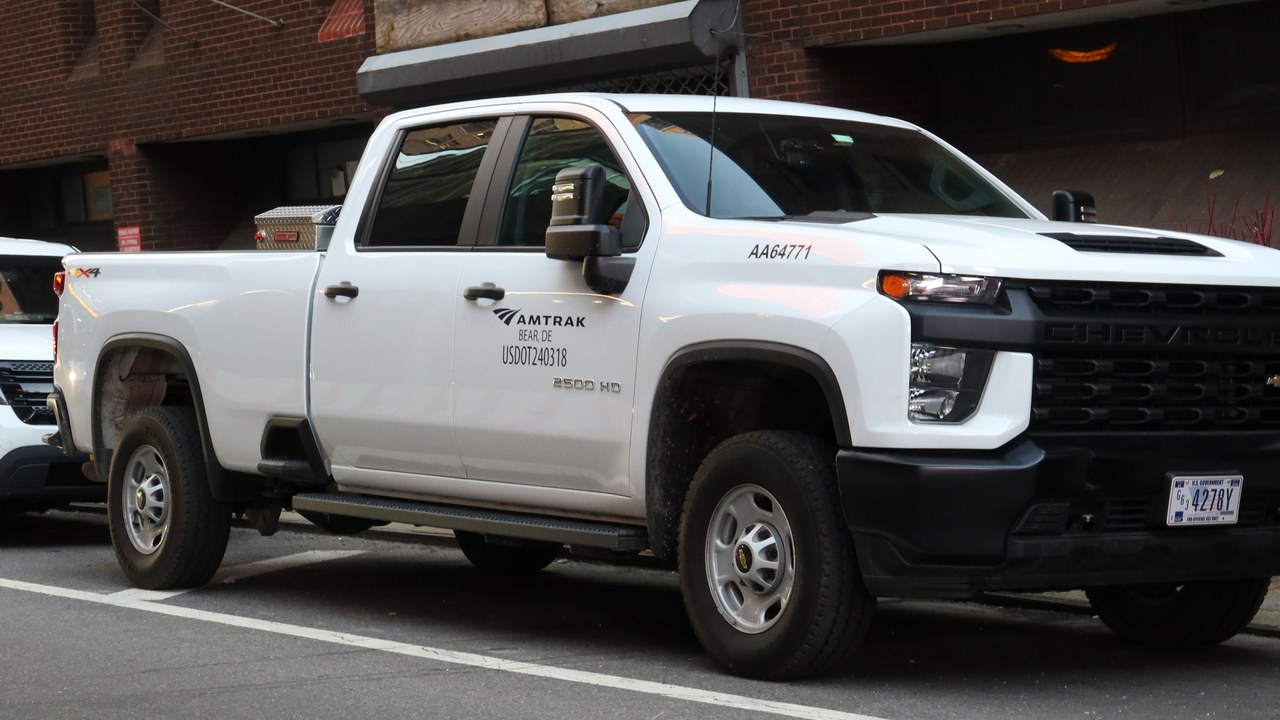
General Motors built the Silverado 1500’s 5.3-liter V8 in a flex-fuel calibration, allowing the engine to run on gasoline or E85 blends of up to 85 percent ethanol without any hardware changes. Federal fuel economy guidance on flexible fuel vehicles lists that dual-fuel path, relying on a yellow fuel cap and an ethanol-content sensor that retunes ignition timing automatically.
The setup let fleet and retail buyers fill up on whichever fuel was cheaper or more available at a given pump, with no special ordering process. The capability came standard on many trim levels rather than as a costly option.
2. GMC Sierra 1500 with the 5.3 V8: Silverado’s Badge-Engineered Twin
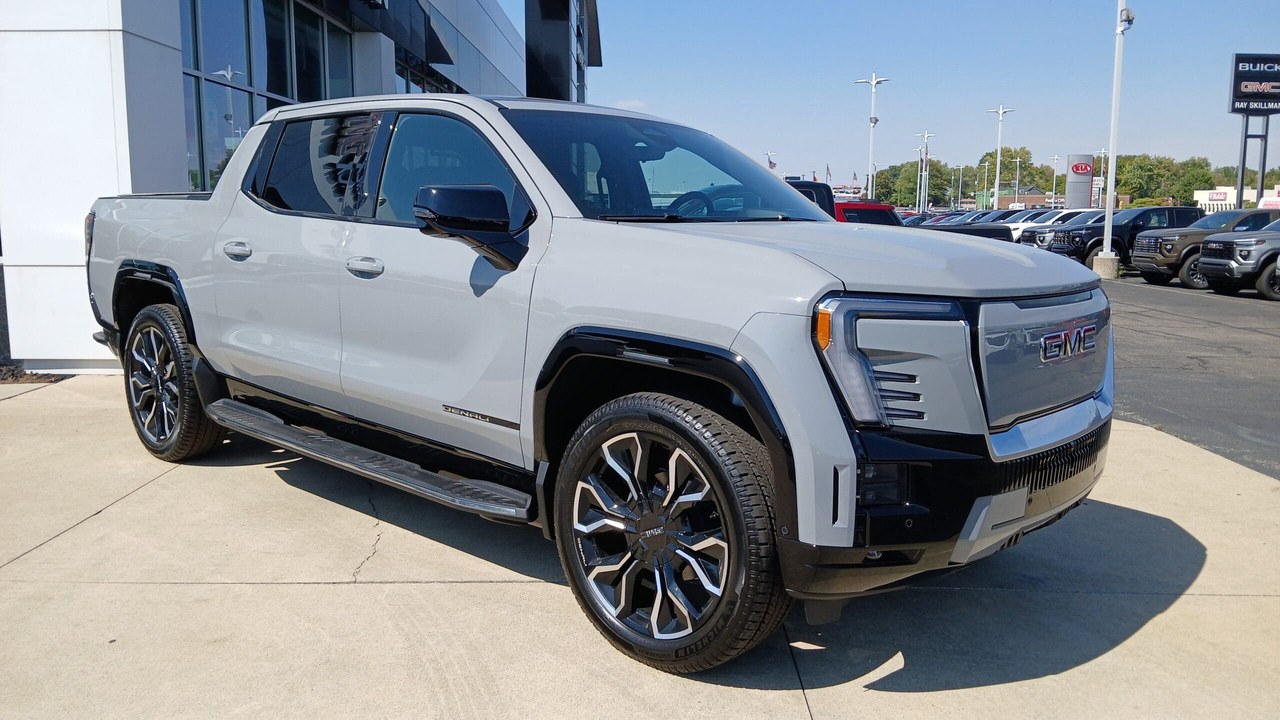
The GMC Sierra 1500 shares its flex-fuel 5.3-liter V8 with the mechanically related Chevrolet Silverado, since both full-size trucks come off the same General Motors platform and powertrain lineup. The badge changes and the trim names change, but the engine block, the ethanol sensor, and the E85 tolerance carry over unchanged between the two nameplates.
Buyers who wanted the flexibility without the Chevrolet badge simply chose the GMC version, since dealers stocked both trucks with the same dual-fuel V8 available across comparable trim levels. The shared engineering kept parts and service costs predictable for large commercial fleets running mixed truck rosters.
3. Ford F-150 with the 3.3 V6: Ford’s Base-Engine Flex Option
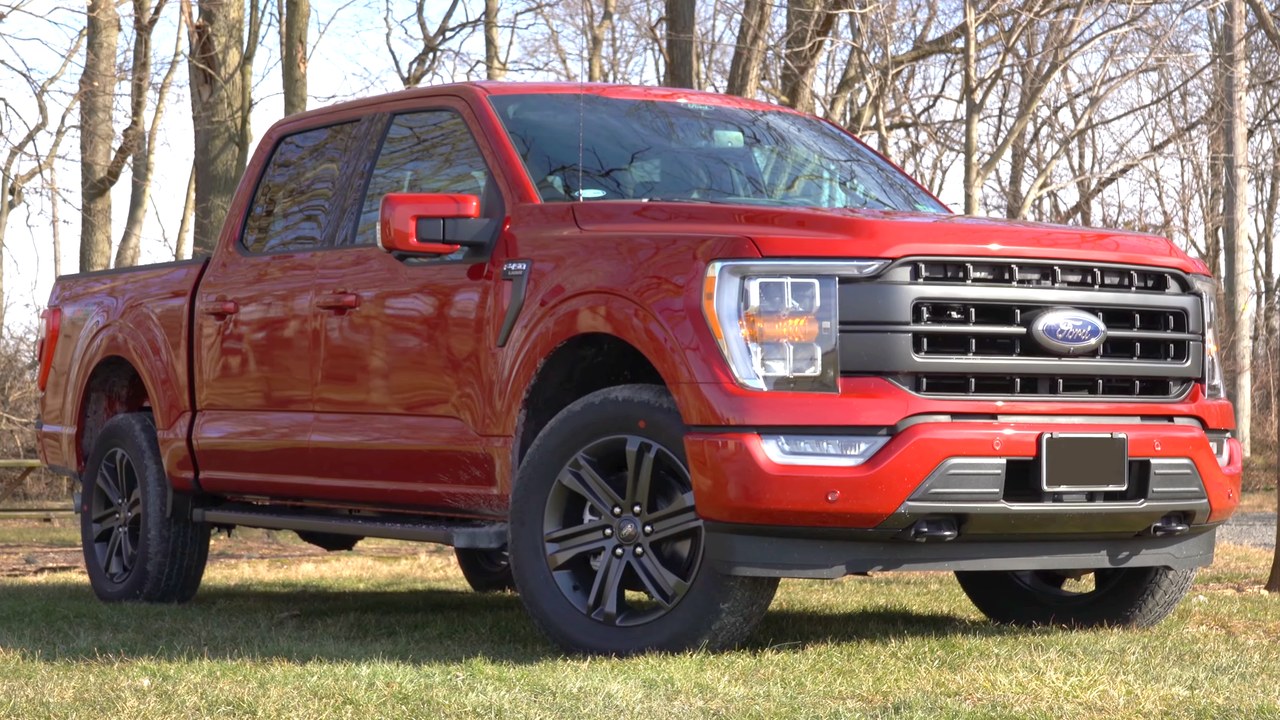
Ford offered the base flexible fuel vehicle version of the F-150 with its 3.3-liter V6, giving buyers of the entry-level truck the same E85 tolerance found on pricier configurations. The Department of Energy’s alternative fuels program lists the pairing among factory flex-fuel trucks, meaning no aftermarket conversion or warranty risk was involved.
Choosing the flex-fuel V6 cost nothing extra over the standard gasoline-only version in most model years, making it an easy factory checkbox rather than a special order. Fleet operators near ethanol-producing regions favored the combination because E85 supply was often cheaper and steadier than regular unleaded.
4. Dodge Charger with the 3.6 Pentastar: Pentastar Power For Patrol Fleets
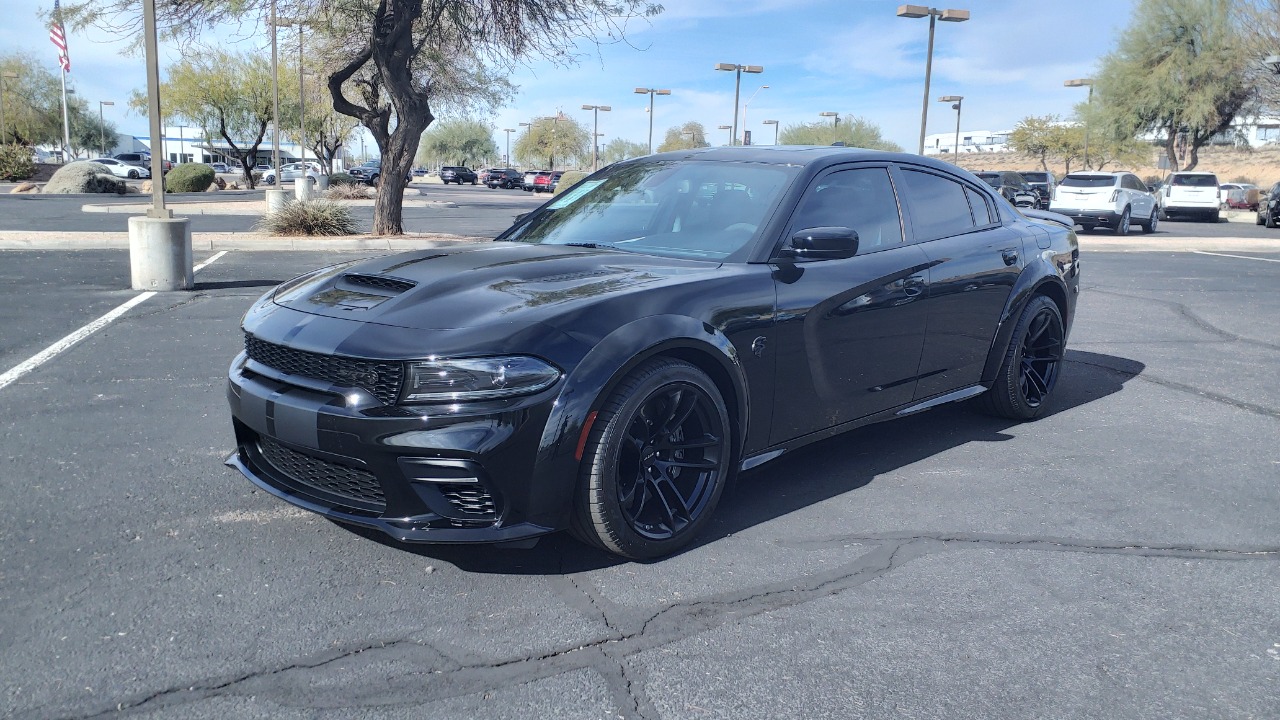
Chrysler’s 3.6-liter Pentastar V6 was engineered from the outset to tolerate E85, and the Dodge Charger carried that flex-fuel calibration on rear-wheel-drive sedans built for police and civilian fleets alike. The engine’s fuel system and sensors were shared across the company’s large-car lineup rather than built as a one-off for a single model.
Police departments running Charger pursuit vehicles could fuel a mixed patrol fleet from a single E85 pump without sorting cars by engine type. The flex-fuel Pentastar became one of the most widely produced dual-fuel V6s Chrysler ever built, spreading the technology across several product lines.
5. Chrysler 300 with the 3.6 Pentastar: Same Pentastar, Different Badge
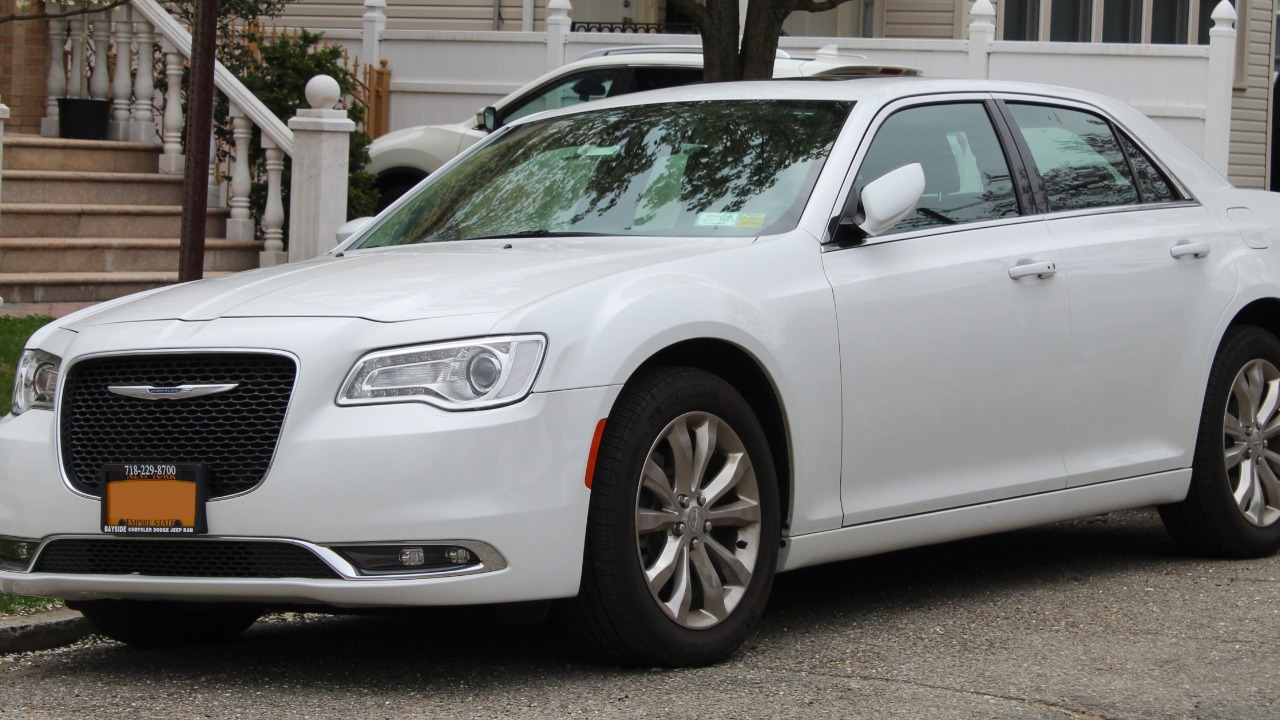
The Chrysler 300 used the same flex-fuel 3.6-liter Pentastar V6 as its Dodge Charger sibling, since the two full-size sedans share a platform, a factory, and most of their powertrain lineup. Choosing the V6 over the available V8 was what unlocked E85 compatibility on the nameplate, a tradeoff buyers made for lower running costs rather than outright power.
A 300 built with the flex-fuel V6 could burn regular gasoline, an ethanol blend, or anything between the two without driver intervention, thanks to the shared sensor package. That interchangeability made the sedan a common choice for livery and rental fleets managing fuel costs across large vehicle pools.
6. Jeep Grand Cherokee with the 3.6 Pentastar: An SUV With The Same Tolerance
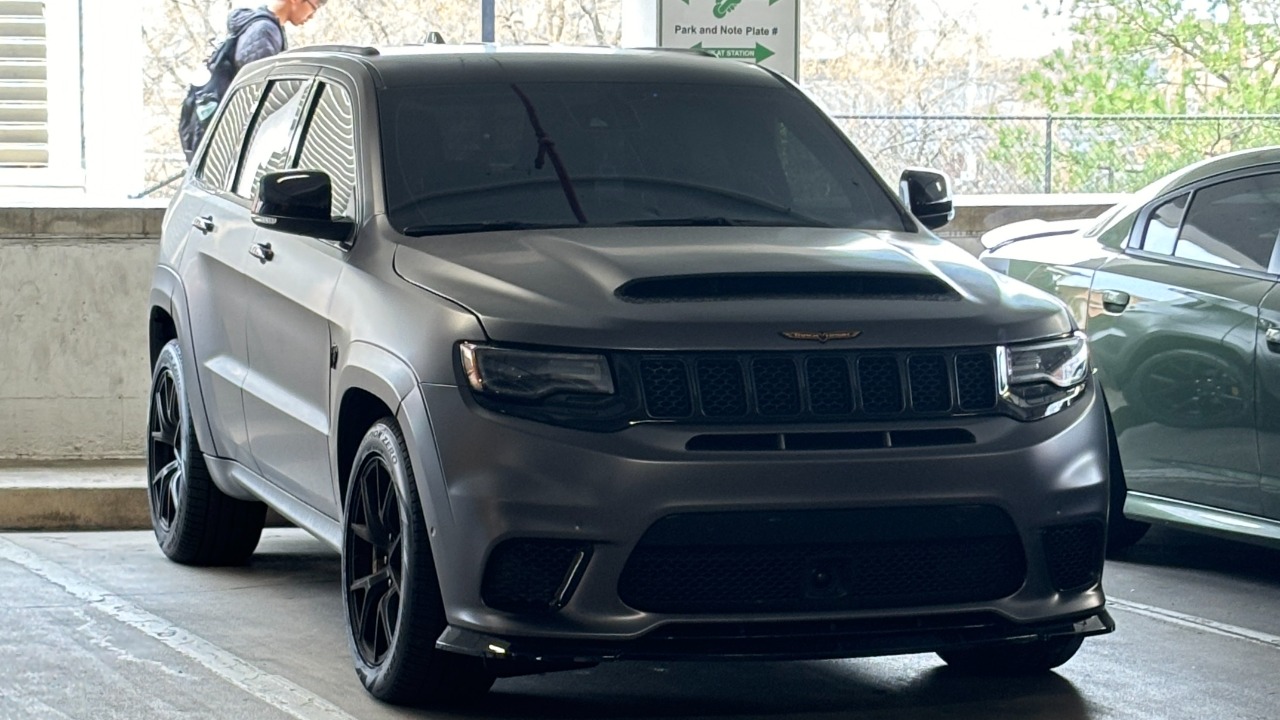
Jeep extended the same flex-fuel 3.6-liter Pentastar V6 to the Grand Cherokee, giving the mid-size SUV the identical E85 tolerance found in its Dodge and Chrysler sedan cousins. The shared engine family meant an owner switching between an SUV and a sedan from the same corporate lineup faced no difference in which fuels the vehicle could accept.
For SUV buyers who wanted flexibility without sacrificing towing capacity, the Pentastar V6 configuration offered a middle ground between a smaller four-cylinder and the available V8. Running E85 in the Grand Cherokee required no special maintenance beyond the fuel itself, since the hardware never changed between fuel types.
7. Chevrolet Express van: The Fleet Van Workhorse
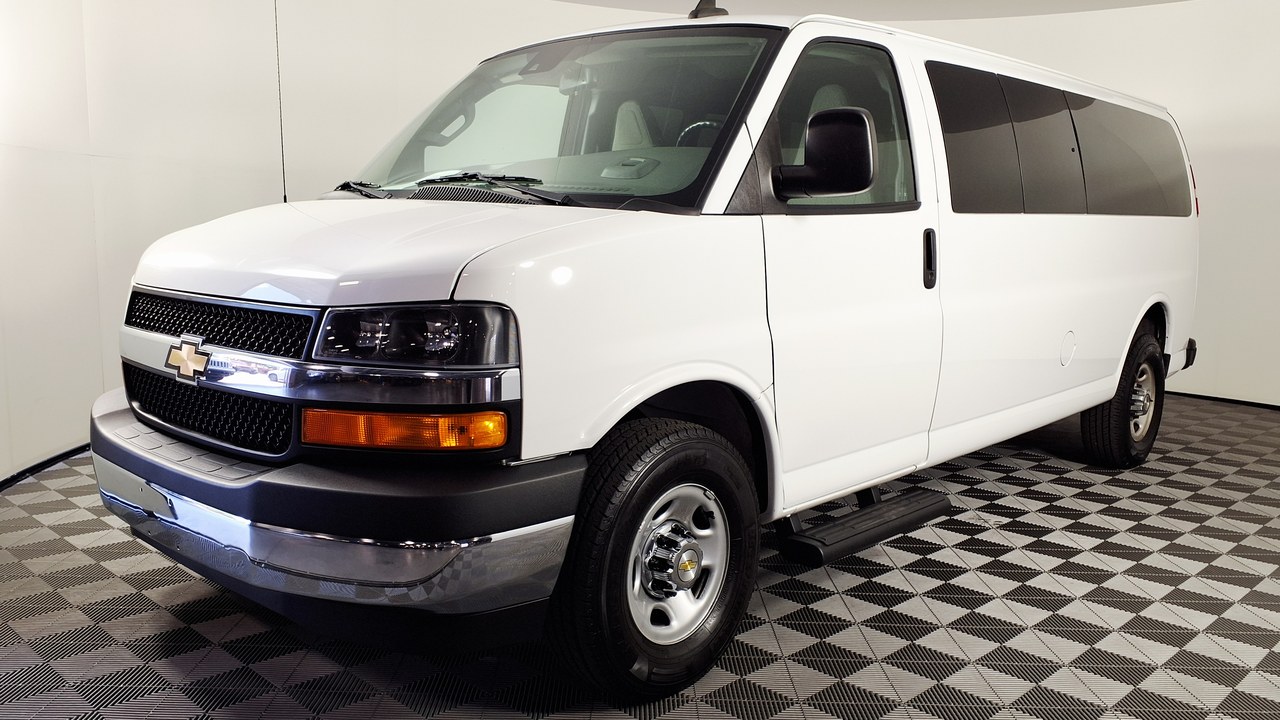
Full-size cargo and passenger vans built commercial fleets, and the Chevrolet Express was one of the core flex-fuel platforms serving that market, offered with a V8 calibrated to run on gasoline or E85 interchangeably. Delivery companies, utilities, and municipal fleets made up much of the demand for the dual-fuel configuration.
A van fleet running flex-fuel Express models could refuel wherever E85 pumps existed on a route, rather than routing every vehicle to a gasoline-only station. That operational flexibility, more than any performance gain, was the reason large fleet buyers specified the flex-fuel engine on repeat orders.
8. GMC Savana van: Express’s Twin Under Another Name
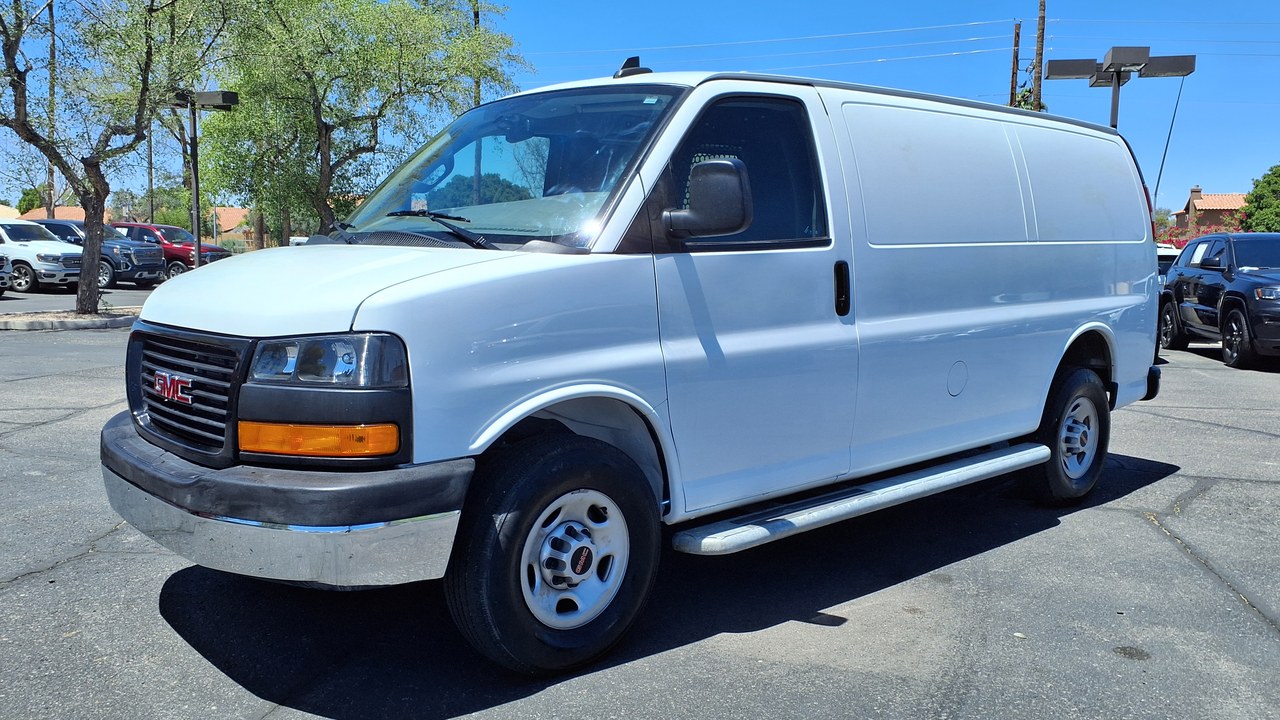
The GMC Savana is built alongside the Chevrolet Express on the same assembly line, and it carried the identical flex-fuel V8 option throughout its production run as a badge-engineered counterpart. Fleet buyers who preferred the GMC dealer network got the same E85 capability without any difference in engine hardware.
Because the two vans are mechanically identical apart from trim and grille details, a mixed Chevrolet-and-GMC fleet could standardize on the same fuel, the same maintenance schedule, and the same parts supply. That commonality made the flex-fuel Savana a routine spec rather than a special order.
9. Ford Transit Connect: Flex Fuel Goes Compact
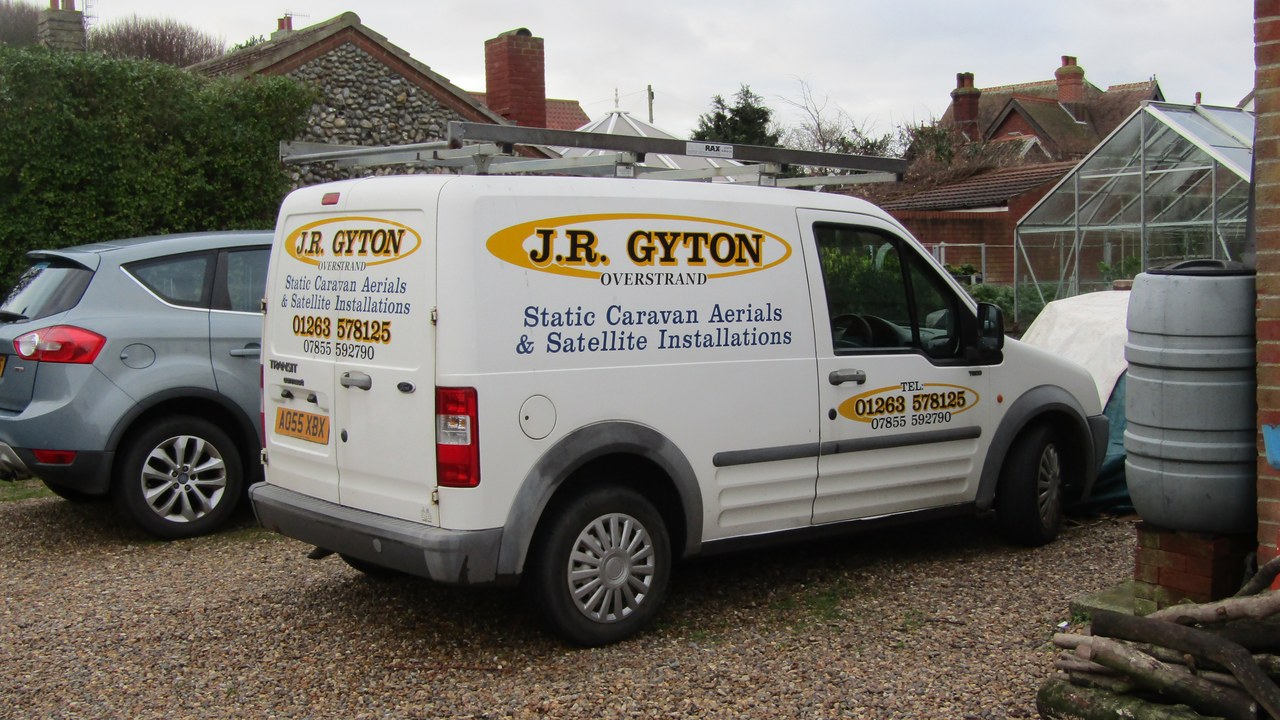
Ford brought flex-fuel capability down to its smallest commercial van, offering the Transit Connect with an engine tuned to accept E85 alongside standard gasoline. The compact van’s flex-fuel option served small businesses and delivery services that could not justify a full-size Econoline or Transit for lighter routes.
The Transit Connect’s small footprint made it a common choice for last-mile delivery and trade fleets operating inside cities, where fuel stops needed to be quick and frequent. Offering E85 compatibility on a vehicle that size extended flex-fuel options well below the traditional pickup and full-size van segment.
10. Chevrolet Impala: A Best-Seller Built To Drink E85
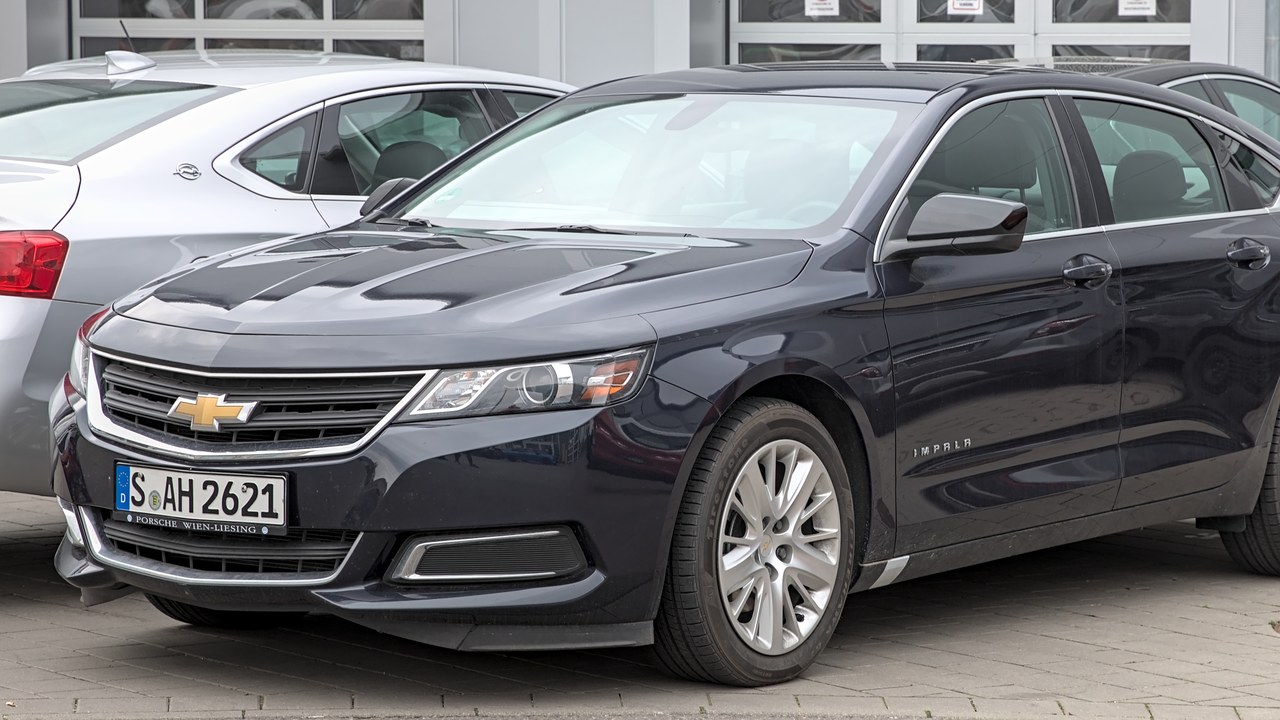
Both the rear-drive and later front-drive generations of the Chevrolet Impala offered a flex-fuel V6 option, putting E85 compatibility on one of the best-selling full-size sedans in the country rather than a niche fleet-only vehicle. The engine ran on gasoline, E85, or any blend without a driver ever needing to select a mode.
Because the Impala sold heavily to rental and government fleets as well as private buyers, its flex-fuel option reached a far larger and more diverse ownership base than most other dual-fuel vehicles on this list. That broad distribution helped normalize E85 as a routine choice rather than a specialty fuel.
11. Ford Explorer of the flex-fuel era: The Three-Row Flex-Fuel SUV
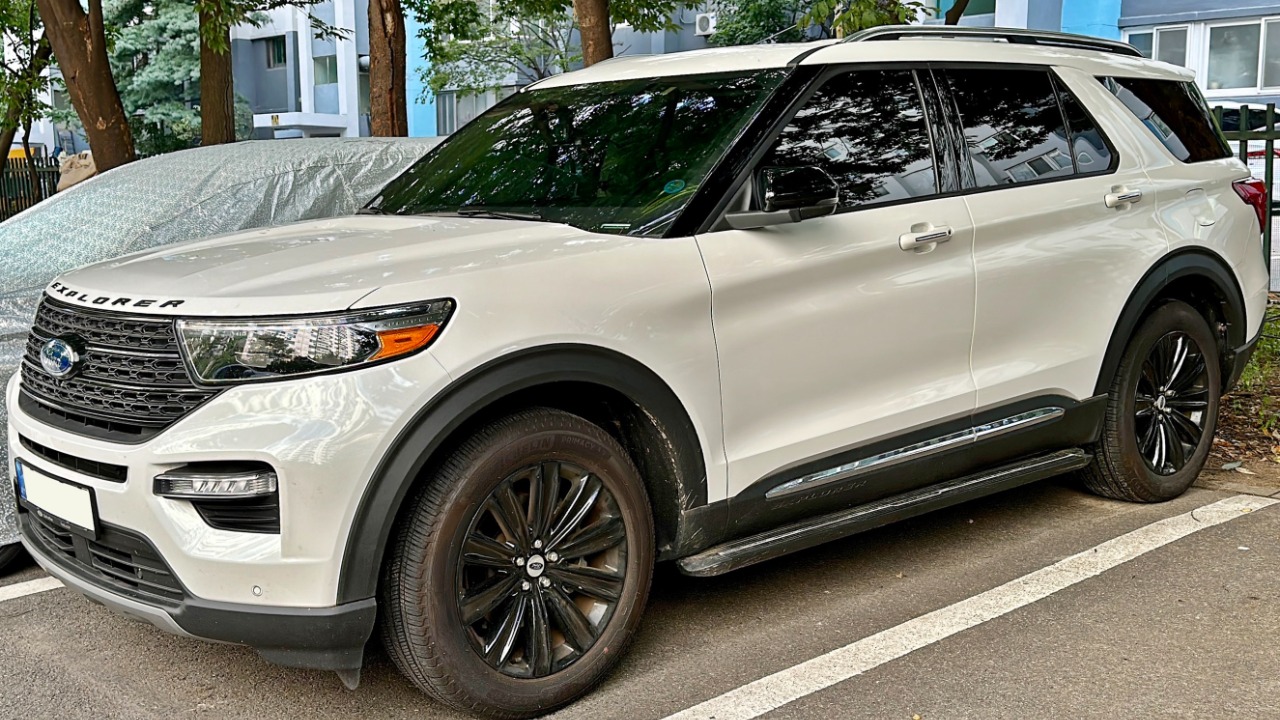
During the years its 3.5-liter V6 lineup included a flex-fuel calibration, the Ford Explorer was sold as an E85-capable SUV alongside its standard gasoline counterpart. The flex-fuel version used the same body, the same interior, and the same towing hardware, differing only in the fuel system’s tolerance for ethanol content.
Families and fleets that bought the flex-fuel Explorer gained the option to run cheaper E85 blends during periods when ethanol pricing undercut gasoline, without giving up any of the three-row SUV’s cargo or passenger space. The badge-level choice cost nothing extra at the dealership in most trims.
More from Morning Overview
- A handful of SUVs keep hitting 300,000 miles, and they share one engine trait
- Supplements now rank as the fifth-leading cause of death from liver disease.
- A study names the one SUV most likely to reach 250,000 miles
- More than 60,000 people flee the Spokane area as complex fires overrun 600 structures
