
Supercar depreciation is one of the cruelest curves in the automotive world, and it works in favor of anyone shopping the used market. Cars that once demanded six-figure checks and waiting lists now sit on dealer lots wearing prices that look like clerical errors. The eleven machines below are the classic examples, along with the maintenance bills that explain why.
1. Maserati GranTurismo: Ferrari Engine, Bargain Badge
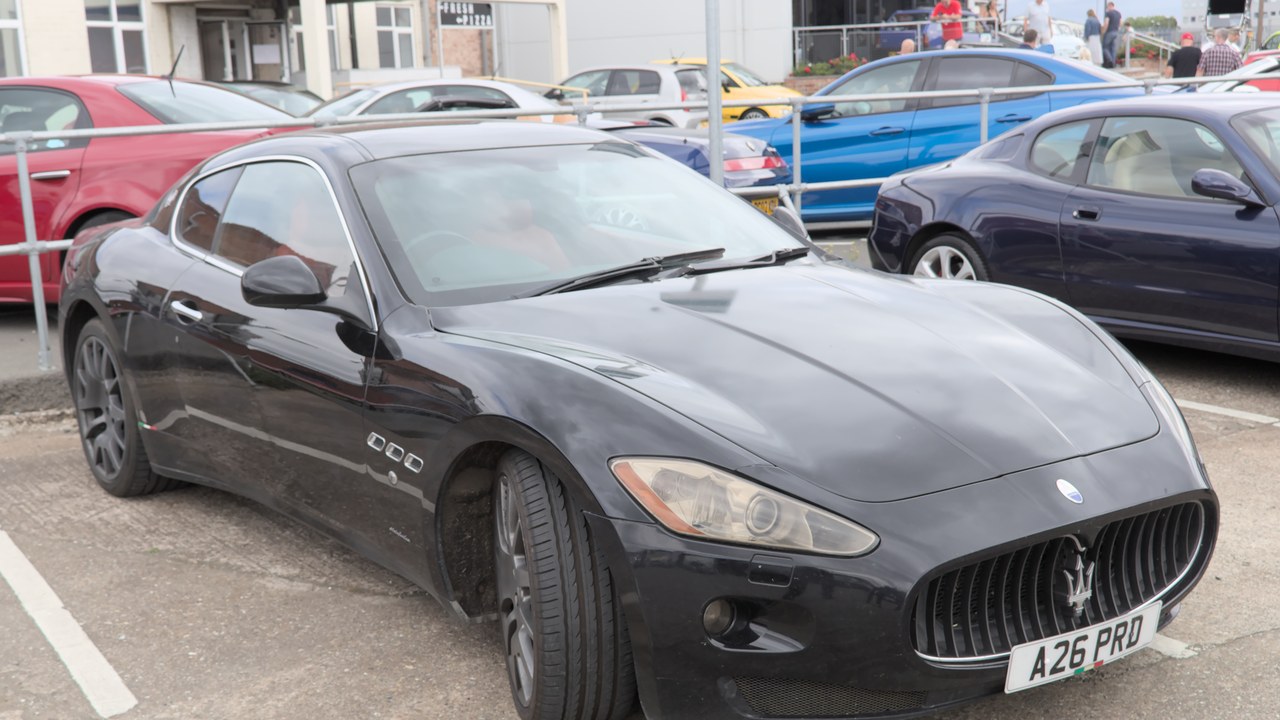
Maserati built the GranTurismo from 2007 to 2019, a coupe whose 4.2- and 4.7-liter V8 engines were assembled by Ferrari in Maranello. Original buyers paid well into six figures for the Pininfarina bodywork. Twelve years of production, soft demand and a shrinking dealer network gave the long-running Italian coupe a reputation for selling far below what its badge suggests.
The savings evaporate at the service counter. Variable-valve and timing work on that Maranello-built V8 is labor-intensive, the automated-manual gearbox in S and MC versions consumes clutches, and exhaust bypass valves fail with age. Specialist labor rates mean a single major job can approach the purchase price.
2. Audi R8: Everyday Supercar, Supercar Bills
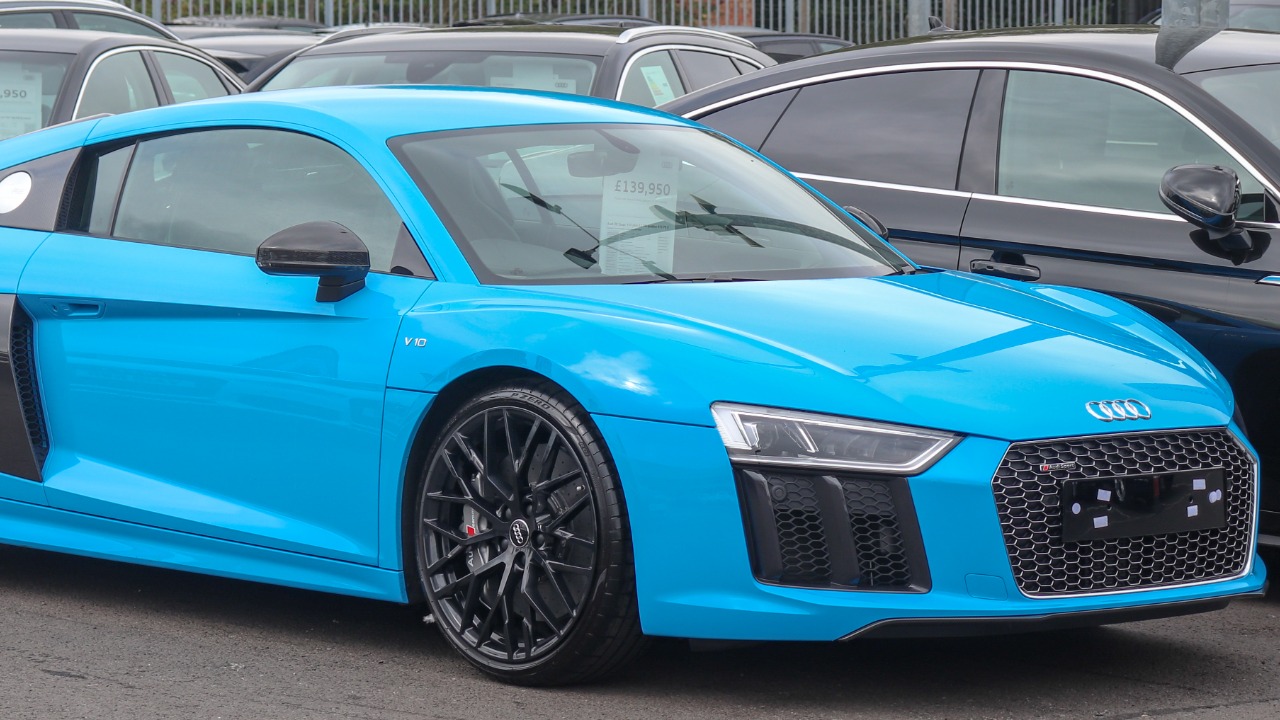
The R8 arrived in 2006 as Audi’s first mid-engine sports car, sharing an aluminum spaceframe with the Lamborghini Gallardo. Engineering it for daily use is why so many were driven and traded rather than stored. High volume for an exotic and a mainstream badge pushed the quattro-drive mid-engine coupe down the depreciation curve faster than its Italian cousin.
Ownership is where the Audi badge stops helping. Major work on the V10 often requires dropping the engine, so a clutch replacement on the early single-clutch R tronic cars runs into serious labor hours. Magnetic dampers, carbon-ceramic brakes and staggered performance tires price like Lamborghini parts, because in several cases they are.
3. Jaguar XK: Aluminum Beauty, Aluminum Problems
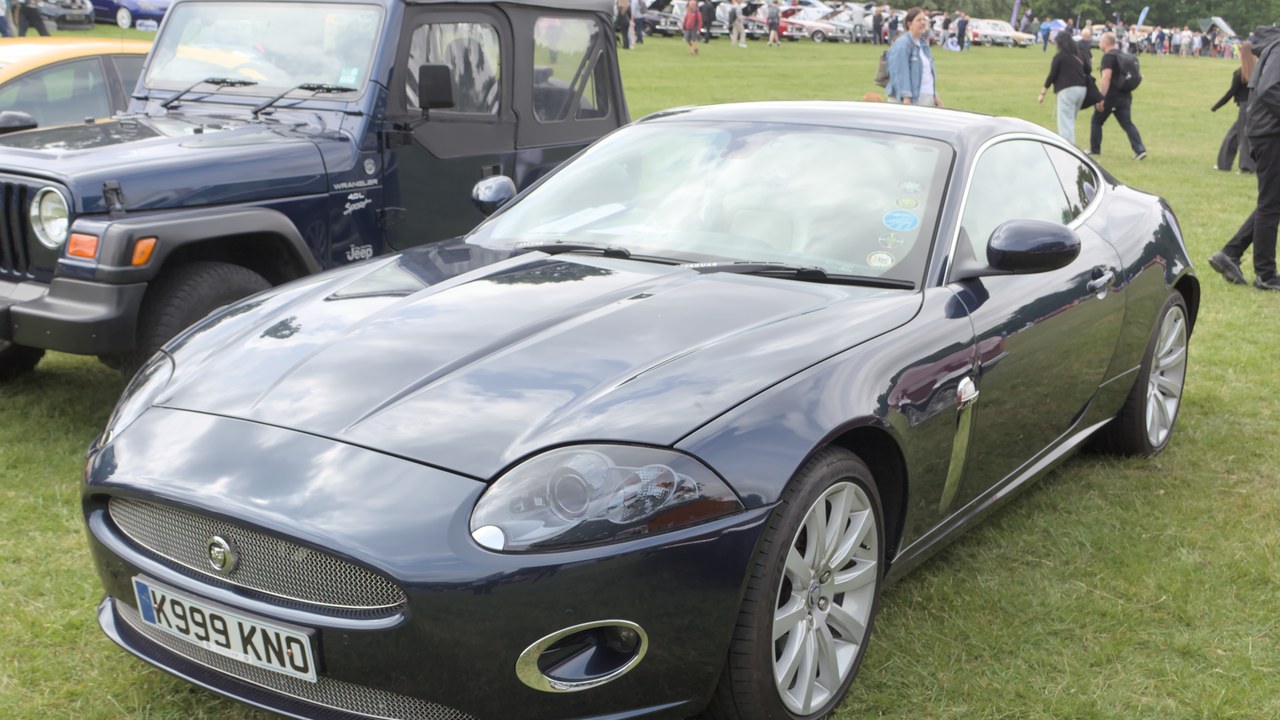
Jaguar’s X150 XK ran from 2006 to 2014 on a bonded and riveted aluminum structure, with a 4.2-liter V8 giving way to the 5.0-liter AJ133 in 2009. Supercharged XKR versions reached 510 horsepower in later form. Styled by Ian Callum and sold in modest numbers, the aluminum grand tourer now trades at a fraction of its original sticker.
Aluminum construction is the catch. Body repairs demand shops equipped for bonded panels, which narrows the options and raises every quote. The 5.0-liter engine carries a documented history of timing-chain tensioner wear, a repair requiring significant disassembly, and supercharged versions add an intercooler pump plus heavier consumable wear to the running-cost list.
4. Aston Martin DB9: Hand-Built V12, Hand-Built Costs
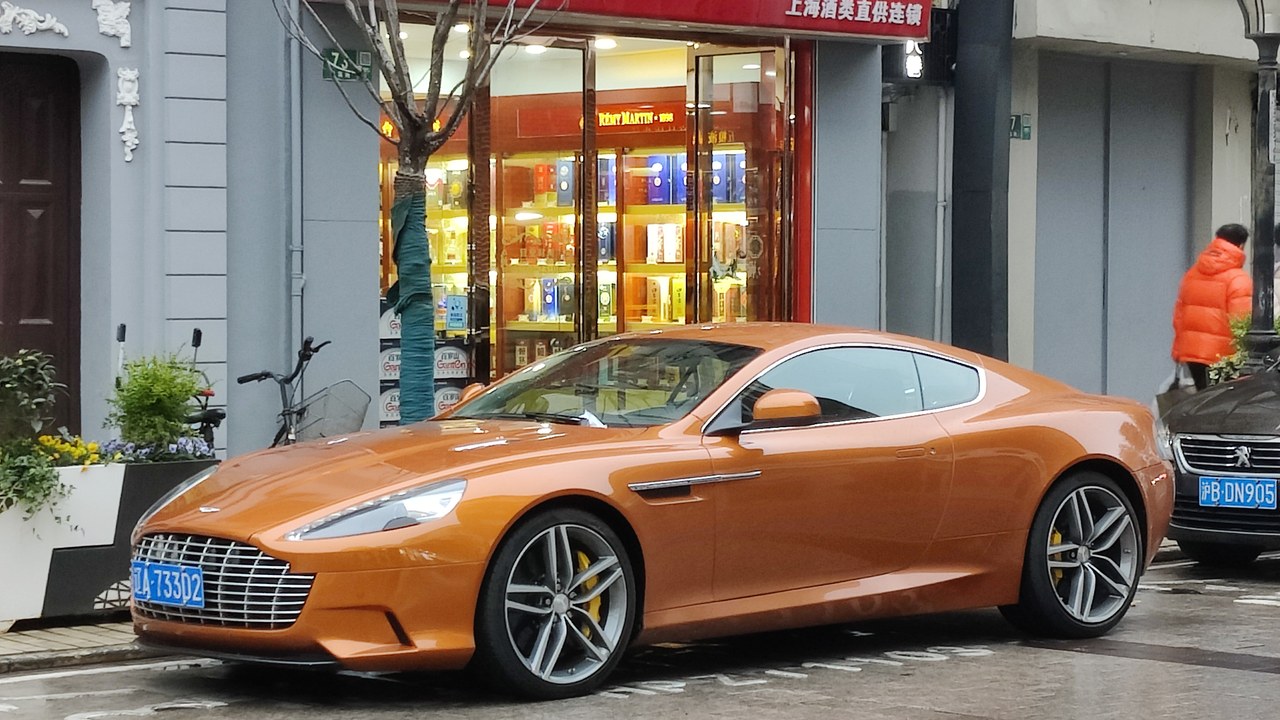
Introduced in 2004, the DB9 was the first car built on Aston Martin’s VH platform at the Gaydon factory, powered by a hand-assembled 5.9-liter V12. Production continued until 2016. Because Aston built far more DB9s than any previous model, supply is plentiful and the Gaydon-built V12 coupe has slid into used-luxury-sedan territory.
Twelve cylinders bill accordingly. Ignition coils and spark plugs arrive in sets of twelve, the clutch on manual cars is a known wear item, and bonded aluminum bodywork again limits repair choices. Aston’s dealer network is small, so routine service often involves travel, and period electronics can require diagnosis only a marque specialist can perform.
5. BMW i8: Carbon Tub, Falling Value
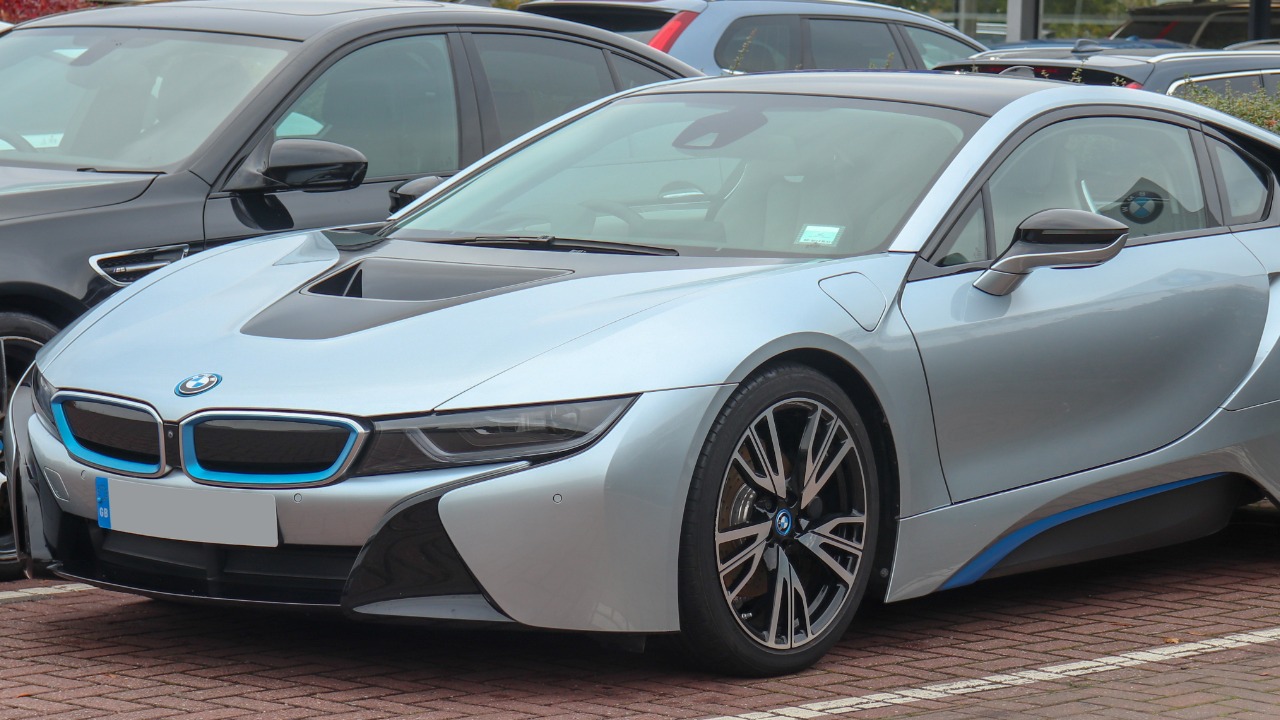
BMW produced roughly 20,000 examples of the i8 between 2014 and 2020, pairing a 1.5-liter three-cylinder turbo with an electric motor inside a carbon-fiber-reinforced plastic passenger cell. Butterfly doors made it a genuine spectacle. Hybrid novelty aged quickly against cheaper and quicker electric rivals, and the carbon-tub plug-in hybrid lost value at a startling rate.
The materials that made it special complicate ownership. Structural carbon-fiber repair is restricted to certified centers, and a damaged tub can write the car off outright. The high-voltage battery is a finite component whose replacement cost dwarfs what these cars now command, while bespoke tires and body panels have no cheap aftermarket equivalent.
6. Nissan GT-R: Giant-Killer, Giant Service Bills
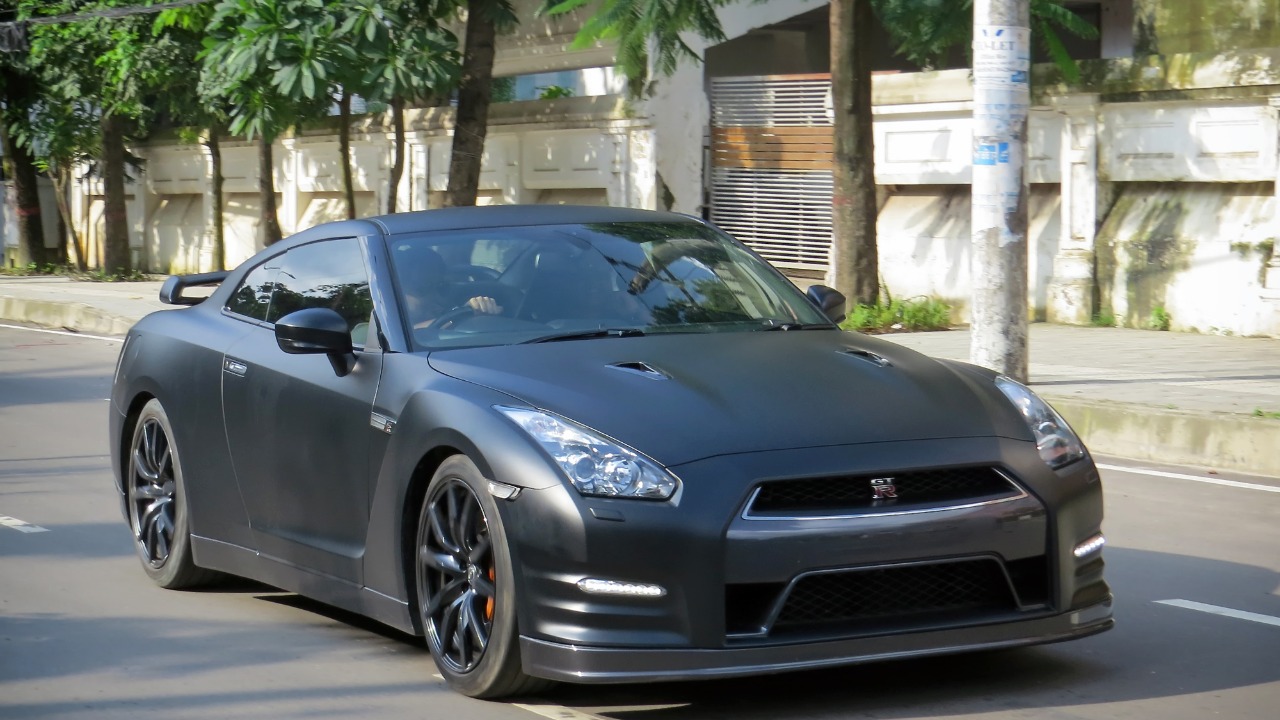
Nissan launched the R35 GT-R in 2007 with a hand-assembled twin-turbo VR38DETT V6, all-wheel drive and a rear-mounted dual-clutch transaxle. Every engine is built by one Takumi technician whose name goes on a plaque. Nearly two decades of continuous production created abundant supply, and the hand-built Japanese coupe now undercuts far slower machinery on the used market.
Then the maintenance schedule arrives. The GR6 transaxle takes its own costly fluid under dealer-only service procedures, and the car specifies separate fluids for engine, transmission and differential at short intervals. Brakes, clutch packs and run-flat tires were sized for well over 500 horsepower, and replacements are priced to match.
7. Chevrolet Corvette C6: Cheap Speed, Thirsty Habits
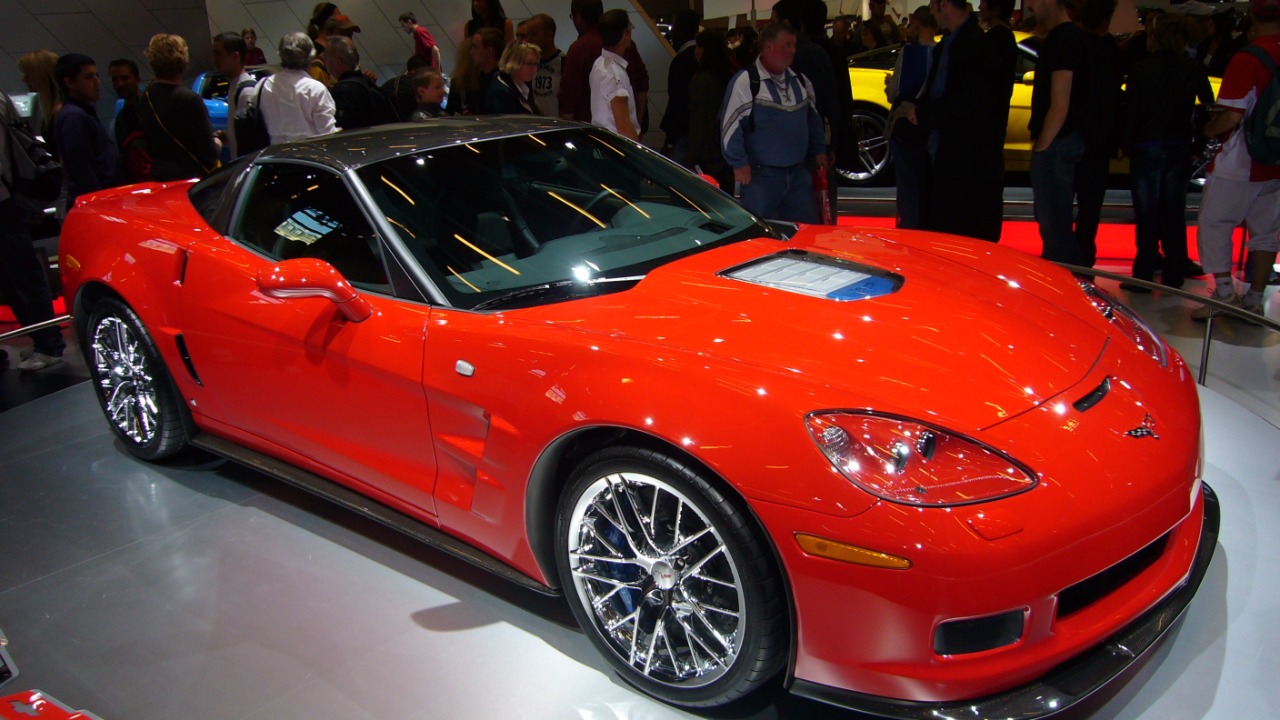
Chevrolet built the C6 Corvette from 2005 to 2013 around pushrod small-block V8s, from the 6.0-liter LS2 to the 7.0-liter LS7 in the Z06 and supercharged LS9 in the ZR1. High production volume and a base price far beneath European rivals mean the sixth-generation Corvette delivers more speed per dollar than almost anything else here.
Running costs stay below the imports, though hardly free. LS7 engines carry a documented reputation for valve-guide wear that ends in cylinder-head work, the Z06 and ZR1 use dry-sump systems demanding more oil, and traffic economy is whatever a large-displacement V8 suggests. Wide rear tires wear quickly and are among the class’s priciest consumables.
8. Dodge Viper: Ten Cylinders, No Apologies
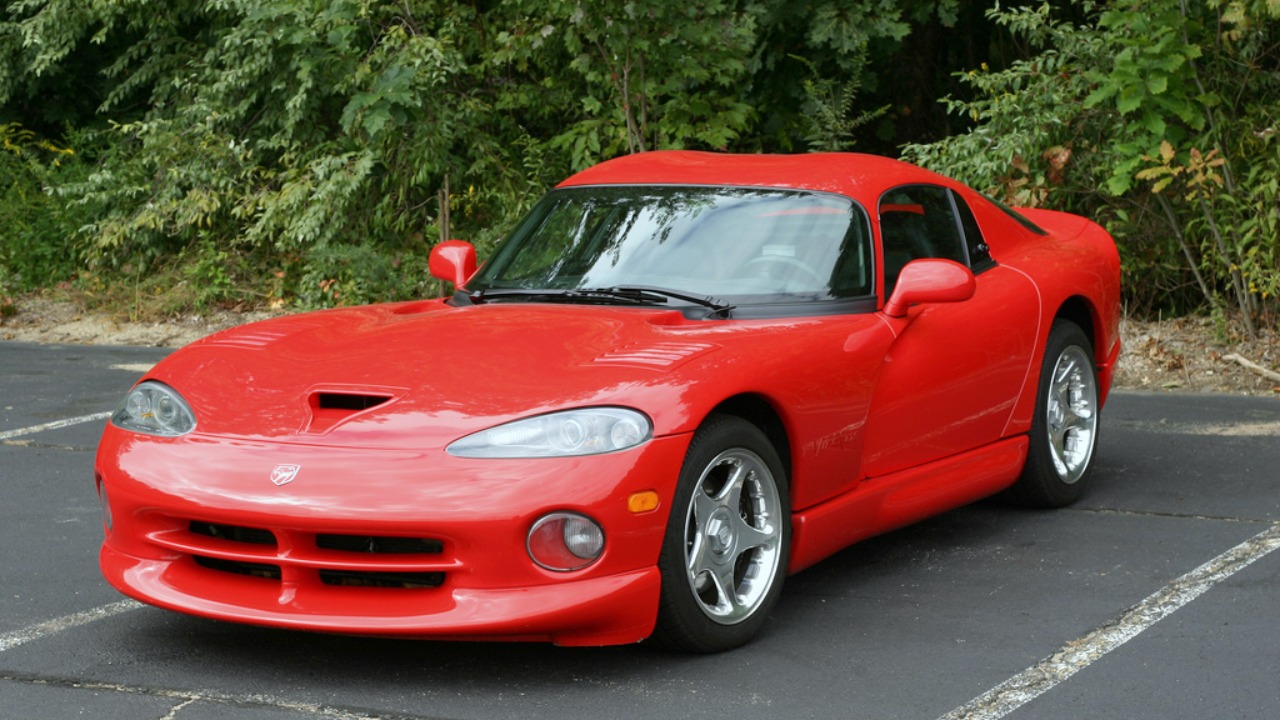
Dodge produced the Viper across five generations between 1992 and 2017 around an aluminum V10 that grew from 8.0 to 8.4 liters. Early cars offered no traction control and no anti-lock brakes. Small annual production batches and a driving experience that intimidates many buyers leave the V10 roadster and coupe within reach of ordinary sports-car money.
Consumables do the damage. Bespoke Michelin tire sizes fitted to almost nothing else remove any competitive pricing, and fuel consumption from more than eight liters of displacement is exactly what arithmetic predicts. Clutch and brake components remain specific to the model rather than shared with volume vehicles.
9. Lotus Evora: Toyota Heart, Lotus Access
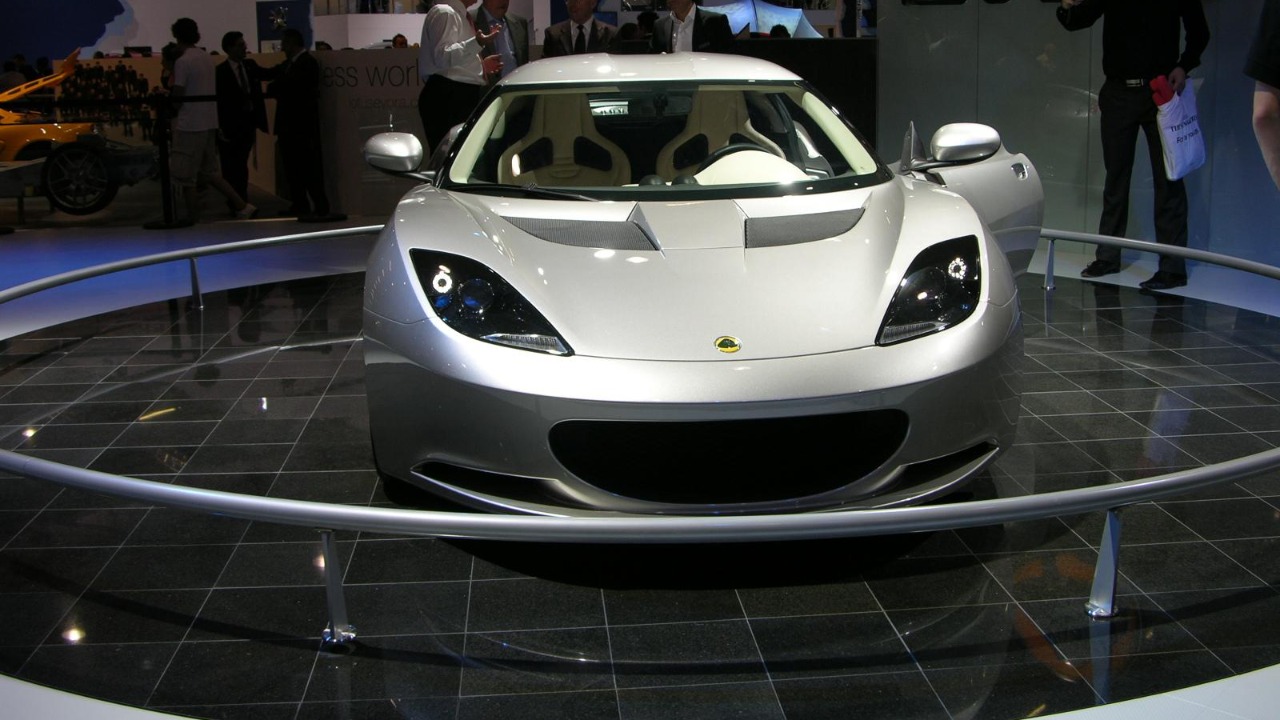
Lotus built the Evora from 2009 to 2021 in very small numbers, using a bonded aluminum tub and a Toyota-sourced 2GR V6 mounted amidships, supercharged in S and later cars. Thin brand awareness in North America and a dealer network measured in dozens have left the mid-engine Lotus coupe unusually affordable.
Camry-derived internals suggest cheap upkeep, and the engine itself is genuinely durable. Everything around it is not. Access is dreadful, so straightforward jobs such as an alternator or supercharger belt consume hours of labor, body panels are low-volume composite pieces, and finding a technician familiar with the platform can mean shipping the car considerable distances.
10. Acura NSX: Hybrid Halo, Specialist Support
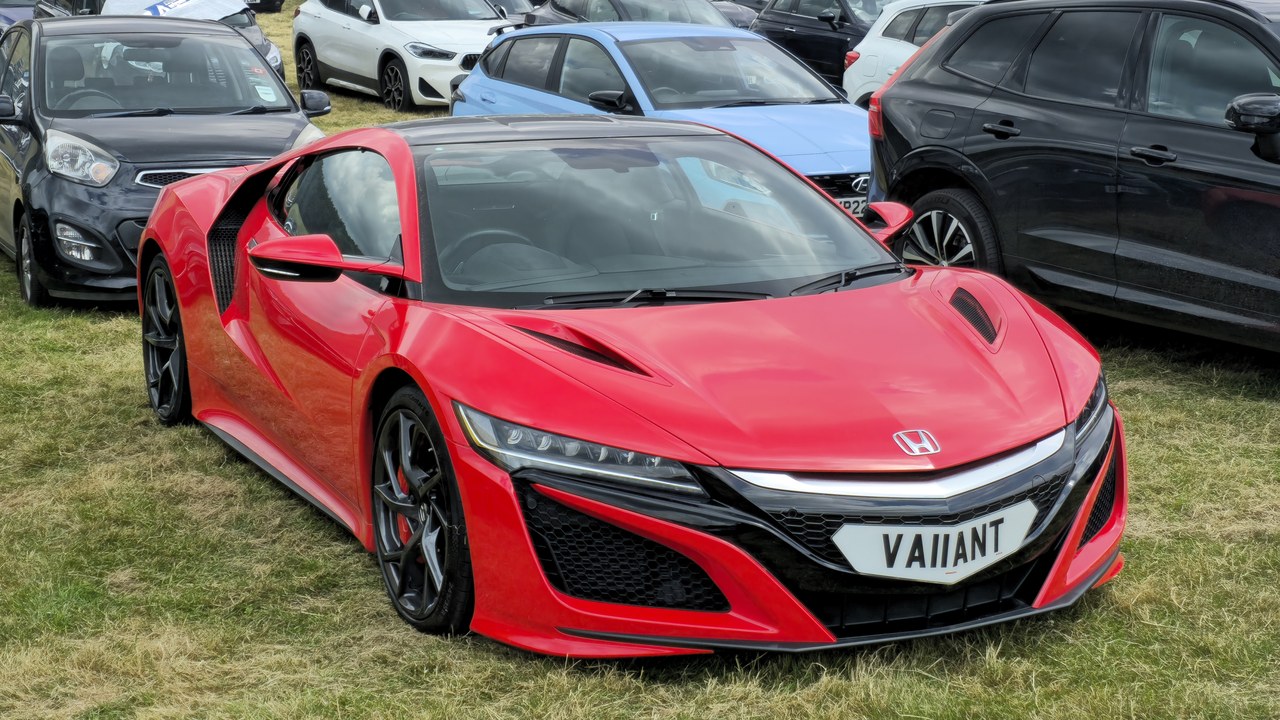
Acura assembled the second-generation NSX at a dedicated Ohio plant from 2016 to 2022, combining a twin-turbo 3.5-liter V6, a nine-speed dual-clutch gearbox and three electric motors. Sales never approached projections, and total output stayed in the low thousands. An approachable badge attached to genuine supercar hardware left the hybrid all-wheel-drive supercar trading well beneath what its complexity cost to build.
Complexity is the ownership story. A lithium-ion pack and three motors can only be serviced by NSX-certified dealers, a small subset of the Acura network. Carbon-ceramic brakes were an option with replacement costs to match, and the tires were developed specifically for this car.
11. Maserati Ghibli: Trident Badge, Discount Aisle

The third-generation Ghibli arrived in 2013 as Maserati’s volume play, a mid-size sedan riding a shortened Quattroporte platform with a 3.0-liter twin-turbo V6 assembled by Ferrari. Aggressive leasing put far more of them on the road than the brand could sustain, and the Trident-badged sports sedan now depreciates toward mainstream family-sedan territory.
Buyers discover why the entry price collapsed. Maserati labor rates apply to a car sharing switchgear and electronics with mass-market Fiat Chrysler products, so faults appear often and repairs are not cheap. Air suspension on equipped examples, frequent oil services for the twin-turbo V6 and a thin dealer network keep annual costs firmly in exotic territory.
More from Morning Overview
