
The Chevrolet Impala ran from 1958 until the last car was built in February 2020. Along the way it picked up tail fins, an SS performance badge, front-wheel drive and a big-block option rated at 425 horsepower. Here are eleven Impalas that mark the high points of that run.
AI, explained every day: The Deep View is the go-to daily newsletter for 600,000+ founders, knowledge workers and professionals who want to stay up to date with artificial intelligence.
We may earn a commission if you sign up.
1. 1958 Chevrolet Impala (first generation): Triple Taillights Arrive
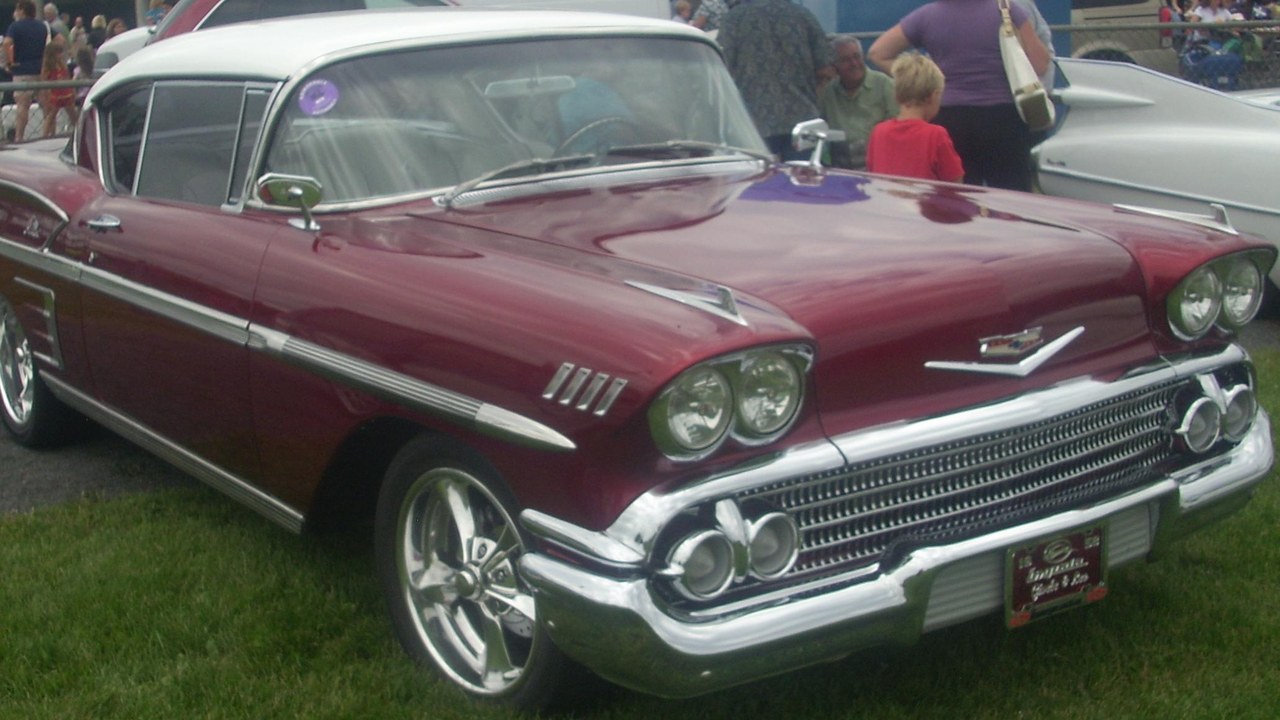
The first Impala arrived for 1958 with symmetrical triple taillights and Chevrolet’s first dual headlamps, as described in the Wikipedia entry on the Impala. Production reached 55,989 convertibles and 125,480 coupes in that opening year.
Those two body styles set the template for a nameplate that would run for six decades. The lighting details are the quickest way to pick out a first-generation car in a crowd, since later generations changed the look of both ends.
2. 1959 Chevrolet Impala (second generation): Wings in the Back
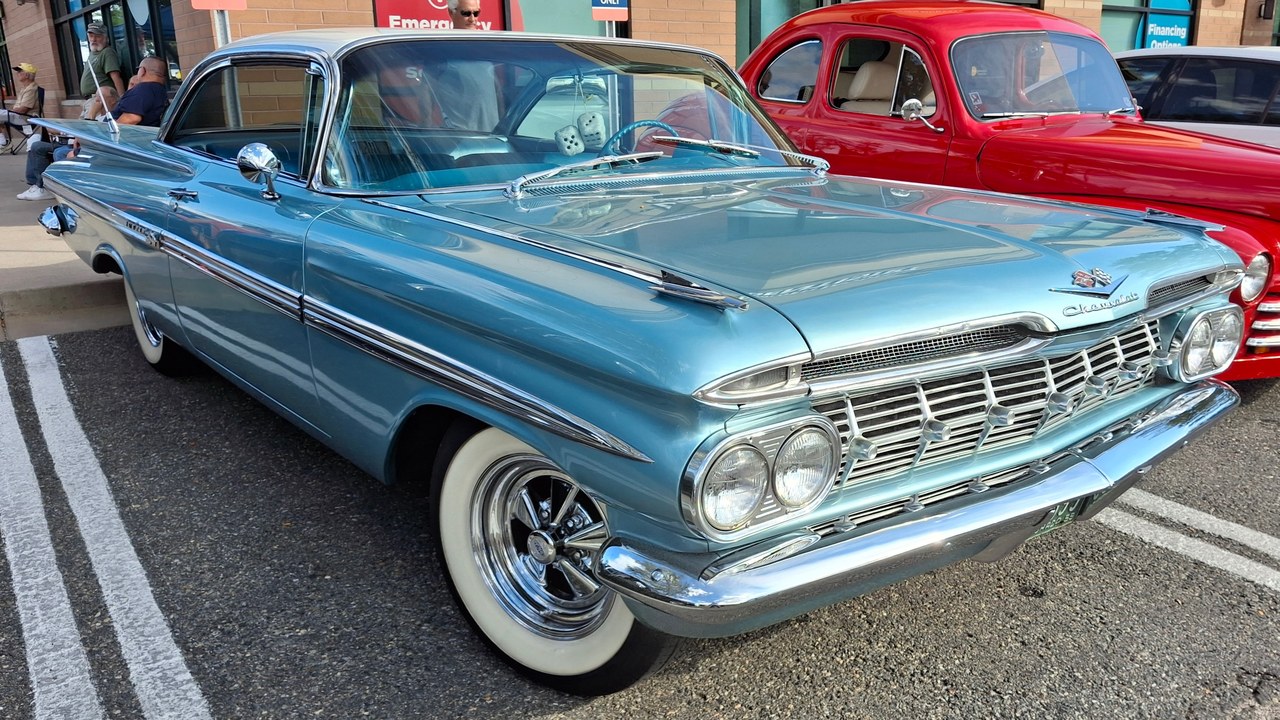
Chevrolet’s own history page describes the 1959 model as a full redesign with wing-like tail fins, a dramatic change from the first-generation car a year earlier. The same Chevrolet legacy timeline also notes that cruise control became an option in 1960.
The quick turnaround shows how fast styling moved in this era. Fins gave the second generation a look all its own, and the option list was already growing beyond basic transportation.
3. 1961 Chevrolet Impala Super Sport: The SS Debuts
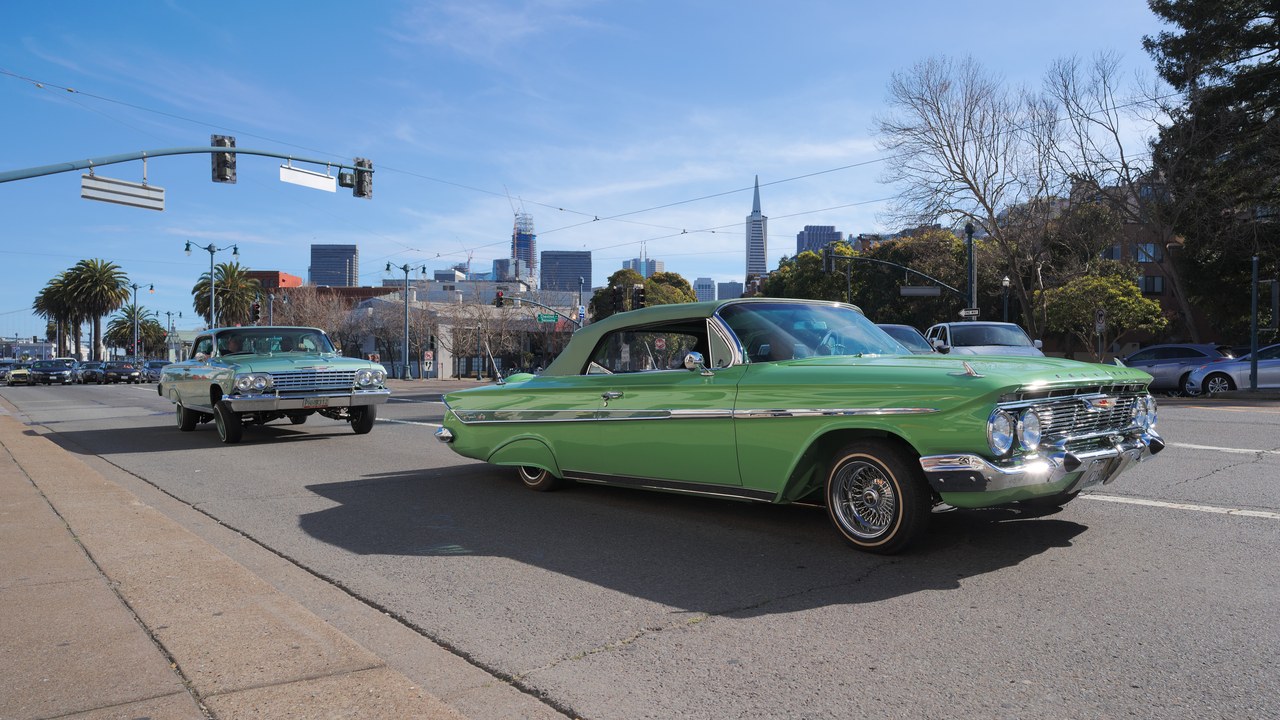
Chevrolet’s Chevrolet legacy page marks 1961 as the year the Impala Super Sport, or SS, debuted. The badge began as a sporty trim on a mainstream sedan and coupe line that was already popular with buyers.
That date matters because the SS name would return repeatedly over the following decades. It also explains why several entries in this gallery carry the letters, each tied to a different engine and a different era of the car.
4. 1964 Chevrolet Impala ‘Six Four’: Six Four Legend
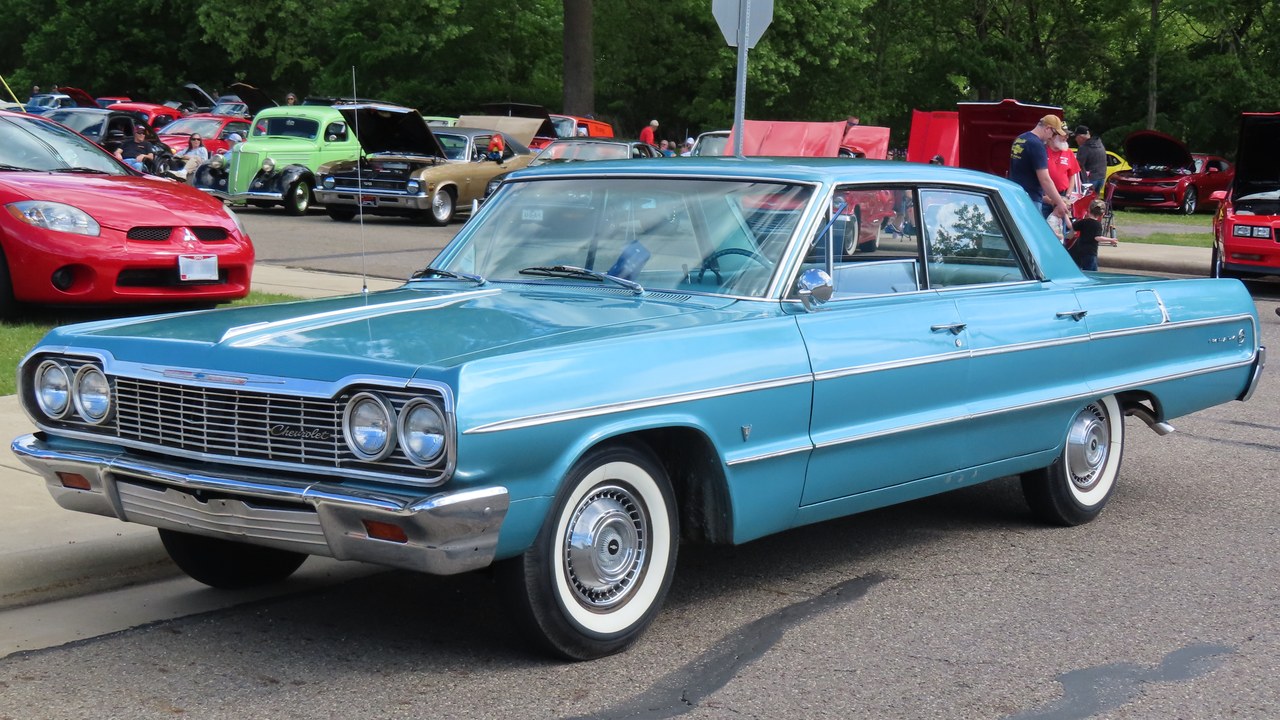
A Riverside Red 1964 Impala delivered in South Los Angeles on the day the Civil Rights Act was signed later became a lowrider and hip-hop fixture, according to the Drivers Foundation registry entry. The purchase date gives this single car its own place in history.
The 1964 Impala has since become shorthand for lowrider culture, and this registry entry ties one specific car to that story. It remains the most culturally loaded Impala on the list.
5. 1965 Chevrolet Impala (fourth generation): A Million-Plus Year
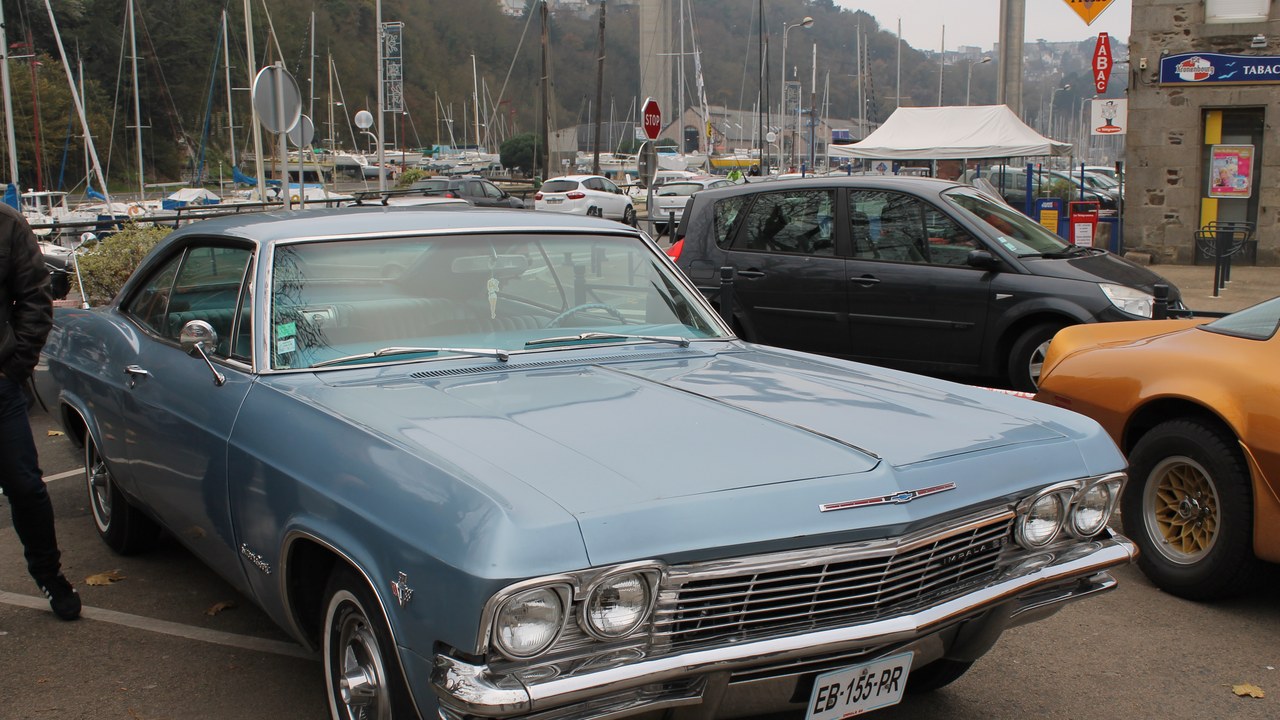
Chevrolet sold 1,074,925 Impalas in 1965, an industry record, according to The Drive’s Impala retrospective on the car’s history. No other single nameplate had reached that total in one year at the time.
Fourth-generation sales of that scale explain why the Impala is remembered as the defining full-size Chevrolet of the 1960s. The figure still stands out as the high-water mark of the nameplate’s long run. That kind of volume made the 1965 car a benchmark for the entire industry, not only for Chevrolet.
6. 1966 Chevrolet Impala SS 427: 425 Horsepower
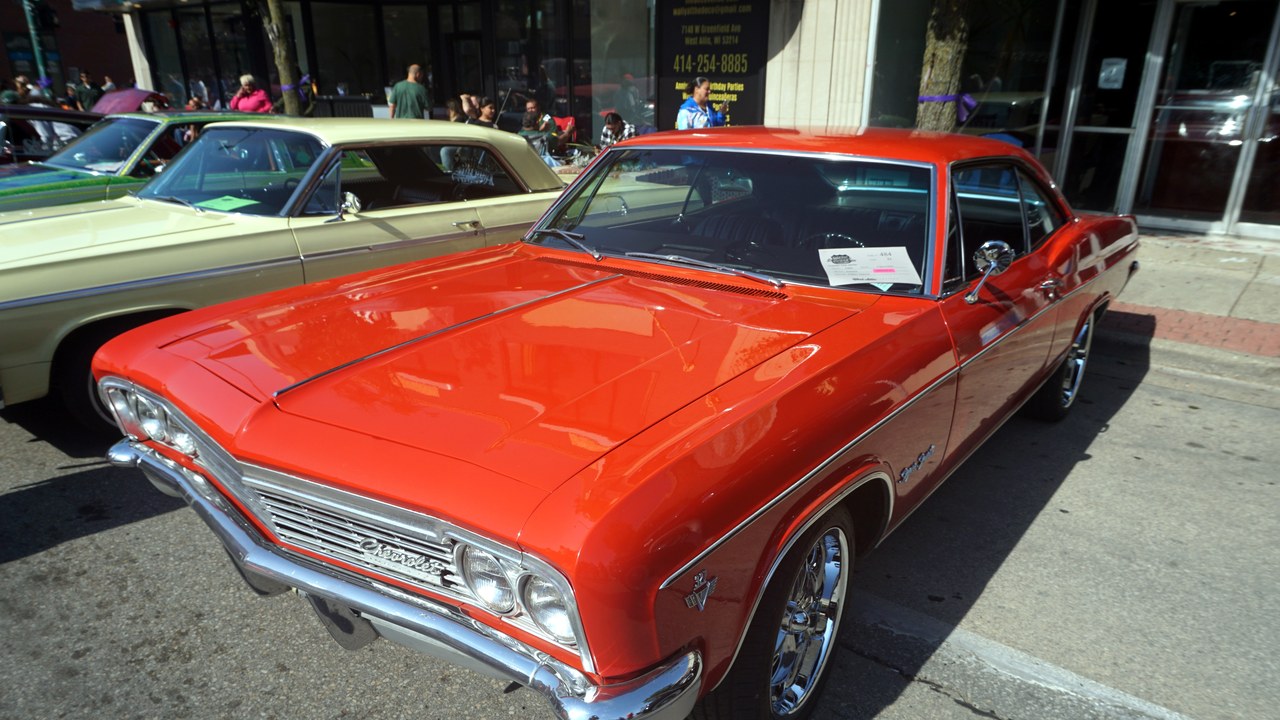
The headline engine arrived in 1966, when the 427 cubic-inch option was rated at 385 horsepower in L36 form or 425 horsepower as the L72, per the Wikipedia Impala article. The higher rating is the figure that gives this gallery its title.
Two output levels from one displacement show how the big-block choices were tiered. The 425-horsepower version sits at the top of the ladder for the Impala SS lineup of that year.
7. 1977 Chevrolet Impala (sixth generation): Downsized and Honored
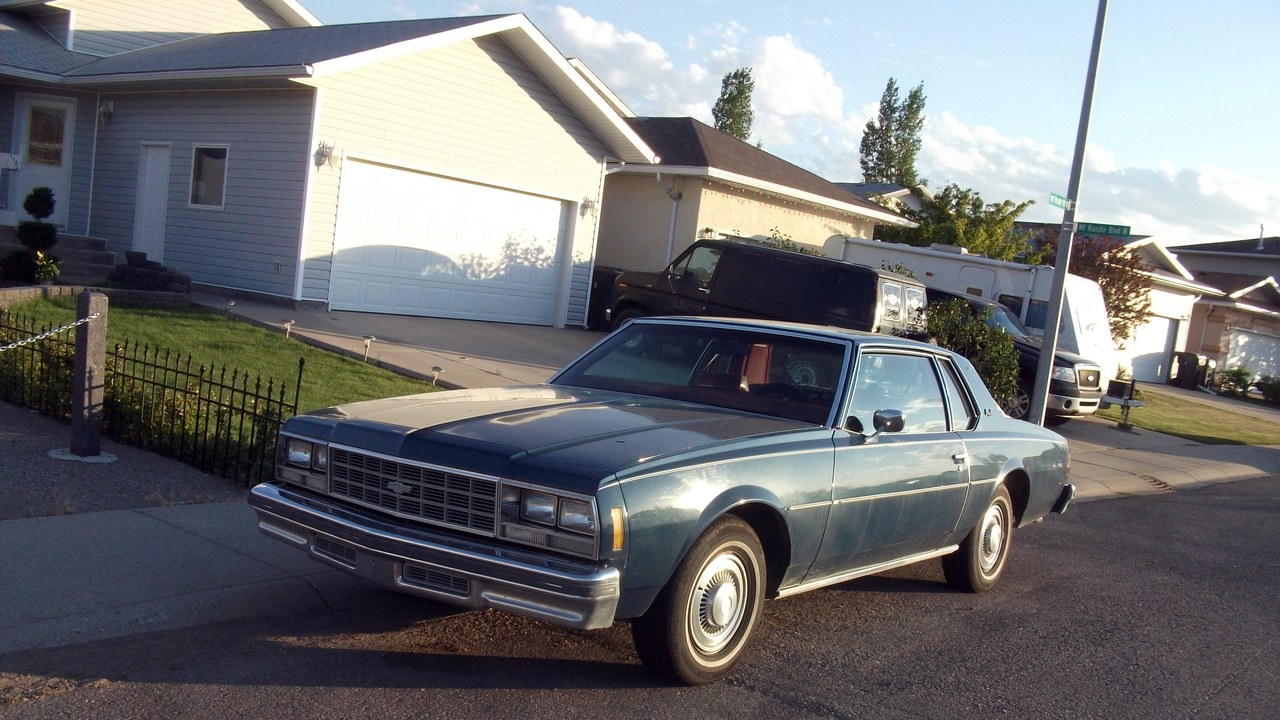
For 1977 the Impala was downsized, with sedans about 650 pounds lighter, and it won Motor Trend Car of the Year, the Wikipedia Impala history says. Chevrolet built 311,485 of them that year and regained the U.S. sales lead.
The redesign shows a nameplate adapting rather than fading. The trimmer car was rewarded by critics and by buyers at the same moment, which is a rare combination for a full-size sedan.
8. 1994 Chevrolet Impala SS (seventh generation): The SS Returns
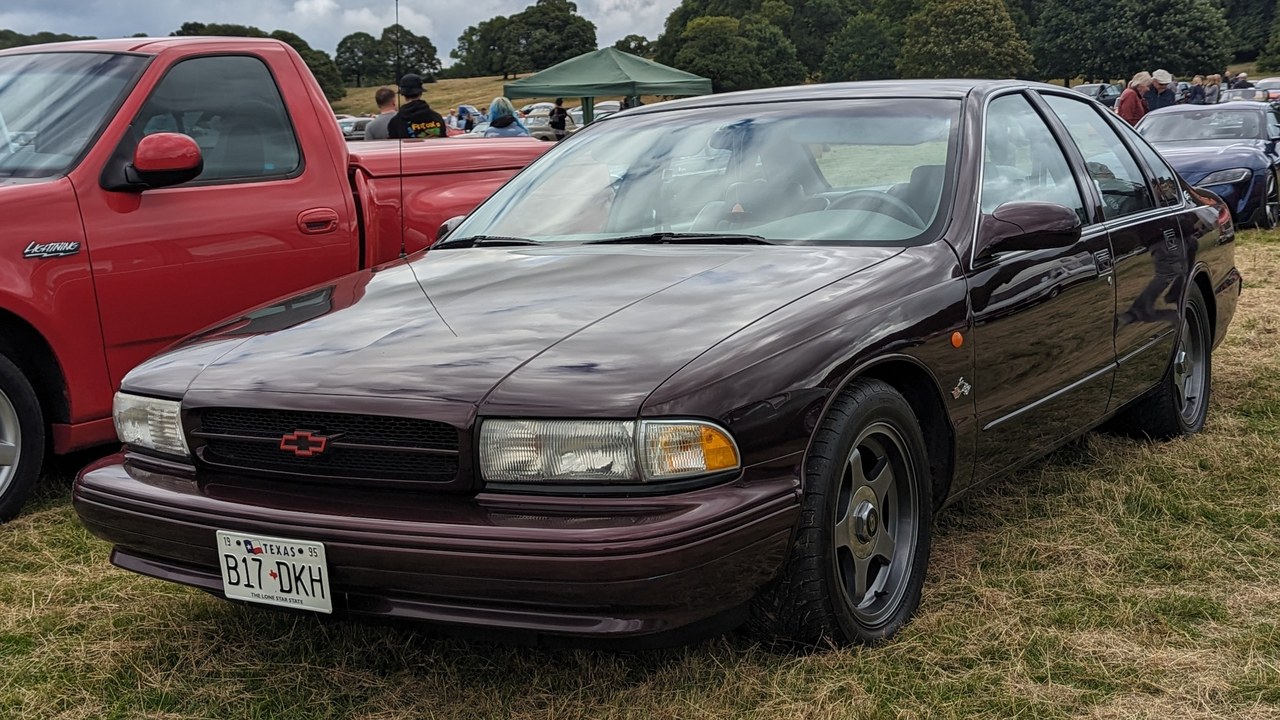
After a long absence, the SS returned for 1994 through 1996 with a 260-horsepower, Corvette-derived LT1 V8, and nearly 68,000 sold in three years, according to Chevrolet’s Impala history. The sedan was a performance revival for a family nameplate.
Only three model years of production make the seventh-generation SS a short chapter. The sales total, though, suggests the formula of a V8 in a big sedan still found plenty of buyers.
9. 2000 Chevrolet Impala (eighth generation): Front-Wheel Drive
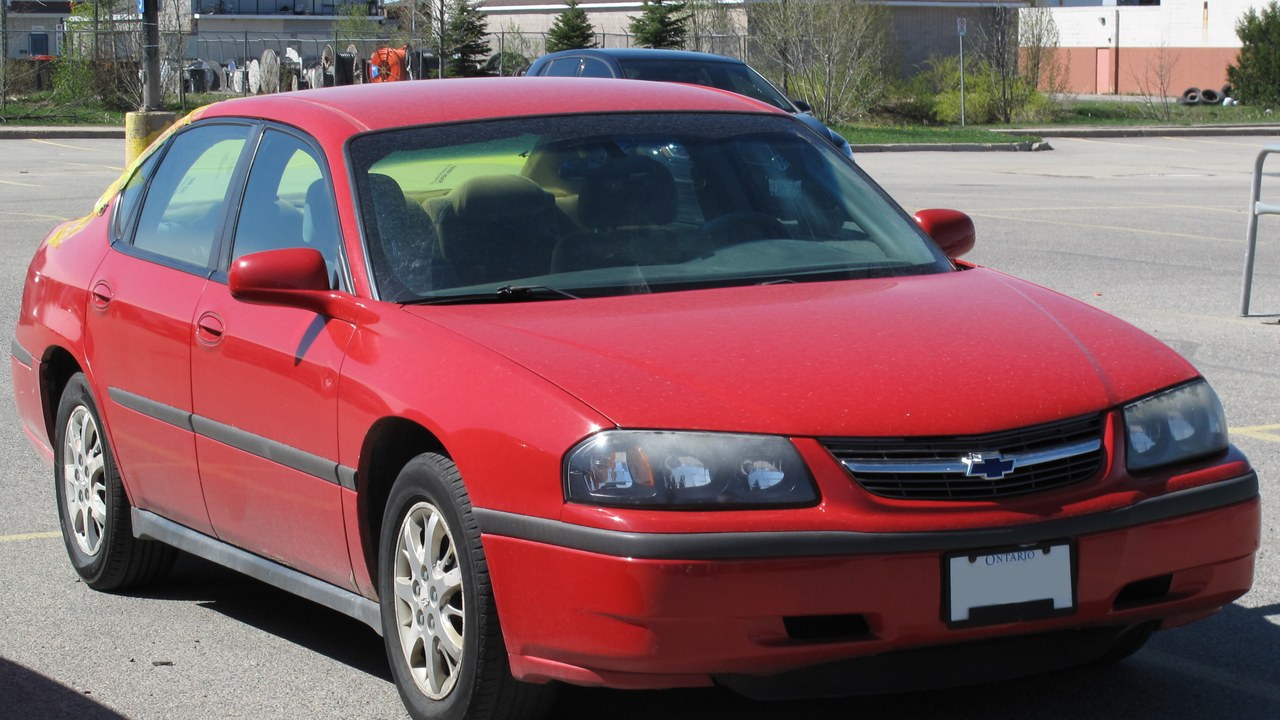
The 2000 Impala was an all-new design and the first with front-wheel drive, as Chevrolet’s legacy timeline describes it. Chevrolet later added a supercharged V6 to the 2004 SS version of the same generation.
Moving to front-drive was the biggest mechanical break in the car’s history so far. The supercharged SS shows the badge surviving that change, just with different hardware under the hood. It also marks a clear dividing line between the classic rear-drive Impalas and the modern ones.
10. 2006 Chevrolet Impala SS (ninth generation): A V8 Up Front
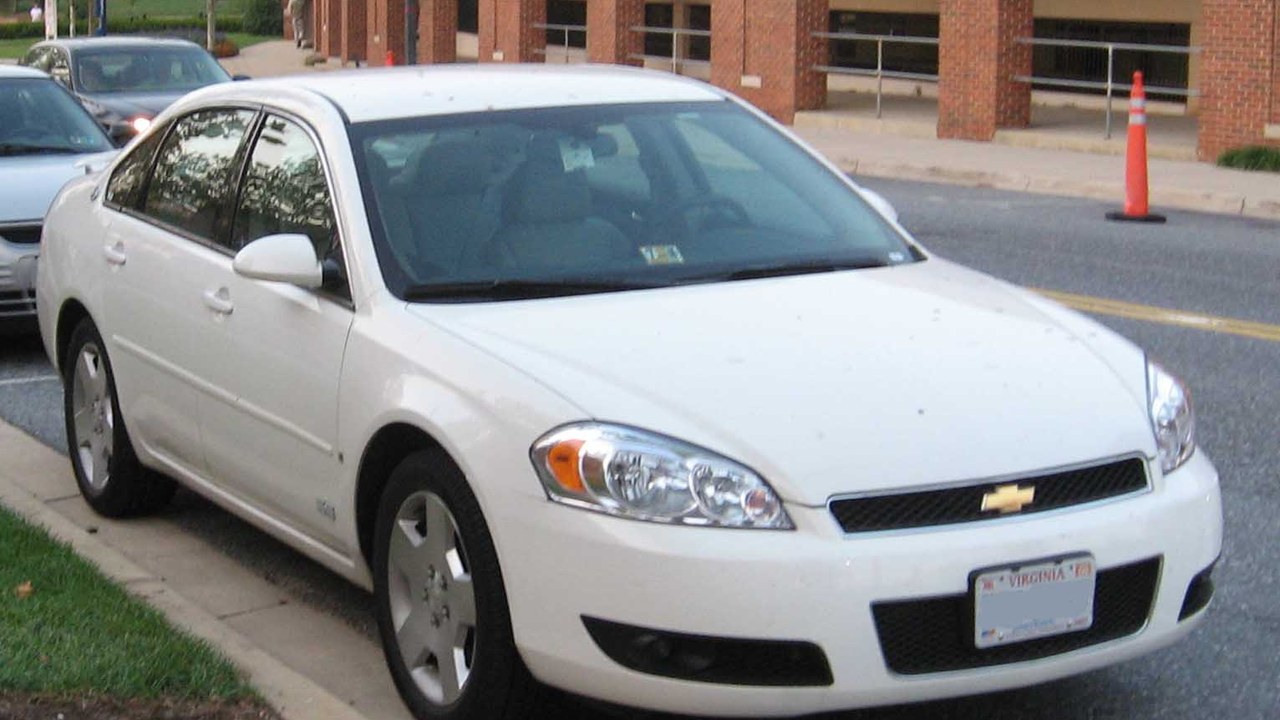
The 2006 to 2009 Impala SS carried a 5.3-liter V8 making 303 horsepower, the first V8 in a front-wheel-drive Chevrolet, per the Wikipedia article on the Impala. That made the ninth-generation SS an unusual layout for the brand.
The engine choice kept the performance badge alive in a front-drive package. For anyone tracking the SS name from 1961 onward, this version is the bridge to the modern era. The detail is a useful reminder that the same badge can mean very different things from one generation to the next.
11. 2014 Chevrolet Impala (tenth generation) and the last Impala: The Final Impala
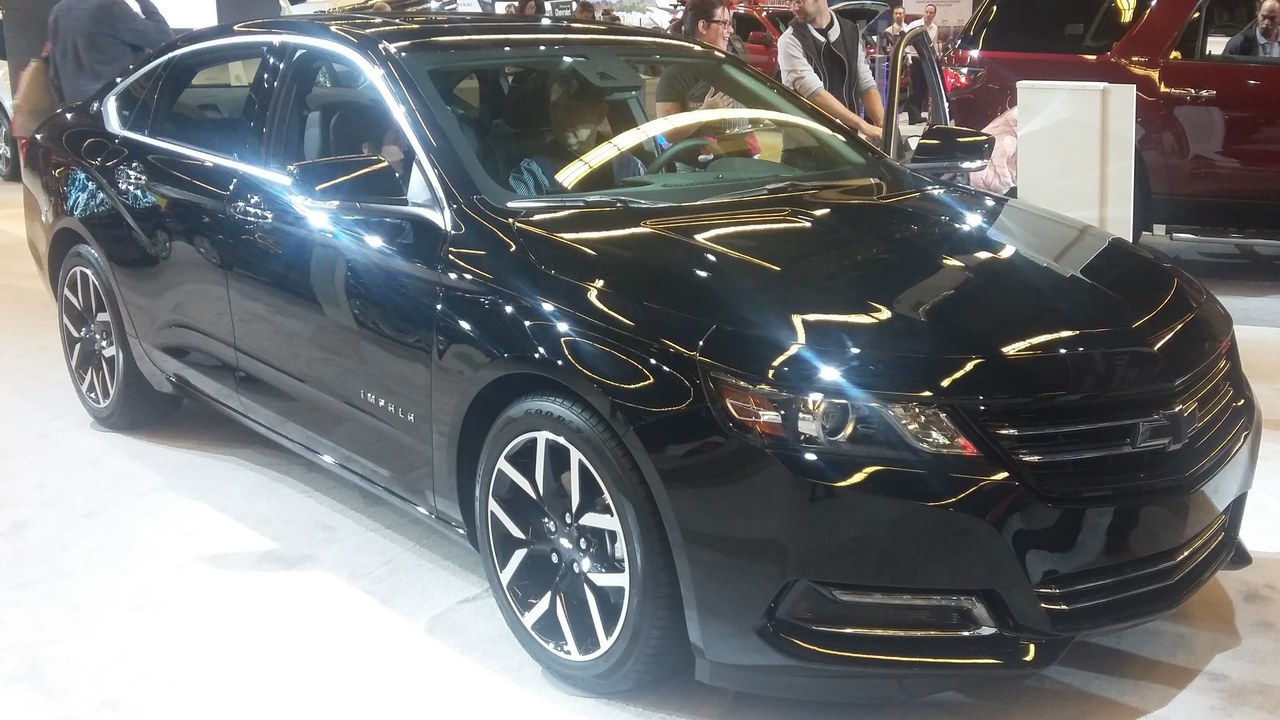
The last Impala rolled off the line on Feb. 27, 2020, after 62 years, and sales had slipped to about 45,000 in 2019, according to The Drive’s Impala eulogy. The tenth-generation car, introduced in 2014, was the one that closed out the story.
Those figures are far from the million-plus year of 1965, which frames how much the market for big sedans changed. The gallery ends where the nameplate did, with a car that outlasted most of its rivals.
AI, explained every day: Get The Deep View →
We may earn a commission if you sign up.
More from Morning Overview
- Doctors warn a silent liver disease now affects one in three American adults
- The FBI told the rest of ShinyHunters to surrender after a 24-year-old was arrested
- Two passengers died at an Ohio toll plaza, and the NTSB now wants the cash lanes shut
- Long use of a common prostate pill is tied to a higher chance of glaucoma
