
Most hood scoops on production cars are cosmetic, bolted on to suggest speed without moving a single cubic foot of air toward the engine. A functional scoop is a different animal: it ducts outside air straight to an intake or intercooler, and manufacturers have leaned on the trick since the muscle car era to squeeze out real horsepower. Here are eleven cars whose scoops actually did the work.
1. Subaru Impreza WRX STI: A Scoop That Actually Works

The WRX STI wears a raised bonnet scoop that genuinely functions, ducting outside air straight onto the top-mounted intercooler perched above the turbocharged flat-four. Subaru kept that layout across generations because it lets ambient air hit the intercooler core directly, rather than routing it through ductwork buried lower in the engine bay where underhood heat soak would cancel the gain.
Without that direct path, sustained boost would heat-soak the intake charge on a spirited drive and quietly cut power just when a driver wanted it most.
2. Nissan Pulsar GTI-R: Homologation Hatch, Big Bonnet
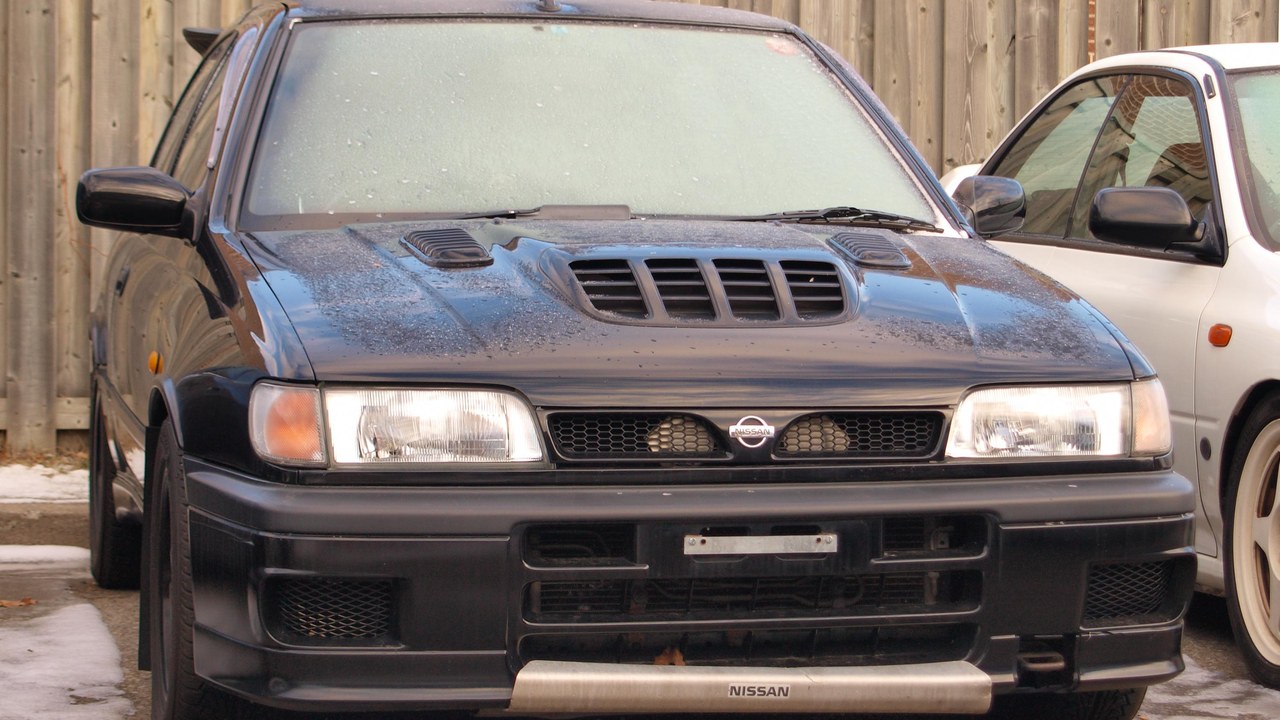
A boxy three-door homologation special, the Pulsar GTI-R packed a 227-horsepower turbo four under a bonnet scoop that fed its own top-mounted intercooler. Nissan built just enough road cars to satisfy Group A rally rules, so the compact hatch’s oversized scoop looked wildly out of proportion next to its everyday siblings, a giveaway that the mechanical underpinnings were built for stage rally use rather than the school run.
It also explains why a small, unassuming hatchback could out-punch far larger performance cars of its day on a gravel stage.
3. Toyota Celica GT-Four ST185: Same Nameplate, Opposite Job
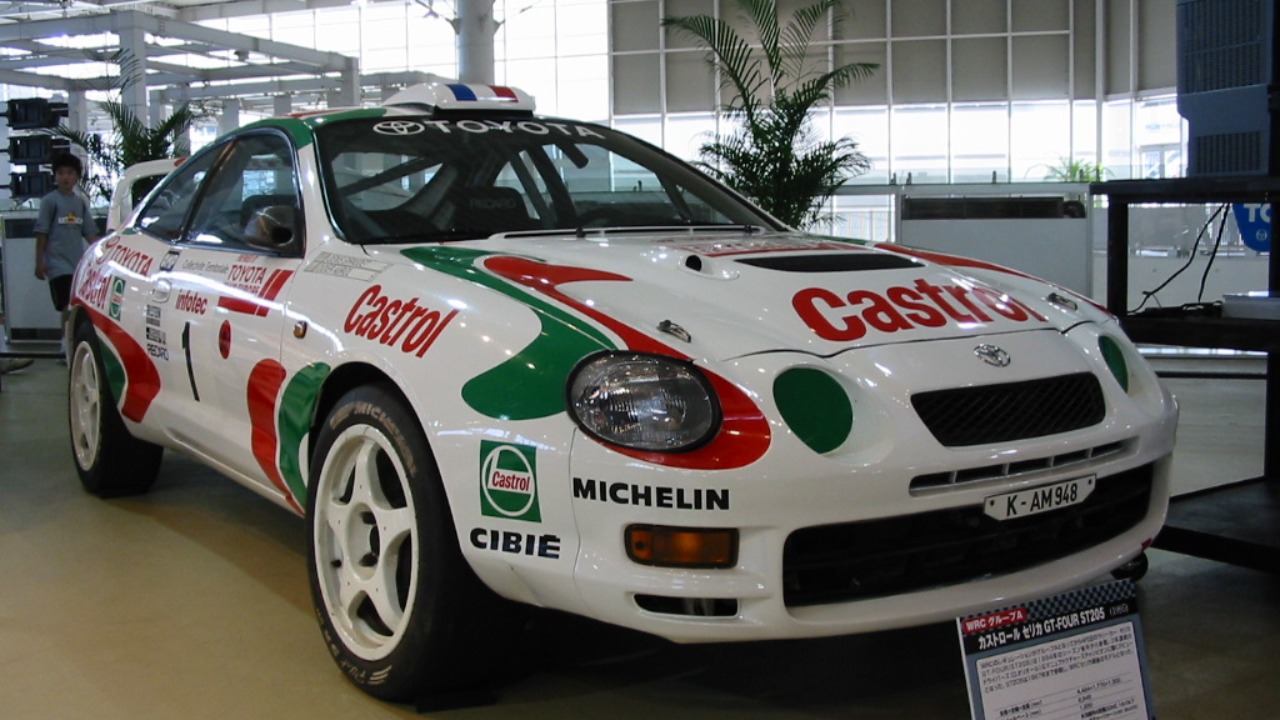
The ST185-generation Celica GT-Four scooped outside air in through its raised hood, feeding the turbocharged intercooler beneath, while Toyota reworked the hood on the later ST205 to vent hot air out instead of drawing cool air in. Both cars ran the same rally-bred format, proving a functional scoop can just as easily expel heat as supply it, depending on where the engineers decided the bottleneck actually sat.
Anyone shopping the two generations by eye alone could easily assume the hood shape was just a styling refresh rather than a functional reversal.
4. Ford Mustang Mach 1: The Shaker Everyone Copied
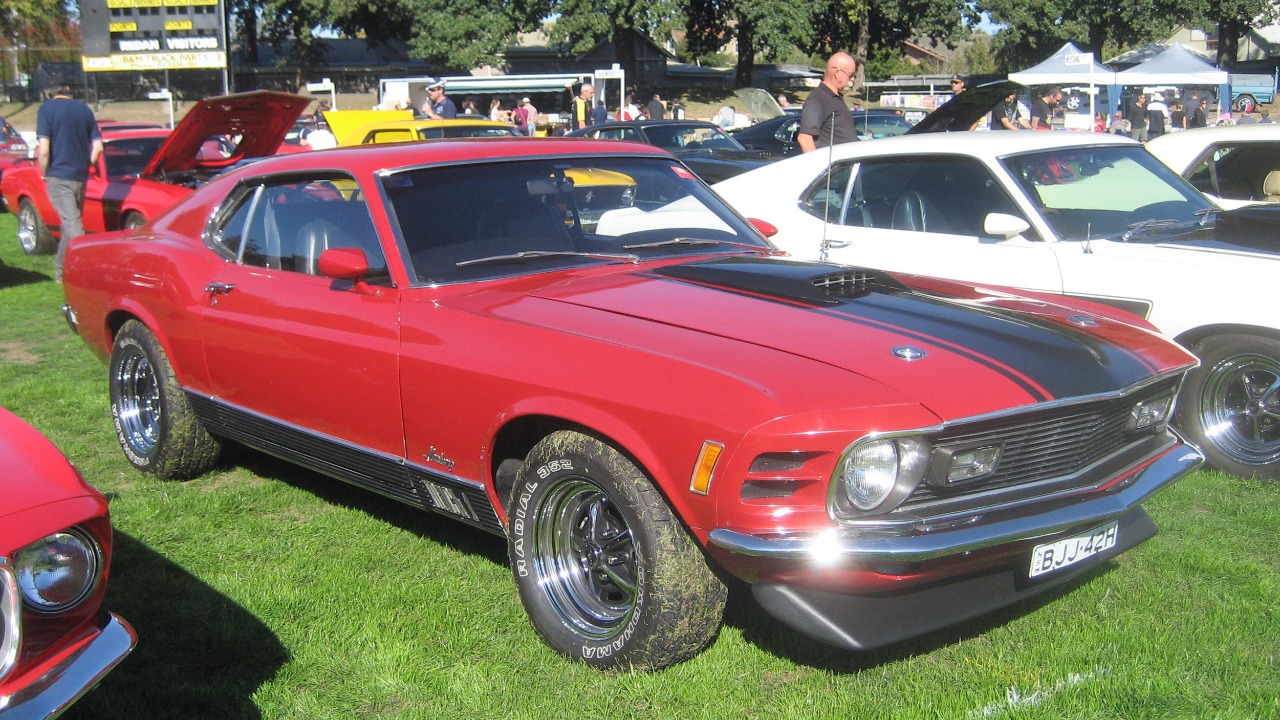
Designer Larry Shinoda pushed to make the 1969 428 Cobra Jet Mustang’s shaker scoop genuinely functional rather than a static styling cue, bolting it to the air cleaner so the whole assembly visibly trembled with every blip of the throttle. The shake was a side effect of function, not a special effect, since the scoop moved with the engine on its mounts while the hood stayed put around it.
The look proved so popular that Ford, and later other manufacturers, kept selling shaker-style hoods long after some versions had gone back to being purely decorative.
5. Pontiac Firebird Trans Am: Pulling Air From The Cowl
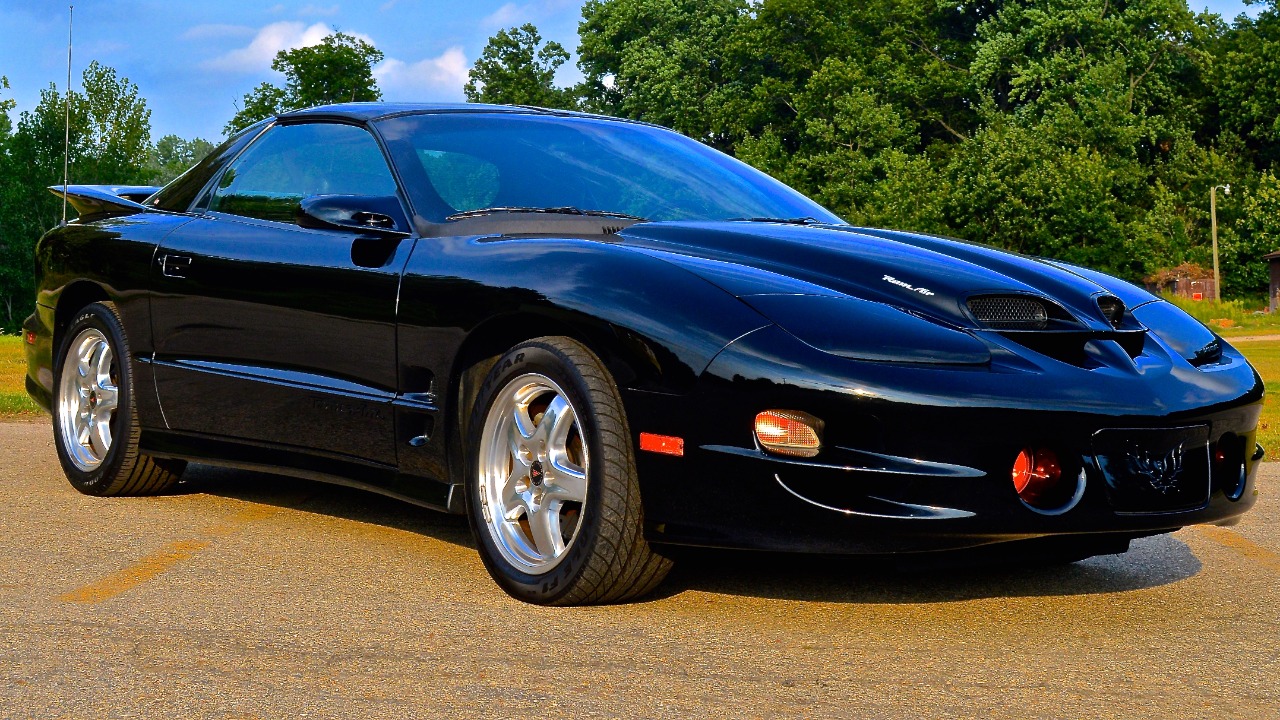
Where a forward-facing scoop invites turbulent air off the hood, the 1970 Trans Am’s rear-facing shaker instead pulled from the high-pressure pocket at the base of the windshield, a detail shared with the era’s Mustang only in concept, not direction. Pontiac’s engineers judged that cowl-area air ran cooler and cleaner than air disturbed by the hood’s own leading edge, so the intake simply faced backward instead.
The reversed intake also kept road grime and rain off the opening better than a forward-facing scoop ever could.
6. Pontiac GTO: A Name Reserved For Real Ones
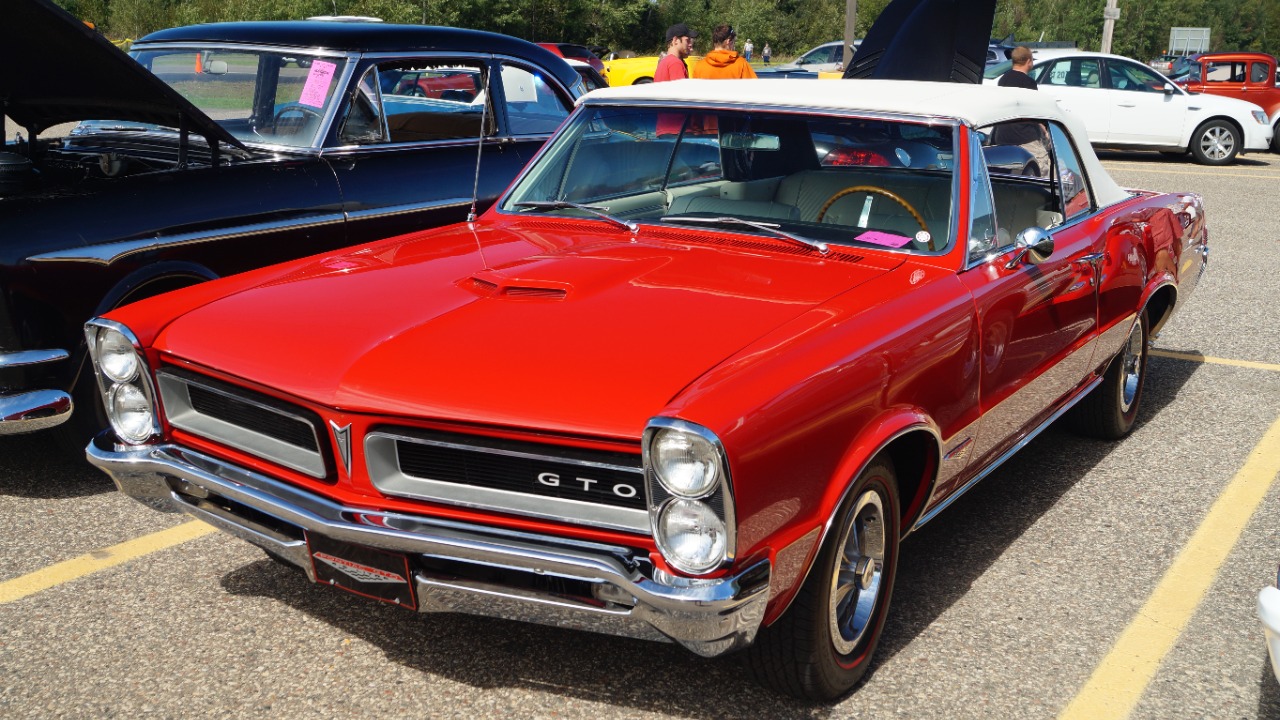
Pontiac reserved its Ram Air trade name specifically for GTO engines fitted with scoops that actually flowed outside air to the carburetor, leaving lesser trims with hoods that only looked the part. That naming split gave buyers, and now collectors, a documented way to separate genuine functional hardware from the purely cosmetic hoods sold alongside it on the same showroom floor.
It’s also why a numbers-matching Ram Air GTO commands a real premium over a visually identical car that never had the functional hardware.
7. Plymouth Road Runner: Air On A Dash-Switch Timer
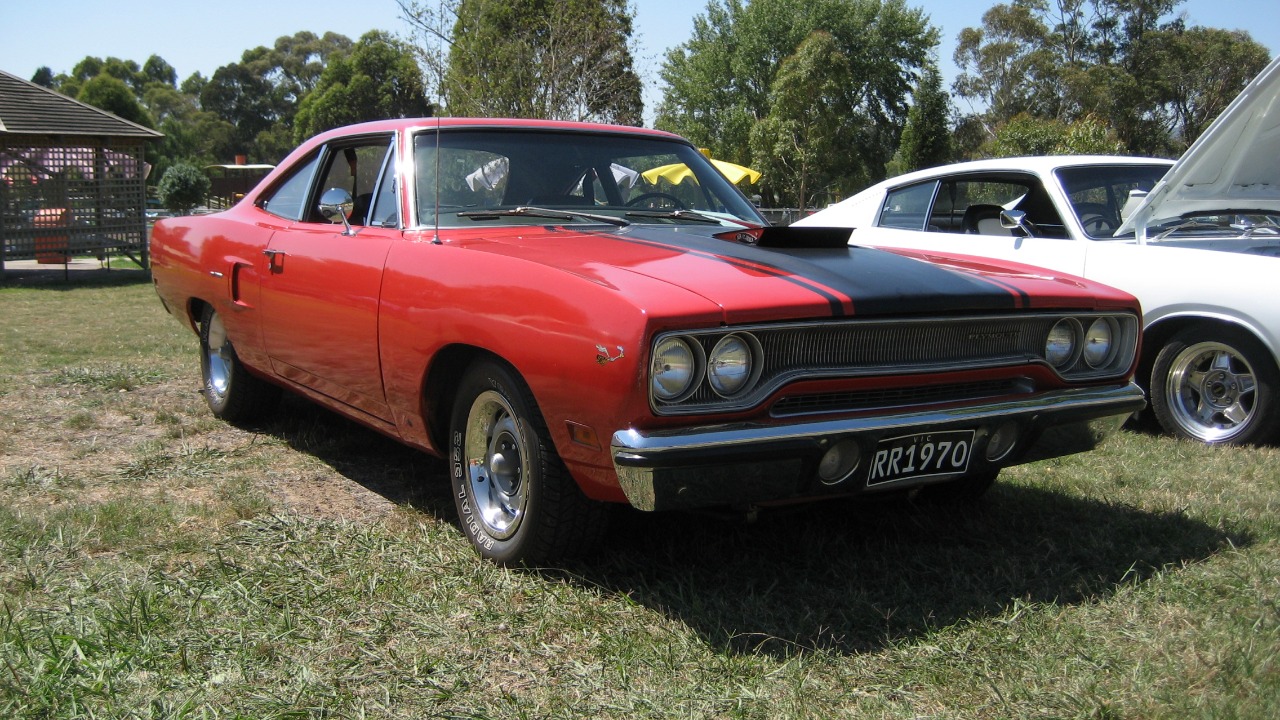
Plymouth’s Air Grabber system used a vacuum-operated scoop that stayed sealed flush with the hood until a driver flipped a dash switch, at which point it popped open and ducted air straight to the engine on demand. Leaving it shut kept the Road Runner quiet and unassuming in traffic, while opening it on request turned a mundane commute into a small piece of theater before a run.
Collectors now treat a working Air Grabber system as a meaningful originality point, since plenty of scoops were left glued shut over the decades.
8. Oldsmobile 442: Cold Air, Cheap Horsepower
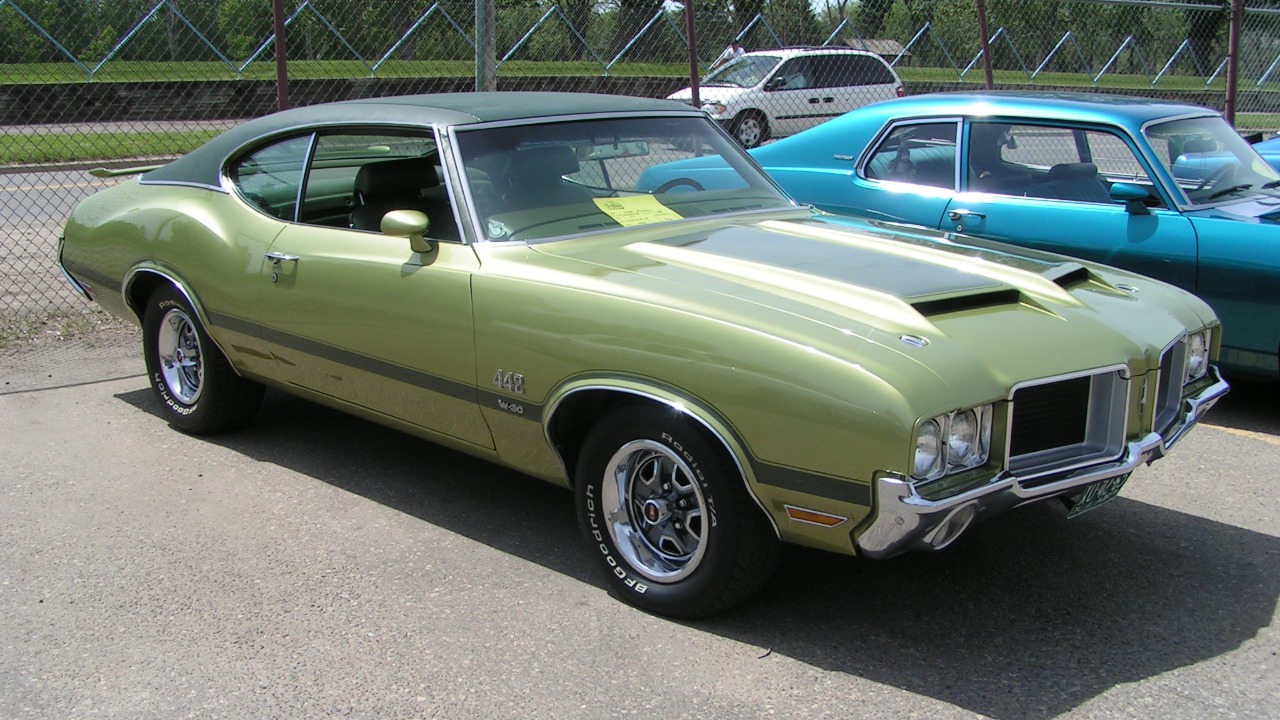
Oldsmobile’s W-25 option fitted the 442 with a fiberglass cold-air hood whose wide twin scoops fed the air cleaner directly, bypassing the warmer air trapped inside the engine bay, a detail documented among factory scoop options. Denser, cooler intake charge meant a real if modest power gain without adding a supercharger or reworking the engine internals, just smarter ducting bolted to an existing block.
It remains a cheap lesson in aerodynamics: moving the intake source mattered more than moving more metal under the hood.
9. Buick GSX: A Sleeper’s Modest Scoop
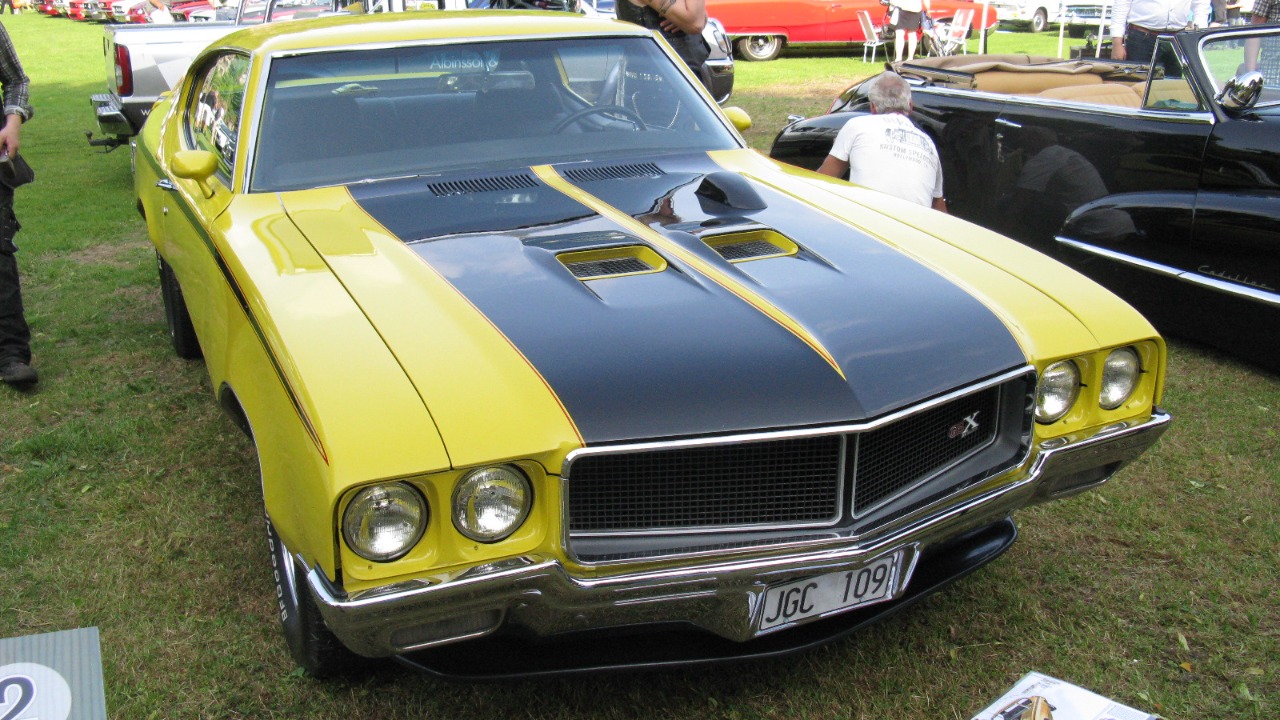
Buick kept its GSX Stage 1 scoop modest in size, a restrained bulge atop the 455 big-block that nonetheless drew genuine outside air rather than sitting on the hood for effect, per period accounts of the option list. That understatement fit the GSX’s reputation as a sleeper, a car that let torque numbers do the talking instead of an oversized hood ornament announcing horsepower it didn’t have.
It also means the GSX’s scoop is easy to overlook in photos next to flashier competitors wearing far larger hood hardware for the same horsepower class.
10. Ram 1500 TRX: Feeding A Supercharger, Not A Look
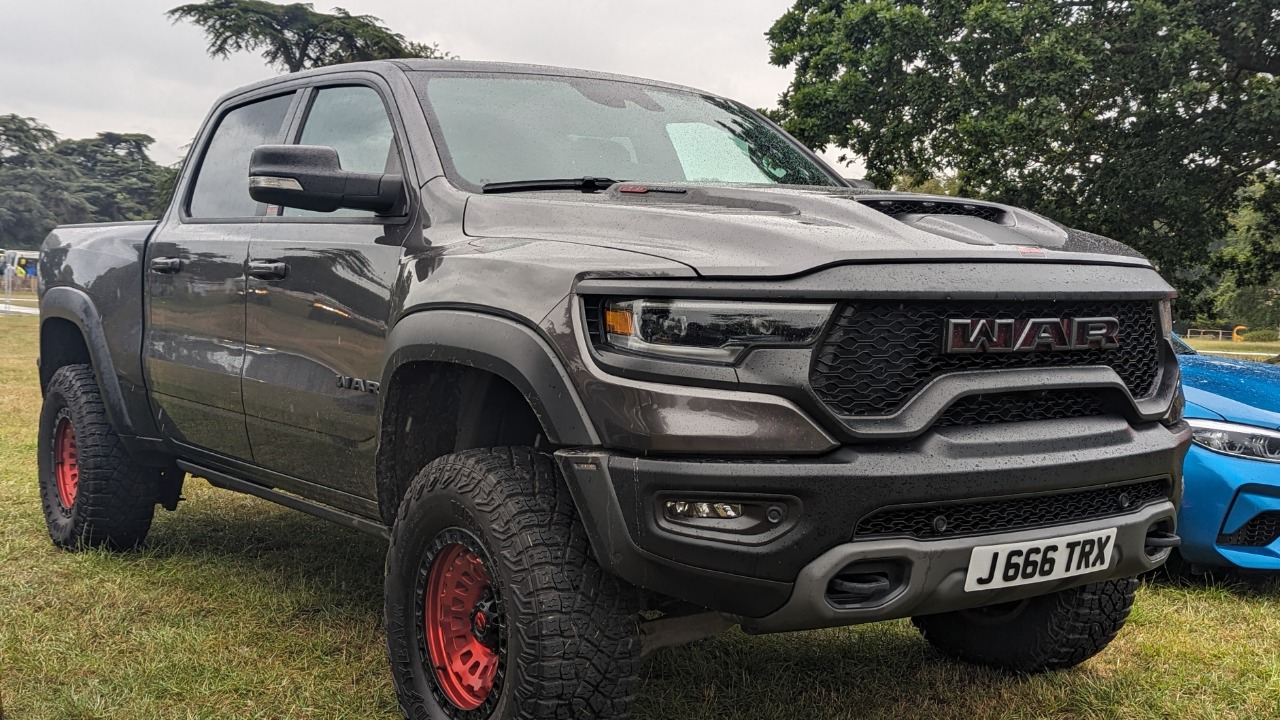
The Ram 1500 TRX’s supercharged 6.2-liter Hemi drinks enough air that Ram gave the truck a functional hood scoop feeding the supercharger’s own intake, not a styling flourish borrowed from a parts catalog, a spec confirmed in coverage of modern factory scoops. Proof that the idea never actually left production cars, it simply migrated from muscle car coupes onto high-output pickups built decades later.
It also signals that automakers still treat visible ducting as worth the tooling cost when the engine underneath genuinely needs the airflow.
11. Dodge Challenger SRT Demon: The Biggest Scoop On Sale
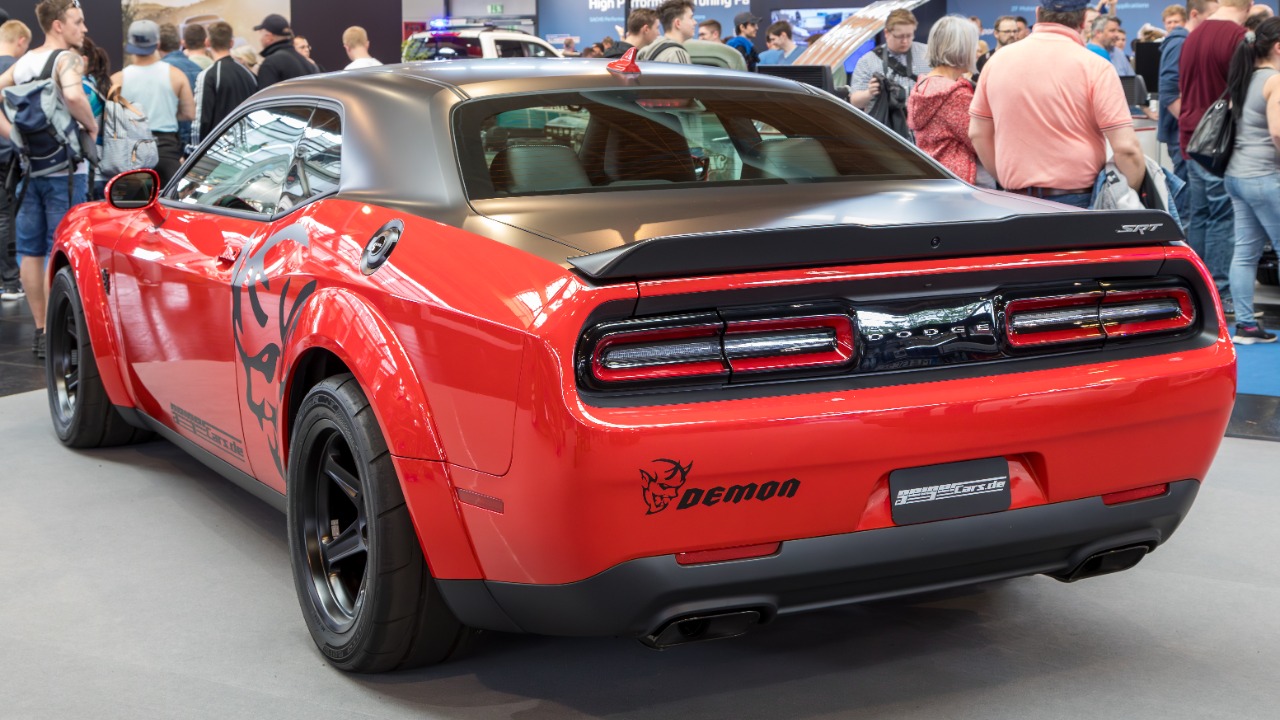
Dodge’s Air-Grabber scoop on the Challenger SRT Demon spans 45.2 square inches, the largest functional hood scoop ever fitted to a production car, moving 1,150 cubic feet of air per minute into the supercharged V8 beneath it, according to Dodge’s own release on the car. That volume of air only makes sense on a car built to run a quarter mile on race fuel, not to idle in a parking lot.
Every other scoop on this list moves a fraction of that volume, which is part of why the Demon needed a specially built hood to hold it at all.
More from Morning Overview
- A handful of car transmissions are so tough that mechanics say they almost never die
- Card skimmers hidden on gas pumps are draining accounts, and there’s a quick way to spot them
- The NSA warns one messaging setting can clone your texts to a stranger
- Security experts still urge phone owners to switch off one location-tracking setting
