
Automakers keep chasing the feeling of an open cabin without the weight or leaks of a folding convertible top. A fixed sheet of glass does the job instead, stretching from the windshield header to the rear hatch on sedans, crossovers and three-row SUVs alike. Here are eleven cars that ship with that kind of expansive glass roof.
1. Tesla Model 3: The Sedan That Started The Trend
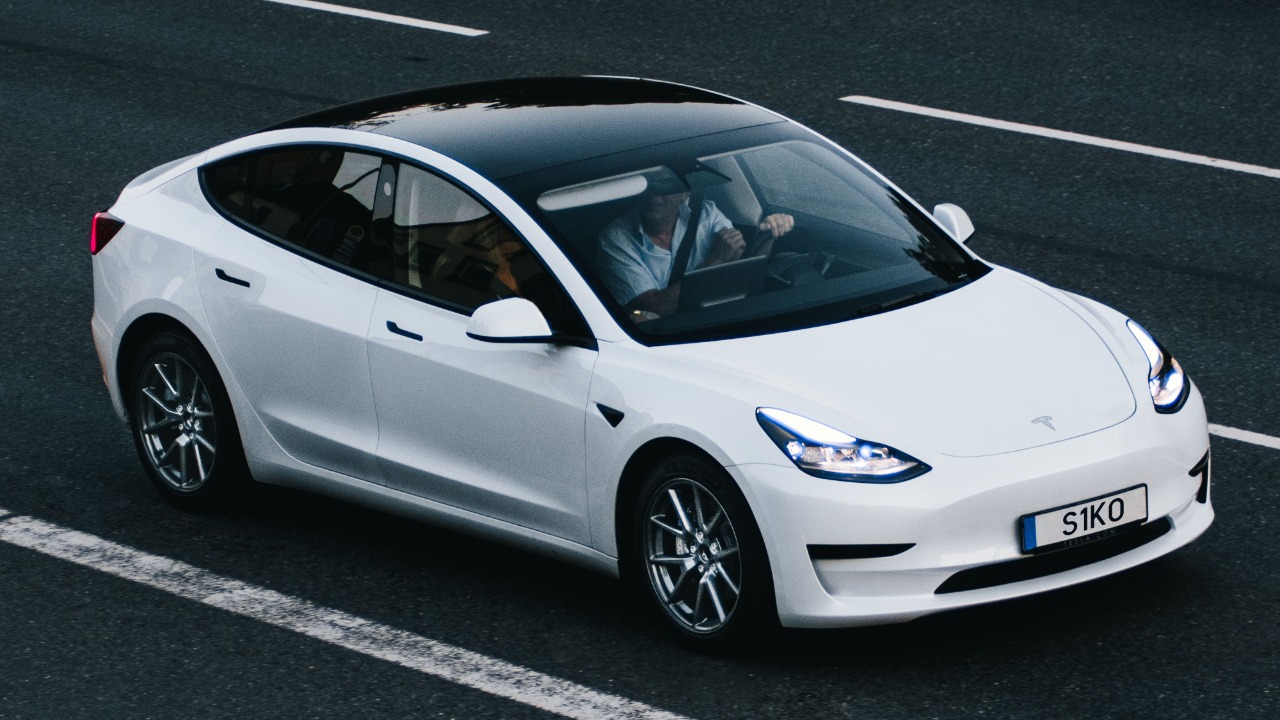
The Tesla Model 3 carries a fixed glass roof that stretches from above the front seats all the way to the trunk lid, replacing the stamped sheet metal most sedans still use over the rear cabin. Tesla’s mass-market sedan helped popularize the single-pane approach across the industry, with no center brace splitting the glass into separate front and rear sections.
Rear passengers get a wide-open view straight up toward the sky, though the glass relies on a tinted, UV-blocking coating rather than a retractable cloth shade to manage cabin heat and glare on sunny drives, a tradeoff owners weigh against the extra headroom the design frees up.
2. Tesla Model Y: Two Rows Under One Pane
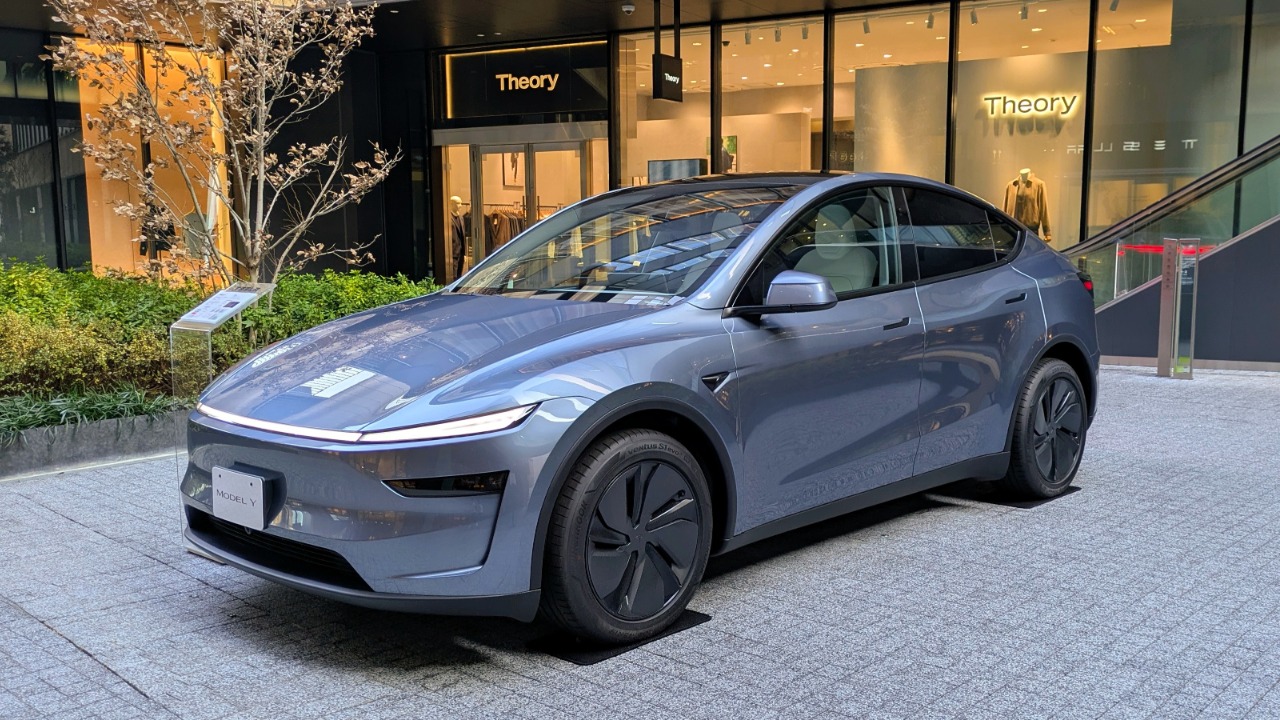
Tesla extended the same idea to its compact crossover: the Model Y’s roof runs uninterrupted over both the front and rear rows, with no center pillar or brace breaking up the glass panel the way a conventional sunroof frame typically does.
That continuous span opens up extra headroom for third-row passengers on the six- and seven-seat configurations Tesla sells in some markets, a layout most compact SUV rivals reserve for a much smaller sunroof panel positioned only over the front seats.
3. Hyundai Ioniq 5: A Roof Built To Catch The Sun
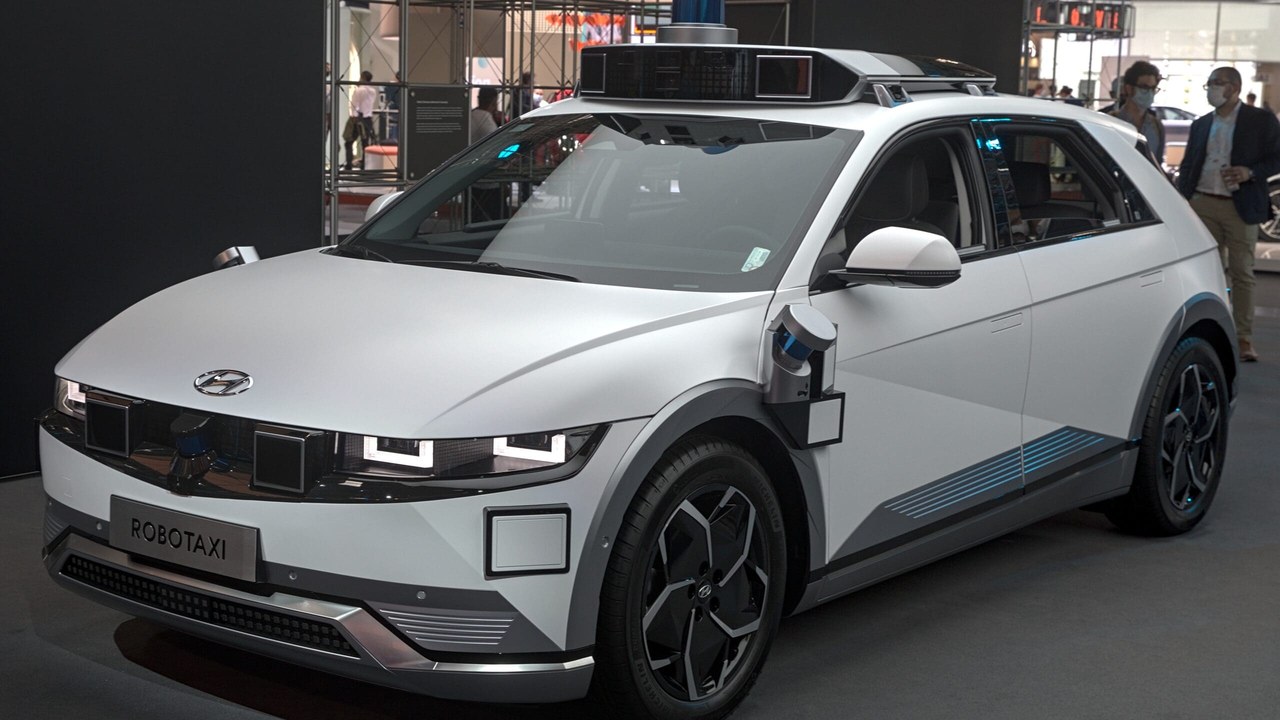
The Hyundai Ioniq 5 offers a panoramic fixed-glass roof engineered to accept an optional solar package in certain markets, feeding a trickle of charge back into the high-voltage battery while the electric crossover sits parked outdoors during daylight hours.
Even without the solar add-on, the retro-styled crossover’s glass panel brightens a cabin that already leans on boxy, flat-floor proportions for extra shoulder and head room, part of a design that borrows visual cues from Hyundai’s 1970s Pony hatchback.
4. Kia EV6: Glass Above A Sporty Cabin
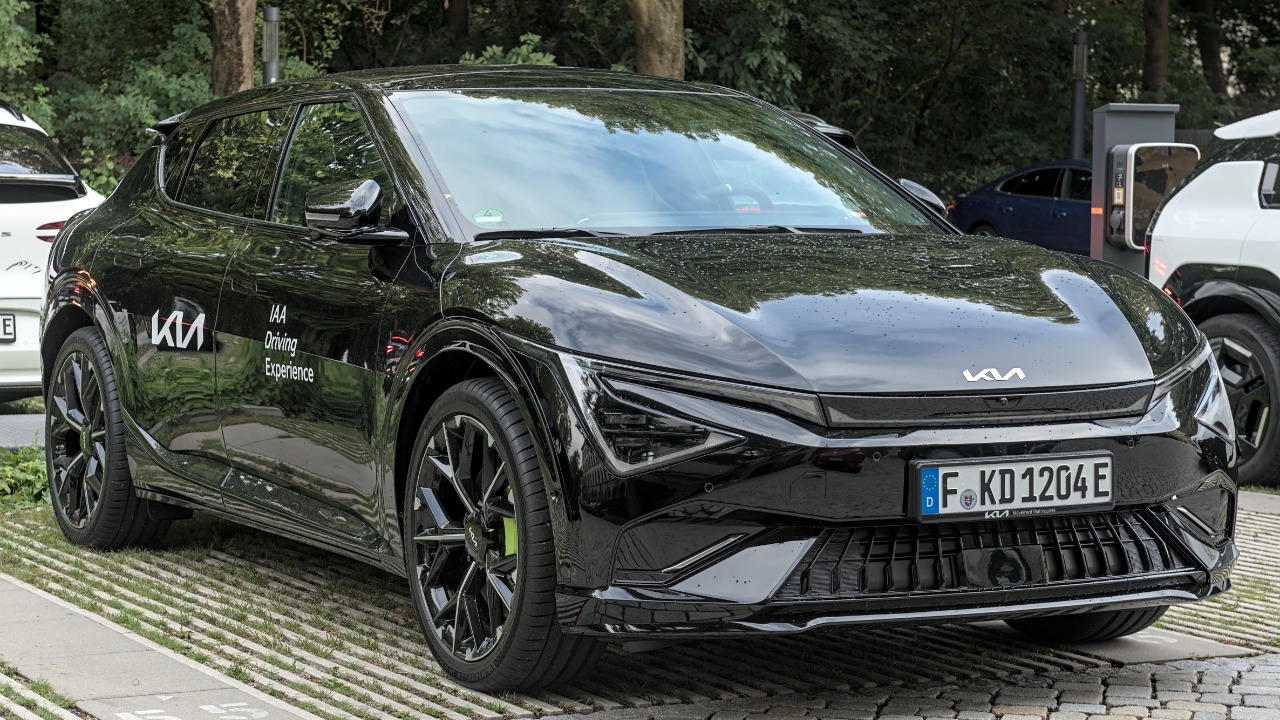
Kia fits the EV6 with a broad fixed-glass roof that spans the coupe-like crossover’s sloped roofline, a shape that leaves less structural room for a sliding sunroof mechanism than a taller, boxier body would allow.
The panel adds light to a cabin already defined by the EV6’s low, sporty seating position, part of the model’s pitch as the more athletic alternative to its mechanical cousin, the Hyundai Ioniq 5, which shares the same underlying electric platform and battery hardware.
5. Mercedes-Benz EQS: A Flagship’s Sweeping Glass Canopy
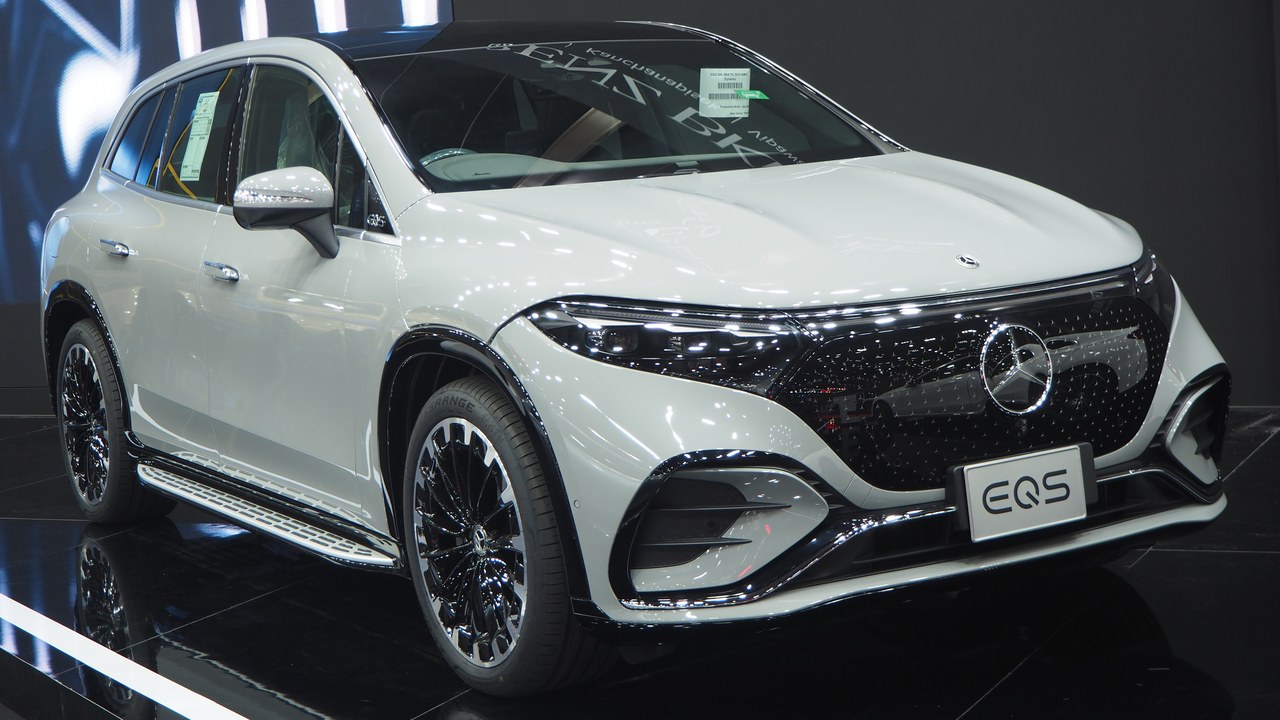
The Mercedes-Benz EQS pairs its cab-forward, aerodynamic silhouette with a sweeping glass roof that runs nearly the full length of the flagship electric sedan’s greenhouse, from the windshield to the rear window.
Mercedes positions the EQS as its electric answer to the long-running S-Class, and the glass expanse is part of a cabin engineered around long, unbroken sightlines for rear occupants riding in the sedan’s chauffeur-friendly back seat as much as for the driver up front.
6. BMW iX: A Roof That Dims Itself
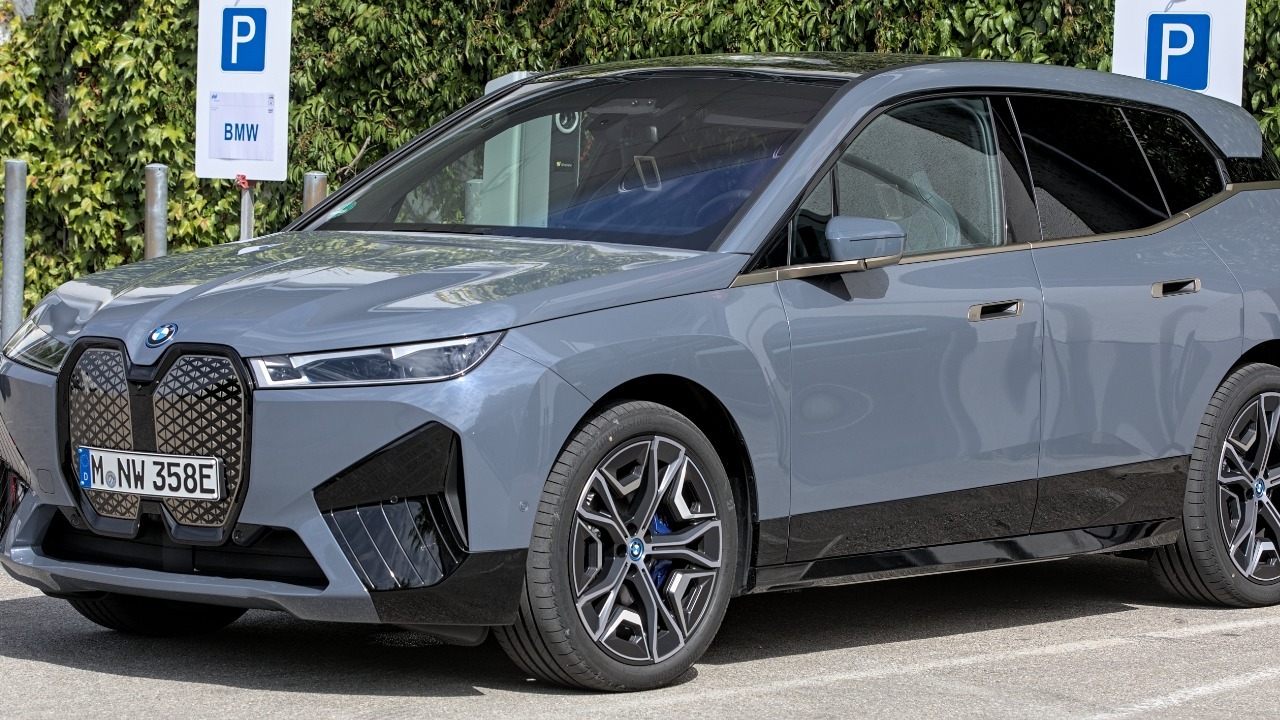
BMW’s iX offers a panoramic roof built with electrochromic glass that switches from clear to shaded at the press of a button, skipping the mechanical sliding cloth shade most panoramic roofs on rival SUVs still rely on to block sun.
That shade-on-demand layer lets front and rear occupants dial in privacy or block direct sunlight in stages without losing the sense of openness the full glass panel over both rows is designed to deliver, a feature BMW markets as part of the iX’s tech-forward positioning.
7. Volvo XC90: Light Reaching The Back Bench
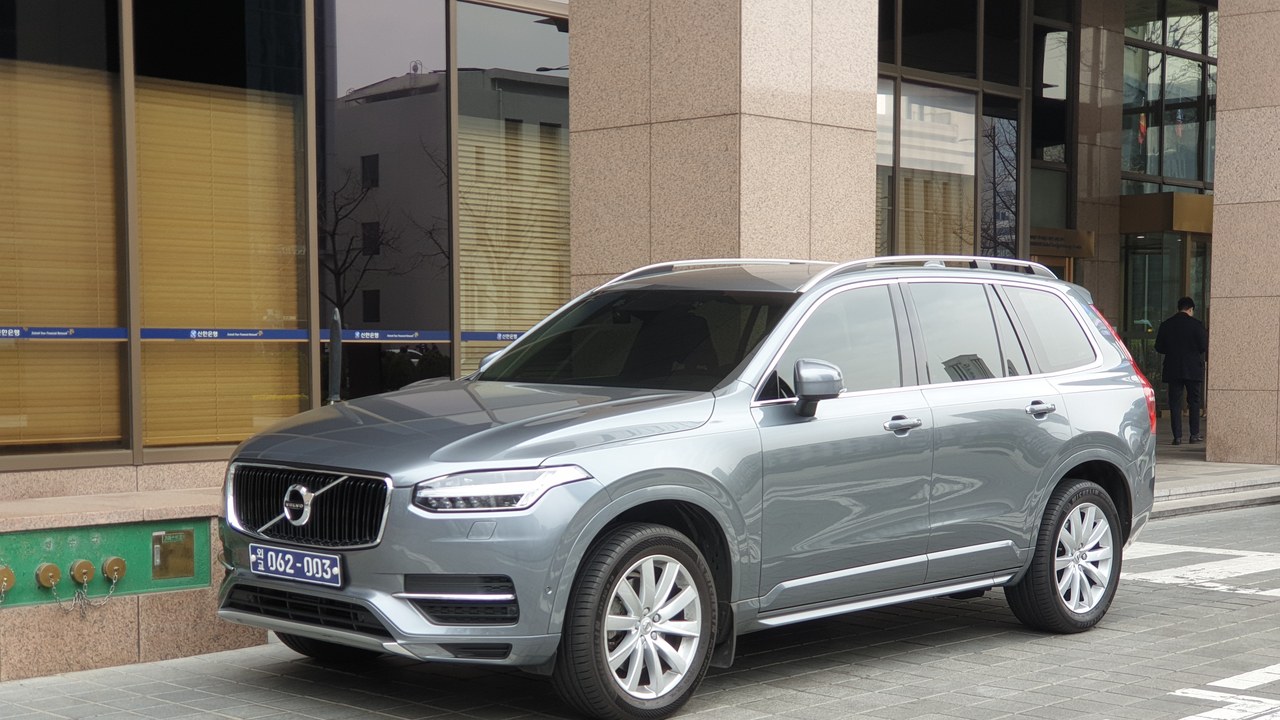
Volvo’s three-row XC90 carries a panoramic glass roof long enough to throw daylight over all three rows of seating, not just the front two rows that most midsize SUVs limit their glass panels to.
For a family SUV built around genuine third-row usability rather than an occasional-use bench, that reach matters: children strapped in the way-back get the same glass ceiling overhead as whoever is driving up front, part of Volvo’s broader family-first design philosophy.
8. Ford Mustang Mach-E: An Electric Mustang’s Skylight
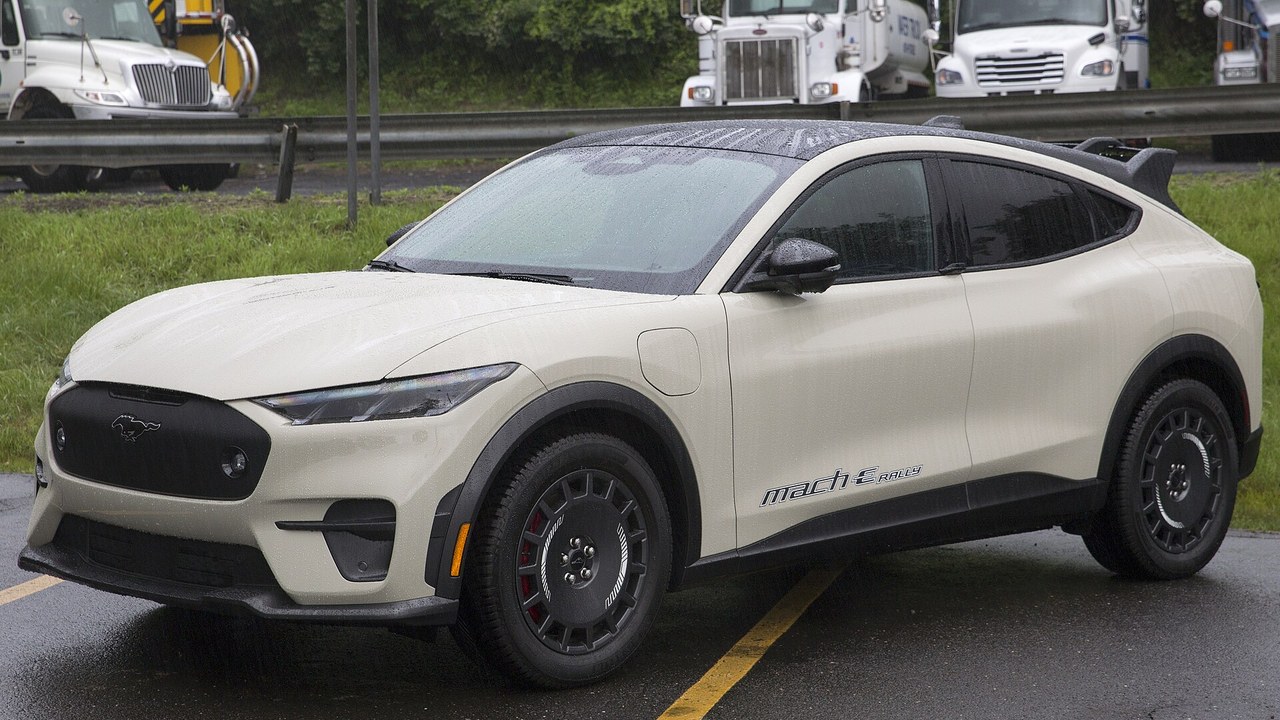
The Ford Mustang Mach-E comes with a fixed panoramic glass roof as standard equipment across most of its electric crossover lineup, rather than reserving it as a pricey option buyers have to pay extra to unlock.
It’s a departure from the traditional Mustang coupe’s low, narrow glasshouse, another sign of how far the Mach-E strays from the badge’s muscle-car roots toward everyday utility, with the glass roof helping the cabin feel airier despite the crossover’s sloped rear roofline.
9. Polestar 2: Minimalism With A Glass Ceiling
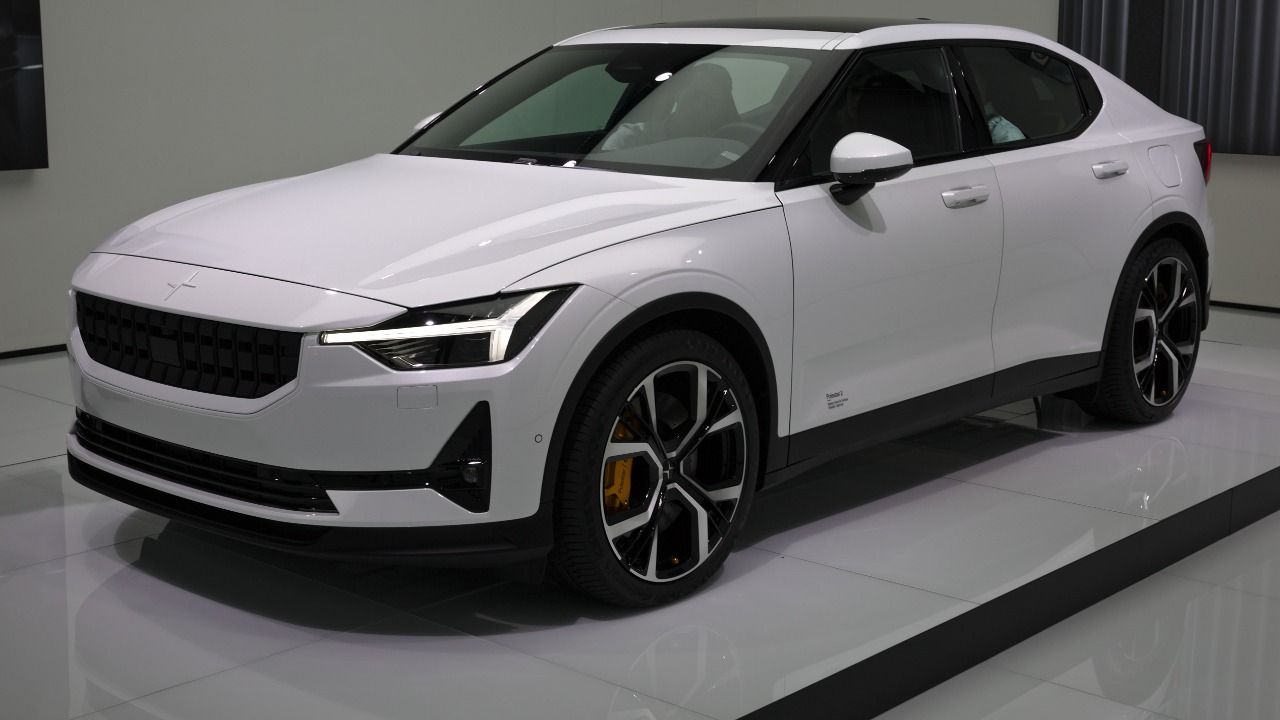
The Polestar 2 pairs its stripped-down, Scandinavian cabin design with a fixed glass roof panel that stretches over the liftback’s front and rear seats alike, reinforcing the car’s minimalist styling from the outside as well as within.
The panel fits the brand’s broader design language: fewer buttons, fewer physical switches, and now a roof that swaps sheet metal for light instead of extra trim pieces, matching the flat, uncluttered dashboard Polestar builds into every version of the sedan-like hatchback.
10. Toyota bZ4X: Toyota’s Take On The Glass Roof
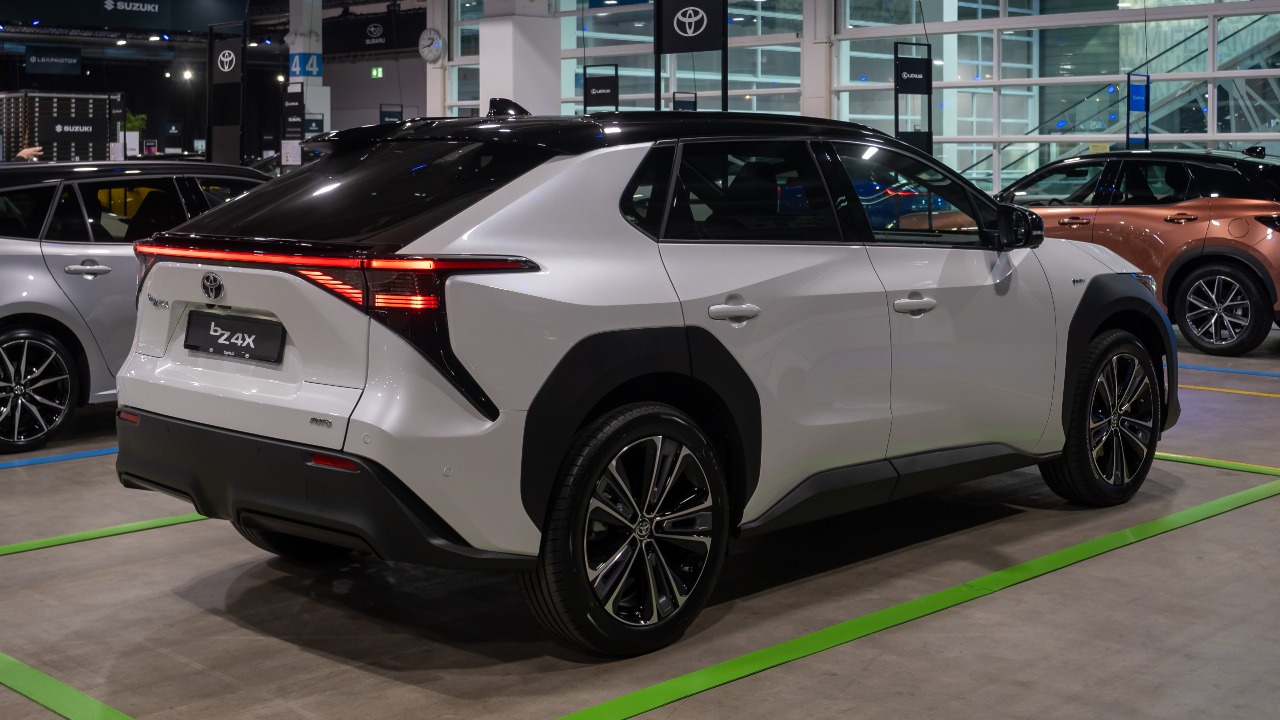
Toyota’s electric SUV, the bZ4X, offers a panoramic fixed roof option on a model that otherwise plays it conservative next to flashier electric rivals, keeping most of its other styling cues close to Toyota’s existing gas-powered SUV lineup.
The glass panel is one of the more overt style statements on a vehicle Toyota built around range and long-term reliability first, giving buyers a brighter, more open-feeling cabin without chasing the sportier exterior looks some competing electric crossovers lean on instead.
11. Cadillac Lyriq: Luxury Glass Overhead
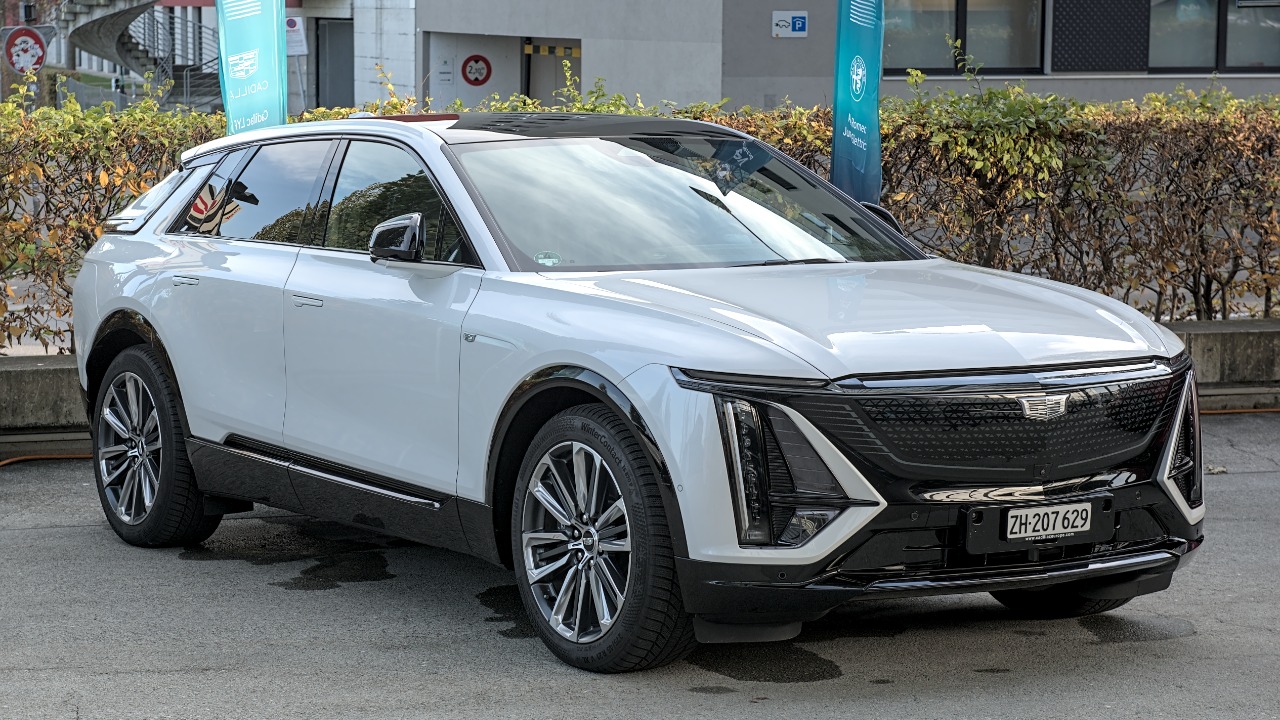
The Cadillac Lyriq fits a fixed glass roof over its electric luxury SUV cabin, extending the brand’s push toward a more premium, tech-forward interior built to compete directly with German and Japanese luxury SUVs.
Paired with the Lyriq’s curved dashboard display and minimal physical switchgear, the glass roof is part of Cadillac’s broader effort to signal a clean break from its traditionally chrome-heavy, conservative styling of decades past toward a younger, EV-focused customer base.
More from Morning Overview
