
Some structures from the ancient world still defy simple explanation, despite decades of excavation and analysis. Archaeologists have documented how each site was built, yet the methods, purpose, or people behind many of them remain genuinely unresolved. Here are eleven monuments that continue to puzzle researchers today.
1. Great Pyramid Of Khufu: Still Unmatched After 4,500 Years
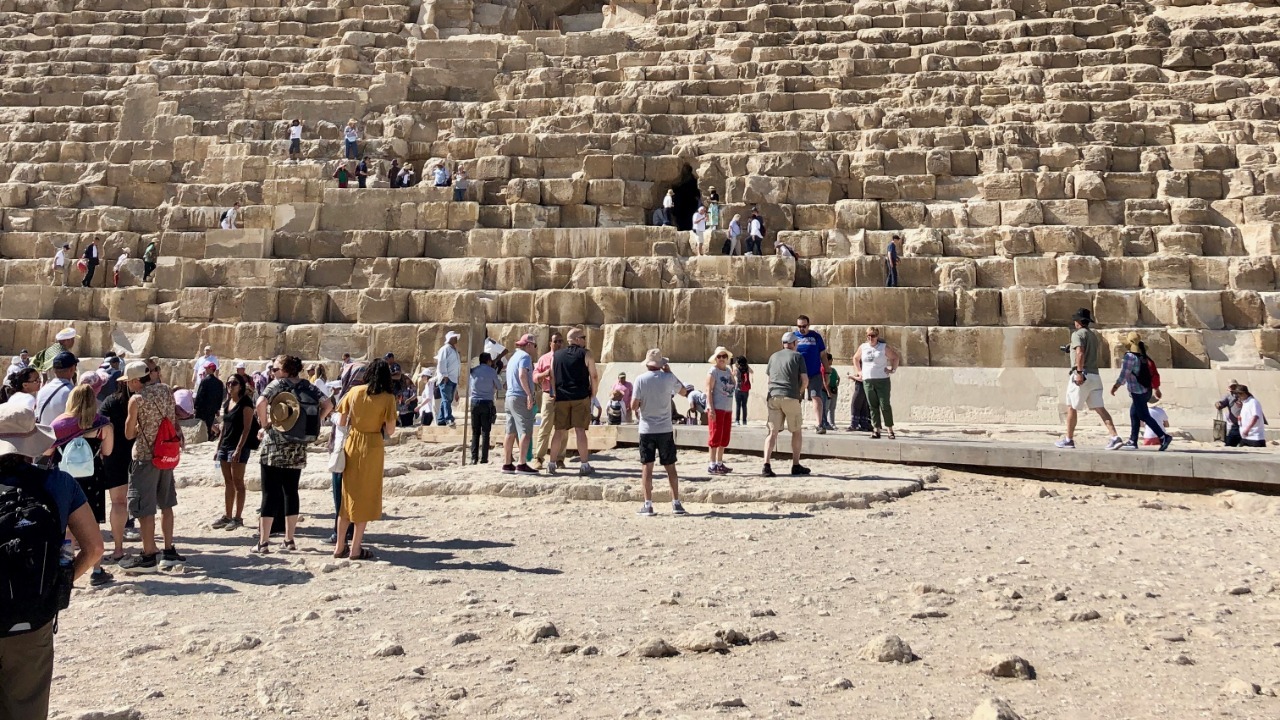
Four and a half thousand years after its completion, the Great Pyramid of Khufu remains an engineering feat without a modern parallel, and researchers continue investigating precisely how its builders raised and positioned its stones, according to UNESCO’s Giza to Dahshur listing.
That listing notes scientists are still conducting active research into its construction methods, a reminder that even the most examined monument on Earth has not given up all of its secrets of process and certainty.
2. Gobekli Tepe: The Monument Older Than Farming
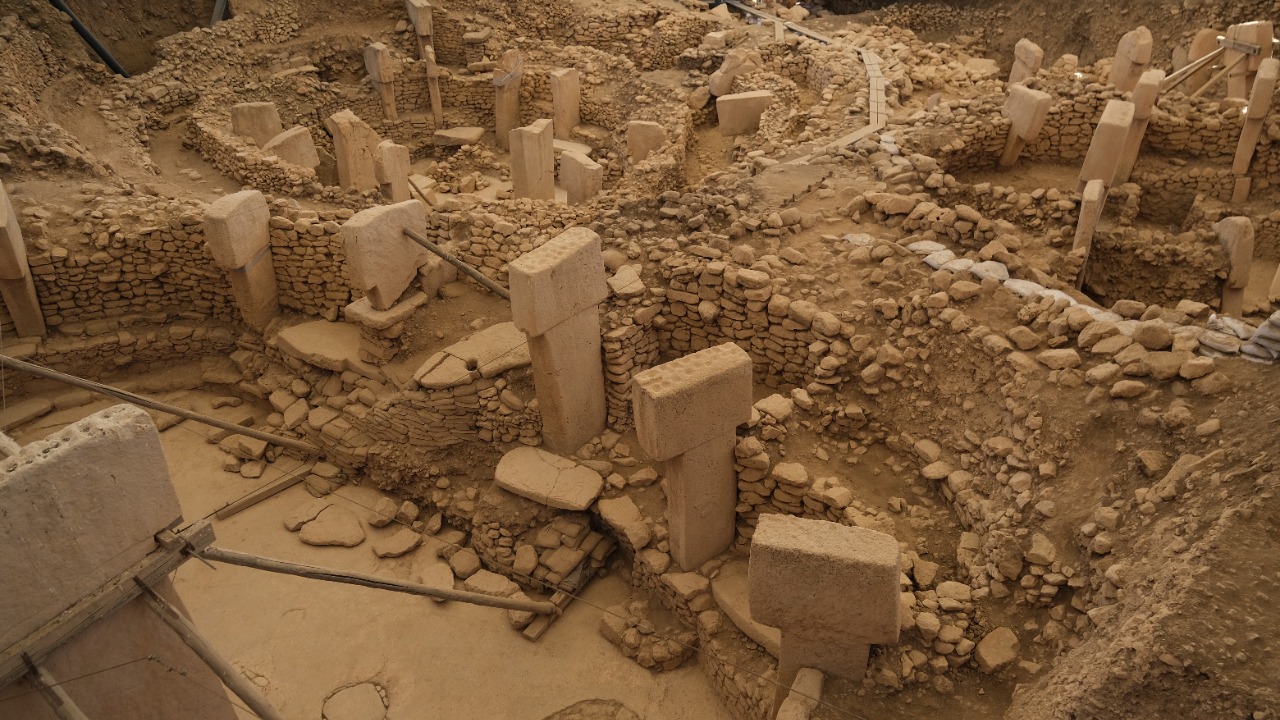
Carved megaliths at Gobekli Tepe in southeastern Turkey were raised roughly six thousand years before Stonehenge, built by people who had not yet invented farming, according to Britannica’s Gobekli Tepe entry.
That scale of coordinated effort would have required housing and feeding a large, dedicated workforce in one place, suggesting the sheer labor of building the site may have pushed early communities toward settled life rather than simply following from it.
3. Stonehenge: A 140-Mile Mystery In Stone
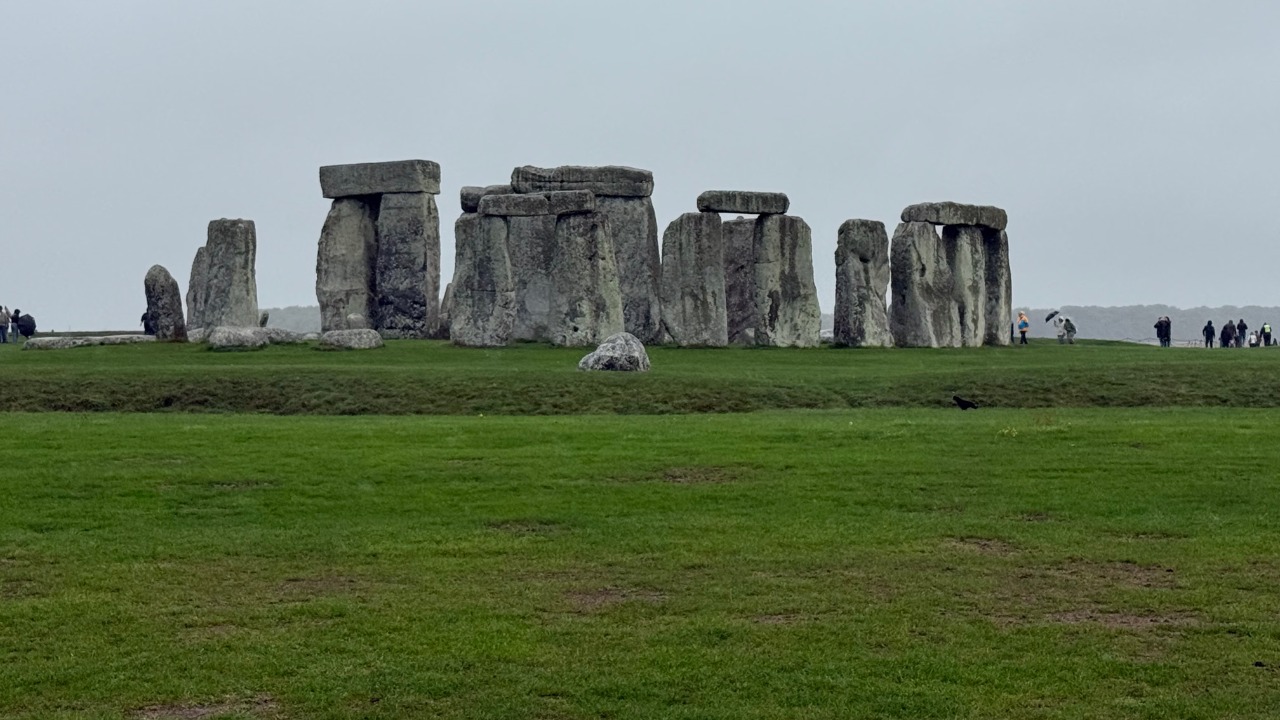
Stonehenge’s bluestones did not come from nearby quarries at all; they originated in the Preseli Mountains of southwest Wales, a journey of more than 140 miles, according to Britannica’s account of how Stonehenge was built.
How those multi-ton stones covered that distance is still debated: some researchers argue prehistoric builders hauled them overland or by raft, while others think glacial movement carried the stones most of the way, leaving only the final placement to human hands.
4. Moai: Statues That Traveled Without A Trace
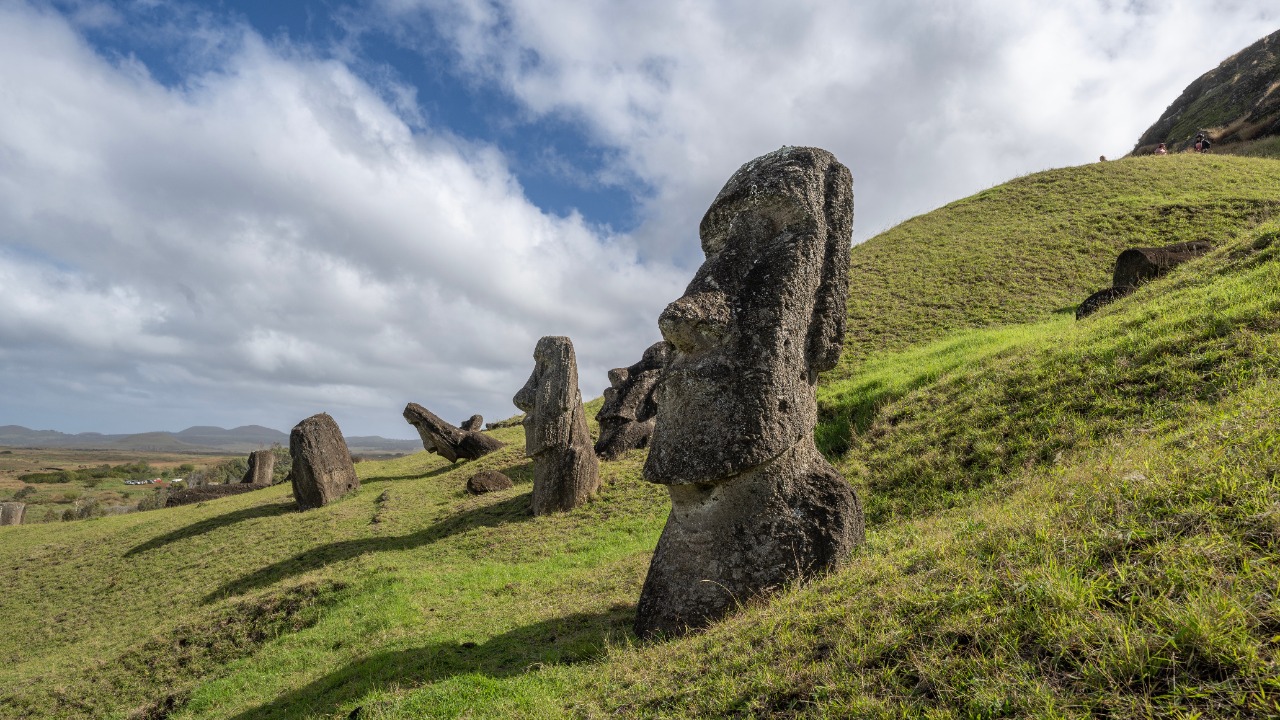
The multi-tonne moai of Rapa Nui, or Easter Island, ended up scattered miles from the quarry where they were carved, and Smithsonian Magazine’s reporting on the statues notes researchers have proposed rolling, dragging and sledges as methods of moving them.
None of those proposed methods is backed by supporting physical evidence, leaving the exact technique the islanders used to move statues weighing many tons across the landscape an open question for archaeologists.
5. Antikythera Mechanism: A 2,000-Year-Old Computer
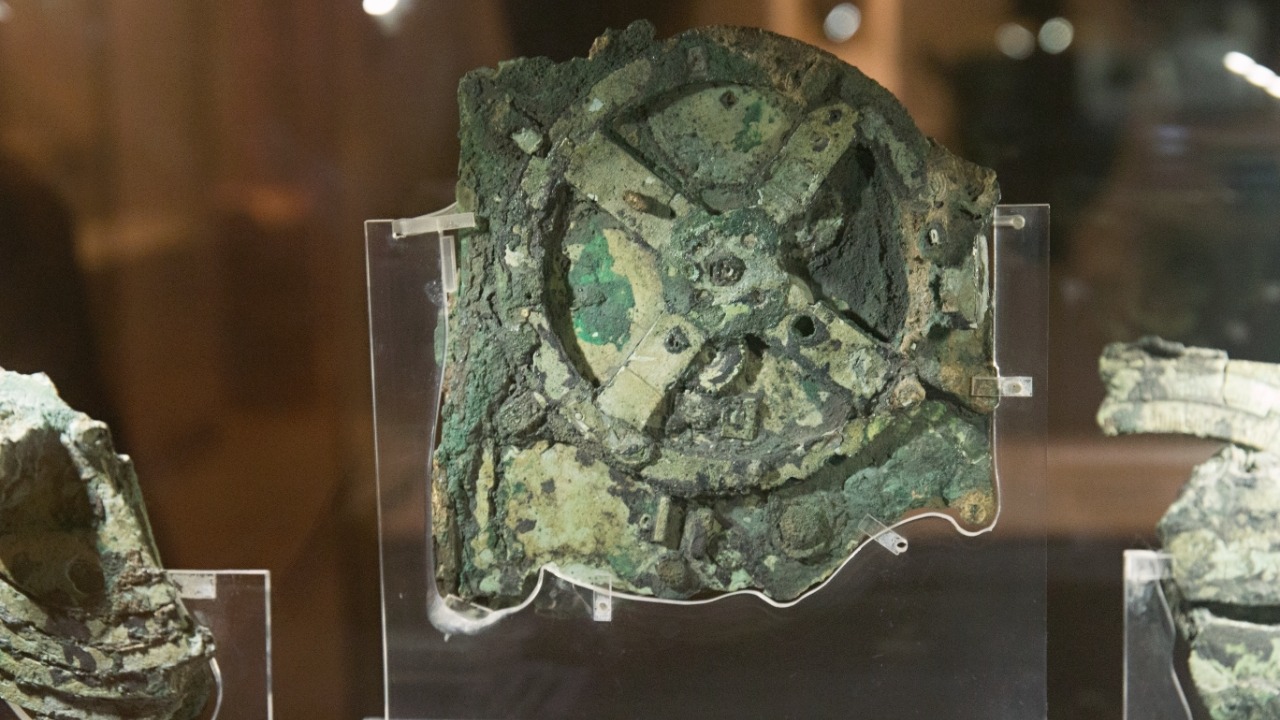
The Antikythera mechanism is a roughly 2,000-year-old bronze geared device capable of predicting eclipses, yet Britannica’s entry on the mechanism states its exact purpose remains speculative.
It is also unclear whether the sophisticated gear technology behind the device was ever put to other uses in the ancient world, meaning a machine that has already rewritten assumptions about ancient engineering may still be only partly understood by the historians and engineers who continue to study it closely.
6. Nazca Lines: Desert Figures Still Unexplained
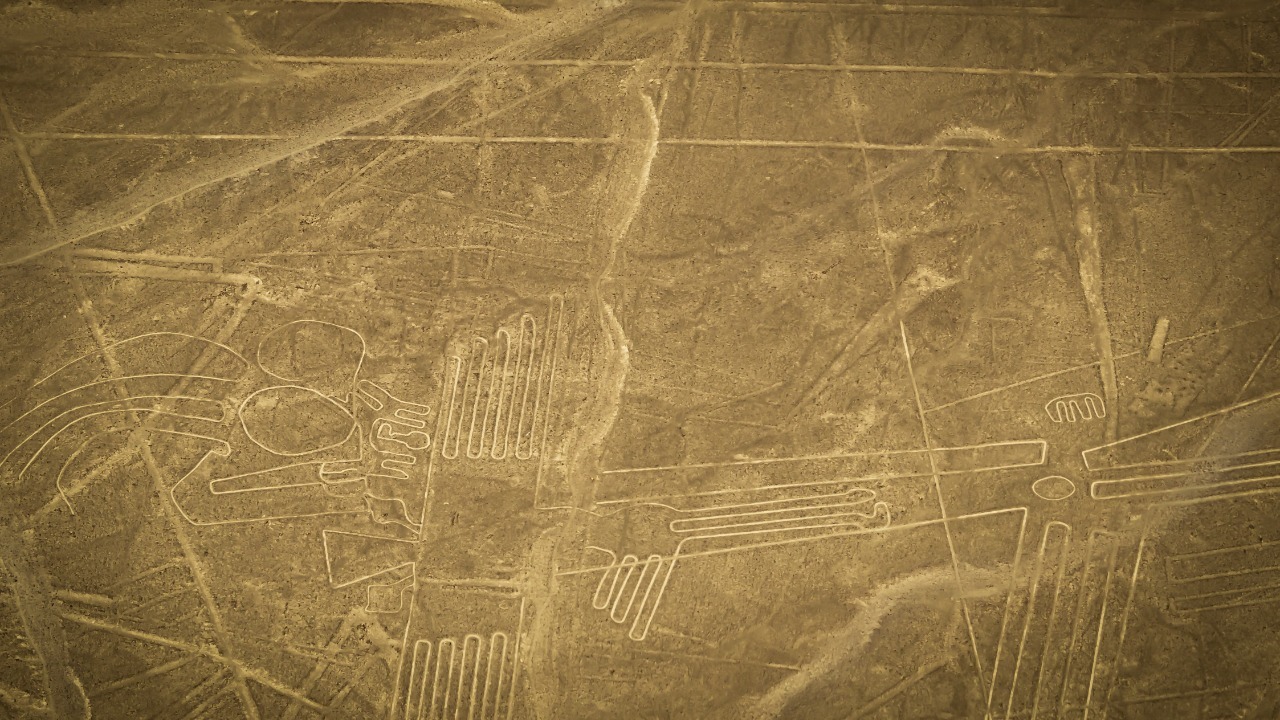
The Nazca Lines are enormous figures scratched into the Peruvian desert floor, and Smithsonian Magazine’s survey of the world’s mysterious geoglyphs notes their origins and usage have puzzled archaeologists since they were first spotted from the air in the 1920s.
Decades of study have proposed ceremonial, astronomical and water-related explanations for the lines, but no single theory has settled why the figures were made at a scale that can only be fully seen from above.
7. Paracas Candelabra: A 600-Foot Riddle On The Coast
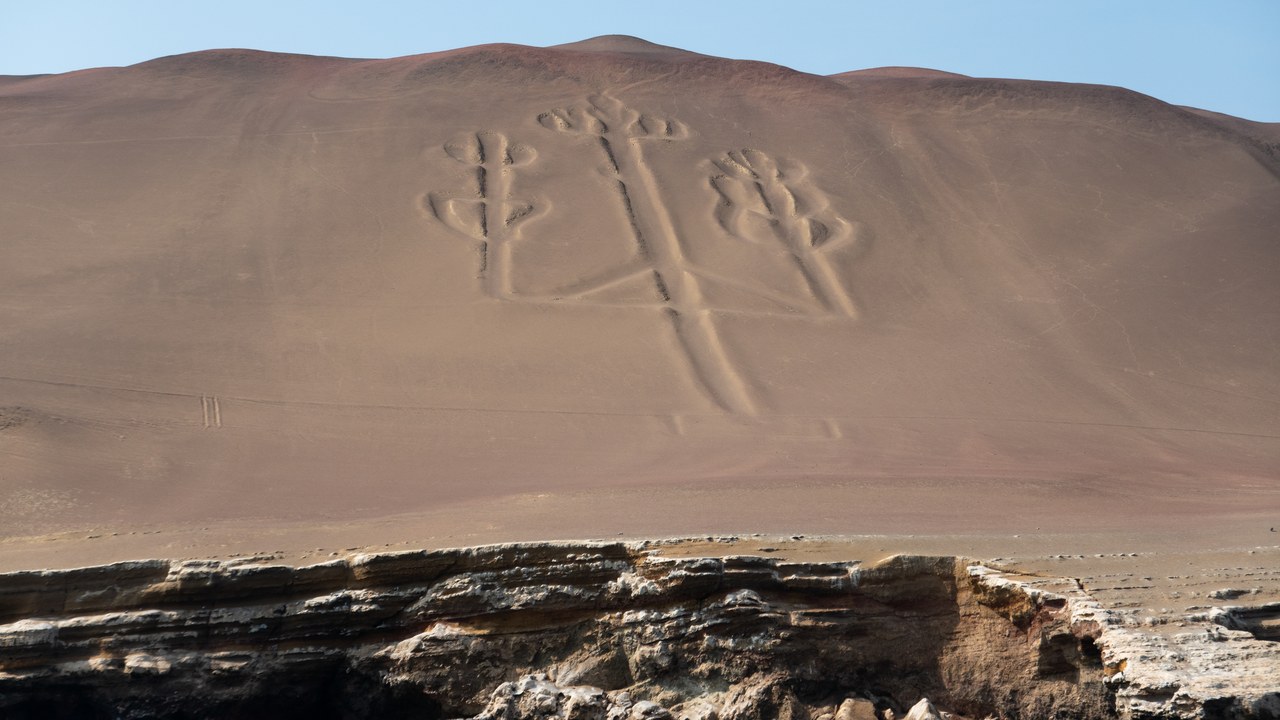
The Paracas Candelabra is a roughly 600-foot figure cut into a coastal hillside facing the Pacific, and Smithsonian Magazine’s geoglyph feature states it is anyone’s guess what its original purpose was.
Visible for miles out to sea, the huge trident-like design has invited comparisons to navigation markers and religious symbols alike, without any single explanation gaining a firm hold among the archaeologists and historians who have studied the region for decades.
8. Plain Of Jars: Thousands Of Jars, Little Known
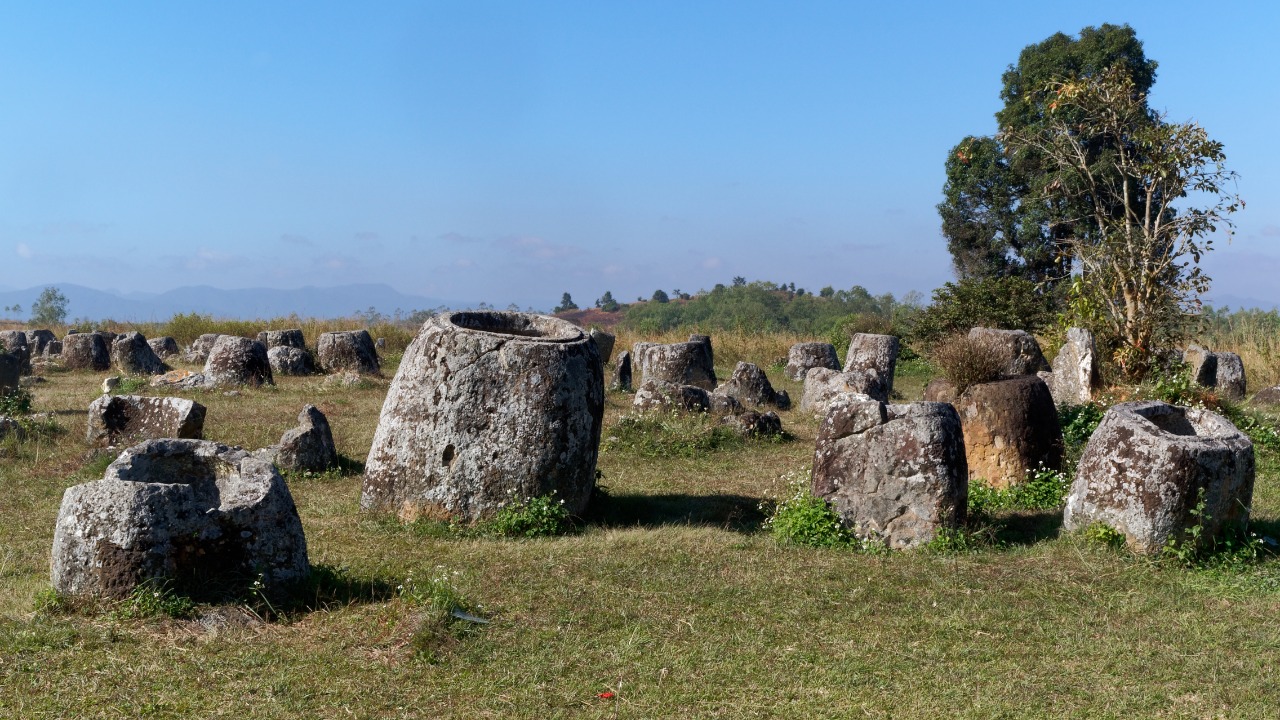
The Plain of Jars in Laos holds thousands of carved stone jars scattered across a plateau, left behind by an Iron Age civilization about which little is known, according to UNESCO’s listing for the site.
The jars remain the most prominent surviving evidence of that culture, and researchers still rely on them, rather than written records, to piece together who made them and why they were placed across the plateau.
9. Stone Spheres Of The Diquis: Near-Perfect Spheres, No Clear Answer
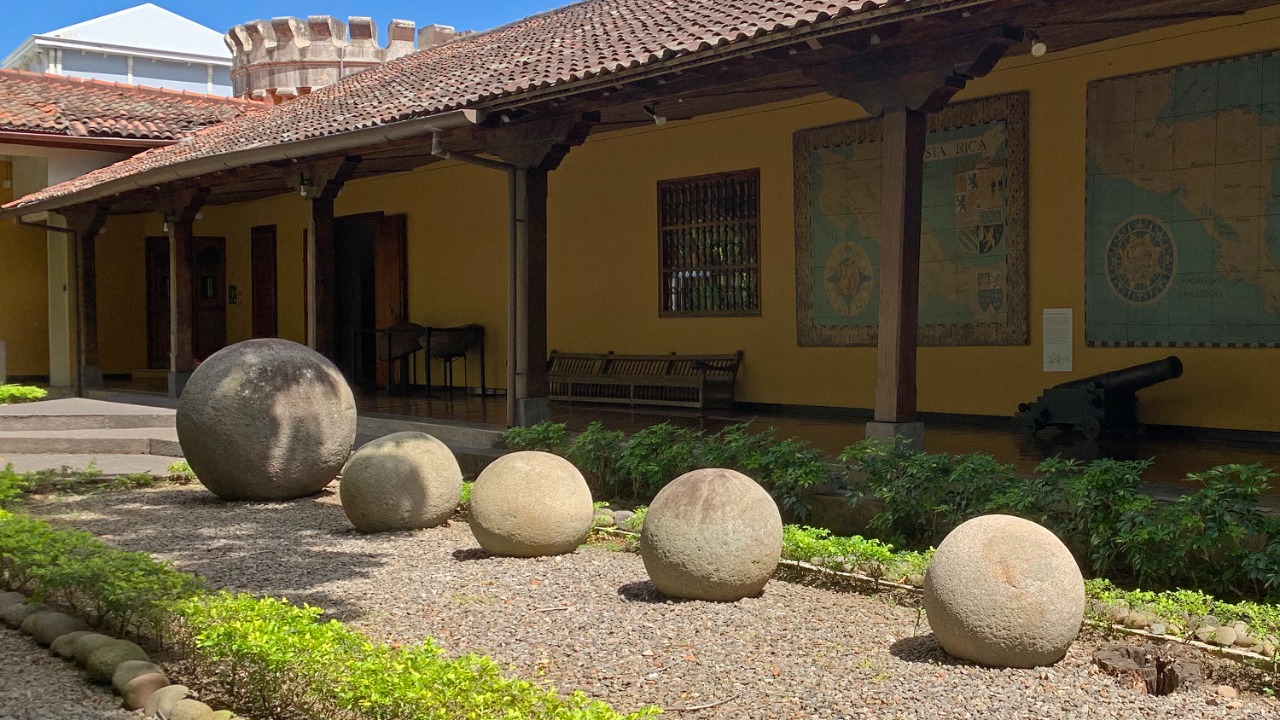
The stone spheres of the Diquis in Costa Rica reach up to 2.57 meters across and are shaped with remarkable precision, yet UNESCO’s listing for the stone spheres states their meaning, use and production all remain largely a mystery.
Ranging from under a meter to more than two and a half meters wide, the spheres are scattered across former settlement sites, and how their makers achieved such uniform roundness without modern tools is still not fully explained.
10. Sacsayhuaman: Blocks Fitted Without Mortar
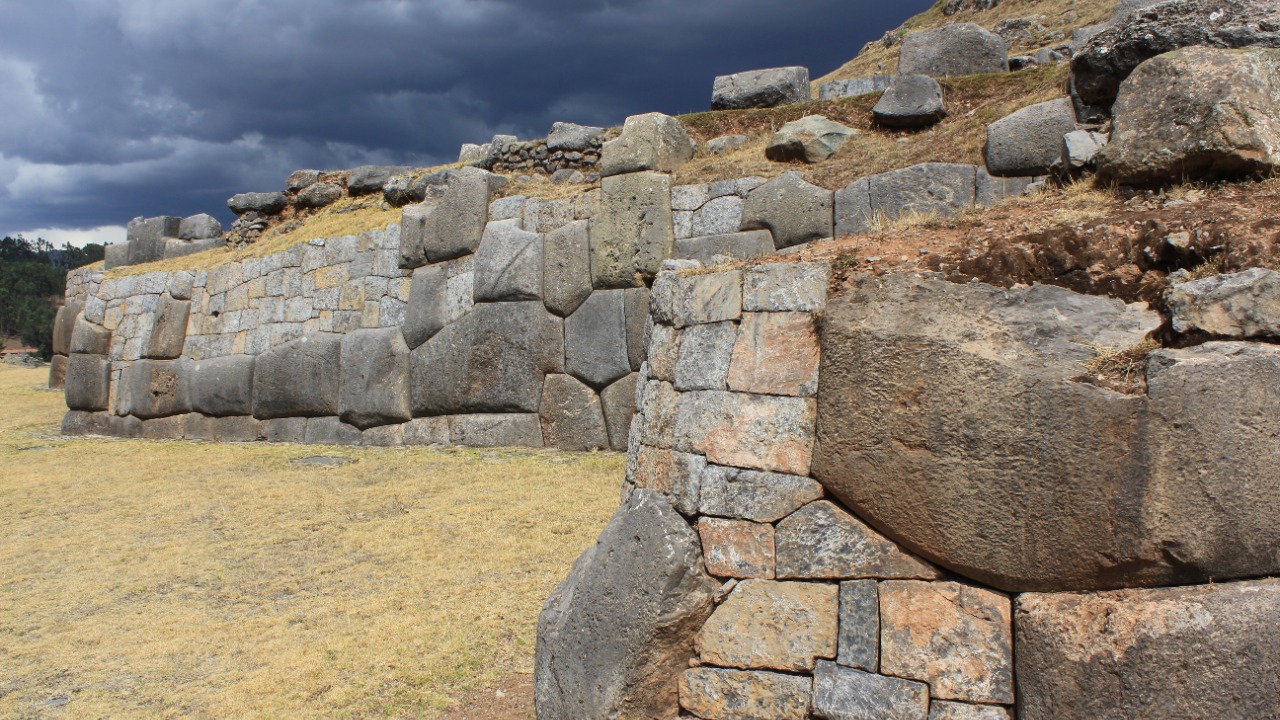
At Sacsayhuaman above Cusco, colossal Inca stone blocks were fitted together so precisely that no mortar was needed, and Britannica’s entry on the complex states its exact purpose is uncertain.
Its massive walls and towers look defensive, while the plaza and terraces nearby suggest ceremonial use, leaving historians to describe Sacsayhuaman as likely serving more than one role at once rather than settling on any single explanation for why it was built.
11. Pyramid Of The Sun: Built By People Still Largely Unknown
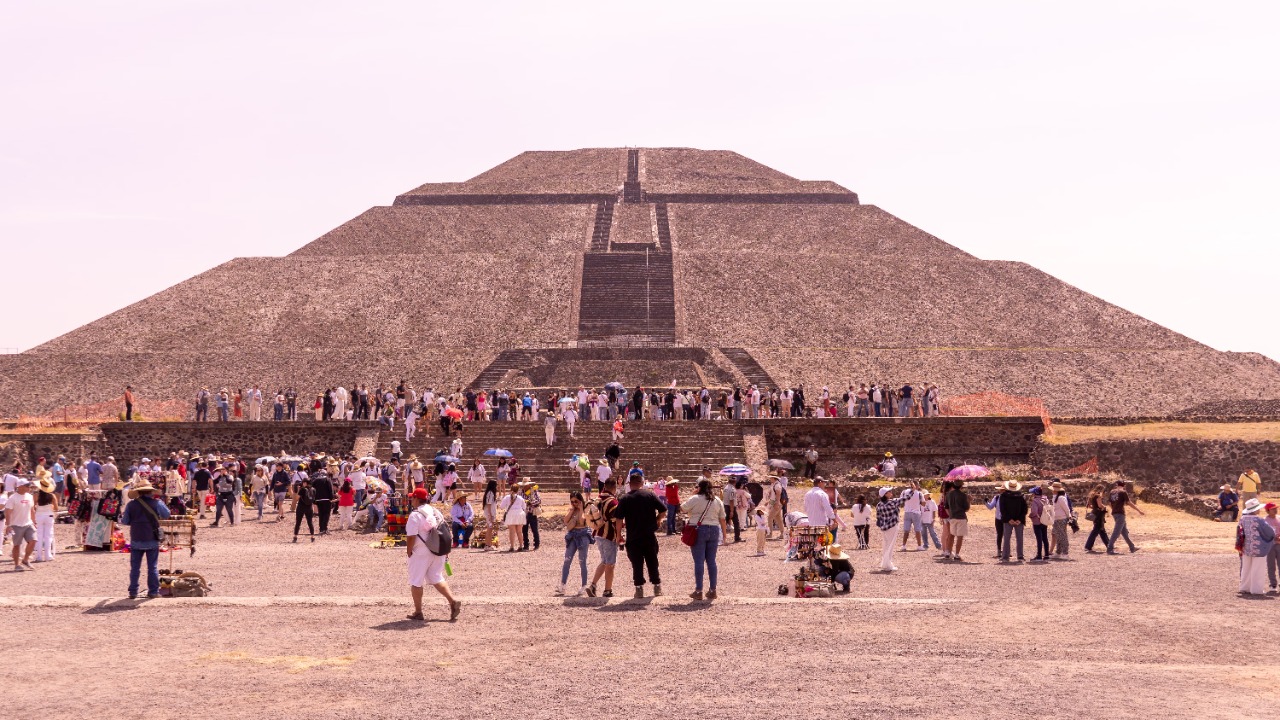
The Pyramid of the Sun at Teotihuacan ranks among the largest pyramids in the world, yet Britannica’s entry on the pyramid notes little is known of the people who actually built it.
The purpose behind raising such an enormous structure remains largely a matter of conjecture, and without written records surviving from Teotihuacan itself, researchers are left interpreting the pyramid’s scale rather than any surviving explanation of its intended use.
