
Wild mushrooms poison people across the United States, and some of the species involved can cause lasting organ damage or death. This gallery profiles the culprits, from a California outbreak to a common lawn mushroom found in ordinary yards. The count comes to ten species in all.
1. Death cap: Lethal Lookalike
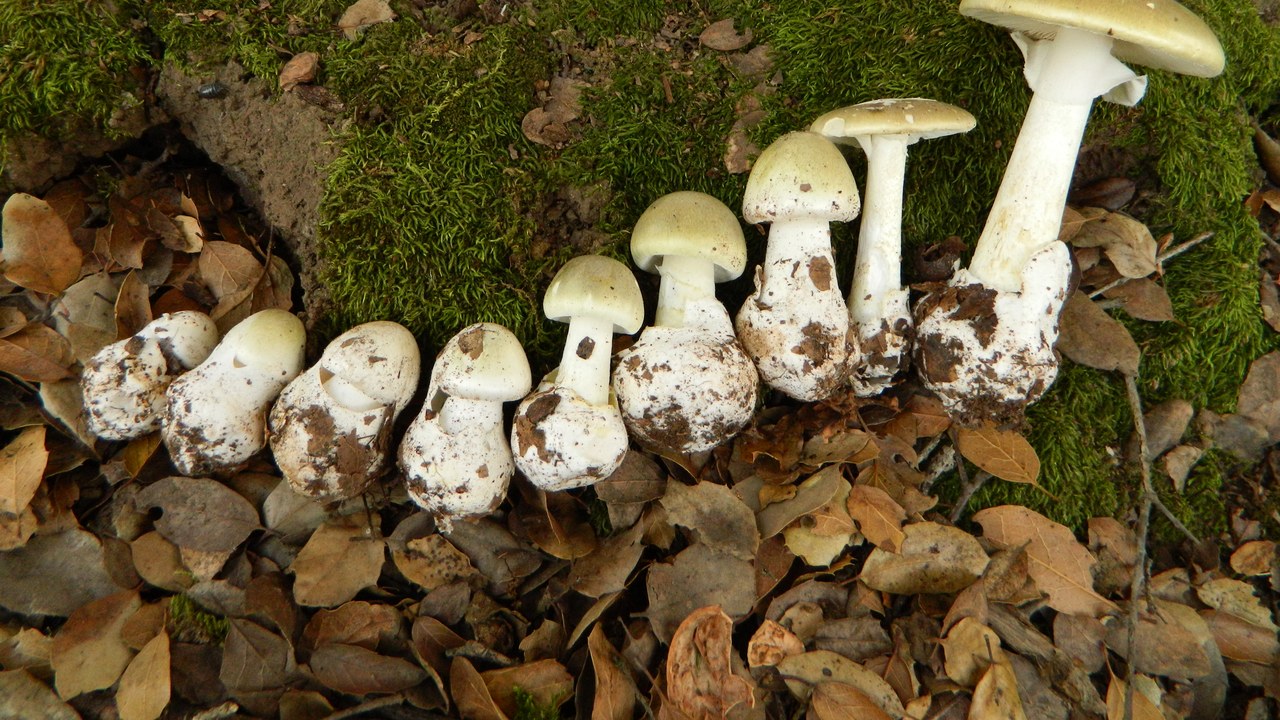
The death cap sits at the center of a California outbreak that produced 39 poisoning cases, three liver transplants and four deaths between November 2025 and March 2026, according to a CDC outbreak report. The tally covers a span of only about five months in a single state. The report names the death cap as one of the species behind those cases.
The case count shows how a single wild species can overwhelm clinics and transplant services. Because the report ties the deaths to this mushroom by name, the hazard is documented rather than theoretical, and the toll fell on ordinary households.
2. Western destroying angel: Second Culprit
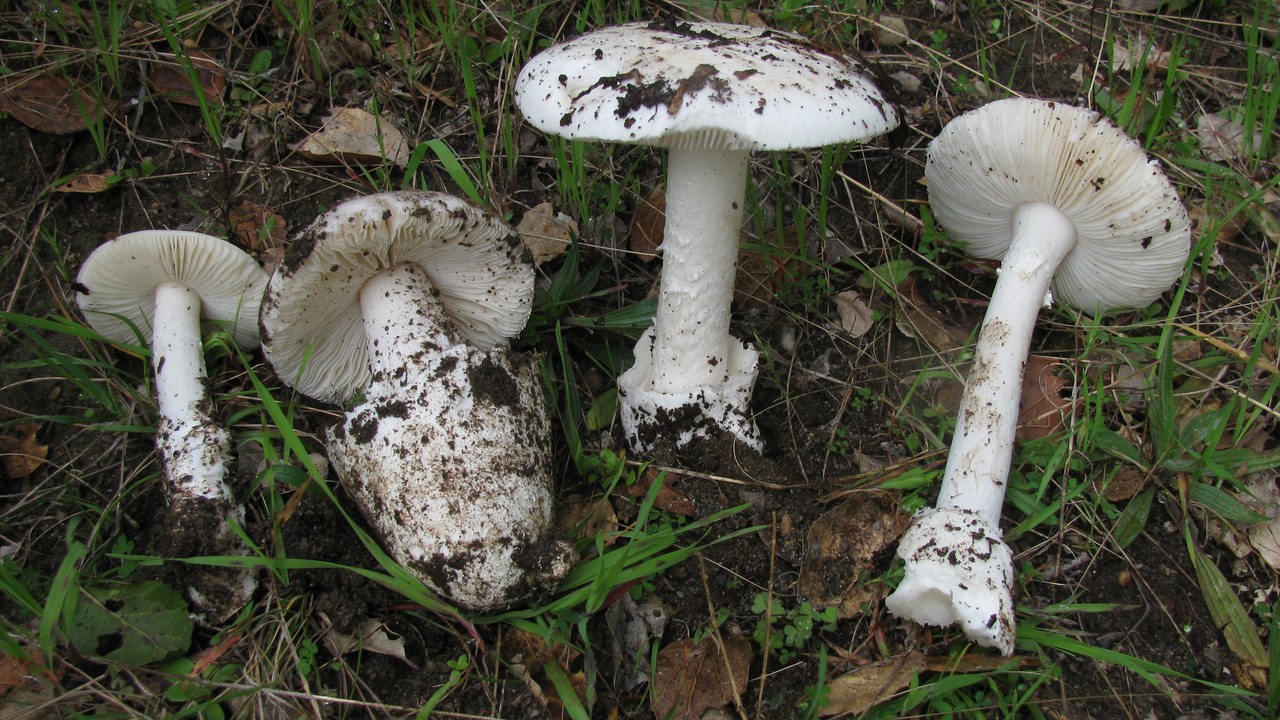
The western destroying angel is the second species behind the northern California amatoxin outbreak that killed four people and sent three to liver transplant, as laid out in the same CDC outbreak report. It shares that outbreak with the death cap, so the harm was not the work of one mushroom alone. Like its relatives, it carries amatoxins.
Two species acting together complicate the picture for poison centers and hospitals, since a single meal may contain more than one toxic source. The report’s count of deaths and transplants applies to the outbreak as a whole, not to this species alone.
3. Destroying angel: The Death Angel
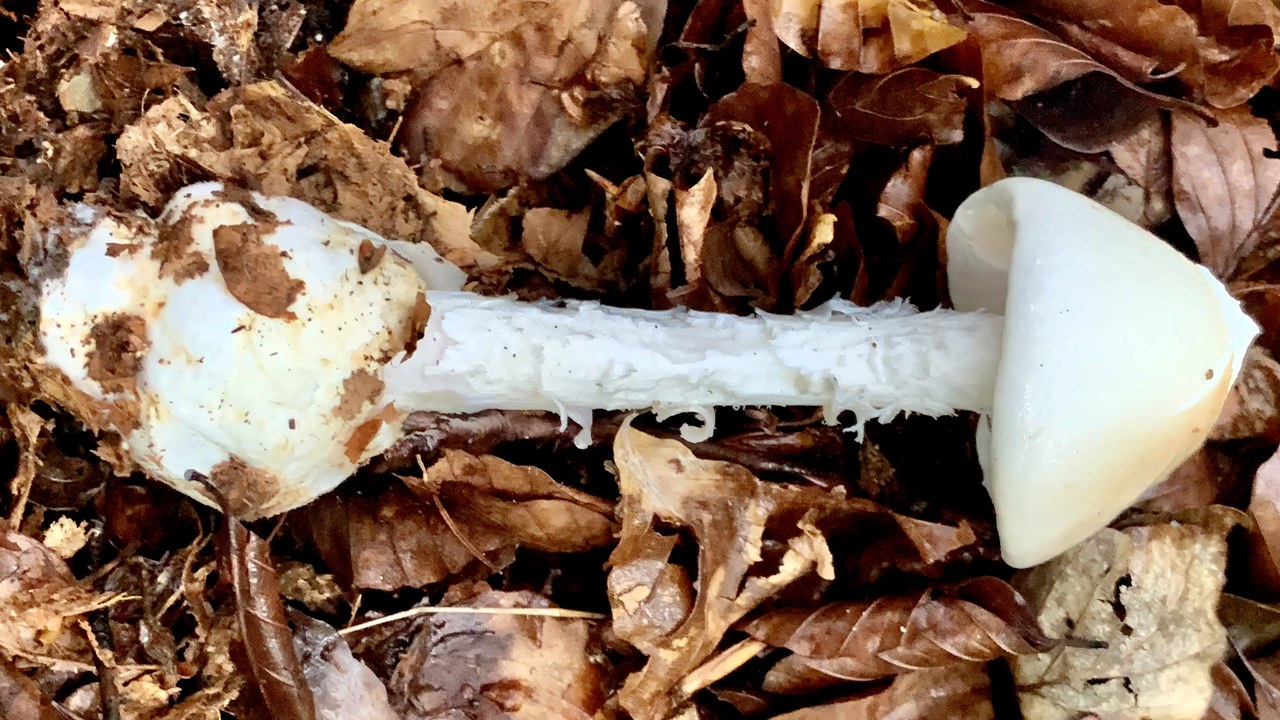
Poison-center literature calls the destroying angel “the death angel,” and a poison center warning describes a 50-year-old woman who died two weeks after eating a related Amanita. Doctors treated her with silymarin, NAC and hemodialysis, yet she did not survive. The account is tied to a related species of the genus rather than to this one specifically.
That detail matters because it shows the limits of treatment once amatoxins have done their work. The case is a single documented example, not a survival rate, and it illustrates why the genus carries such a grim reputation among poison specialists.
4. Eastern destroying angel: Delayed Warning
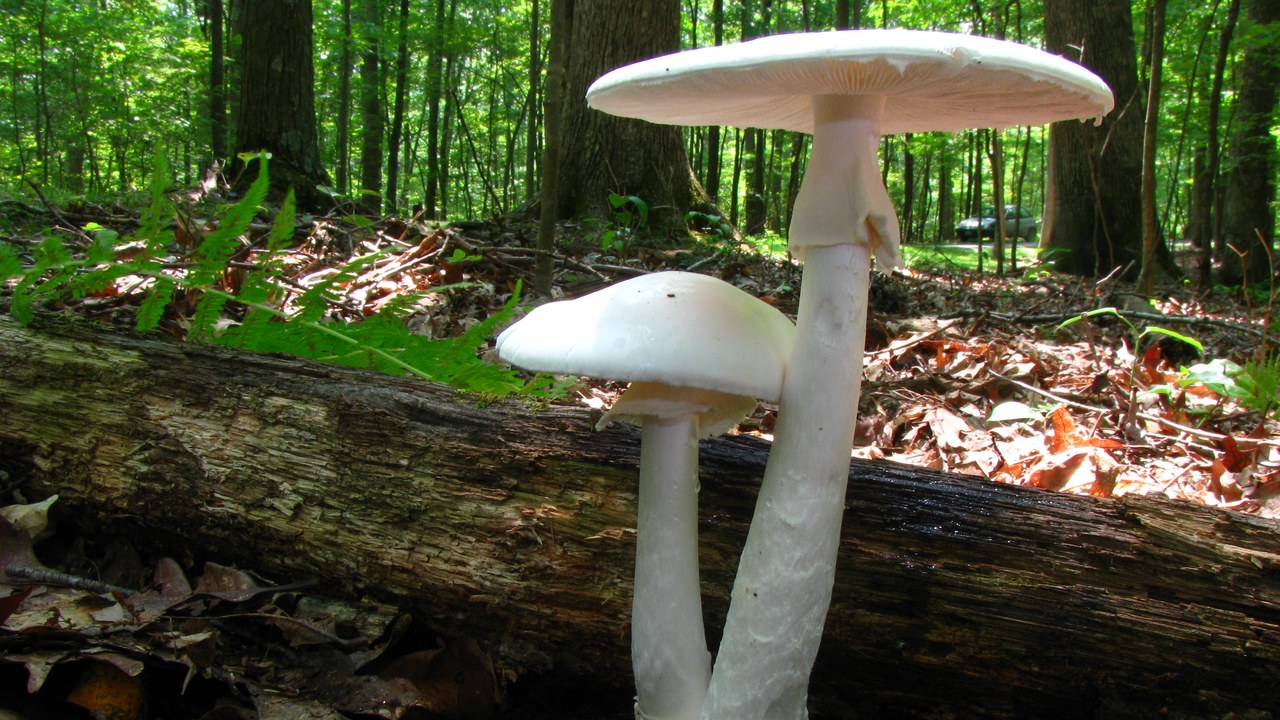
The North American Mycological Association lists the eastern destroying angel among the amanitin mushrooms in its poisoning syndromes guide. Symptoms from this group wait 6 to 24 hours before they appear. That gap means a person can feel well for most of a day after a meal while the toxin is already circulating in the body.
The delay also blurs the link between cause and effect, since the first signs may arrive long after the meal is forgotten. The listing describes the syndrome shared by amanitin mushrooms, so the timing is a group trait rather than a measurement for this species alone.
5. Deadly galerina: Small Brown Danger
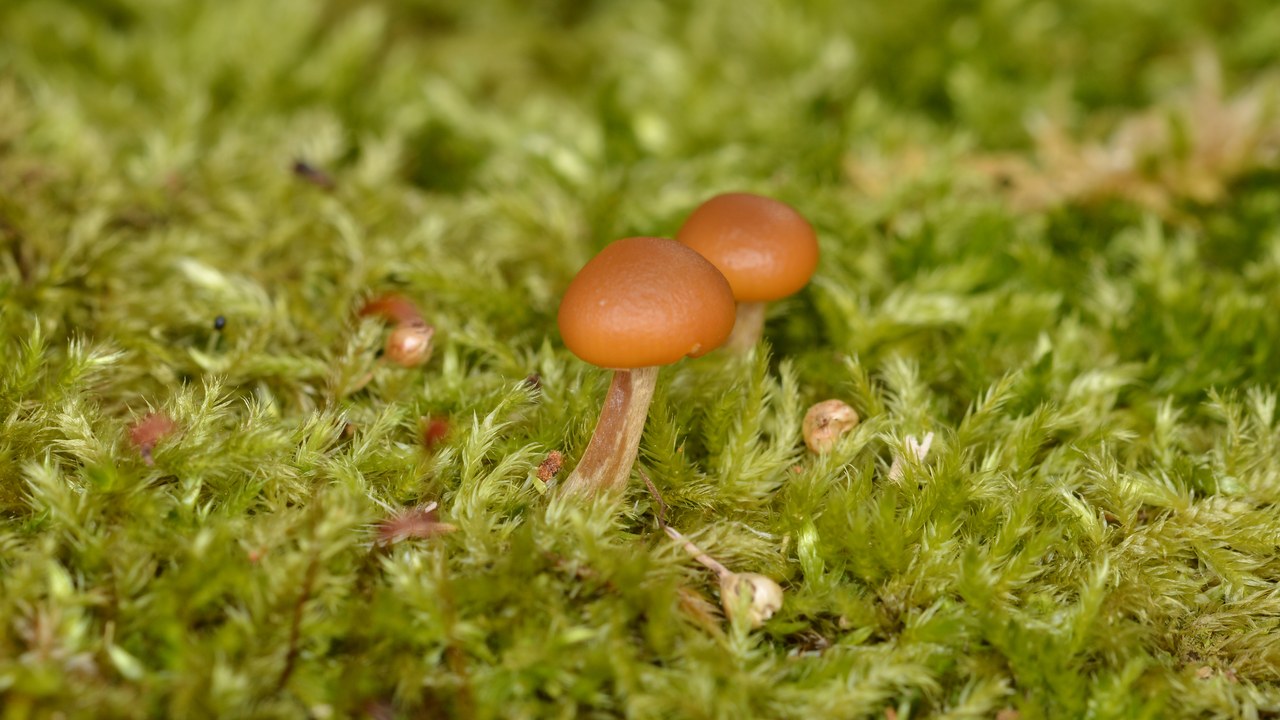
The deadly galerina is a small brown woodland mushroom that carries the same amatoxins as the death cap, according to the mycological association syndromes list. As with the other amanitin mushrooms, symptoms hold off for 6 to 24 hours before they start. Its modest size and plain color are exactly what make the toxin easy to overlook.
A mushroom this unremarkable shows that danger does not track appearance, and the long delay gives no early signal. The source supports the shared toxin and the timing, but says nothing here about how often this species causes poisonings.
6. Fool’s webcap: Slow Kidney Damage
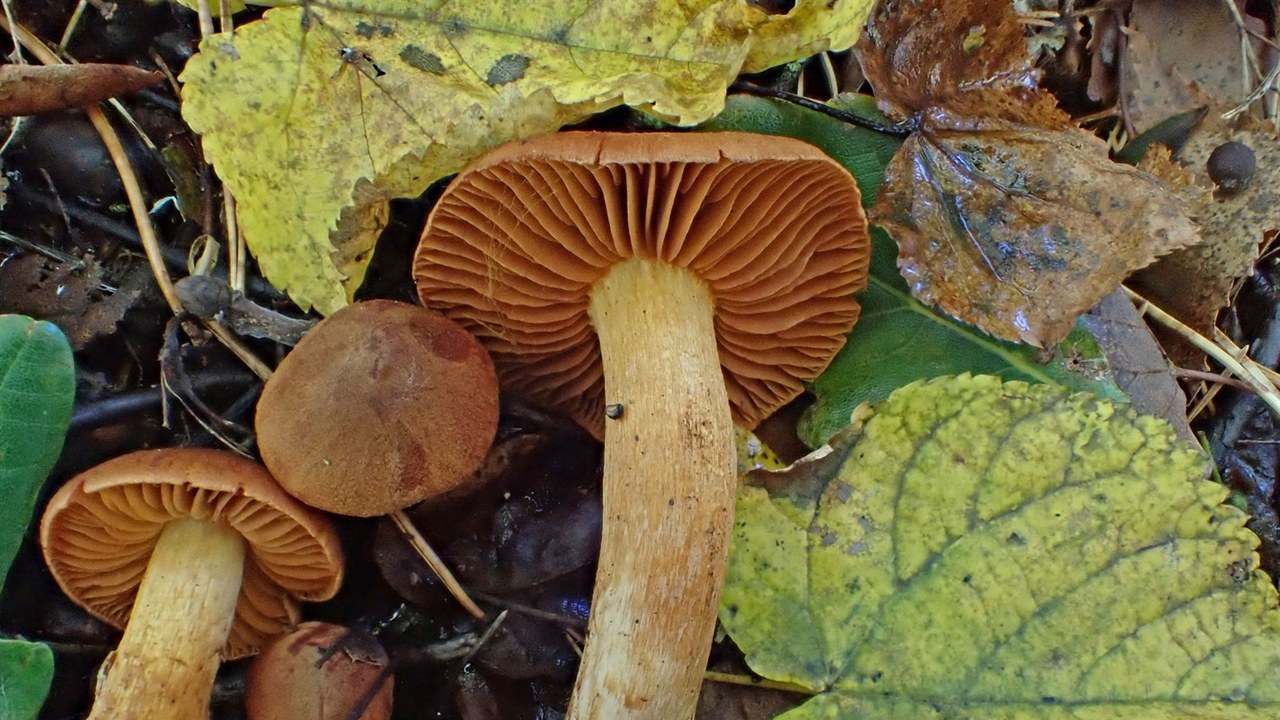
The fool’s webcap causes orellanine poisoning, which the mycological association guide rates as extremely serious. The first symptoms can hold off anywhere from 36 hours to 3 weeks after the meal. Orellanine is a toxin known for harming the kidneys, and the guide places it in a separate category from the liver-damaging amatoxins.
A gap that can stretch to weeks makes the connection to a past meal hard to see. The guide describes the poisoning syndrome and its timing, not the number of cases, so the range reflects what is possible rather than what is typical.
7. Green-spored parasol: Lawn Mistake
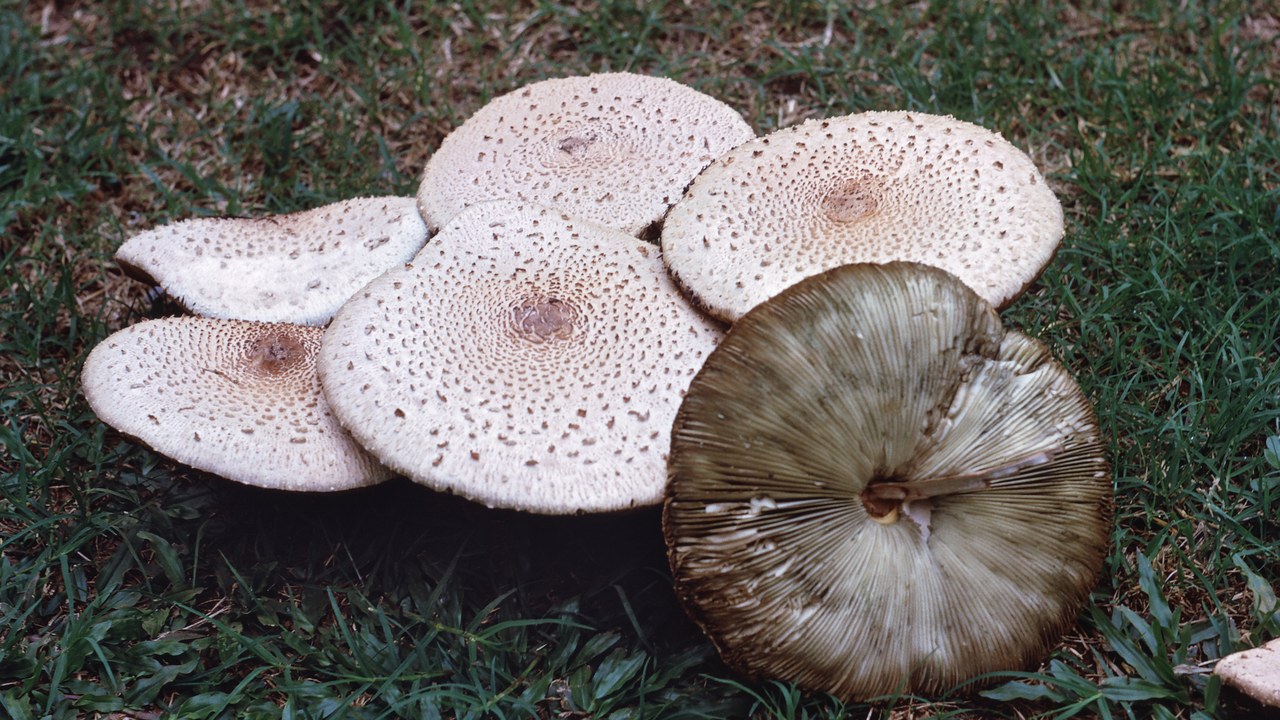
The green-spored parasol is described as the most common mushroom cause of human poisonings in North America, according to the poisoning syndromes guide. It grows on lawns and is mistaken for an edible parasol. Its prevalence in ordinary yards puts it close to homes, children and pets.
Frequency, not lethality, is the point of the listing. The source ranks it by how often it causes poisoning rather than by how deadly it is, so the ranking should not be read as a statement about severity.
8. Deadly webcap: Kidney Threat
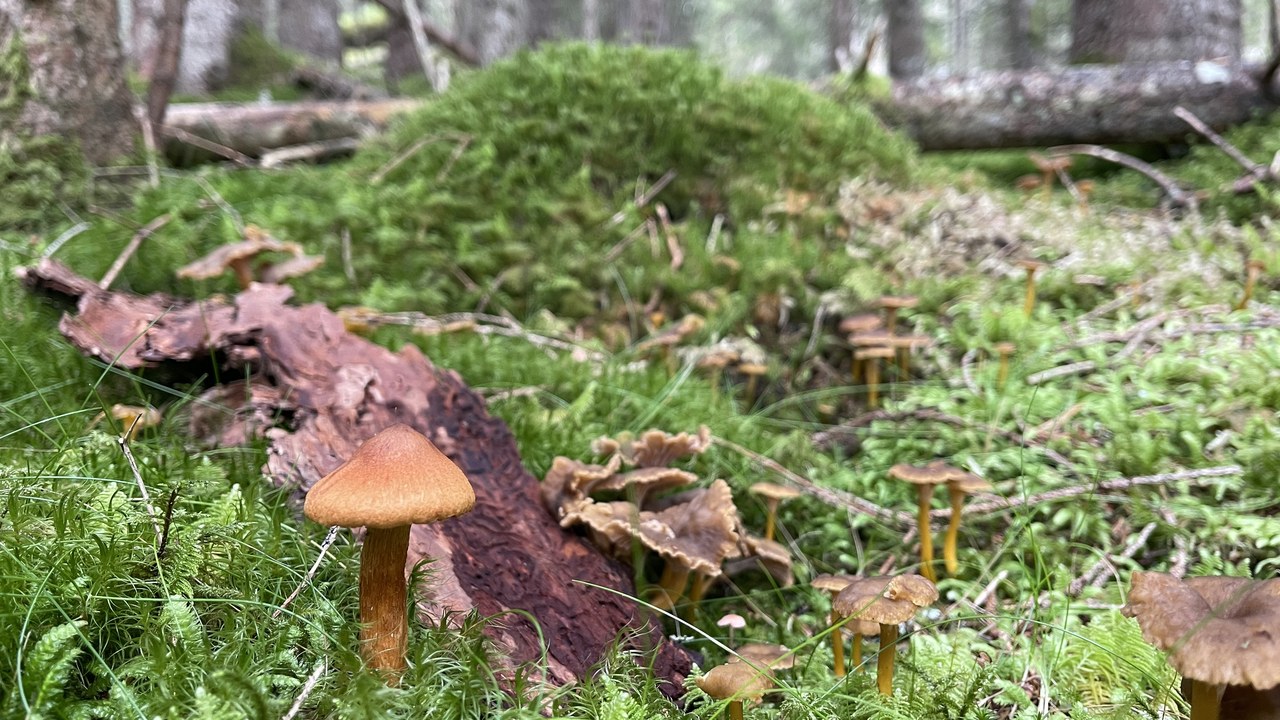
The deadly webcap ranks among the five most lethal mushrooms, per the mushroom poisoning overview. Its orellanine attacks the kidneys rather than the liver, which sets it apart from the amatoxin species earlier in the list. That difference in target organ shapes how the poisoning is recognized and handled by clinicians.
The reference supports the ranking and the kidney target, but gives no figures for deaths or case counts. As an overview, it summarizes the hazard in general terms and leaves the detailed clinical picture to specialist sources.
9. False morel: Raw Risk
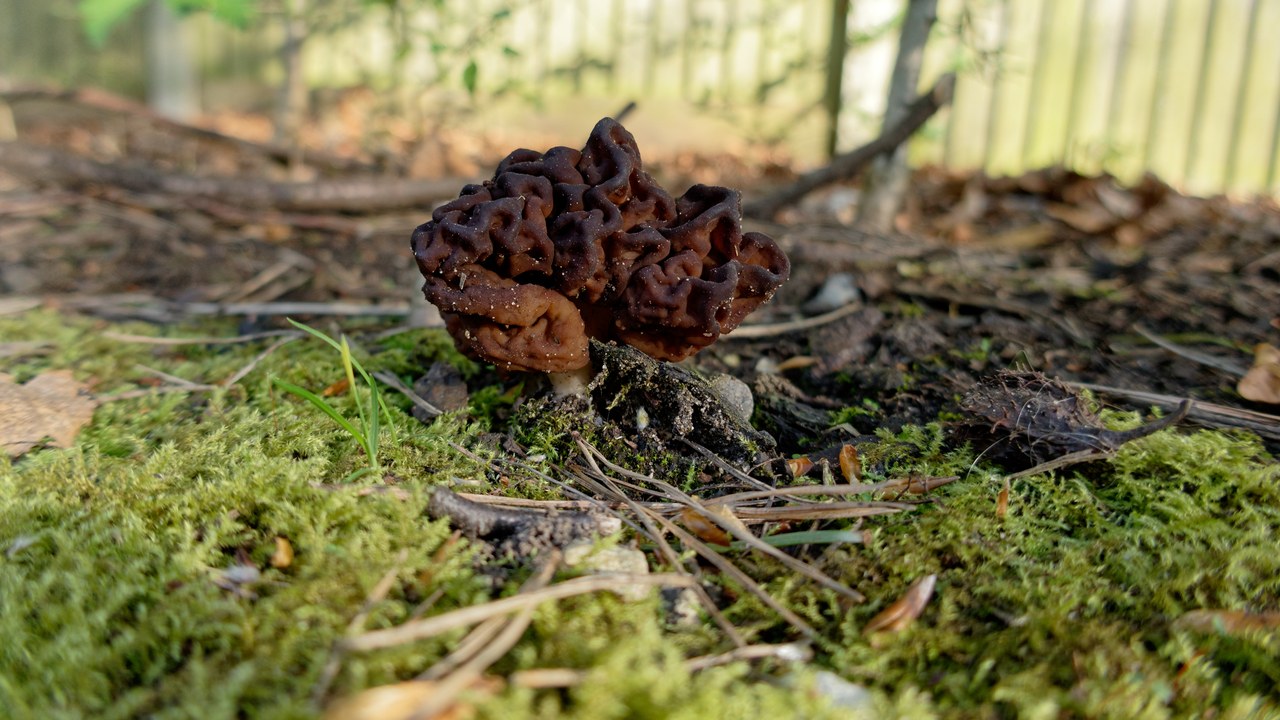
The false morel contains gyromitrin, which converts in the body to monomethylhydrazine, as the mushroom poisoning overview explains. The same source says the mushroom is deadly poisonous if eaten raw. The conversion step is what turns the compound into the harmful agent inside the body.
The wording points to raw consumption as the clearest danger, but the overview does not claim that every exposure ends the same way. It names the chemistry and the hazard, and it stops short of reporting how many people have been poisoned.
10. Jack-o’-lantern mushroom: Chanterelle Imposter
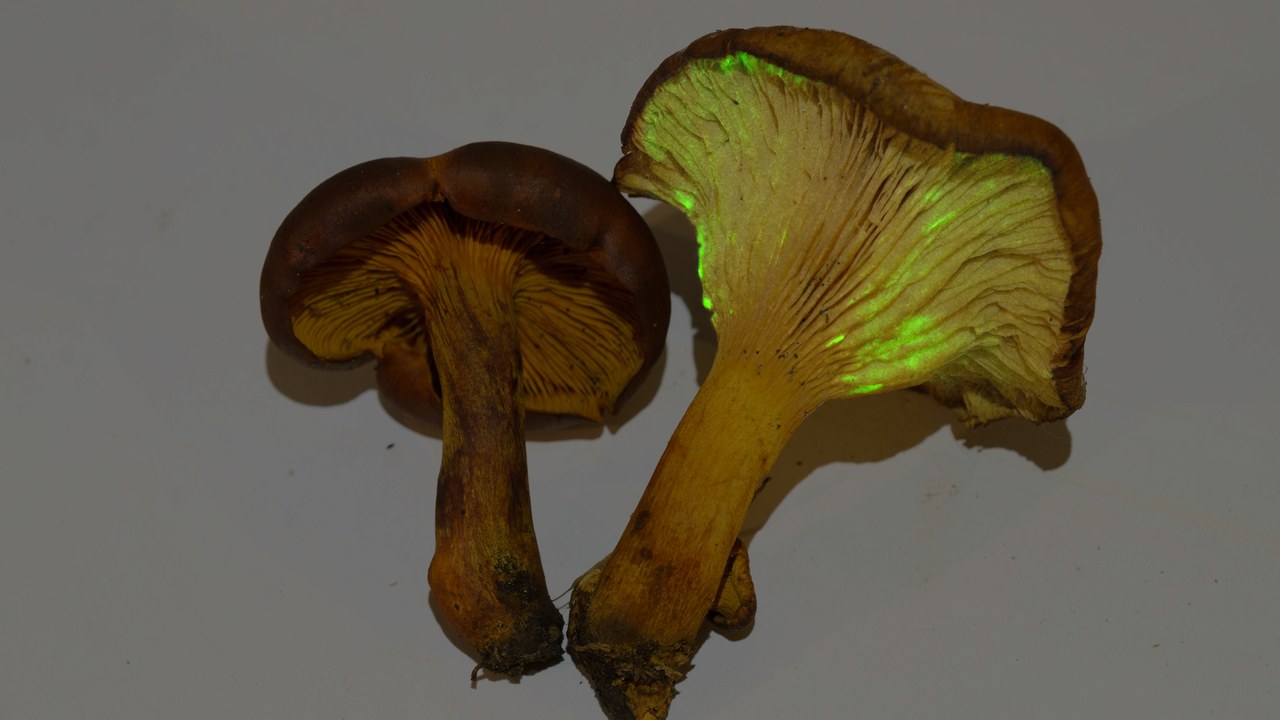
The jack-o’-lantern mushroom is mistaken for chanterelles, and the mushroom poisoning overview says its illudins cause significant toxicity and violent gastrointestinal illness. The confusion with an orange edible species is the central problem. The risk comes from an edible-looking orange mushroom that is not what it seems.
The illness described is severe but the overview does not describe it as lethal. Its risk lies in the misidentification, which the source presents as a common route to poisoning rather than a rare accident.
More from Morning Overview
- Hawaii’s magnitude 6.0 Kona earthquake is now a federal major disaster
- Comcast is shutting down its email service, and Xfinity customers must act to keep it
- Invisible volcanic gas at a California ski resort has killed three ski patrollers
- Verizon just moved to cut landline phone service in 9 states within weeks
