
Crash fatality statistics usually spotlight dangerous models, yet the same tables list vehicles whose drivers rarely die. The Insurance Institute for Highway Safety measures deaths per million registered vehicle years, and some models record a rate of zero. Here are ten that sit at or near the bottom of the tables, drawn from several editions.
Read next on Morning Overview: The FAA wants $2.39 million from a flight school it says flew a Cessna about 280 times with an unapproved part
1. Audi Q7: Zero Deaths
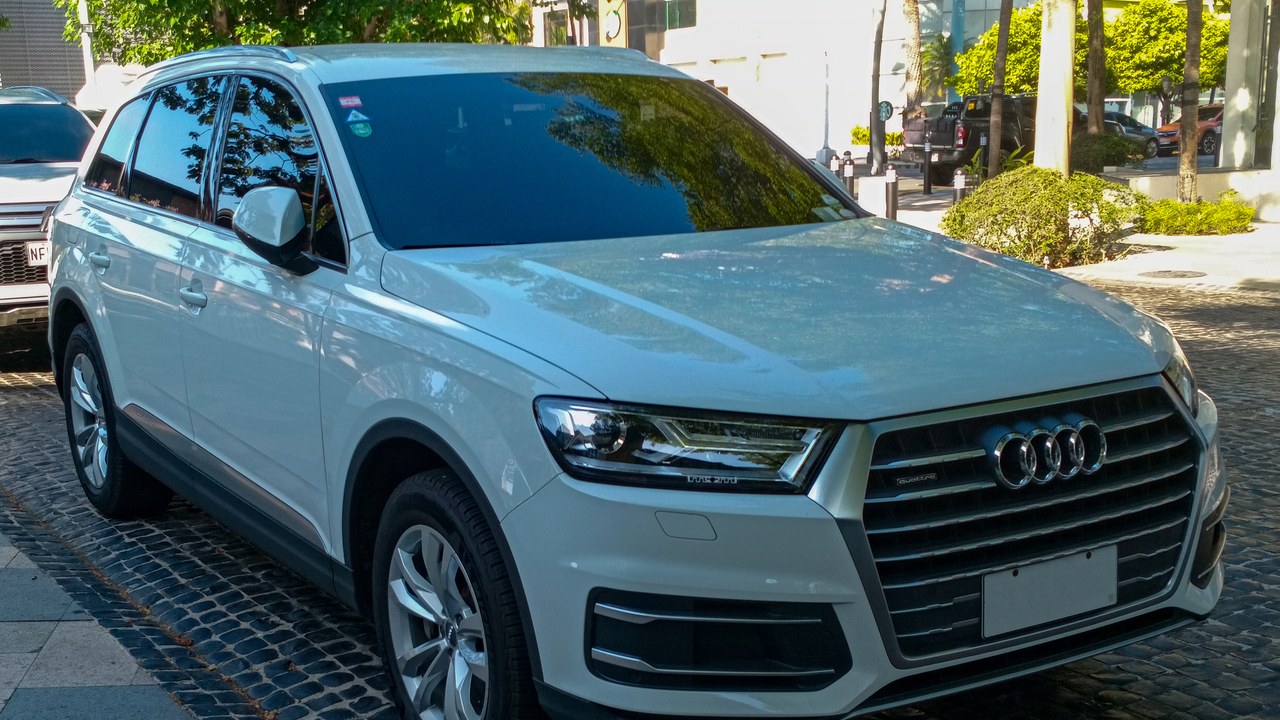
IIHS’s July 2026 report put the Audi Q7 4WD at a driver death rate of 0 per million registered vehicle years, covering 2023 models and equivalent earlier ones over 2021-24, as Audi Q7 death rate shows. IIHS classes it as a large luxury SUV.
The Q7 joins a short list of vehicles with no recorded driver deaths in the period. A zero reflects the statistics available for those model years, and it does not promise any individual driver’s outcome. Shoppers should also check current crash-test ratings, since a rate of zero can shift as more registration years are added.
2. BMW X7: Seven-Seat Zero
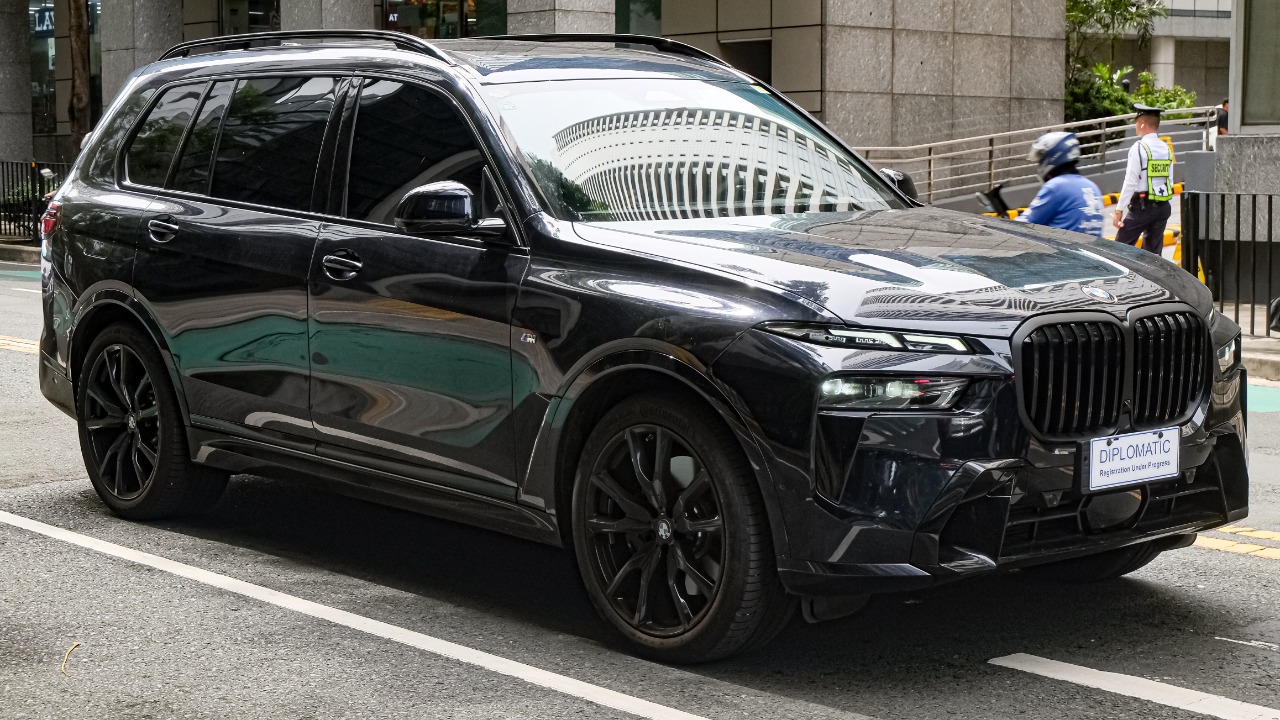
The BMW X7 4WD recorded a driver death rate of 0 per million registered vehicle years in IIHS’s 2021-24 data, according to BMW X7 death rate on the July 2026 report. IIHS places it among large luxury SUVs.
Large luxury SUVs account for several of the zeros on this list, with the Q7 posting the same figure. Shoppers should still check crash-test ratings, since the death rate is shaped by how and where vehicles are driven. The figure covers driver fatalities only, so passengers and other road users are not counted in it.
3. Chevrolet Tahoe: Big American SUV
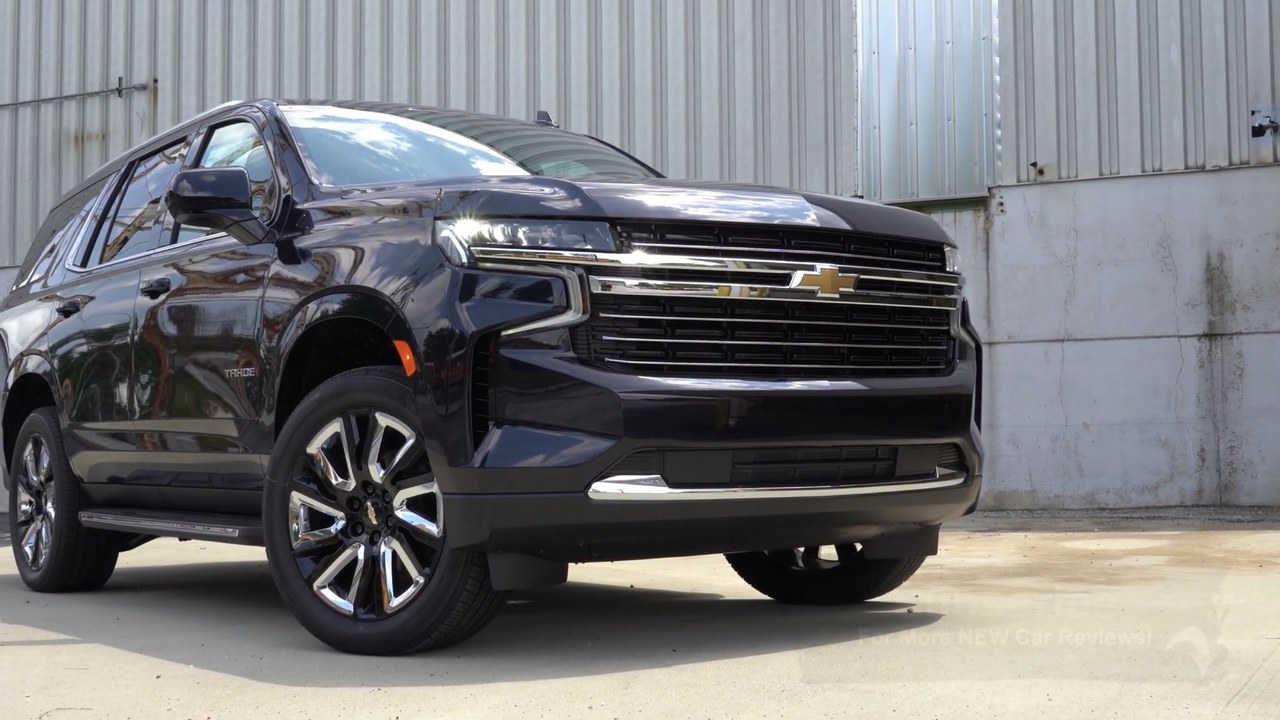
The Chevrolet Tahoe 4WD had a driver death rate of 0 per million registered vehicle years in IIHS’s July 2026 report, listed in Chevrolet Tahoe fatality rate among large SUVs. It is a mass-market model rather than a luxury one.
Because the Tahoe is not a luxury badge, the result shows that low fatality rates are not limited to premium brands. The driver death rate counts only people in the vehicle, not other road users. Buyers should also compare crash-test ratings and driver-assistance features, since the rate reflects real-world outcomes rather than lab tests.
4. Toyota Tundra: Only Pickup
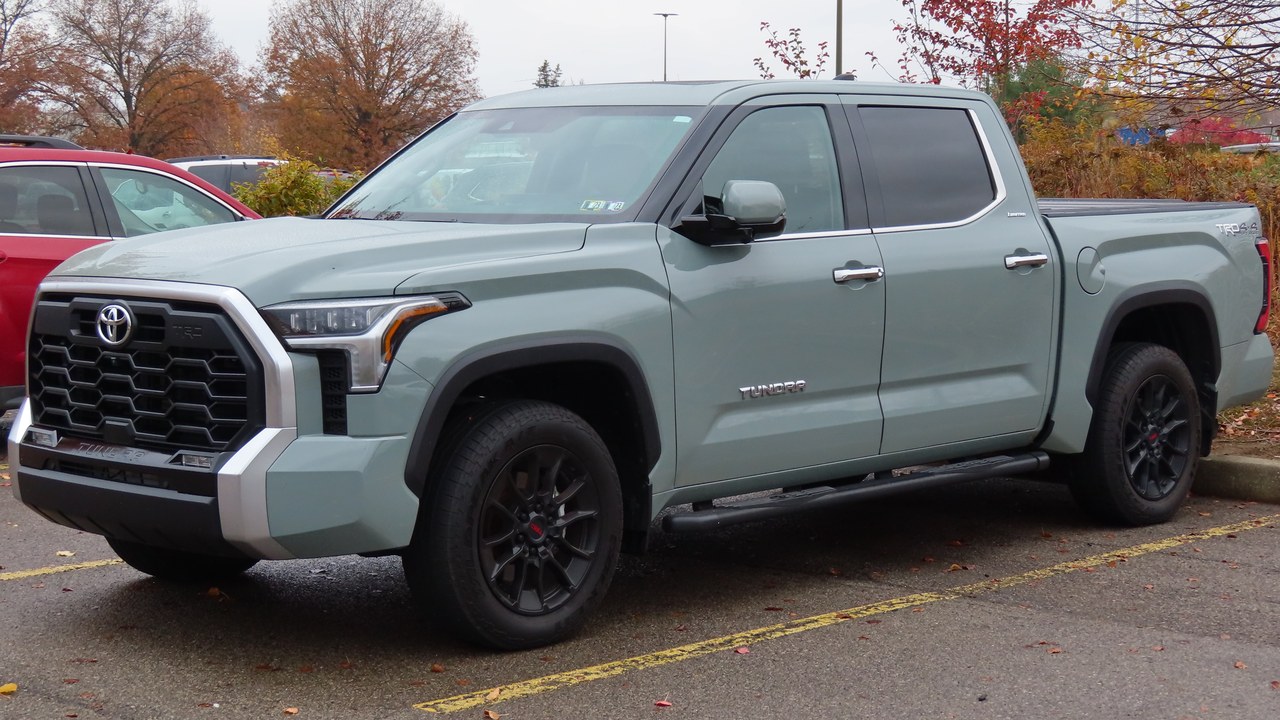
The Toyota Tundra CrewMax 4WD was the only pickup with a driver death rate of 0 in IIHS’s July 2026 list, in which Tundra CrewMax pickup rate says six models had rates of 0. That makes it the single truck among the zeros.
For truck buyers, the entry stands out because it is the only pickup on the zero list. The result applies to the CrewMax cab and four-wheel-drive configuration measured, so other Tundra versions are not covered. Buyers of other pickups should not assume the same result, because the rest of the segment recorded nonzero rates in the same report.
5. Mercedes-Benz GLE: Two-Wheel Drive Zero
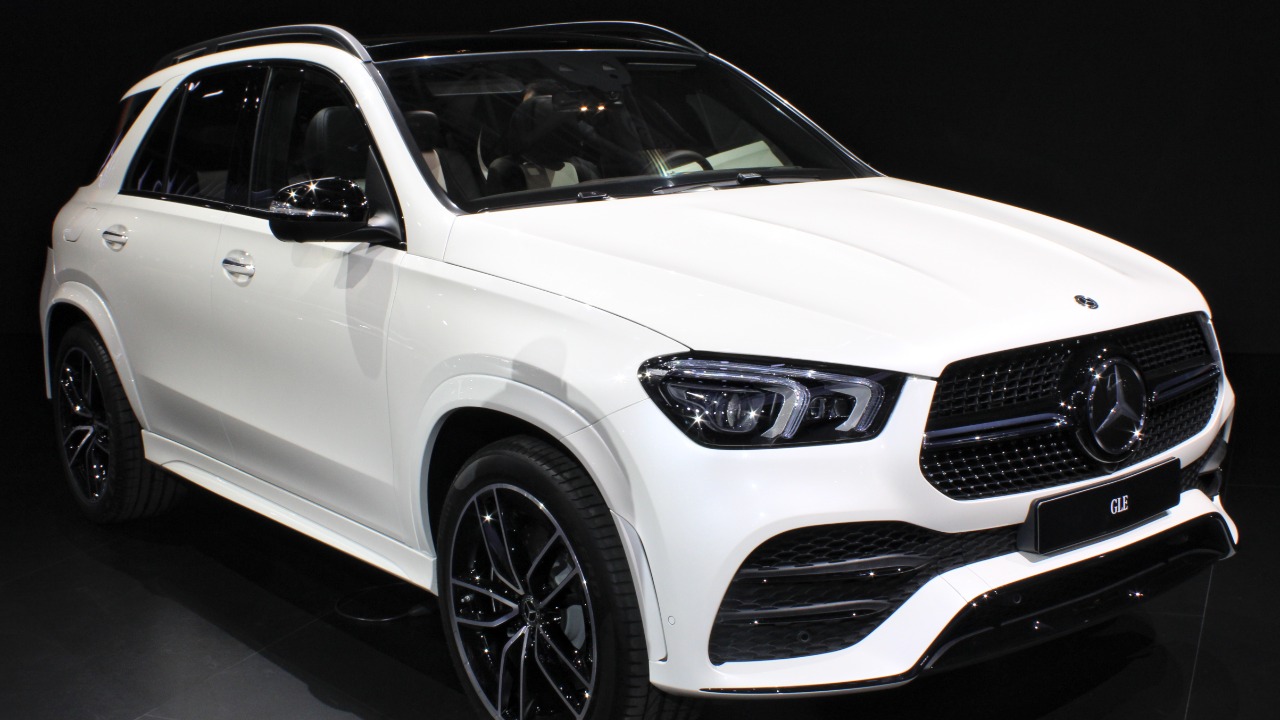
The Mercedes-Benz GLE-Class 2WD (2020-23) shows a driver death rate of 0 in the IIHS data reproduced by Mercedes GLE death rate, though the statistical range runs from 0 up to 25. The range reflects the uncertainty in the estimate.
That wide range means the true rate could be higher than zero. The listing covers an older 2020-23 model-year window, so buyers should treat it as indicative rather than current, and verify newer years. Shoppers comparing luxury SUVs can use it as a loose guide, since the estimate could plausibly be anywhere in the stated range.
6. Porsche Macan: Small Sample, Low Rate
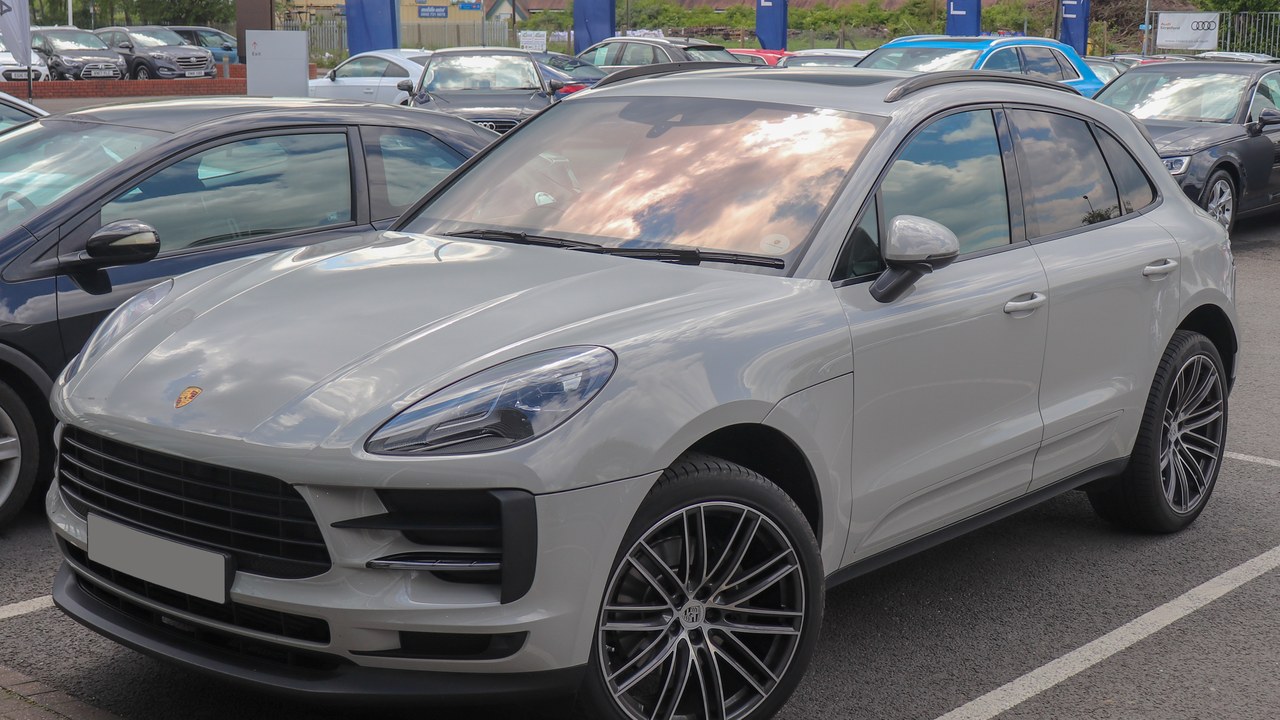
The Porsche Macan 4WD had a driver death rate of 4 per million registered vehicle years for 2020-23 models, per IIHS data summarized by Porsche Macan fatality data. The range given runs from 0 to 11, which is wide.
A compact luxury SUV with a single-digit rate puts a performance-minded model among the low-fatality group. The uncertainty band is wide, so the figure should not be over-read, and the window ends with 2023. Shoppers comparing luxury SUVs can still weigh it alongside crash-test ratings, because a rate of 4 is low relative to most vehicles.
7. Volkswagen Atlas: Three-Row Value
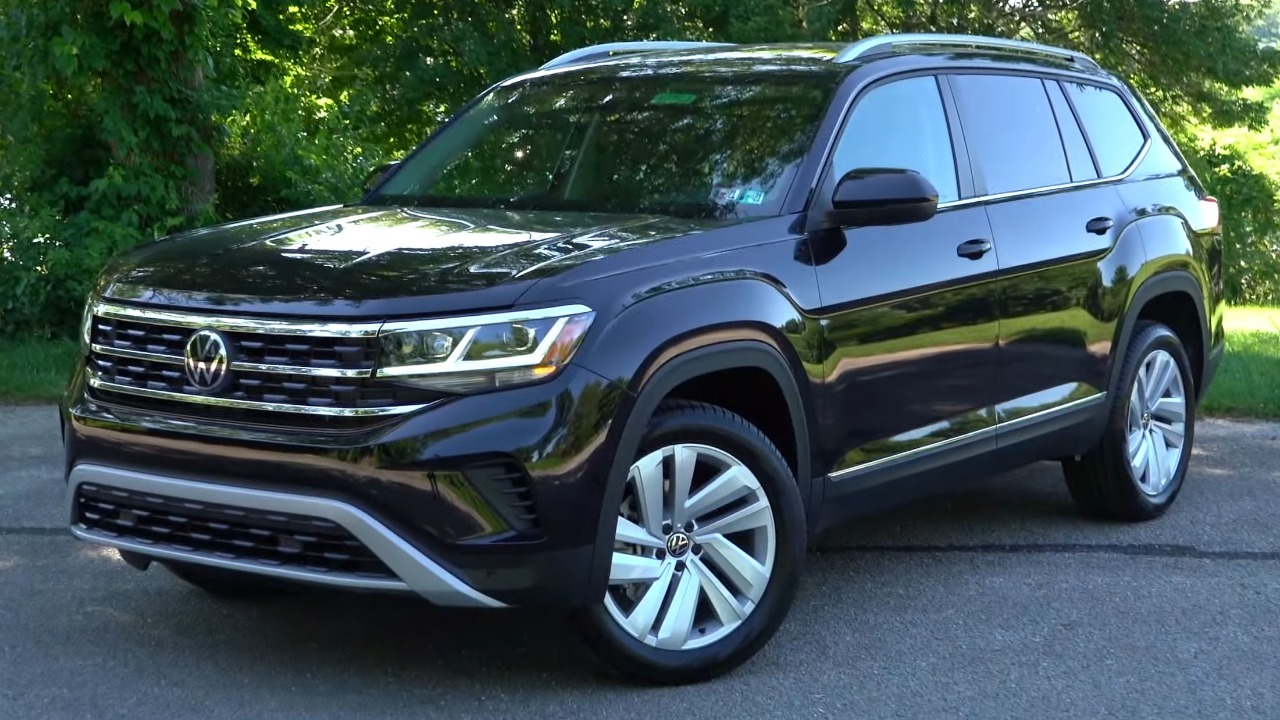
The Volkswagen Atlas 2WD had a driver death rate of 5 per million registered vehicle years for 2020-23 models, according to IIHS data in Volkswagen Atlas death rate, with a range of 0 to 16. It is a three-row SUV from a mainstream brand.
A non-luxury three-row SUV keeping pace with premium models gives family shoppers a lower-cost example in the data. The window ends with 2023, so newer model years are not covered, and the range is wide. Families comparing three-row models can add the figure to crash-test results, remembering that two-wheel drive was the version measured.
8. BMW X3: Older Edition
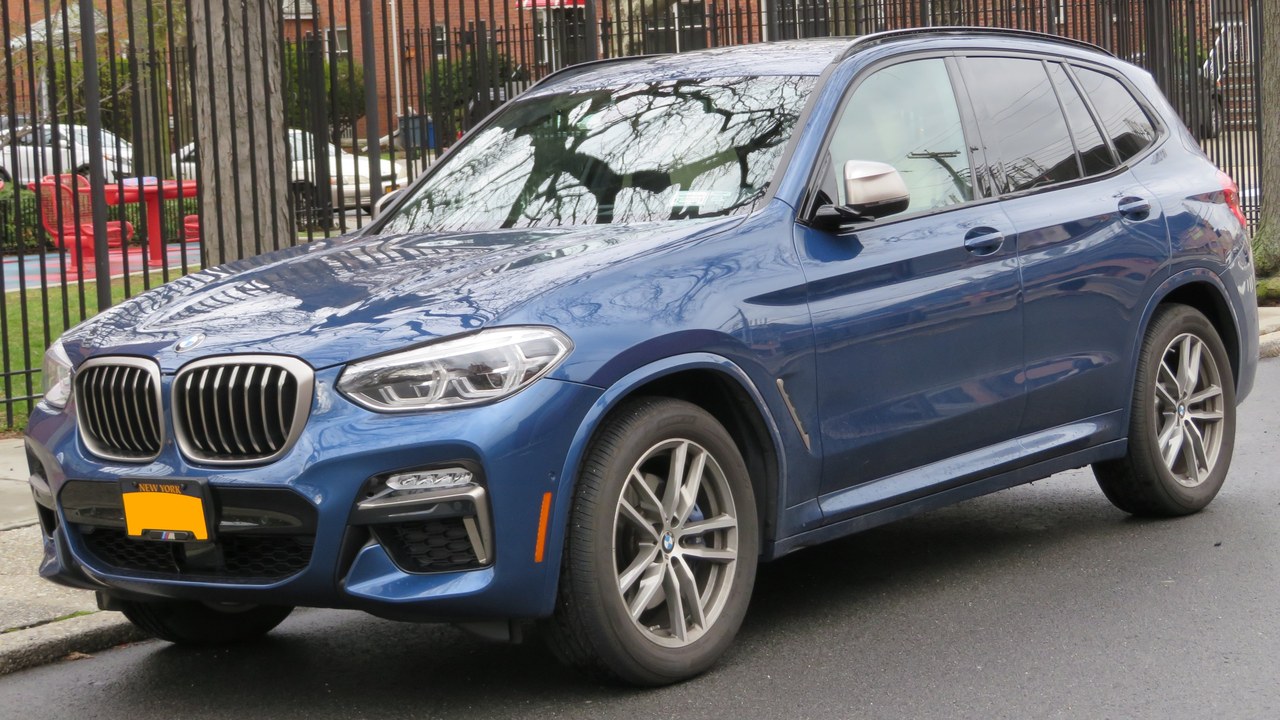
IIHS’s July 2023 report gave the BMW X3 4WD a driver death rate of 0 for 2020 models and equivalent earlier ones over 2018-21, as BMW X3 rate documents. IIHS lists it as a midsize luxury SUV.
This figure comes from an earlier edition and does not reflect the most recent fatality data. It remains an example of a midsize luxury SUV with no recorded driver deaths in that earlier window. Buyers shopping used examples from those years can still take some comfort from the result, though it should not substitute for a safety check.
9. Lexus ES: Sedan Exception
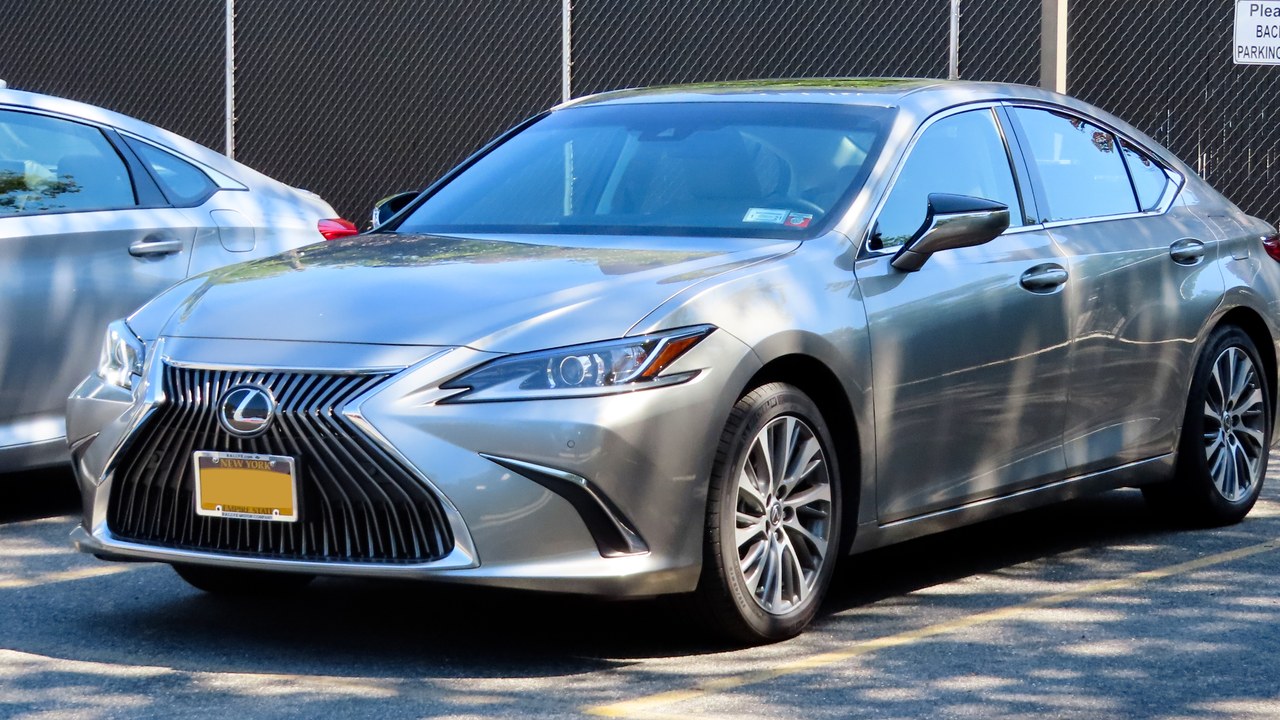
The Lexus ES 350 posted a driver death rate of 0 per million registered vehicle years in IIHS’s July 2023 report, which Lexus ES 350 death rate bases on 2018-21 fatalities. It is classed as a midsize luxury car.
Among mostly SUVs and one pickup, a midsize luxury sedan stands out as the one car on the list. Because the data are a few years old, buyers should check whether the current generation still matches. Used-car shoppers can take some comfort from the result, though it should not substitute for checking a specific car’s crash-test and recall record.
10. Nissan Pathfinder: Midsize Zero
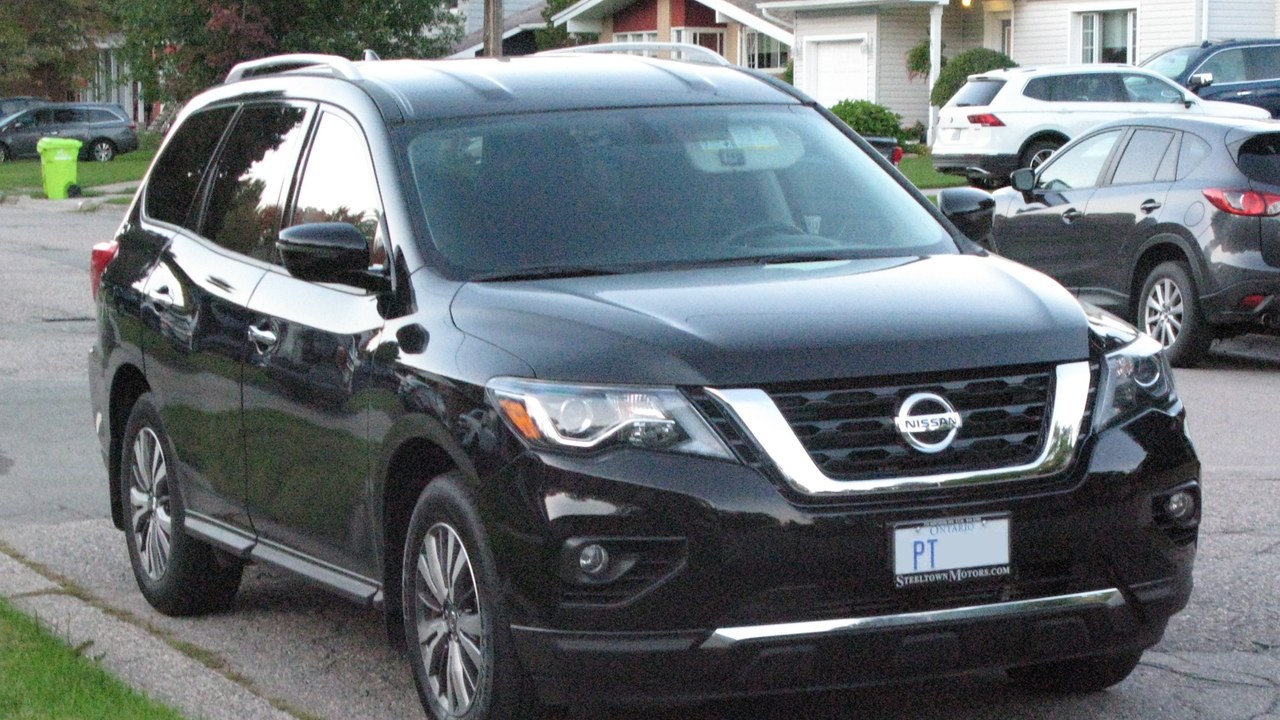
The Nissan Pathfinder 2WD had a driver death rate of 0 in IIHS’s July 2023 report covering 2018-21 fatalities, as listed in Nissan Pathfinder fatality rate on muscle-car dangers. IIHS classes it as a midsize SUV.
The family SUV adds a mainstream midsize option to the list. It comes from the older edition, so the figure describes a past window rather than the current model, and later years may differ. Used-car shoppers can take some comfort from the result, though crash-test ratings and recall history still deserve a look.
More from Morning Overview
- Arizona’s governor declared a statewide emergency after Flagstaff logged its wettest Nov. 1 on record
- Zero Motorcycles unveiled an electric motorcycle targeted at under $8K and a street-legal dirt bike at EICMA
- New FCC rules on how people can stop robocalls and texts take effect Nov. 25
- Neanderthals in Spain carved a wooden object that matches nothing archaeologists have ever found
