
Most cars still open with a door that swings out on a hinge, but a handful of vehicles trade that motion for a track and a slider. Minivans popularized the mechanism for tight parking lots, while a few oddball sports cars and microcars used sliding panels to solve completely different problems. Here are ten vehicles that skip the swing and let their doors glide instead.
1. Toyota Sienna: Sliding By Design, Not Upgrade

Toyota fits the Sienna with power sliding doors on both flanks as standard equipment across every trim, not as a costly option reserved for the top trim. The doors ride along a track built into the rocker panel, letting them retreat flat against the body instead of swinging outward into a tight garage wall or a neighboring car door. Toyota’s own product page lists the powered sliders as a baseline feature, underlining how central the mechanism now is to the van’s identity.
That standardization reflects decades of minivan buyers loading kids, strollers, and groceries in parking lots where a swinging door has nowhere to go. A slider solves a problem hinges never could.
2. Chrysler Pacifica: Two Sliders, Zero Compromise
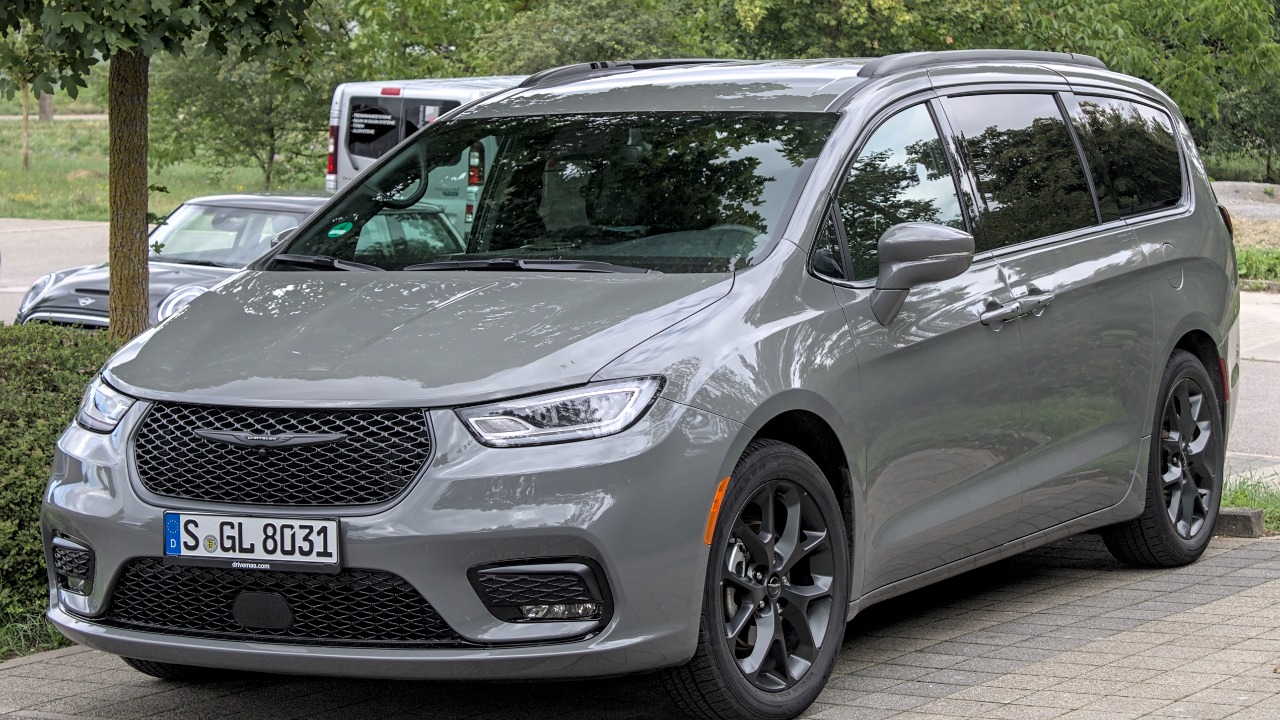
Chrysler builds the Pacifica around dual power sliding doors that anchor the entire minivan’s packaging, from where the second-row seats fold to how wide the door opening can be cut into the body. Chrysler’s own vehicle page highlights the hands-free sliding doors, which open with a foot swipe under the bumper when a driver’s hands are full.
Engineers shaped the Pacifica’s rear structure specifically to carry the wide door opening a slider allows, something a hinged door of the same size could never manage without hitting the car parked alongside it.
3. Honda Odyssey: Boarding Without The Swing
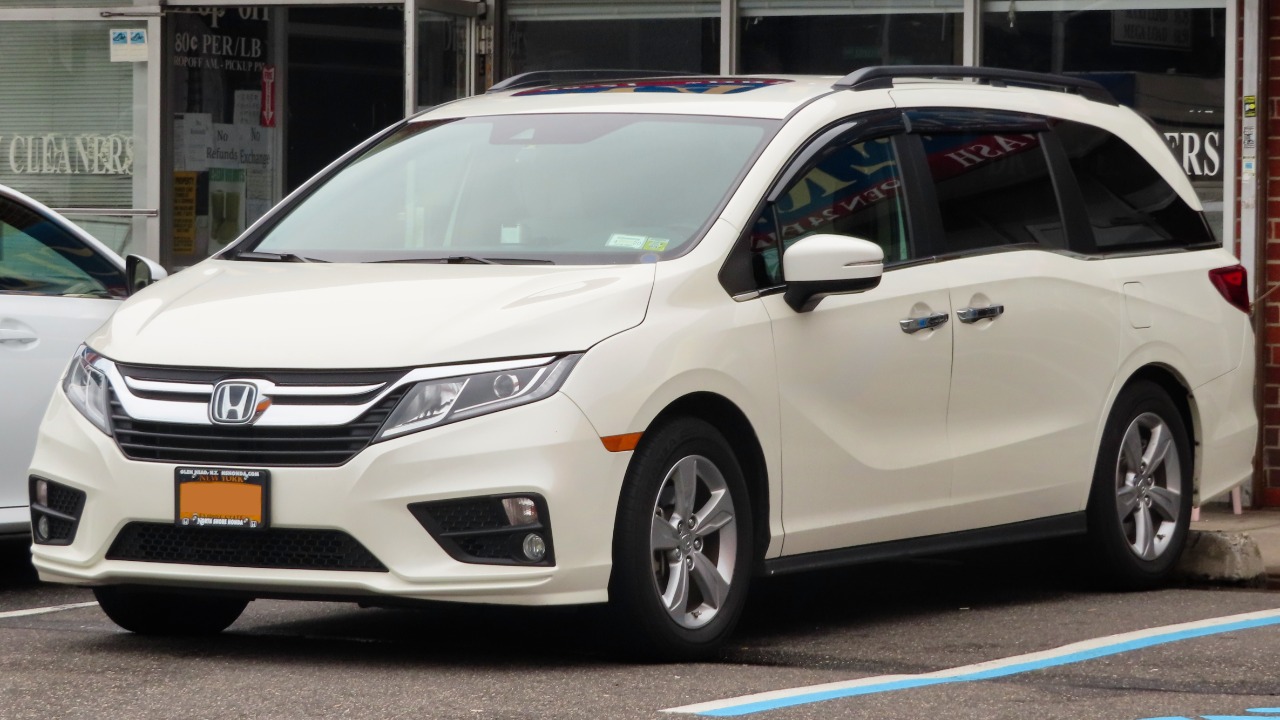
Honda’s Odyssey sends rear passengers through power sliding doors mounted on both sides of the body, a layout the minivan has carried across every redesign since sliding doors became the segment’s baseline. Car and Driver’s review notes the doors open and close via switches on the dashboard, the key fob, or a sensor swipe near the handle.
The wide, low opening a slider creates makes buckling a child into a rear seat far easier than squeezing past a hinged door in a cramped driveway.
4. Kia Carnival: SUV Looks, Minivan Doors
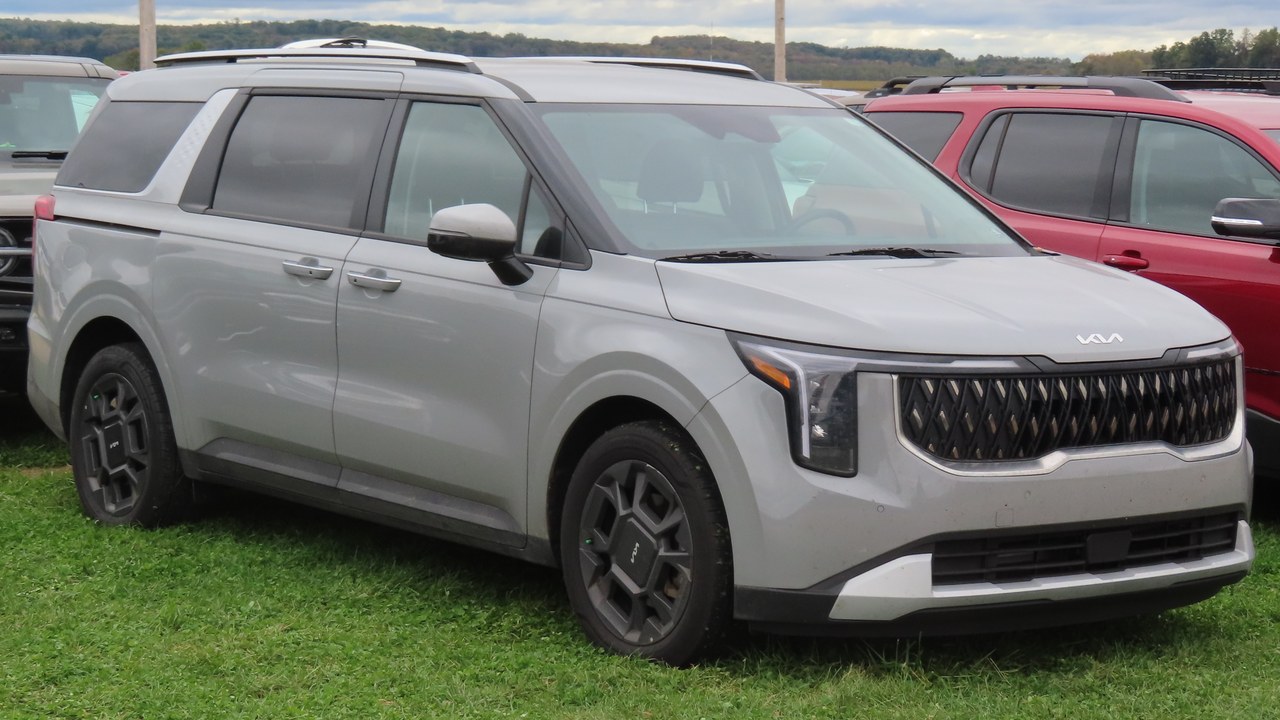
Kia dresses the Carnival in boxy, SUV-style sheet metal, yet keeps the sliding rear doors that mark it as a minivan underneath the styling. Car and Driver’s coverage points out that the doors still glide on the familiar minivan track system rather than swinging on hinges like a body-on-frame SUV’s rear doors would.
Kia bet that buyers wanted the practicality of a slider without the minivan label attached to it, and the strong sales results since launch suggest the disguise has worked well.
5. Ford Transit Connect: Built For A Tight Loading Bay
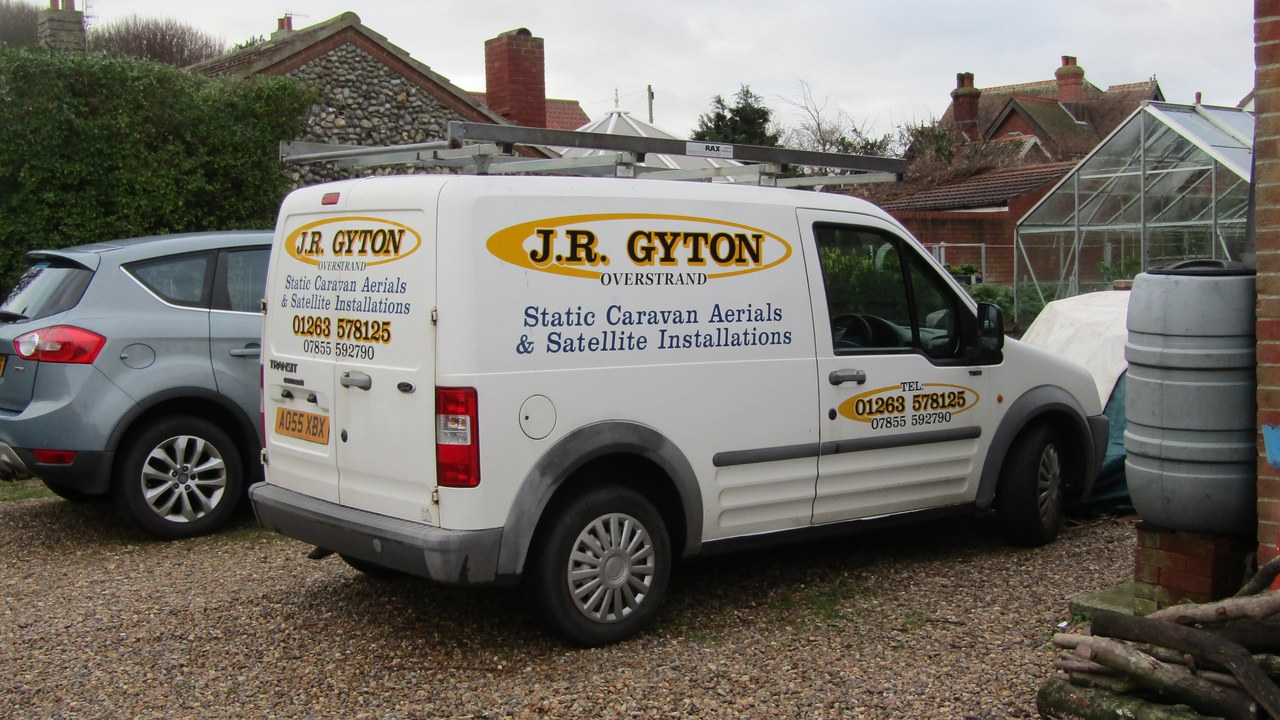
Ford sized the Transit Connect specifically for delivery routes where a wide-swinging door would bang into a wall, a shelf, or the next van over, so side access runs through a sliding door instead. Car and Driver’s writeup describes the compact van’s cargo doors as built for exactly this kind of tight urban loading bay.
Drivers making dozens of stops a day benefit the most, since a slider can be worked one-handed while carrying a box or a clipboard in the other arm.
6. BMW Z1: Doors That Vanish Downward
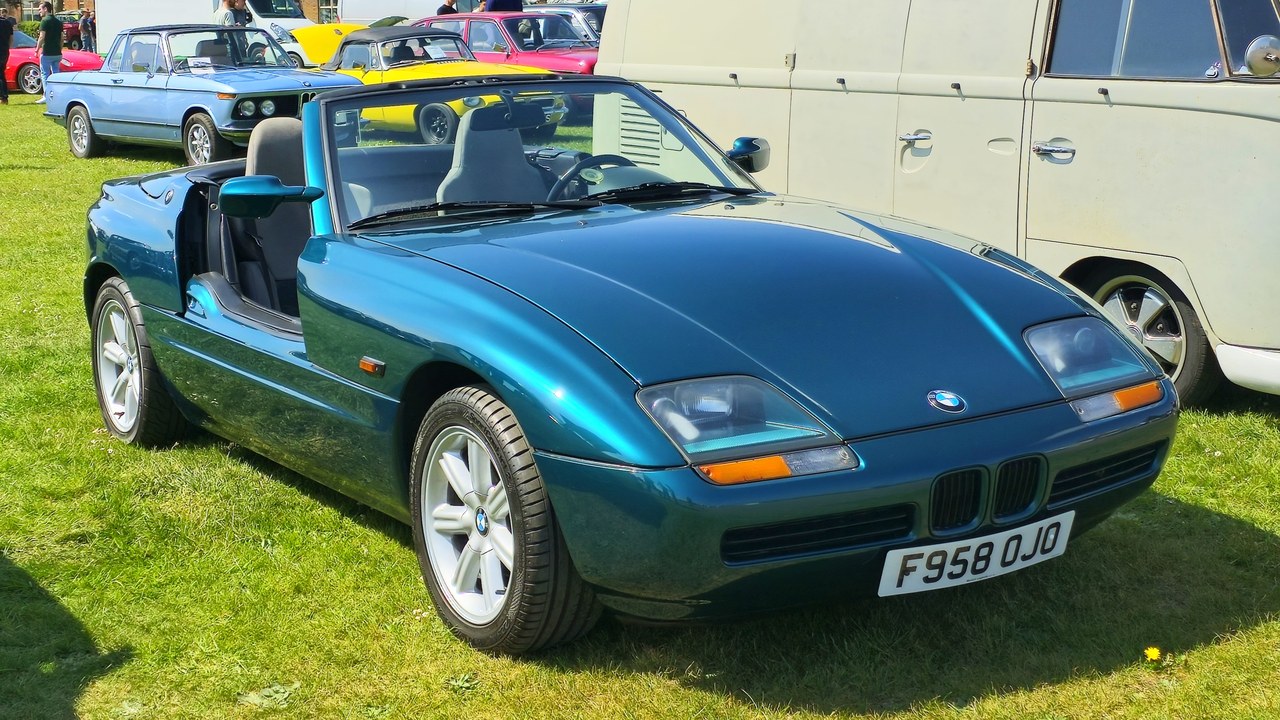
BMW gave the Z1 roadster doors that do not swing outward at all; instead, they drop vertically down into deep, reinforced sills and disappear beneath the beltline. The car’s Wikipedia entry describes the mechanism as strong enough that early owners reportedly drove short distances with the doors retracted and out of sight.
The sills carry much of the car’s structural rigidity, which is exactly what let BMW ditch a conventional hinge without weakening the body or the chassis underneath it.
7. Kaiser Darrin: The Doors That Vanish Into The Fenders

Kaiser built the Darrin’s doors to slide forward on tracks and disappear into recesses ahead of the front wheels, rather than swinging open on hinges like the rest of 1950s Detroit. The Darrin’s Wikipedia page notes the fiberglass body panels were shaped specifically to accommodate the sliding mechanism.
Owners still describe the doors as stiff and heavy to operate today, a reminder that the novelty came with real mechanical friction the factory never fully solved before production ended just a couple of years later.
8. Peugeot 1007: A City Car With Van-Style Doors
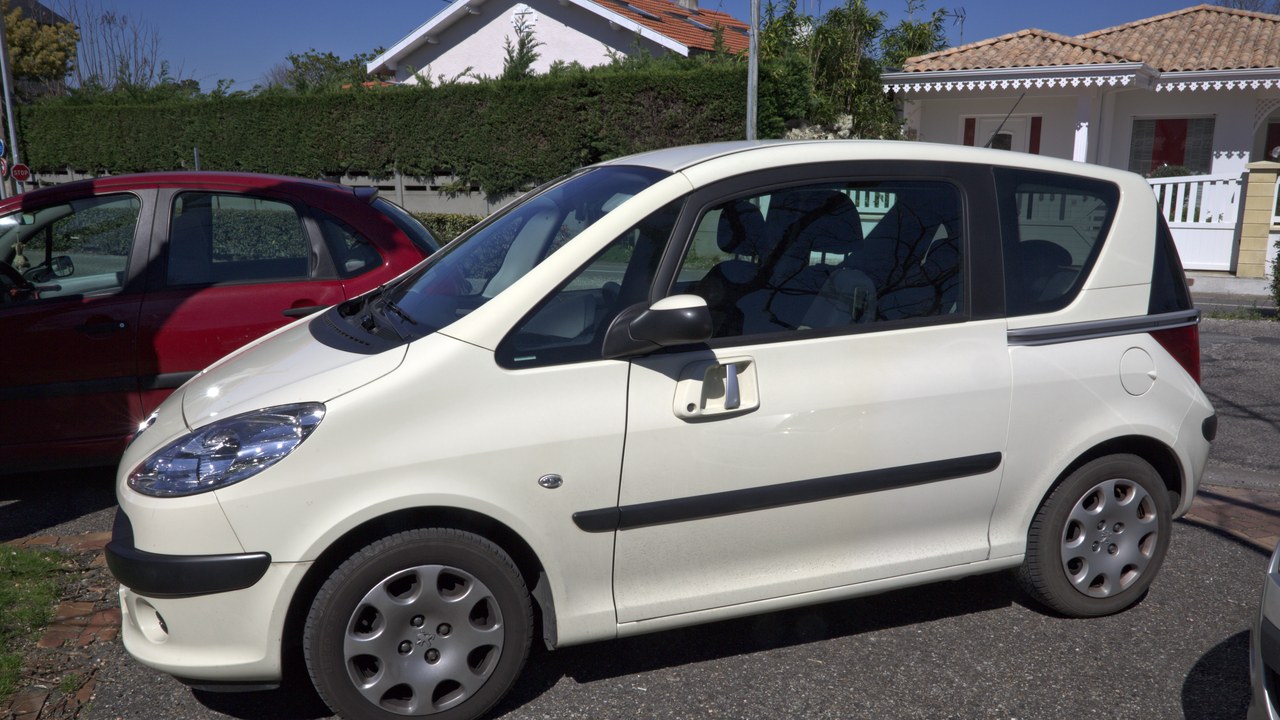
Peugeot fitted the 1007 with twin electrically operated sliding doors more commonly found on vans, an unusual choice for a small hatchback aimed at city driving. The 1007’s Wikipedia entry notes the doors could open fully in tight parking spaces where a conventional door would hit the car alongside it.
The added motors and tracks made the 1007 noticeably heavier and pricier than rivals its size, a tradeoff that limited how many units Peugeot ultimately sold across Europe during its run.
9. Mercedes-Benz V-Class: Chauffeur-Grade Sliding Access
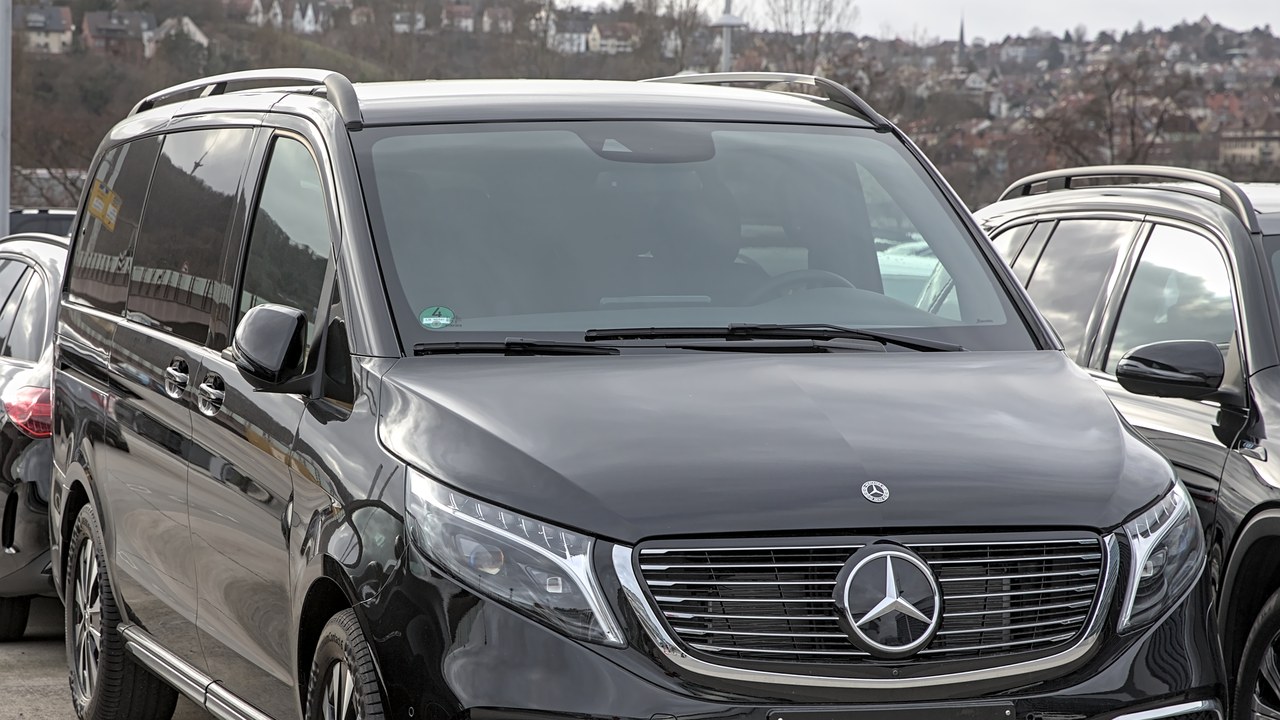
Mercedes-Benz equips the V-Class with sliding doors on both sides of the cabin, letting passengers board a tall, upright van-based body without squeezing past a swung-open panel. The V-Class Wikipedia entry traces the layout back to the vehicle’s roots as the passenger-carrying version of Mercedes’ Vito van.
That van-derived structure is also why the V-Class rides higher off the ground and comfortably seats more people than a typical three-row SUV of similar overall length, price, and total passenger seating count.
10. Volkswagen Transporter: The Original Sliding-Door Icon
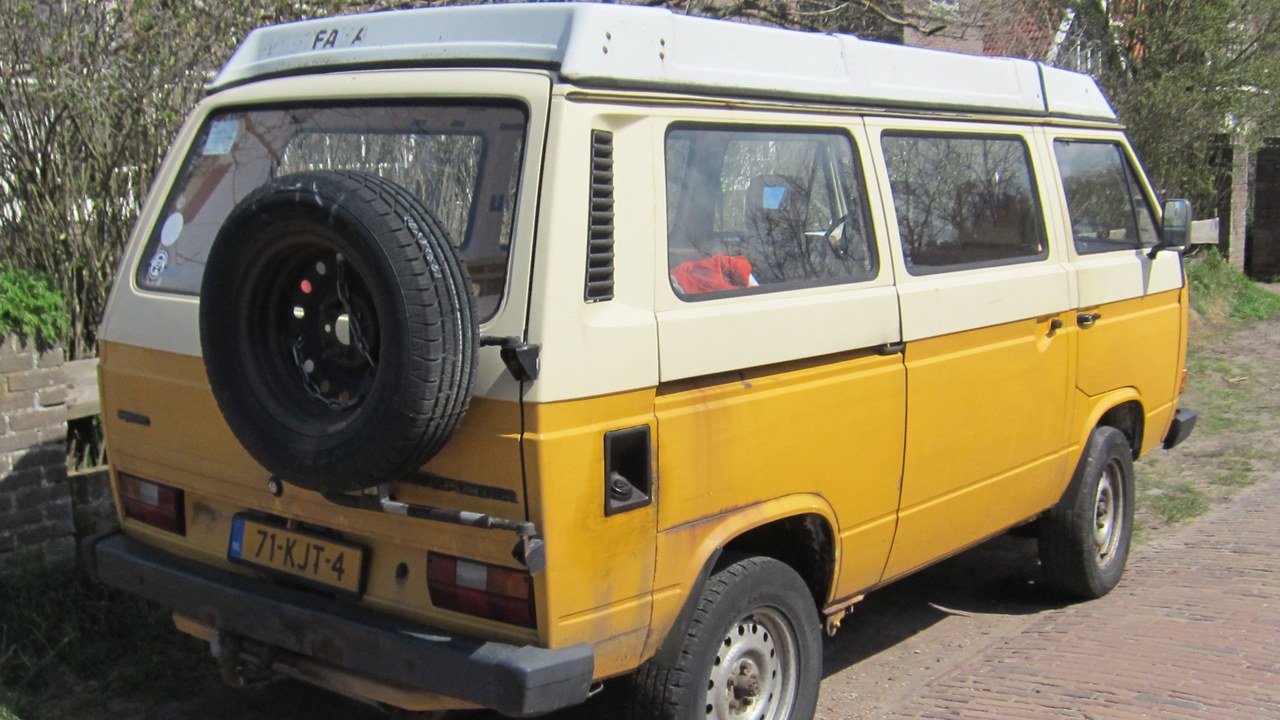
Volkswagen has fitted a sliding side door to the Transporter through generation after generation, making it one of the longest-running examples of the mechanism in the industry. The Transporter’s Wikipedia page traces the van’s lineage back to the 1950s, well before sliding doors became a minivan standard elsewhere.
Decades of campers, delivery fleets, and family haulers worldwide have relied on that same single door track, proof the simple layout never really needed reinventing to stay useful across so many decades of service.
More from Morning Overview
- Automakers are quietly dropping the stop-start feature many drivers love to hate
- A granite sarcophagus surfaced in Egypt with its original lid still sealed
- The FBI tells phone owners to delete these toll-payment texts draining accounts nationwide
- Herbal supplements are landing Americans in the hospital with liver damage, doctors warn
