
Tire wear is one of the quietest costs of car ownership, and some vehicles chew through a set far faster than the sticker price ever suggests. Heavy curb weights, aggressive power delivery, staggered wheel setups, and off-road tread patterns each accelerate the clock in their own way. Here are ten vehicles whose owners tend to be shopping for replacement rubber sooner than they expected.
1. Tesla Model Y: Instant Torque, Fast Wear

The Model Y crossover delivers full torque the instant a driver touches the accelerator, and that instant torque is applied through a curb weight that runs heavier than a comparable gasoline crossover. Rear tires absorb most of that force, since the dual-motor setup biases power to the back axle under normal driving.
Owners report replacing rear tires well before the front set is worn, a pattern common to electric crossovers with aggressive throttle response. Rotating tires more often and choosing a wear-rated all-season compound both slow the imbalance, though the underlying physics of weight and torque do not go away.
2. Rivian R1T: Four Motors, Heavier Bill
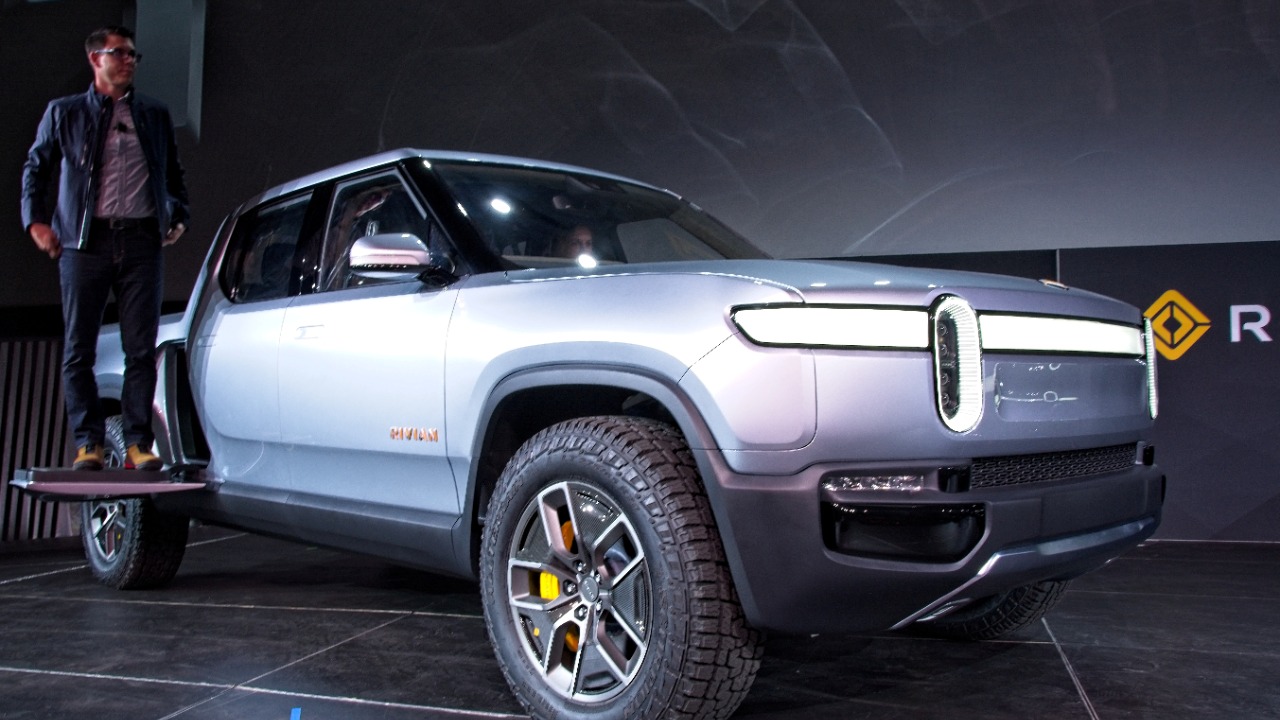
The Rivian R1T pickup uses four separate motors, one at each wheel, and that quad-motor layout adds mechanical hardware on top of a battery pack that already pushes the truck’s weight well past a comparable gasoline pickup. Every added pound rides on the same four contact patches, and all-wheel torque vectoring means the tires are constantly being asked to grip and correct.
The result is a tire bill that surprises new owners, since the factory tires were never designed to last as long as those on a lighter, single-motor vehicle. Off-road-capable tread further shortens life on paved commutes, and Rivian’s own service guidance points toward earlier rotation intervals than a typical truck owner expects.
3. GMC Hummer EV: Four Tons On 35s
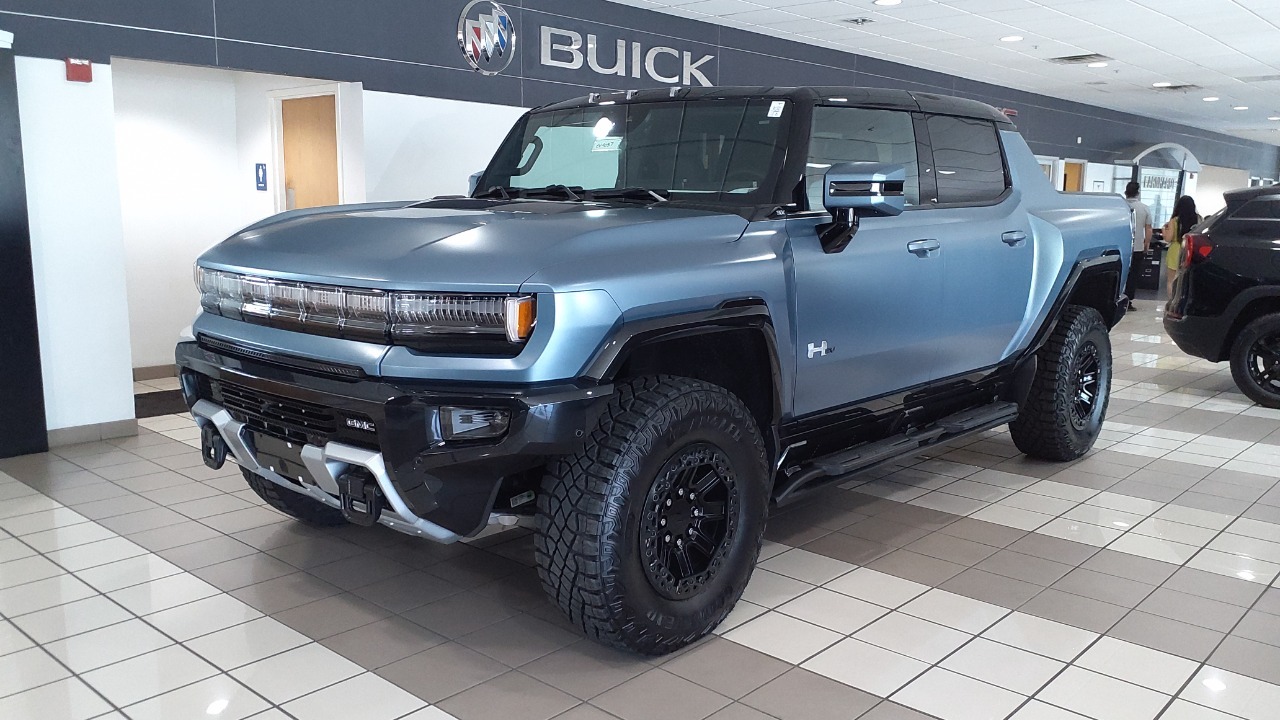
The GMC Hummer EV carries a battery pack so large that the finished truck weighs more than four tons, among the heaviest passenger vehicles sold in the United States. That mass rides on tires sized for off-road capability rather than longevity, and the instant torque of its electric motors adds further stress every time the truck pulls away from a stop.
Tire shops that service the Hummer EV routinely note wear rates closer to a commercial vehicle than a consumer truck, particularly on the rear axle where most of the torque is delivered. Buyers considering the Hummer EV are advised to budget for tire replacement ahead of the mileage a lighter truck would need.
4. Porsche Taycan: Soft Compound, Hard Cost
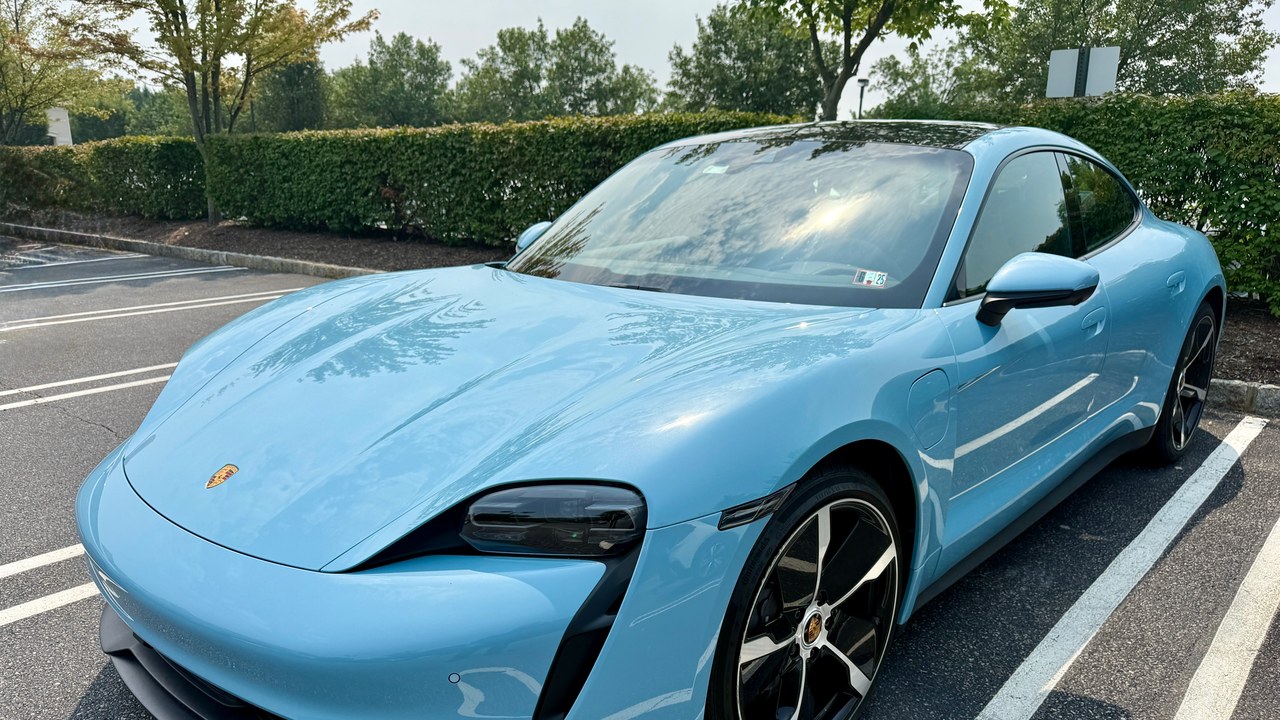
The Porsche Taycan sedan pairs a battery pack heavy enough to push curb weight past two tons with a factory tire compound tuned for grip rather than mileage. Porsche specifies a soft, high-performance rubber to match the car’s acceleration and cornering figures, and that same compound wears down far faster than a standard touring tire.
Rear tires bear the brunt of the wear because the Taycan’s power delivery favors the back axle under hard acceleration, a pattern shared with other performance-oriented electric sedans. Owners who drive the car the way Porsche designed it to be driven often replace rear tires well before the fronts need attention.
5. BMW M3: Staggered Wheels, Rear Wear
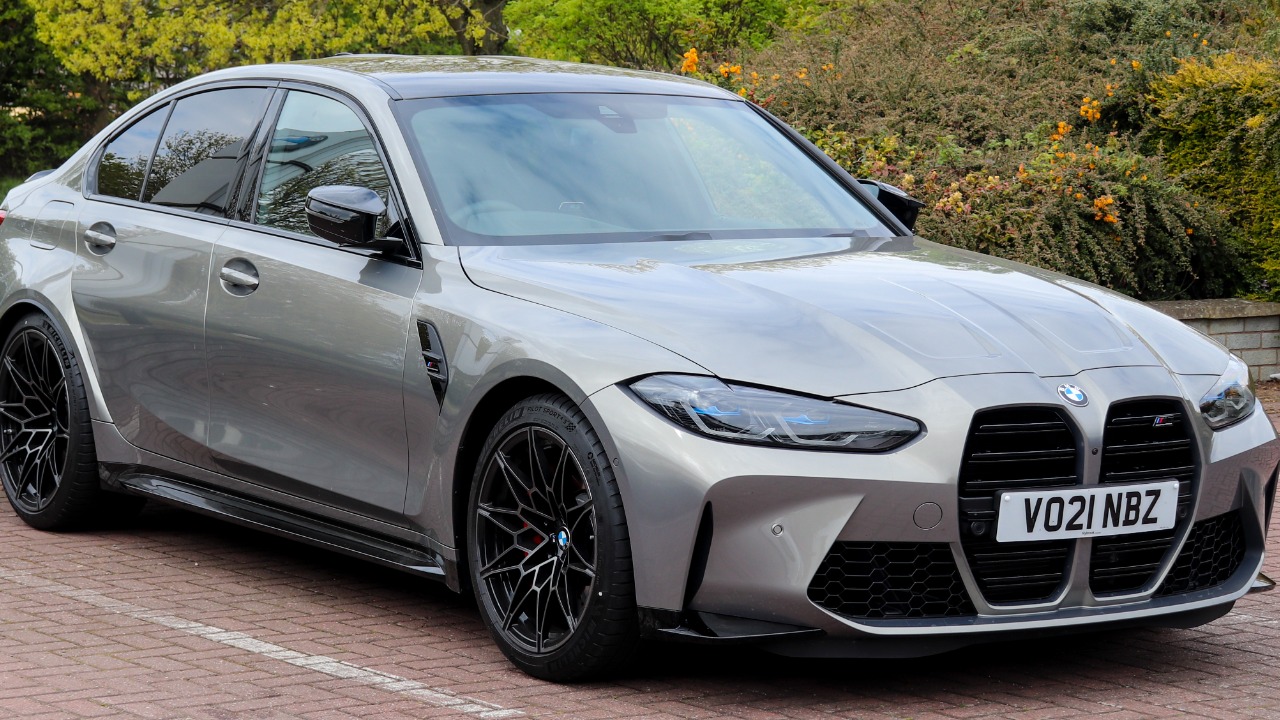
The BMW M3 sedan rides on a staggered wheel setup, meaning the rear tires are wider than the fronts to handle the power the twin-turbocharged six-cylinder engine sends to the back axle. That extra width helps traction, but it also means the rears cannot be rotated to the front, so they wear in isolation.
Enthusiast owners who use the M3’s launch control or track the car report rear tire life measured in the low thousands of miles rather than the tens of thousands typical of a family sedan. Conservative daily driving on a staggered high-performance setup still shortens tire life compared with a car that shares tread wear evenly across all four corners.
6. Chevrolet Corvette: Wide Rears, No Spare

The Chevrolet Corvette sends its V8 power through unusually wide rear tires, a staggered setup that boosts grip in corners but also means the rear set wears independently of the fronts. Chevrolet does not include a spare tire in the C8 generation, so a single damaged or worn-out rear tire cannot simply be swapped from elsewhere in the trunk.
Because the rear tires cannot rotate to the front on a staggered fitment, owners typically replace both rears together once tread depth drops, a cost that lands sooner for drivers who use the car’s full power regularly. Track days or aggressive launches accelerate that timeline considerably compared with routine highway driving.
7. Dodge Charger SRT Hellcat: Supercharged Tire Eater
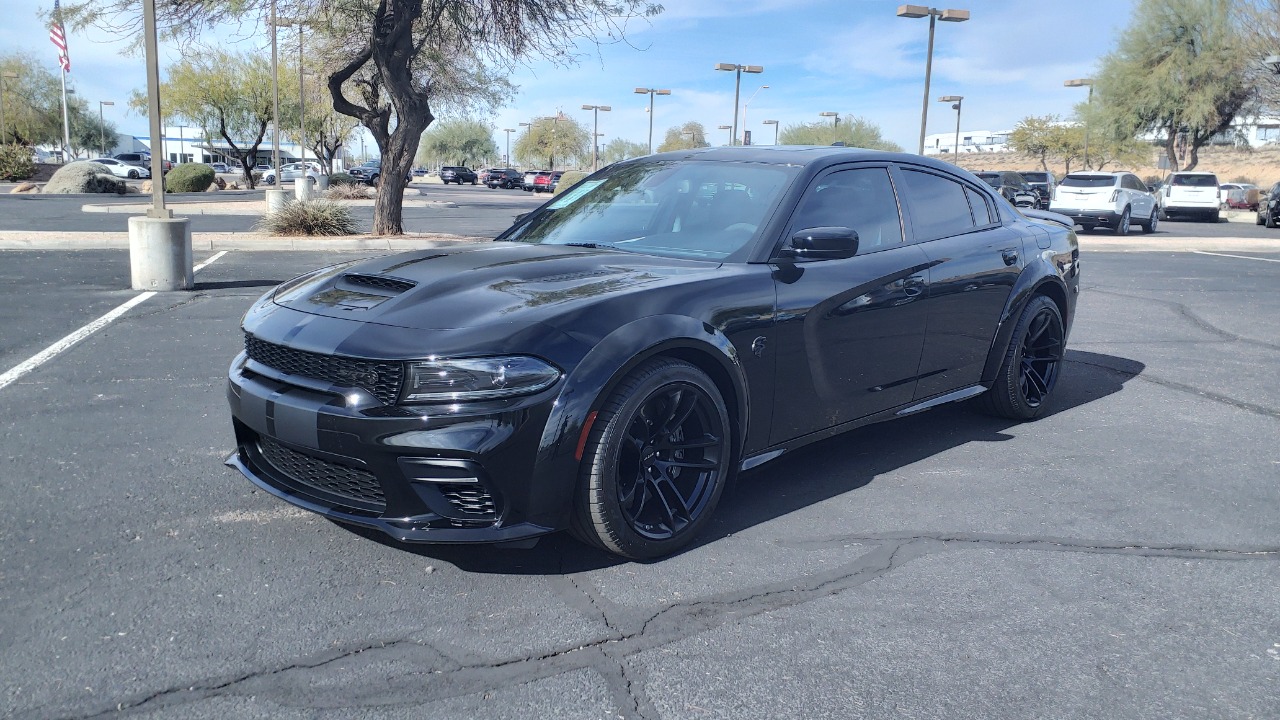
The Dodge Charger SRT Hellcat pairs a supercharged V8 with rear-wheel drive and no standard traction aids beyond the factory stability control, a combination that turns rear tires into a genuine consumable rather than a multi-year part. Owners who use anywhere near the car’s full output describe rear tread disappearing in a matter of months rather than years.
Dodge itself has acknowledged the Hellcat’s reputation for eating tires, and enthusiast forums are full of owners tracking rear tire replacement as a recurring line item in the car’s running costs. Cold weather and wet roads compound the problem, since the factory tires are chosen for dry-weather grip rather than all-season durability.
8. Ford Mustang Mach-E GT: Weight Meets Instant Torque

The Ford Mustang Mach-E GT combines a large battery pack with dual motors tuned for quick acceleration, and that pairing puts both extra weight and instant torque through the same four tires at once. Ford’s own performance figures for the GT trim rival a V8 muscle car, and the tires pay the price for that acceleration every time the driver uses it.
Rear-biased torque delivery means the back tires wear faster than the fronts, a pattern consistent across most dual-motor electric performance vehicles regardless of brand. Drivers who frequently use the Mach-E GT’s quickest acceleration mode see tire wear accelerate noticeably compared with the standard, single-motor version of the same crossover.
9. Honda Odyssey on worn alignment: Alignment Drift, Front Scrub

The Honda Odyssey is a heavy front-wheel-drive minivan, and that layout puts most of the vehicle’s weight and driving force through the front axle, which wears front tires faster than the rears under normal conditions. When the front alignment drifts out of specification, the front tires begin to scrub against the road surface with every rotation.
That scrubbing shows up as rapid, uneven wear along the tire’s edge rather than a slow, even loss of tread depth across the surface. Families that put high mileage on an Odyssey for school runs are especially prone to the problem, since alignment checks are easy to skip on a vehicle that otherwise feels fine to drive.
10. Jeep Wrangler Rubicon: Off-Road Tread, Street Cost
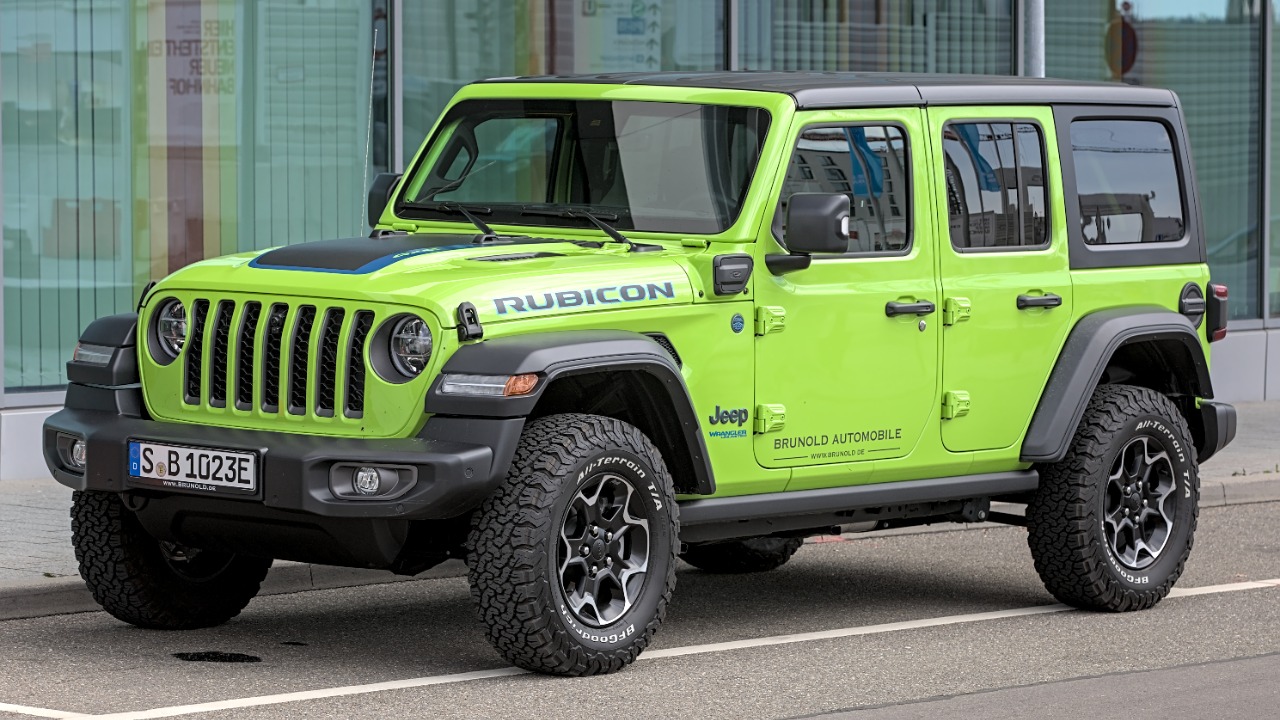
The Jeep Wrangler Rubicon comes standard with aggressive all-terrain tires designed to bite into mud, rock, and sand, a tread pattern with large, widely spaced blocks that provide off-road traction at the cost of on-road longevity. Those same blocks squirm and flex on pavement in a way a street-oriented tire does not, generating extra heat and wear with every highway mile.
Owners who use the Wrangler mostly as a daily commuter rather than a trail vehicle often find the factory tires wear unevenly and need replacement sooner than a comparable SUV running street-focused rubber. The Rubicon’s boxy shape and higher ride height add wind resistance and rolling load that compound the effect over highway-heavy driving.
More from Morning Overview
- Long-term use of common heartburn pills is tied to kidney and dementia risk
- A California supervolcano has bulged upward about two and a half feet since 1978
- The FTC is warning about a scam quietly draining thousands from victims
- The NSA is again telling phone owners to switch off one location setting
