
Most SUVs treat a flooded road as an obstacle to avoid, but a handful of factory-built trucks are engineered to drive straight through it. Automakers achieve this with raised air intakes, sealed electrical systems, wade-sensing sensors, and suspension that lifts the body clear of the waterline. Here are ten vehicles built from the factory to wade through deep water without stalling out.
1. Land Rover Defender: Nine Hundred Millimeter Wade
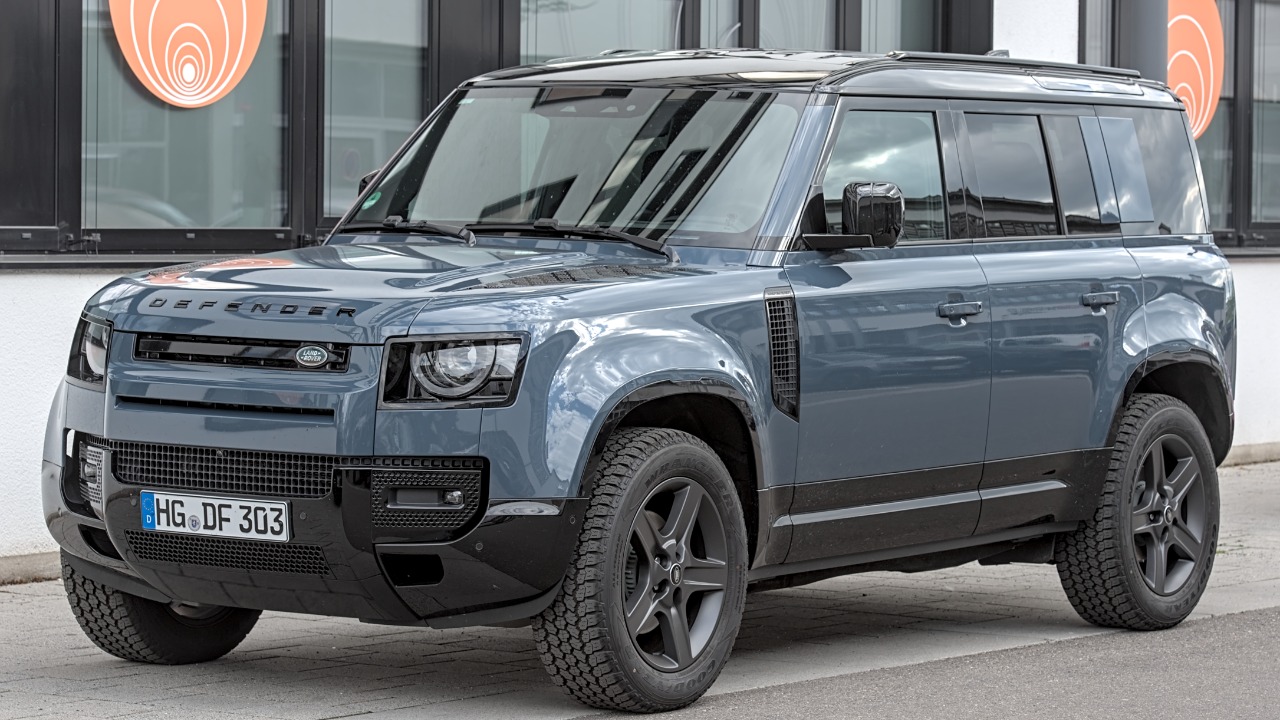
A rating of about 900 millimeters puts the current Land Rover Defender’s wading depth among the deepest of any production SUV sold today, deep enough to cross a flooded ford that would swamp a typical SUV’s air intake and electronics. Land Rover built that figure into the vehicle’s design brief from the outset, testing radiator fans, door seals, and underbody sensors specifically for submerged crossings rather than treating water resistance as an afterthought.
For owners in rural or flood-prone regions, that rating means a farm track or storm-swollen creek is not automatically a turn-around point. The number is also a marketing benchmark other automakers get measured against.
2. Ineos Grenadier: Built For River Crossings
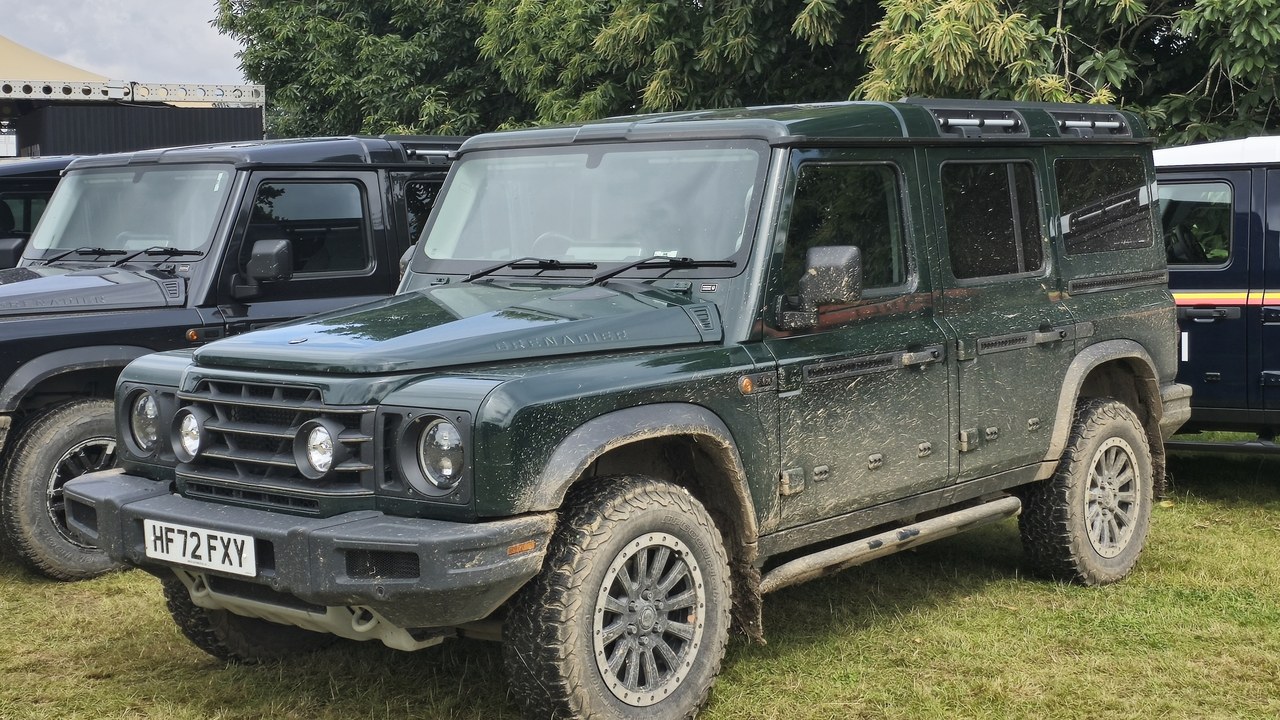
Ladder-frame construction, solid axles, and a raised air intake put the Ineos Grenadier in a different category than a lifestyle SUV, built as a modern successor to the old-school Land Rover Defender for genuine river crossings rather than curb hops. Ineos, better known as a chemicals company, developed the truck specifically for farmers, aid workers, and off-road users who needed a utilitarian 4×4 that could handle standing water without complaint.
The boxy shape and portal-style door hinges are functional choices, not styling flourishes, aimed at keeping water and mud away from seals. Buyers cross-shop it directly against military-spec trucks, not lifestyle SUVs.
3. Jeep Wrangler: Sealed Electricals For Fording
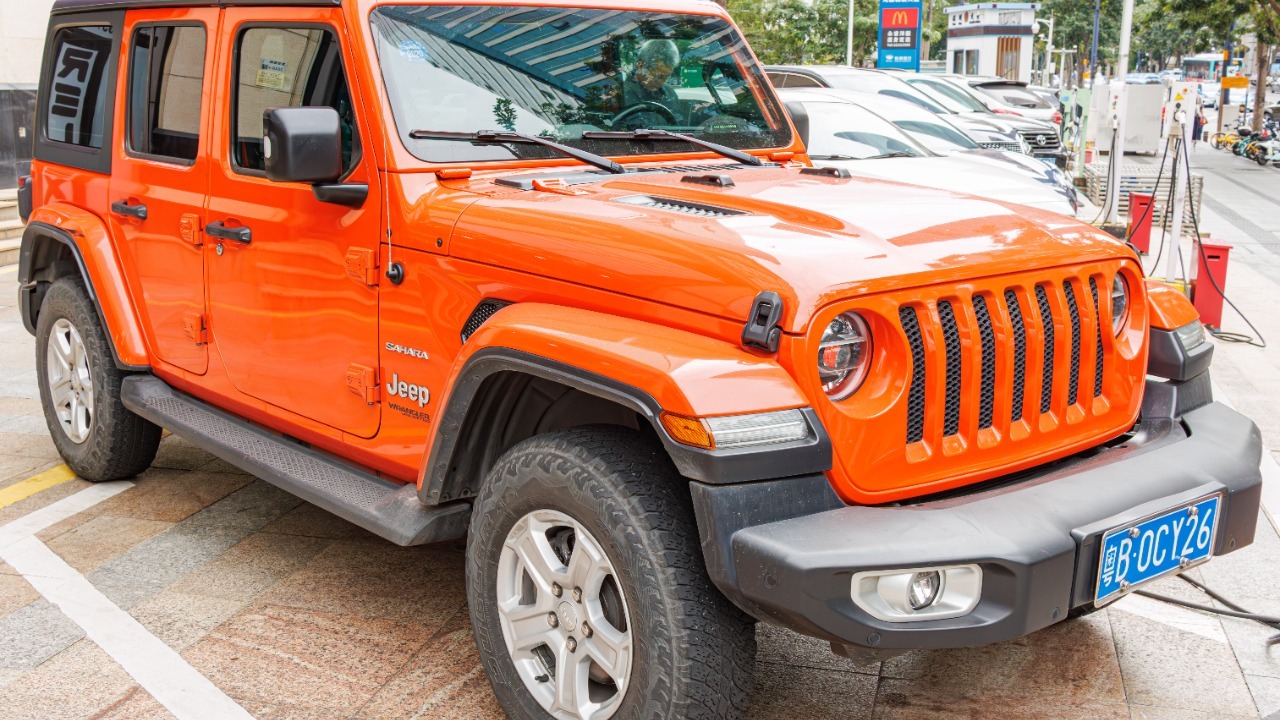
Keeping electrical connectors sealed and the intake mounted high in the engine bay is how Jeep protects the Wrangler’s fording depth, aided by a manual transmission option that keeps drivetrain components away from splashing water during a stream crossing. Jeep engineers the Wrangler’s underbody wiring harnesses and control modules to tolerate submersion far beyond what a typical crossover would survive, a legacy of the model’s military-derived design lineage.
That toughness is why Wrangler owners treat a shallow stream as routine rather than a hazard requiring a detour. The tradeoff is a stiffer ride and worse fuel economy than a car-based SUV.
4. Ford Bronco: Raised Intake For Crossings
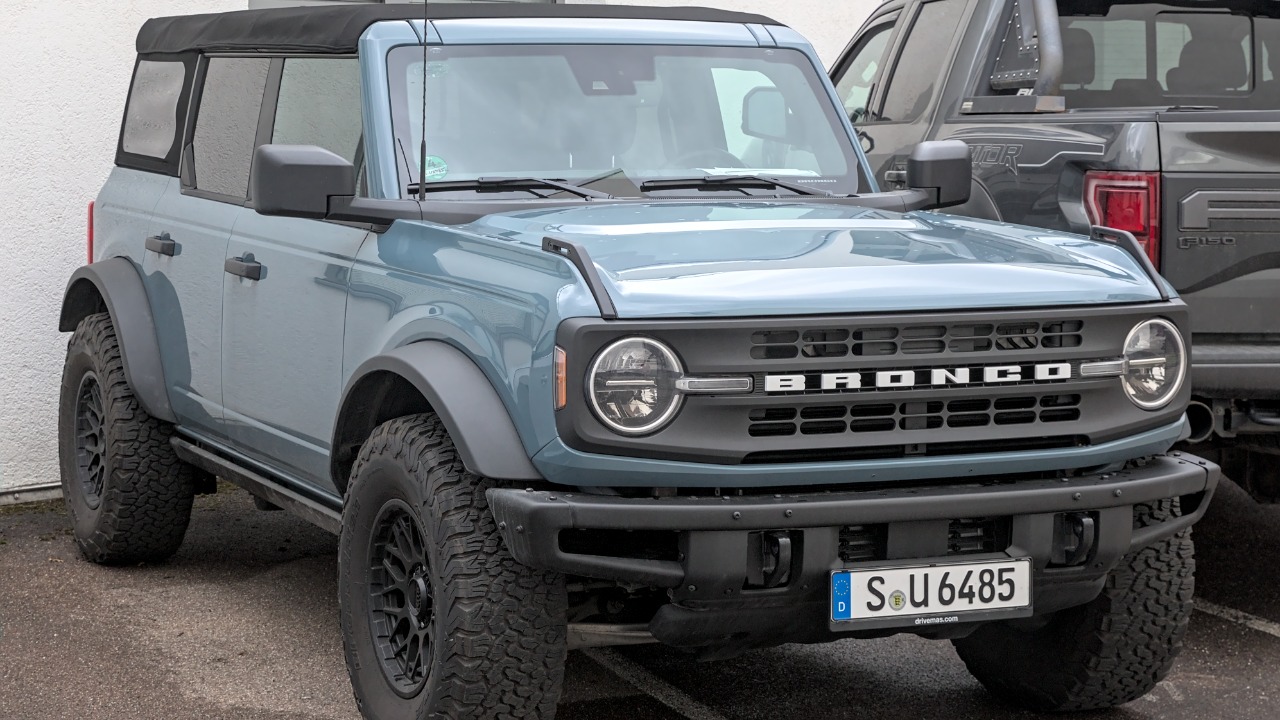
Ford’s Sasquatch package adds a raised air intake path for the Bronco, routed higher in the engine bay specifically to protect against water ingestion during off-road crossings, along with beadlock-capable wheels and heavy off-road tires. Ford built the current Bronco to compete directly with the Wrangler on capability, and the water-crossing hardware was part of the truck’s original engineering brief rather than an aftermarket add-on.
Owners who tow trailers into remote campsites or hunting grounds rely on that intake routing when a washed-out crossing is the only way in. Ford still recommends checking depth before committing to any crossing.
5. Toyota Hilux: Famous For Surviving Abuse
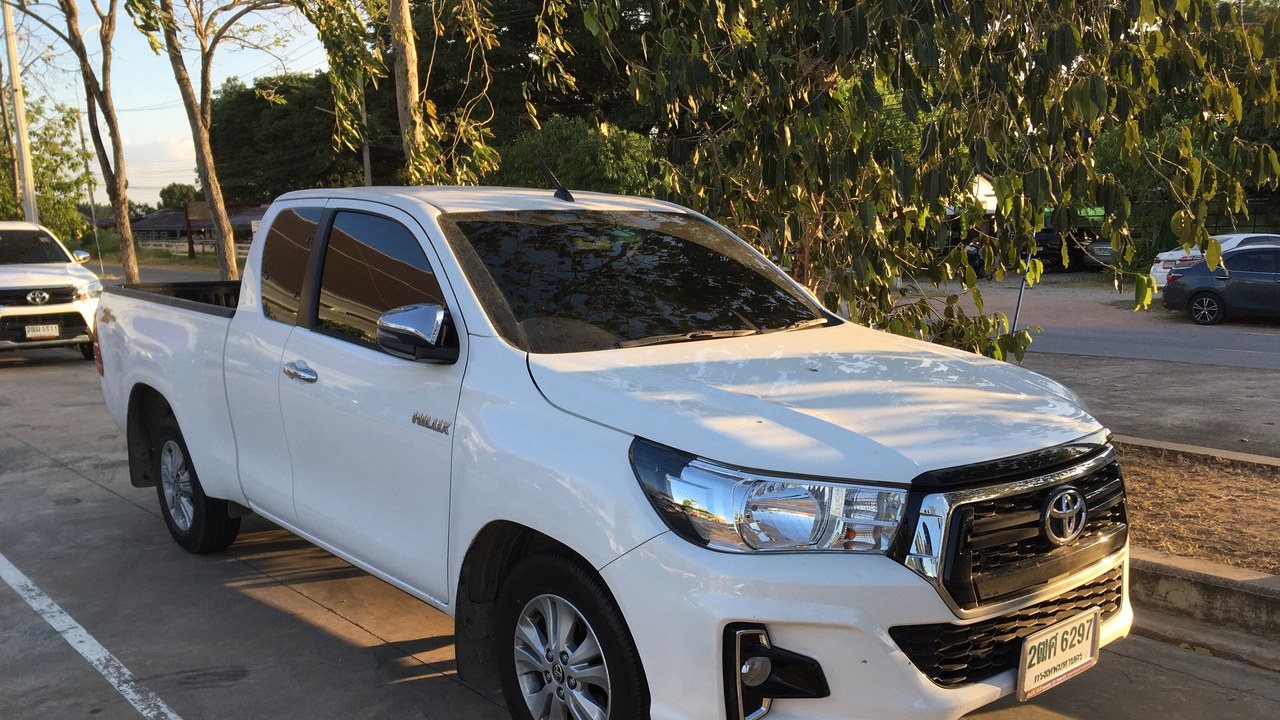
Television stress tests that submerged, crashed, and burned a Toyota Hilux without killing the engine cemented the truck’s reputation as a vehicle built to survive water crossings that would strand less rugged trucks. Toyota sells the Hilux across flood-prone regions of Africa, Asia, and South America, where fording capability functions as a basic requirement rather than a novelty.
Aid organizations and mining operations favor the Hilux for exactly that reason, running it in conditions where a breakdown could strand a crew for days. Its simple mechanical design makes field repairs easier than on more electronics-heavy rivals.
6. Range Rover Sport: A Sensor That Warns

Sensors mounted in the door mirrors let the Range Rover Sport’s wade-sensing system measure water depth in real time and display it on the dashboard before a driver commits to a crossing, warning if the level approaches the vehicle’s rated limit. Land Rover paired that sensor package with height-adjustable air suspension, letting the driver raise the body for extra clearance the moment the system flags rising water.
The feature turns a guessing game into a readable number, which matters at speed on a flooded rural road at night. It also feeds into the vehicle’s broader off-road terrain response modes.
7. Jeep Gladiator: Wrangler Fording In A Bed

Stretching the Wrangler’s chassis to add a pickup bed is how Jeep built the Gladiator, keeping the front-end hardware, axles, and crossing capability largely unchanged in the process, since both trucks share a version of the same body-on-frame platform with a high-mounted air intake and sealed electronics rated for similar water depths.
Cargo capacity is the only real difference, since the Gladiator can follow a Wrangler through a flooded trail without any special modification. Owners get the same water competence in a truck bed body style.
8. Suzuki Jimny: Small Size, Big Depth
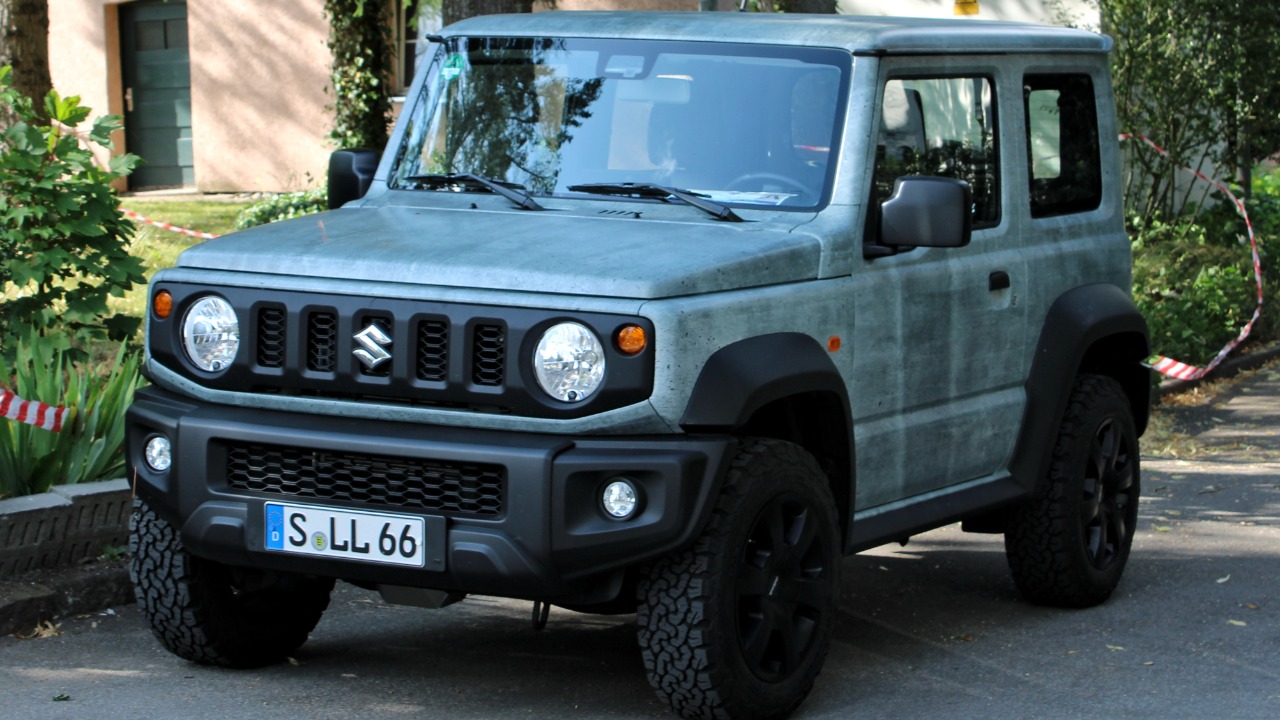
Riding high on a ladder-frame chassis with a low-range transfer case, the tiny Suzuki Jimny punches above its size off-road, its compact body keeping the intake and electronics clear of shallow fords that flood out most small SUVs. Suzuki keeps the Jimny mechanically simple by design, favoring solid axles and basic electronics over the sensor-laden systems that can fail when submerged.
Rural buyers on a tight budget prize that mechanical simplicity over electronics that could short out mid-crossing. The tiny footprint also makes rutted, narrow approach paths easier to navigate than a full-size truck allows.
9. Land Rover Discovery: Air Suspension Lifts It Up

At the press of a button, the Land Rover Discovery’s air suspension raises the body several inches, adding ground clearance specifically to increase the vehicle’s wading depth before a crossing. Land Rover pairs that lift with the same wade-sensing door-mirror sensors used on its Range Rover models, giving Discovery drivers a live depth reading rather than a guess based on the far bank.
Towing boats or horse trailers down flooded farm tracks is exactly when that combination matters most, rather than relying on an aftermarket lift kit. The system lowers automatically again once the truck is back on dry ground.
10. Volkswagen Amarok: A Midsize Truck’s Deep Rating
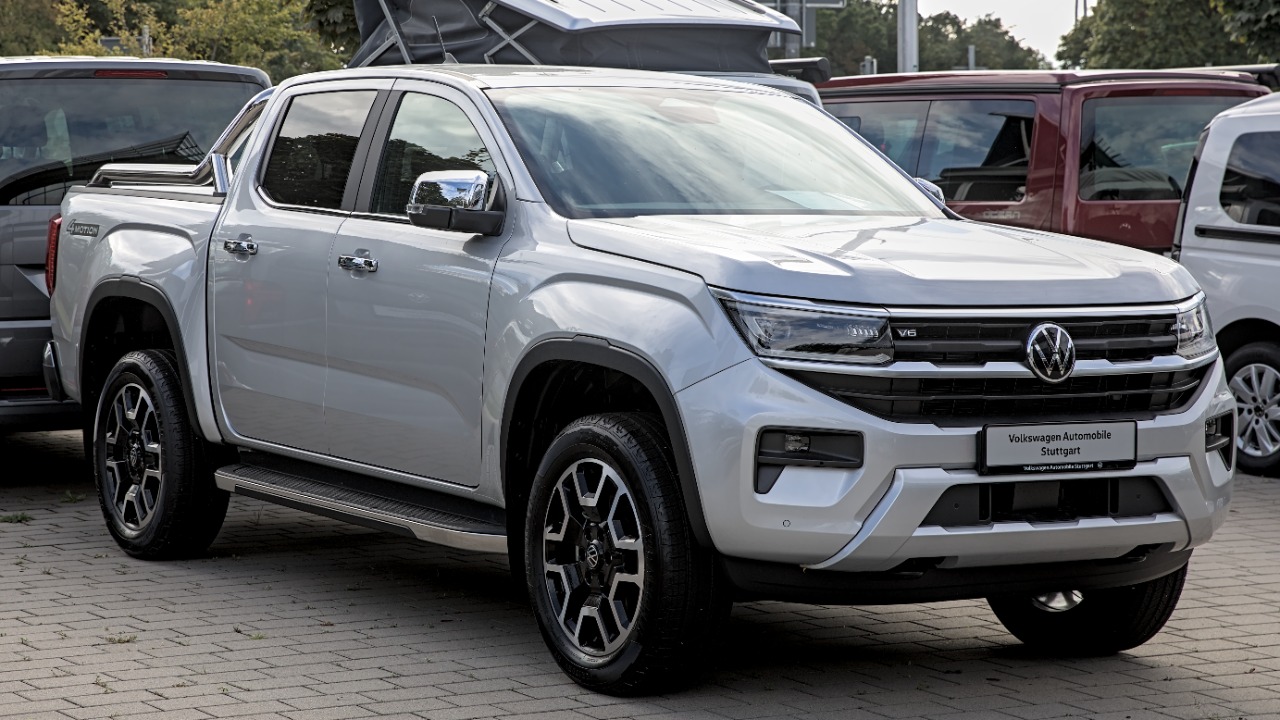
Shared engineering with the current Ford Ranger platform gives the Volkswagen Amarok’s fording rating a place among the deepest-wading midsize trucks sold, thanks in part to a raised intake positioned to keep the engine breathing clean air during a crossing. Volkswagen markets the Amarok heavily to farmers, tradespeople, and outback drivers in regions where fording depth is a genuine buying criterion rather than a spec-sheet curiosity.
Buyers cross-check the fording figure the way city drivers check trunk space, and the Amarok competes directly against the Hilux and other established workhorse trucks in flood-prone markets.
More from Morning Overview
- Stanford doctors flag five risks that make cannabis dangerous after 65
- Doctors warn a silent liver disease now affects one in three American adults
- An 80-foot stepped pyramid off Japan may predate every civilization we can name
- Early Tesla Model S owners are hitting battery and screen failures no one warned them about
