
The V12 engine survives only at the top of the market, where a handful of automakers still build it by choice rather than necessity. Ferrari, Lamborghini, Rolls-Royce, Aston Martin and Pagani each keep at least one twelve-cylinder model in production despite tightening emissions rules and the industry’s shift to hybrids and electrics. Here are ten cars that still leave the factory with a V12 under the hood.
1. Ferrari 12Cilindri: Naturally Aspirated Holdout
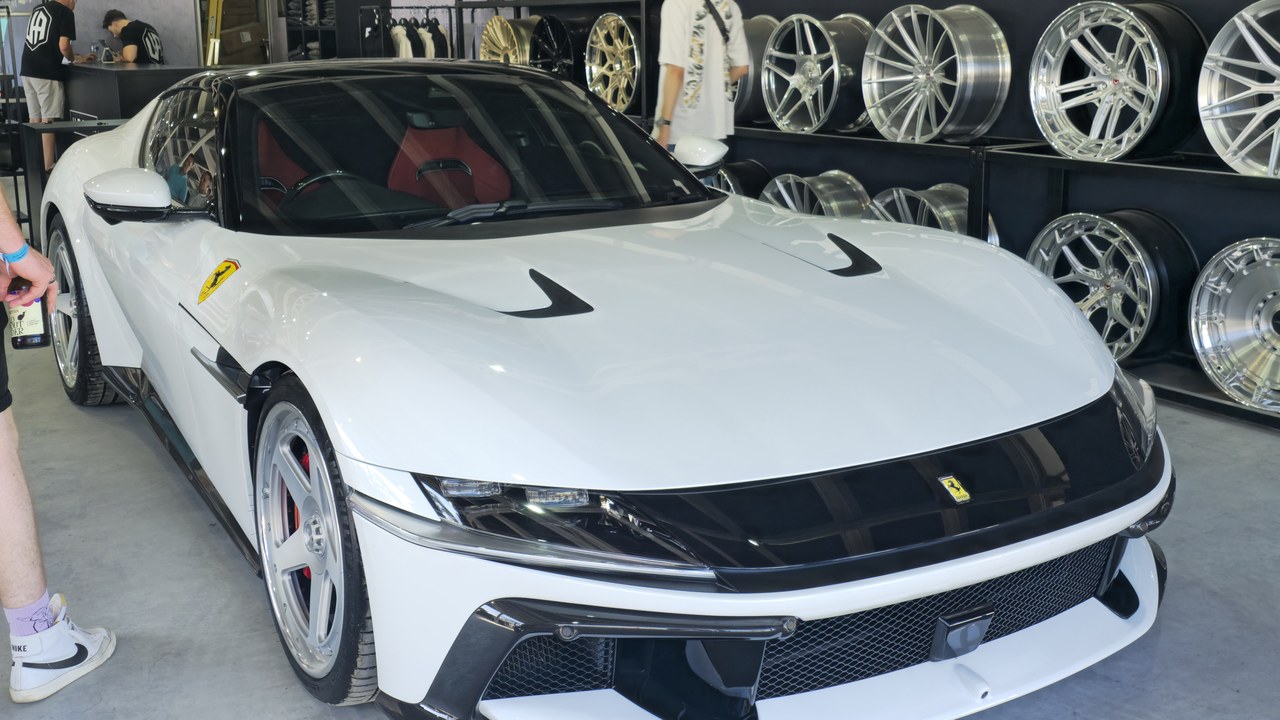
A naturally aspirated, front-mounted V12 sits under the hood of the 12Cilindri, a layout most rivals abandoned in favor of turbocharging or hybrid assistance. Ferrari frames the car as a front-engine V12 grand tourer built for continued production, with the engine revving past 9,000 rpm for 819 horsepower.
That combination puts the 12Cilindri among a shrinking group of cars still sold with an unassisted twelve-cylinder engine as regulators tighten emissions timelines worldwide. Buyers drawn to the model are often chasing the sound and response of a naturally aspirated V12 before the format disappears entirely.
2. Ferrari Purosangue: Ferrari’s First V12 SUV
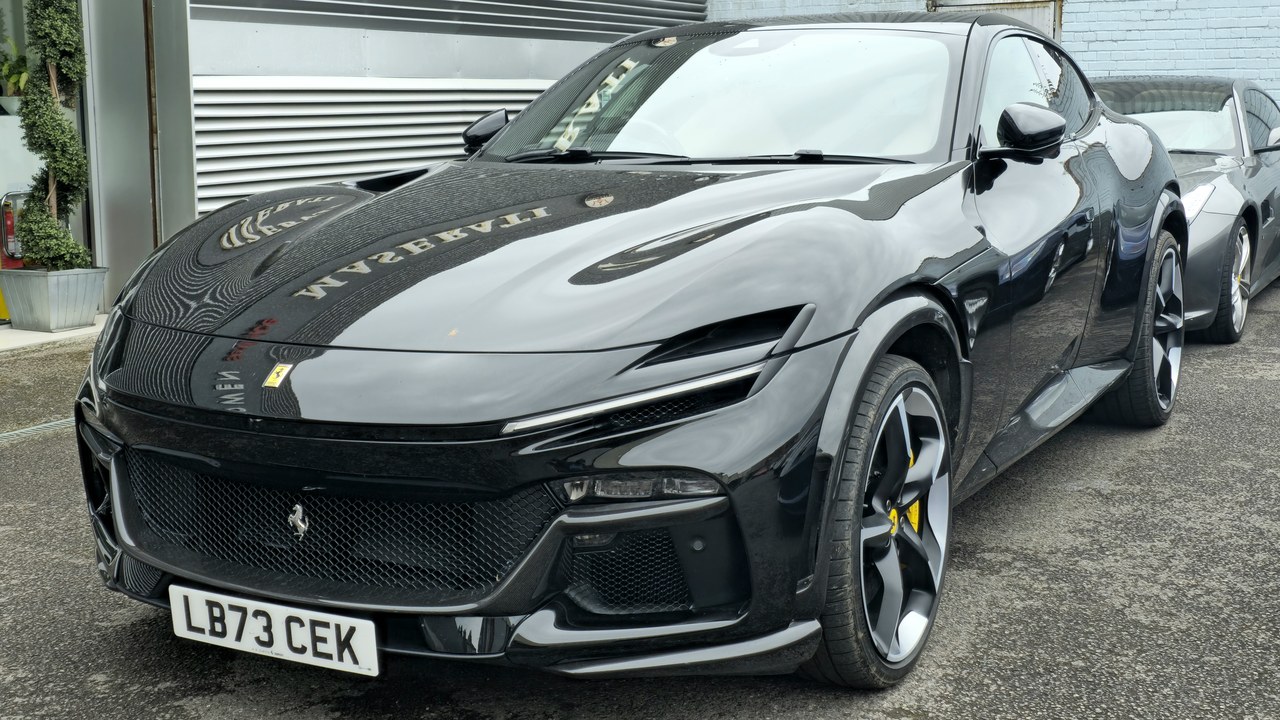
Ferrari’s first SUV, the Purosangue, runs a 6.5-liter naturally aspirated V12 instead of the smaller turbocharged engines used by most luxury SUV rivals. The automaker’s own specifications describe a 725-hp V12 SUV that redlines above 8,000 rpm.
That output makes the Purosangue one of the most powerful naturally aspirated engines ever fitted to a four-door, four-seat vehicle anywhere in the world. It exists specifically because Ferrari decided its first SUV needed the same engine family as its sports cars, not a downsized substitute.
3. Ferrari Daytona SP3: A Limited-Run Racing Tribute
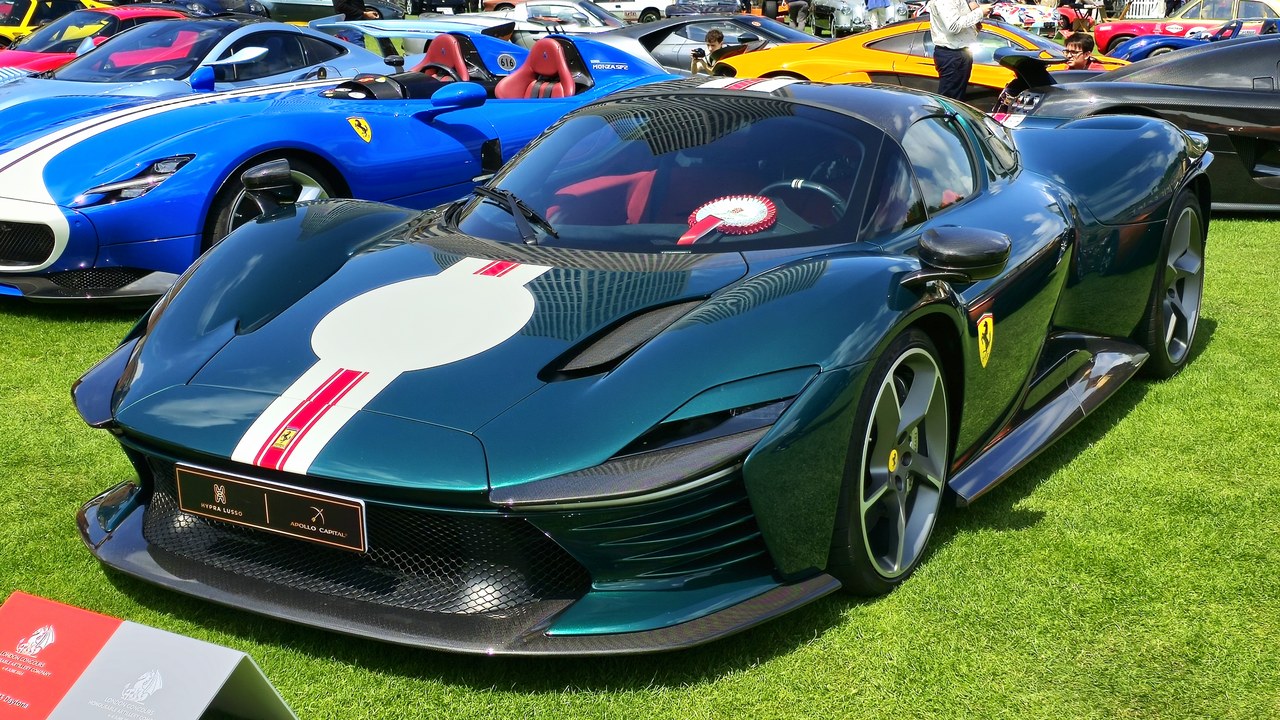
Styled after Ferrari’s 1967 Le Mans-winning prototypes, the Daytona SP3 is a limited-production hypercar built as part of the brand’s Icona series. It pairs a limited V12 hypercar body with an 829-horsepower, naturally aspirated 6.5-liter engine.
Only 599 examples were built, each sold to invited buyers rather than offered through Ferrari’s normal order process, keeping the car deliberately scarce. It represents Ferrari’s argument that a naturally aspirated V12 without turbos or major electrification still belongs at the top of its lineup, even as most performance rivals move toward forced induction and hybrid assistance.
4. Lamborghini Revuelto: Hybrid V12 Horsepower Record
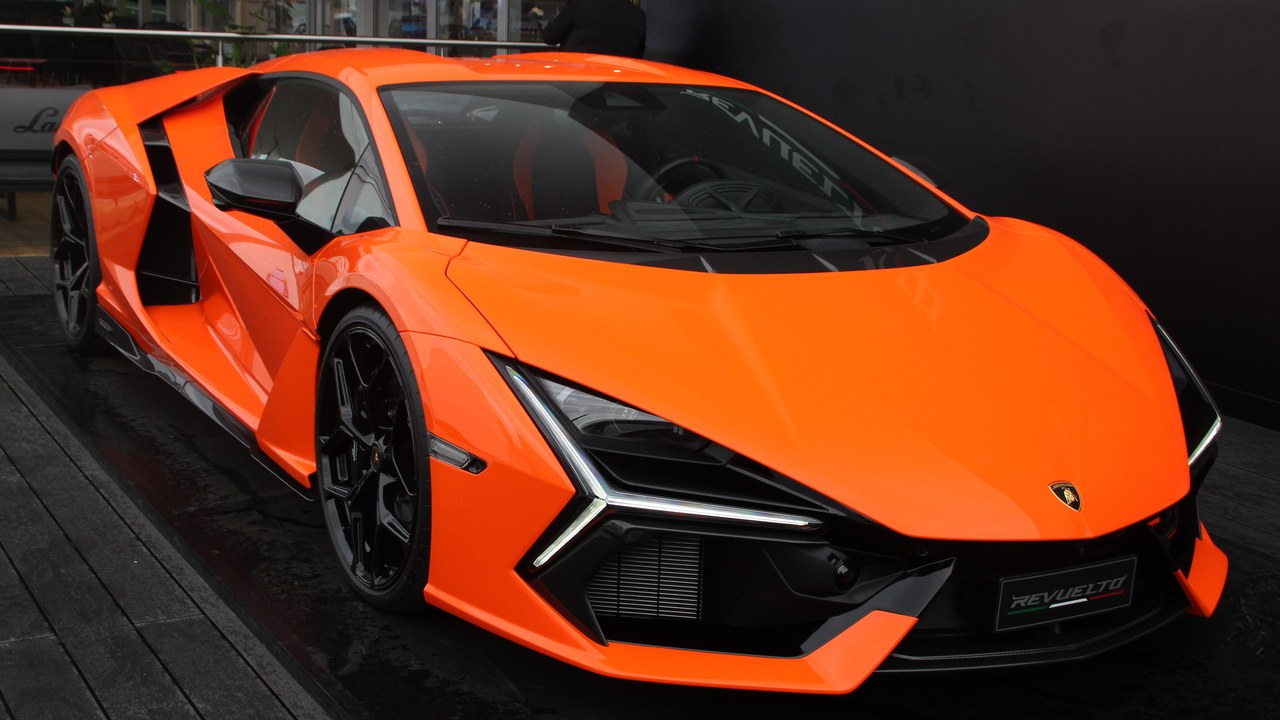
Three electric motors work alongside a naturally aspirated V12 in the Revuelto, combining for 1,001 horsepower in Lamborghini’s first series-production hybrid flagship. Lamborghini describes it as a hybridized V12 making 1,001 combined horsepower, replacing the naturally aspirated Aventador.
The electrification adds weight and complexity but lets the V12 rev freely without the turbo lag or downsizing seen elsewhere in the segment. Lamborghini has said the V12 will keep its place at the top of the range even as hybrid assistance becomes standard across the lineup.
5. Lamborghini Fenomeno: Instantly Sold-Out Special
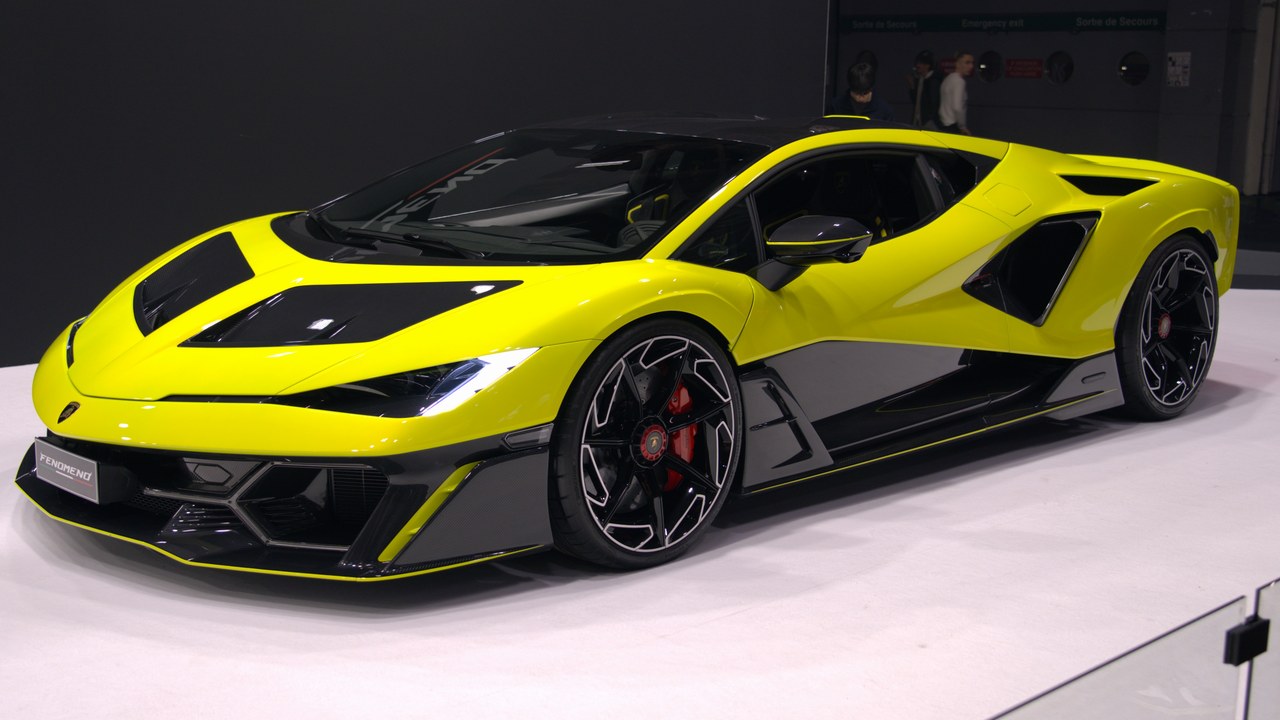
Every allocation of the Fenomeno reportedly sold before Lamborghini’s public unveiling, making it one of the fastest sellouts in the brand’s history. Lamborghini calls it a rare V12 special built on the hybrid Revuelto’s platform and mechanicals.
Every allocation reportedly went to existing Lamborghini collectors ahead of the reveal, a pattern the brand now uses for its most expensive V12 halo cars. The demand shows the hybridized V12 format still commands a premium even as combustion-only engines fade elsewhere in the industry.
6. Rolls-Royce Phantom: The Brand’s Most Formal Flagship
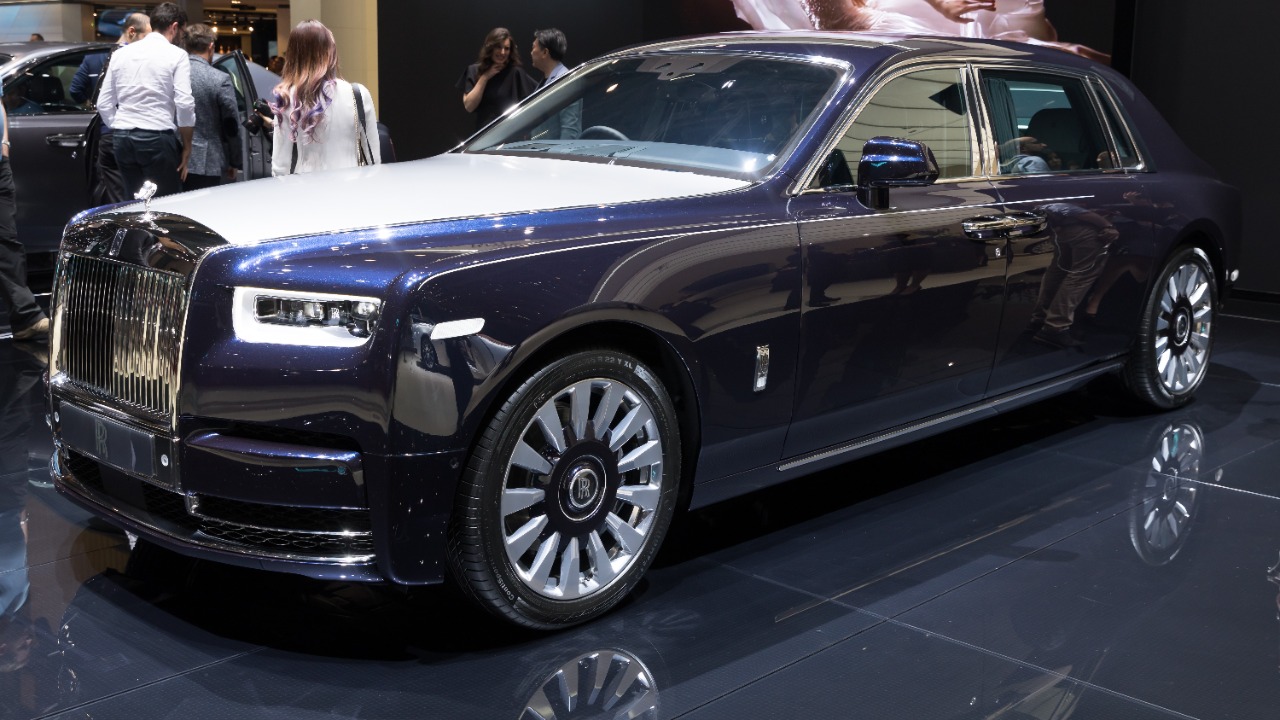
Rolls-Royce still builds its flagship Phantom around a 6.75-liter twin-turbocharged V12 tuned for smoothness rather than headline power figures. The brand positions the current generation as a twin-turbo V12 flagship and its most formal model.
The engine is deliberately under-stressed, running well below its output ceiling so the car delivers power without noticeable strain or noise. That restraint is part of why Rolls-Royce has kept the same V12 architecture across the Phantom for decades rather than downsizing it the way many rivals have downsized their own flagship engines.
7. Rolls-Royce Ghost: Engineered for Near Silence
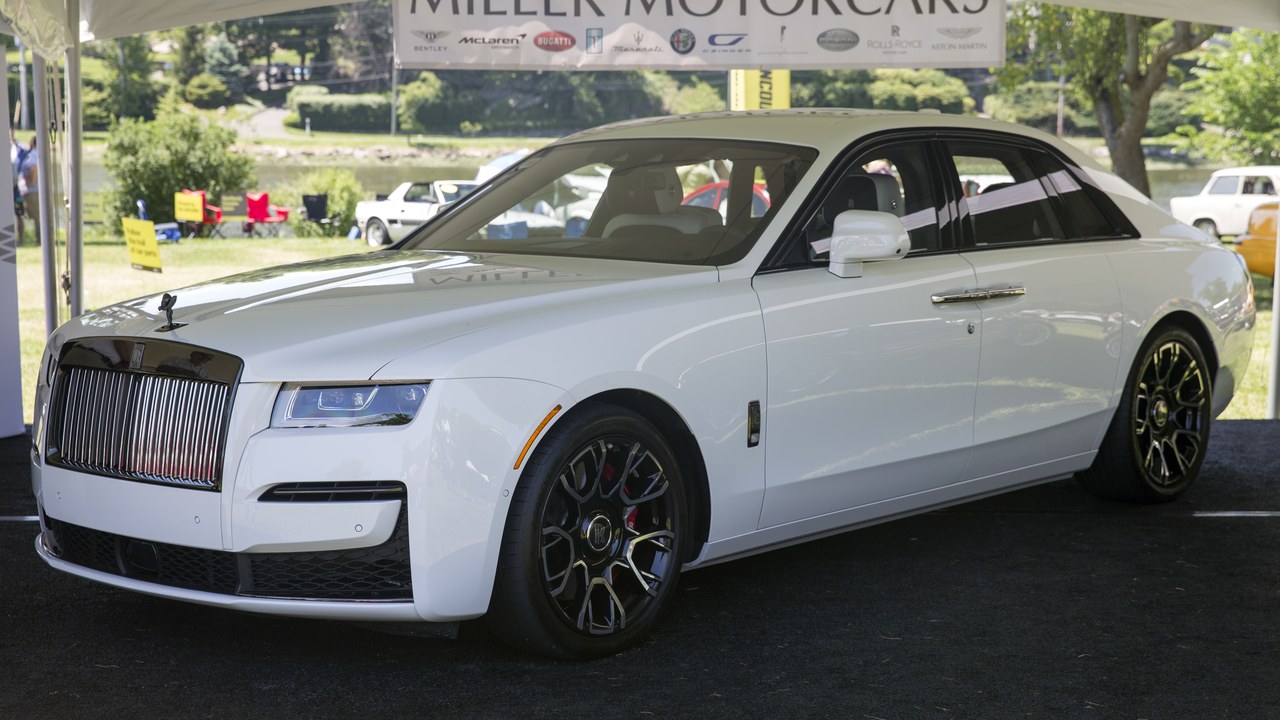
Cabin silence, not headline horsepower, was the design brief behind the Ghost’s V12, tuned to deliver what Rolls-Royce calls a ‘magic carpet ride.’ The brand markets it as a near-silent V12 sedan engineered to isolate occupants from engine and road noise.
Engineers reportedly measured and tuned dozens of components to cancel unwanted vibration before settling on the final calibration. The V12 stays in the Ghost because Rolls-Royce considers a smaller engine incapable of producing the same effortless, silent power delivery.
8. Rolls-Royce Cullinan: The Only V12 SUV
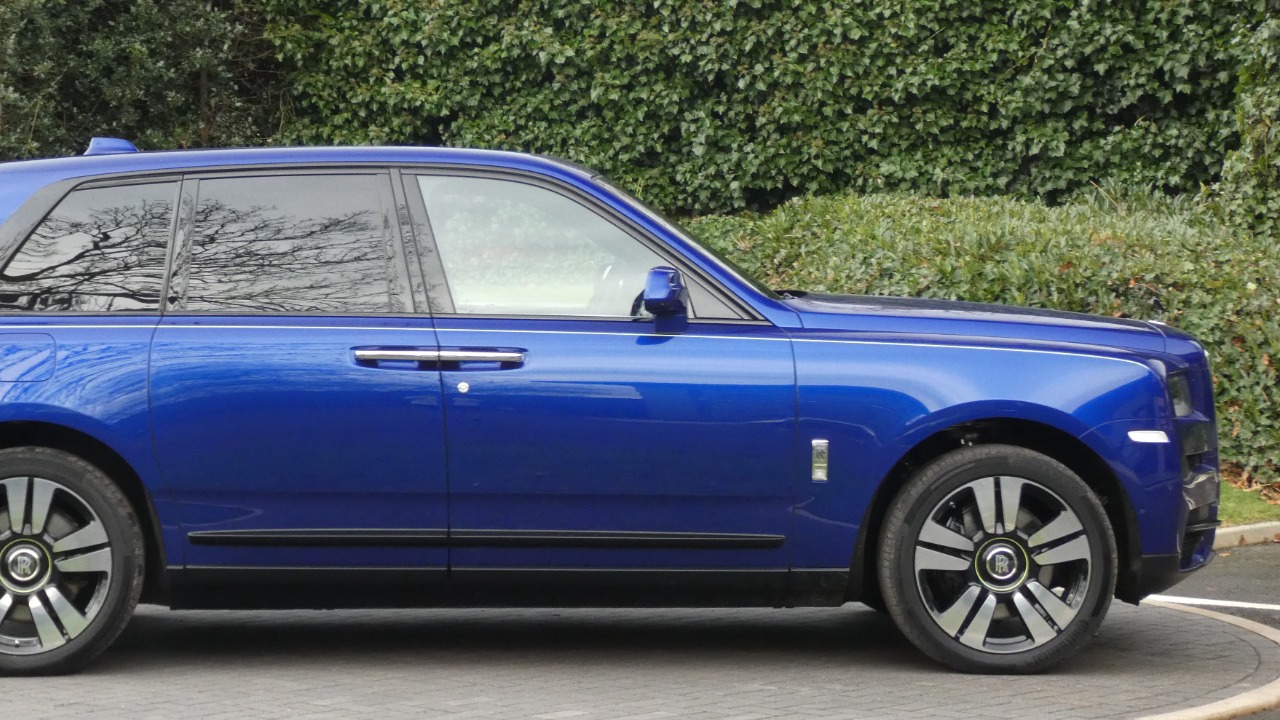
The same 6.75-liter twin-turbo V12 used across Rolls-Royce’s sedan lineup still powers every Cullinan, rather than a smaller alternative engine. Rolls-Royce advertises it as the only V12 ultra-luxury SUV currently sold anywhere.
Rivals in the ultra-luxury SUV space, including Bentley’s Bentayga, have moved to V8 or hybrid powertrains, leaving the Cullinan as the segment’s last holdout. Rolls-Royce has given no public timeline for retiring the V12 from the model despite tightening emissions rules worldwide, including new limits taking effect across Europe.
9. Aston Martin Vanquish: A Twin-Turbo Super GT
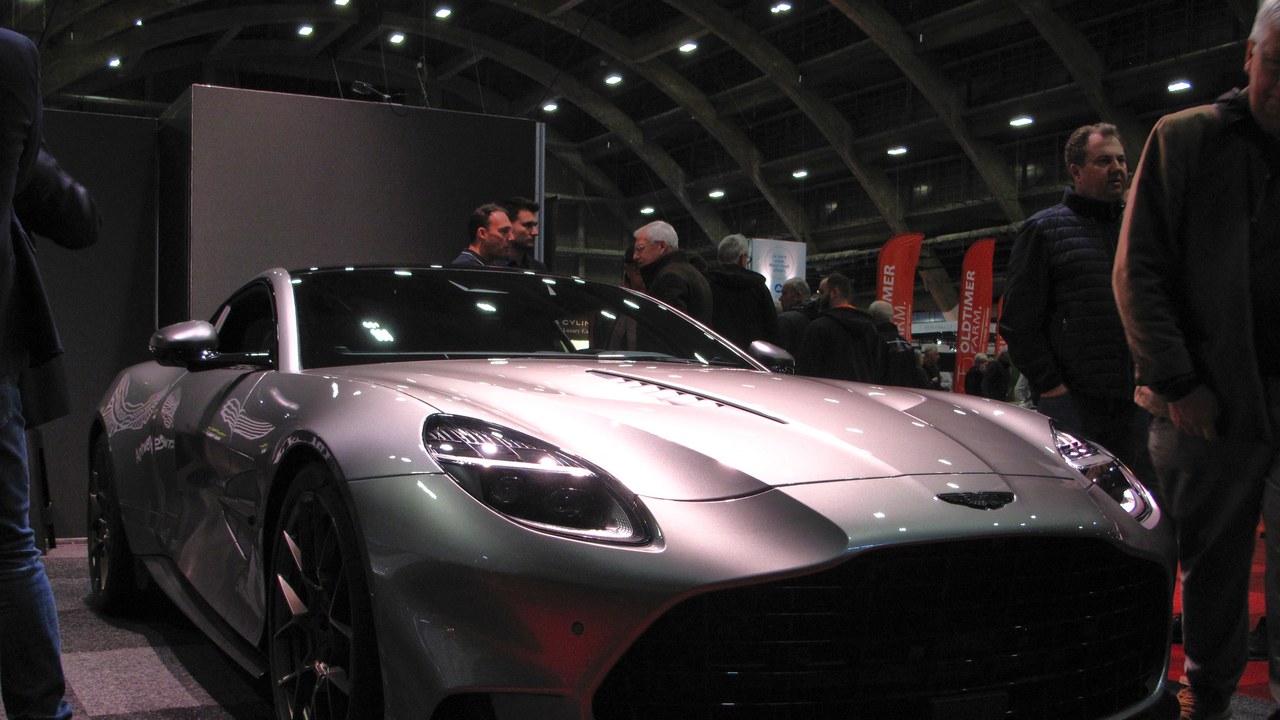
Built in-house rather than sourced from a partner brand, the Vanquish’s 5.2-liter twin-turbo V12 revives Aston Martin’s flagship nameplate atop the current lineup. The brand markets it as a twin-turbo V12 super-GT positioned above its V8 models.
The engine produces more than 800 horsepower, making this Vanquish the most powerful series-production Aston Martin built to date. Aston Martin has said the V12 remains central to its flagship identity even as the rest of its lineup shifts toward V8 and hybrid power.
10. Pagani Utopia: A Manual V12 Option
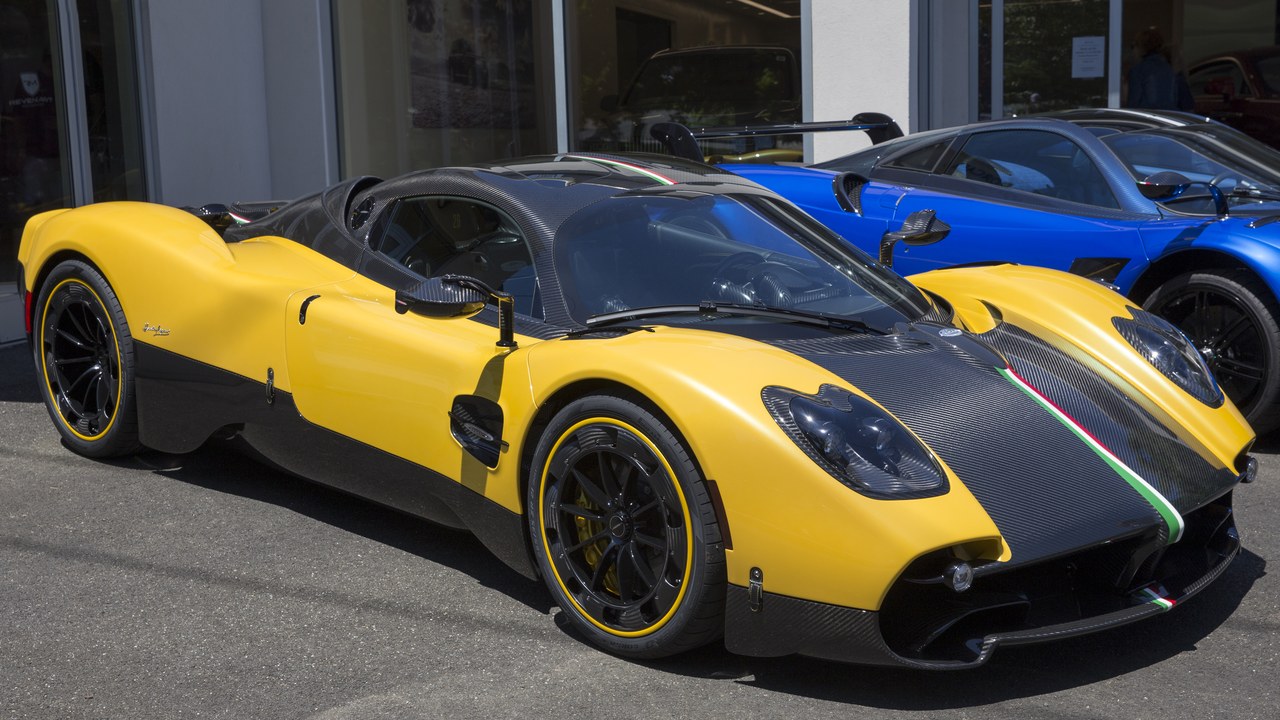
AMG built the twin-turbo V12 that powers the Utopia, developing it specifically for Pagani rather than adapting an existing Mercedes production engine. Pagani offers an AMG-built V12 with a seven-speed manual gearbox as an alternative to the automated transmission.
That manual option is now rare among cars with this much power, since most rivals abandoned clutch pedals for faster automated shifters years ago. Pagani built the Utopia specifically for owners who wanted a raw, unfiltered connection to the engine rather than maximum lap-time performance.
More from Morning Overview
- Security experts still urge phone owners to switch off one location-tracking setting
- Automakers are quietly dropping the stop-start feature many drivers love to hate
- A granite sarcophagus surfaced in Egypt with its original lid still sealed
- The FBI tells phone owners to delete these toll-payment texts draining accounts nationwide
