
Some of the names on today’s showroom floors are older than the people now driving them. A nameplate that never lapsed shows a design buyers kept choosing through changing tastes and fuel prices. Here are ten SUV names that have stayed on sale for thirty years or more.
1. Chevrolet Suburban: The Ninety-Year Record
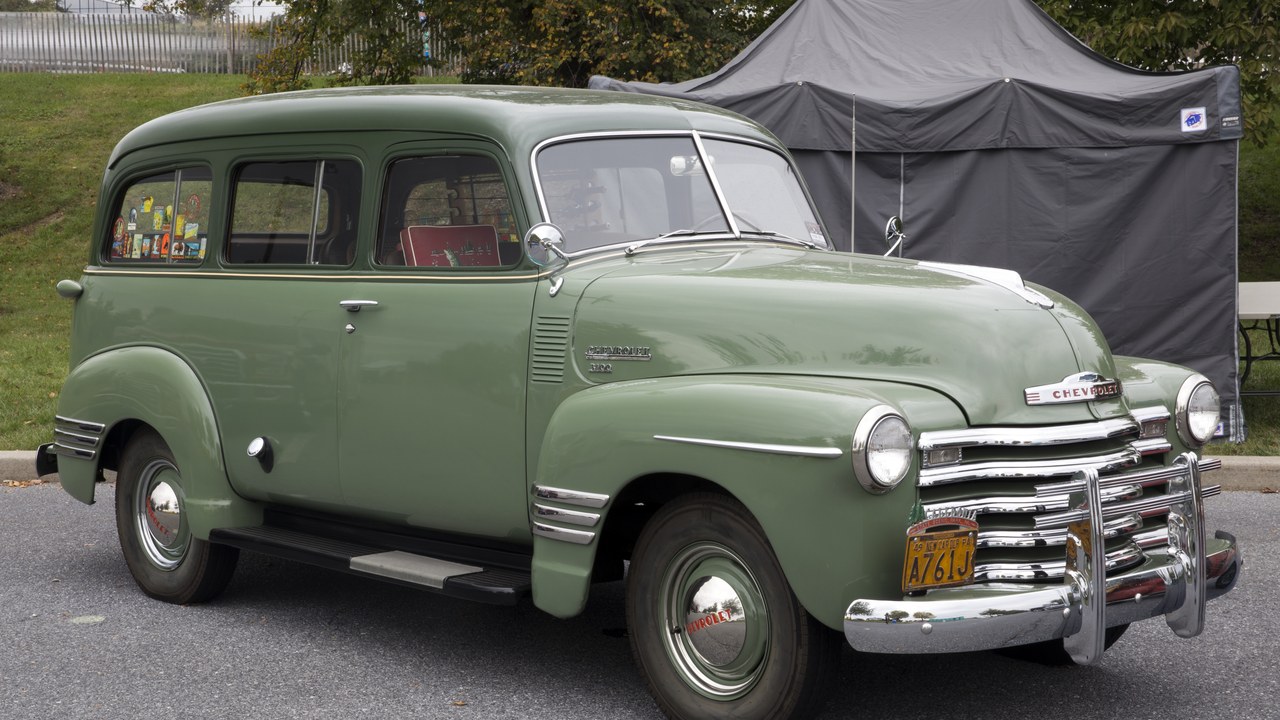
Chevrolet introduced the Suburban in 1935, and it remains in production, giving it a run of about ninety years. One automotive roundup treats that as the production record for any vehicle, SUV or otherwise.
No other model in a current showroom reaches back that far. The name has outlasted the Depression, wartime rationing and several fuel crises, which makes it the longest-running entry on any list of enduring nameplates. A buyer today still finds the badge on a large, truck-based wagon, a reminder that the basic idea of a roomy family hauler has changed less than the sheet metal around it.
2. Toyota Land Cruiser: From Jeep Clone to Icon
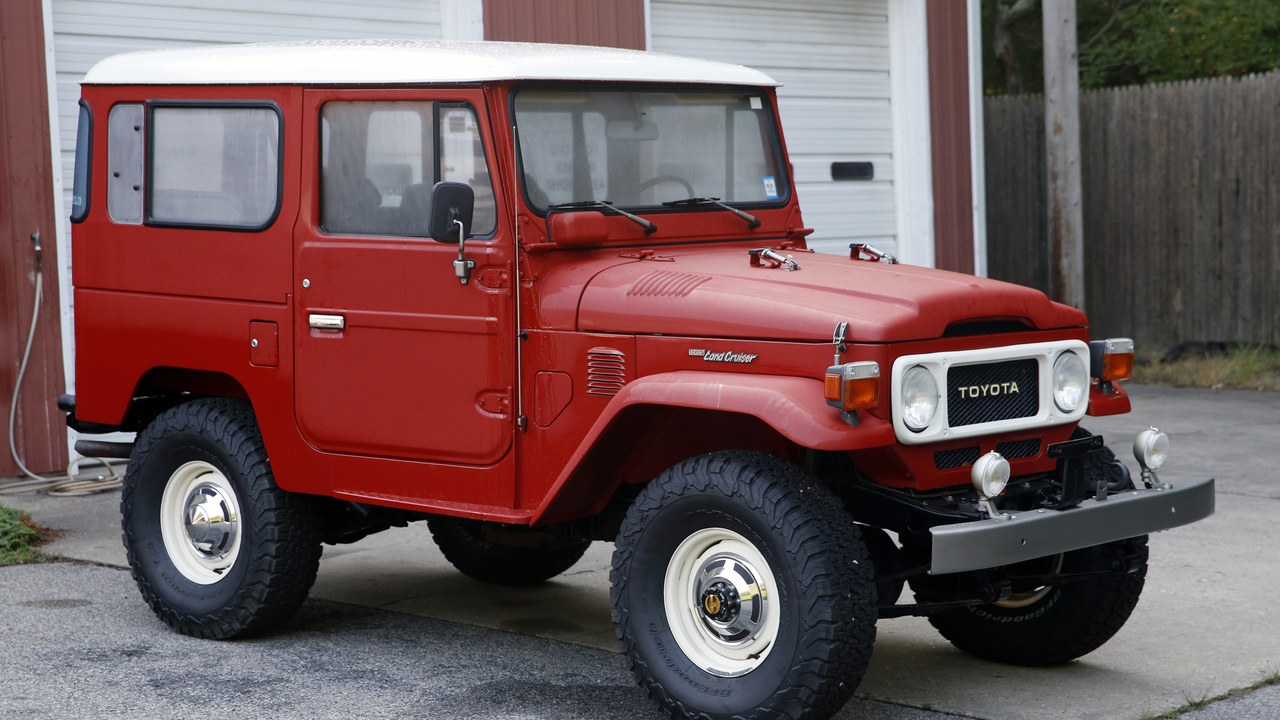
The line traces to the 1951 Toyota Jeep BJ, which received the Land Cruiser name in 1954. Toyota UK history of the heavy and light duty models shows the name carrying on to the present, with the model still in production.
Few nameplates have stayed attached to such a utilitarian mission for so long. For buyers weighing a used example, the long lineage means a deep supply of parts and generations to compare. The shared name also lets owners and collectors trace a single family tree from the early post-war jeep-style utility vehicle to the latest generation on sale today.
3. Range Rover: Britain’s Luxury Pioneer
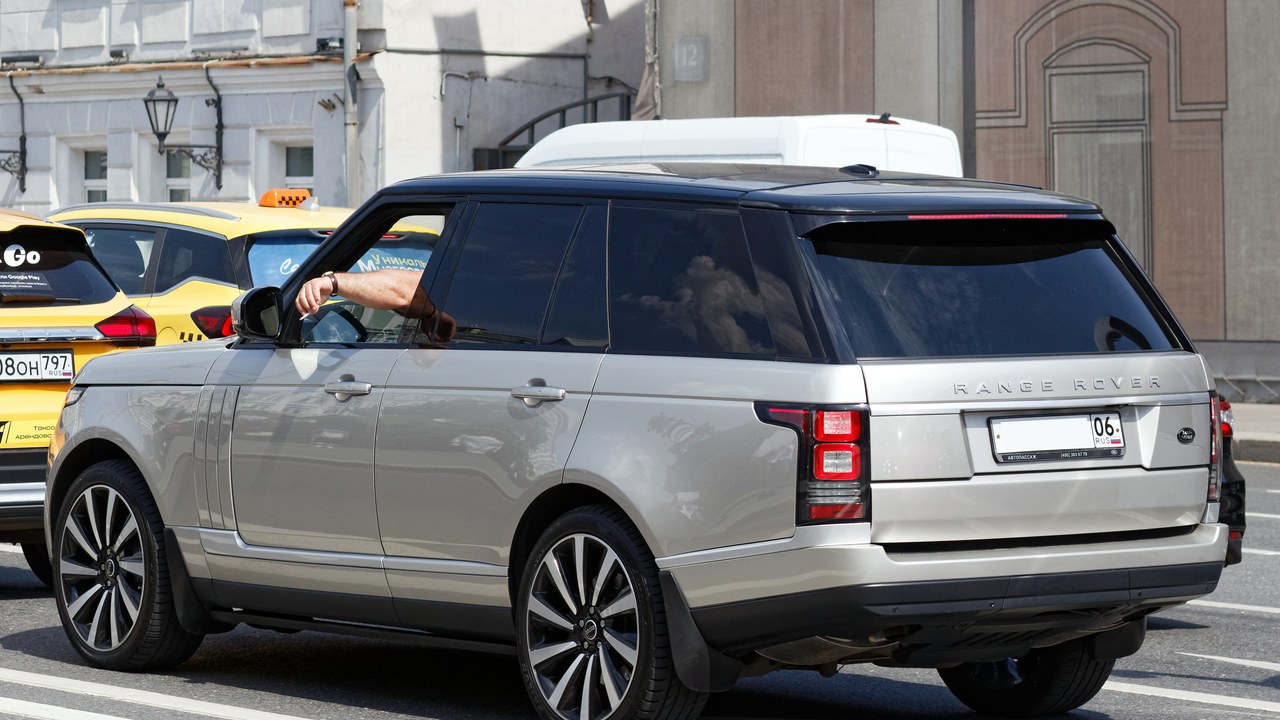
Launched in 1970 by British Leyland, with production listed from 1969, the Range Rover is now in its fifth generation, the L460, current since 2022. Its Wikipedia entry also records that official sales in the United States began on 16 March 1987.
That makes the name among the oldest luxury utility badges still sold. Each generation moved further upmarket from the original, yet the single word has stayed continuous for over five decades. For shoppers, the long history explains why the name carries weight in the secondhand market, where older examples are still compared directly with the newest model.
4. Toyota 4Runner: A Truck Body Turned Wagon
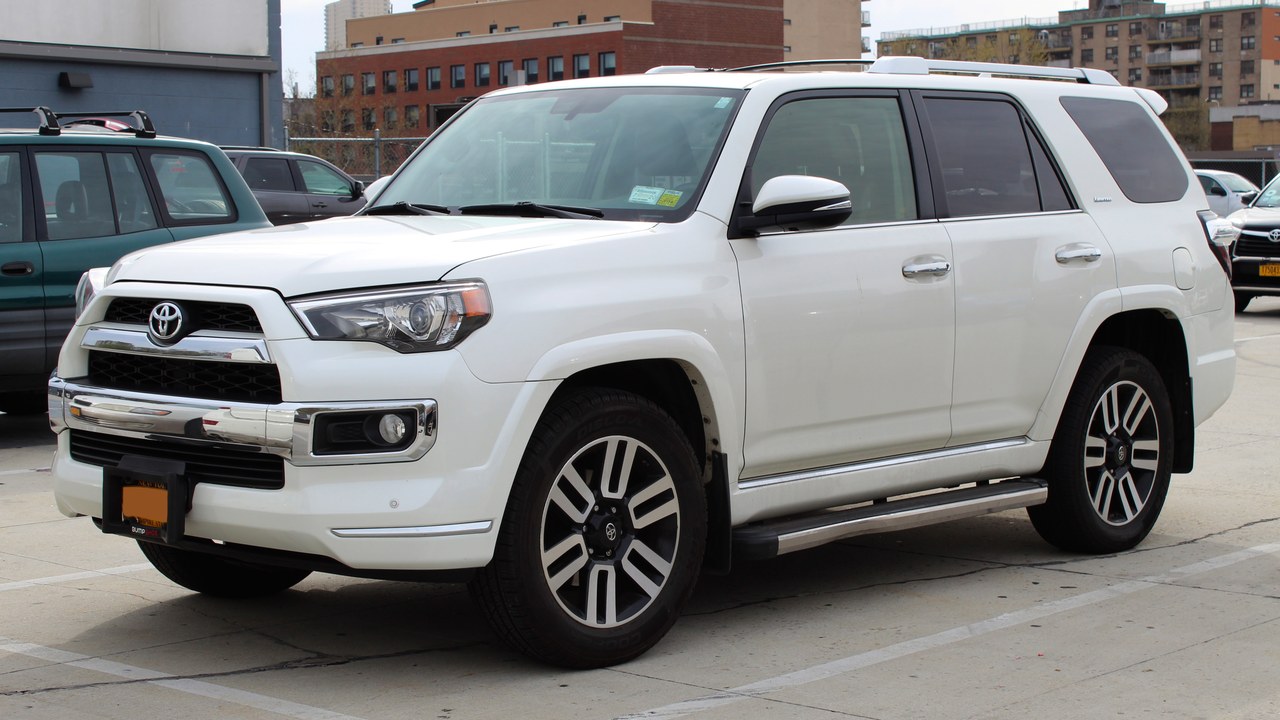
The 4Runner reached North America with the 1984 1/2 model year. Wikipedia coverage of the 4Runner notes that the sixth generation was revealed on April 9, 2024, and that production is ongoing.
Its body-on-frame approach has kept it a favourite with off-road drivers, and the name has never left the Toyota range. Anyone shopping for one can pick from four decades of generations. That span also means the name has covered several very different eras of design, from a compact truck-based wagon to a larger, more modern body in the latest redesign.
5. Nissan Pathfinder: Mid-Eighties Arrival
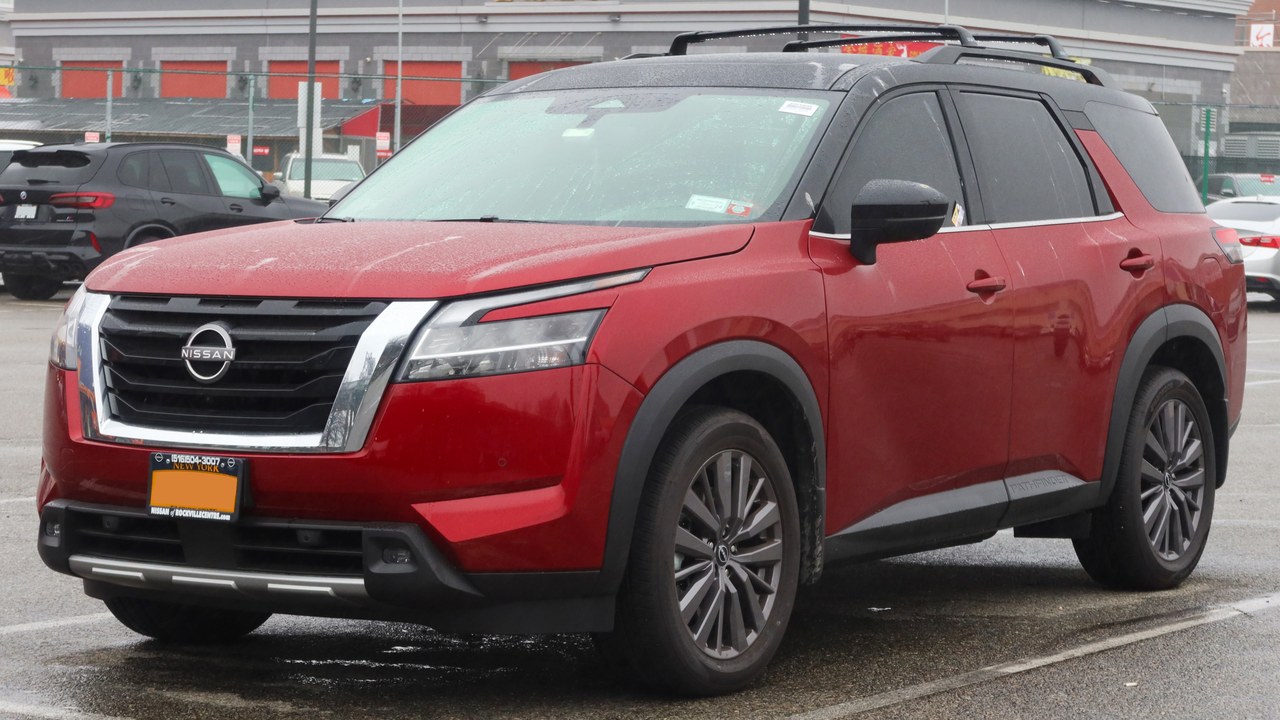
Nissan unveiled the Pathfinder in May 1985 and has built it ever since. The Pathfinder article reports that the fifth generation received a facelift for the 2026 model year.
The nameplate began as a rugged two-door and now sits as a family three-row model, but the badge itself has never lapsed. That continuity is the reason it belongs among the long-lived entries. Such unbroken use is rare for a name that has been through so many rounds of redesign, and it explains the loyalty the badge still draws among repeat owners today.
6. Ford Explorer: The Early Nineties Template
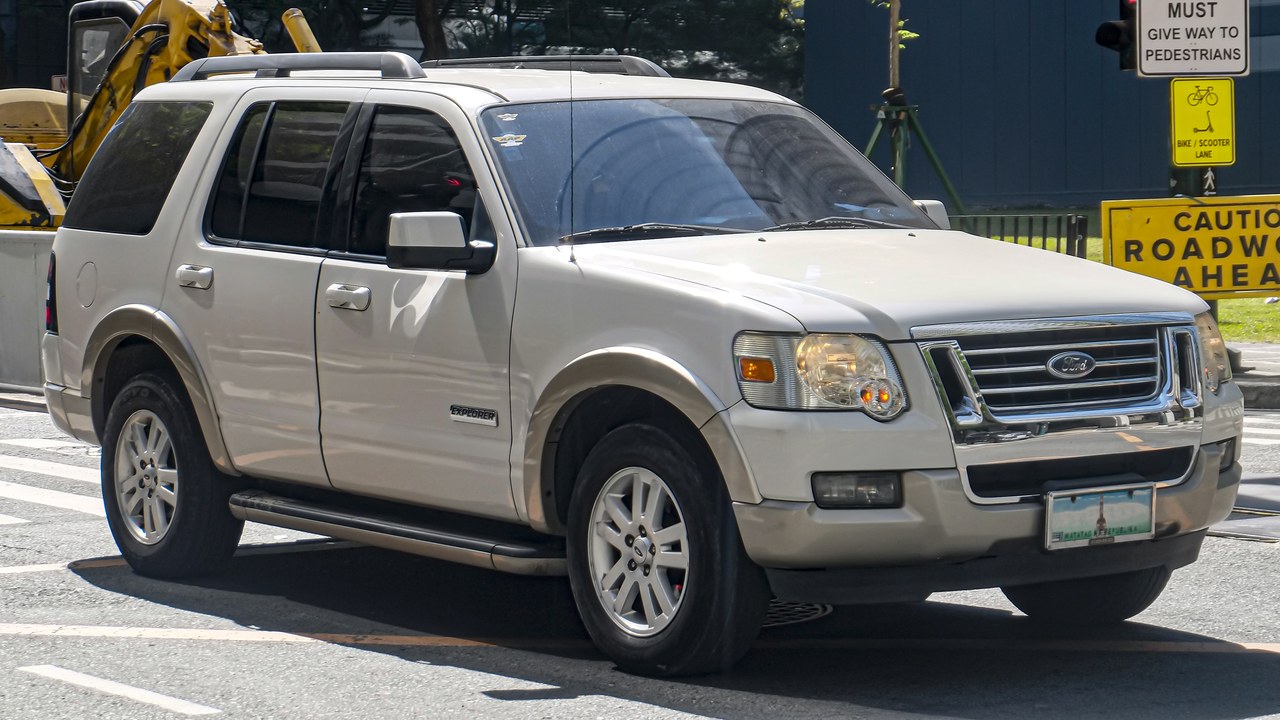
Ford announced the Explorer in March 1990 as an early 1991 model. Its listing on Wikipedia says the sixth generation, which dates from 2020, was offered in six trims for 2026.
The name has run for well over three decades without a gap. Few model names in the segment have kept a single label through so many redesigns and changing buyer tastes. Anyone comparing used examples can follow the name through six generations, each reflecting what mainstream family buyers expected from a three-row utility vehicle in its own period.
7. Jeep Grand Cherokee: The Showroom Window Entrance
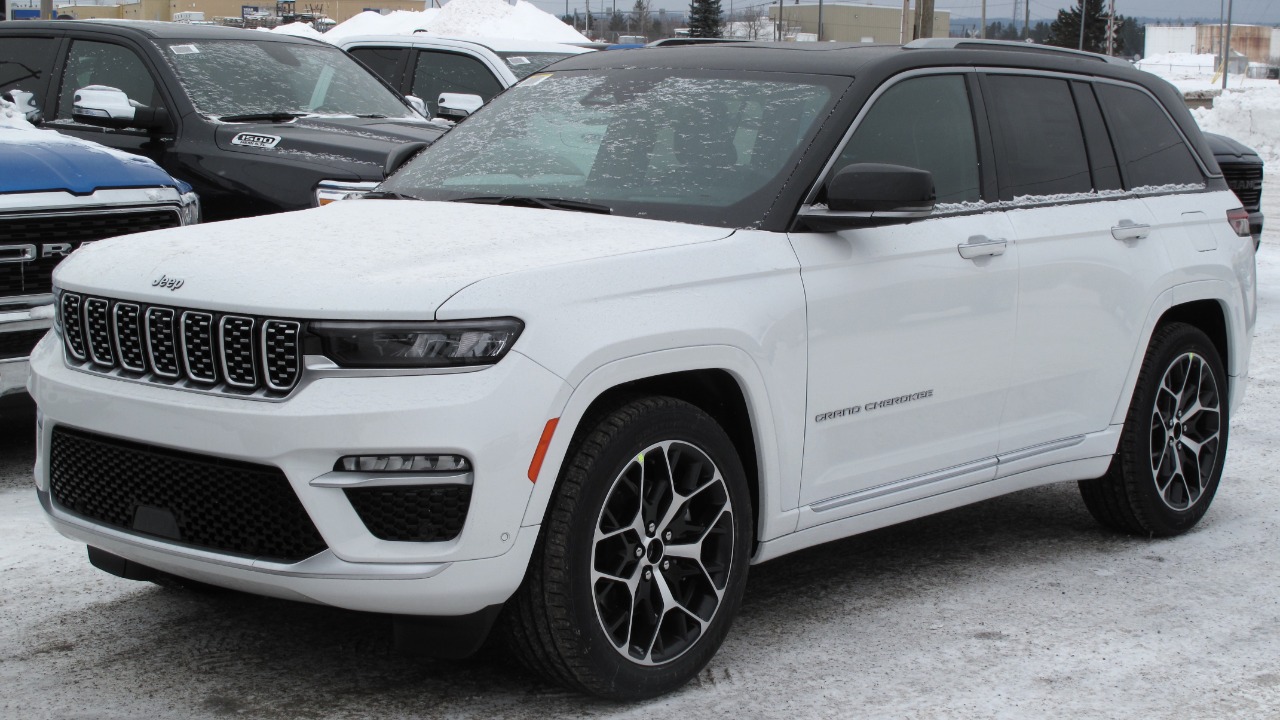
Jeep staged the Grand Cherokee debut by driving one through the glass at Cobo Hall in Detroit on January 7, 1992. A Stellantis press document records that moment, and the 2027 model is now open for orders.
Few launches are remembered so vividly, and the stunt helped fix the name in buyers’ memory. More than thirty years on, the badge is still taking fresh orders. The theatrical introduction was a bold marketing move for its day, and the continuing order book shows the name still has pull with buyers across several decades of changes.
8. Toyota RAV4: A Geneva Debut
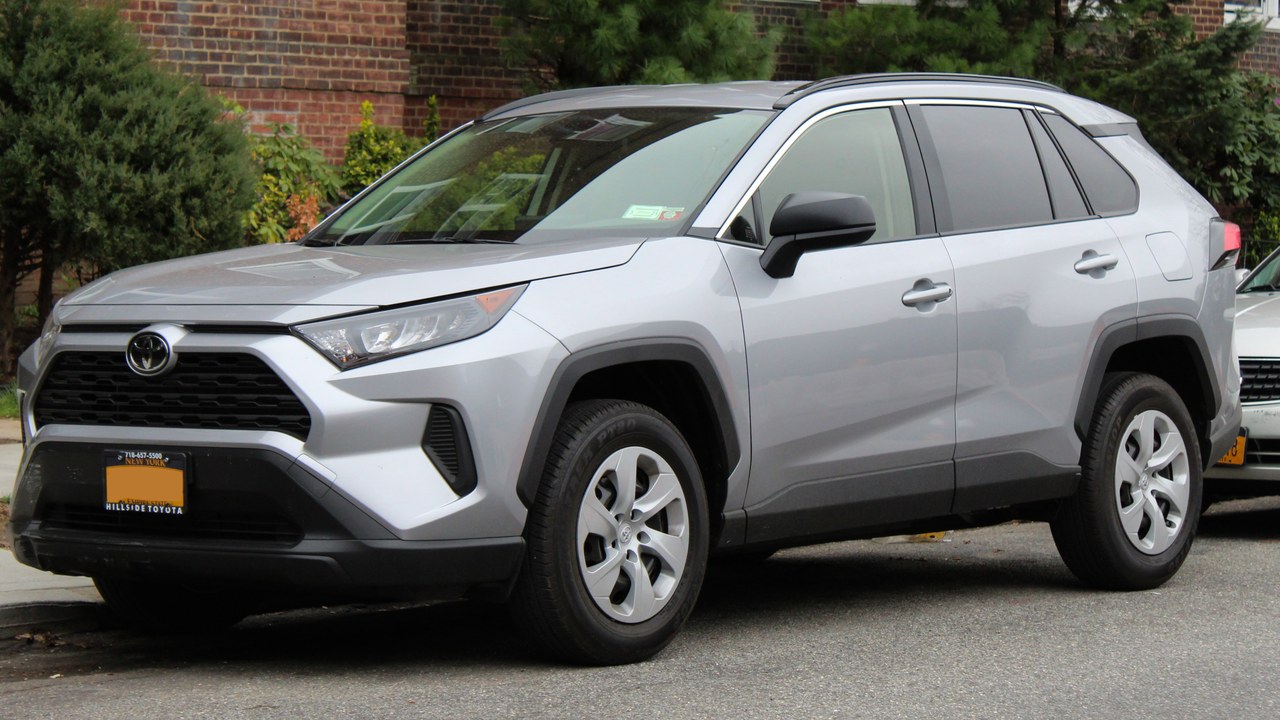
Toyota showed the RAV4 at the Geneva Motor Show in March 1994. Toyota Europe notes that the fifth generation, from 2018, is current and that global sales passed 14 million by 2023.
The model helped popularise the compact crossover, and the nameplate has run without interruption since that Swiss debut. The sales total shows how far a small utility vehicle can travel. For prospective owners, the figure suggests a deep used market and a well-proven design, since a model that sells in such numbers tends to be easy to service and to resell.
9. Honda CR-V: Japan First, America Later
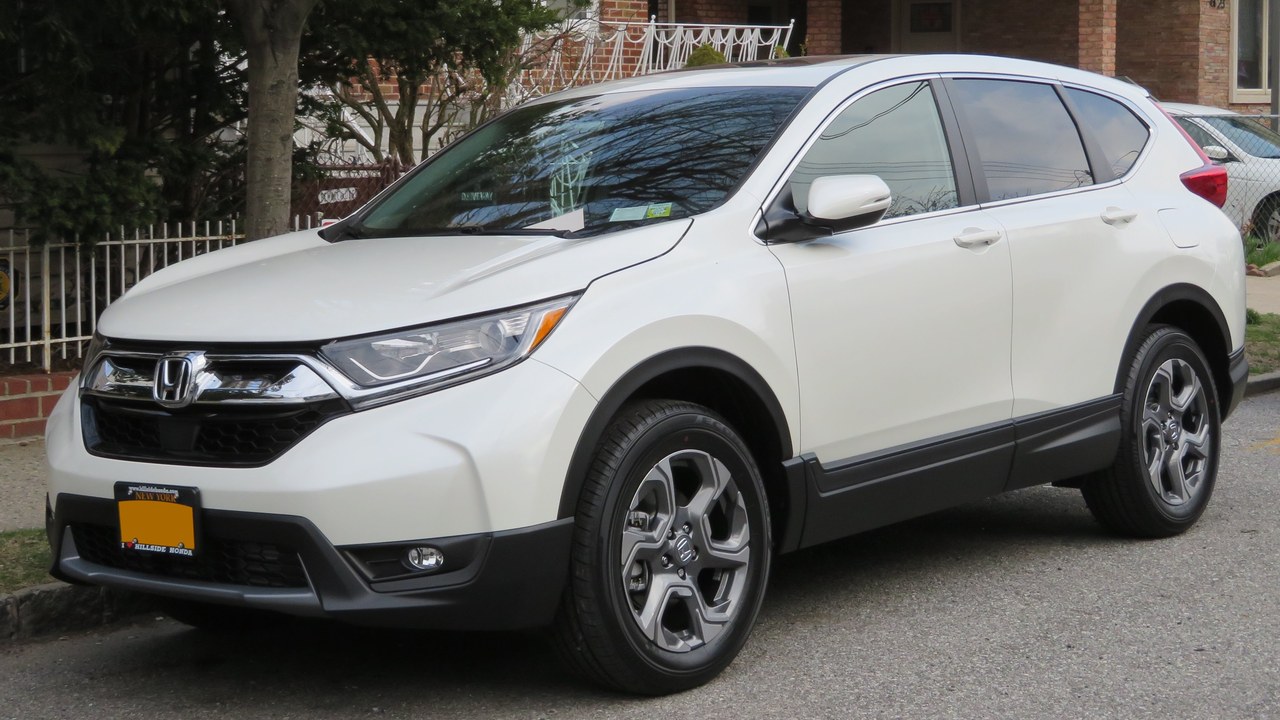
Honda launched the CR-V in Japan in 1995, with United States sales following in 1997. A Honda newsroom release says the sixth-generation lineup is current and that global sales passed 15 million in August 2025.
The unbroken run and the sales figure place it among the best-selling utility names anywhere. Its arrival in America trailed the Japanese launch by about two years, but the name has been continuous since. Buyers in either market can therefore point to a record spanning three decades, which is the kind of track record that tends to reassure cautious families shopping for a compact SUV.
10. Chevrolet Tahoe: Full-Size Since 1995
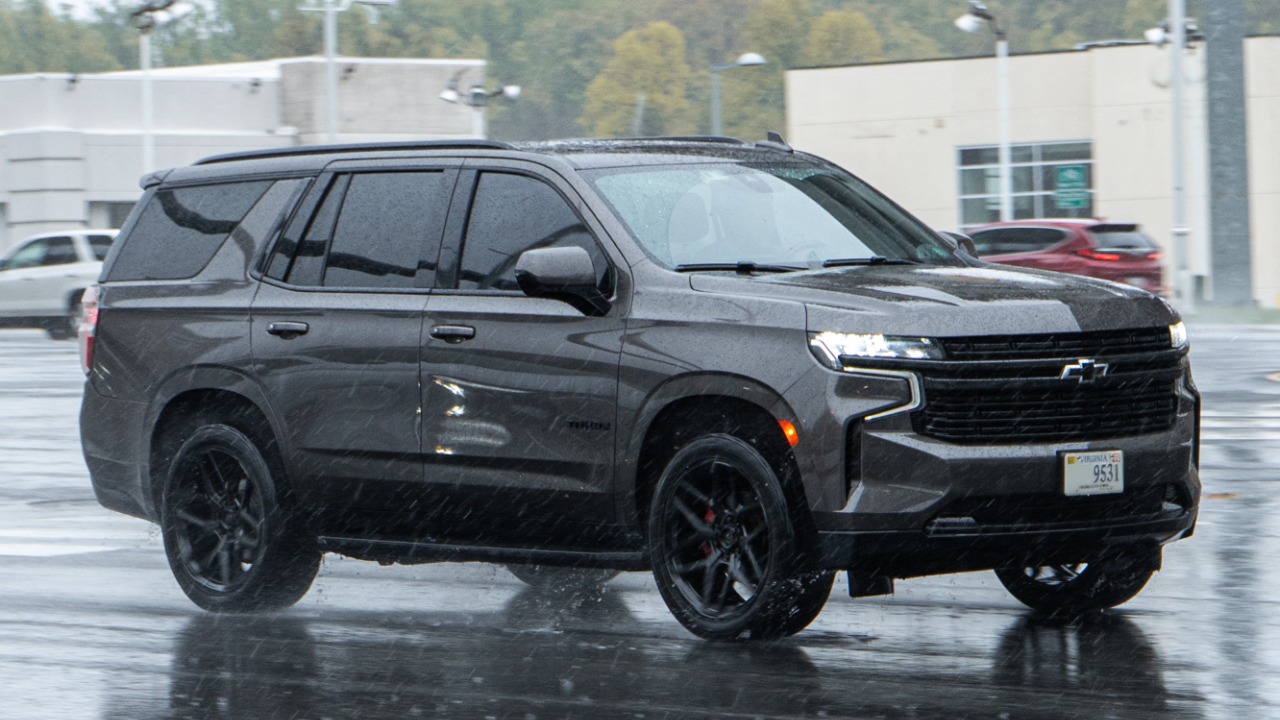
Chevrolet has marketed the Tahoe since the 1995 model year, with production starting in 1994. The Tahoe entry lists the fifth generation as current, with a facelift in production since October 2024.
The full-size body has carried a single badge through five generations. As a younger relative of the Suburban, the Tahoe shows how a long-lived family name can spawn another. That relationship matters to shoppers choosing between the two, since both share the same long tradition of full-size, body-on-frame family transport on sale across the American market.
More from Morning Overview
- Hybrids have 15% fewer problems than gas cars, while EVs and plug-in hybrids have about 80% more, Consumer Reports finds
- Regulators cleared the first U.S. small modular reactor, 4 months early
- Lake Powell sank to a record 3,517 feet, nearing the level that stops Glen Canyon Dam’s turbines
- Seven of Earth’s nine planetary boundaries are breached, and all seven are worsening
