
Streetcars are often written off as relics, yet dozens of American cities still run them every day. The fleet ranges from green arch-roof cars built in the 1920s to modern low-floor vehicles ordered in the last few years. Here are ten cars, cable cars and trolleys that still carry riders, each with the numbers that set it apart.
Tech news in one quick read: Get the most interesting stories in startups, tech and programming, each with a short TLDR, in one daily email from TLDR.
We may earn a commission if you sign up.
1. Perley Thomas 900-series streetcar, New Orleans: Green Arch-Roof Survivors
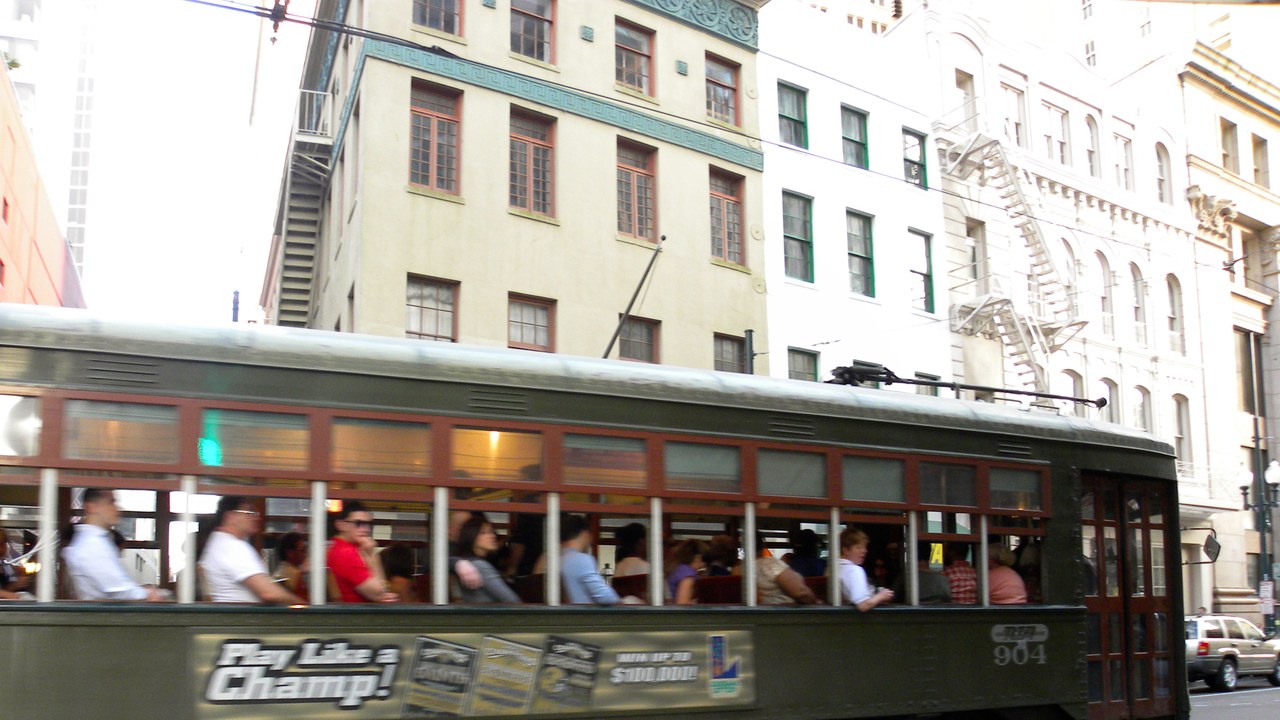
Thirty-seven green arch-roof cars from the 900 series, built by the Perley Thomas Car Works in 1923 and 1924, still run the St. Charles line in New Orleans, according to a 2024 fleet survey. That figure covers the 900-series class only, not the whole New Orleans fleet, which also includes red replica cars and a separate Riverfront group.
For riders, the result is a daily commute in a car that dates to the mid-1920s. Visitors who board one are sampling the class that gives the line its recognisable look, even though newer designs share the city’s tracks elsewhere.
2. NORTA 2000-series replica streetcar, Canal Street: Red Replicas On Canal
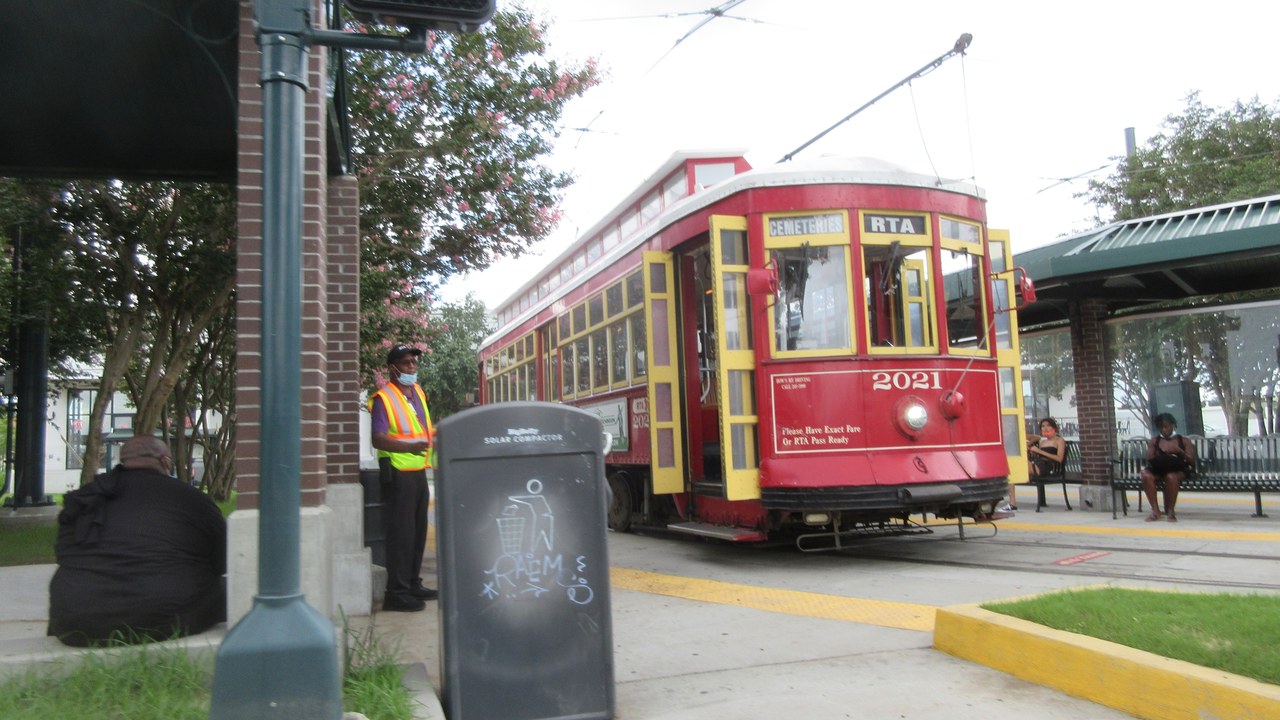
New Orleans chose to build its own red replica cars for Canal Street rather than buy them elsewhere, and a tram industry survey records 24 of them, starting with a 1999 prototype and a production run in 2002. The 2000-series cars were designed to echo older streetcars while meeting modern service needs.
The practical effect is a heritage look on a line that carries everyday passengers. A rider glancing at the red body might assume a vintage car, yet the design is a few decades old. That makes the class an example of how a city can keep a traditional appearance while controlling its own fleet and replacement parts.
3. Riverfront 457-series streetcar, New Orleans: Seven Cars On The River
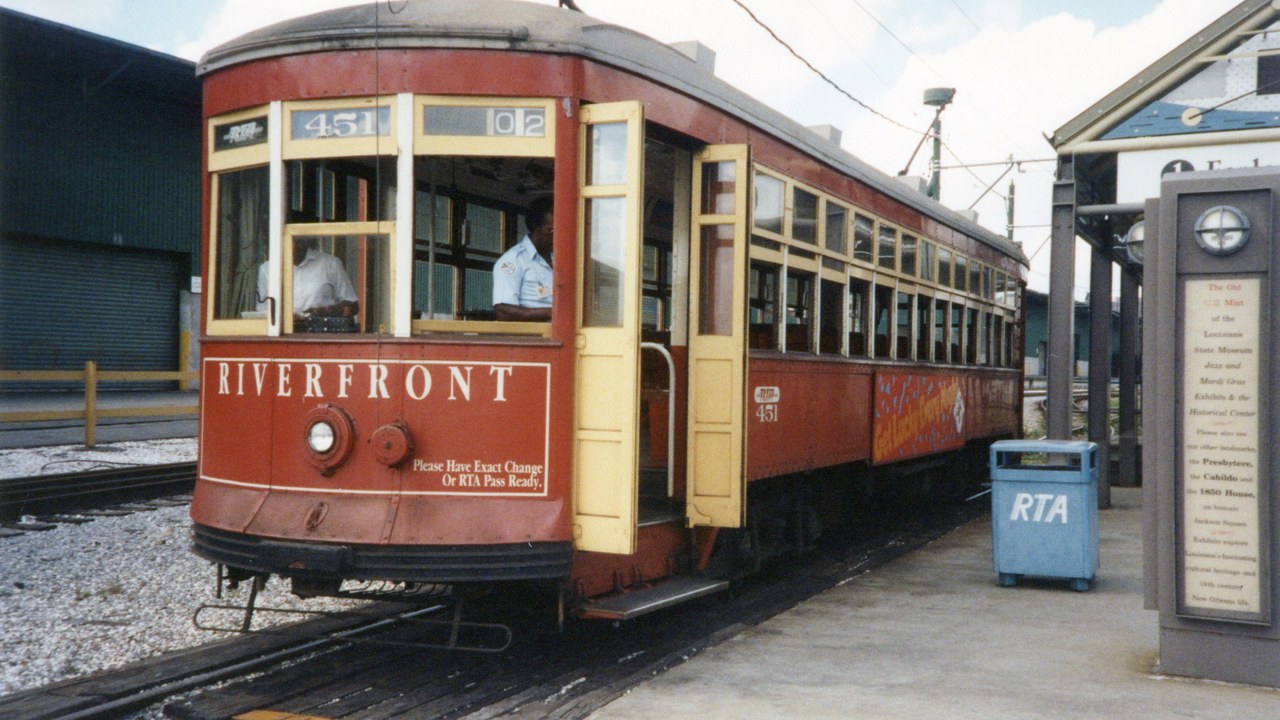
Seven cars, numbered 457 to 463, were built from 1996 for the two-mile Riverfront line along the Mississippi, as a New Orleans fleet review describes. The compact group is the smallest of the three New Orleans classes covered here, and it serves a short route that hugs the waterfront.
For a visitor, the line works as a scenic ride rather than a commuter route, linking riverside attractions over a modest distance. The small fleet also shows how little rolling stock a short heritage line needs. A rider hoping to try every New Orleans car type can ride the Riverfront cars in an easy afternoon.
4. California Street cable car, San Francisco: Maroon Cars On California
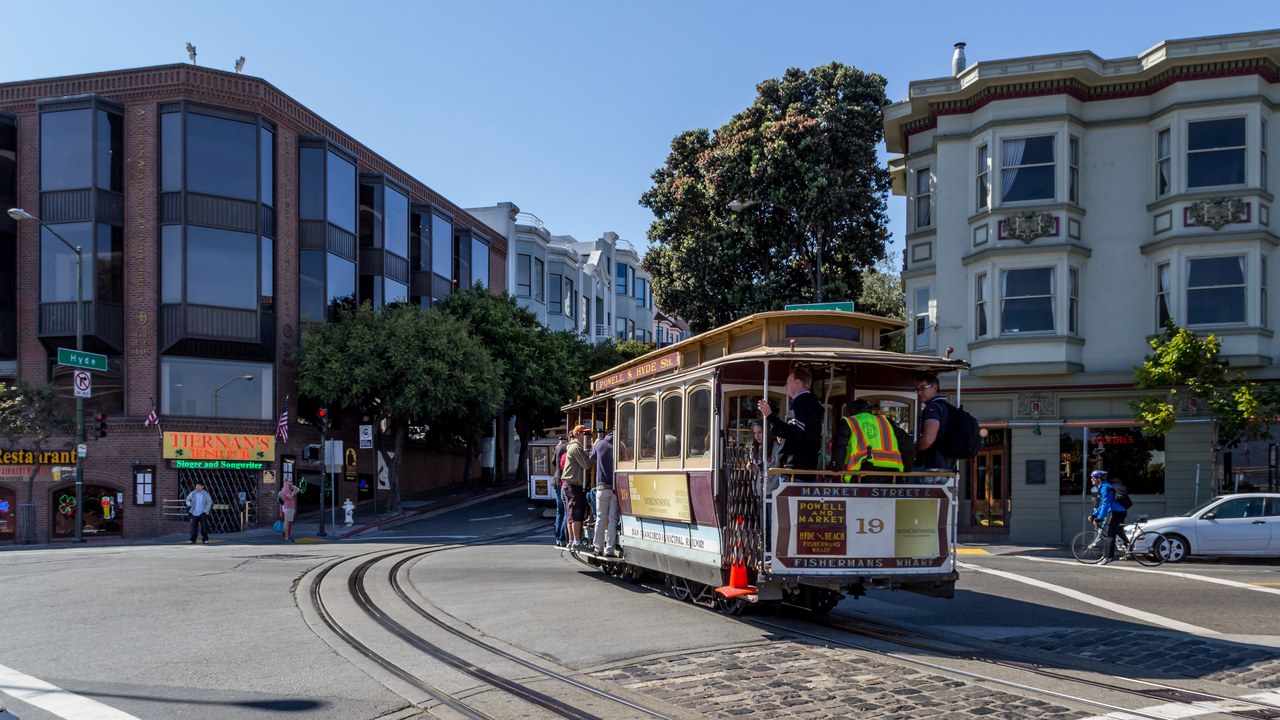
The California Street line uses twelve larger maroon cable cars, and a San Francisco transit agency history notes they are the only double-ended cars left in the city. Double-ended cars can run in either direction without being turned around, which sets them apart from the Powell fleet.
That design gives the line a different character from the better-known Powell routes, with larger cars and a distinct maroon livery. A rider comparing the two parts of the cable system will notice the difference in body size right away, and the California Street cars make a useful second ride after the Powell hills.
5. Powell Street cable car, San Francisco: Twenty-Eight Powell Cars
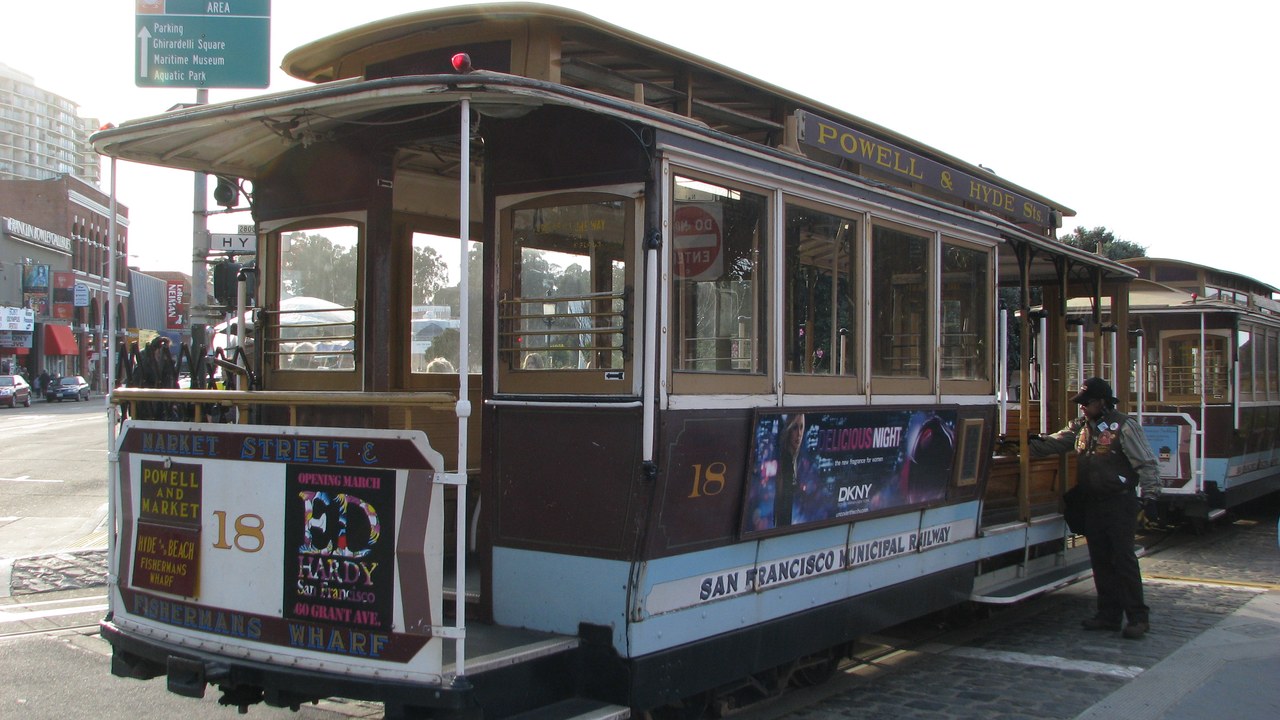
Muni keeps 28 Powell cars on the roster for the Powell-Hyde and Powell-Mason hills, according to the agency’s cable car history. Service on the system dates to 1873, making it a living link to the earliest era of American street railways.
For riders, the number explains both the appeal and the waits. A fleet of 28 shared across two popular routes means each car is a scarce, heavily used seat, particularly in peak tourist seasons. Visitors who want a ride can expect lines at the terminals, while the cars themselves remain a working part of city transit rather than a museum display.
6. Brookville Liberty NXT streetcar, Portland: Portland’s 66-Foot Newcomers
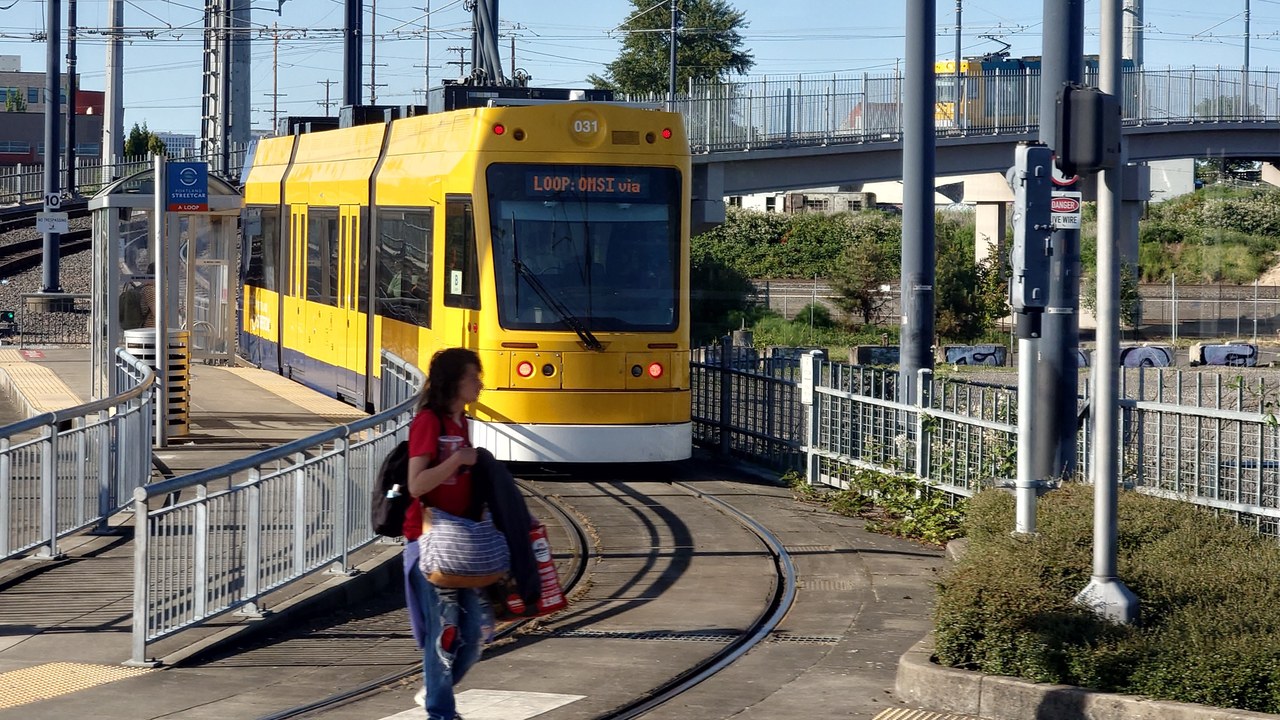
Portland Streetcar’s new Liberty NXT cars measure 66 feet long, seat 26 and arrived as three vehicles on a $13.6 million contract, per a Brookville delivery announcement. The first of the three was delivered to Portland, and the 66-foot length applies to the NXT version rather than the older Liberty model.
The contract works out to about $4.5 million per car, which shows what a modern low-floor streetcar costs. For riders, the newer fleet offers a different experience from the heritage cars in New Orleans or San Francisco, with a long body built for everyday city service rather than nostalgia.
7. Kawasaki K-car trolley, Philadelphia: Kawasaki Cars On The T
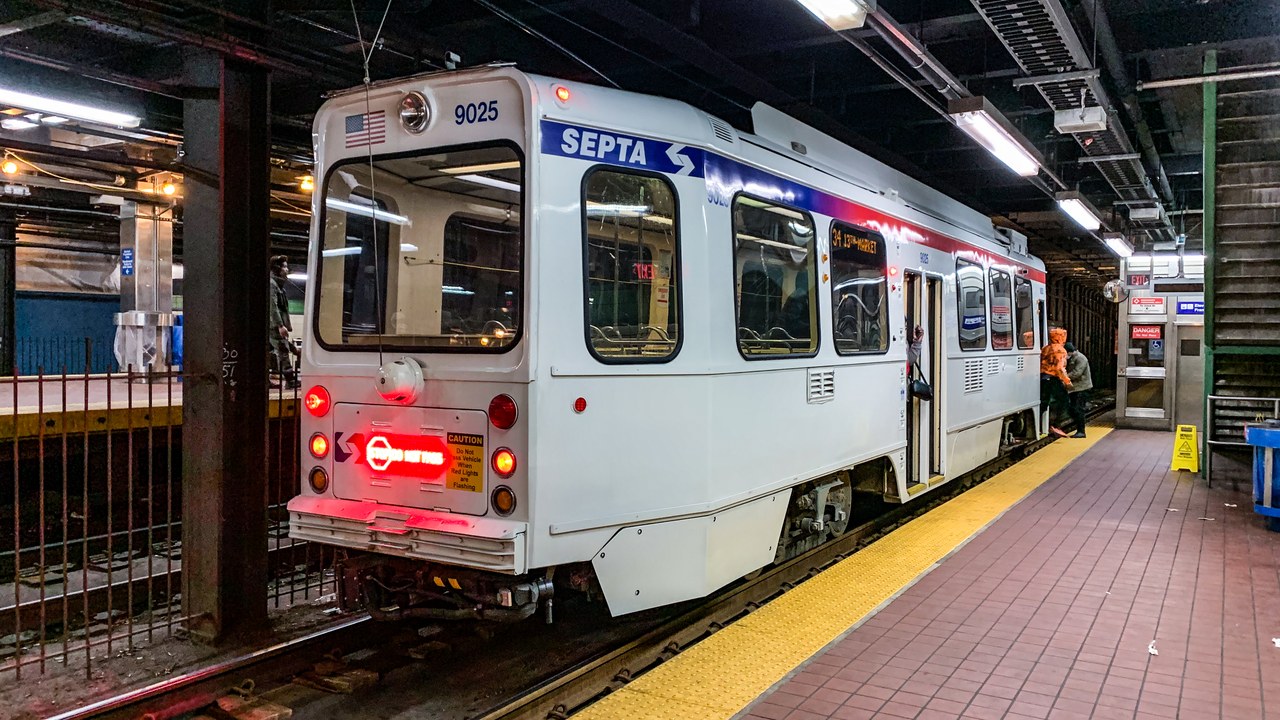
SEPTA’s Kawasaki K cars work the T lines in Philadelphia, including a 19.8-mile route open since 1906, as listed in a streetcar systems overview. The long route and the older infrastructure give the trolley service a very different feel from the compact downtown loops found in several other American cities.
The mix of a century-old alignment and a more modern fleet shows how an old streetcar network can keep serving commuters without a ground-up rebuild. Riders on the route use the cars for everyday trips, and the 19.8-mile length makes it one of the longer trolley journeys covered in this list.
8. PCC streetcar, Boston Mattapan Line: Mattapan’s Wartime PCCs
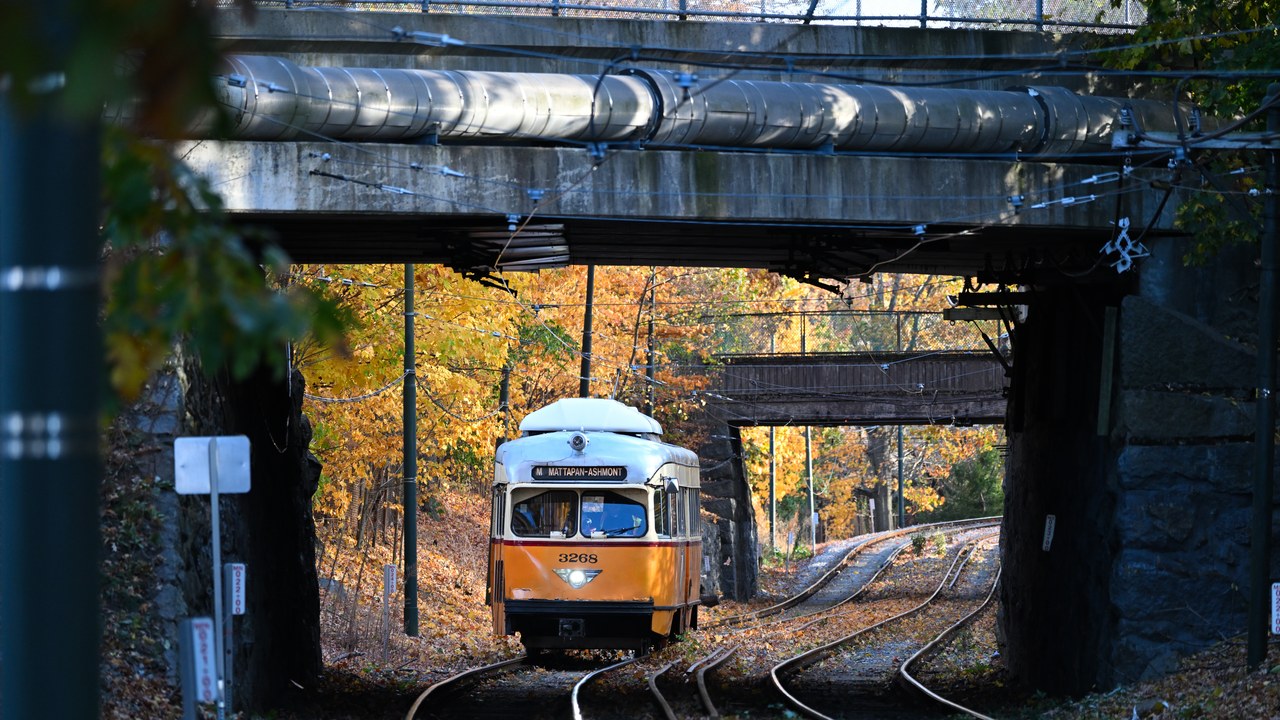
PCC cars built between 1943 and 1946 still carry riders over the 2.6-mile Mattapan Line in Boston, as noted in a North American streetcar overview. The short high-speed line connects Ashmont and Mattapan, and the postwar-era fleet is among the oldest vehicles regularly used in everyday American rail service.
That makes a trip on the line something close to a time capsule: a commuter ride in a car whose design predates most of its passengers. The short 2.6-mile distance means the experience is brief, but it offers one of the clearest looks at the streamlined PCC design still doing a real transit job.
9. CAF Urbos 3 streetcar, Kansas City: Kansas City’s Urbos Cars
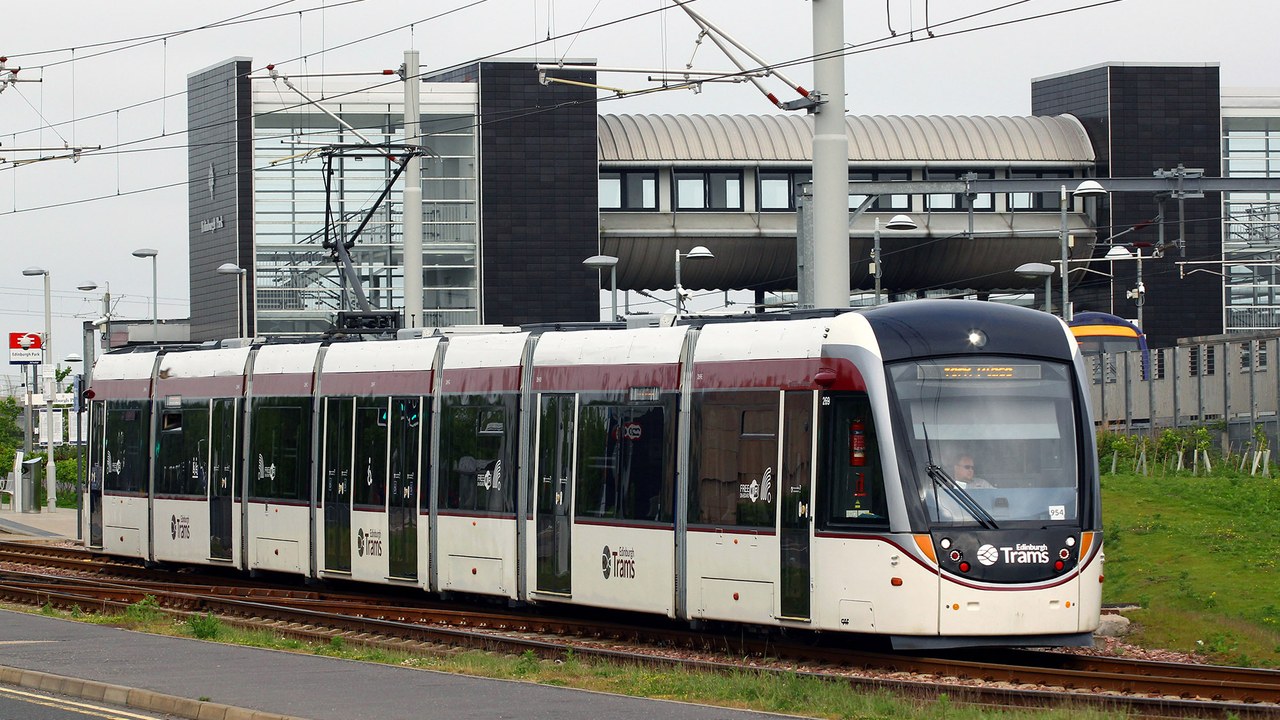
Kansas City opened its 5.7-mile KC Streetcar in 2016 with CAF Urbos 3 cars, according to a streetcar systems list. The modern low-floor vehicles are a deliberate contrast to the heritage fleets in cities such as New Orleans and San Francisco, and the route runs through the downtown core.
For riders, the appeal is practical rather than nostalgic: a modern streetcar on a compact line built for short downtown trips. Because the cars came with the opening in 2016, the fleet is among the newer examples in the country, and it shows how a recent system can start with current equipment instead of restored vintage cars.
10. Siemens S70 streetcar, Atlanta: Atlanta’s S70 Loop
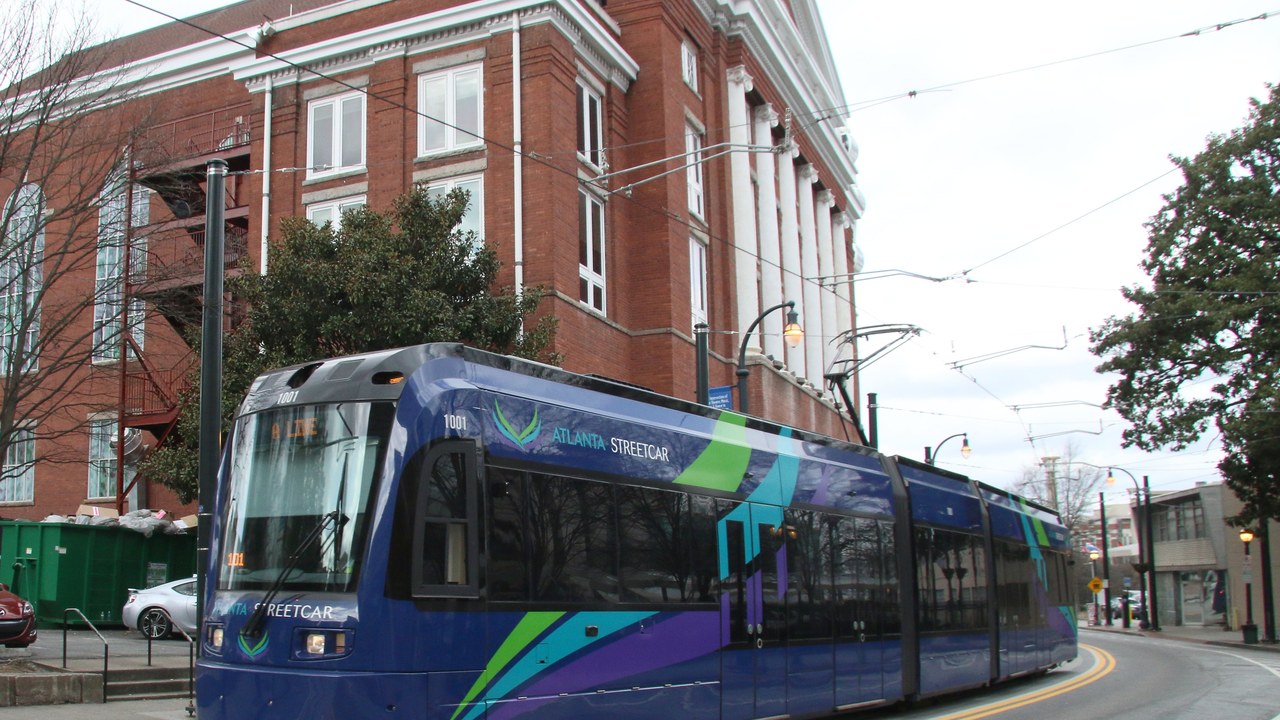
The Atlanta Streetcar has run Siemens S70 cars over a 2.7-mile downtown loop since 2014, according to a list of North American systems. The S70 is a modern low-floor design, and the short circuit keeps the line focused on central Atlanta rather than longer suburban trips.
Riders use the loop for hops between downtown destinations, which fits a car built for frequent stops and easy boarding. The 2014 start makes it one of the newer systems in this list, and the compact 2.7-mile route shows how a modern streetcar can serve a small, dense core.
Tech news in one quick read: Subscribe to TLDR →
We may earn a commission if you sign up.
More from Morning Overview
- NOAA now gives this winter a 75% chance of the strongest El Nino since 1950
- Doctors warn a silent liver disease now affects one in three American adults
- The FBI told the rest of ShinyHunters to surrender after a 24-year-old was arrested
- Two passengers died at an Ohio toll plaza, and the NTSB now wants the cash lanes shut
