
The 1930s turned automobiles into rolling sculpture, as designers traded upright boxes for flowing fenders, teardrop tails, and wind-cheating curves. Streamlining became both an engineering pursuit and a fashion statement, blending aerodynamic theory with the geometric glamour of Art Deco. These ten machines, drawn from Europe and America, show how that decade reshaped what a car could look like.
1. Chrysler Airflow: The Bold Gamble That Came Too Soon
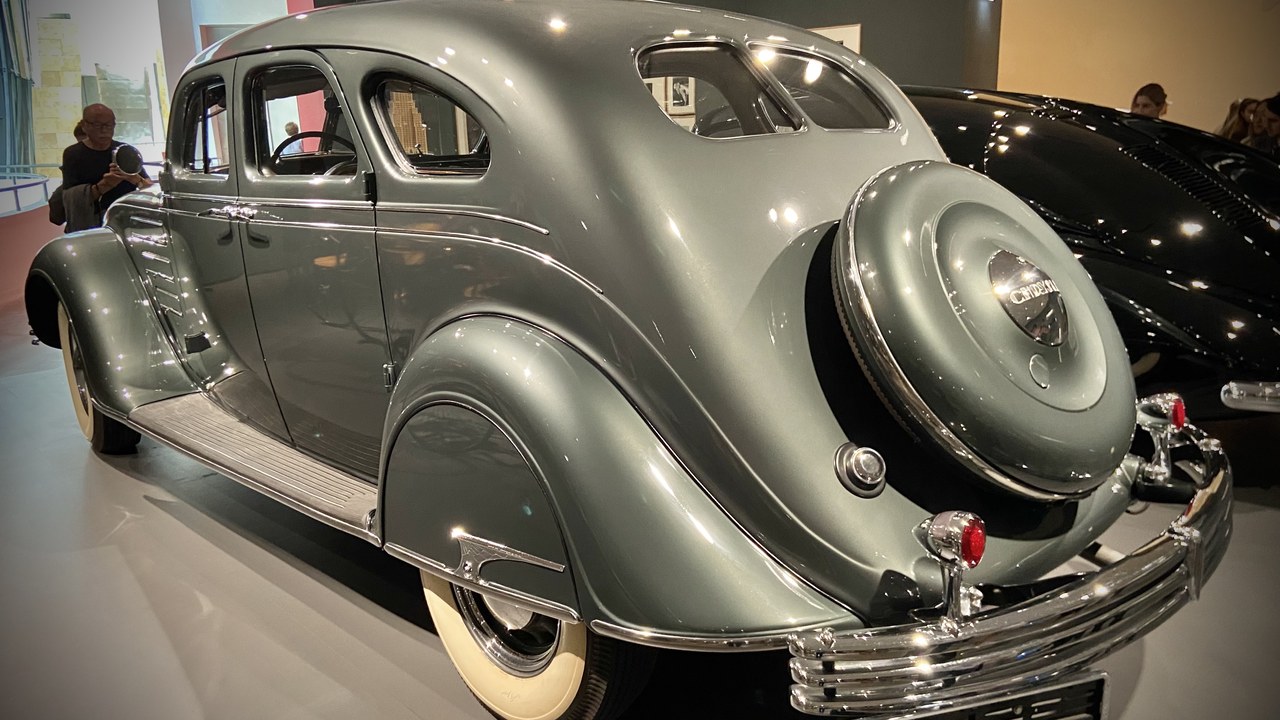
Launched in 1934, the Chrysler Airflow was one of the first American cars designed with wind-tunnel testing in mind. Its rounded nose, faired-in headlights, and even weight distribution broke sharply from the tall, boxy sedans buyers knew. Engineers positioned passengers between the axles for a smoother ride and better balance.
Buyers, however, found the styling jarring, and sales disappointed despite the technical advances. The Airflow was discontinued after 1937, becoming a commercial failure that nonetheless influenced generations of designers. Its ideas about integrated bodies and aerodynamics quietly reappeared in later cars, making it a landmark that arrived before the public was ready to embrace it.
2. Tatra 77: The Rear-Engine Streamliner From Czechoslovakia
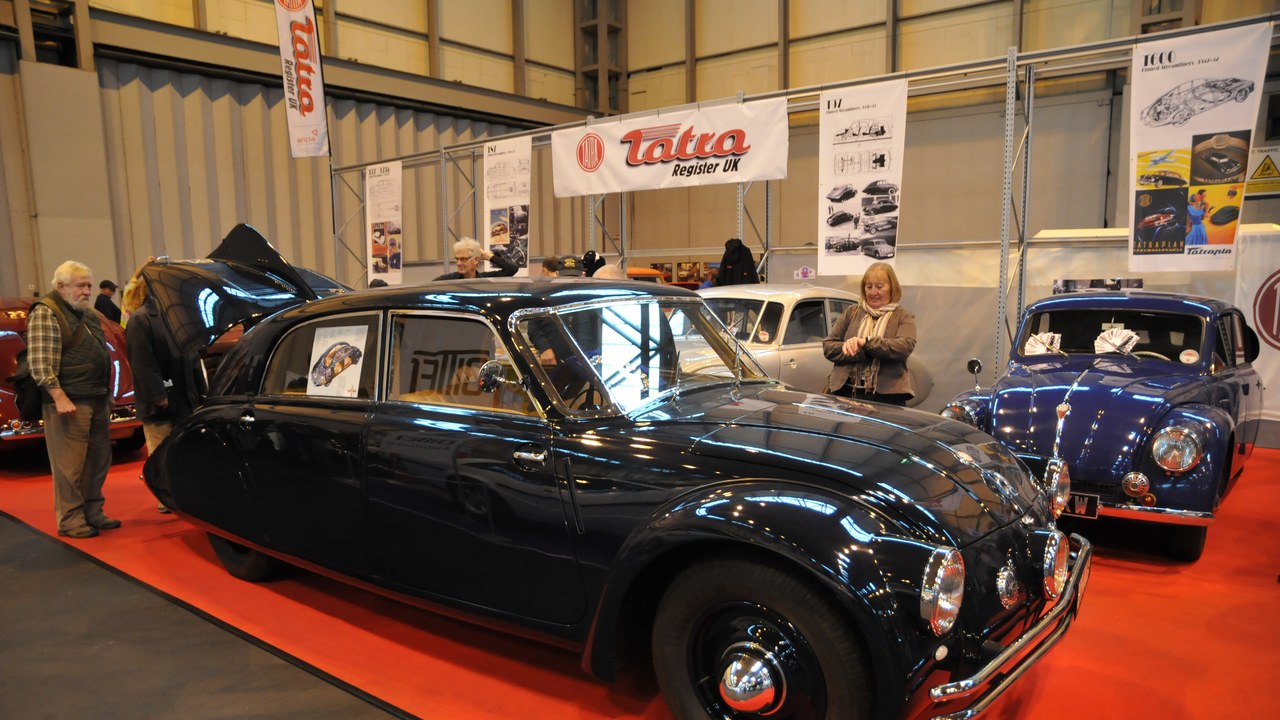
Unveiled in 1934, the Tatra 77 is often cited as one of the first genuinely aerodynamic production cars. Engineer Hans Ledwinka and designer Paul Jaray gave it a low drag coefficient, a rear-mounted air-cooled V8, and a dramatic tapering tail, sometimes fitted with a central dorsal fin.
The car could reach impressive speeds for its era thanks to that slippery shape rather than brute power. Its layout and silhouette are frequently linked to the later Volkswagen Beetle and other rear-engine designs. Produced in modest numbers, the Tatra 77 remains a striking example of how central European engineering pushed streamlining further than most contemporaries dared.
3. Cord 810: Coffin Nose And Vanishing Headlamps
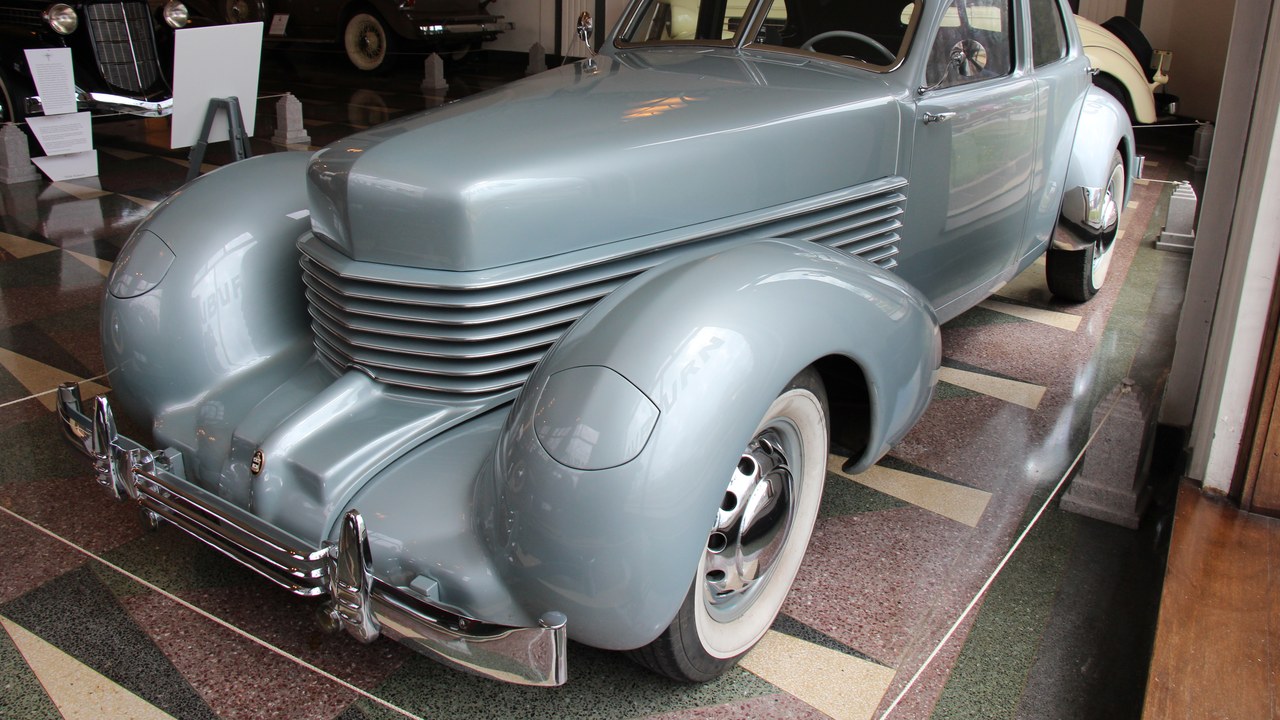
Introduced for 1936, the Cord 810 earned its nickname from a distinctive louvered “coffin nose” grille that wrapped around the front. Designer Gordon Buehrig hid the headlamps in the fenders, cranking them out by hand, and eliminated running boards for a cleaner, lower profile.
Front-wheel drive freed the interior from a transmission tunnel, reinforcing the car’s sleek modernity. Mechanical troubles and the Depression cut its production short, yet the design became an enduring Art Deco icon. Museums and collectors still prize the 810 and its supercharged 812 sibling for compressing so many advanced ideas into one dramatically styled package.
4. Bugatti Type 57: Where Coachwork Became Fine Art
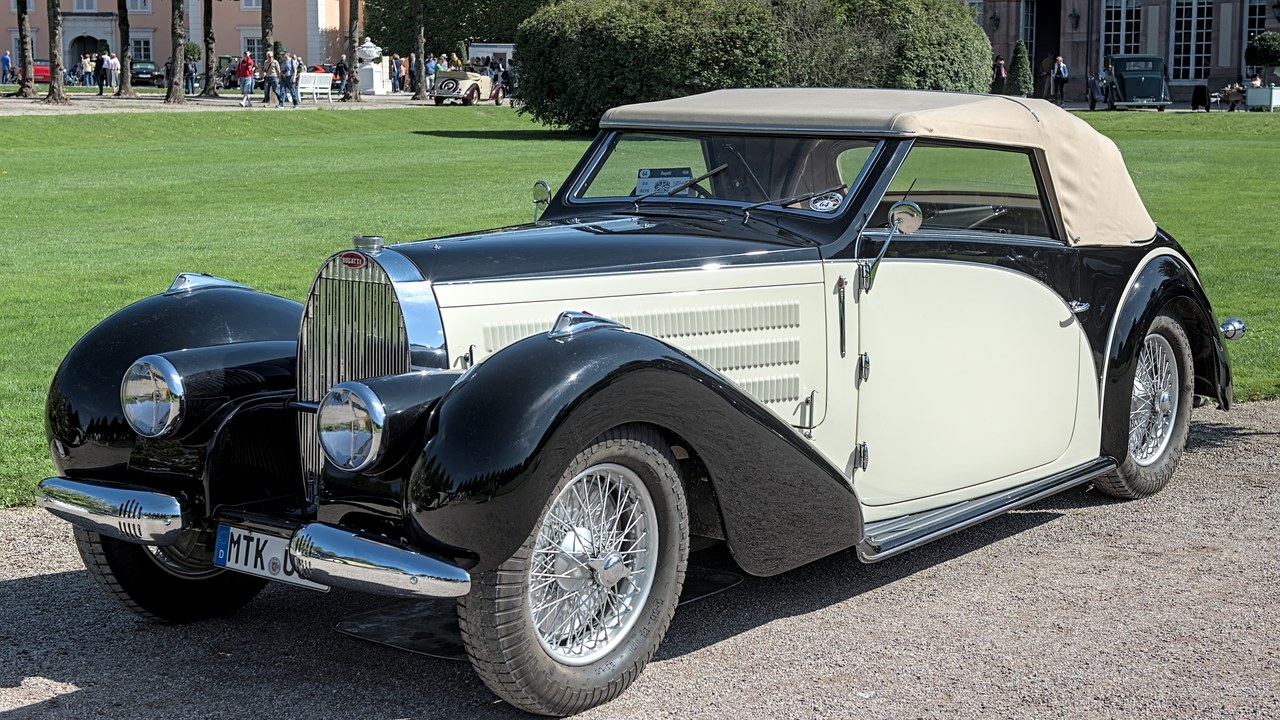
Produced from 1934, the Bugatti Type 57 served as the canvas for some of the decade’s most celebrated bodies, above all the riveted-spine Atlantic coupe. Jean Bugatti oversaw much of the styling, marrying a sophisticated twin-cam straight-eight engine to flowing, sculptural coachwork.
Variants ranged from elegant tourers to the lowered, supercharged SC, blending performance with high fashion. Only a handful of Atlantics were built, and the surviving examples rank among the most valuable cars in existence. The Type 57 captured the moment when French luxury automaking treated engineering and Art Deco design as inseparable expressions of the same ambition.
5. Mercedes-Benz 540K: Supercharged German Grand Touring
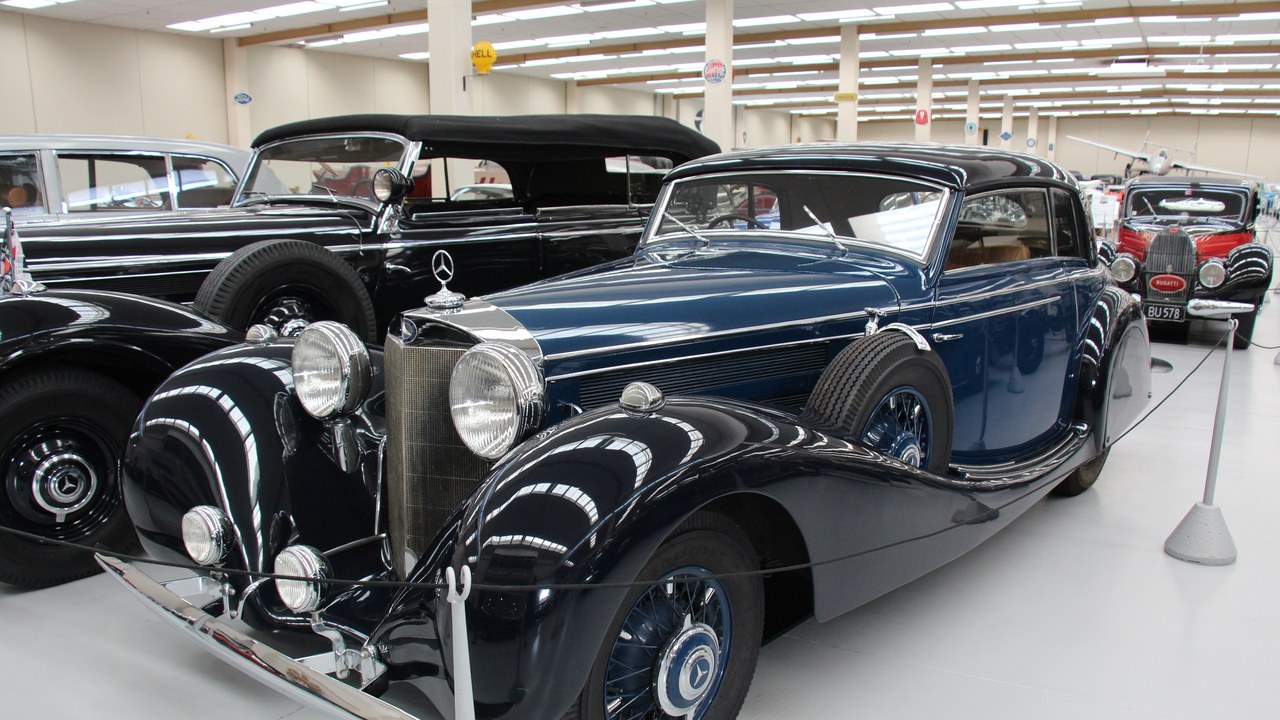
Debuting in 1936, the Mercedes-Benz 540K paired a supercharged straight-eight engine with long, sweeping fenders and an imposing presence. The “K” denoted the Kompressor, a supercharger that engaged under hard acceleration to deliver a surge of extra power accompanied by an unmistakable whine.
Coachbuilt bodies, especially the rakish Special Roadster, gave the 540K its reputation as a rolling statement of wealth and speed. Long hoods, flowing wings, and tapered tails placed it firmly within the streamlined idiom. Surviving examples command enormous sums at auction, underscoring how this grand tourer fused muscular engineering with the ornamental confidence of 1930s design.
6. Talbot-Lago: French Rolling Sculpture
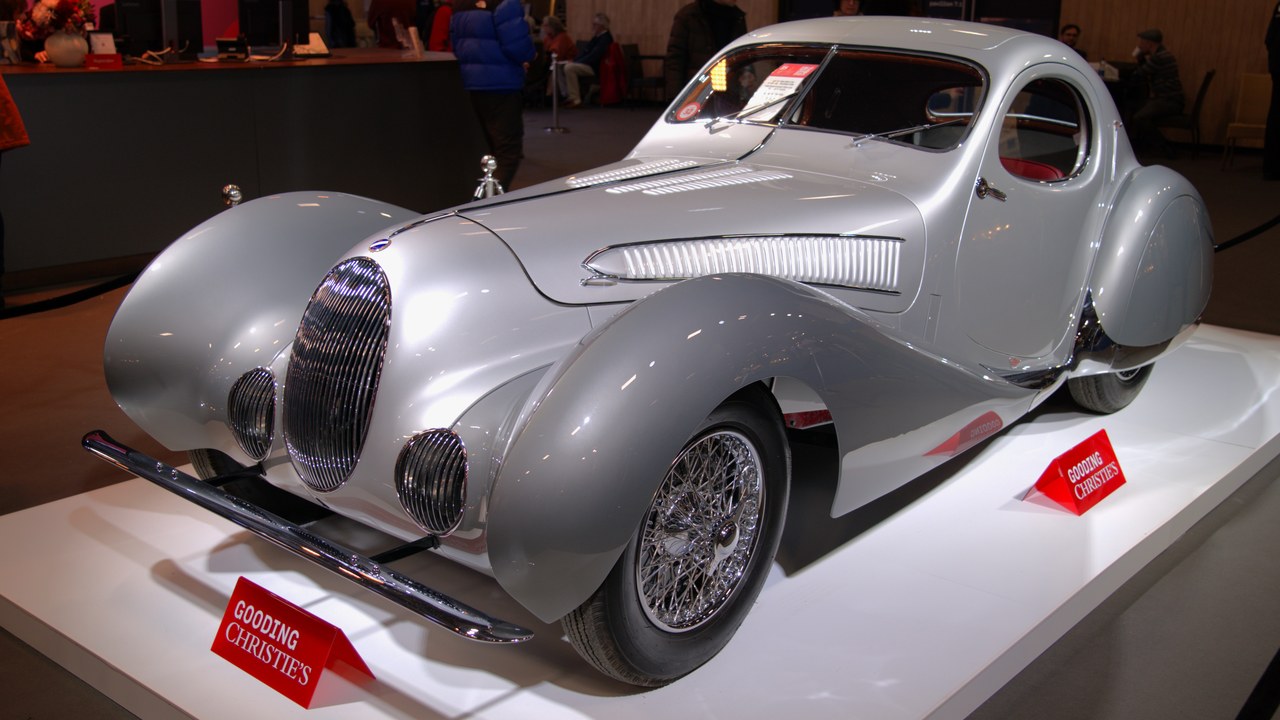
Under Antonio Lago, Talbot-Lago produced some of the most flamboyant coachbuilt cars of the late 1930s. Bodies by houses such as Figoni et Falaschi wrapped the marque’s competent chassis in teardrop fenders, swooping wings, and low, sensuous rooflines that seemed to be in motion while standing still.
These “goutte d’eau” or waterdrop coupes distilled Art Deco streamlining into flowing metal art. The company also enjoyed genuine racing success, giving its glamorous shapes real engineering credibility. Talbot-Lago demonstrated how French coachbuilders treated the automobile as a couture object, blurring the line between transport and sculpture in a way few rivals ever matched.
7. Lincoln-Zephyr: Streamlined Luxury For More Buyers
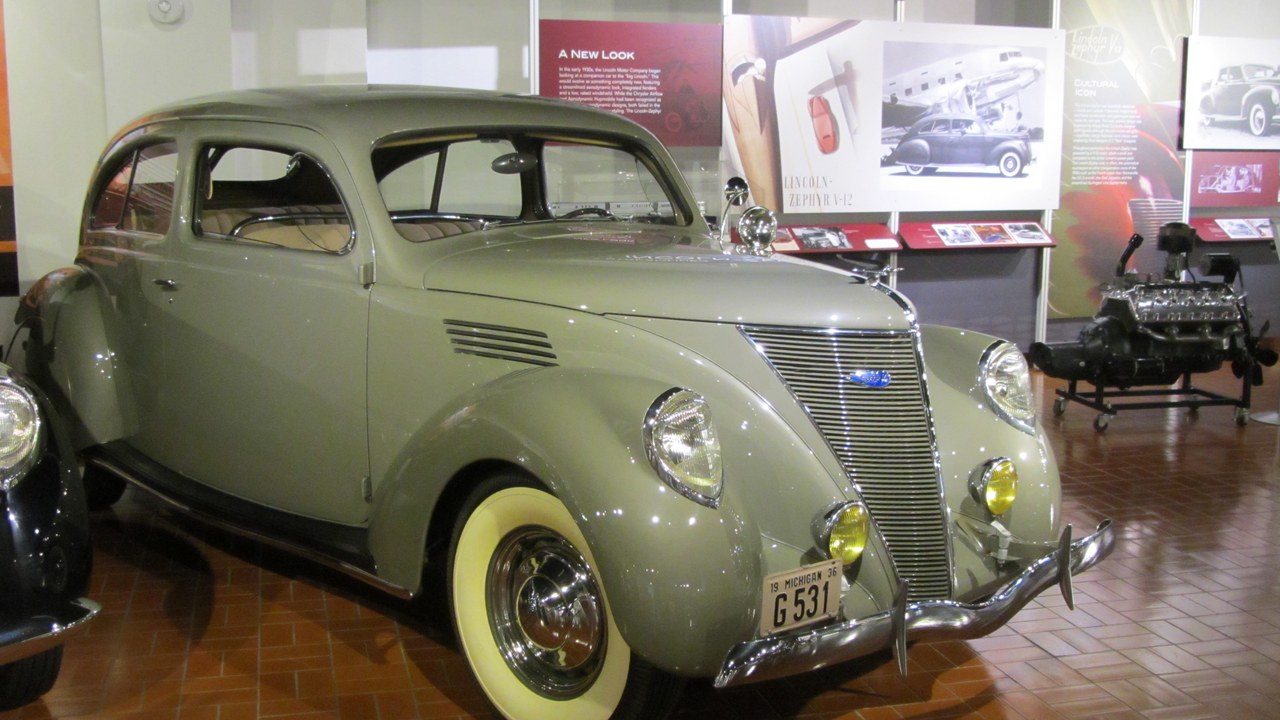
Arriving in 1936, the Lincoln-Zephyr brought streamlined styling to a more attainable price point within Ford’s luxury division. Its smoothly integrated fenders, raked grille, and flowing tail reflected the aerodynamic enthusiasm of the era, wrapped around a V12 engine.
Unlike the commercially troubled Airflow, the Zephyr found a receptive audience and helped keep Lincoln afloat during difficult years. Its clean lines later informed the celebrated Continental. By packaging Art Deco streamlining in a relatively accessible luxury car, the Zephyr showed that the decade’s futuristic design language could succeed in the showroom as well as on the drawing board.
8. Duesenberg Model J: American Opulence At Its Peak
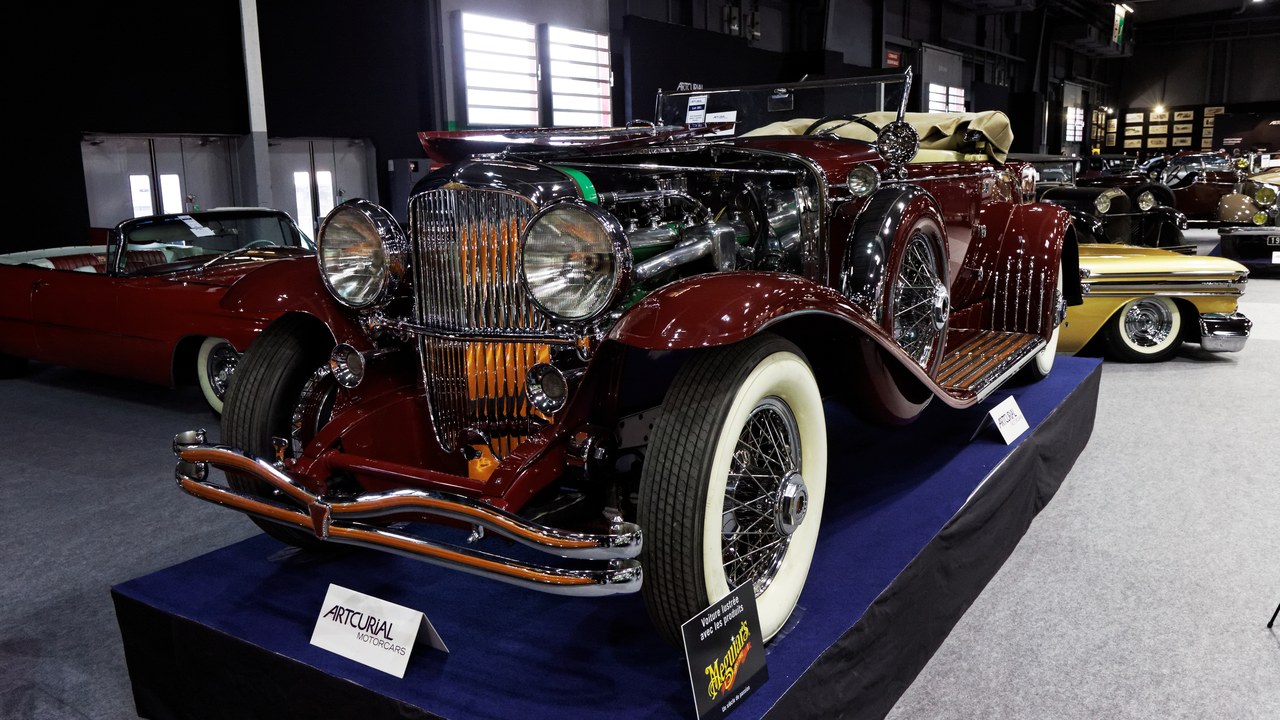
Introduced in 1928 and built through the 1930s, the Duesenberg Model J stood as the ultimate American luxury car of its time. Its enormous twin-cam straight-eight produced prodigious power, and rolling chassis were clothed by the finest coachbuilders for wealthy and celebrity clients.
As the decade progressed, sweeping streamlined bodies and supercharged SJ versions embraced the flowing aesthetic sweeping through automotive design. The phrase “it’s a Duesy” reflected the marque’s status as a byword for excellence. Though the Depression eventually doomed the company, the Model J endures as a symbol of extravagant craftsmanship and towering ambition in American motoring.
9. Delahaye 135: Curves Born In The Wind
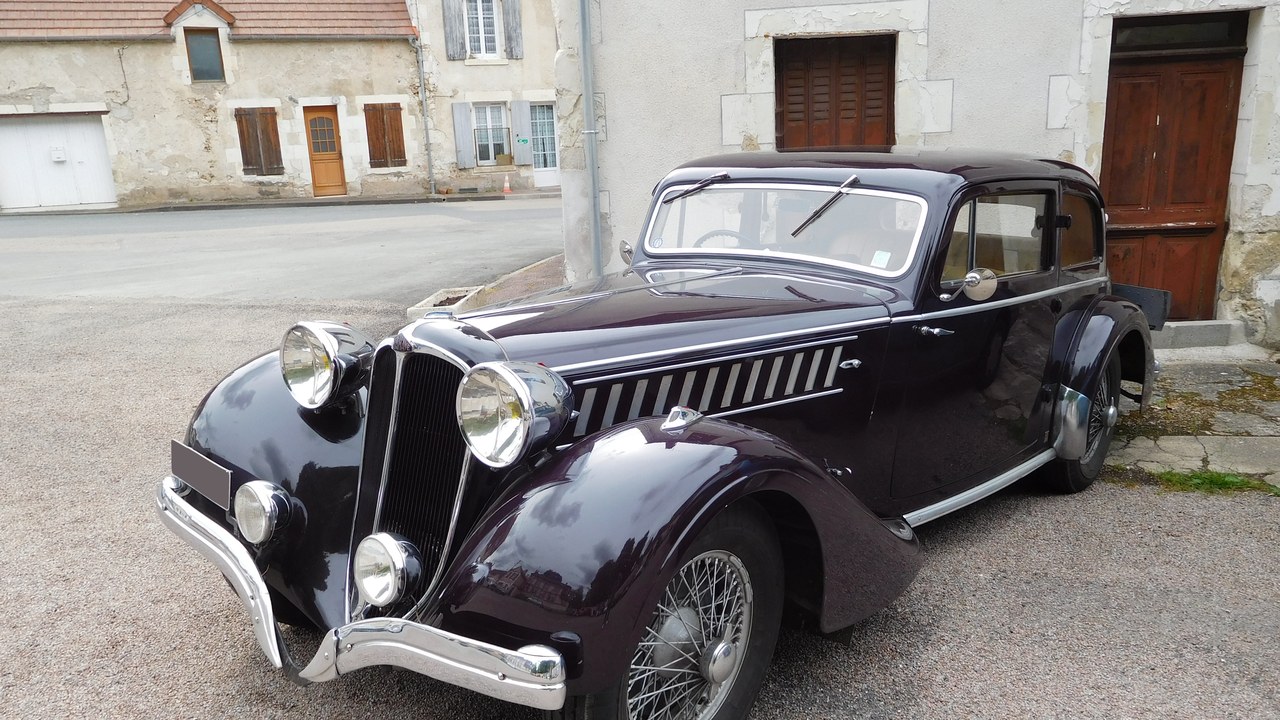
Launched in 1935, the Delahaye 135 combined a capable six-cylinder chassis with some of the most extravagant coachwork of the era. French carrossiers dressed it in sweeping fenders, teardrop shapes, and richly detailed bodies that became showpieces at concours events.
The 135 balanced genuine sporting ability with rolling glamour, competing successfully in racing and rallying. Its flowing forms, particularly the competition and cabriolet variants, epitomized the fluid Art Deco streamlining of pre-war France. Today the model is celebrated as a high point of French coachbuilding, where mechanical competence met unrestrained artistic flair in equal, dazzling measure.
10. Alfa Romeo 8C: Italy’s Pre-War Masterpiece
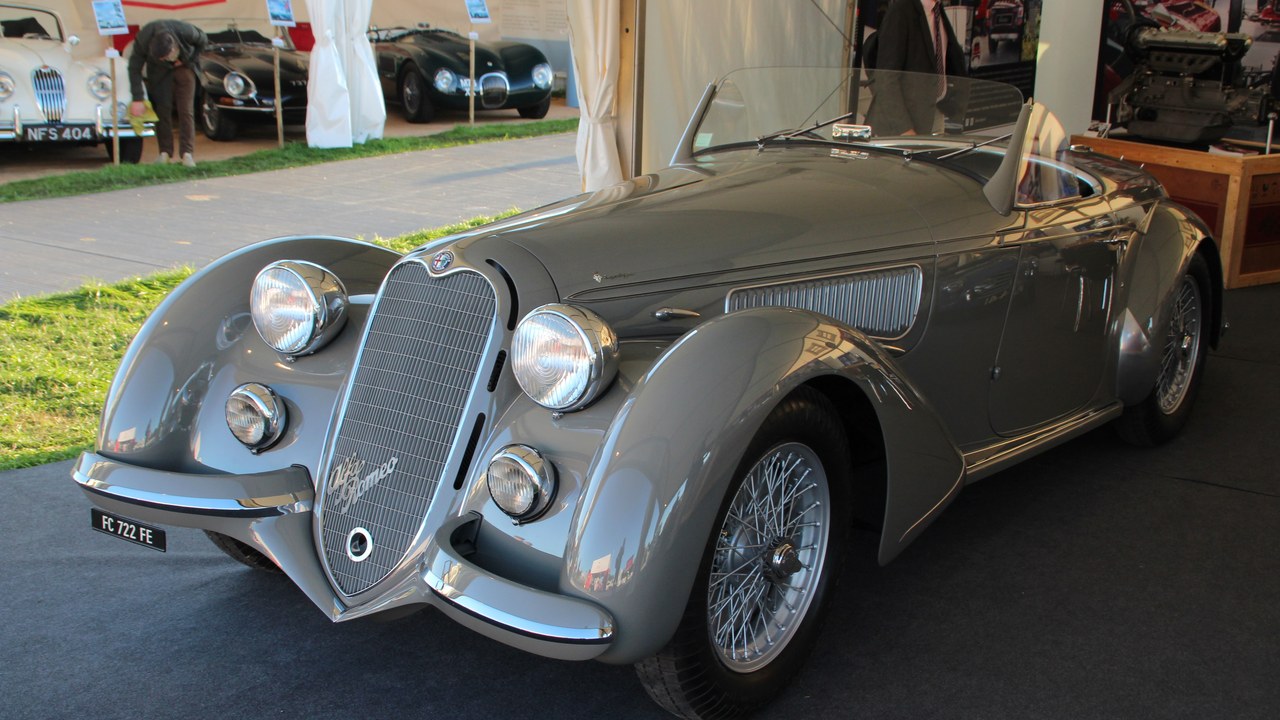
Built through the 1930s, the Alfa Romeo 8C paired a supercharged straight-eight engine, designed under Vittorio Jano, with bodies that ranked among the era’s most beautiful. Road and racing versions alike dominated competition while showcasing Italian styling at its most refined.
The 8C 2900, in particular, wore streamlined coachwork that transformed a race-bred machine into a rolling sculpture. Success at events such as the Mille Miglia and Le Mans cemented the model’s legend. Combining engineering brilliance with sensuous form, the 8C endures as one of the finest expressions of pre-war Italian automaking and remains extraordinarily coveted.
More from Morning Overview
- The NSA is again telling phone owners to switch off one location setting
- A handful of car transmissions are so tough mechanics say they almost never fail
- A handful of SUVs keep hitting 300,000 miles, and they share one engine trait
- Supplements now rank as the fifth-leading cause of death from liver disease.
