
Cargo numbers rarely track the size of a vehicle’s footprint, and the small crossover class proves it again and again. Some wagon-flavored and compact entries hold far more behind the tailgate than their shape suggests, while a few premium names give up a surprising amount of room. Here are ten small crossovers, ranked from the most cargo volume to the least.
1. Subaru Outback: Wagon Roots Win
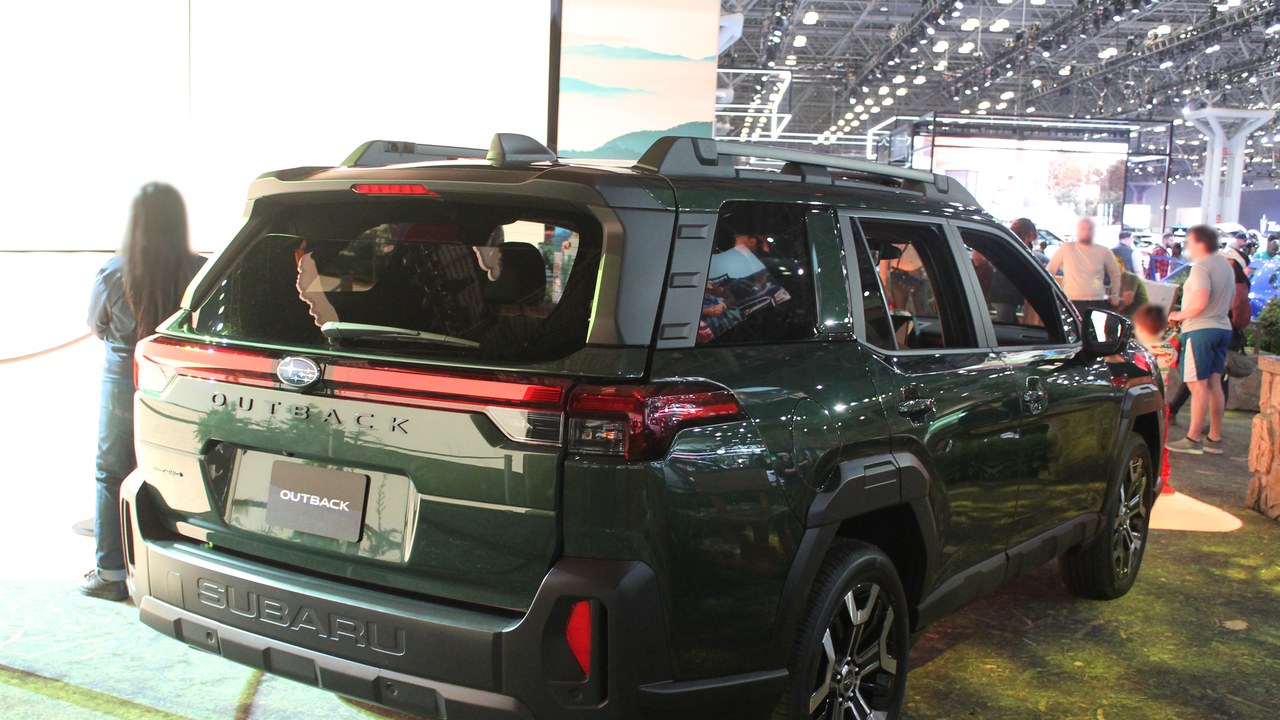
Topping the group, the Outback posts 80.5 cubic feet, the most of any small SUV measured. That figure sits 4.0 cubic feet clear of the runner-up and 30.0 cubic feet beyond the smallest cargo hold in this lineup.
Anyone hauling bikes, camping gear or flat-packed furniture gets the most open floor here before moving up a size class. That headroom over every other small SUV here makes it the natural pick for anyone whose weekend plans involve big, awkward loads.
2. Honda CR-V: Best-Seller Bulk
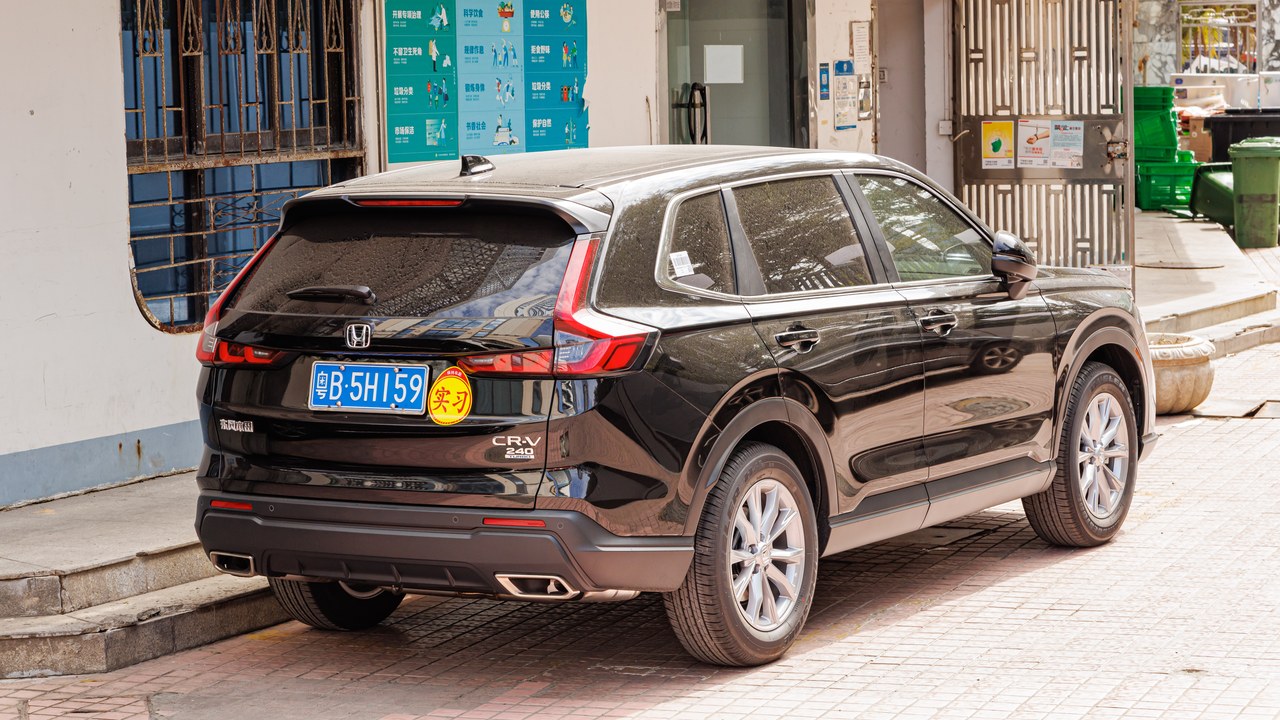
Next comes the CR-V, listing 76.5 cubic feet in America’s perennial best-seller. Only the Outback beats it, and the gap between the two is 4.0 cubic feet.
Because so many households already choose this model for other reasons, the generous cargo hold works as a bonus rather than a compromise. Shoppers who want mainstream familiarity and a second-place cargo number in the same vehicle will find the arithmetic hard to argue with. Measured against the Tucson just below, the lead is real but modest, so the Honda earns its second place without running away from the pack.
3. Hyundai Tucson: Roomy Without Fuss
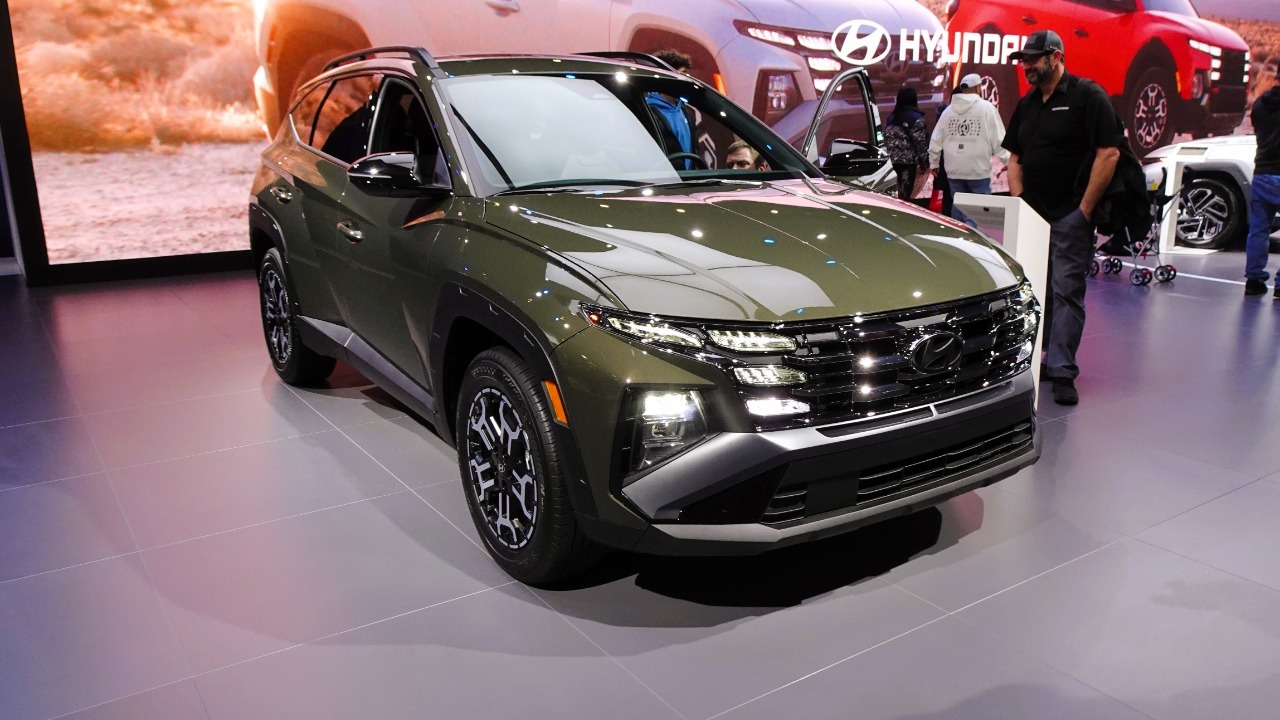
Hyundai’s Tucson offers 74.8 cubic feet, which puts it third in the ranking. It trails the CR-V by 1.7 cubic feet and stays within half a cubic foot of the Forester just below.
For families deciding between the usual compact names, that narrow spread means cargo space is unlikely to be the deciding factor. Seat comfort, price and equipment are likelier tiebreakers when the volume is this close. Treating that cargo number as a given, the sensible next step is a weekend test drive that puts seat feel and visibility ahead of volume.
4. Subaru Forester: A Hair Below
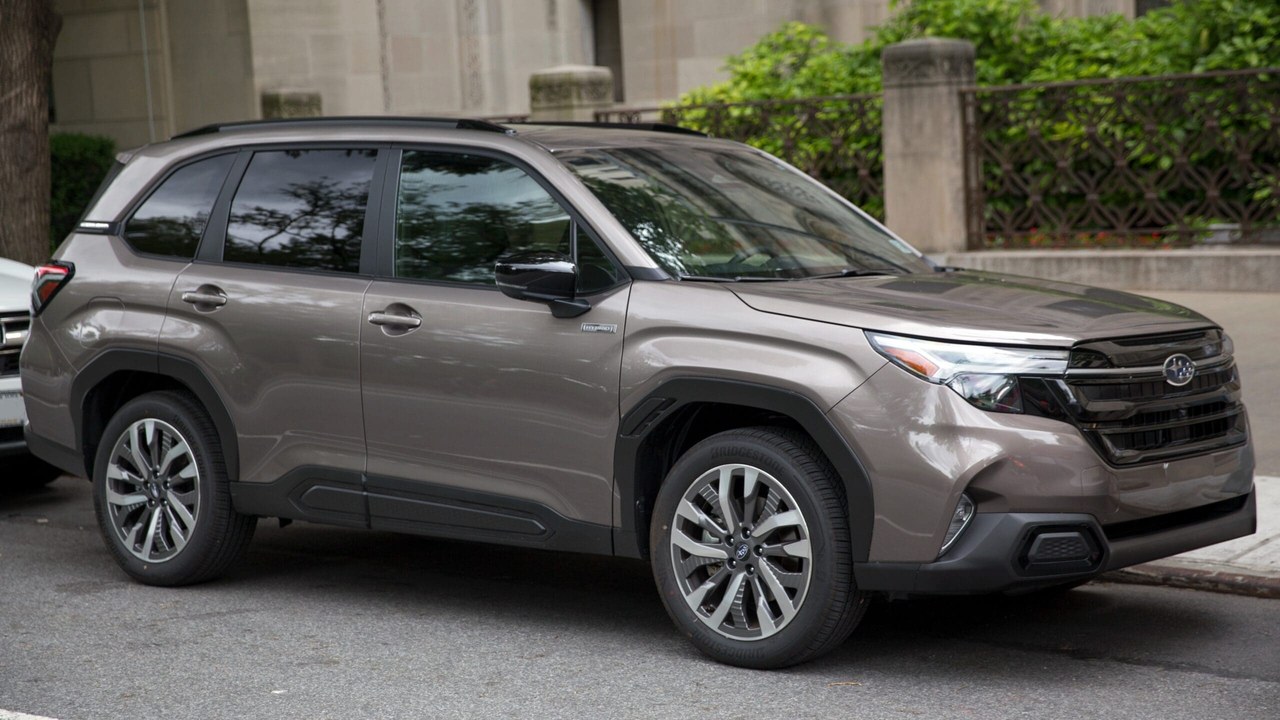
The Forester registers 74.4 cubic feet. Its distance from the Tucson above is only 0.4 cubic feet, and it edges the Kia Sportage by a similarly tiny margin.
Practical buyers should treat the placement as a tie in everyday life, since a few tenths of a cubic foot will not change how many grocery bags or suitcases fit. Its place beside much larger-feeling rivals shows how little the numbers separate the leaders. Put differently, the Forester and its two closest neighbors cover a spread of well under one cubic foot, which is the tightest cluster in the whole ranking.
5. Kia Sportage: Near-Photo Finish
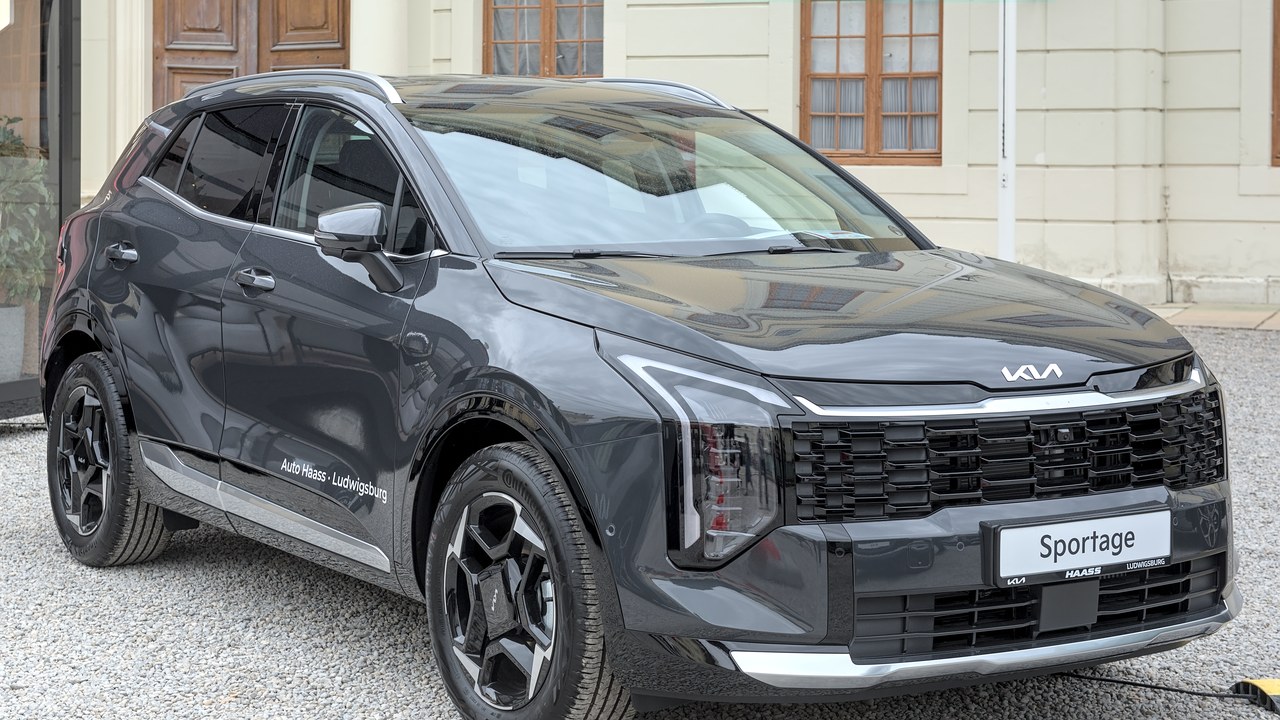
Rounding out the upper tier, the Sportage lists 74.1 cubic feet, within a hair of the Forester. A mere 0.3 cubic feet separates the two vehicles.
Owners should expect roughly the same loading experience as the vehicle above it, so the choice comes down to styling, warranty and dealer proximity. The more notable gap lies below, where the next entry drops by more than ten cubic feet. For anyone cross-shopping the top five, that makes the decision a matter of price, features and personal preference more than anything measured behind the tailgate.
6. Hyundai Kona: Subcompact Standout
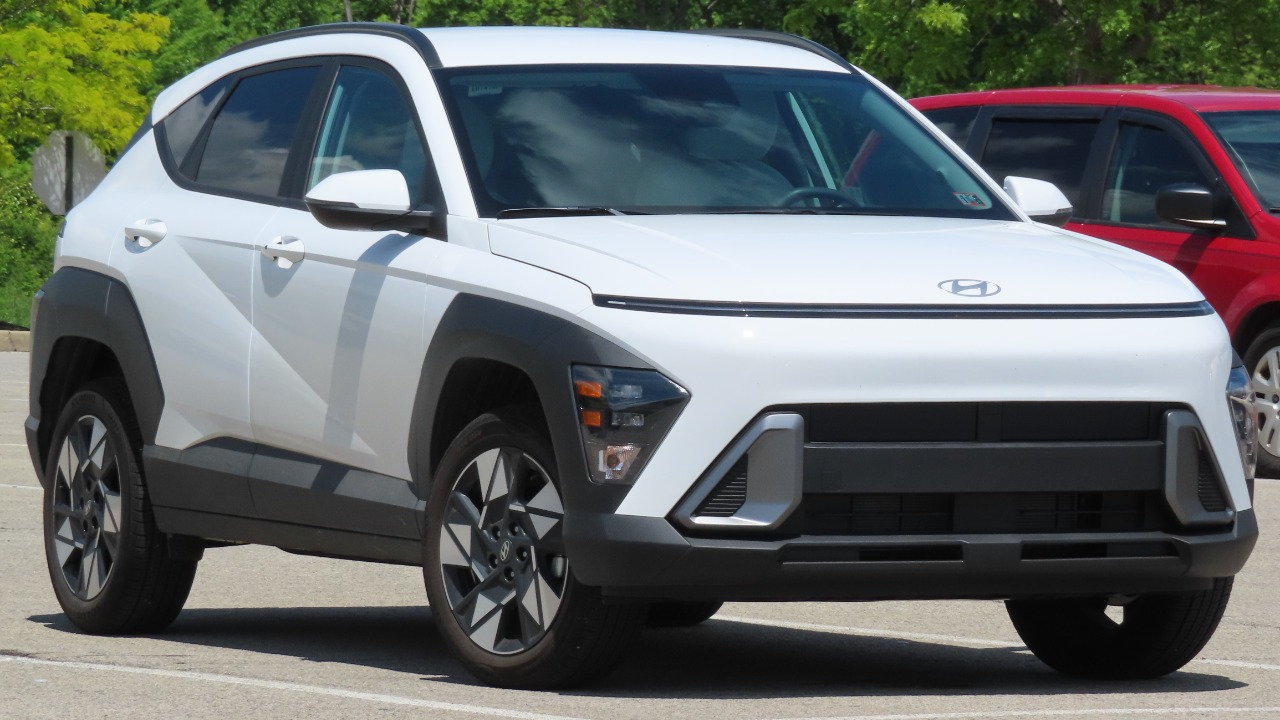
Dropping a size class, the Kona reaches 63.7 cubic feet, the most of any subcompact SUV listed. That is about 10.4 cubic feet less than the Sportage, yet it leads its own smaller segment.
Urban drivers who want a small vehicle and still need room for the odd big purchase will appreciate the tradeoff. The result shows that a compact footprint need not cap cargo capacity as severely as expected. Even at that level it still beats the Nissan Kicks, Volvo XC40, Alfa Romeo Tonale and Mercedes-Benz GLA that follow it in the standings.
7. Nissan Kicks: Budget Cargo Hauler
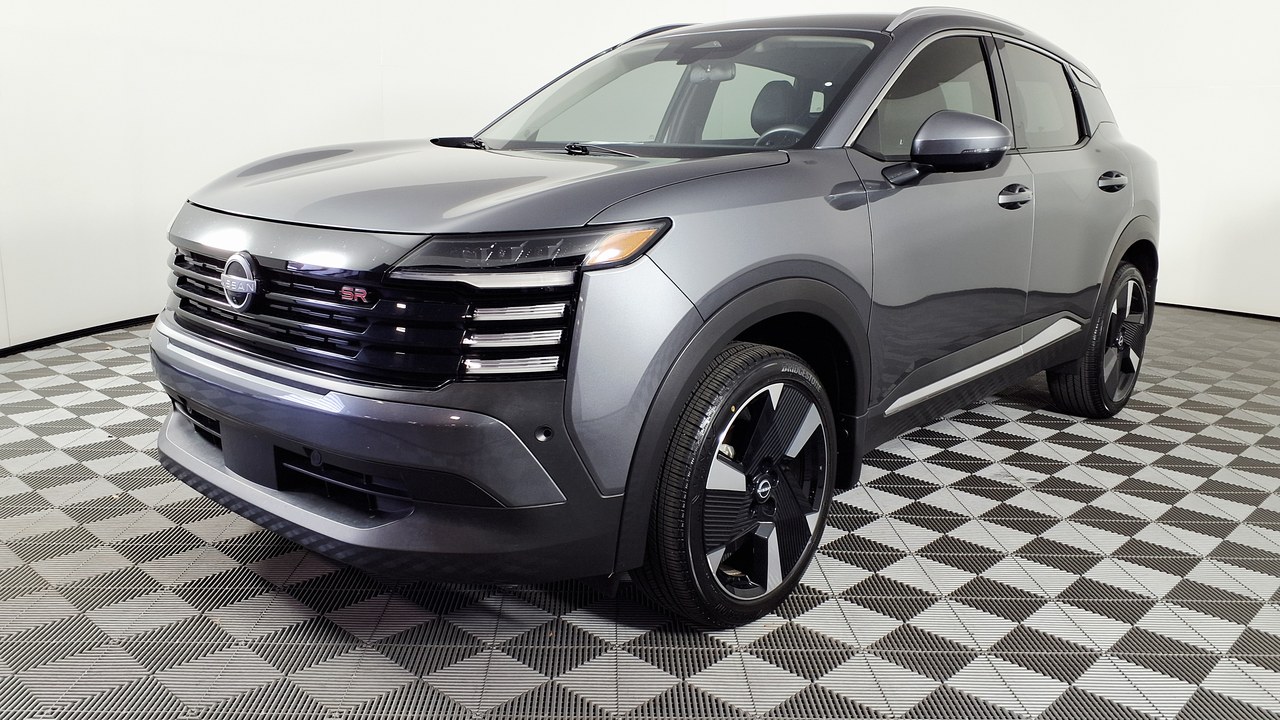
The Kicks provides 60 cubic feet in one of the cheapest crossovers sold. It sits 3.7 cubic feet behind the Kona, but a low sticker price changes what that number is worth.
For first-time buyers or anyone trimming costs, a vehicle that swallows this much without a premium price is an easy case to make. The caveat is that a figure this far down the table still means less room than the compact class above it. Measured against the Kona above it, the gap is modest enough that thrifty shoppers can weigh purchase price first and cargo second.
8. Volvo XC40: Premium and Practical
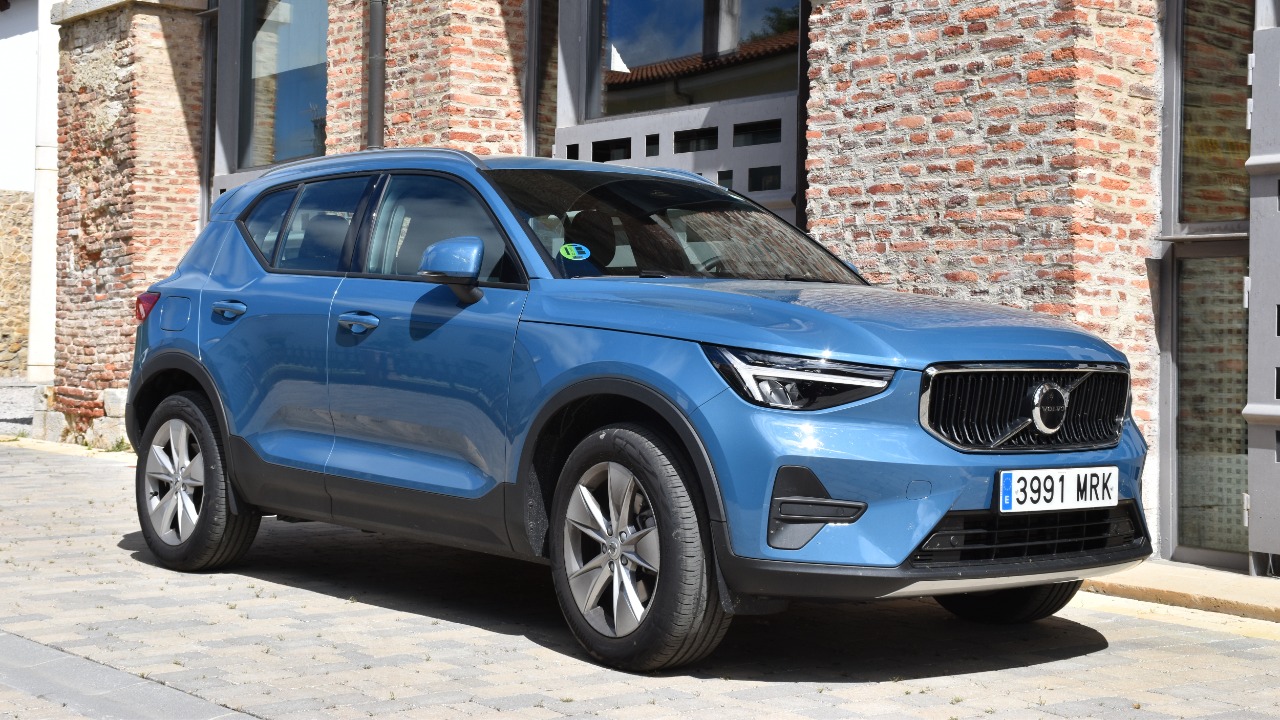
Volvo’s XC40 offers 57.5 cubic feet, the most of any luxury subcompact. It lands 2.5 cubic feet below the Kicks, which shows that a badge does not buy extra volume.
Shoppers drawn to a premium badge should know the cargo area is still competitive within its niche. Anyone prioritizing maximum space over brand cachet will find cheaper vehicles above it in this ranking. Put simply, a luxury nameplate in this class tends to cost cargo capacity, and the XC40 manages to limit that penalty better than its peers.
9. Alfa Romeo Tonale: Style First
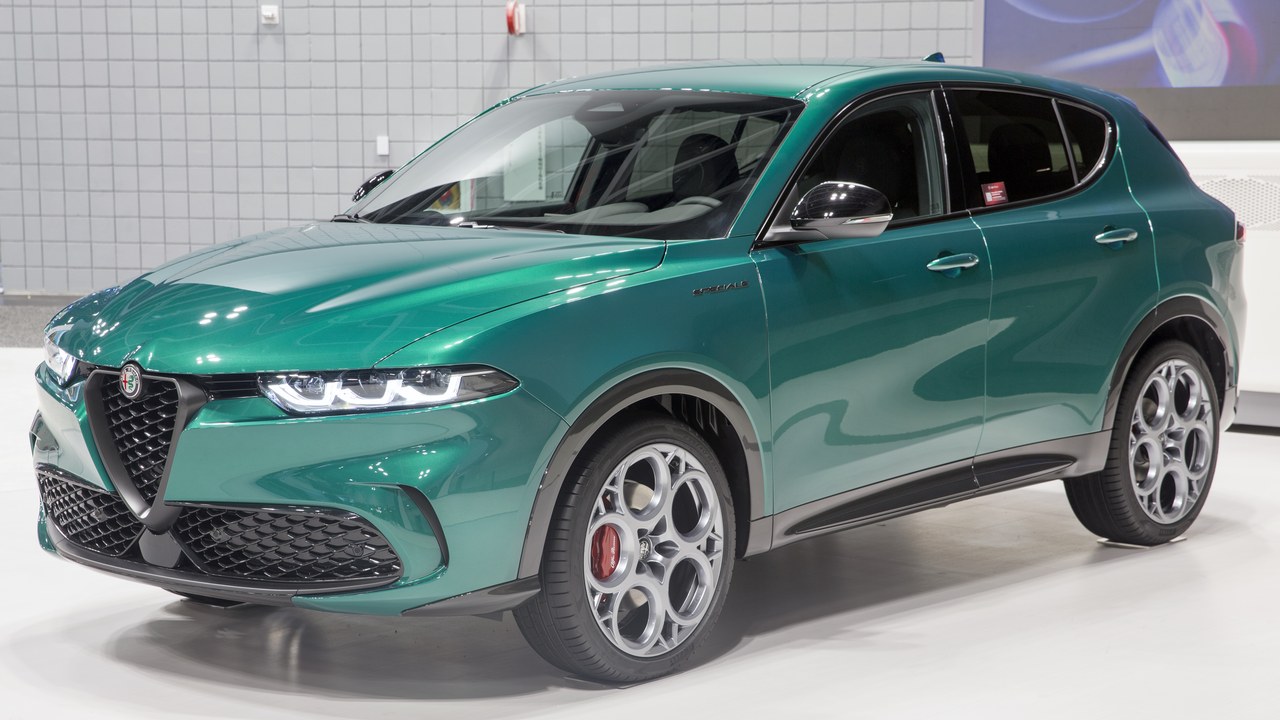
The Tonale lists 54.7 cubic feet, trailing the Volvo by 2.8 cubic feet. It is the second-smallest entry here, so the number reflects a vehicle built with more attention to style than to volume.
Buyers choosing an Italian badge for its personality should expect a cargo hold that handles weekend luggage rather than bulky equipment. Used as a daily driver with occasional errands, the number is adequate, though it will not suit hauling projects. That still leaves it ahead of the Mercedes-Benz GLA, so the Italian entry avoids the bottom spot in the table even though it sits near the end.
10. Mercedes-Benz GLA: Smallest in the Group
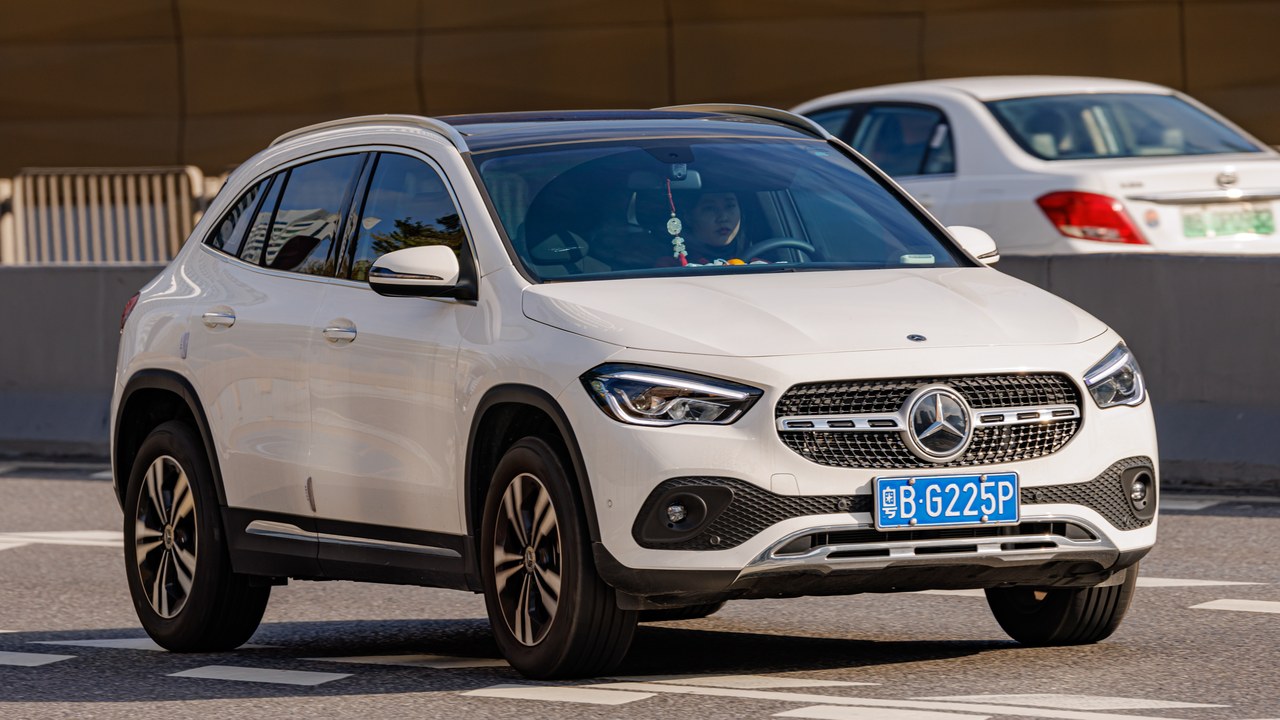
Closing out the list, the GLA lists 50.5 cubic feet, the least of the group. The shortfall against the Outback is a full 30.0 cubic feet, which is a large difference for crossovers marketed as small.
Anyone shortlisting vehicles for cargo should read this as the cost of a compact luxury package. The Mercedes badge and driving manner may still win owners over, but buyers with bulky loads should look higher up the table. For some drivers a smaller load area is perfectly acceptable, particularly where parking, commuting and badge appeal come before hauling duty.
More from Morning Overview
- Card skimmers hidden on gas pumps and ATMs are draining accounts, and here’s the tell
- Doctors warn a silent liver disease now affects one in three American adults
- Hackers are hijacking outdated home routers, and the FBI named the models to check
- Older Teslas are wearing out in ways early owners never saw coming
