
Hauling capacity is where the biggest SUVs justify their size, and the figures at the top of the class are enormous. The gap between the full-size leaders and the three-row crossovers at the bottom of this ranking is wider than the badges might hint. Here are ten SUVs that open up the most room once the rows are folded down.
1. GMC Yukon XL: The Cargo King
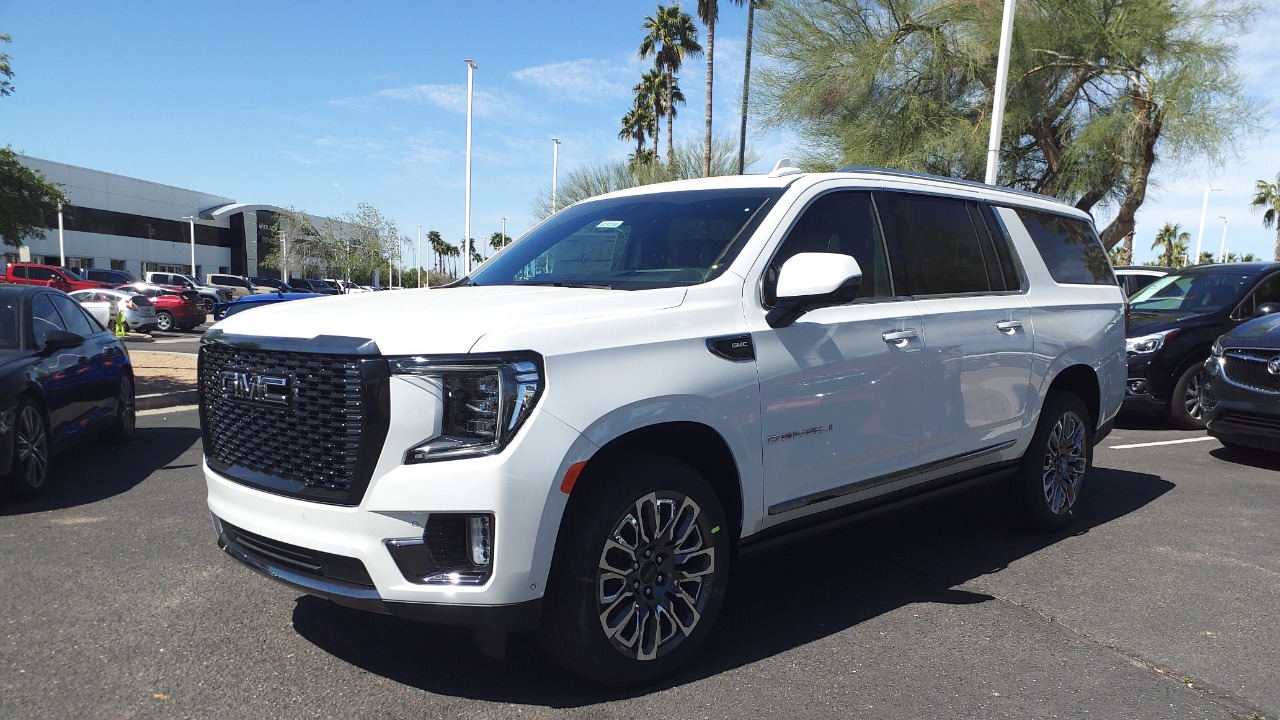
Leading the field is the Yukon XL, with 144.5 cubic feet of space, the most of any SUV measured. That figure is the headline number for the whole gallery, and it dwarfs the roughly 97 cubic feet found in the three-row crossovers at the bottom.
For buyers who regularly move furniture, sports gear or camping equipment, a load floor this large is the main selling point. Those who rarely fold the seats will be paying, in length and parking effort, for room that sits empty most days.
2. Chevrolet Suburban: Tied at the Top
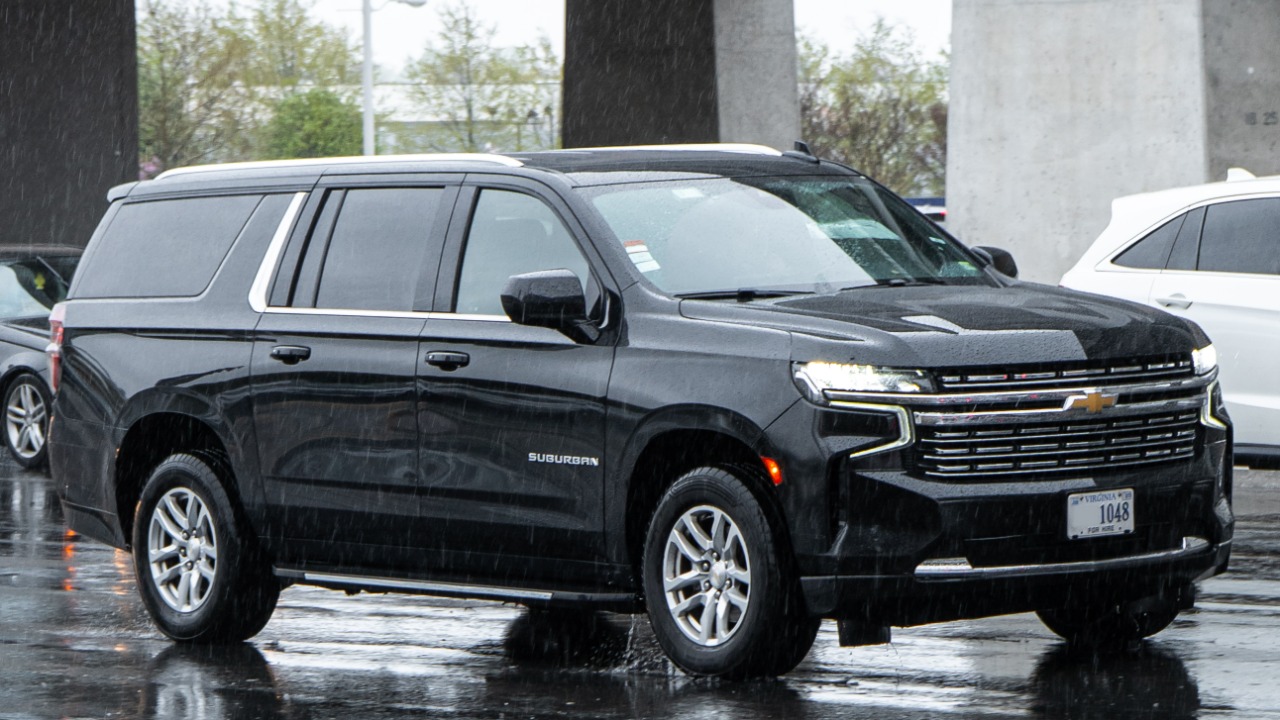
Matching the Yukon XL at 144.5 cubic feet, the Chevrolet Suburban is tied for the top spot. Two long-wheelbase siblings from the same corporate family therefore share the record, and nothing else on this list reaches it.
Shoppers cross-shopping the pair can treat maximum cargo volume as a wash. Trim, price and styling will decide between them, since the load area is equal when the second and third rows are down, and neither one holds an advantage. Choosing between them comes down to dealer experience and personal taste.
3. Cadillac Escalade ESV: Luxury Stretch
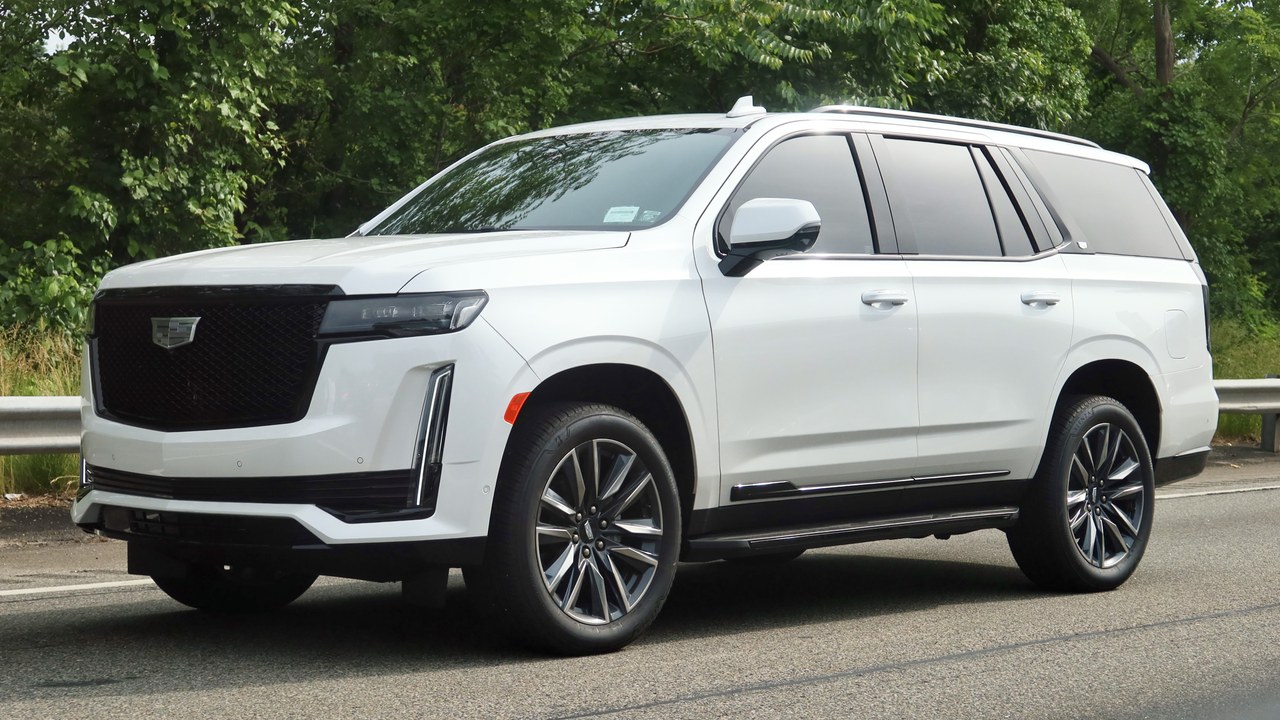
Cadillac’s Escalade ESV reaches 142.2 cubic feet in its long-wheelbase form. That is only 2.3 cubic feet shy of the Yukon XL and Suburban, so the luxury version gives up very little of the space that the class leaders offer.
Buyers who want a high-end cabin without surrendering cargo capacity get a rare combination here. The ESV badge matters, since the long body is what produces this volume, and the standard-length Escalade should not be assumed to match it. Shoppers wanting the biggest load floor in the luxury segment should check the ESV specifically.
4. Jeep Wagoneer L: Best Among Midsize
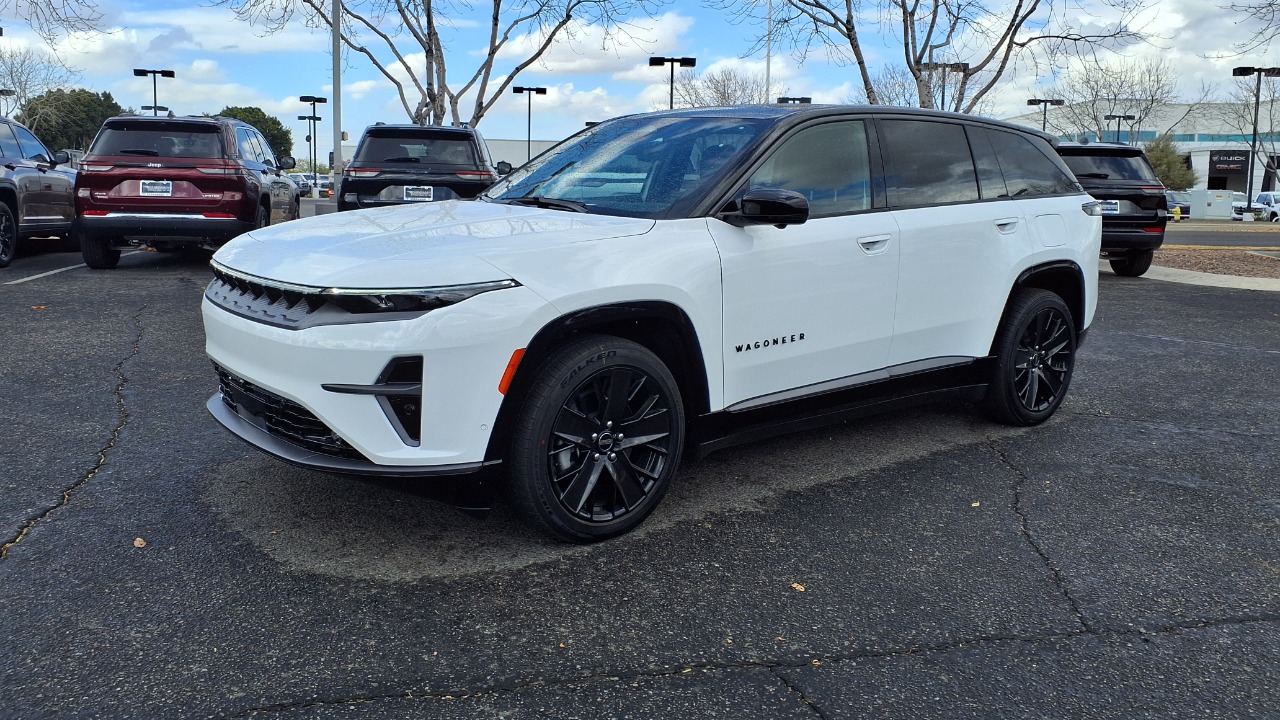
Jeep’s Wagoneer L offers 130.9 cubic feet of room, the most of any midsize SUV listed. It trails the class-topping Yukon XL by 13.6 cubic feet, a real gap but a fairly short one for an entry in the smaller class.
Shoppers who want a large Jeep with a big load bay will find plenty of volume once the seats are folded. The figure applies to the L version, so those looking at other lengths should not assume that the same room comes with them.
5. Chevrolet Tahoe: The Shorter Suburban
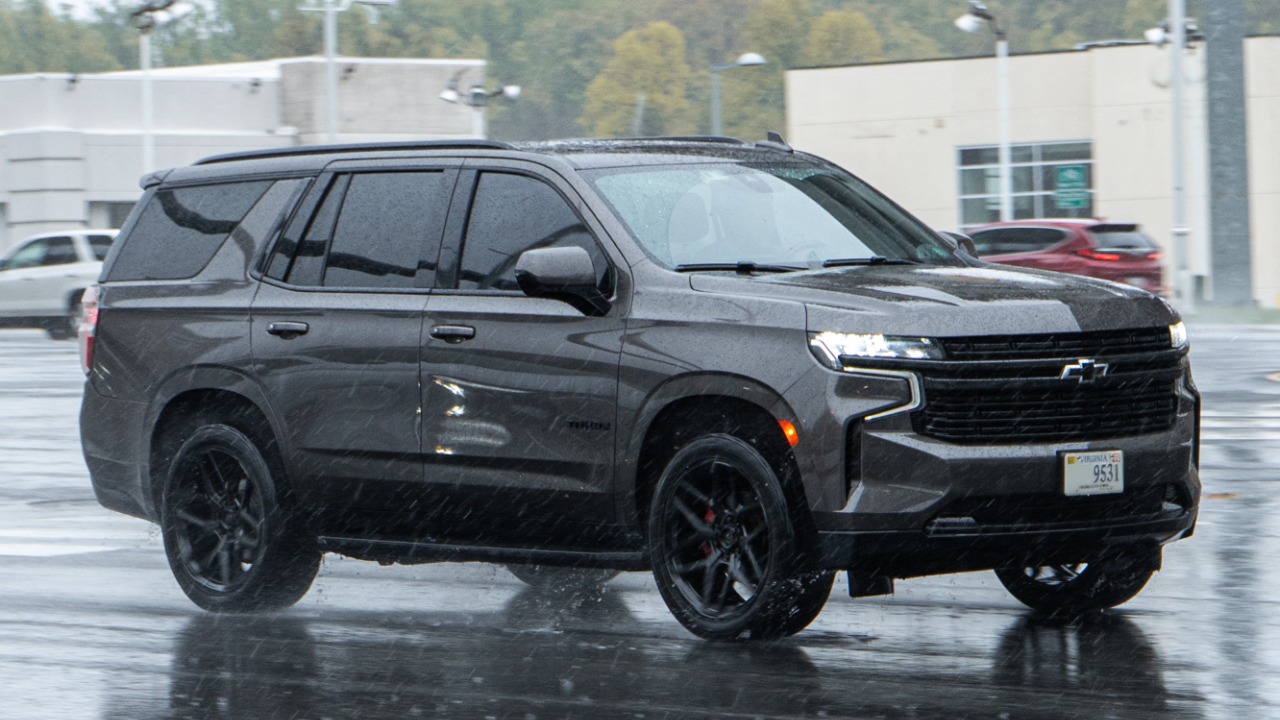
Think of the Tahoe, which provides 125.9 cubic feet, as the shorter Suburban. It gives up 18.6 cubic feet to the Suburban itself, yet it still clears the 120 mark comfortably and beats several longer rivals on this list.
Buyers who want a full-size Chevrolet that is easier to park and maneuver can accept the loss of space. For most families, 125.9 cubic feet is still more room than they are likely to use, even on a long road trip with heavy luggage.
6. Ford Expedition MAX: Ford’s Long Version
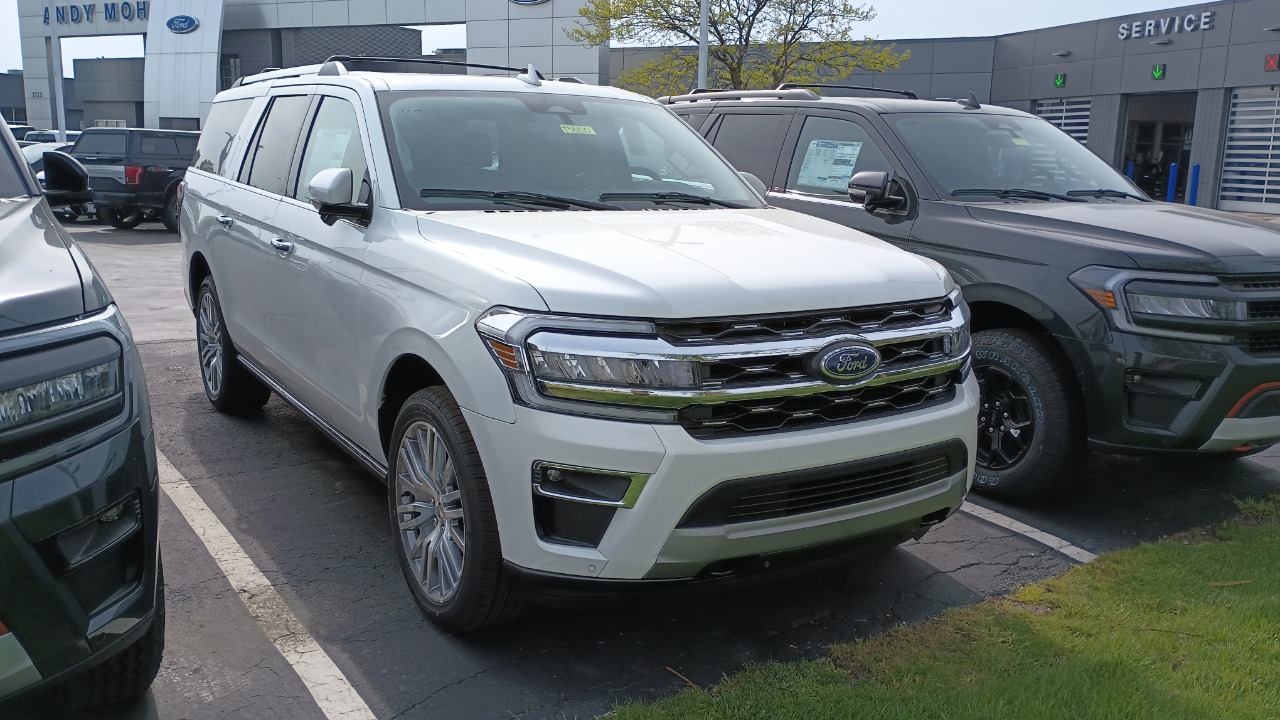
Folded flat, the Expedition MAX delivers 123.1 cubic feet of space. It sits between the Tahoe and the Lincoln Navigator L, in the heart of the full-size pack, and it trails the two leaders by 21.4 cubic feet.
Shoppers weighing the extended Ford against the Chevrolet and GMC models should note that the volume gap is considerable. It remains a spacious choice for large families, and it holds a clear lead over every three-row crossover in this gallery, which makes it a strong value among the longer Fords.
7. Lincoln Navigator L: Lincoln’s Longest
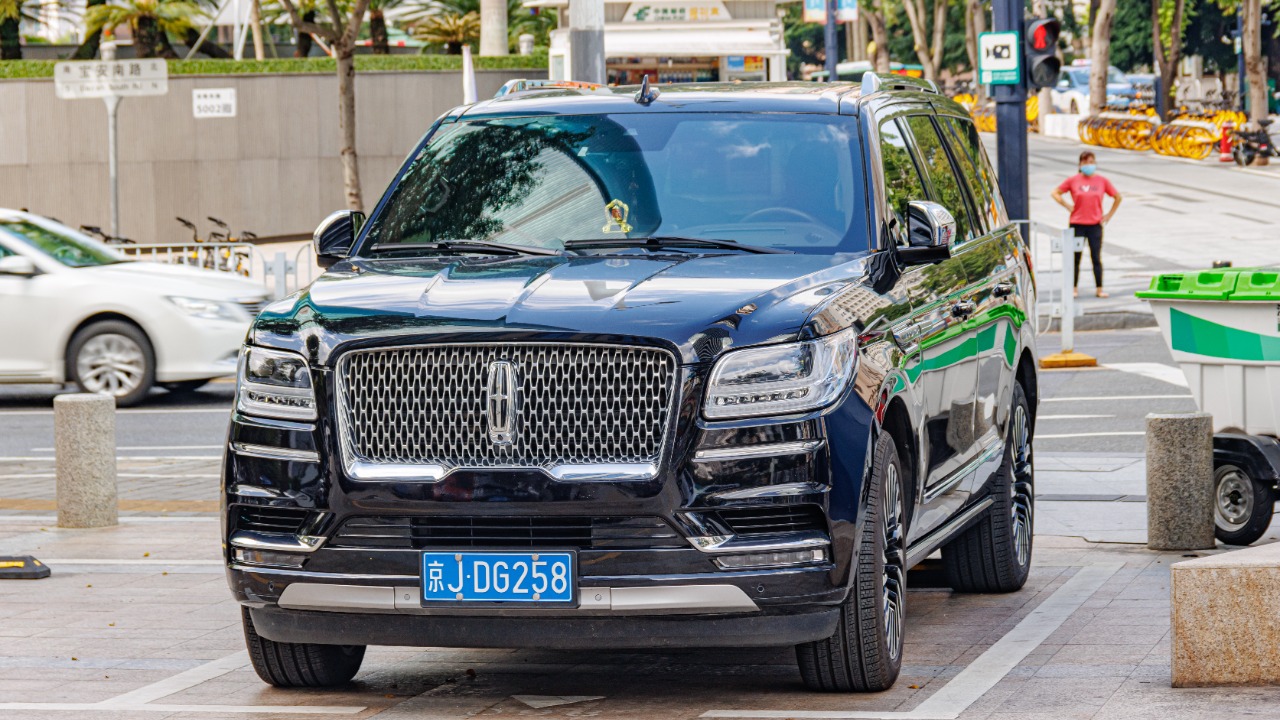
The longest SUV Lincoln sells, the Navigator L, holds 121.6 cubic feet with the seats down. That is the lowest total among the full-size entries here, though it is still more than 20 cubic feet above any crossover on the list.
The Navigator L trades a little volume for a luxury cabin and long-body comfort. Buyers who care most about hauling should look first at the Yukon XL and Suburban, which offer roughly 23 cubic feet more room than this Lincoln.
8. Chevrolet Traverse: Big Without Full-Size
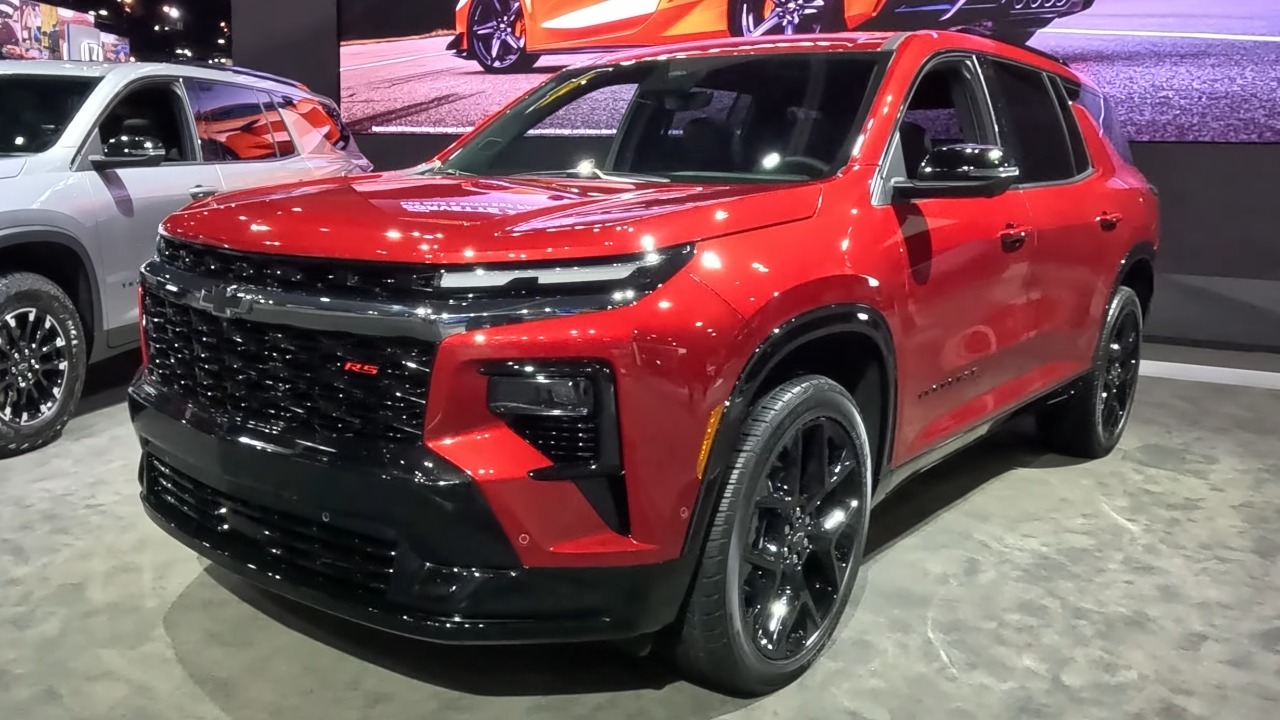
Stepping down in class, the Traverse offers 97.6 cubic feet without stepping up to a full-size SUV. It has the largest cargo area among the three crossovers in this gallery, and it is the only one of them to pass 97.5 cubic feet.
Families who want serious volume but not the footprint, fuel bill or price of a Suburban will find a sensible middle ground. The drop from the Navigator L is large, so the Traverse suits moderate rather than extreme hauling jobs.
9. GMC Acadia: Almost a Twin
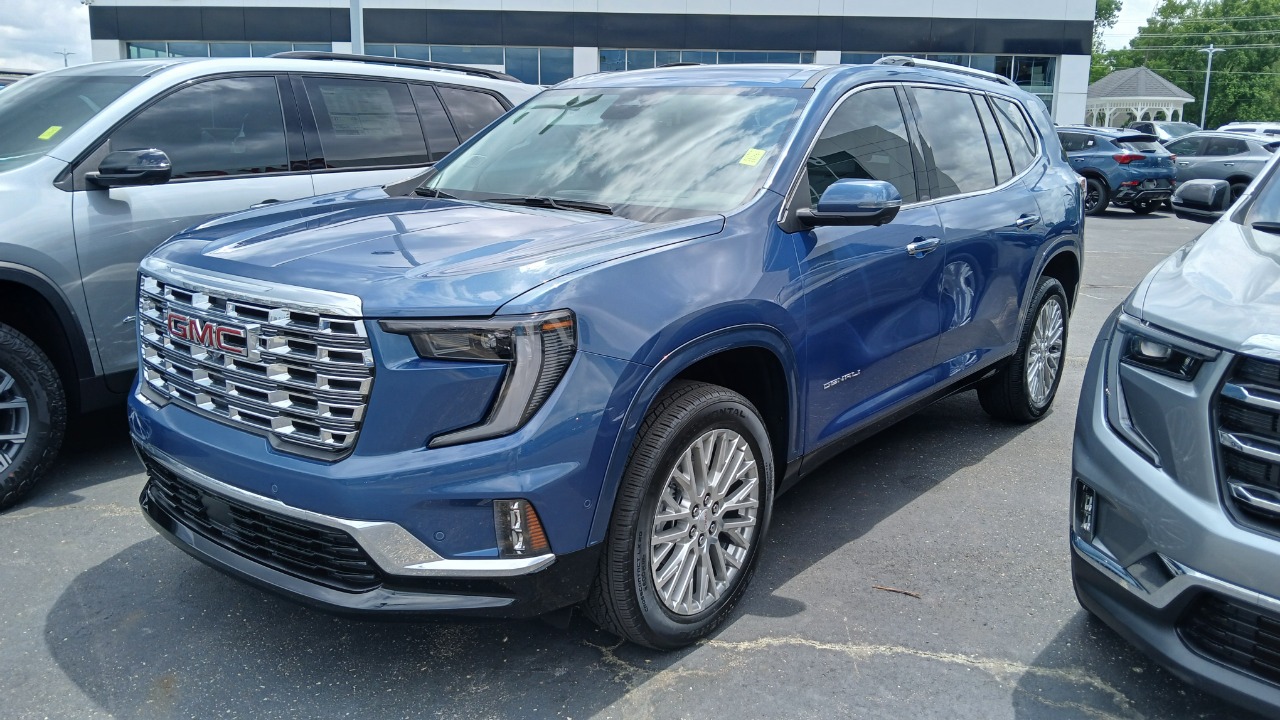
Nearly matching the Traverse, the GMC Acadia comes in at 97.5 cubic feet of cargo room. The difference is a tenth of a cubic foot, which no owner would ever notice while loading boxes, strollers or a weekend of camping gear.
Shoppers can choose between the two on styling, equipment and price rather than volume. Both are strong picks for people who need large-family space without moving up to the size, and the parking challenge, of a full-size truck-style SUV.
10. Volkswagen Atlas: Three-Row Value
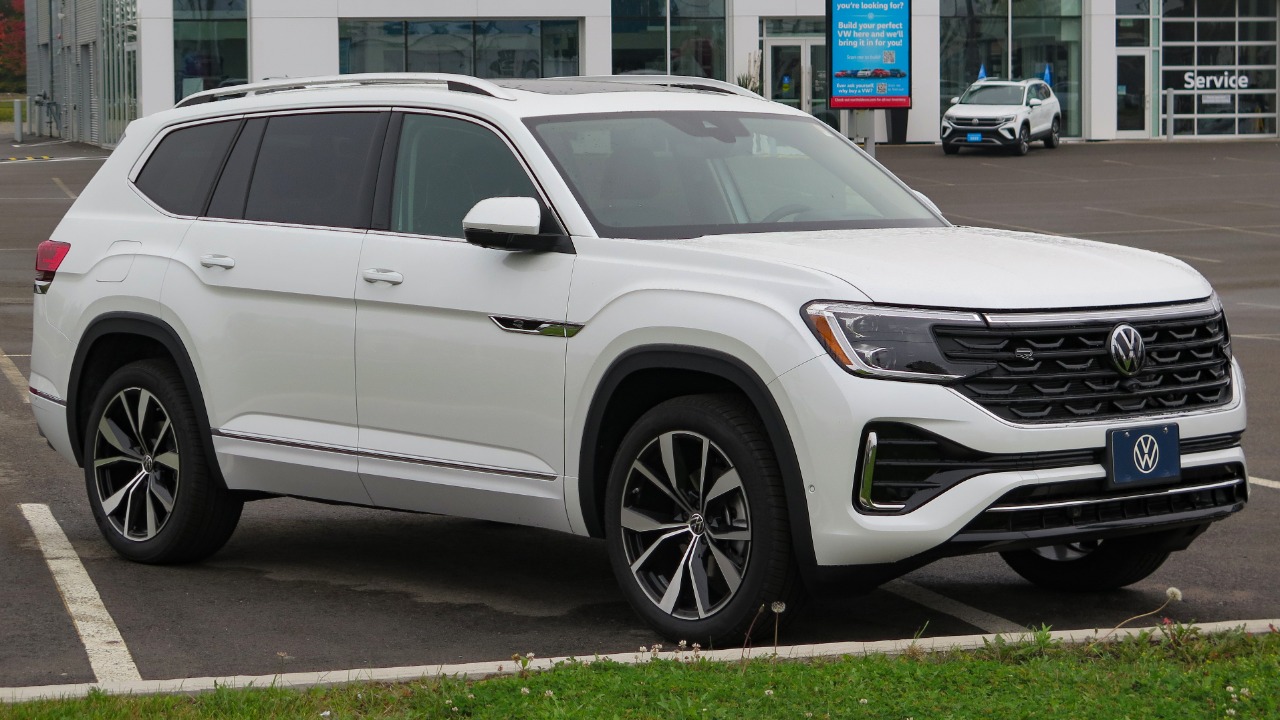
Rounding out the ranking, the Volkswagen Atlas offers 96.6 cubic feet in a three-row crossover. It trails the Traverse by exactly one cubic foot and sits at the bottom of the table, though it is still a very large load area.
For buyers who do not need the capacity of a Suburban, the Atlas still offers plenty of space for gear and passengers. It is a practical pick for families that fold the seats occasionally but do not regularly haul huge loads.
More from Morning Overview
- Four U.S. startups fired up their first small nuclear reactors, aiming to power AI data centers on-site
- Card skimmers hidden on gas pumps and ATMs are draining accounts, and here’s the tell
- Doctors warn a silent liver disease now affects one in three American adults
- Hackers are hijacking outdated home routers, and the FBI named the models to check
