
While human crews stay close to Earth, a fleet of tireless machines fans out across the solar system and far beyond it. They dive into the sun, orbit giant planets, crawl across Martian dust, and drift into the dark between the stars. Here are ten robotic explorers working right now.
1. Voyager 1: The farthest thing humans ever built
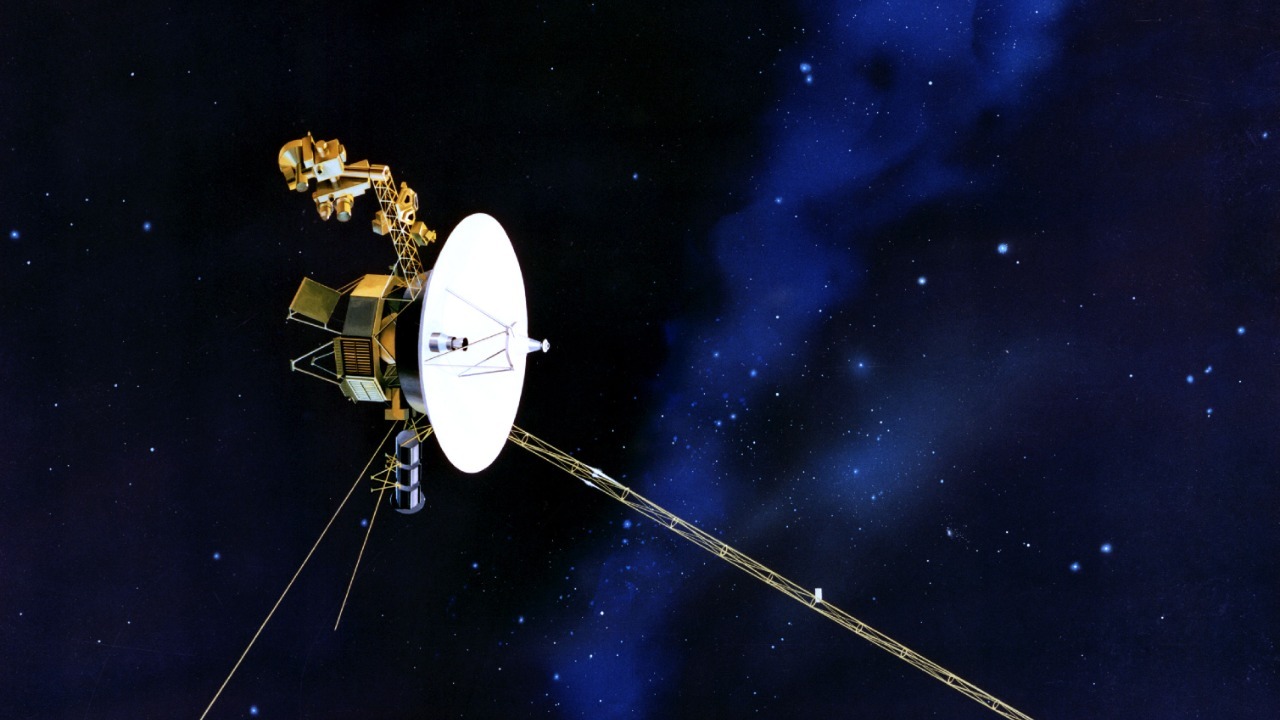
Launched in 1977, Voyager 1 has traveled farther from home than any other object people have ever made. It crossed into interstellar space in 2012, slipping past the bubble of particles the sun blows around itself.
Now more than fifteen billion miles out, the probe still whispers faint signals back across a gap so wide that each message takes many hours to arrive. Its aging instruments keep measuring the thin plasma between the stars, a place no craft had ever reached before.
2. Parker Solar Probe: Flying straight into the sun’s fire
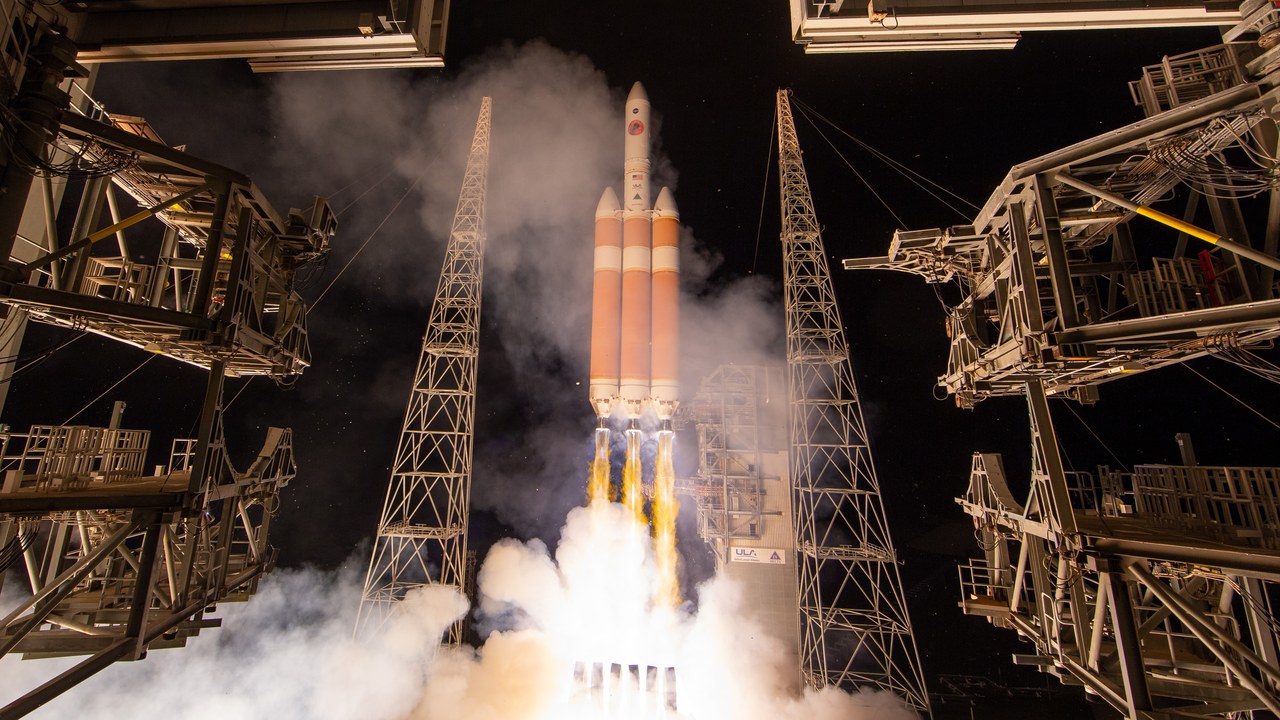
Parker Solar Probe does something no machine had dared before, plunging repeatedly through the sun’s blistering outer atmosphere. A thick carbon shield takes the brunt of the heat while the spacecraft instruments stay cool behind it.
On each looping orbit it dips closer to the surface than any probe in history, sampling the searing corona and the solar wind at their source. Scientists hope the daring passes will finally explain why that outer layer runs far hotter than the star below it.
3. Juno: Circling the king of the planets
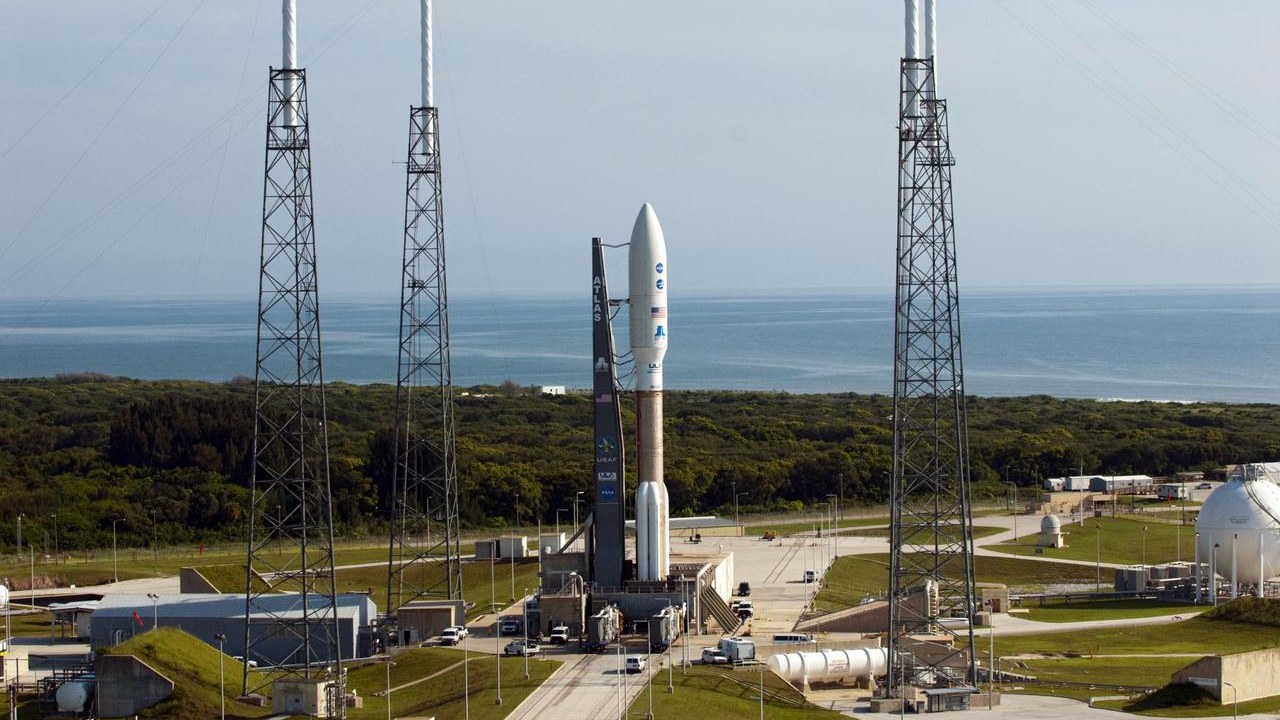
Juno has been swinging around Jupiter since 2016, riding a stretched orbit that carries it over the giant planet’s poles. Wide solar wings power the craft as it studies the swirling Jovian storms below.
Its cameras have captured the deep blues and creamy bands of cloud tops never seen so clearly, while other sensors peer far beneath them. The mission is mapping Jupiter’s fierce magnetic field and probing whether the world hides a solid core under its crushing layers of gas.
4. New Horizons: The probe that unveiled Pluto
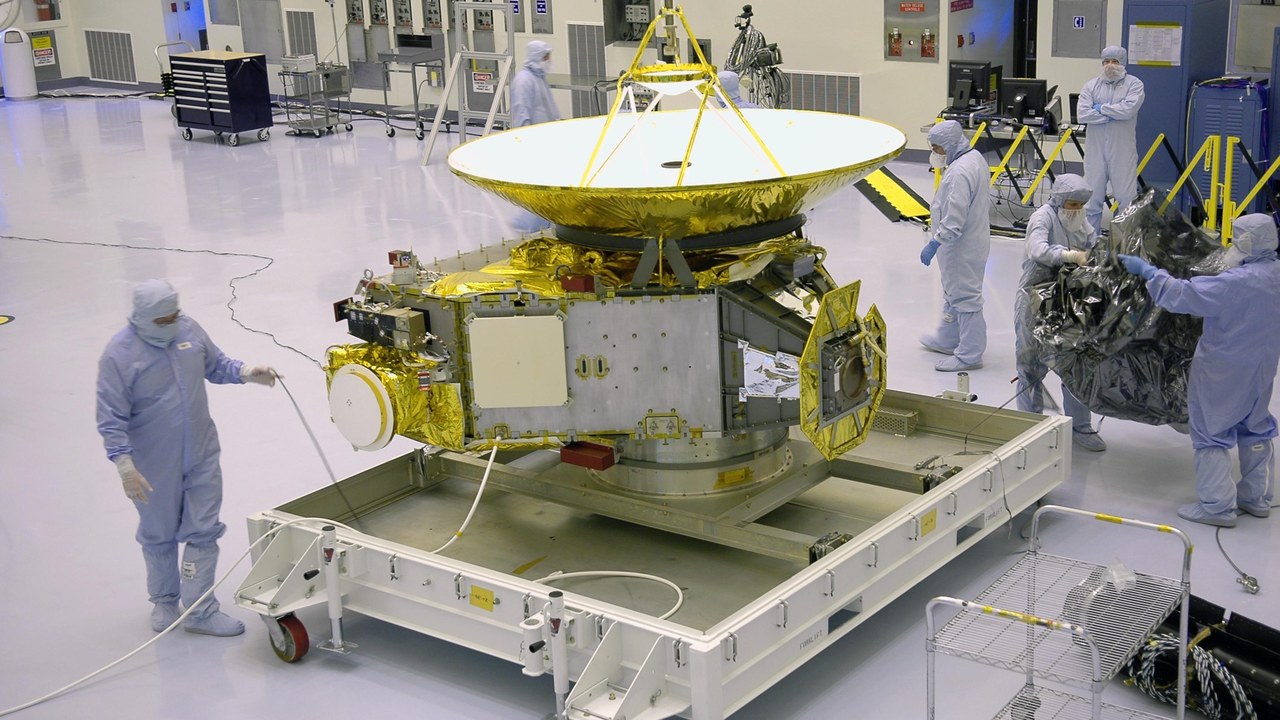
New Horizons raced across the solar system for nearly a decade before its 2015 flyby turned Pluto from a blur into a world of icy plains and towering ridges. The distant flyby rewrote the textbooks overnight.
The piano-sized craft did not stop there, going on to visit a small, snowman-shaped object deep in the Kuiper Belt. It now sails through that frozen frontier of leftover worlds, still returning stored data as it heads slowly toward the distant edge of the sun’s realm.
5. Perseverance: Bottling up pieces of Mars
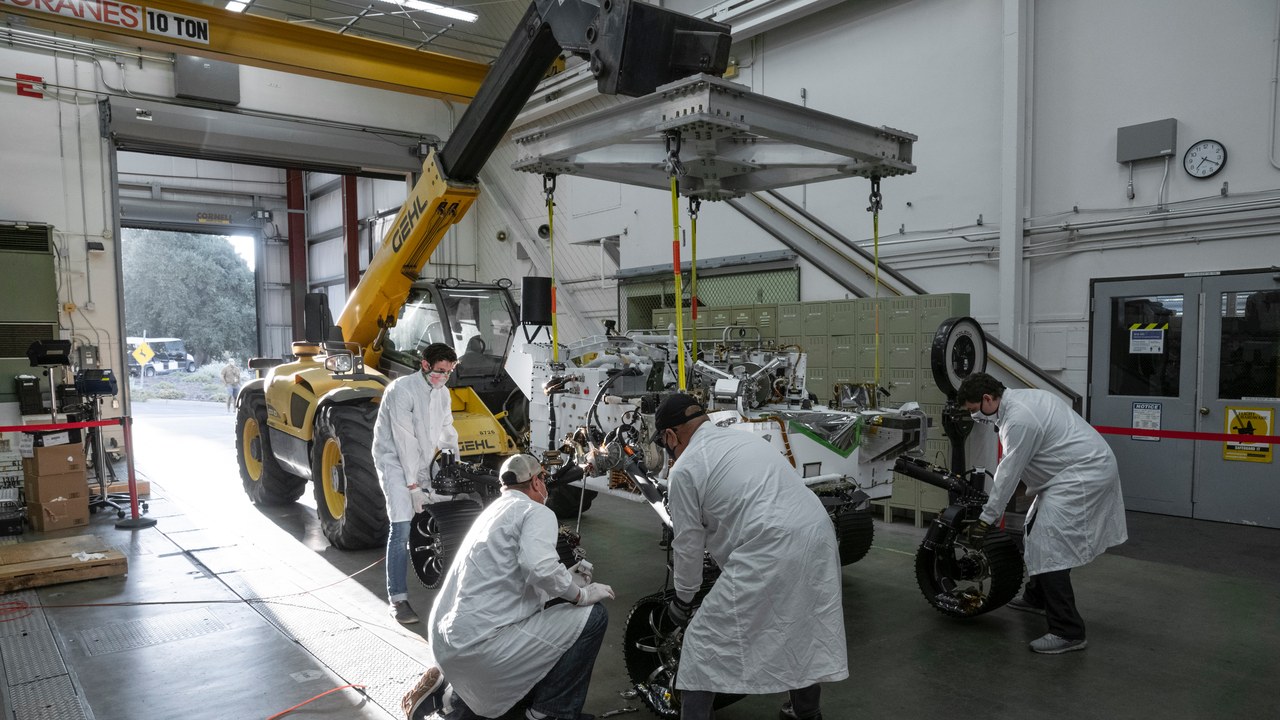
Perseverance has been rolling across an ancient Martian crater since early 2021, hunting for chemical traces that might hint at long-vanished life. The rover drills into rock and seals the cores in sturdy sample tubes.
Those sealed samples wait on the surface for a future mission that would carry them back home for study in earthly labs. Meanwhile the rover keeps testing new tools, including a clever device that pulled breathable oxygen straight from the Martian planet’s thin carbon dioxide air.
6. Curiosity: A veteran still climbing higher
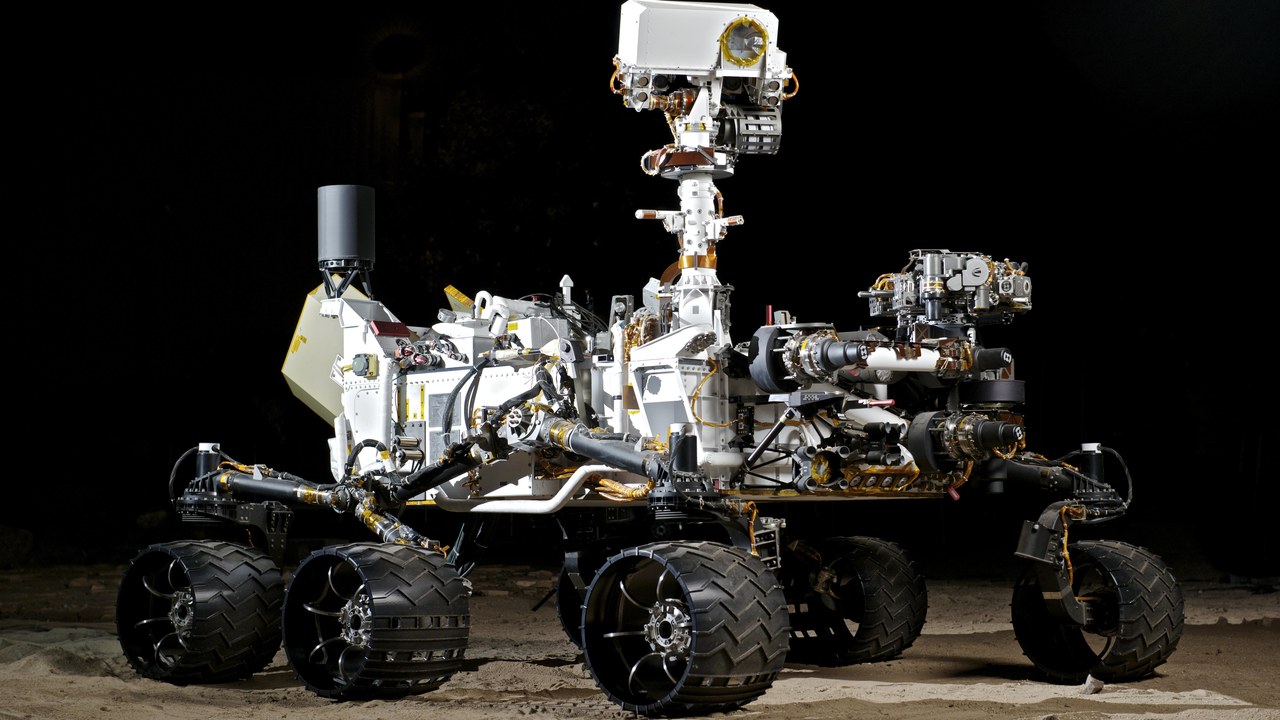
Curiosity landed in 2012 and has spent more than a decade grinding up the slopes of a towering Martian mountain nicknamed Mount Sharp. Each layer of rock the nuclear rover passes marks another chapter of the planet’s past.
Its onboard lab has confirmed that the crater once held lakes and streams friendly to life as we know it. Though its wheels are dented and worn from years of rough ground, the tough machine keeps drilling, sniffing the air, and beaming discoveries back to Earth.
7. Europa Clipper: Chasing an ocean under the ice
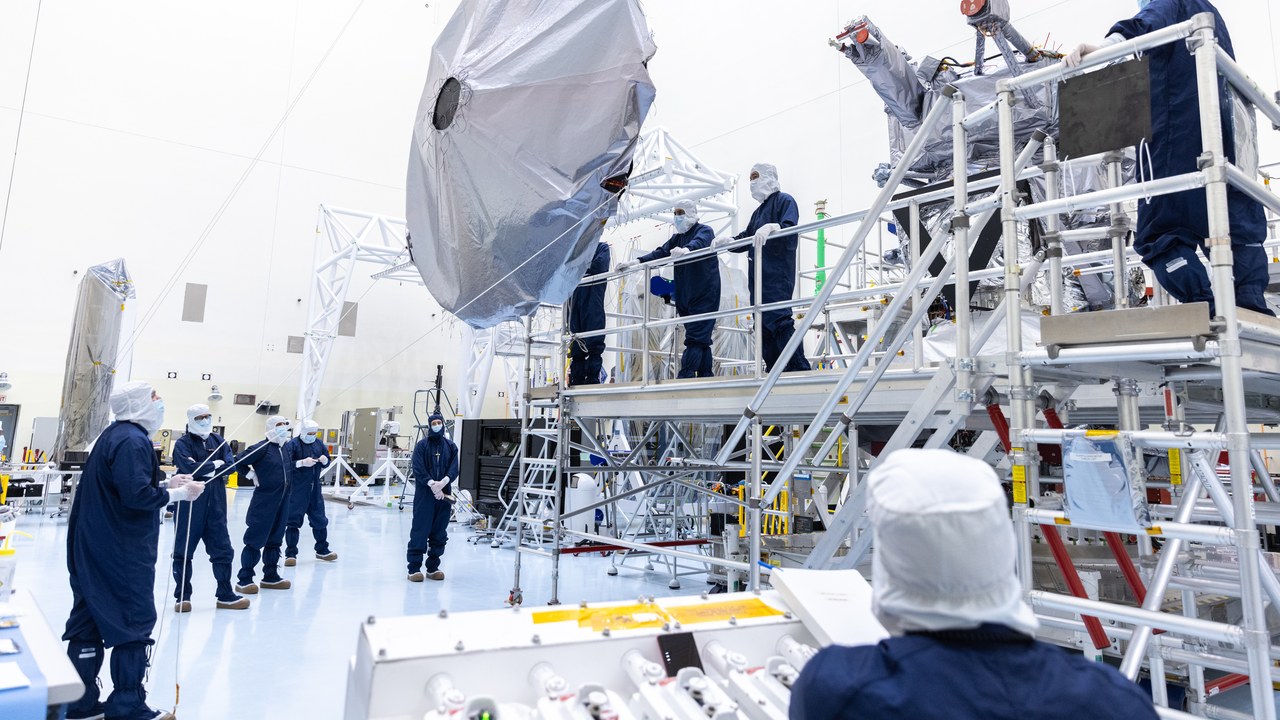
Europa Clipper set off in 2024 on a long cruise toward Jupiter, where it will study a moon thought to hide a vast salty sea beneath a frozen shell. The ocean moon may be one of the best places to look for life.
Rather than landing, the craft will loop past Europa again and again, scanning the ice with radar and sampling any vapor rising from cracks. Its enormous solar panels make it one of the largest planetary spacecraft ever built for such a distant journey.
8. Lucy: Touring fossils of the early system
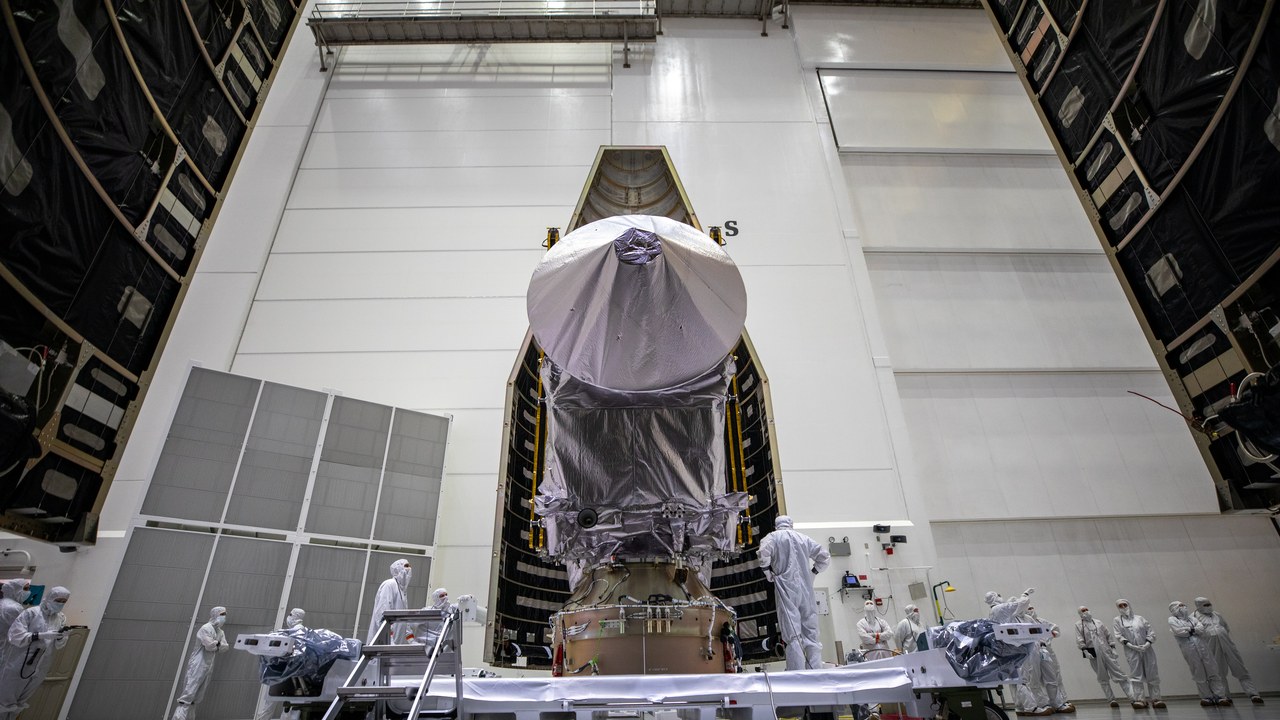
Lucy is on a twelve-year tour to visit the Trojan asteroids, two swarms of ancient rocks that share Jupiter’s orbit around the sun. Scientists treat these Trojan asteroids as fossils left over from the planets’ birth.
The probe has already buzzed one small asteroid and found it wrapped by a tiny moon of its own. Over the coming years it will swing past a record number of these dark, primitive bodies, piecing together how the outer worlds first came together.
9. OSIRIS-APEX: Waiting for a close visitor
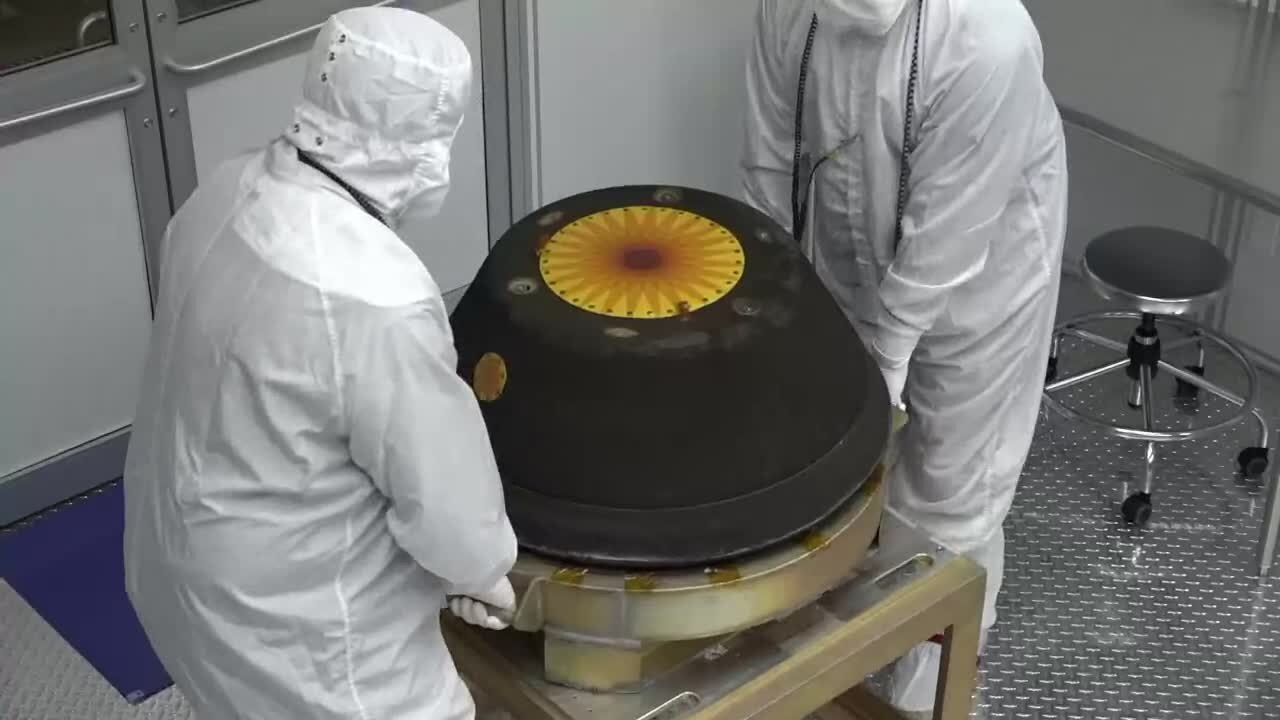
OSIRIS-APEX is a veteran spacecraft given a bold second job after it dropped a capsule of asteroid dirt onto the Utah desert. Controllers redirected the craft toward Apophis, a stony asteroid due for a strikingly close approach in 2029.
When that rock sweeps past Earth closer than some satellites, the probe will be waiting to study how the tug of our planet reshapes it. Reusing hardware already in space lets scientists chase a rare event without building an entirely new mission.
10. James Webb Space Telescope: A golden eye a million miles out
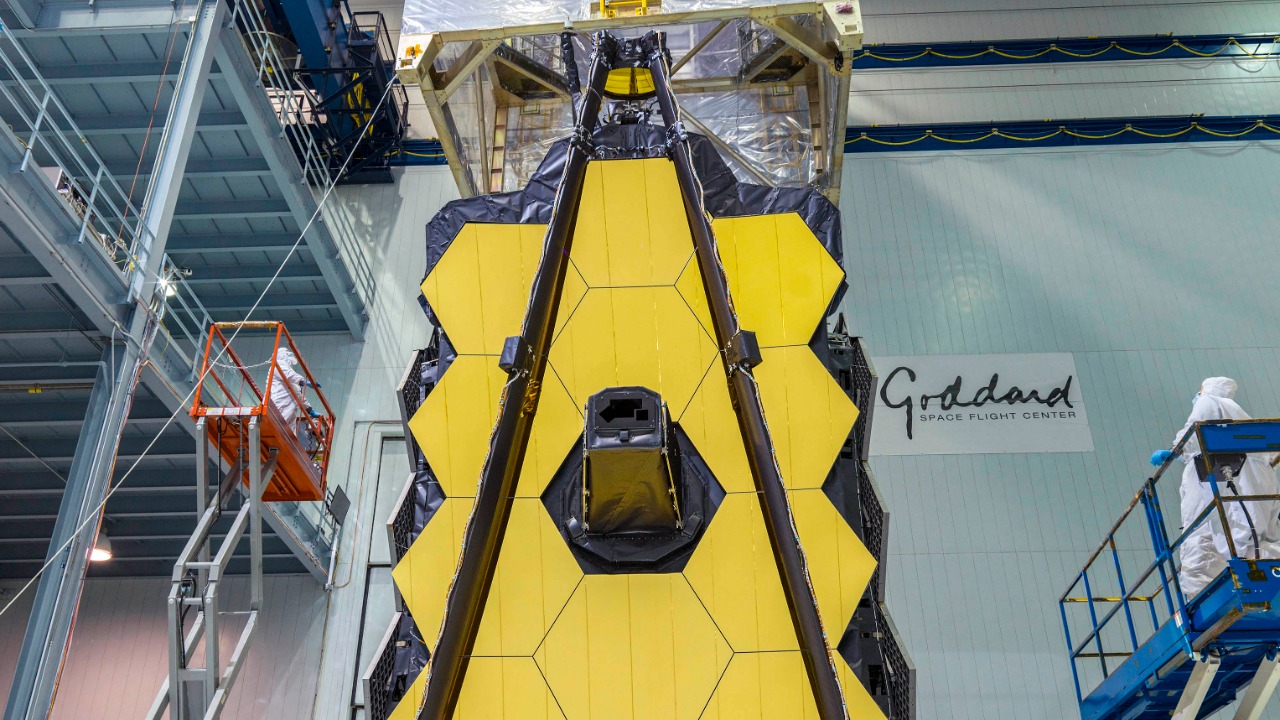
The James Webb Space Telescope watches the cosmos from a quiet spot roughly a million miles beyond the moon, far past Earth’s glow. Its huge segmented mirror, coated in gold, gathers faint infrared light from the earliest galaxies.
A tennis-court-sized sunshield keeps the instruments frigid so their own warmth does not drown out the whispers from deep space. Closer to home, the observatory reads the air of planets circling other stars, searching those distant skies for the chemical fingerprints of life.
More from Morning Overview
- A Colorado wildfire forced level-three ‘leave now’ orders across Ouray County
- A skeleton beneath Petra’s Treasury was found clutching a chalice that resembles the Holy Grail
- 8 SUVs mechanics are quietly steering buyers away from in 2026
- Researchers pulled 8,080 pounds of invasive python from one Florida county
