
Naturally aspirated V10 engines never became mainstream, but a handful of automakers built them anyway, chasing a sound and a redline turbocharging still cannot fully replicate. Supercars, a pickup truck, and even two German sedans all carried one under the hood at some point over the past two decades. Here are ten road cars that put a screaming, unforced V10 between the driver and the pavement.
1. Lexus LFA: A Screaming Yamaha Collaboration
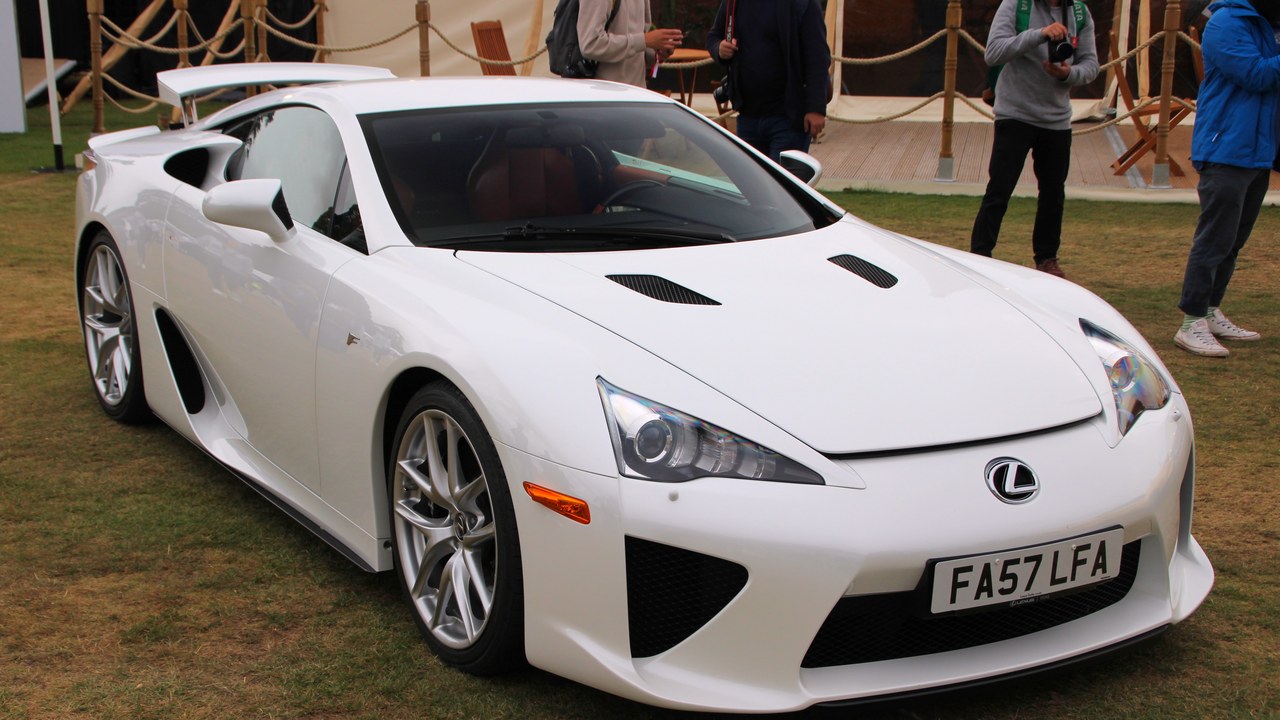
Toyota tasked Yamaha with tuning the LFA’s 4.8-liter V10, and the resulting engine revs to 9,000 rpm while making 553 hp at 8,700 rpm, a redline closer to a motorcycle than a grand tourer. Only 500 examples were built between 2010 and 2012, each one hand-assembled at a dedicated Motomachi facility in Japan. The Yamaha-tuned V10 output became the car’s defining trait, more than its carbon-fiber construction or its six-figure price tag.
Collectors now treat the LFA as a turning point for Lexus, proof the brand could build something as emotional as it was precise. Values have climbed past the original price, and the engine note alone draws buyers who never cared about lap times.
2. Porsche Carrera GT: Born From A Dead Racing Program
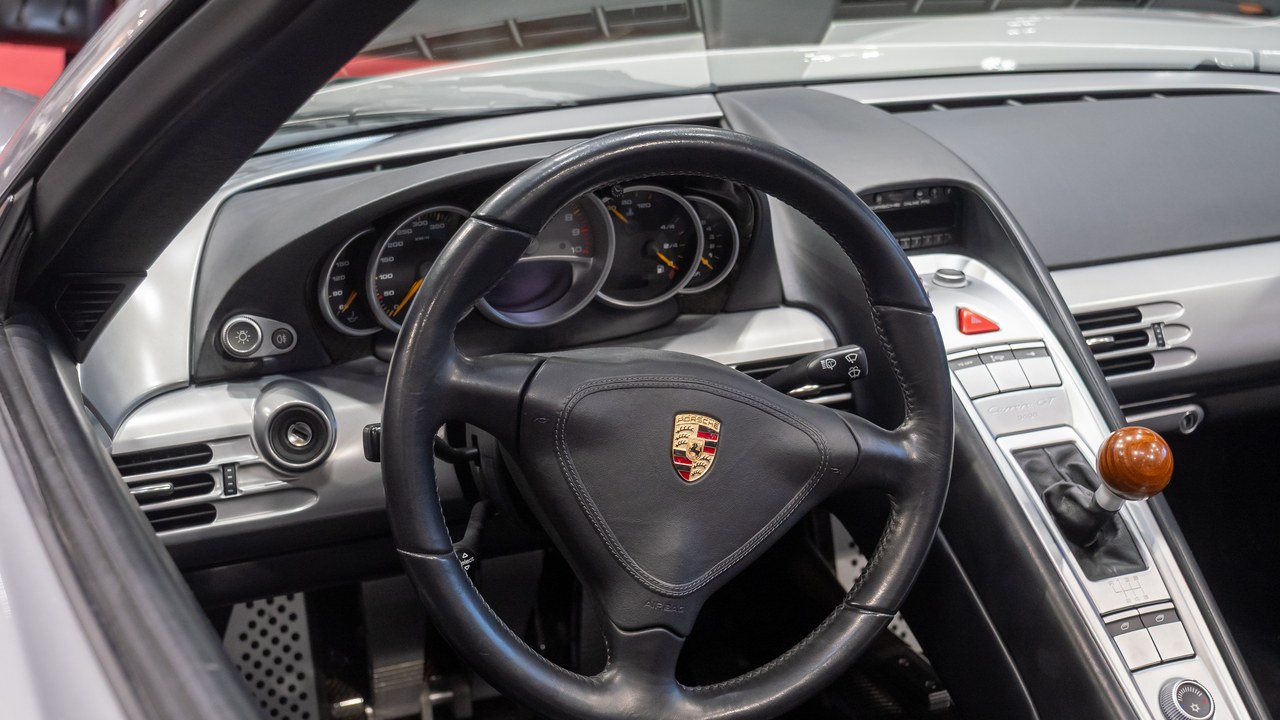
Porsche originally built the 5.7-liter V10 for a Le Mans prototype program that got canceled before it ever raced, then repurposed the engine for a street car instead. Rated at 612 PS, it revs past 8,000 rpm without a turbo in sight. The stillborn racing program gave the road car an engine no ordinary supercar buyer could otherwise access.
A manual gearbox and a notoriously stiff clutch kept the Carrera GT from feeling like an easy daily driver, which only added to its reputation among enthusiasts. Production ended after roughly 1,270 units, and Porsche has not built another naturally aspirated V10 since.
3. Dodge Viper: America’s Brute-Force Answer
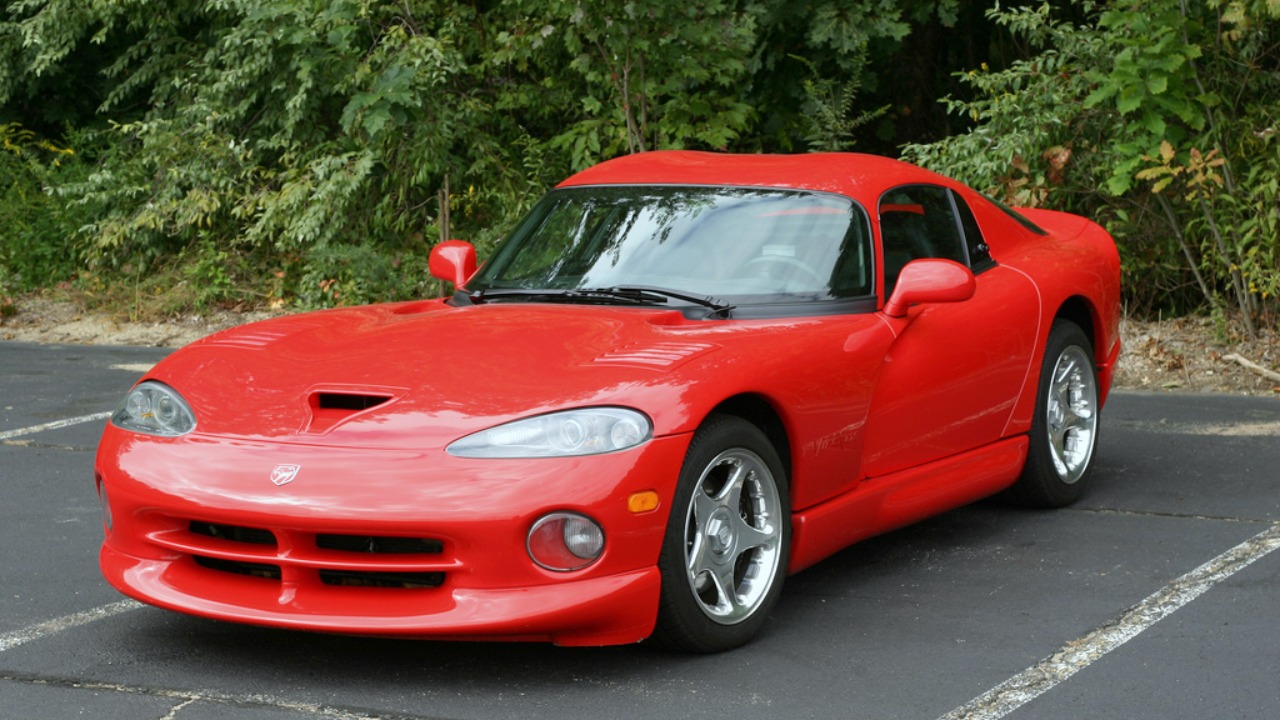
Dodge started the Viper with an 8.0-liter V10 borrowed loosely from a Chrysler truck engine, then kept enlarging it over two decades of production. By the final generation, displacement reached 8.4 liters and output climbed to 645 hp. The final version of that V10 arrived just before Dodge ended Viper production in 2017.
Unlike most rivals on this list, the Viper never adopted power steering or, for years, even a roof panel that stayed attached in bad weather. That rawness became the car’s selling point rather than a flaw buyers tolerated.
4. BMW M5 (E60): A Redline Built For Racing
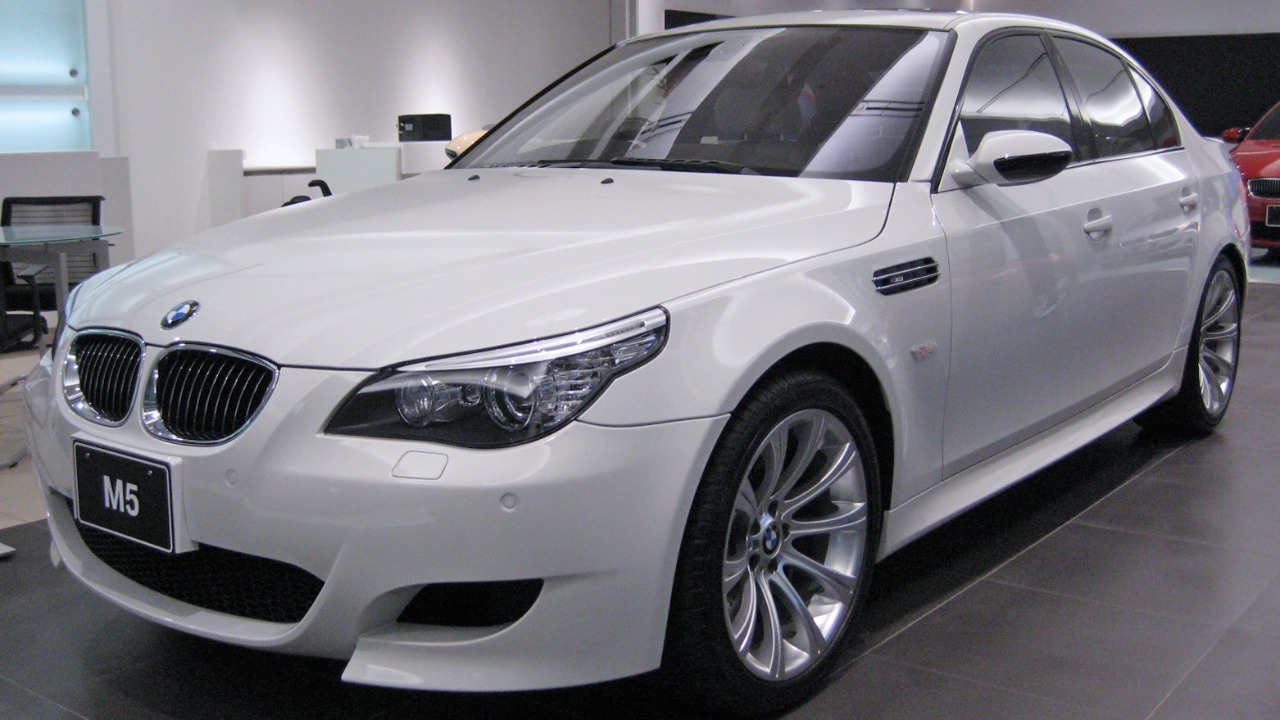
BMW dropped a 5.0-liter V10 into a family sedan for the E60 M5, an engineering choice few automakers would attempt today. The S85 engine made 500 hp and revved to an 8,250 rpm redline, numbers borrowed in spirit from BMW’s Formula One program. The high-revving sedan engine paired with a seven-speed automated manual that many owners later replaced.
Maintenance costs on the S85 became notorious, particularly rod bearing wear that pushed some owners toward expensive preventive rebuilds. Even so, the E60 M5 remains the only V10 sedan BMW has ever sold in the United States.
5. Lamborghini Gallardo: Where Lamborghini’s V10 Story Begins
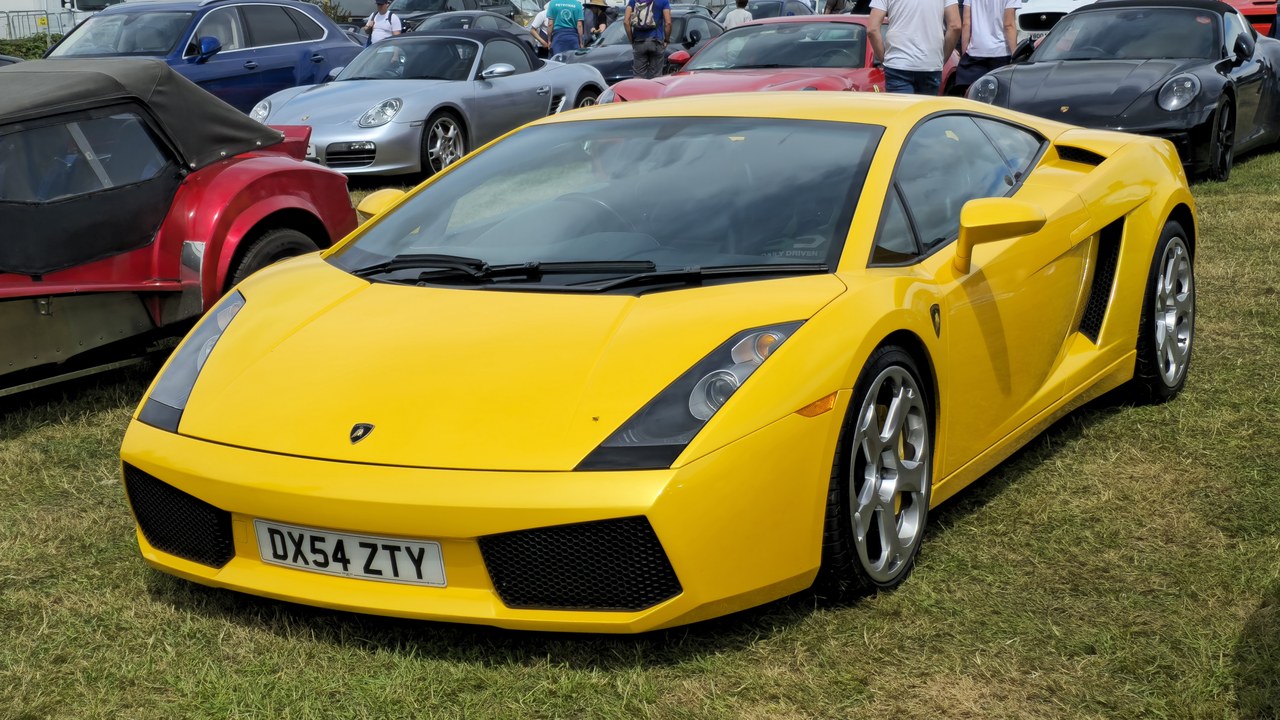
Lamborghini built its own 5.0-liter V10 for the Gallardo rather than borrowing a Volkswagen Group engine outright, marking the brand’s first in-house V10 design. The Gallardo went on to become Lamborghini’s best-selling model up to that point, produced for a full decade. The in-house V10 design later grew in displacement and output across several Gallardo trims.
That engine architecture outlived the Gallardo itself, forming the basis for two later Lamborghini and Audi models. Few single engine designs have stretched across as many badges and decades as this one has.
6. Lamborghini Huracán: Still Free Of Turbos
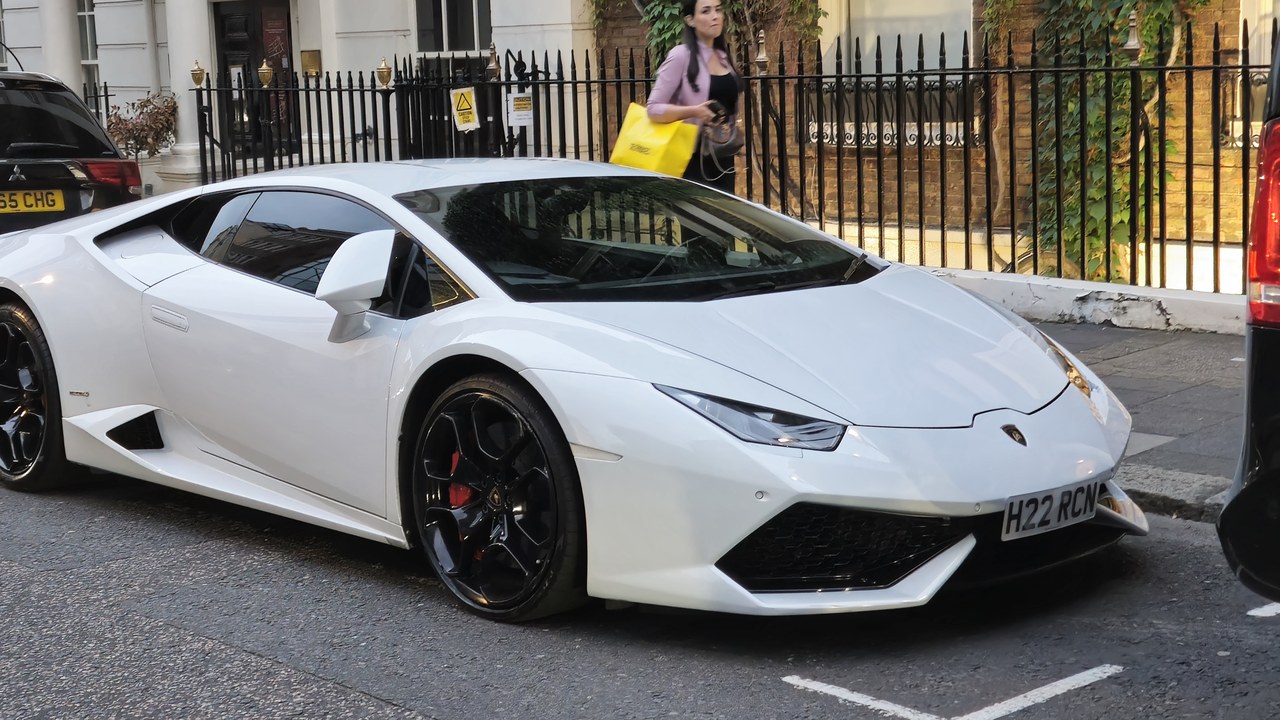
Lamborghini kept the Gallardo’s naturally aspirated formula alive in the Huracán, growing the V10 to 5.2 liters while rivals moved toward turbocharging. Performante variants pushed output to 631 hp without sacrificing the engine’s high-revving character. The naturally aspirated 5.2-liter design stayed in production even as Lamborghini began hybridizing other models.
That decision made the Huracán something of a holdout, a modern supercar still built around throttle response rather than boost pressure. Its eventual successor moves to a hybrid V8, closing out the naturally aspirated era at Sant’Agata.
7. Audi R8: Sharing Sant’Agata’s Heart
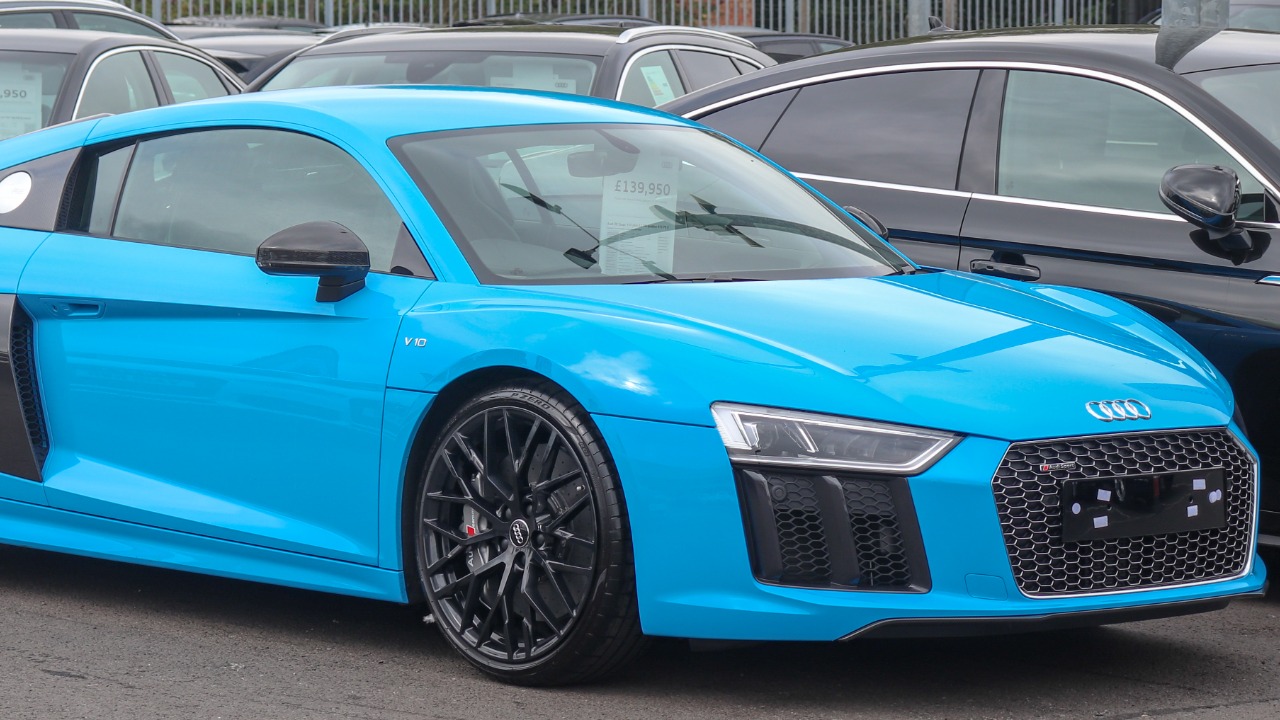
Audi mounted a 5.2-liter FSI V10 behind the seats of the R8, sourcing the basic architecture from Lamborghini’s Gallardo and Huracán. Output climbed past 600 hp in later variants like the R8 V10 Plus and Performance trims. The shared V10 architecture gave Audi a supercar rival without designing an entirely new engine from scratch.
Sharing the engine with Lamborghini kept development costs down while still giving the R8 genuine supercar performance credentials. Audi has since confirmed the current R8 will be the last with a V10 offered at all.
8. Dodge Ram SRT-10: A Viper Engine In A Truck Bed

Dodge borrowed the Viper’s 8.3-liter V10 almost wholesale and installed it in a regular-cab pickup, creating the Ram SRT-10 for the 2004 and 2005 model years. Output landed at 500 hp, enough to set a production pickup speed record at the time. The Viper-sourced V10 engine made the SRT-10 one of the strangest factory trucks ever sold.
A six-speed manual and rear-wheel drive only reinforced how little the SRT-10 behaved like a normal work truck. Dodge later added a quad-cab version, but the original two-door remains the one collectors chase.
9. Audi S8 (D3): A Supercar Engine In A Business Suit
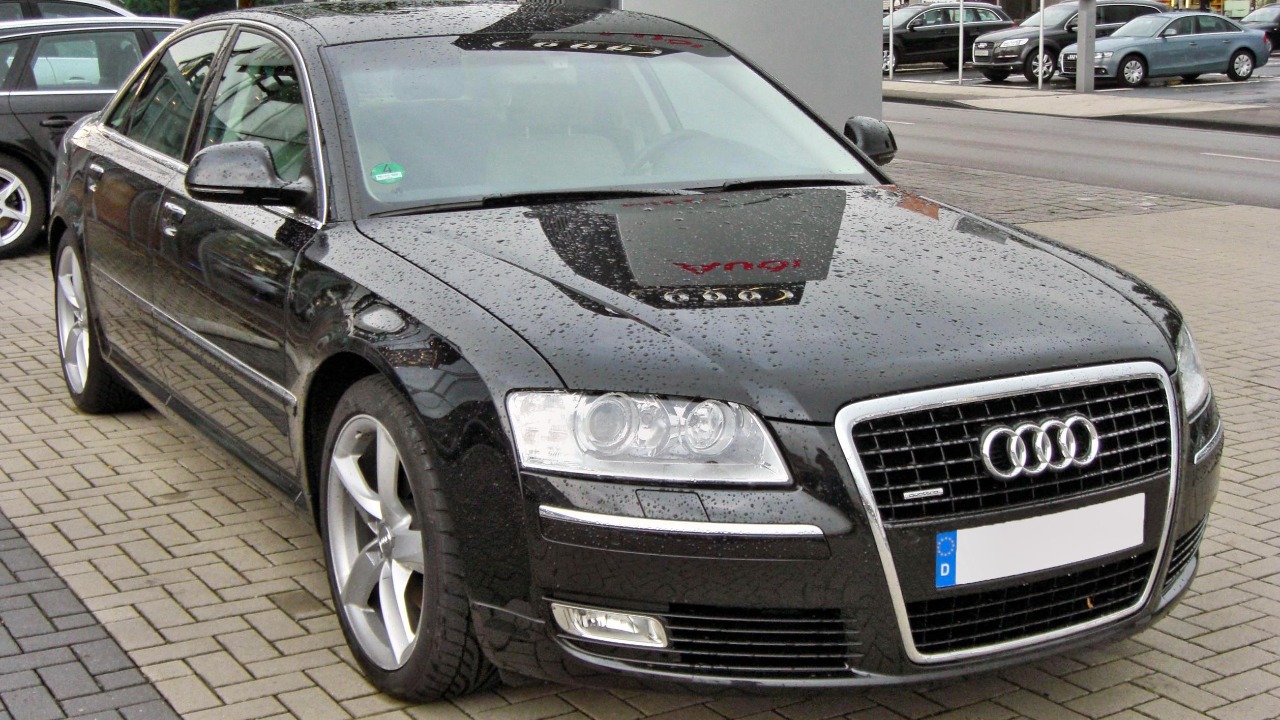
Audi installed a version of the Gallardo-derived 5.2-liter V10 in the D3-generation S8, hiding supercar-grade hardware inside a full-size luxury sedan body. The engine gave the flagship sedan performance well beyond what its conservative styling suggested. The Gallardo-derived V10 architecture only stayed in the S8 lineup for one generation before Audi switched to turbocharged V8s.
Quattro all-wheel drive helped the S8 put that power down in weather no Gallardo owner would risk driving through. Later S8 generations dropped the V10 entirely, making the D3 the only naturally aspirated version Audi ever sold.
10. BMW M6 (E63): The Coupe Twin Of The M5
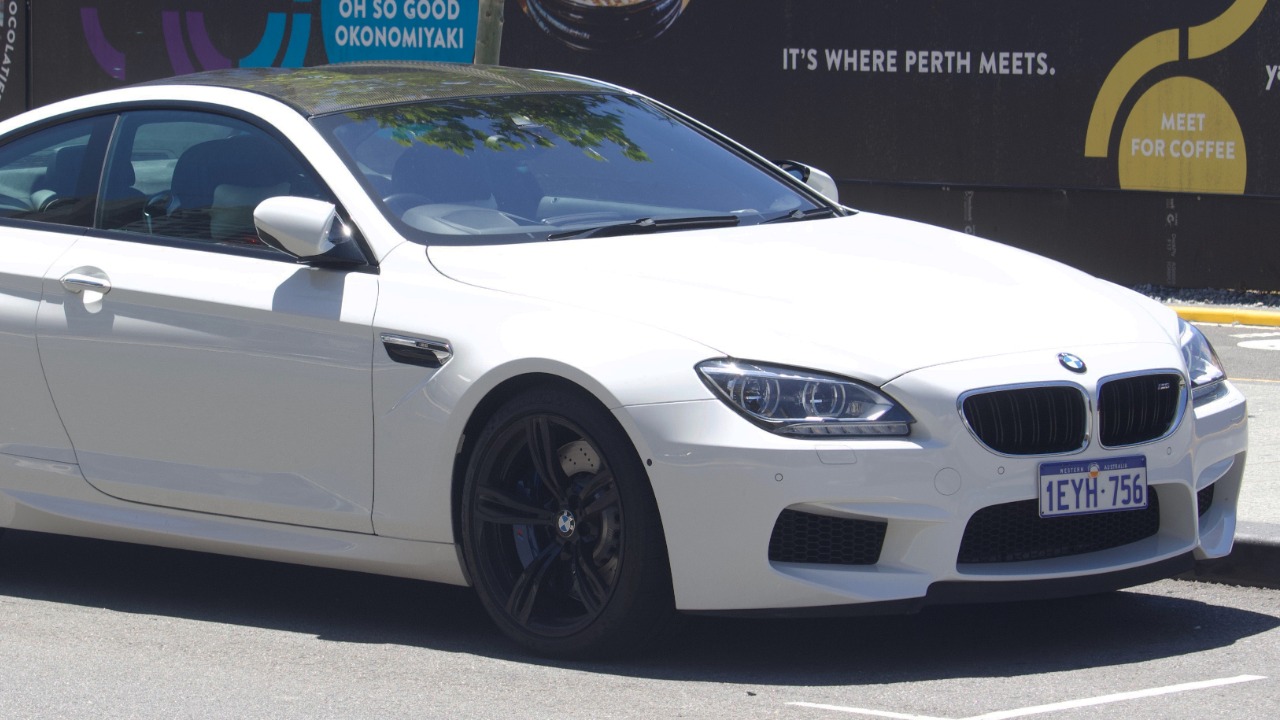
BMW offered the E63 M6 as the coupe counterpart to the E60 M5, carrying over the same 5.0-liter S85 V10 nearly unchanged. Output held at 500 hp with the same 8,250 rpm redline that defined the sedan. The carryover S85 V10 gave the two-door a nearly identical powertrain to its four-door sibling.
A convertible version joined the lineup as well, spreading the same high-strung engine across three different body styles. When BMW replaced the M6 generation after, it switched to a twin-turbo V8, ending the brand’s V10 experiment for good.
More from Morning Overview
- The NSA is again telling phone owners to switch off one location setting
- Four U.S. startups fired up their first small nuclear reactors, aiming to power AI data centers on-site
- 11 engines built to run well past 200,000 miles
- A handful of car transmissions are so tough that mechanics say they almost never die
