
Every truck engine family has its good and bad stretches, but a handful have built reputations that follow them for decades. The picks below rely on warranty cost figures, recall filings, lawsuits and reviewer commentary. Here are ten pickups whose powertrains have left owners and buyers wary.
The tech news worth your time: 400,000+ professionals from Google, Apple and OpenAI read Techpresso, a daily email with the most interesting tech news and insights.
We may earn a commission if you sign up.
1. Ford F-250 Super Duty (6.0L Power Stroke): A $400 Million Warranty Bill
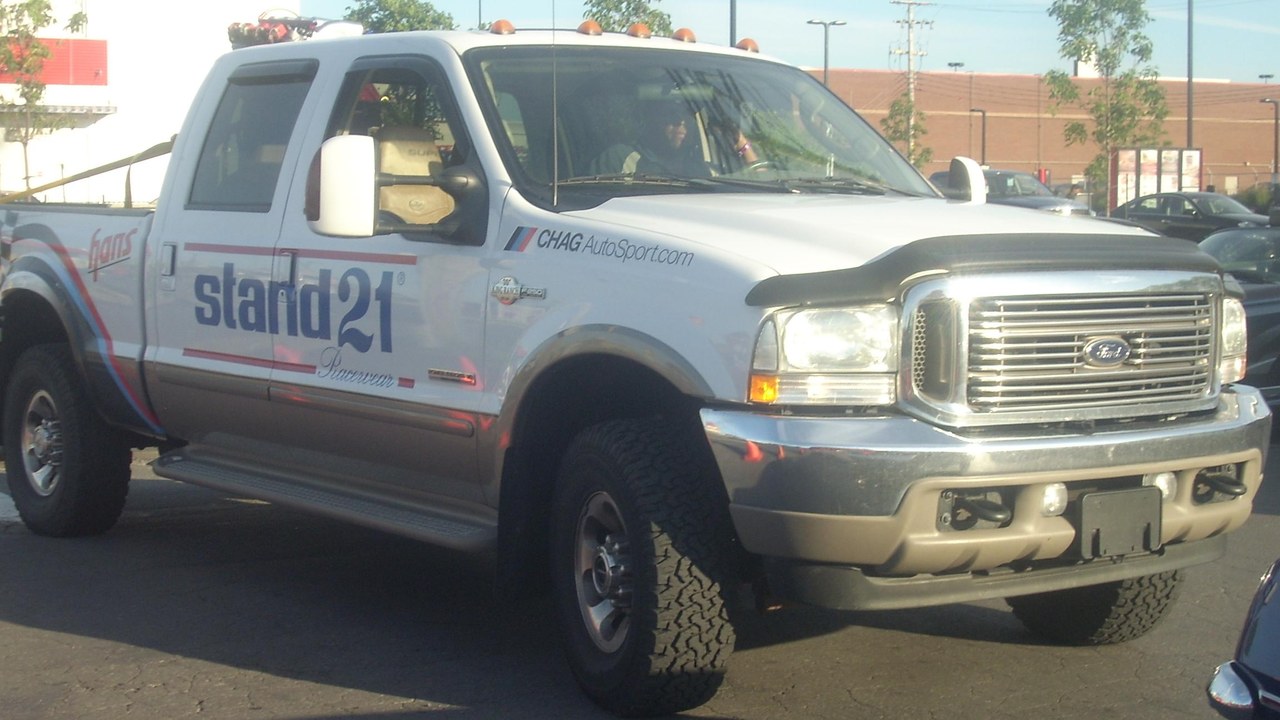
By February 2007, Ford’s warranty repair costs on the 6.0L Power Stroke exceeded $400 million, according to an Autopian history. That included more than $227 million for injectors and more than $182 million for turbochargers.
The 6.0L was used in Super Duty trucks through 2007. Shoppers considering one should look for documented injector, turbo and cooling work, and favor trucks with thorough service records. Diesel trucks can be rewarding when well kept, and a specialist inspection before purchase helps separate healthy examples from costly ones.
2. Ford F-350 Super Duty (6.4L Power Stroke): Repairs Topped $10,000
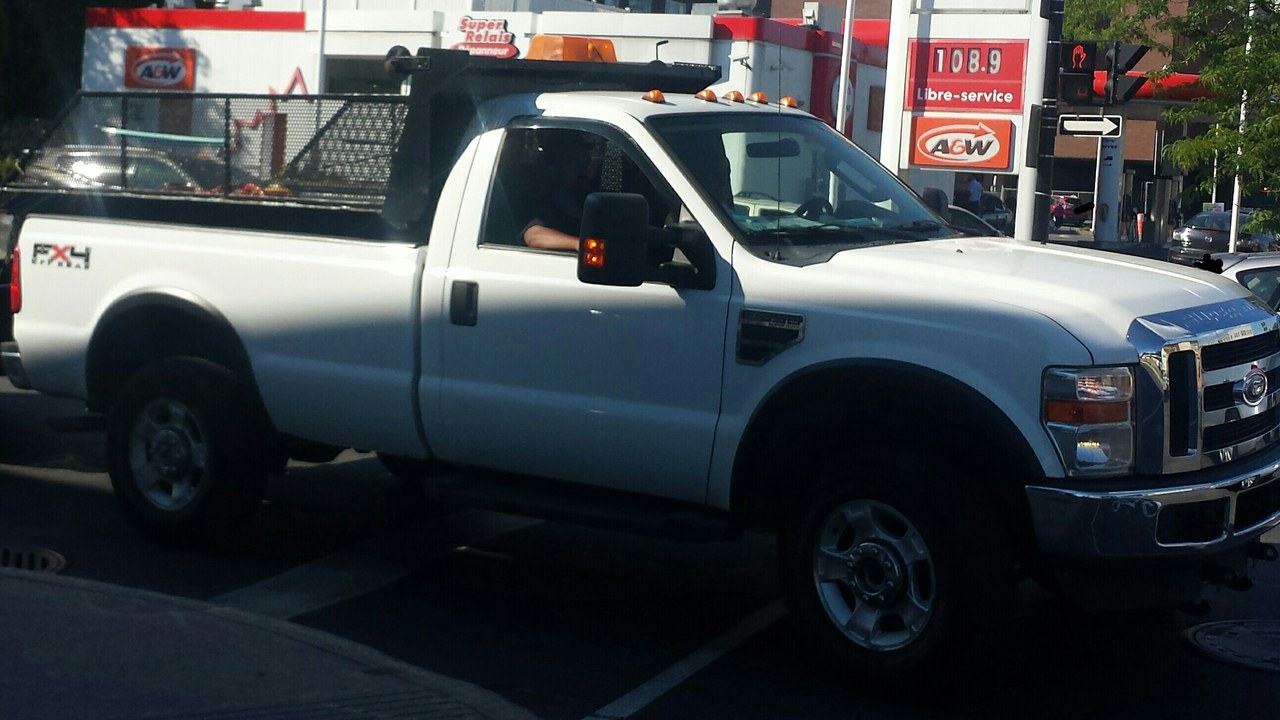
Gadget Review says repair costs on the 6.4L Power Stroke ‘regularly exceeded $10,000’, as noted in Gadget Review’s engine list. The assessment is a reviewer’s judgment, not an official figure.
A used F-350 with this diesel deserves a pre-purchase inspection by a diesel specialist. Maintenance history and any prior engine work should be part of the price conversation. Gadget Review is a general-interest outlet, so its claims are best treated as a prompt for further checking rather than a final word.
3. GMC Sierra 1500 (6.2L L87 V8): Rod Bearings Under Recall
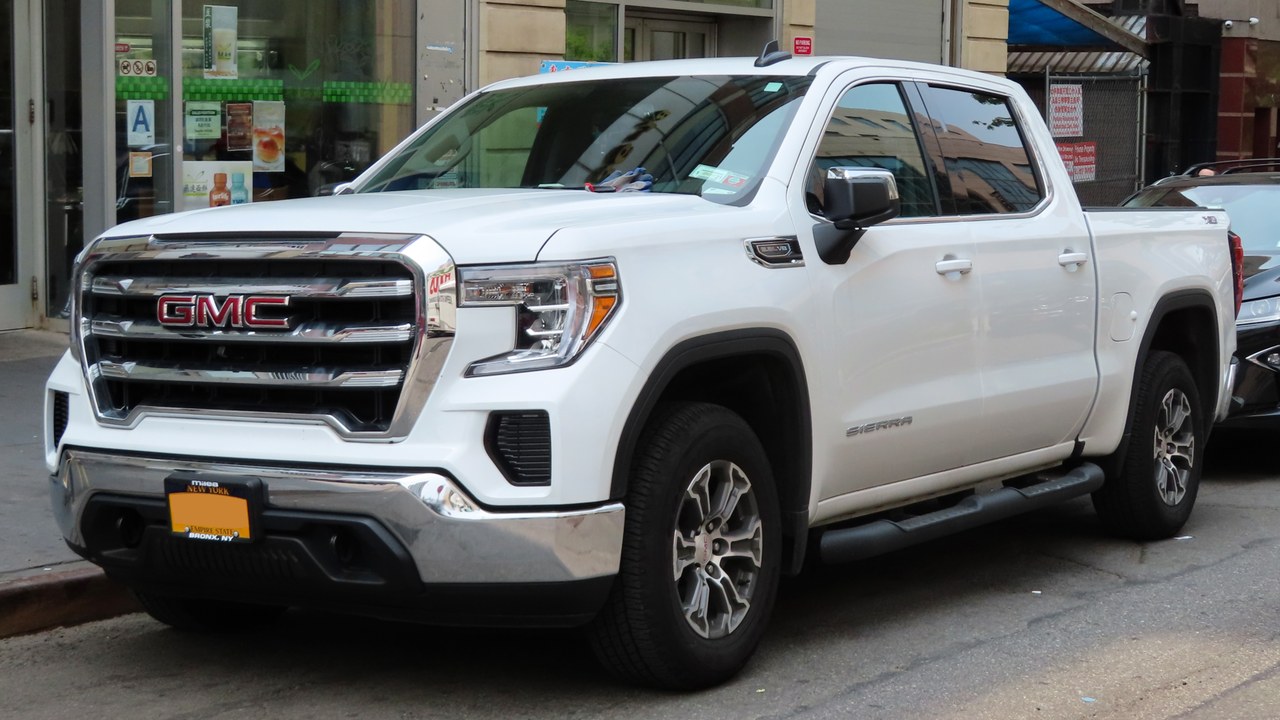
GM’s 2025 recall of nearly 600,000 Silverado and Sierra 1500s and big SUVs with the L87 6.2L V8 cites connecting-rod bearing damage, according to a CarComplaints recall report. It also notes more than 28,000 engine-failure complaints or incidents.
Owners can enter a VIN at NHTSA to see whether a truck is included and what remedy applies. Buyers of a used Sierra with this engine should confirm that recall work was completed. Asking a dealer whether any recall repair has been completed, and getting that in writing, is a sensible step for any used example.
4. Chevrolet Silverado 2500HD (LML Duramax): CP4 Pump Concerns
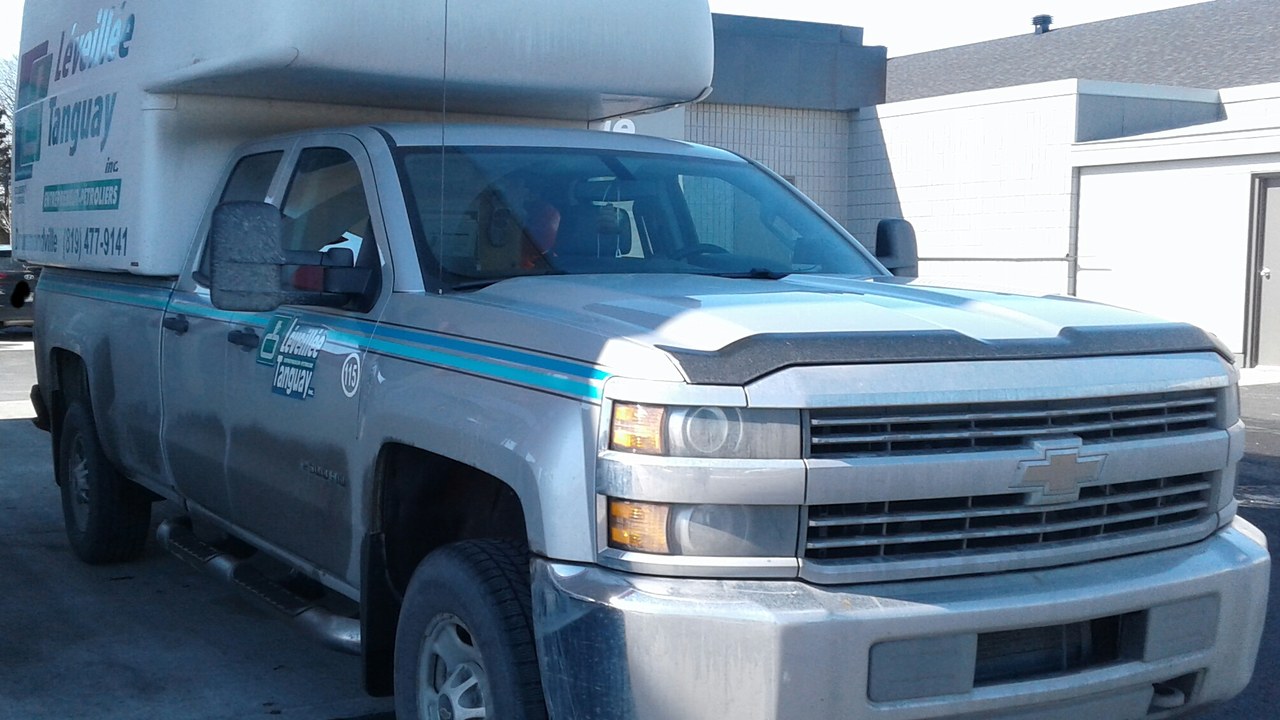
GM used the CP4 injection pump on 2011-2016 Duramax diesels, which tend to fail at or near 100,000 miles, per a SlashGear CP4 article. A shop repair can run nearly $10K outside warranty.
For a used Silverado 2500HD from those years, ask whether the pump has been replaced or the fuel system inspected. Clean fuel and regular filter changes are commonly recommended for these pumps. Fuel system health tends to be cheaper to protect than to repair, so records of filter changes and any prior pump work are useful.
5. GMC Sierra 2500HD (LB7 Duramax): Cracked LB7 Injectors
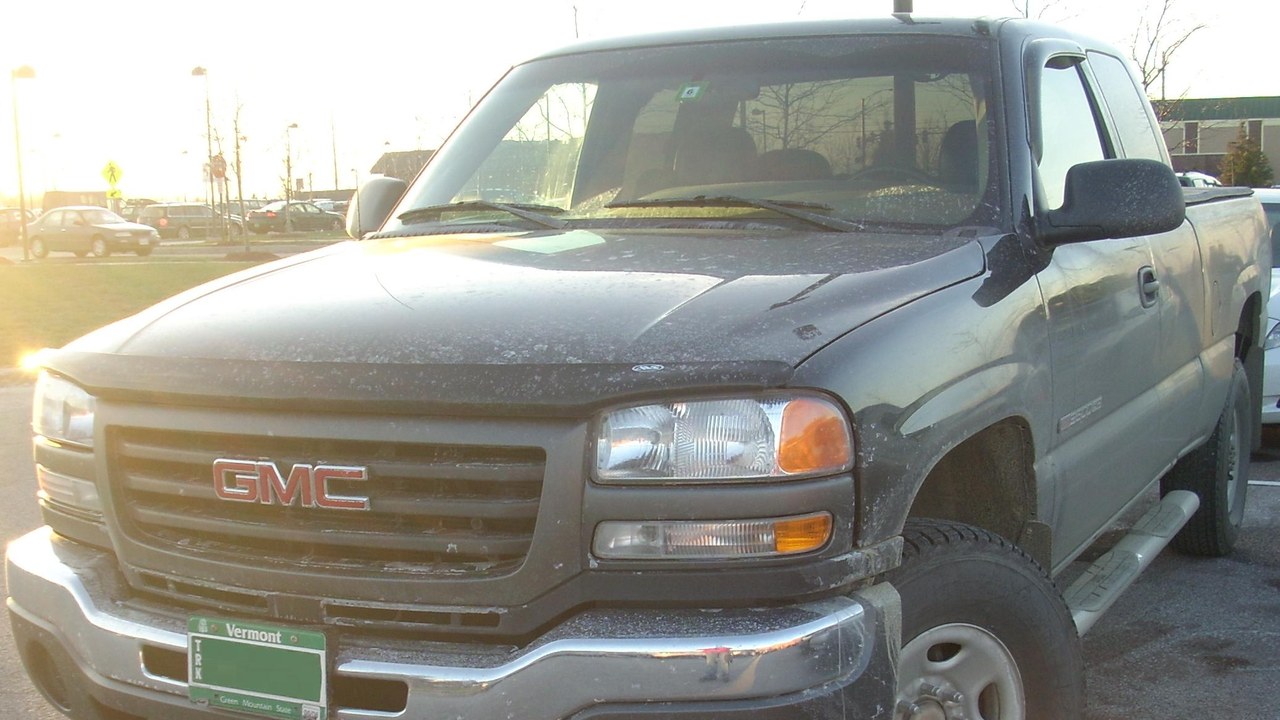
LB7 Duramax injectors developed cracks and seal leaks that let fuel into the oil, per a Stacker diesel guide. GM responded by extending injector coverage to seven years or 200,000 miles.
Fuel in the oil is a serious condition, so a used truck with this engine should have its oil checked and injector history reviewed. Coverage terms may have expired, so confirming status matters. Because injector problems can be hidden until fluid is checked, a used-truck shopper can request an oil analysis or inspection.
6. Toyota Tundra (V35A twin-turbo V6): Debris in the Engine
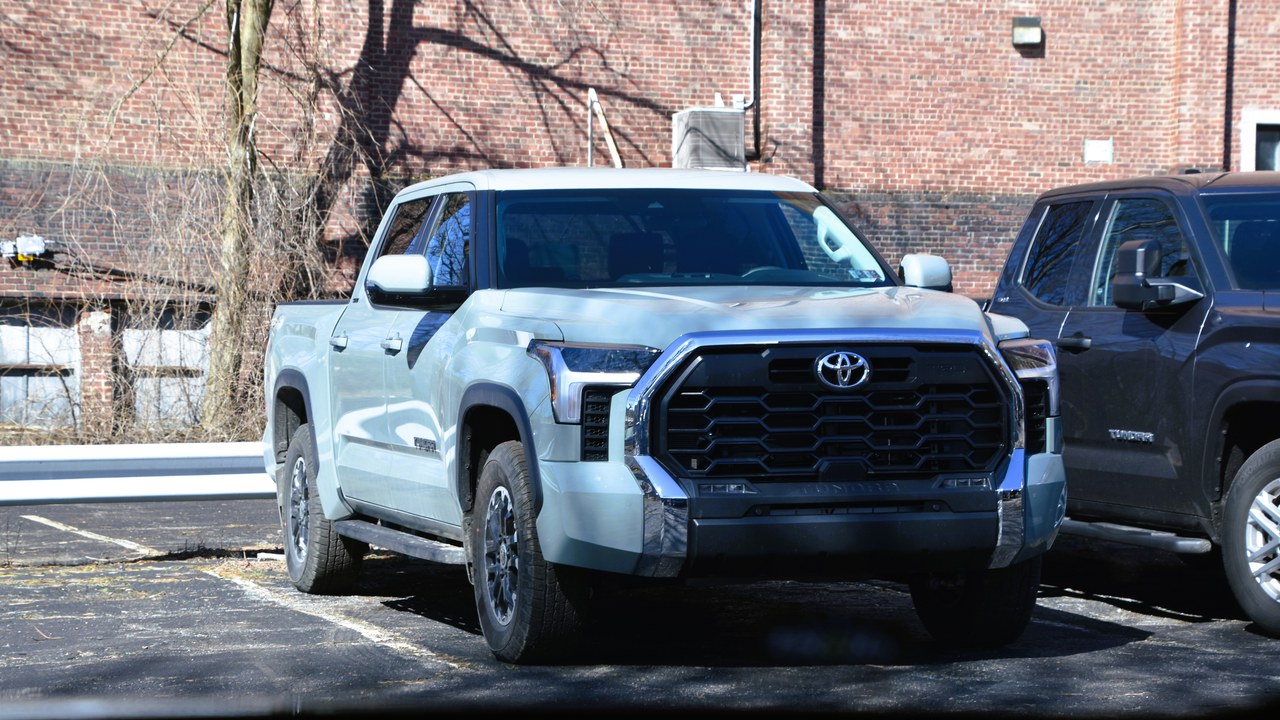
A lawsuit over 2022-2023 Tundras described in a Tundra engine lawsuit report blames machining debris left in V35A engines for bearing failure. It seeks more than $5 million following Toyota’s recall.
The case is a lawsuit, not a ruling. Tundra owners can check recall status by VIN at NHTSA and keep dealer paperwork on any engine inspection or repair. Recall remedies and lawsuit outcomes can evolve, so confirming the latest status through NHTSA and a dealer is better than relying on older coverage.
7. Ram 2500 (6.7L Cummins): Another CP4 Story
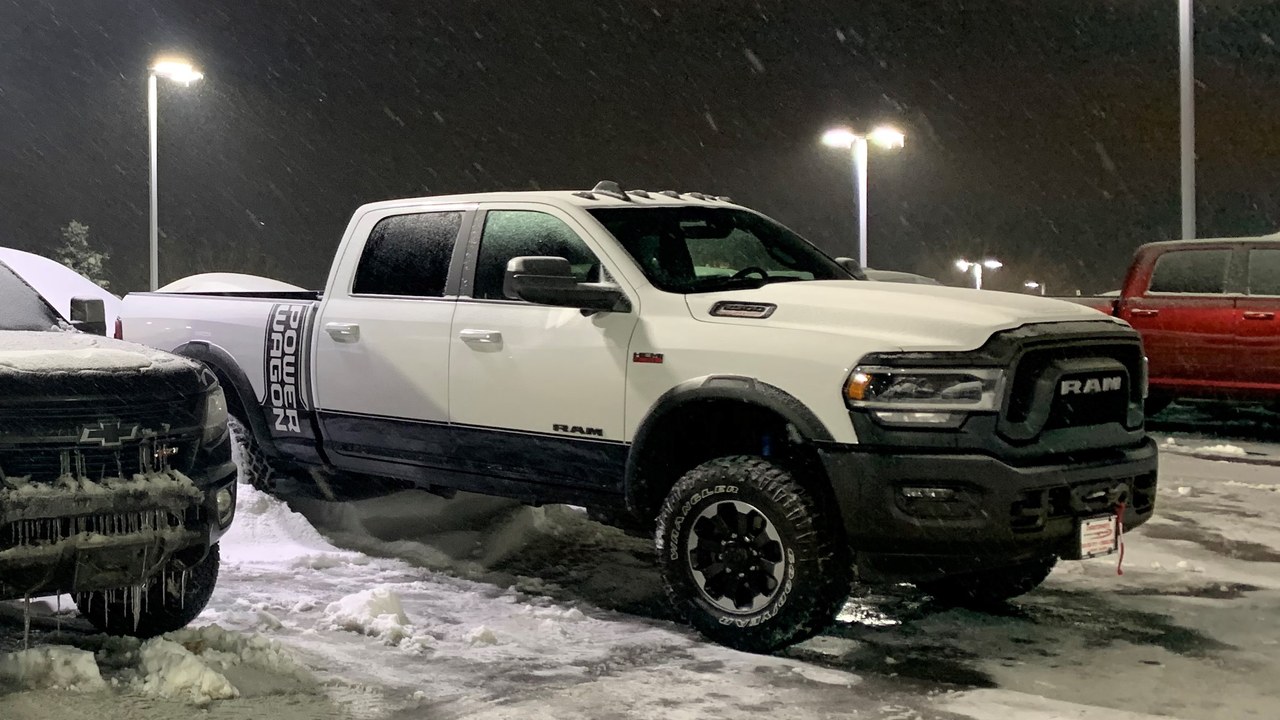
Ram used the CP4 fuel pump on its 6.7L Cummins pickups in 2019-2020, per the same SlashGear article. CP4 pumps are prone to failure near 100,000 miles, and a shop repair can top $10K.
The article does not name the Ram 2500 specifically, so the link is to the engine and model years. Owners can ask a diesel shop about fuel system health before the mileage mark. Because the article discusses the engine generally, a buyer should confirm the exact pump and model year of any truck under consideration.
8. Nissan Titan XD (5.0L Cummins V8): Turbo Failures Feared
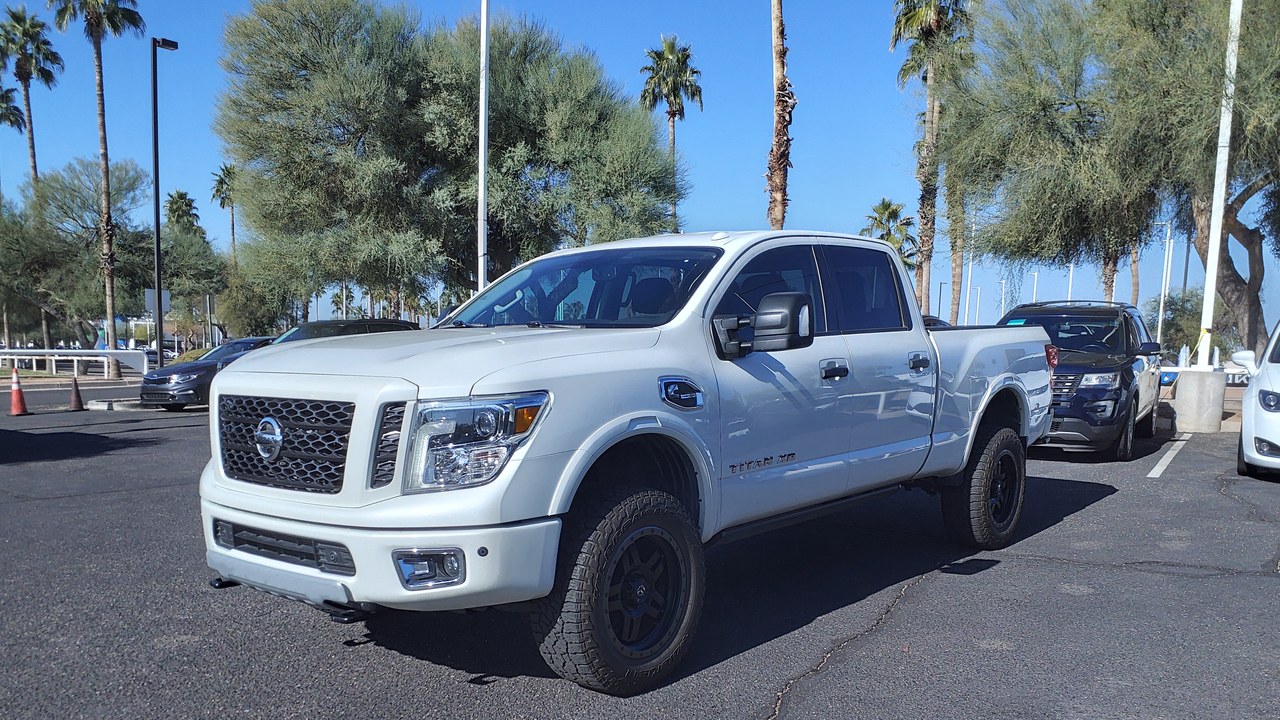
Gadget Review says turbocharger failures on Nissan’s 5.0L Cummins V8 ‘became so common that owners feared highway driving’, per Gadget Review’s list. The source is a reviewer’s list rather than data.
The source does not name the Titan XD, so the connection comes from the engine. A prospective buyer should have the turbo and its service history inspected before purchase. Since the claim is a reviewer’s characterization, an owner forum search and a mechanic’s opinion can add useful context. Checking service records for turbo replacements is a practical way to gauge past trouble.
9. Toyota Pickup (3.0L 3VZ-E V6): Head Gasket Headaches
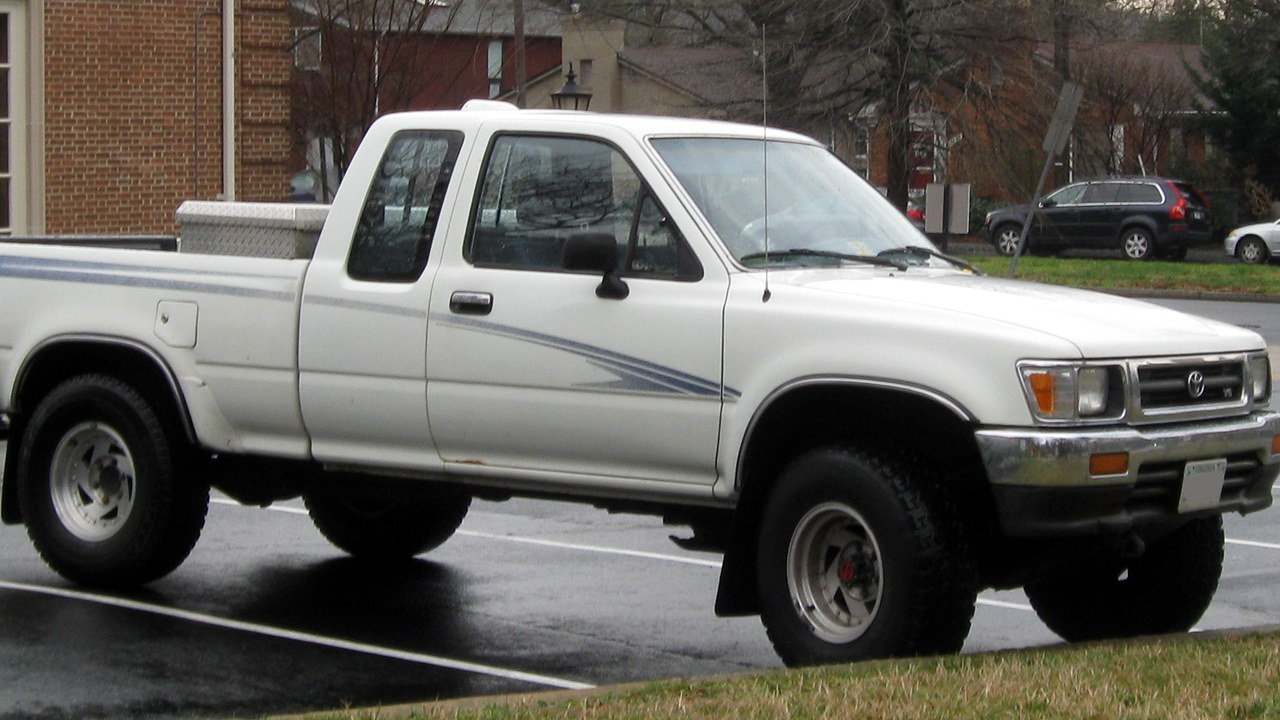
Gadget Review says 3VZ-E head gasket failures ‘occurred with shocking regularity after 100,000 miles’ on a 150-horsepower V6, per Gadget Review’s engine ranking.
The article does not name the truck, so it is linked by engine. Anyone shopping for an older pickup with this V6 should check for coolant loss and ask about gasket work. An older truck’s condition often depends more on its past care than on its badge, so any receipts for cooling system work help. Compression and cooling system checks are inexpensive ways to judge condition before buying.
10. Chevrolet C/K (5.7L Oldsmobile diesel V8): Self-Destructing Diesel
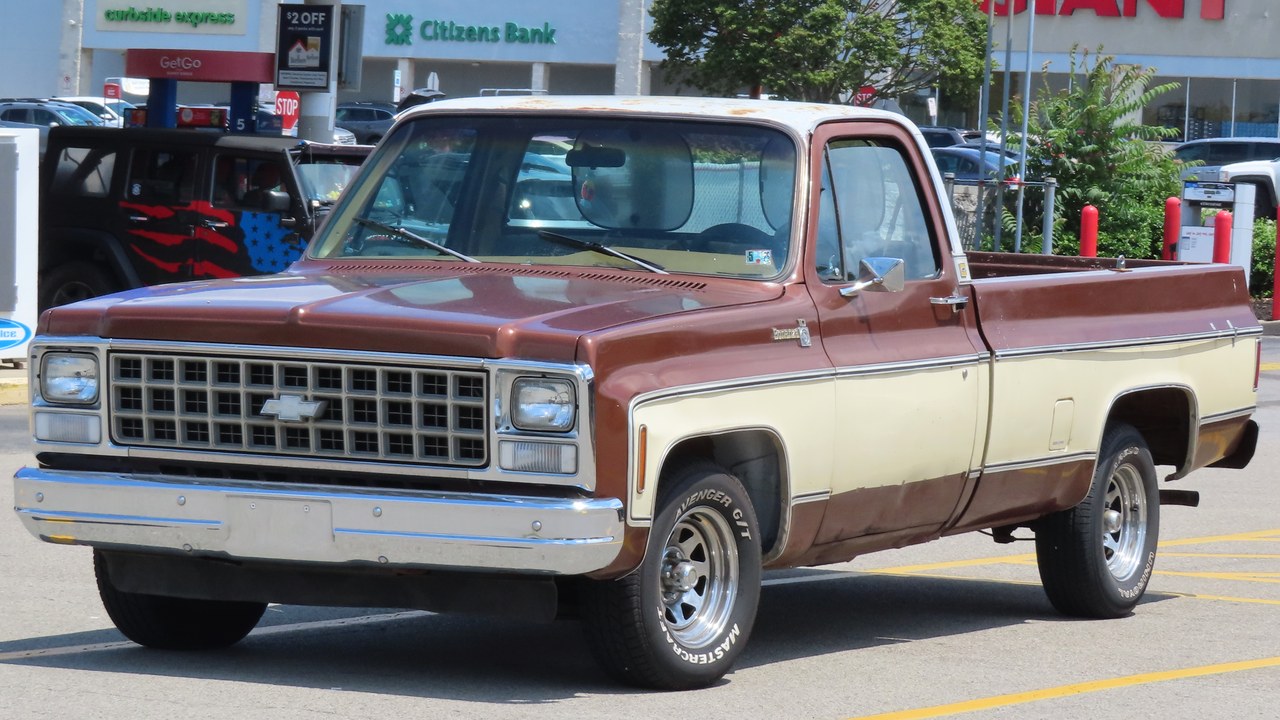
Gadget Review says the GM 350 diesel V8 ‘most self-destructed before 80,000 miles, with repair costs often exceeding $4,000’, per a Gadget Review ranking. The engine was built by Oldsmobile.
The source does not name the C/K, so the link is by engine. Buyers of vintage trucks with this diesel should look for evidence of a conversion or rebuild. Vintage trucks reward careful research, and a specialist who knows the engine can say whether a given example is worth owning.
The tech news worth your time: Subscribe to Techpresso →
We may earn a commission if you sign up.
More from Morning Overview
- Cadillac cut the price of its cheapest EV, which goes up to 317 miles on a charge
- Winter weather advisories cover I-80, I-70 and the Bighorns with up to 15 inches of snow
- Arizona’s governor declared a statewide emergency after Flagstaff logged its wettest Nov. 1 on record
- A $1 billion gas plant planned for Superior, Wisconsin, has been abandoned
