
Paying off a truck usually starts a countdown to the next purchase, but pickups tend to break that pattern. Low running costs, strong resale and a body-on-frame design that tolerates repair keep them in driveways long past the final installment. Here are ten pickups that owners routinely hold onto years after the loan is closed.
1. Toyota Tacoma: The Midsize Benchmark
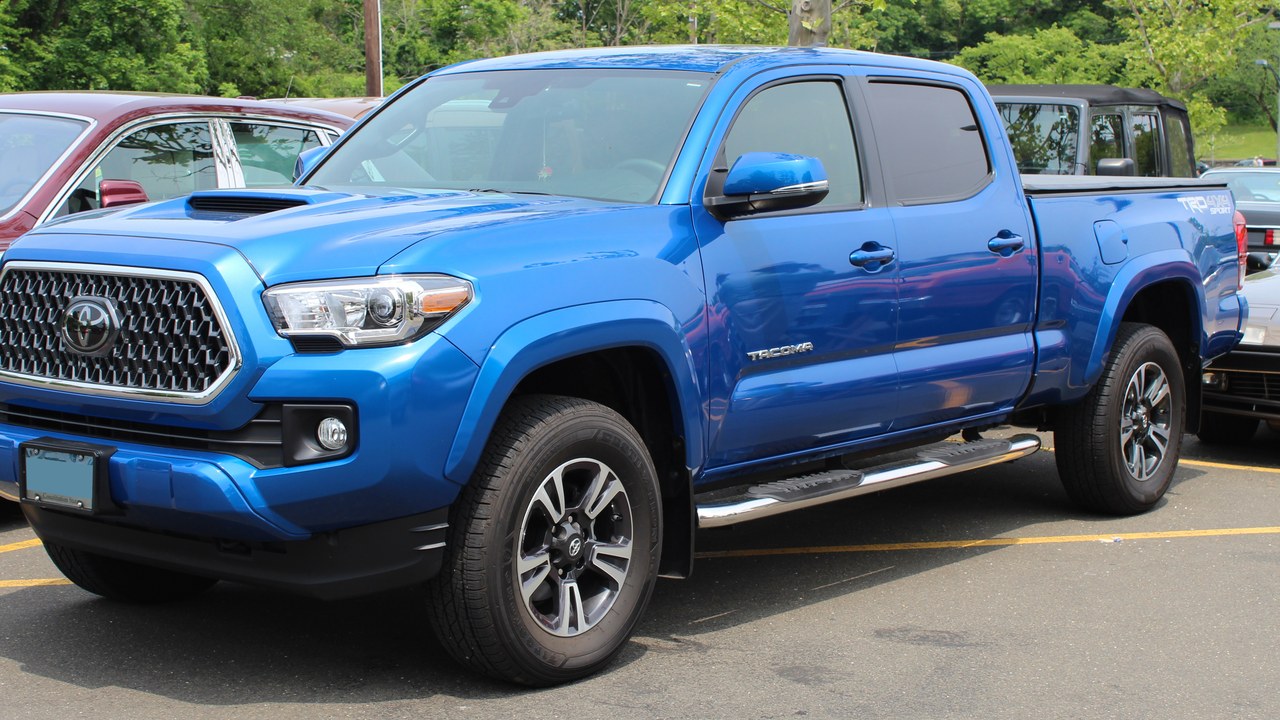
Toyota’s midsize pickup has run continuously since the mid-1990s, and the Tacoma nameplate has passed through four generations without abandoning its body-on-frame layout. It is still offered in extended and crew-cab forms, with rear- or four-wheel drive and off-road oriented TRD trims. That continuity matters to anyone planning to keep a truck for a decade, because parts, accessories and dealer familiarity carry across generations.
Resale strength is the practical consequence. A truck that holds its value gives an owner little financial reason to trade, so many Tacomas simply stay in the family once the final payment clears.
2. Toyota Tundra: The Texas-Built Full-Size
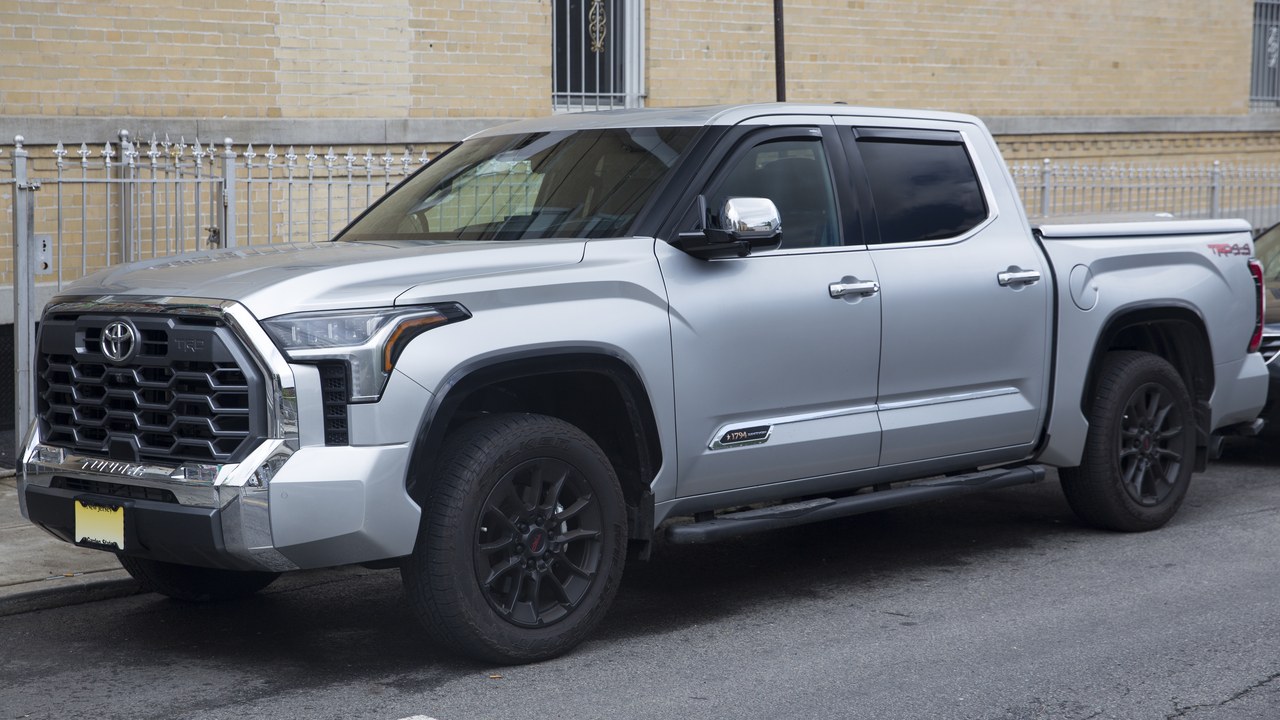
Full-size ambitions came later for Toyota, and the Tundra full-size pickup arrived for the 2000 model year before moving to assembly in San Antonio, Texas. Its third generation dropped the long-serving V8 for a twin-turbocharged V6, offered alongside a hybrid version of the same engine. A fully boxed ladder frame carried over, keeping the truck in traditional pickup territory rather than chasing a lighter unibody format.
Forced induction is the open question for high-mileage owners, since a turbocharged engine adds components a naturally aspirated V8 never had. Earlier Tundras, though, built the durability reputation that keeps the badge parked long after financing ends.
3. Ford F-150: The Default American Truck
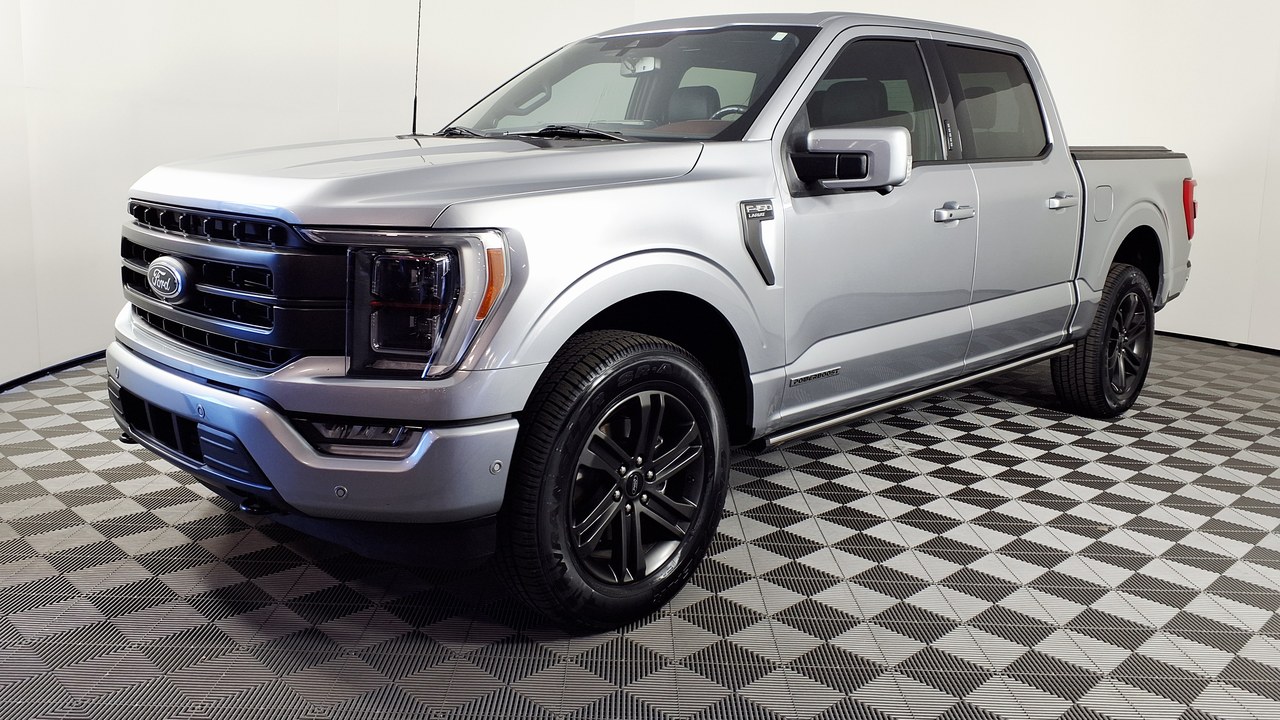
No nameplate has held American sales charts longer, and the F-150 half-ton pickup traces to 1975 within an F-Series line that dates to 1948. The thirteenth generation moved the body to aluminum alloy to cut weight while the frame stayed high-strength steel. Engine choices have spanned naturally aspirated V6 and V8 units, the turbocharged EcoBoost family, a full hybrid and a battery-electric Lightning variant.
Ubiquity is the ownership advantage. Parts availability, independent-shop familiarity and an enormous aftermarket keep repair costs low enough that running an older F-150 usually beats replacing it.
4. Chevrolet Silverado: Two Trucks, One Badge
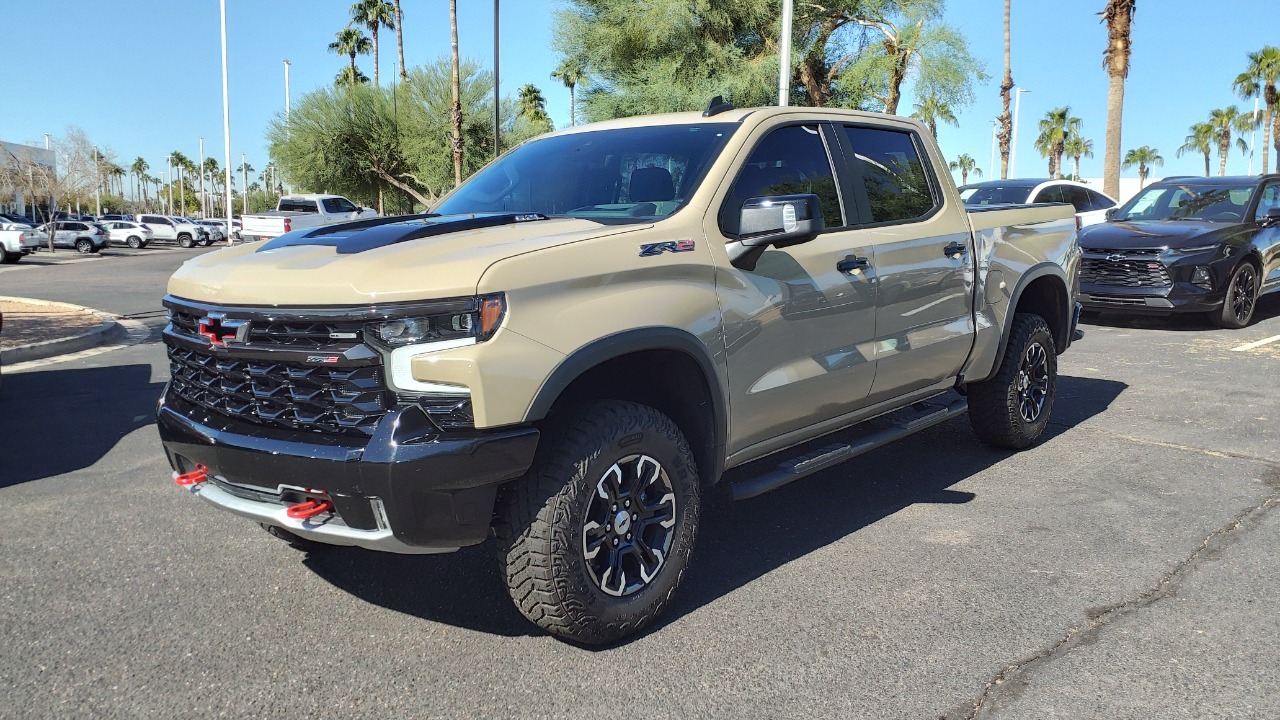
Chevrolet split its truck naming in 1998, when the Silverado nameplate moved from a trim level to the full-size pickup itself. Light-duty 1500 models sit alongside heavy-duty 2500HD and 3500HD versions that share styling but use heavier frames and axles and offer Duramax diesel power. The line has continued through four generations of steady, incremental redesign rather than reinvention.
A split lineup lets a buyer match the truck to the job precisely, and a well-matched truck rarely gets outgrown. Heavy-duty examples in particular tend to stay on farms and job sites for decades.
5. Ram 1500: Coil Springs And Comfort
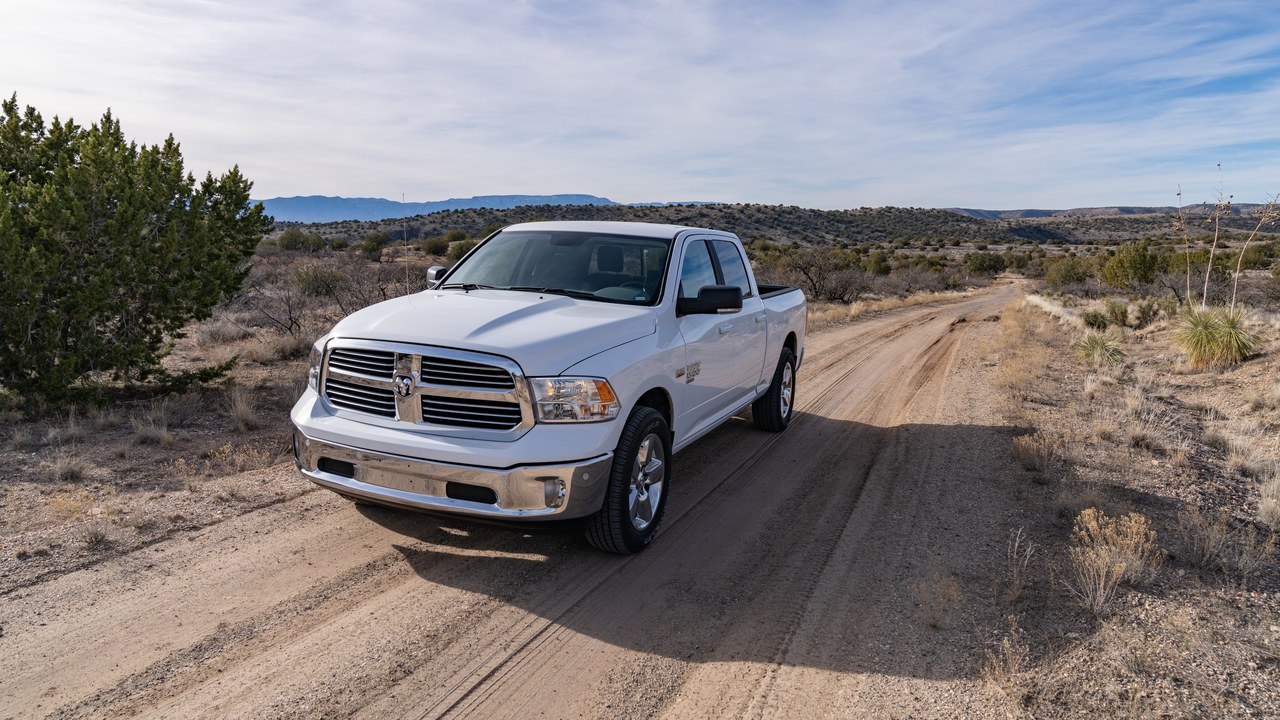
Suspension design separates this truck from its rivals: the Ram 1500 half-ton has used a coil-spring rear axle since the 2009 model year, with air suspension available, while competitors stayed with leaf springs. The Ram brand itself was spun out of Dodge in 2010 and now operates as a standalone truck marque. Interiors have leaned upscale, with large portrait touchscreens on higher trims.
Ride quality explains much of the retention. A pickup comfortable enough to serve as a daily driver competes with sedans instead of supplementing one, which removes a common reason to trade.
6. GMC Sierra: The Upmarket Twin
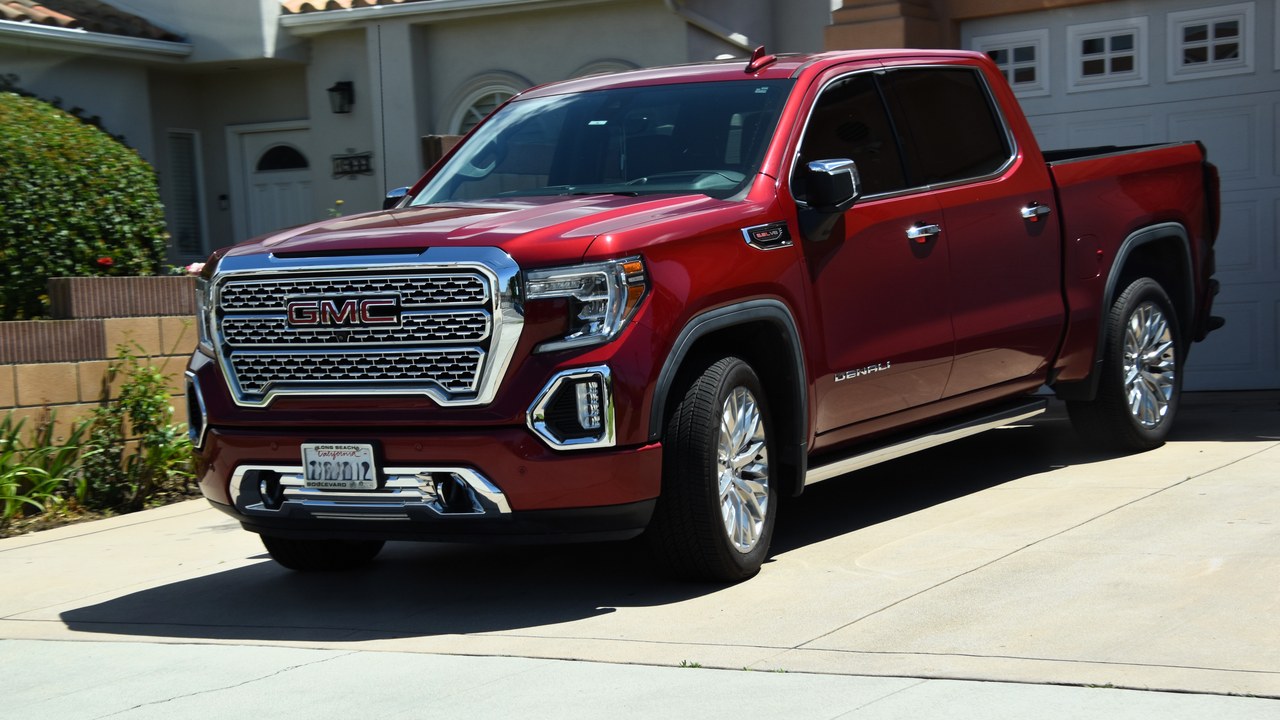
Mechanically the GMC Sierra pickup shares platform, frame and powertrains with the Chevrolet Silverado, yet GMC positions it above its corporate twin through Denali and Denali Ultimate trims. Distinct sheet metal, a MultiPro tailgate with six configurations and a carbon-fiber composite bed offered on some models separate the two trucks without changing the engineering underneath.
Higher initial spend tends to produce longer ownership. Someone who paid for a loaded truck rarely finds a meaningful upgrade at trade-in, so the Sierra often stays until mechanical costs finally force the decision.
7. Ford Super Duty: Built For The Heavy Work
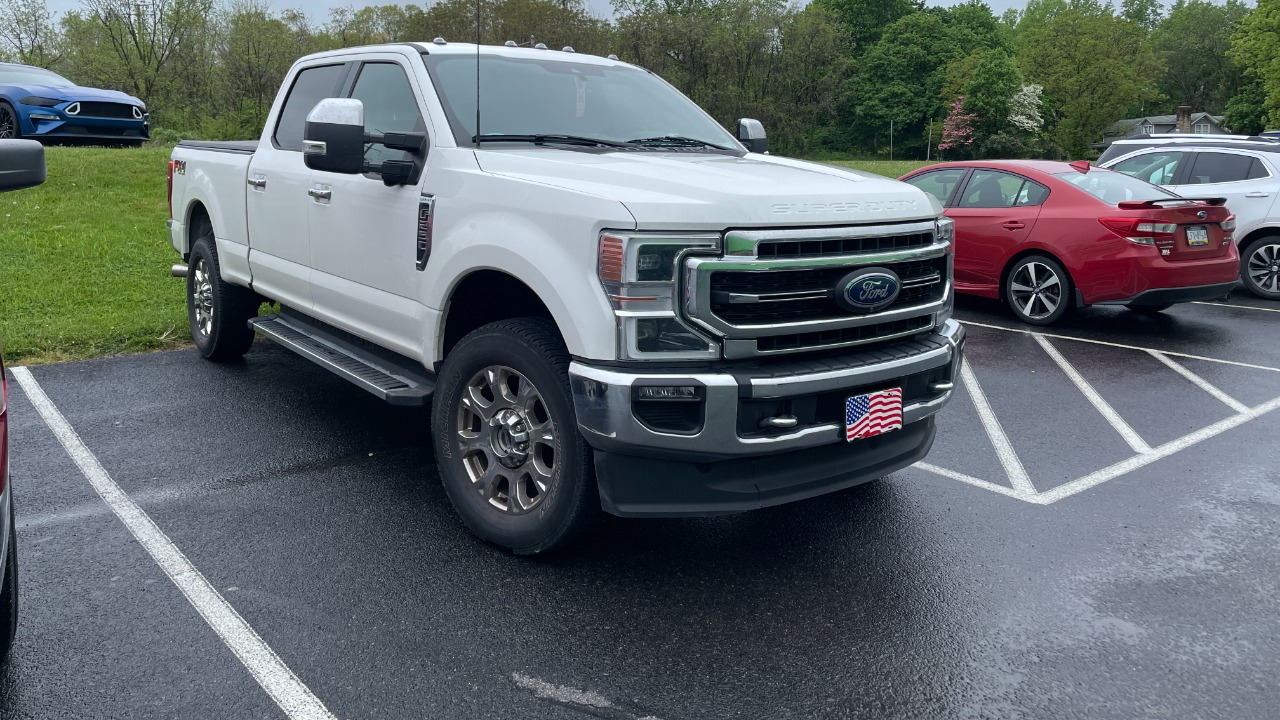
Ford separated its heaviest trucks from the F-150 in 1999, and the Super Duty F-Series has used its own thicker frame, axles and cab structure ever since. F-250, F-350 and F-450 models are built around towing and payload, with Power Stroke diesel and large-displacement gasoline V8 engines doing the pulling. Chassis-cab versions extend the same platform to commercial upfits.
Depreciation works differently in this class. Diesel Super Dutys hold value on the used market, and replacement cost runs high enough that owners repair rather than replace well past the payoff date.
8. Nissan Frontier: Simple By Design
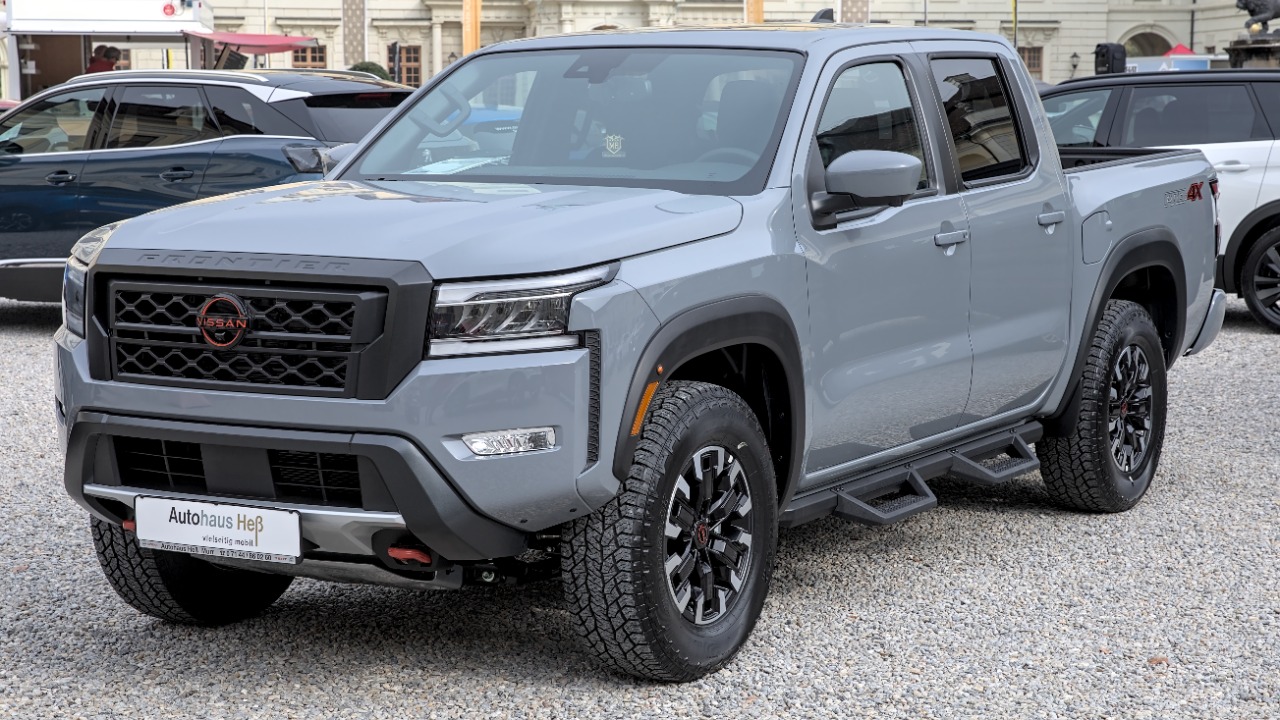
Longevity of the design itself is part of the story, because the second-generation Nissan Frontier midsize pickup was sold in North America from the 2005 model year through 2021, an unusually long run for a modern vehicle. That stability left the truck mechanically well understood, with a familiar V6 and a plain, work-oriented cabin. A third generation followed for 2022 on an updated version of the same architecture.
Simplicity keeps older examples viable. Fewer electronic subsystems mean fewer expensive failures, and a truck that stays cheap to fix is one few owners rush to replace.
9. Honda Ridgeline: The Unibody Outlier
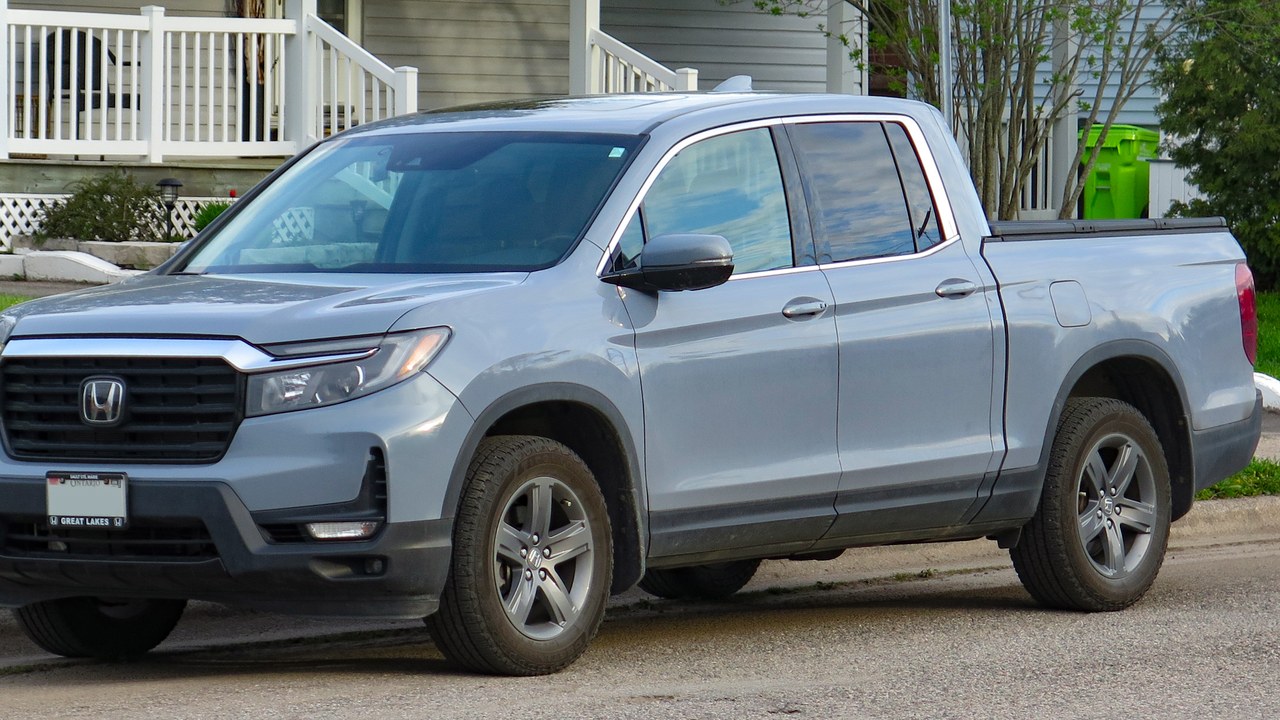
Honda took a different route entirely, giving the Honda Ridgeline pickup a unibody structure with independent rear suspension instead of a separate ladder frame. That layout allows a lockable in-bed trunk and a dual-action tailgate that either swings sideways or folds down, along with ride and handling closer to a crossover. A transverse V6 drives the front wheels, with all-wheel drive available.
The design trades maximum towing capacity for daily comfort, which suits owners who never approach the limit anyway. A pickup that drives like a family vehicle tends to become one, and stays.
10. Chevrolet Colorado: The Right-Sized Holdout
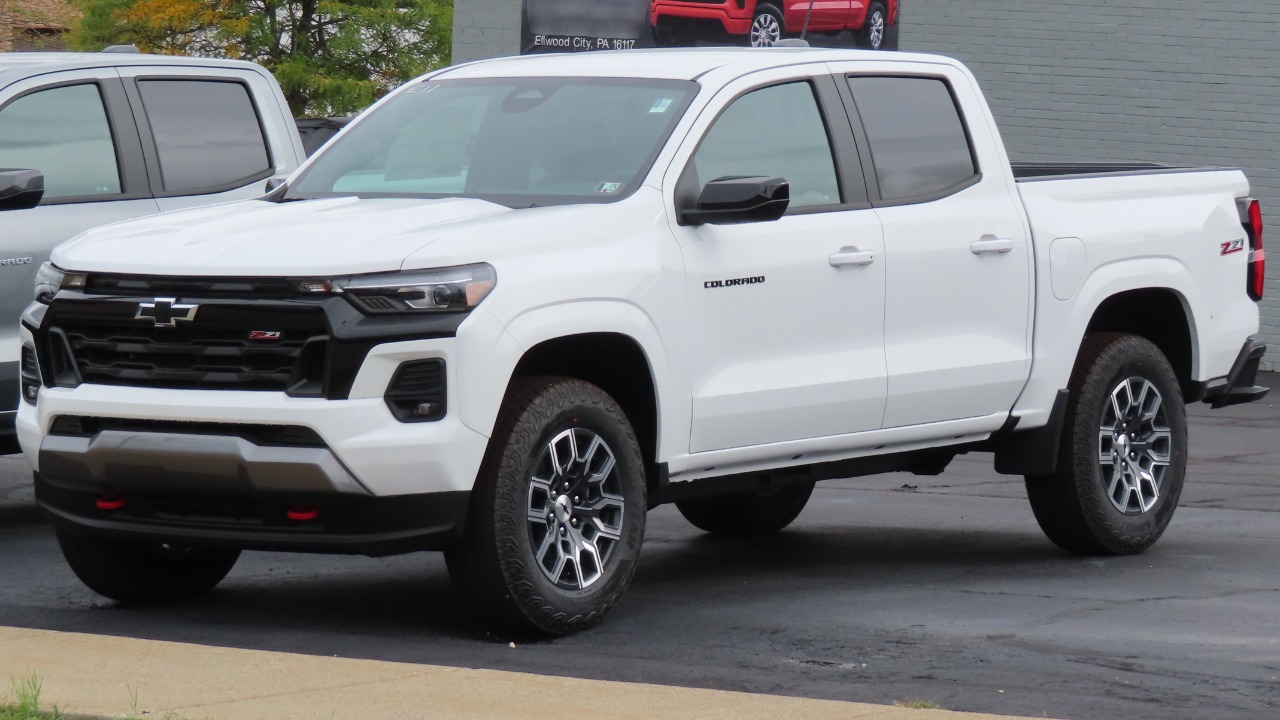
Chevrolet’s midsize truck returned to North America for 2015 after a short absence, and the Chevrolet Colorado midsize pickup now runs a third generation powered exclusively by a turbocharged 2.7-liter four-cylinder in several output levels. Off-road ZR2 and Trail Boss versions sit at one end of the range and stripped work-truck models at the other.
Smaller dimensions bring practical benefits: easier parking, lower fuel use and a lower purchase price than a full-size equivalent. Those advantages persist long after the payments stop, which is why plenty of Colorados stay in service instead of being traded up.
More from Morning Overview
