
Pickup trucks are marketed as workhorses built to outlast anything else in the driveway, but reliability surveys and owner forums tell a more complicated story. Even popular, well-reviewed models carry specific engines, transmissions, or components that develop costly problems long before six-figure mileage becomes routine. The trucks below are ten pickup trucks that owners and mechanics repeatedly flag for wear-related trouble well ahead of the 150,000-mile mark.
1. Ram 1500 (fifth generation): Electrical Glitches And Air-Suspension Trouble
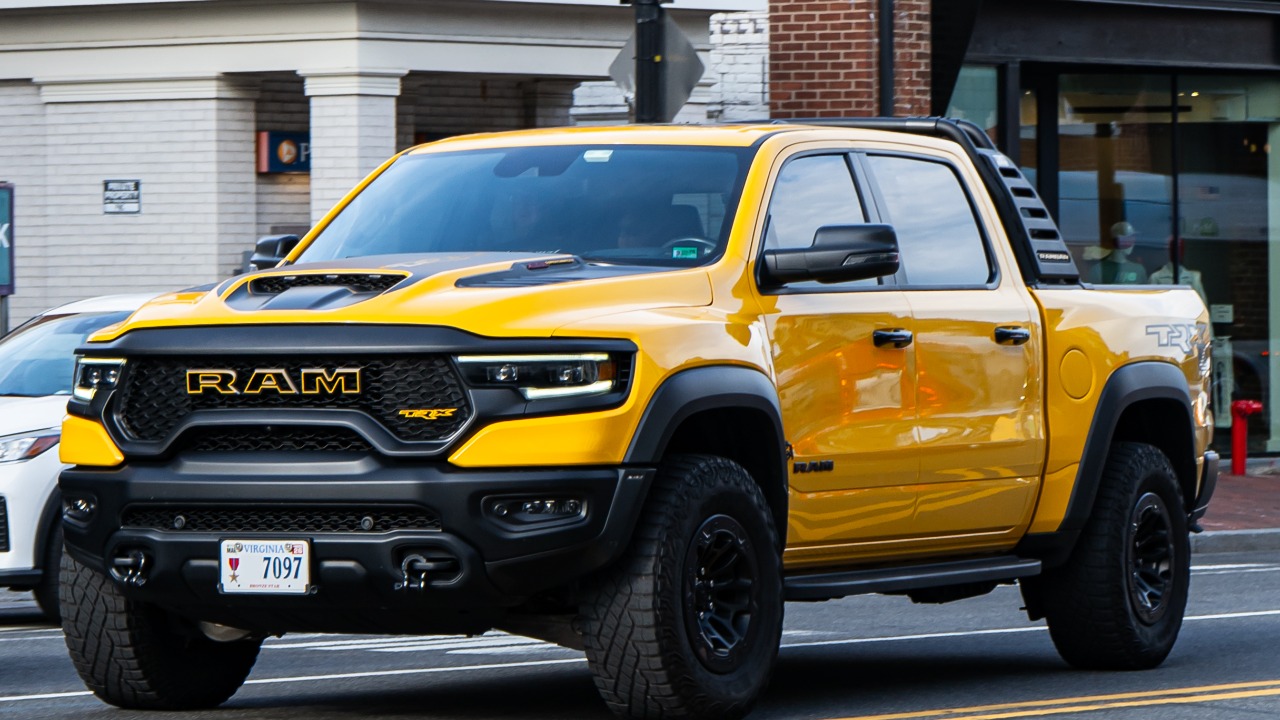
The fifth-generation Ram 1500 introduced an optional air suspension system prized for its smooth ride, but owner forums are filled with reports of compressor failures and leaking air springs appearing well before the truck reaches six figures. Buggy infotainment screens, malfunctioning power tailgates, and intermittent wiring faults add to the frustration, often sending trucks back to the dealership more than once for the same unresolved problem.
For shoppers considering a used fifth-generation Ram 1500, budgeting for possible suspension and electronics repairs is wise, since the V8 and V6 drivetrains have generally held up well. Choosing the standard coil-spring suspension over the air system tends to lower the risk of an expensive breakdown.
2. Nissan Titan: Falling Short Of Rival Durability
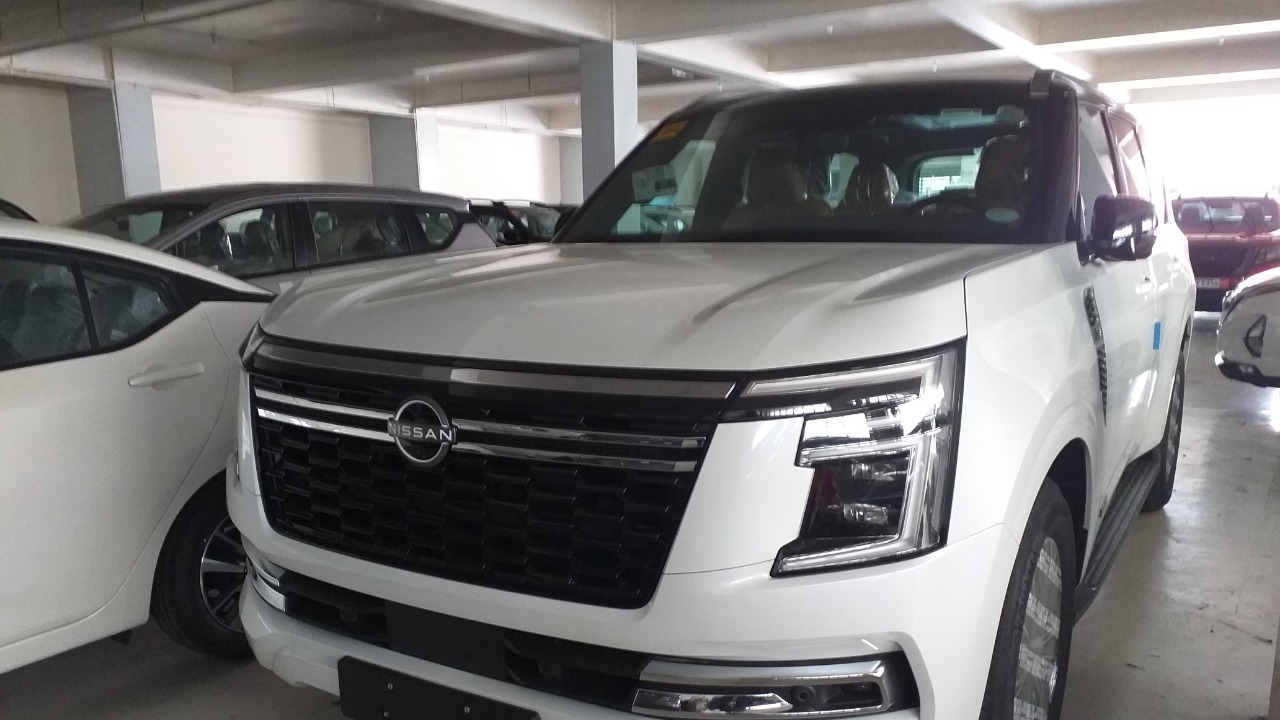
The Nissan Titan has spent most of its run trailing the full-size segment’s leaders in long-term reliability rankings, and owner complaints echo that gap. Drivers report transmission shudder and hesitation under load, along with premature brake wear and infotainment systems that freeze or reboot unexpectedly. Nissan’s smaller dealer network for heavy-duty parts also means repairs can take longer and cost more than they would on a Ford or Chevrolet.
The truck’s V8 engine is generally sturdy, but the aging platform underneath it has not kept pace with competitors on refinement or resale value. Buyers looking at an older Titan should expect to budget for transmission service sooner than they would with a longer-established rival.
3. Chevrolet Colorado: Rocky Early Model Years
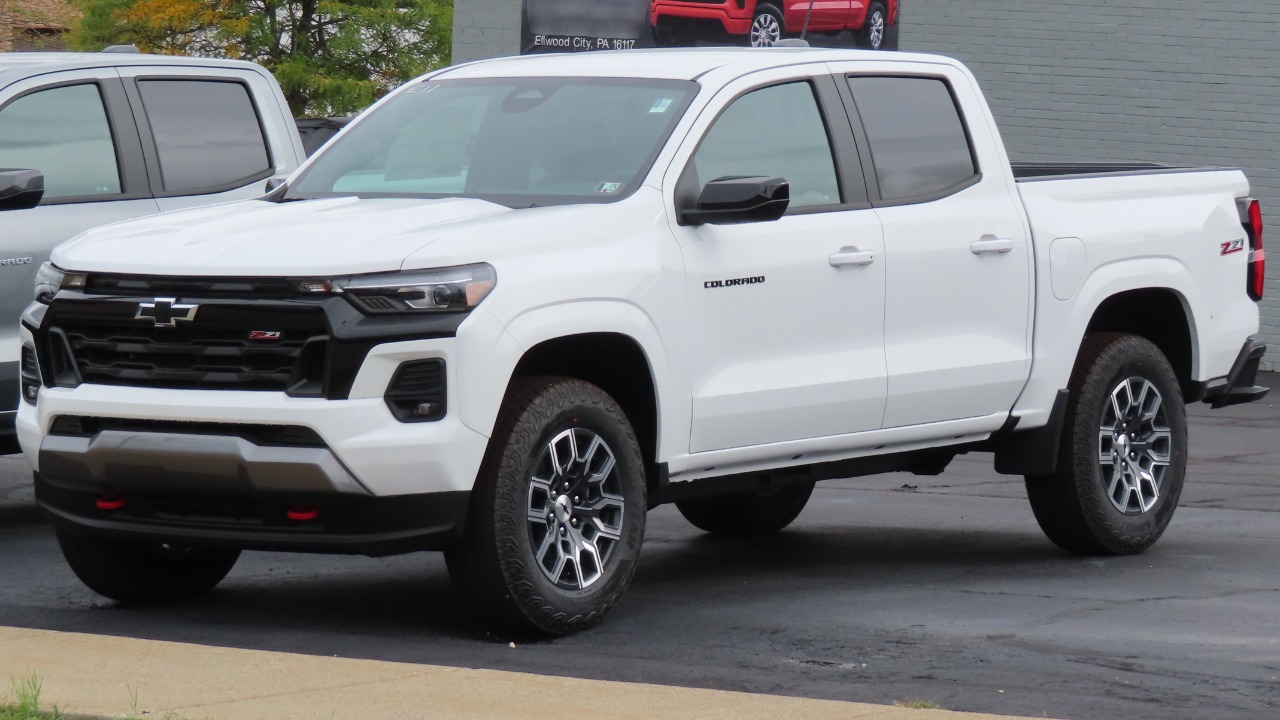
The Chevrolet Colorado’s second-generation launch years drew a wave of owner complaints centered on rough-shifting eight-speed automatic transmissions and premature engine wear in both the gasoline four-cylinder and diesel variants. Some drivers reported turbocharger failures and oil consumption problems on the diesel models well short of the 100,000-mile mark, prompting extended-warranty claims and class-action attention. The redesigned third-generation Colorado has addressed many of these complaints, but used-truck shoppers still run into the older engines regularly.
Anyone shopping a pre-2018 Colorado should have the transmission and, if diesel, the turbocharger inspected before buying. Later model years with updated software calibrations report far fewer of these complaints.
4. Ford F-150 (thirteenth generation): Aluminum Body Repair Costs
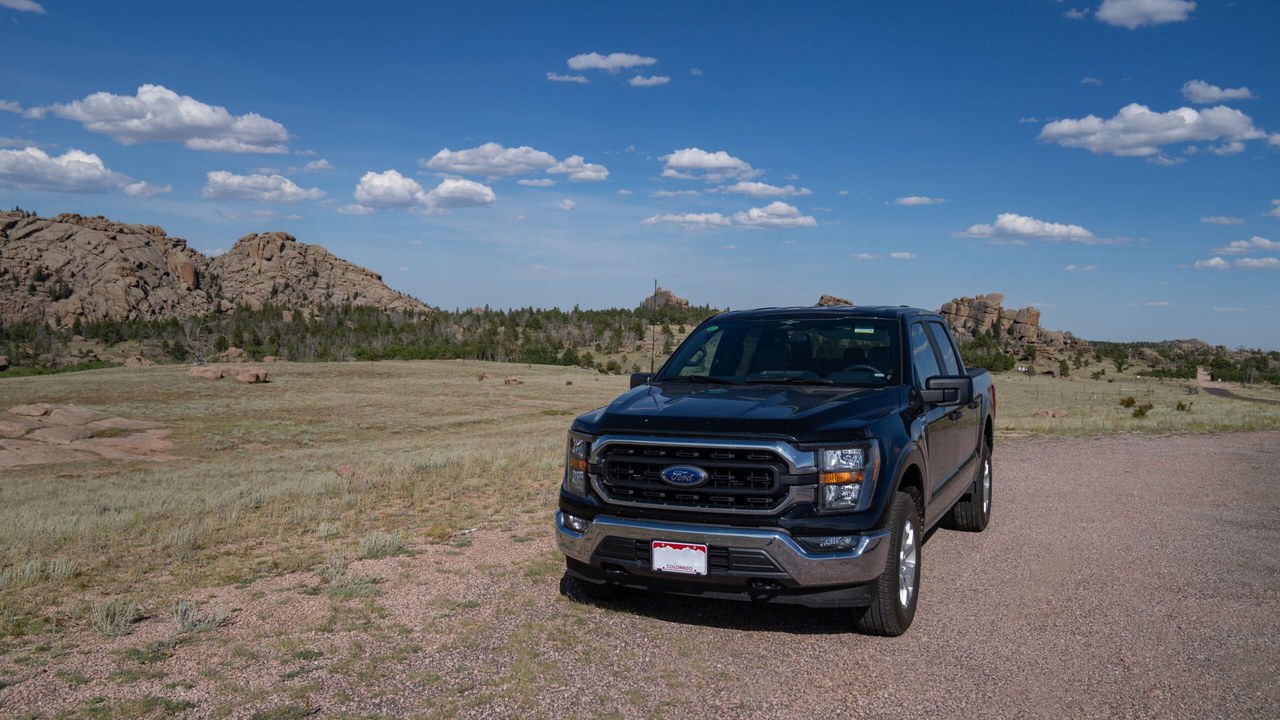
Ford’s thirteenth-generation F-150 was the first full-size pickup with an aluminum body, a change that cut weight but raised repair costs after minor collisions, since aluminum body panels require specialized tools most independent shops did not yet own. Owners of early EcoBoost-equipped trucks also reported timing chain rattle, spark plug ejection, and turbocharger wastegate problems appearing well before six-figure mileage.
Buyers considering a used thirteenth-generation F-150 should ask for service records on the 3.5-liter EcoBoost engine and check door and tailgate seams for early corrosion. A well-maintained V8 model tends to sidestep most of these complaints.
5. GMC Sierra 1500: Same Lifter Gripes As Its Twin
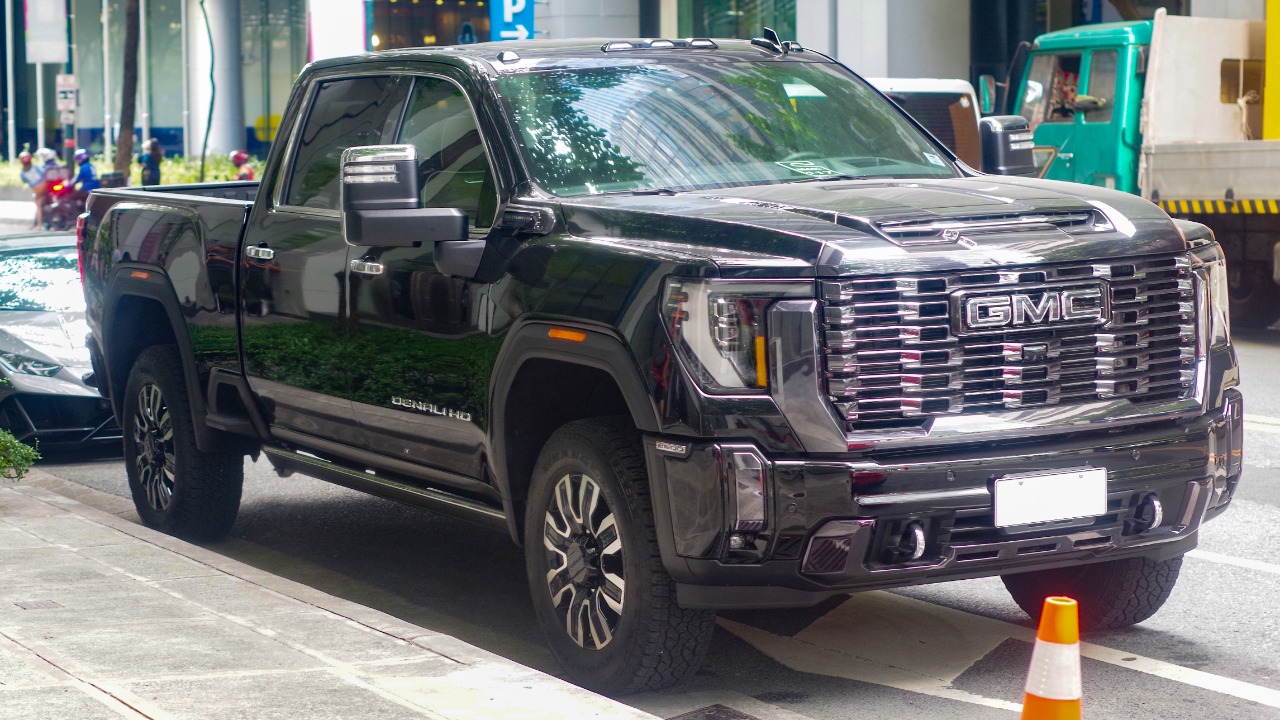
Because the GMC Sierra 1500 shares its platform and powertrains with the Chevrolet Silverado, it inherits the same complaints about lifter failures in GM’s small-block V8 engines, particularly on models equipped with cylinder-deactivation technology. Owners describe a ticking noise developing around 60,000 to 100,000 miles that can escalate into a full engine teardown, and some also report rough shifts from the eight-speed and ten-speed automatic transmissions used across the lineup.
Denali and AT4 trims carry the same engines as base Sierras, so the higher price tag offers no protection from the issue. Owners are advised to listen for early ticking sounds and keep up with oil changes to catch lifter wear before it becomes catastrophic.
6. Jeep Gladiator: Wrangler-Based Reliability Baggage
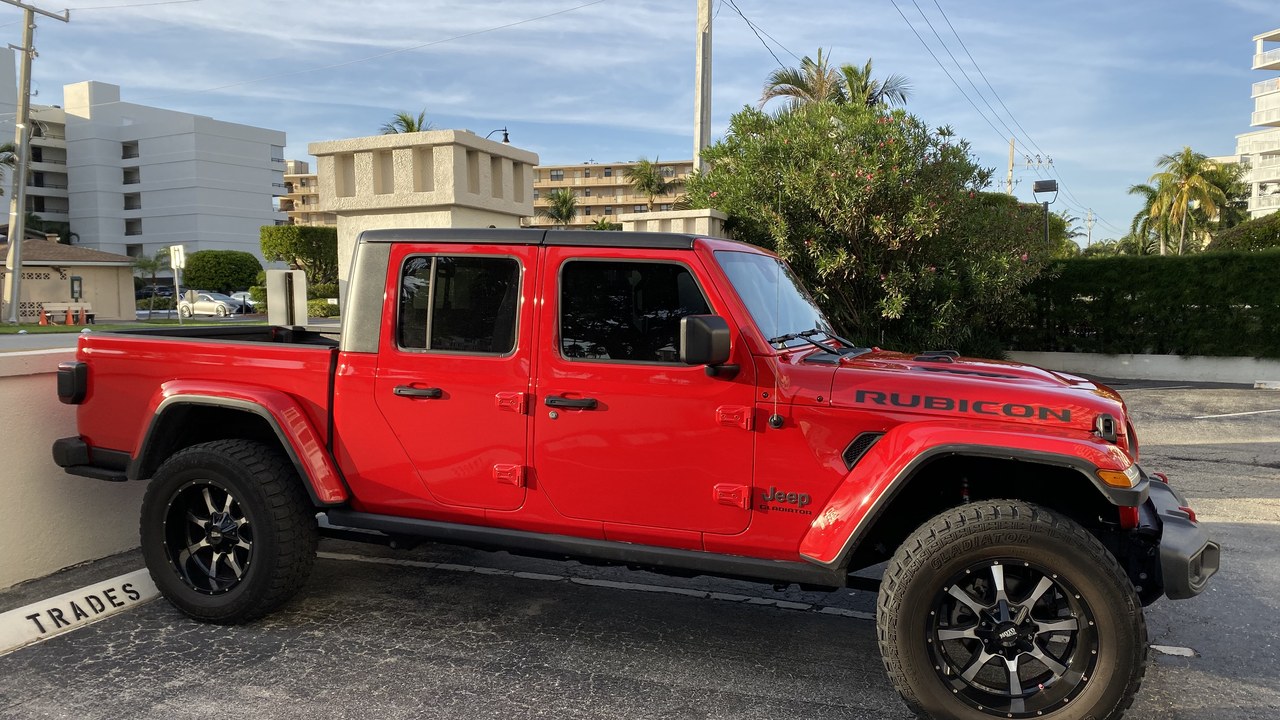
Built on the same platform as the Wrangler JL, the Gladiator inherited a number of that SUV’s well-documented complaints, including a steering condition nicknamed death wobble that can appear after suspension components wear, along with water leaks around the removable top and doors. Owners have also reported clutch and eight-speed automatic transmission problems, along with premature wear on front axle components under regular off-road use.
Regular maintenance of steering and suspension hardware can keep the death wobble issue in check, and later production years addressed some of the water-intrusion complaints. Buyers cross-shopping a used Gladiator should treat it as they would a Wrangler, with the same checklist of known trouble spots.
7. Chevrolet Silverado 1500: Lifter Failures Strike Again
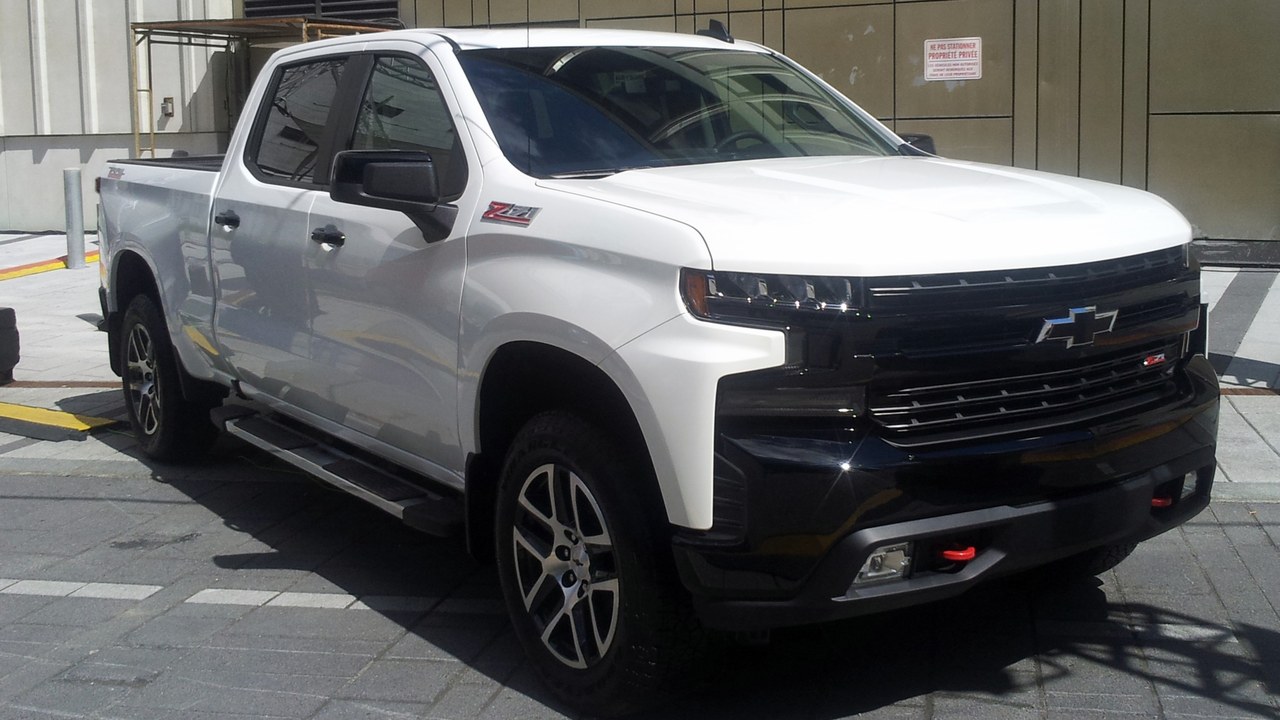
Certain Chevrolet Silverado 1500 model years built with GM’s cylinder-deactivation V8 engines have developed a reputation for premature lifter failure, a problem that starts as a light tick at idle and can progress to bent pushrods or a damaged camshaft if ignored. Independent mechanics and owner forums point to the 2019 through 2021 model years most often, though the underlying design has appeared across multiple Silverado engine options.
Because the issue can strike without warning, some owners choose extended engine warranties or preemptive lifter replacement on high-mileage trucks. A pre-purchase inspection that includes a cold start listening test is one of the more reliable ways to catch the problem early.
8. Toyota Tundra (third generation): Turbo Engine Complaints Surface
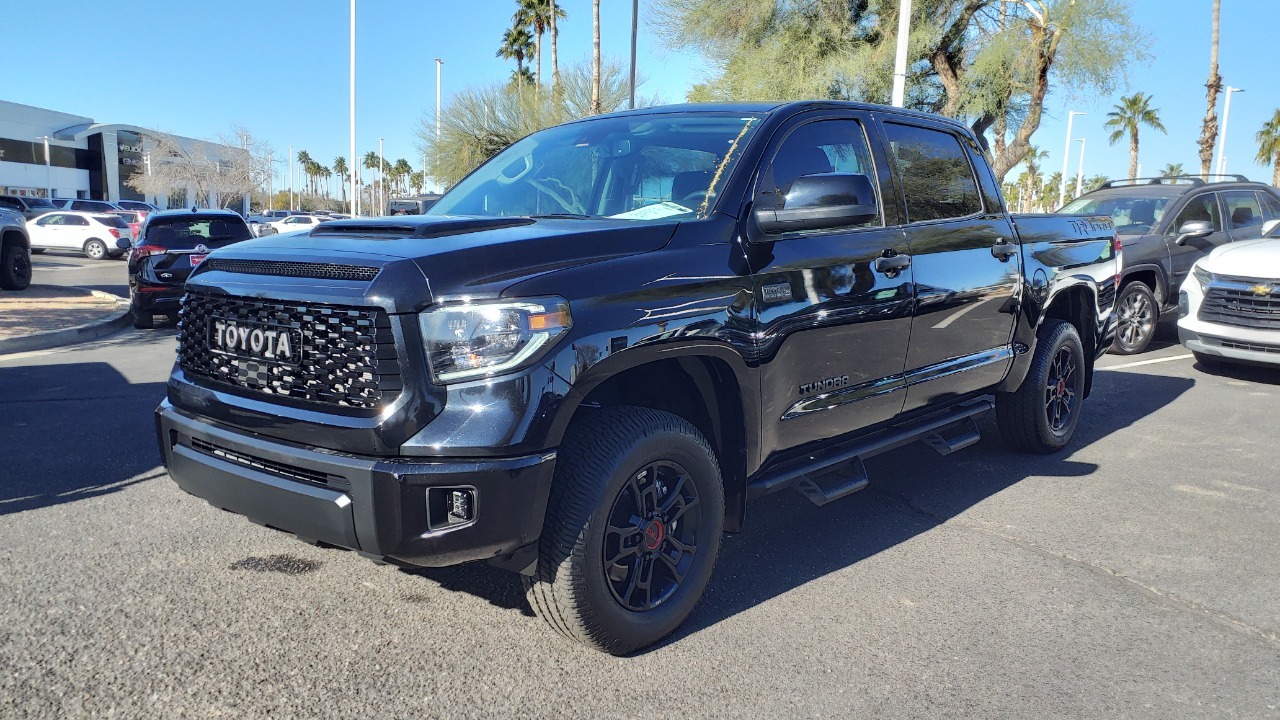
Toyota built its reputation for durability on naturally aspirated engines, so the switch to a twin-turbo V6 engine in the third-generation Tundra unsettled longtime buyers, and their concerns proved warranted for some early trucks. A number of 2022 model-year Tundras experienced sudden engine failure tied to metal debris inside the motor, prompting Toyota to extend warranty coverage and, in some cases, replace engines outright.
Later production Tundras appear to have resolved the defect, and Toyota’s lineup otherwise still outperforms most rivals on long-term durability scores. Shoppers eyeing an early i-Force Max model should confirm the engine was already inspected or replaced under warranty.
9. Ford Ranger: Transmission And Cooling Woes
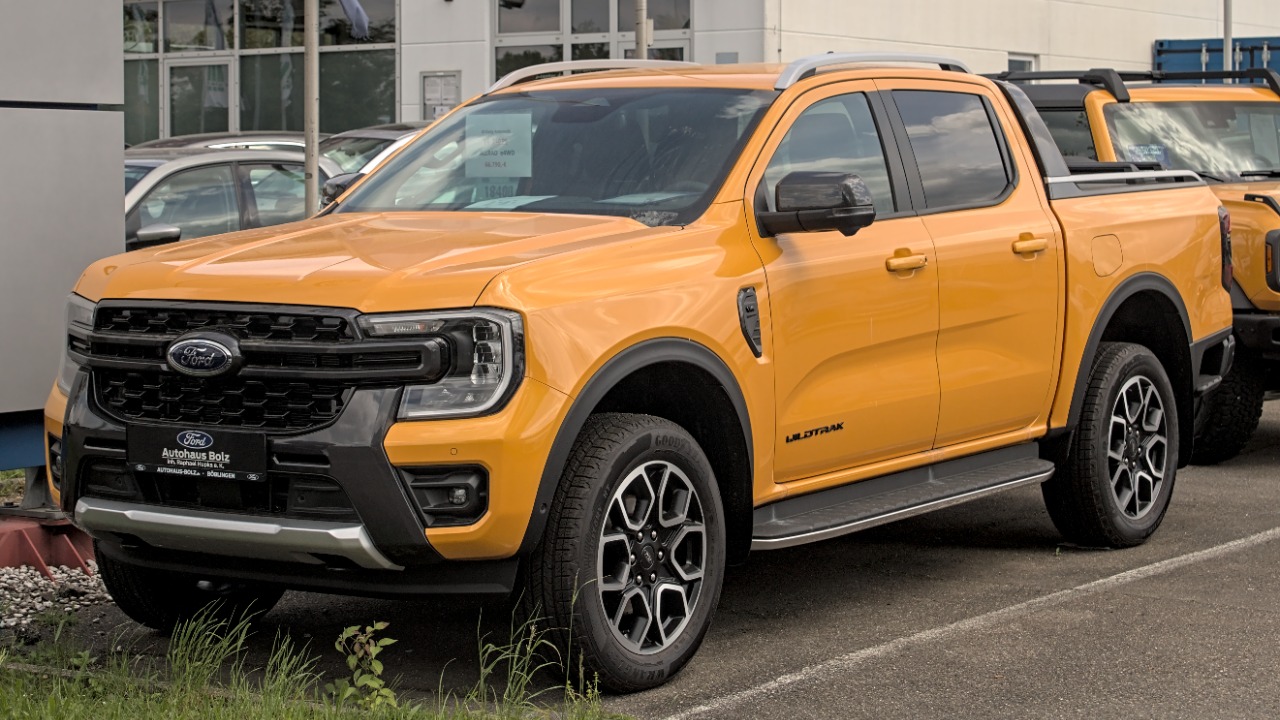
Owners of the current Ford Ranger have logged repeated complaints about the truck’s ten-speed automatic transmission, describing hard, jerky shifts and occasional hesitation when accelerating from a stop. Some trucks equipped with the turbocharged four-cylinder engine have also experienced coolant leaks from the plastic degas bottle and radiator hoses, issues that can lead to overheating if not caught quickly.
Ford has issued software updates aimed at smoothing out the shift quality, though results reported by owners remain mixed. Anyone shopping a used Ranger should check coolant levels and ask whether any transmission-related recalls or updates have already been performed.
10. Honda Ridgeline: Struggles Under Heavy Work
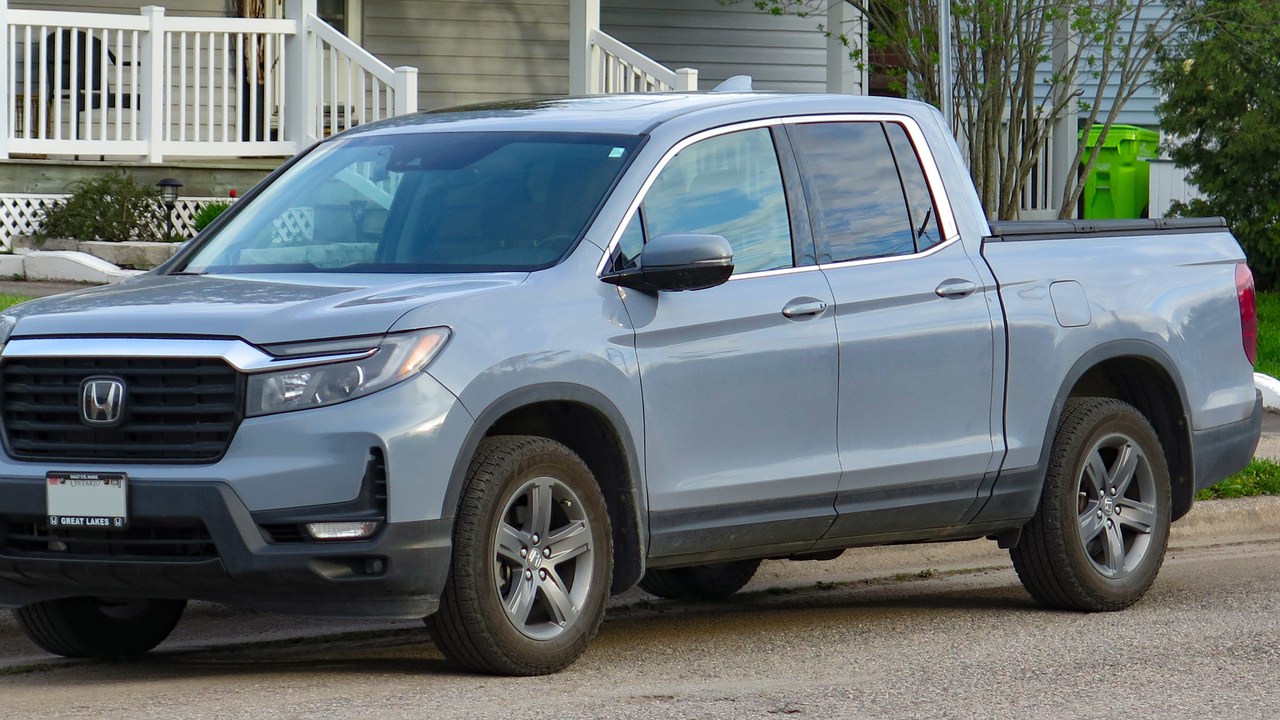
The Honda Ridgeline trades the body-on-frame construction of its rivals for a unibody platform borrowed from Honda’s SUVs, a design that improves ride comfort but leaves it with lower towing and payload capacity than traditional pickups. Owners who use the Ridgeline for regular towing or hauling report the nine-speed automatic transmission shuddering and hesitating under sustained load, along with faster-than-expected wear on the all-wheel-drive system when the truck is pushed beyond light-duty tasks.
For owners who mainly use it for commuting and light cargo, the Ridgeline remains one of the more comfortable and dependable trucks on sale. Buyers planning to tow trailers or haul heavy loads regularly are better served by a traditional body-on-frame pickup.
More from Morning Overview
