
Durability in a pickup rarely comes from marketing language. It comes from boxed ladder frames, cast-iron diesel blocks, conservative power ratings and drivetrains that were engineered with a long service life in mind. Here are ten pickup trucks whose engineering and service records explain why owners keep them running long after the payment book is closed.
1. Toyota Tundra: The Half-Ton That Refuses To Quit
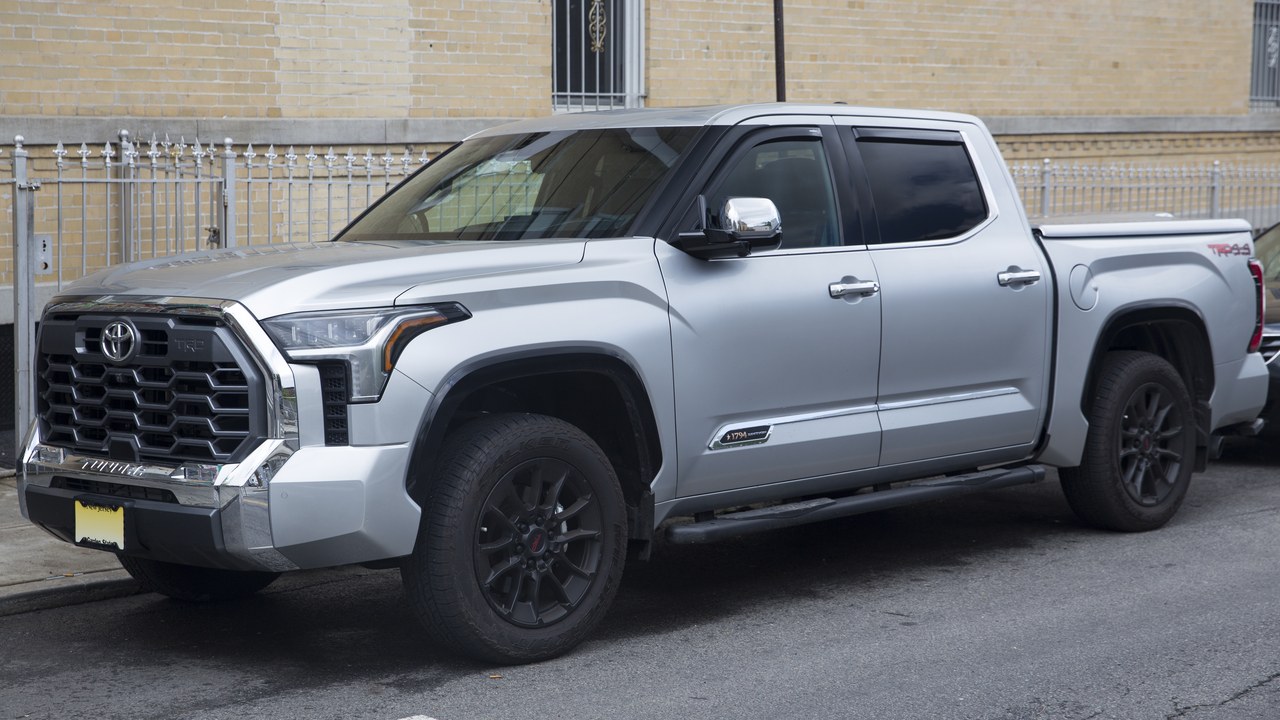
Toyota built the Tundra around deliberately unstressed hardware: a fully boxed ladder frame, a naturally aspirated 5.7-liter i-Force V8 in second-generation trucks, and an automatic transmission tuned for load rather than acceleration. The full-size Toyota Tundra has been assembled in San Antonio, Texas since 2007, and its longevity reputation rests on that mechanical conservatism rather than on any single warranty claim.
Buyers pay for that in fuel economy and in a resale premium that keeps clean used examples expensive. The trade is a truck whose weak points tend to be consumables such as brakes, suspension bushings and exhaust hardware, rather than the engine or transmission failures that end a working life.
2. Toyota Tacoma: The Mid-Size Resale Champion
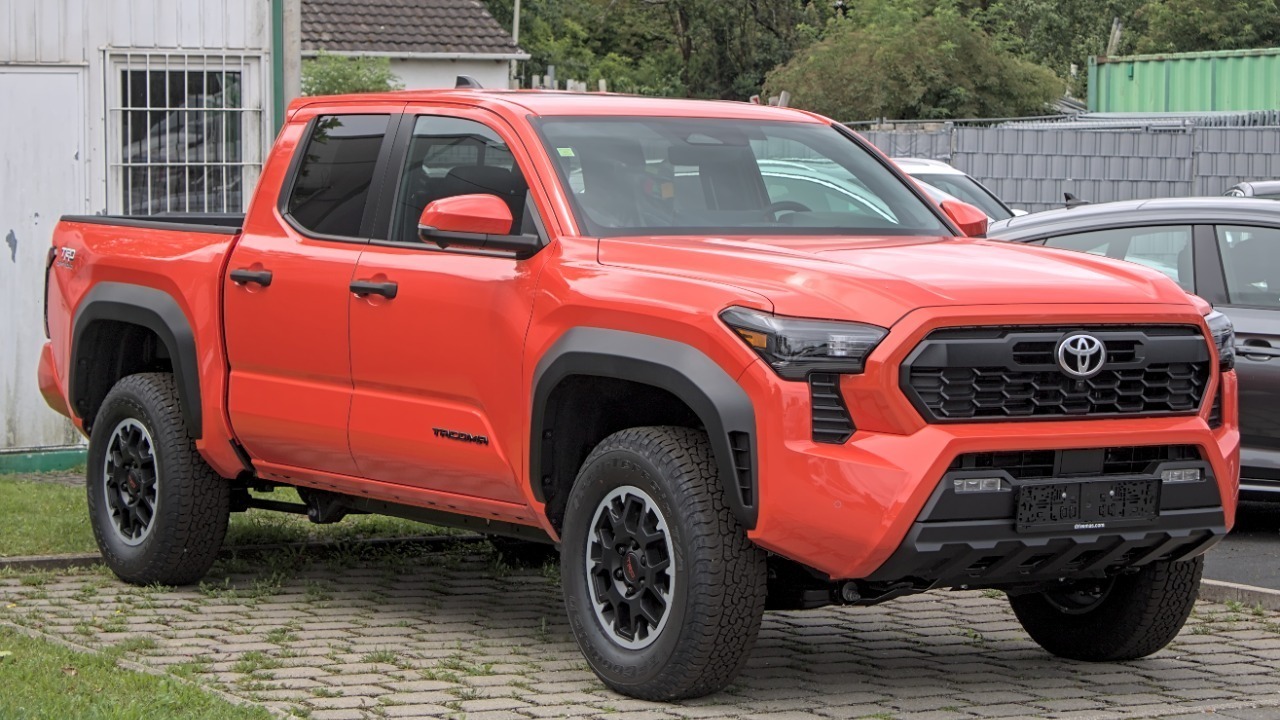
Body-on-frame construction and a drivetrain lineup that changed slowly across two long generations define the mid-size segment leader. Sold in North America since 1995 and assembled in Texas and Baja California, the Toyota Tacoma pickup has carried the same basic recipe of a stout frame, a mechanically simple four-wheel-drive transfer case and modest output figures.
That conservatism shows up most visibly in used values, where high-mileage examples routinely ask more than newer rivals with half the odometer reading. The main historical caveat is frame corrosion on late-1990s and early-2000s trucks, which Toyota addressed through a frame replacement campaign rather than a redesign.
3. Ram 2500: Cummins Iron Under The Hood
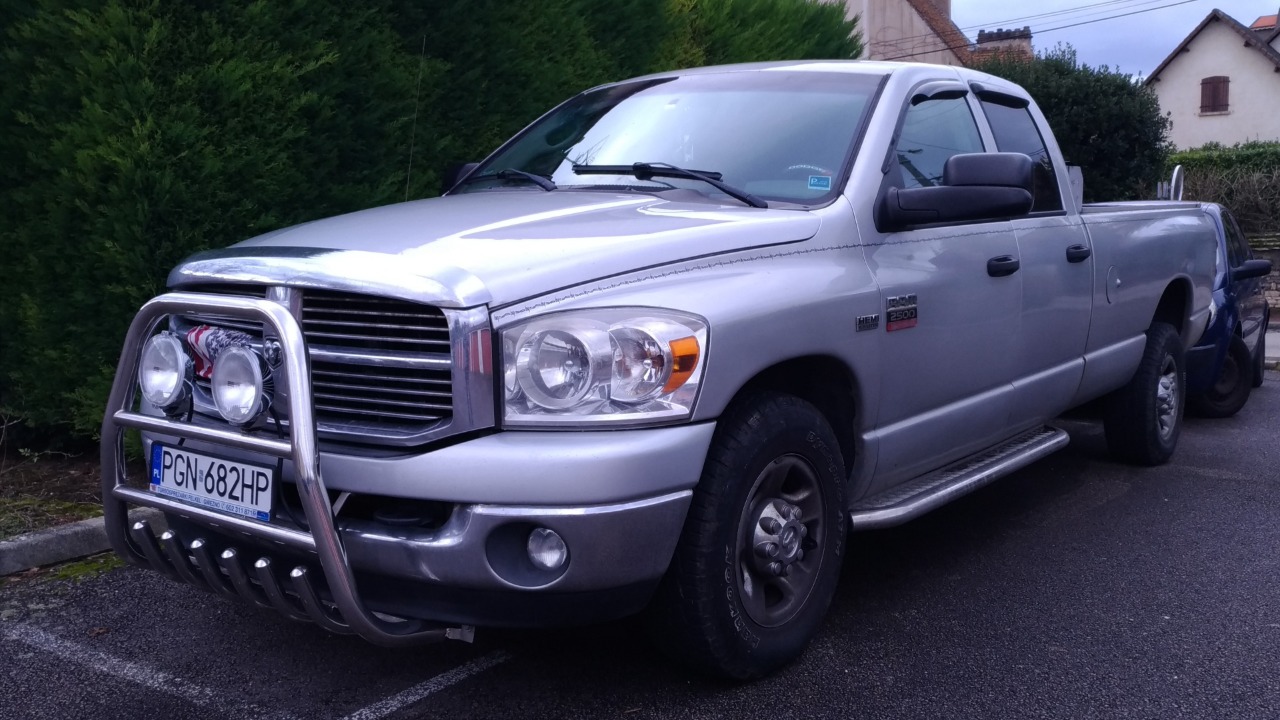
The heavy-duty Ram’s durability record is really the Cummins B-series engine’s record. The 6.7-liter inline-six turbodiesel offered in the Ram 2500 pickup uses a cast-iron block and head, a gear-driven camshaft and only six cylinders to make its torque, a layout inherited from commercial and agricultural equipment rather than from passenger cars.
Fewer cylinders, lower peak stress and a design lineage in medium-duty service explain why these engines commonly outlast the sheet metal around them. Emissions hardware, injection components and front-end steering wear remain expensive, so a cheap high-mileage diesel is rarely a cheap truck to keep.
4. Ford F-250 Super Duty: The Job-Site Standard
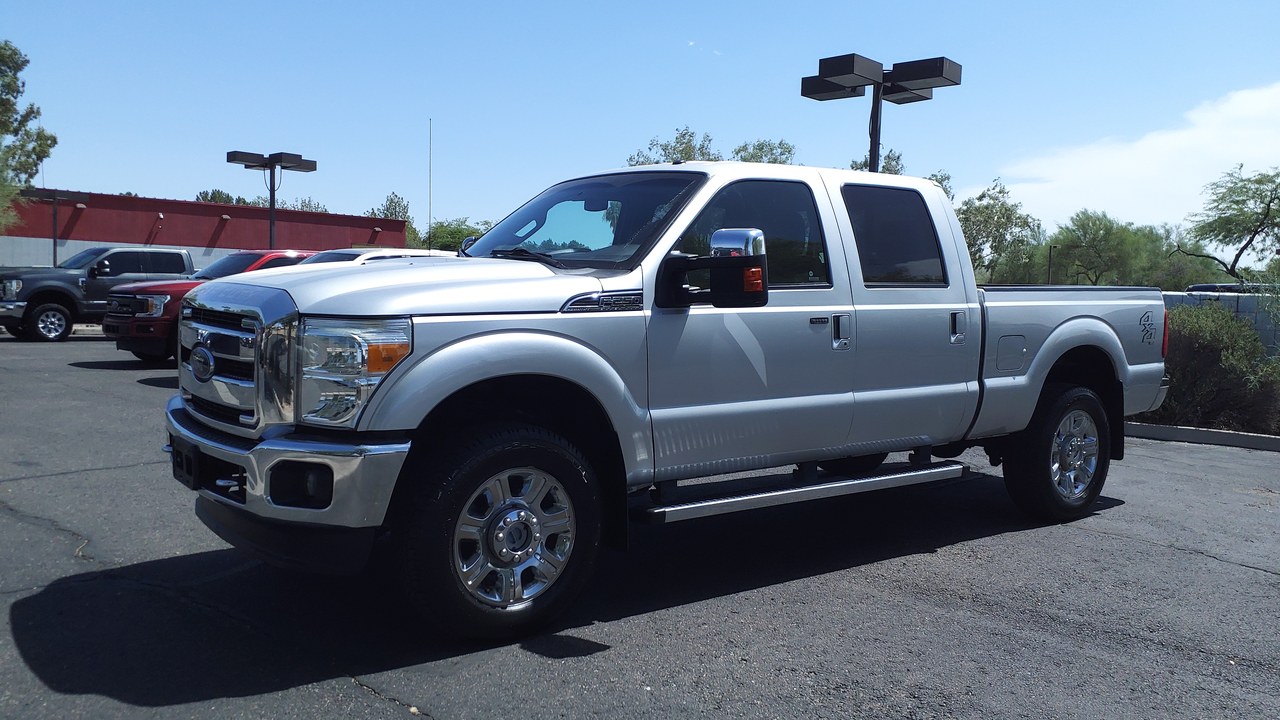
Ford separated the Super Duty line from the F-150 in 1999 precisely so the heavy trucks could use their own frame, axles and cab structure. The Ford Super Duty range now pairs that dedicated architecture with the 6.7-liter Power Stroke V8, a compacted-graphite-iron block design engineered in house after Ford ended its long-running diesel supplier partnership.
Fleet operators keep these trucks in service for a decade or more because parts supply, dealer coverage and body availability are effectively universal. The counterweight is emissions complexity, since coolers, particulate filters and injectors dominate the repair bills that eventually retire a high-mileage Super Duty.
5. Chevrolet Silverado 2500HD: Duramax And Allison Pairing
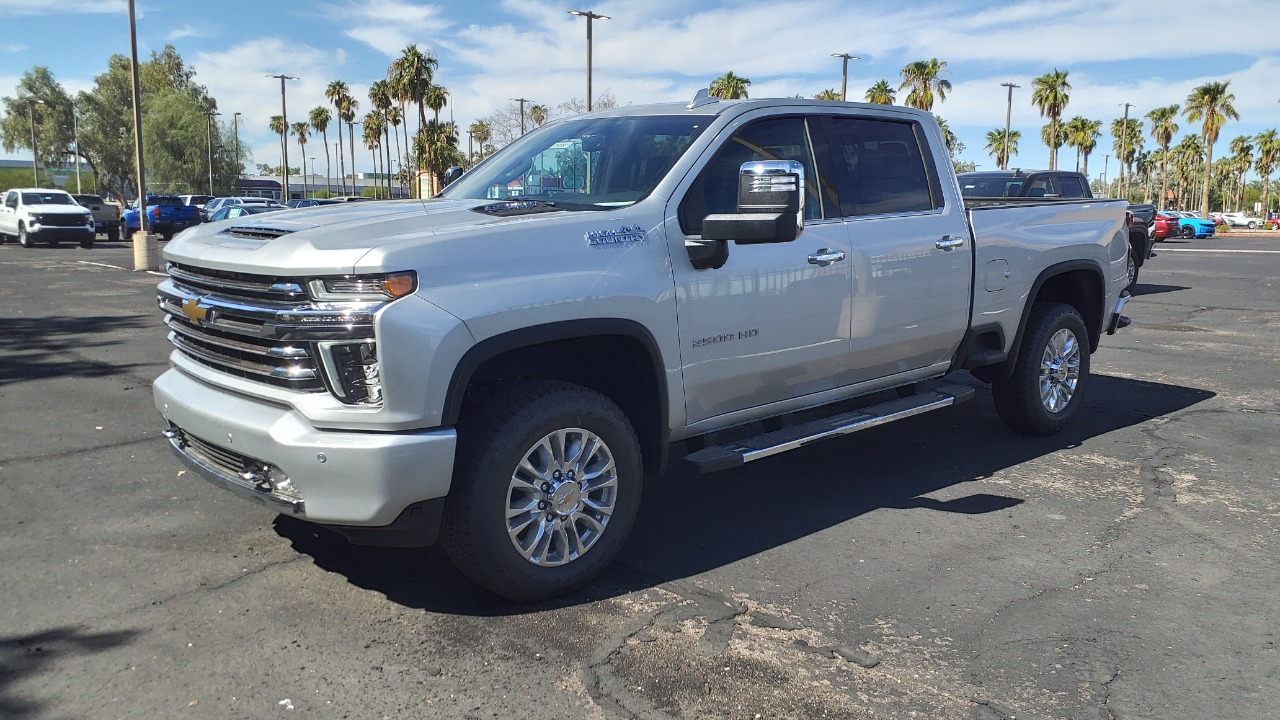
Much of the three-quarter-ton Chevrolet record comes from a pairing rather than a single component: the 6.6-liter Duramax V8 and the Allison automatic behind it. The Chevrolet Silverado heavy-duty line has used that combination since 2001, and the transmission’s commercial-vehicle pedigree matters as much as the engine’s cast-iron construction.
Transmission failure is what ends most working trucks, so a gearbox engineered for medium-duty cycles removes the usual weak link in the driveline. Early Duramax variants carried documented injector problems, which makes engine-code identification more useful than an odometer reading when shopping the used market.
6. GMC Sierra 2500HD: Same Bones, Different Badge
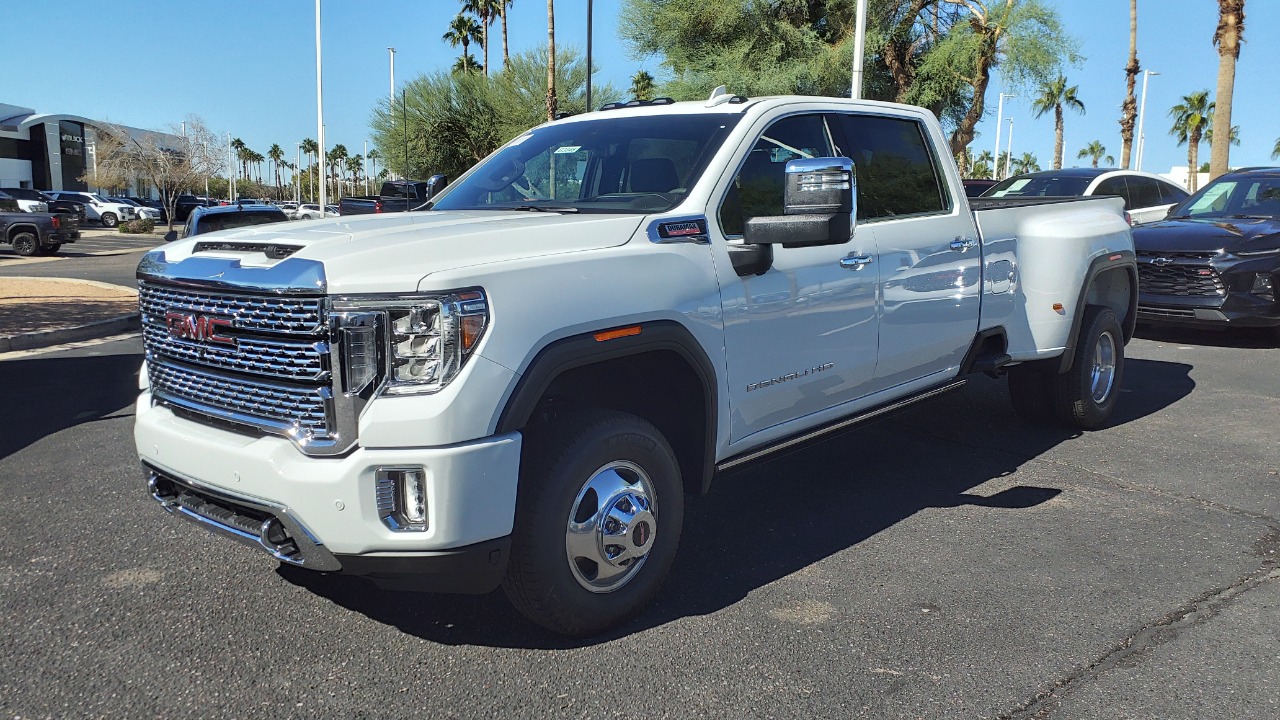
General Motors assembles the Sierra HD alongside the Silverado HD on the same platform, in the same plants, with the same Duramax and Allison hardware. What separates the GMC Sierra heavy duty is trim level, grille treatment and interior specification, none of which touches the frame, axles or driveline components that actually determine service life.
That makes the badge a straightforward arbitrage for anyone weighing mechanicals over marketing, since the drivetrain is identical and depreciation curves often are not. Denali trims add electronics, cameras and interior hardware that create their own repair exposure without improving the underlying durability of the truck.
7. Ford F-150: Volume Breeds Longevity

Sheer production volume is itself a durability asset. The Ford F-150 half-ton anchors the best-selling vehicle line in the United States, which means every wear part, body panel and sensor has multiple aftermarket suppliers, a deep salvage pool and a mechanic on nearly every corner who has replaced it before.
A truck that can be repaired cheaply gets repaired instead of scrapped, and that economic reality is why twenty-year-old examples are still working. The aluminum-alloy body adopted in 2015 resists the corrosion that retires older steel trucks, though it demands body shops with the right equipment and training.
8. Ram 1500: The Everyman Ram
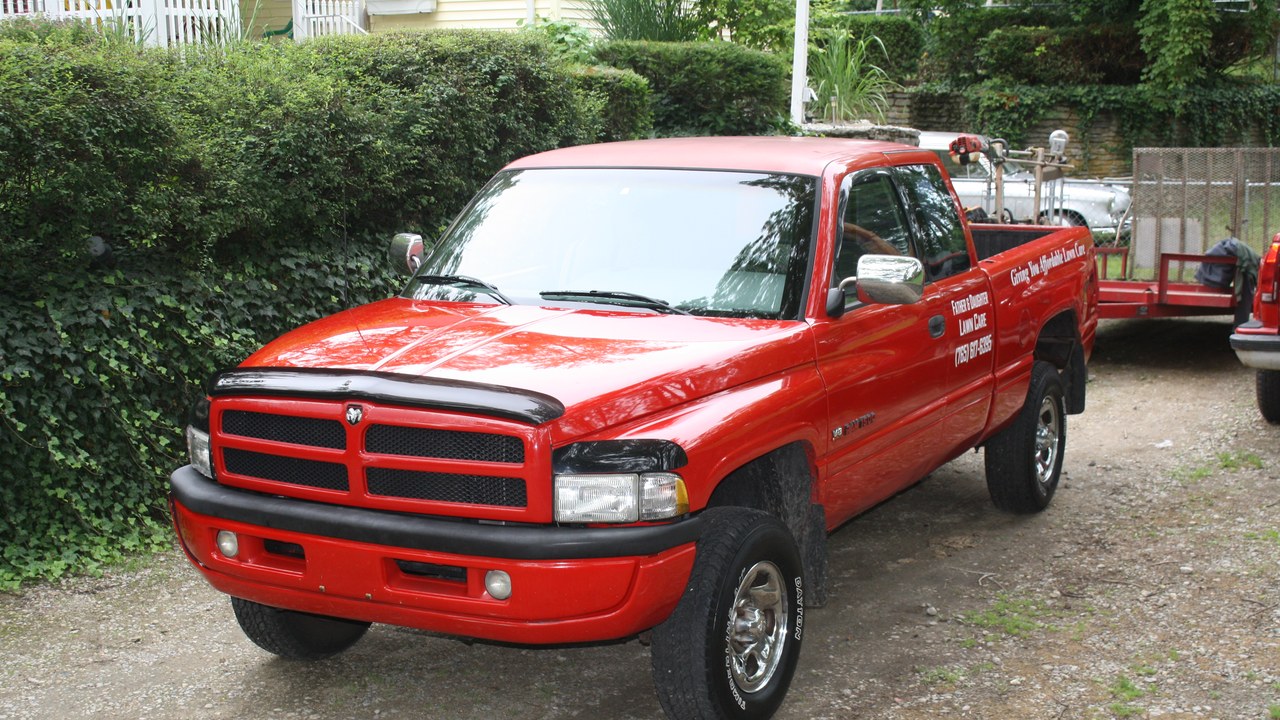
Ram’s half-ton shares its body-on-frame architecture with the heavy-duty trucks above it, and the second generation launched in 1994 gave the line its big-rig styling. The Ram truck brand added the Hemi V8 in 2003 and a coil-spring rear suspension in 2009, removing leaf springs without abandoning the separate frame underneath.
Second-generation trucks in particular still turn up in daily work service, helped by a simple drivetrain and a deep supply of used panels and mechanical parts. The limits are honest ones, with tow ratings well below the 2500 and, on air-suspension trucks, ride-height hardware that grows expensive with mileage.
9. Nissan Titan XD: The In-Between Heavyweight
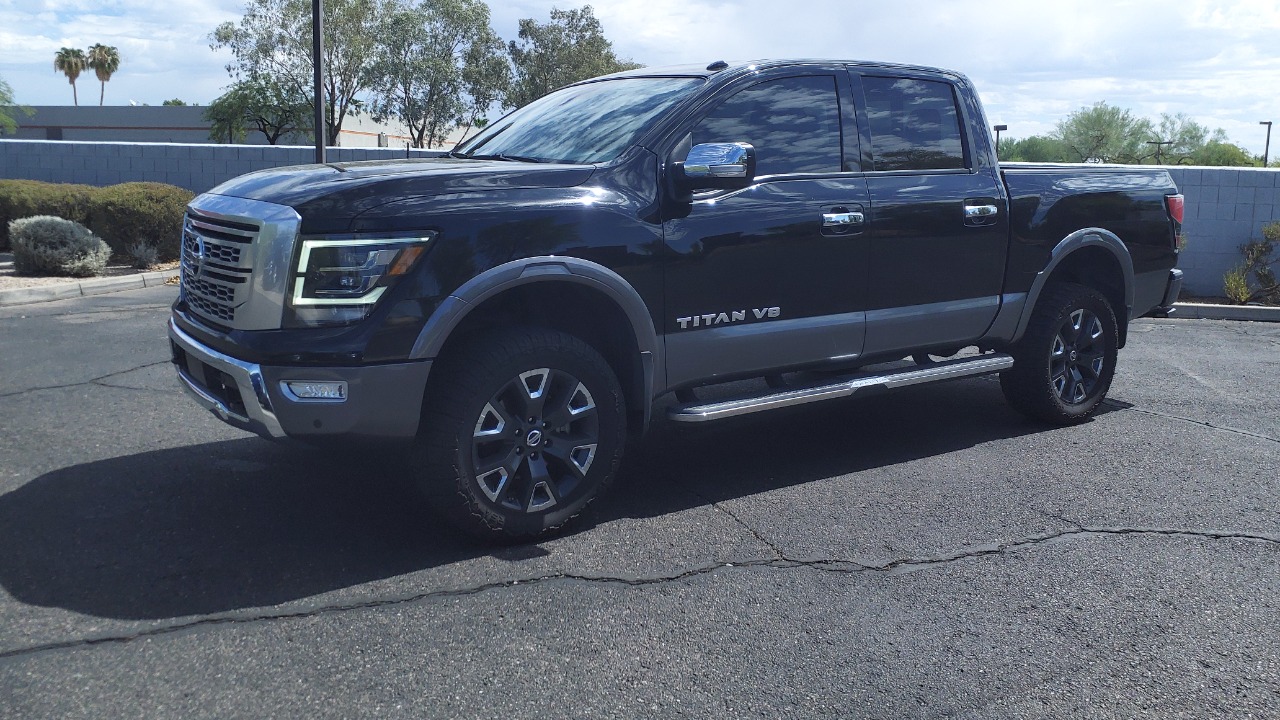
Nissan positioned the Titan XD between the half-ton and three-quarter-ton classes, giving it a fully boxed frame considerably stronger than a standard Titan’s and, at its 2016 launch, a 5.0-liter Cummins V8 turbodiesel. The Nissan Titan program dropped that diesel after 2019 and moved the XD to a gasoline 5.6-liter V8 on the same heavy chassis.
The overbuilt frame and axles remain the reason these trucks tolerate sustained work, and low sales volume makes used examples unusually cheap. Nissan ended North American production of the line in 2024, so long-term ownership now depends on parts supply and dealer support rather than on the hardware.
10. Honda Ridgeline: The Quiet Unibody Outlier
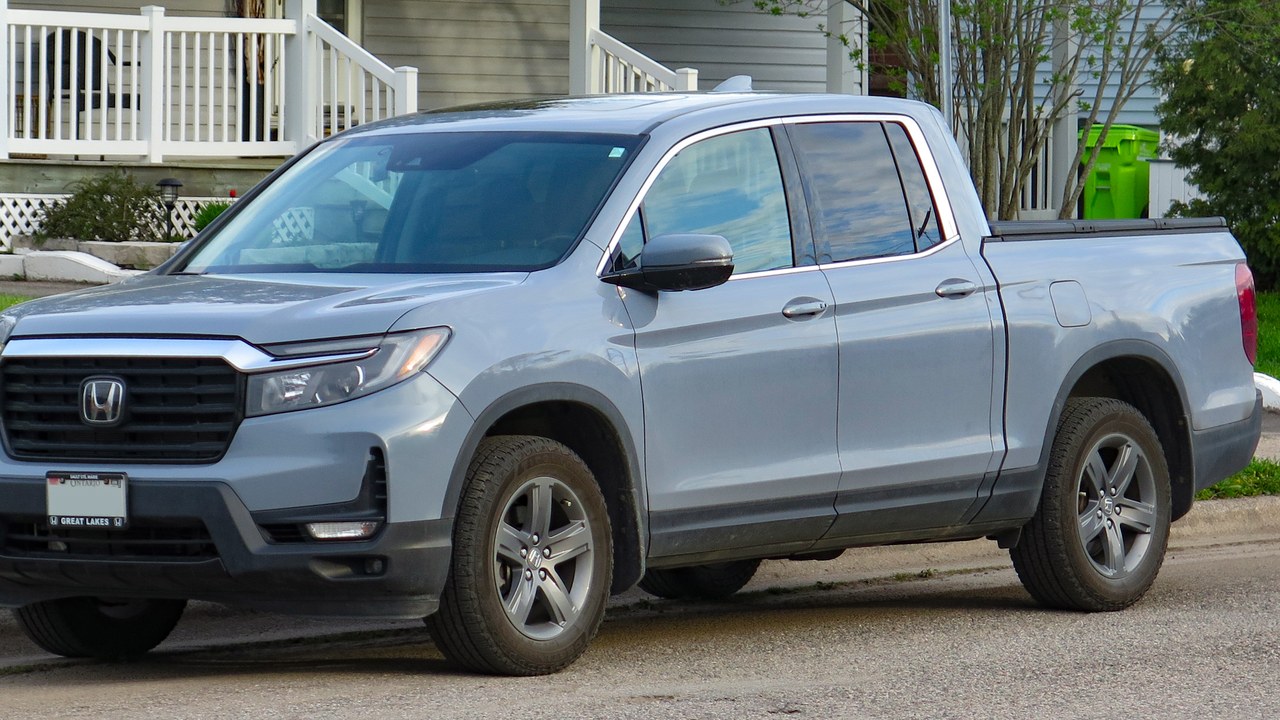
The format is rejected outright here, with a unibody structure and independent rear suspension derived from Honda’s Pilot platform instead of a separate ladder frame. The Honda Ridgeline pickup carries a transverse V6 and, in all-wheel-drive form, a car-derived driveline that avoids the transfer cases and solid axles generating most heavy-truck repair bills.
The result ages like a minivan: predictable maintenance intervals, few structural failure modes and no frame corrosion to inspect underneath. The limits are real, because towing and payload ratings trail every body-on-frame rival and heavy commercial use falls outside what the platform was designed to absorb.
More from Morning Overview
