
Gas mileage across pickup trucks varies more than sticker prices suggest, from unibody compacts that sip fuel like a sedan to diesel half-tons built for towing rather than efficiency. Hybrid and turbocharged engines have narrowed that gap in the past few years, but body style and drivetrain still separate the frugal trucks from the thirsty ones. Here are ten pickups that show where the mpg numbers actually land for 2026.
1. Ford Maverick: Hybrid Efficiency Champion

The Ford Maverick’s hybrid base trim posts a combined figure close to 38 mpg, the strongest number of any current pickup, thanks to a standard non-turbo hybrid powertrain borrowed from Ford’s compact-car lineup rather than a truck-specific engine designed around towing.
Buyers who skip the optional turbocharged four-cylinder and all-wheel drive keep that advantage, since either upgrade trades several mpg for towing and traction capability the front-wheel-drive hybrid version simply does not offer. The tradeoff mirrors a compact sedan more than a traditional truck, which is exactly why the number stands out among pickups built for hauling.
2. Hyundai Santa Cruz: Car-Based Fuel Savings
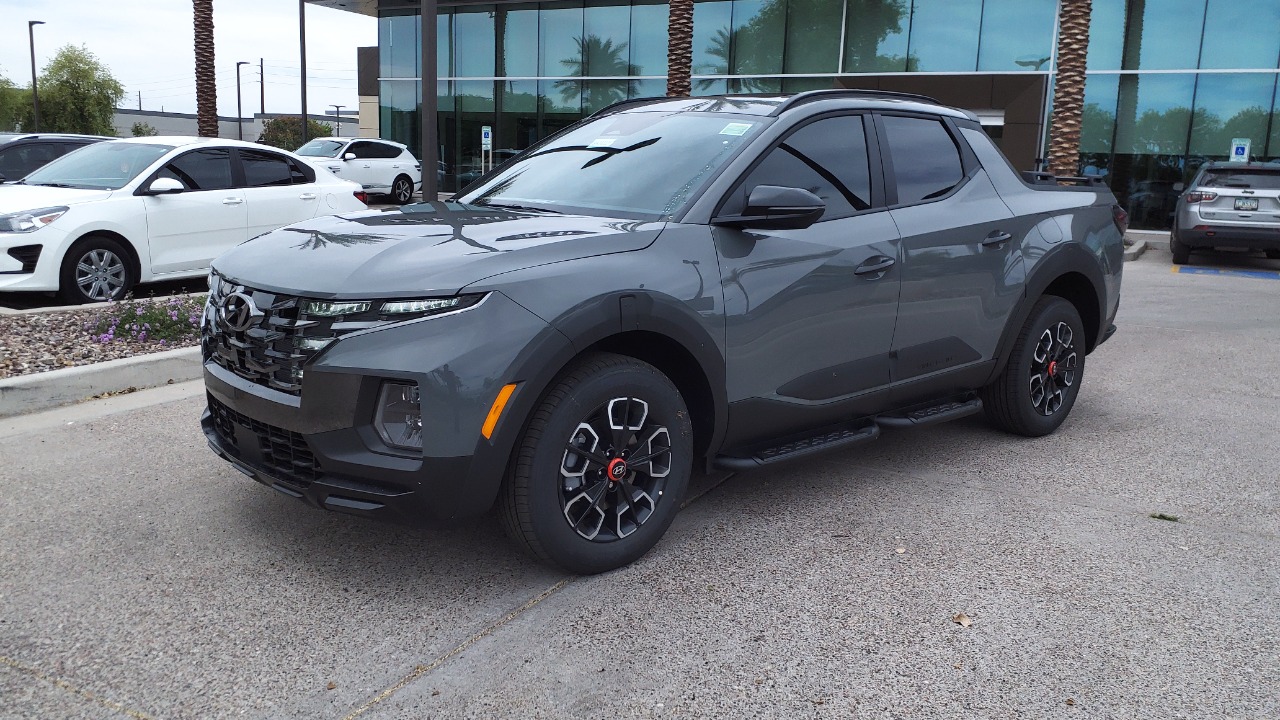
Built on a unibody car platform rather than a body-on-frame chassis, the Hyundai Santa Cruz returns combined fuel economy in the high 20s, a range midsize and full-size pickups rarely approach without a hybrid or diesel assist bolted on.
The tradeoff is capability: lighter unibody construction caps payload and towing well below traditional trucks, so the mileage gain mainly suits owners hauling light loads rather than pulling a job-site trailer every day. It shares more mechanically with a crossover than with the body-on-frame trucks further down this list.
3. Ford Ranger: Steady Turbo-Four Numbers
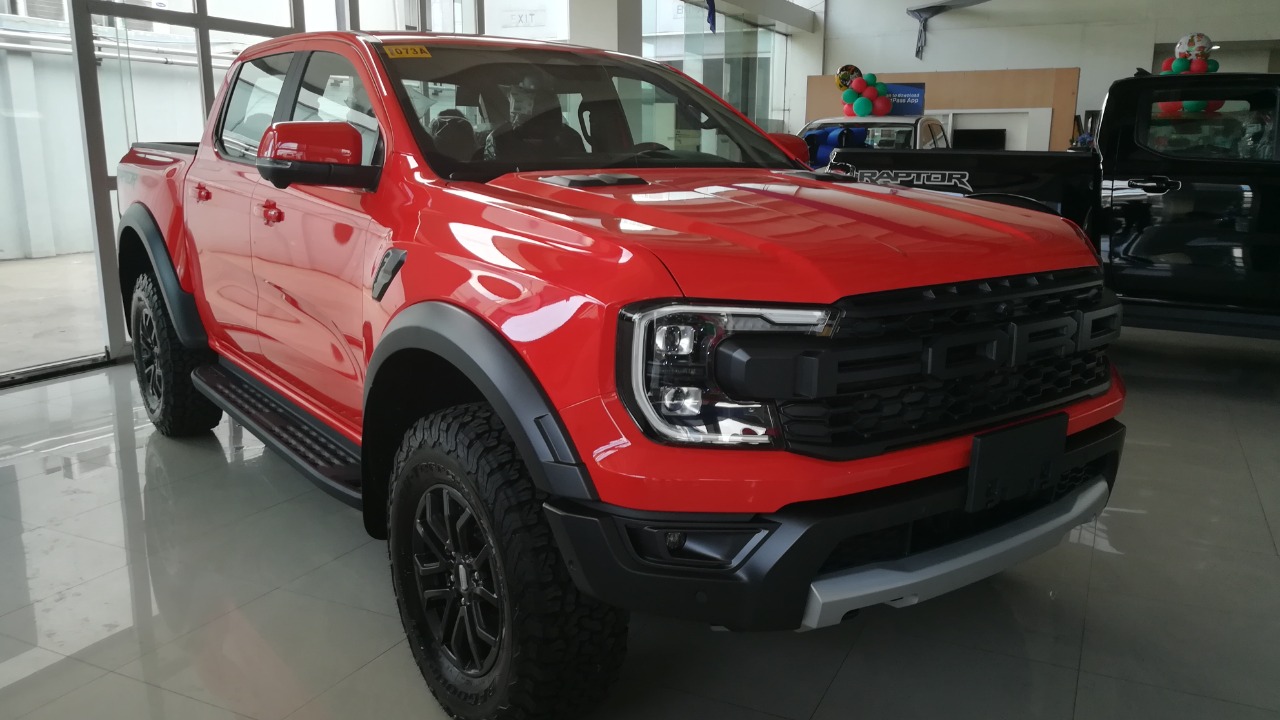
The Ford Ranger’s turbocharged four-cylinder settles into the low 20s combined, a figure that holds fairly steady across rear-wheel-drive and four-wheel-drive configurations with only a small mpg penalty for the added hardware and weight.
That consistency makes it a middle option among midsize trucks, trailing the Maverick’s hybrid by a wide margin but beating the six-cylinder engines still offered in some larger full-size competitors. Shoppers get a predictable number regardless of which drivetrain, cab configuration, or bed length they eventually choose for daily driving.
4. Chevrolet Colorado: Single-Engine Simplicity
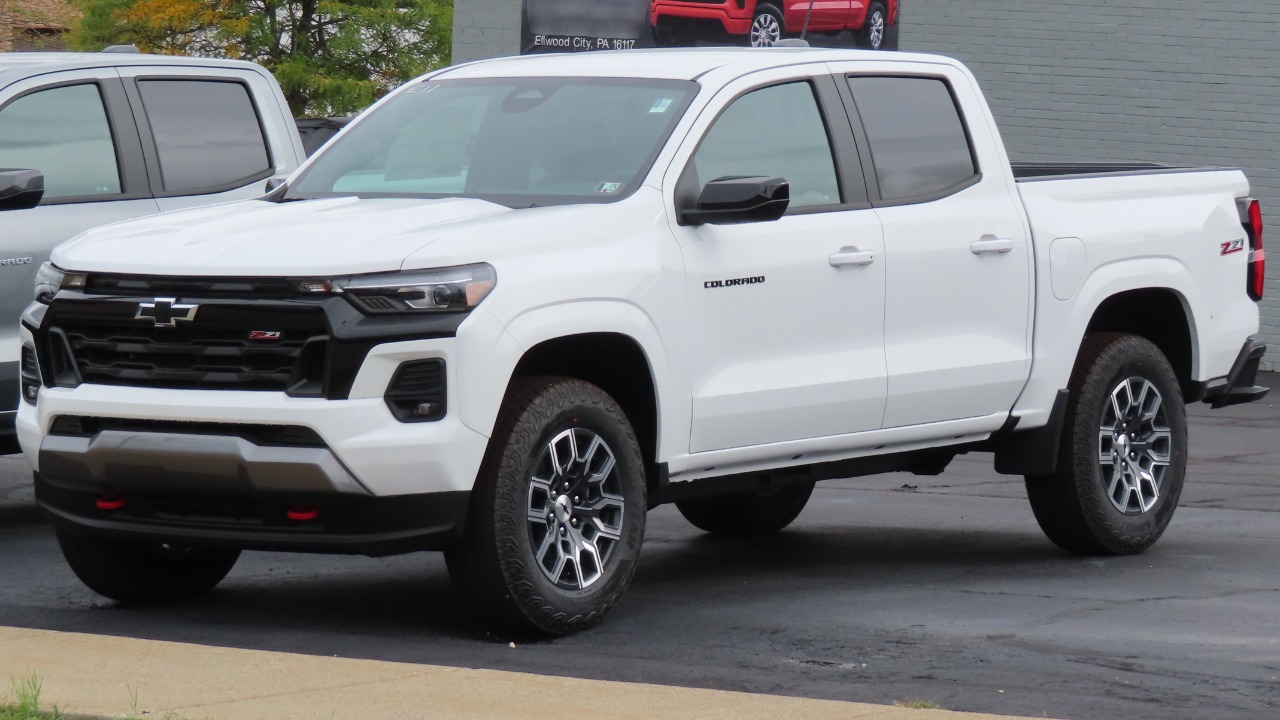
Chevrolet dropped the Colorado’s V6 for a single turbocharged four-cylinder, and the change settles combined economy around 20 mpg regardless of trim, since every Colorado now shares the same turbocharged engine lineup across the range.
Four-wheel-drive models lose only a fraction of that figure, which keeps the Colorado competitive with the Ranger even though its published number lands a few mpg lower on the same test cycle. The simplified lineup also means shoppers no longer have to weigh a thirstier V6 against a base engine.
5. Toyota Tacoma: Hybrid Torque Boost
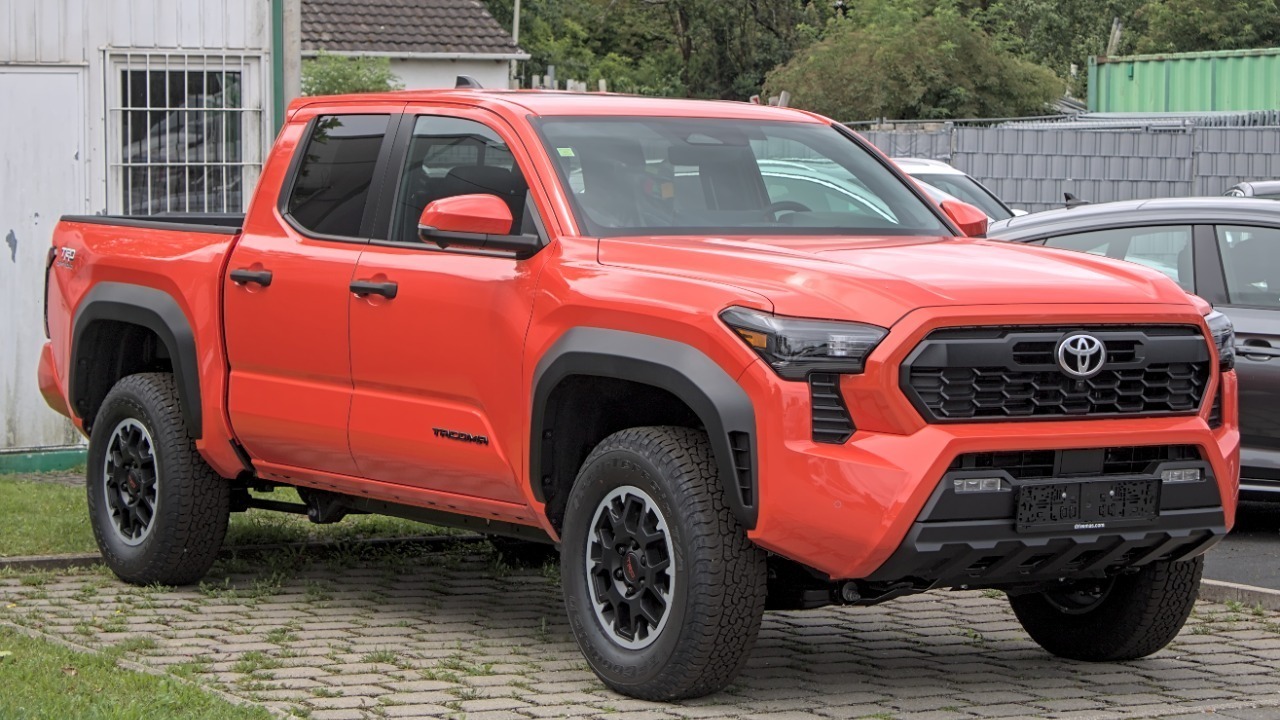
Toyota’s latest Tacoma hybrid powertrain, badged i-FORCE MAX, pairs a turbocharged four-cylinder with an electric motor to lift the combined figure above what the non-hybrid turbo four alone manages on its own in the same body style.
That hybrid assist mainly boosts torque for towing rather than chasing maximum mpg, so the fuel gain is real but modest next to a dedicated efficiency design like the Maverick’s. Shoppers weighing towing needs against mileage will find the standard turbo four still the lighter, cheaper option.
6. Ford F-150: PowerBoost Pulls Ahead

Full-size trucks rarely crack the low 20s, but the F-150’s EcoBoost V6 and hybrid PowerBoost trims both get there, with the hybrid version generally posting the stronger combined number of the two engines.
Four-wheel drive and heavier trims chip away at that figure, so shoppers chasing the best mileage need to specify the PowerBoost hybrid rather than assume any F-150 trim performs the same way. The base V6 and larger V8 options both trail behind these two more efficient choices.
7. Ram 1500: Wide Engine Spread
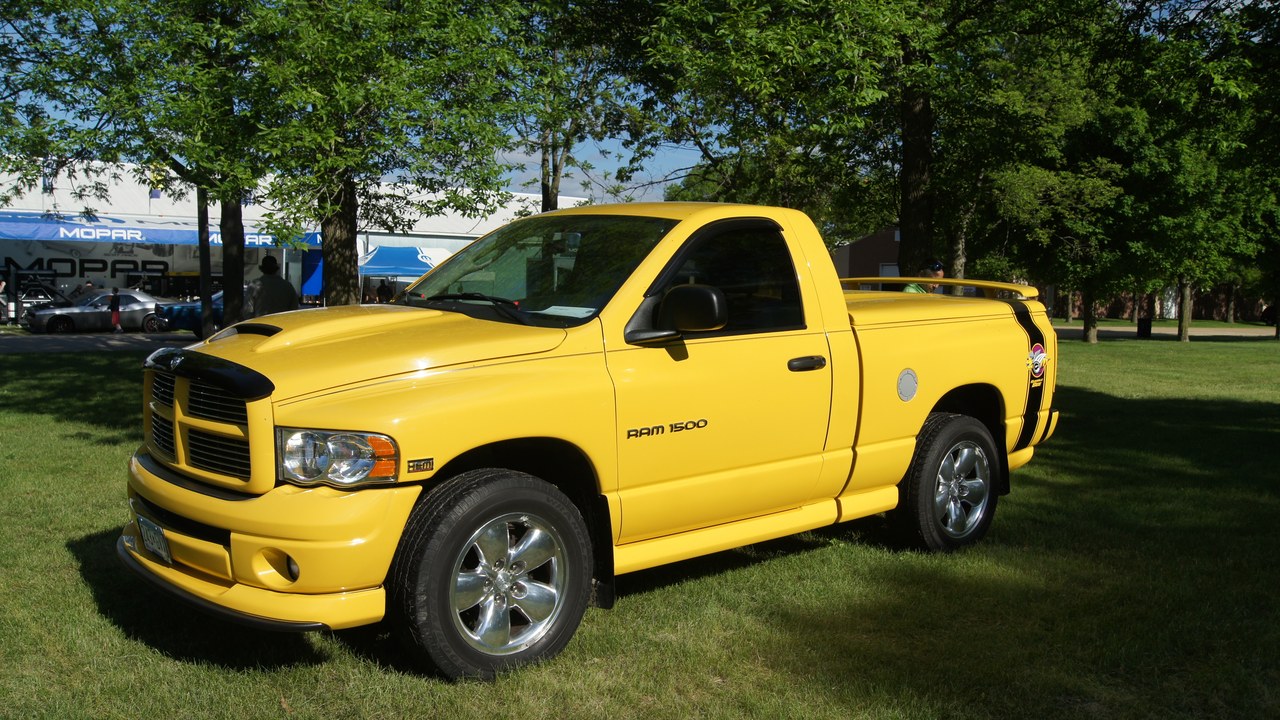
Combined economy on the Ram 1500 lineup spans the high teens to low 20s depending on engine, with the base V6 and the eTorque mild-hybrid V8 landing at opposite ends of that fairly wide range.
Buyers cross-shopping half-ton trucks should check the specific engine code rather than the nameplate alone, since two Ram 1500s wearing the same bodystyle can differ by several mpg. The mild-hybrid assist narrows but does not erase the gap against the thirstier V8 configurations still sold across the lineup today.
8. Chevrolet Silverado 1500: Diesel Efficiency Edge
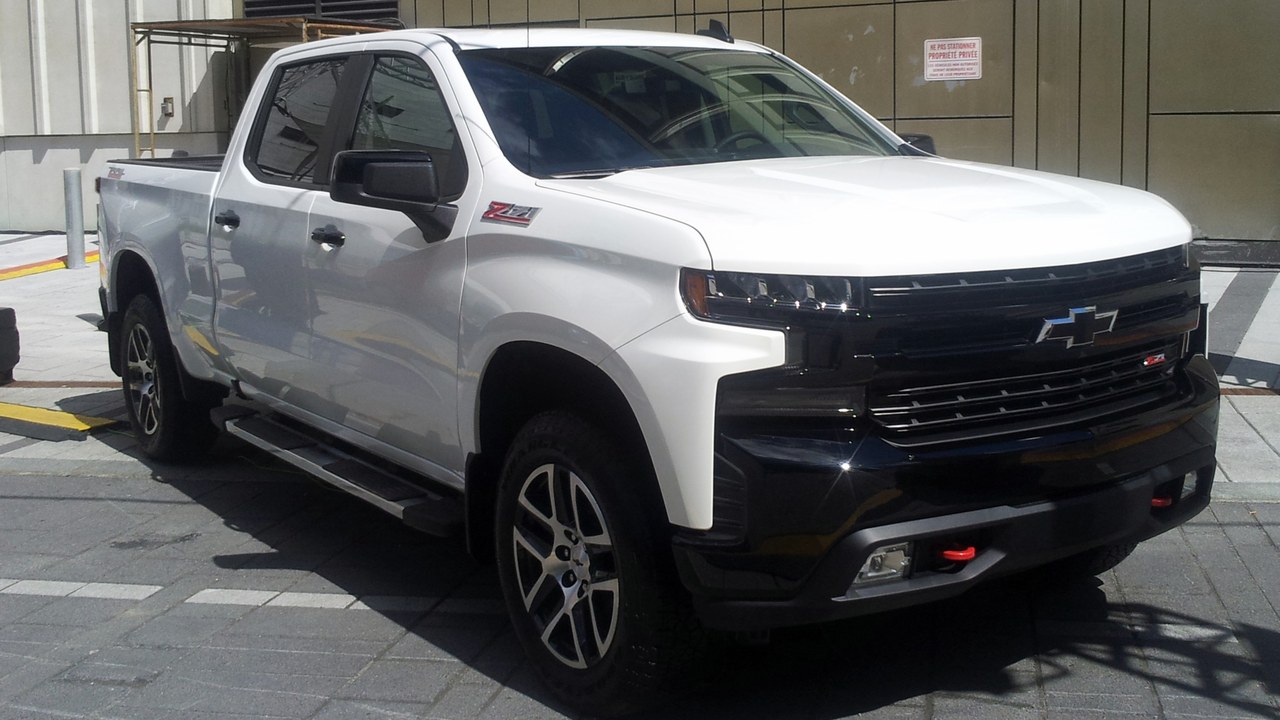
The Silverado’s optional Duramax diesel pushes combined economy past 24 mpg, well ahead of the gas V8 and V6 options that make up most of the lineup’s sales volume today across the country.
That diesel advantage comes with a higher purchase price and diesel fuel costs that can offset part of the mpg gain, so the math favors owners who log high highway mileage rather than short city errands. The gas engines remain the simpler, cheaper-to-buy choice for lighter-duty use.
9. GMC Sierra 1500: Shared Diesel Advantage
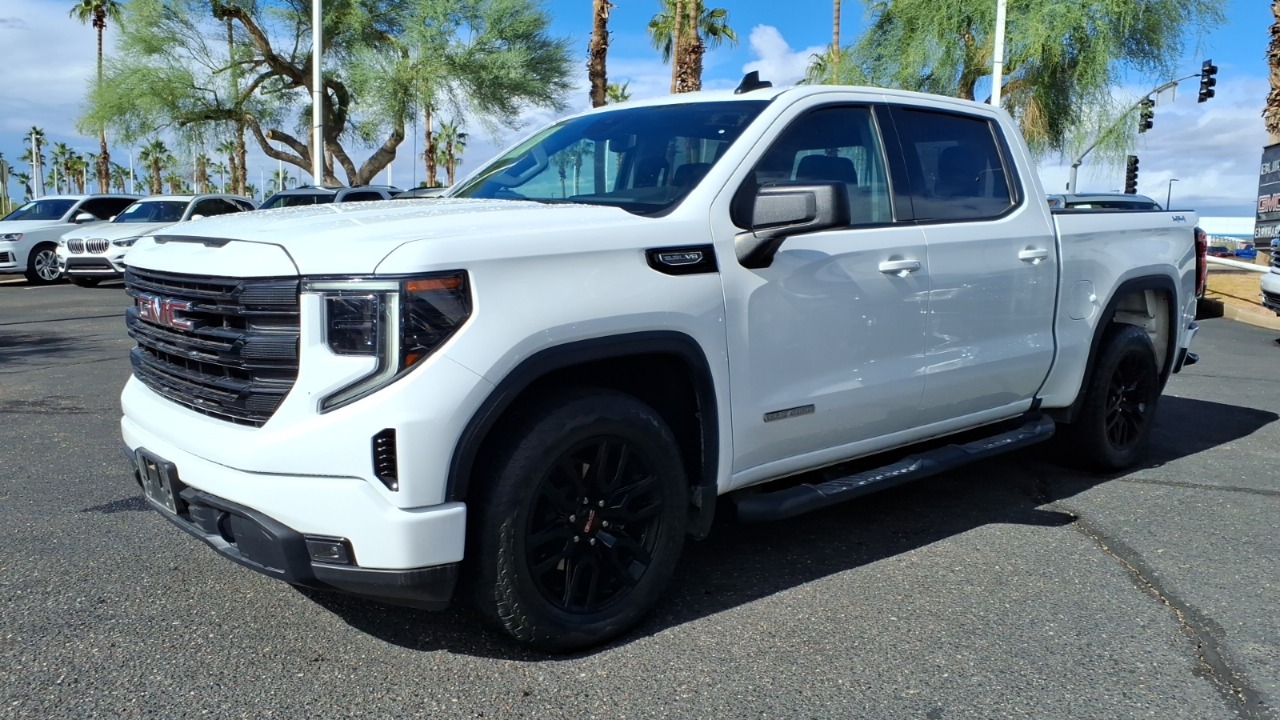
Sharing its platform and engines with the Silverado, the GMC Sierra’s Duramax diesel option matches its Chevrolet counterpart’s combined efficiency almost exactly, since both trucks use the identical drivetrain hardware underneath their sheet metal.
The two nameplates differ mainly in trim and price positioning rather than mechanical substance, so a mileage-focused shopper gains nothing by choosing one badge over the other beyond styling and interior finish. The diesel option carries the same highway-mileage case regardless of which badge sits on the tailgate.
10. Toyota Tundra: Torque Over Thrift
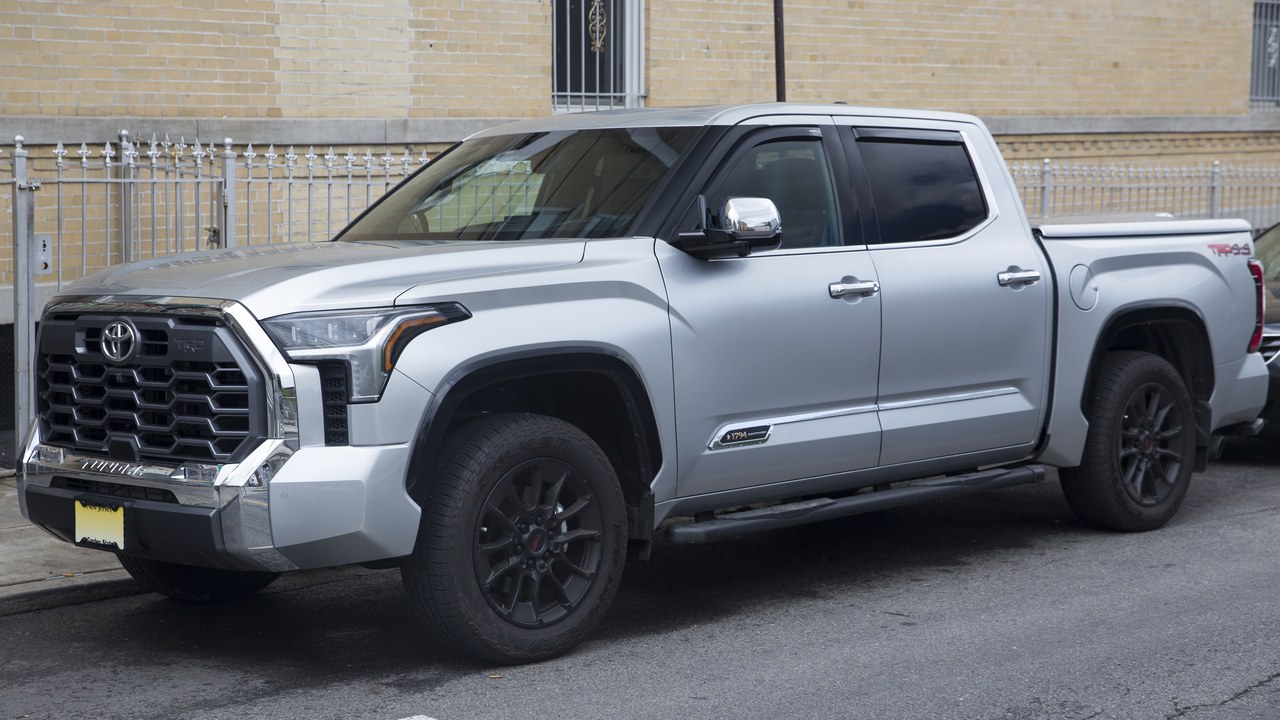
The Tundra’s hybrid i-FORCE MAX engine lands in the high teens combined, a number that trails several rivals’ hybrid trims because Toyota tuned it more for towing torque than outright fuel savings at the pump.
Non-hybrid Tundra trims fall further behind still, so the hybrid remains the mileage-conscious choice within the lineup even though it does not lead the full-size class outright. Full-size trucks generally trade mileage for towing capability and interior space, and the Tundra illustrates that pattern about as clearly as any rival.
More from Morning Overview
- The NSA is again telling phone owners to switch off one location setting
- Four U.S. startups fired up their first small nuclear reactors, aiming to power AI data centers on-site
- 11 engines built to run well past 200,000 miles
- A handful of car transmissions are so tough that mechanics say they almost never die
