
Waterfalls are usually ranked by raw height, but the numbers involved for the tallest examples on Earth are difficult to grasp from ground level. Some drop in one unbroken plunge, while others descend through several tiers separated by ledges, cliffs, or pools before reaching their final base. The list below gathers ten of the tallest waterfalls found across five continents.
1. Angel Falls: World’s Tallest Waterfall
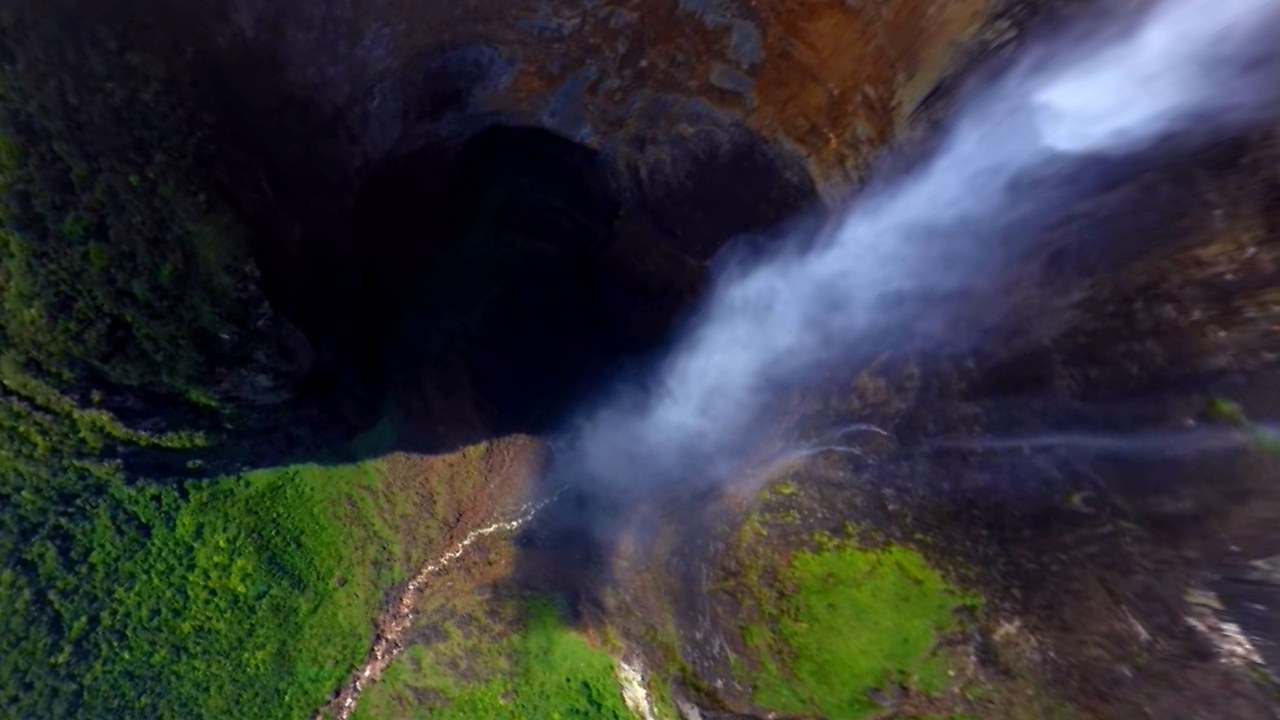
Angel Falls plunges in one unbroken drop of roughly 979 meters (3,212 feet) off the sheer face of Auyán-tepui, a flat-topped mountain inside Venezuela’s remote Canaima wilderness, giving it the greatest single-drop height of any waterfall ever measured.
So much of the water disperses into mist and spray on the way down that a hard rain often falls well before it reaches the pool at the base, and the site can only be reached by boat and a multi-day jungle trek through the surrounding national park.
2. Tugela Falls: Five-Tier Drakensberg Giant
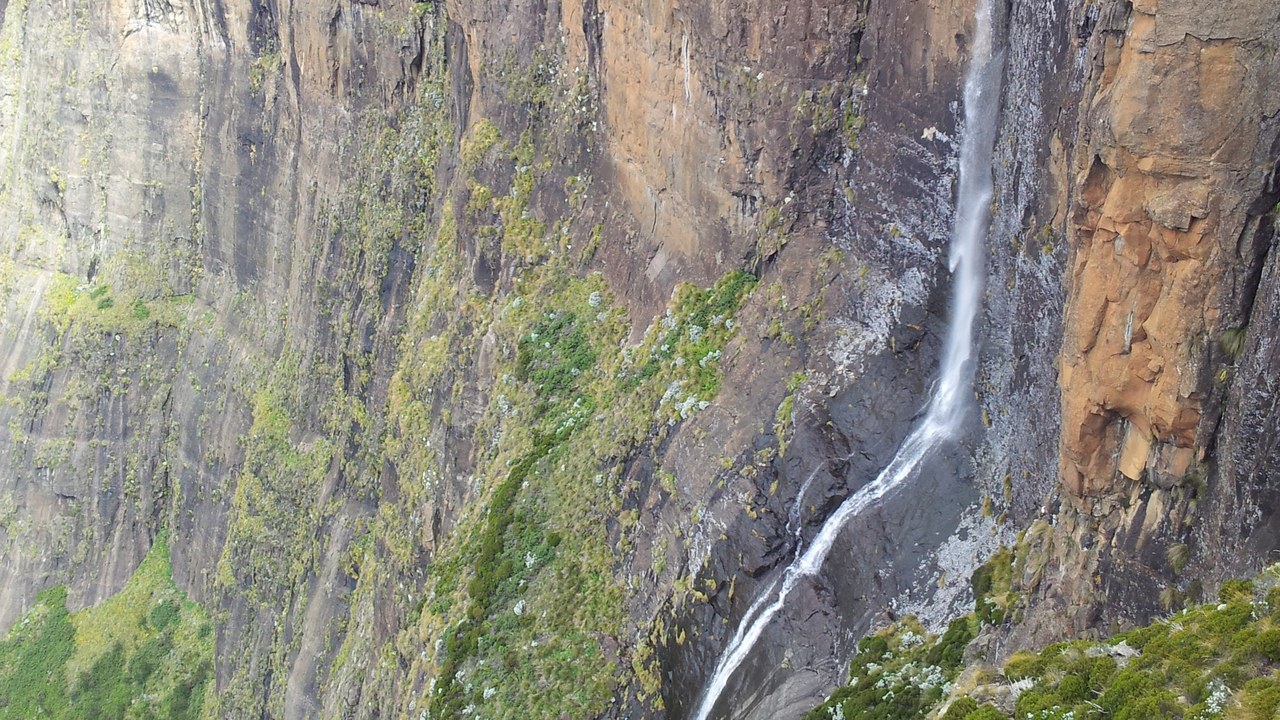
Tugela Falls descends through five distinct free-leaping drops for a combined height near 948 meters (3,110 feet) down the Drakensberg escarpment in South Africa’s Royal Natal National Park, ranking it among the very tallest waterfalls anywhere.
Its flow depends heavily on seasonal rain and snowmelt, so the falls can shrink to a thin trickle during the dry winter months and swell into a thundering, mist-throwing torrent after summer storms. Because the drops sit on a remote, steep escarpment, its total height has occasionally been disputed, and measurements of other tall falls elsewhere have briefly challenged its long-held ranking among the tallest waterfalls on the continent.
3. Yumbilla Falls: Peru’s Hidden Cloud-Forest Fall
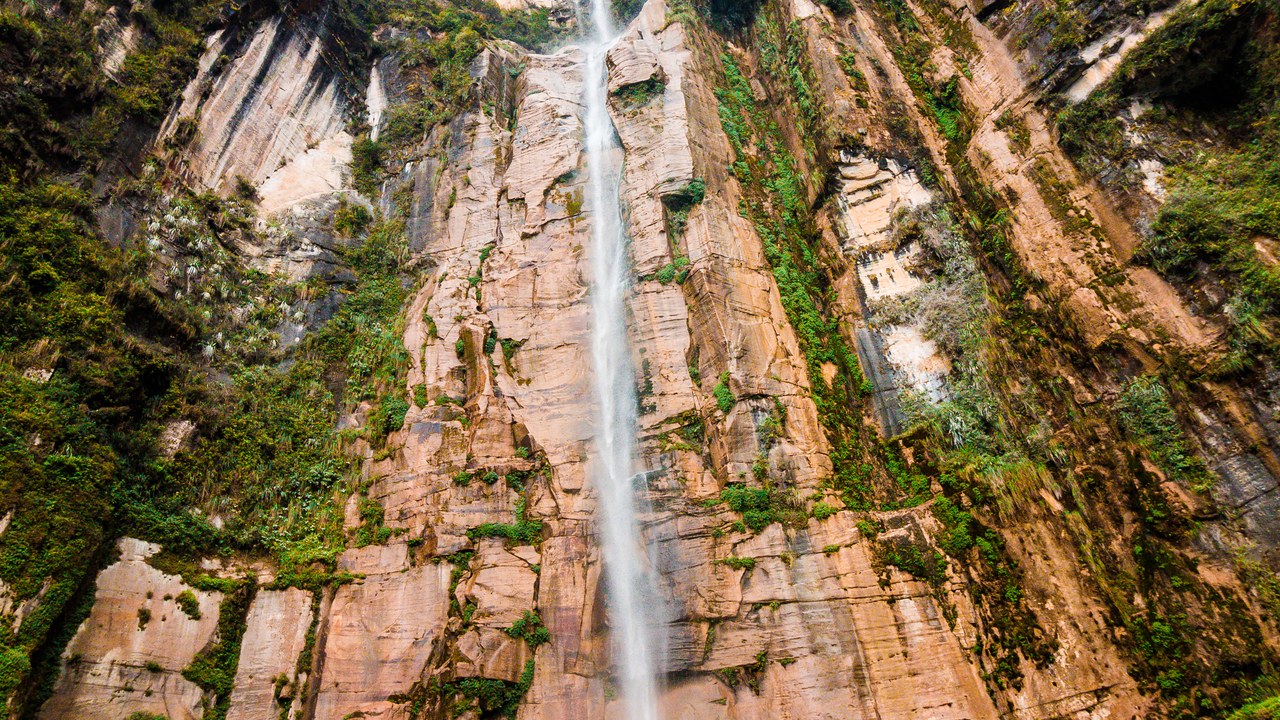
Yumbilla Falls tumbles down four separate tiers for a total height of about 896 meters (2,940 feet) through cloud forest above the village of Cuispes in Peru’s Amazonas region, making it one of the tallest waterfalls on the continent.
It stayed largely unmeasured and unknown outside the immediate area until surveyors formally documented its full height in the 2000s, sparking a brief international debate over its exact ranking among the world’s tallest falls. Because the site sits far off the main tourist circuit, it still draws far fewer visitors than falls of similar scale elsewhere in South America.
4. Yosemite Falls: Yosemite’s Three-Tier Icon
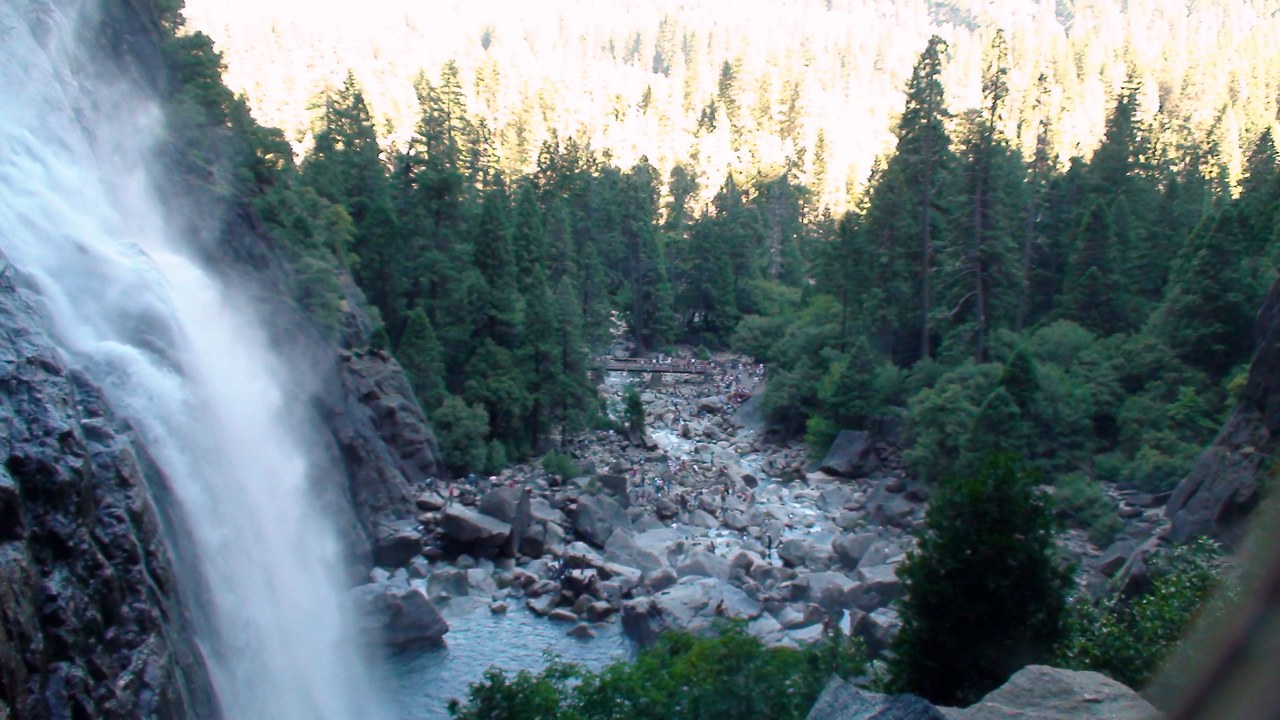
Yosemite Falls drops about 739 meters (2,425 feet) in three sections — an upper leap, a middle set of cascades, and a lower plunge — down granite cliffs in California’s Yosemite Valley, making it one of the tallest waterfalls in North America.
The falls run heaviest in late spring as mountain snowmelt peaks, filling the valley with a roar and drifting spray that reaches nearby trails. In low-snow years the flow can slow to a trickle or dry up almost entirely by late summer, making the timing of a visit matter as much as the destination itself.
5. Mardalsfossen: Norway’s Regulated Titan
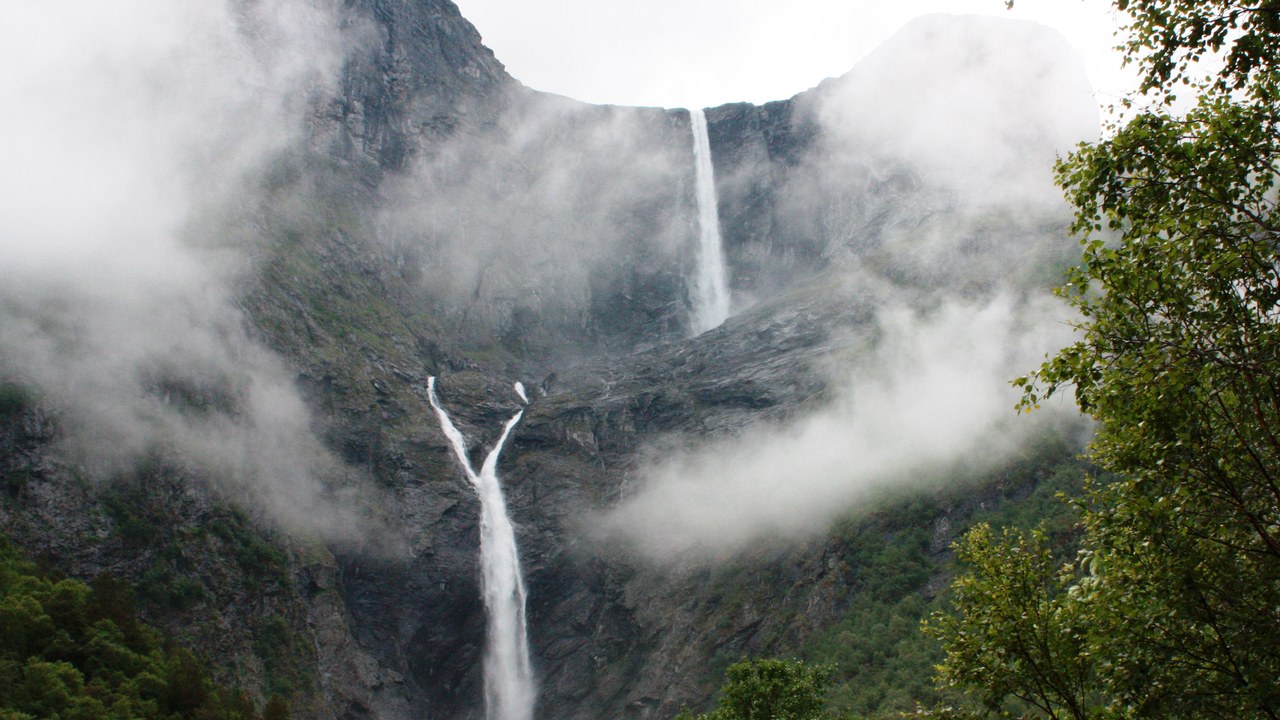
Mardalsfossen falls roughly 705 meters (2,313 feet) in two main stages down a mountainside in Norway’s Romsdal region, making it one of the tallest waterfalls in Northern Europe.
A hydroelectric dam built decades ago now regulates its flow, so the full historic torrent runs only on a handful of scheduled summer days when the gates are opened for visitors and tour boats. The rest of the year the falls carry a far smaller diverted stream, a tradeoff made to generate power from one of the country’s most dramatic natural landmarks.
6. Browne Falls: Fiordland’s Sheer Drop
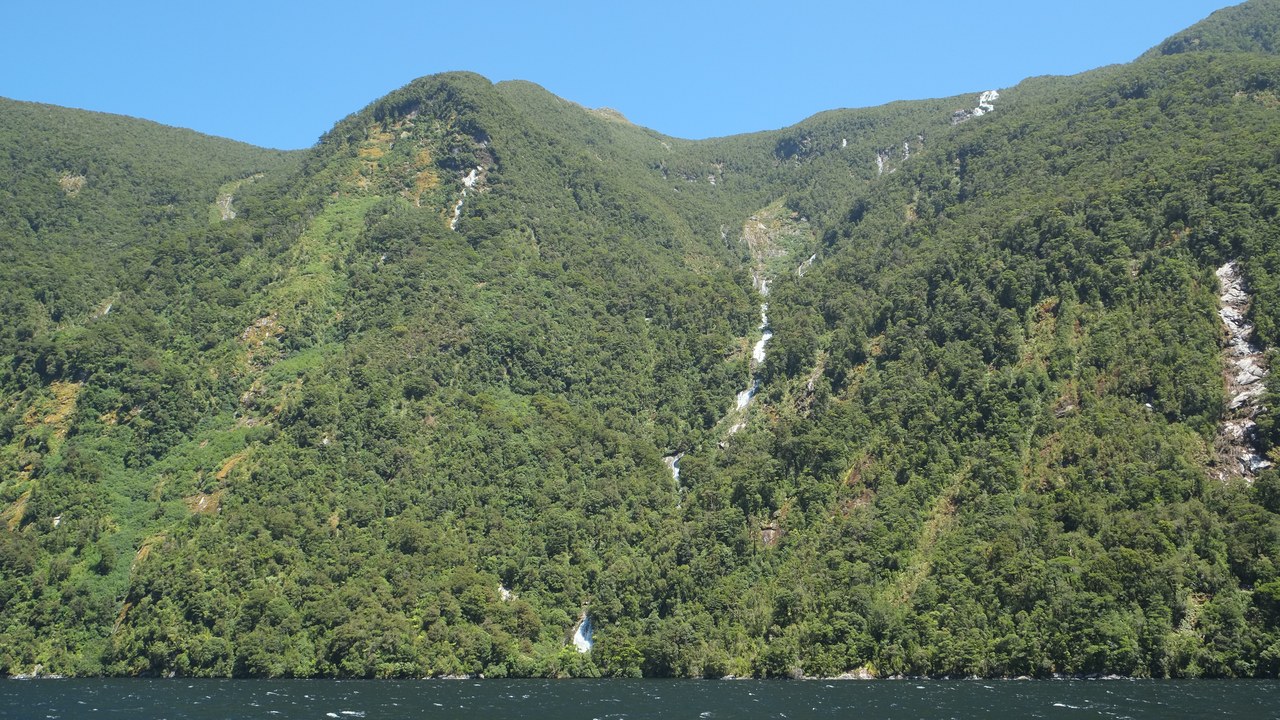
Browne Falls drops about 836 meters (2,743 feet) down a sheer rock face into Doubtful Sound in New Zealand’s Fiordland National Park, fed by a small alpine lake perched high above the water.
It is visible mainly from boats touring the sound, since no road or maintained trail reaches its base through the dense, steep-sided fiord terrain. Its flow varies sharply with rainfall, and after heavy storms the modest alpine-fed stream can swell into one of the most striking sights on the entire waterway.
7. James Bruce Falls: North America’s Tallest Fall
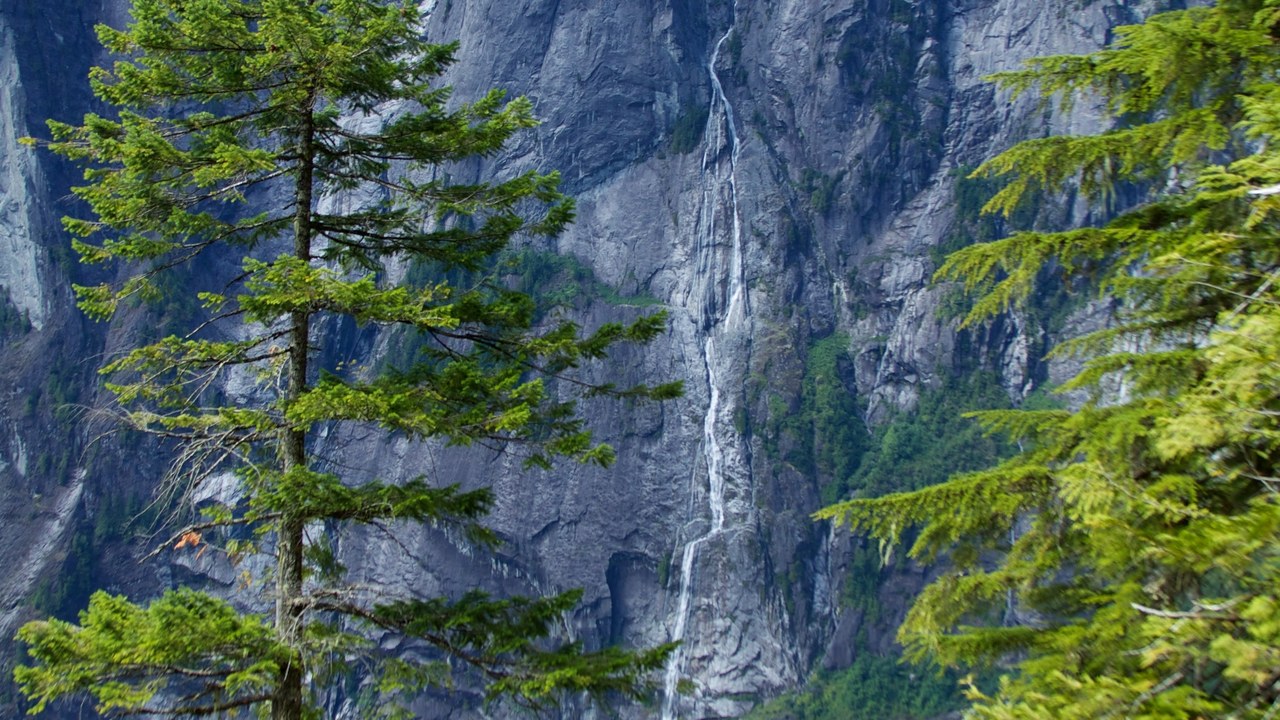
James Bruce Falls plunges about 840 meters (2,755 feet) down a granite wall into Princess Louisa Inlet in British Columbia’s coastal fiord country, the tallest waterfall recorded anywhere in North America.
Its flow is fed largely by seasonal snowmelt, so it runs strongest in late spring and early summer and can thin considerably by autumn. The inlet it empties into is accessible mainly by boat, and the falls’ full drop is best appreciated from the water rather than any road-accessible viewpoint nearby.
8. Gocta Cataracts: Peru’s Once-Secret Falls
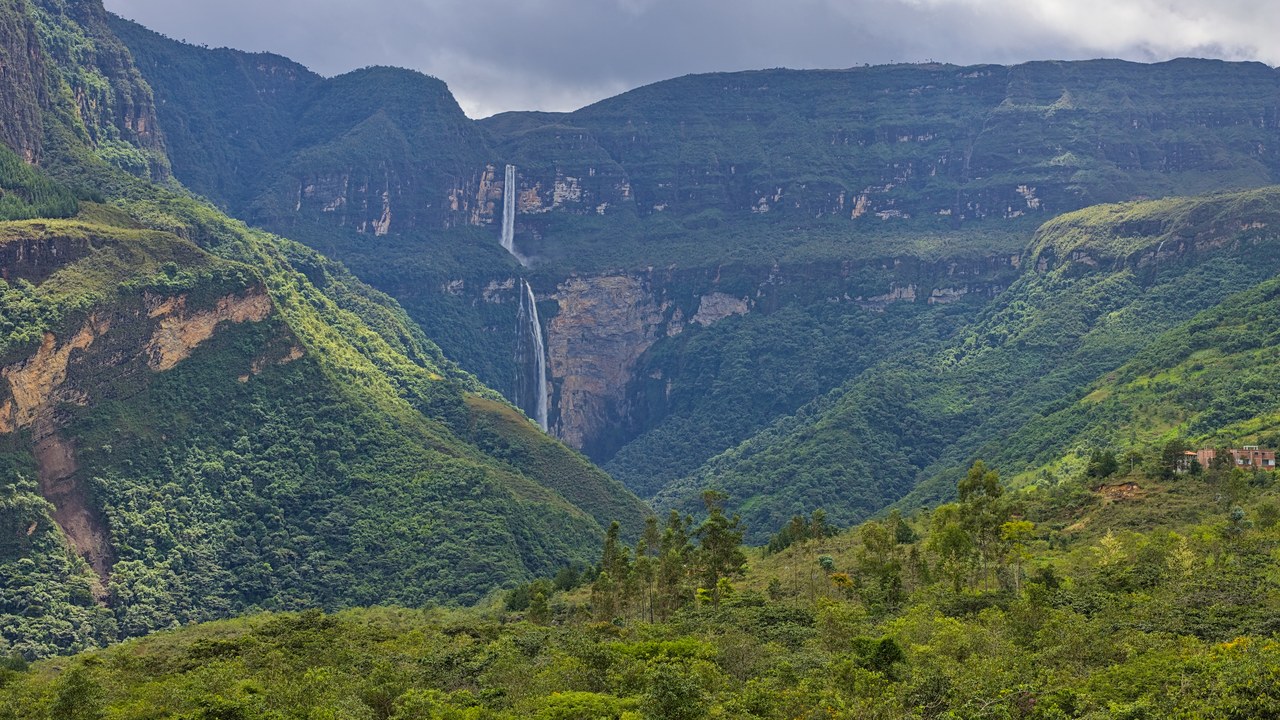
Gocta Cataracts falls in two tiers for a combined height of about 771 meters (2,530 feet) through remote Peruvian cloud forest, a landmark local villagers had long known but that stayed off outside maps until a 2005 survey publicized its scale.
That survey briefly made it a contender for one of the tallest waterfalls on Earth, a claim later tempered as researchers cataloged other equally tall falls worldwide. It now draws hikers on a multi-hour trail from the nearest village, a modest but growing alternative to Peru’s better-known tourist routes.
9. Kaieteur Falls: Guyana’s Powerful Single Drop
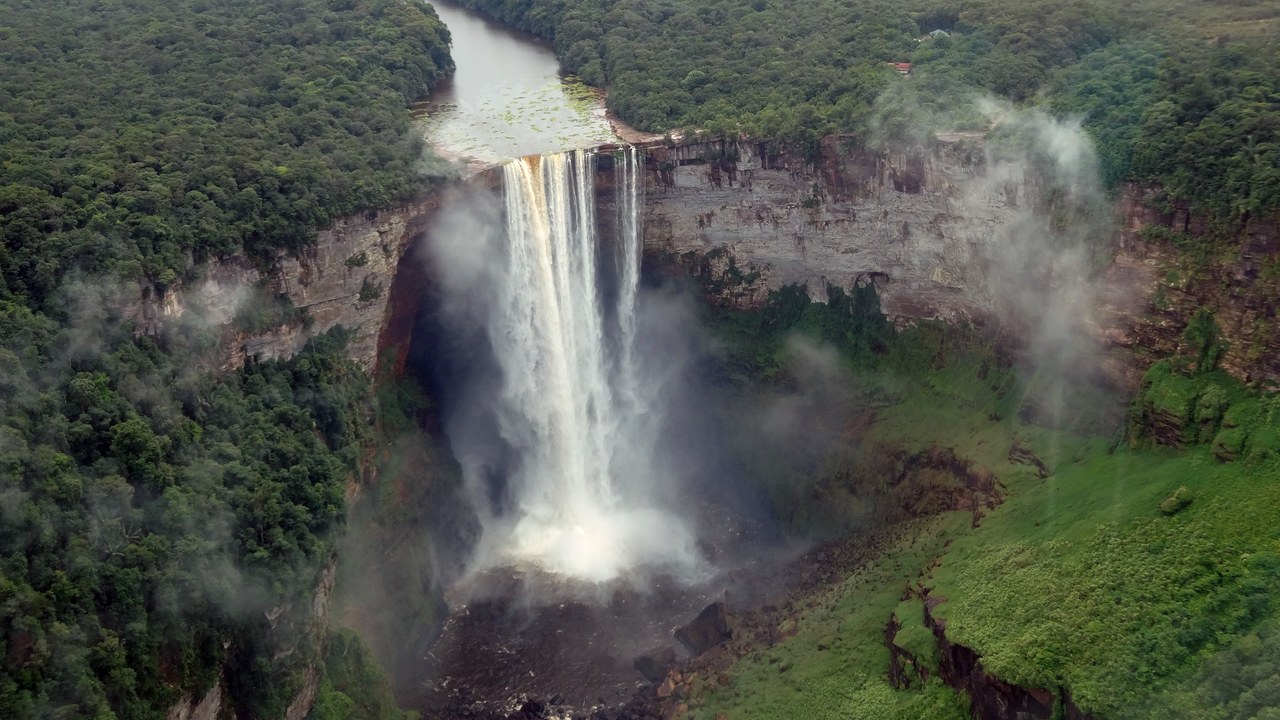
Kaieteur Falls sends the Potaro River over a single sheer drop of about 226 meters (741 feet) in Guyana’s interior rainforest, and its enormous water volume makes it one of the most powerful tall waterfalls anywhere.
Unlike many taller falls that thin into mist on the way down, Kaieteur keeps a dense, continuous curtain of water for the entire fall, generating a constant roar and drifting spray cloud. Its combination of height and volume gives it one of the largest single-drop water flows of any waterfall on the planet.
10. Sutherland Falls: Milford Track’s Triple Leap
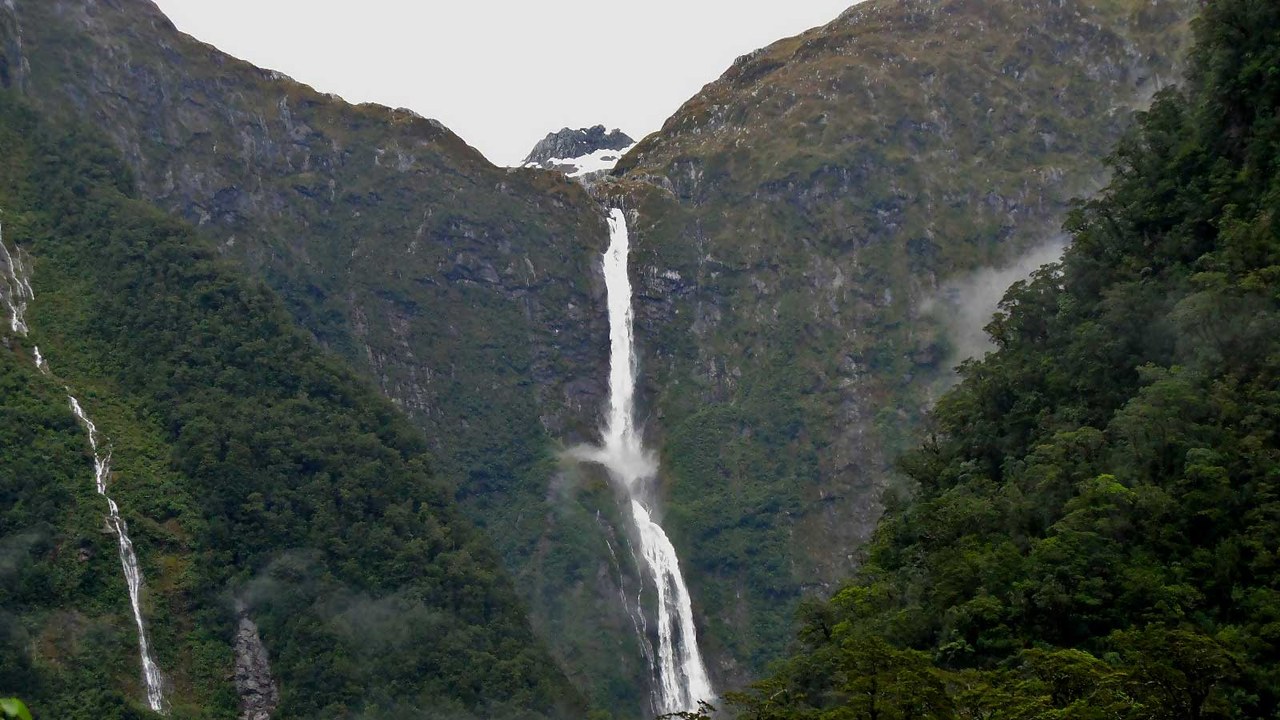
Sutherland Falls plunges about 580 meters (1,904 feet) in three distinct leaps down a sheer mountainside near New Zealand’s Milford Track, ranking among the tallest waterfalls in the country. It is fed by Lake Quill, a glacial tarn perched high above that spills steadily over the cliff edge.
For years the cascade was billed as New Zealand’s highest waterfall, and it endures as one of the nation’s most celebrated natural sights. Reaching the base takes real effort, since it is accessible only by a multi-day tramp along the famed Milford Track or a chartered floatplane, which keeps the crowds thin and the scenery wild.
More from Morning Overview
