
High-speed rail has quietly become one of the fastest ways to cross a country, with several wheel-on-rail trains now cruising at aircraft-like speeds. Japan, France, Germany, Spain, South Korea, Italy and China each run a flagship service built for speed, though one famous line was deliberately throttled back rather than pushed faster. Here are ten bullet trains moving passengers today, ranked by their real-world operating speeds.
1. China Railway CR400AF Fuxing: Fastest Wheels On Rails
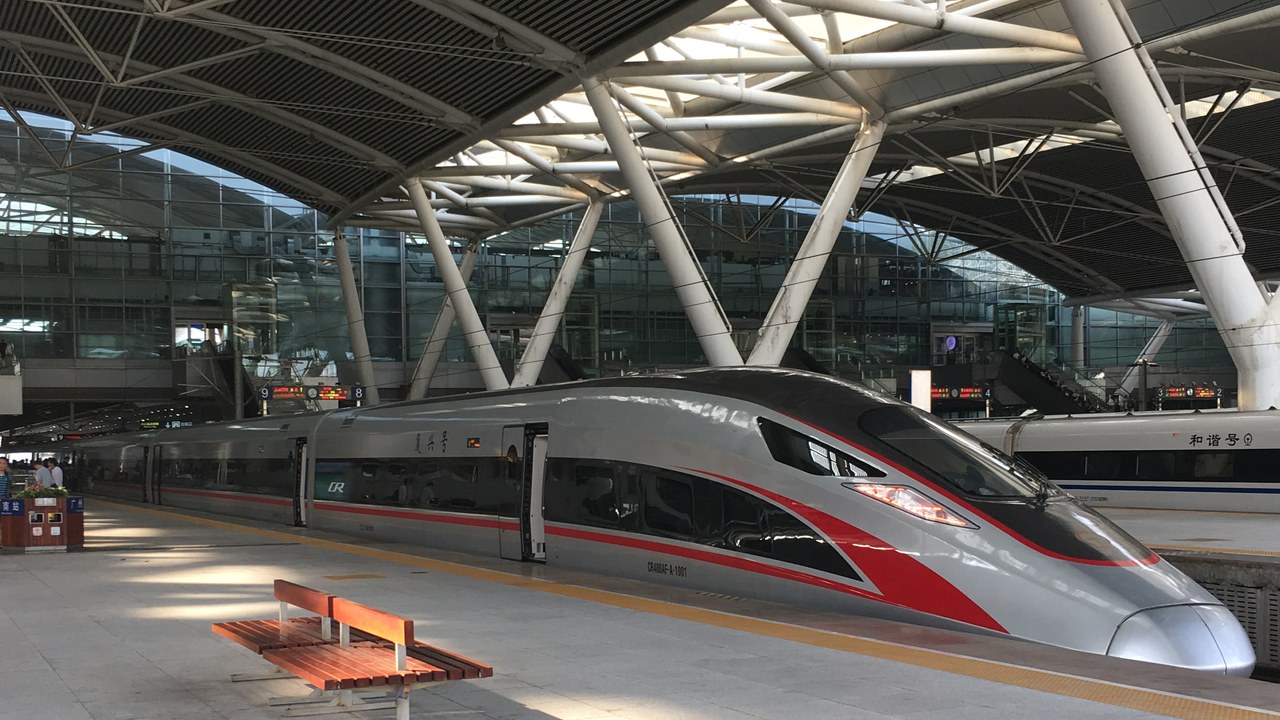
China Railway’s CR400AF Fuxing is the standard-bearer of the country’s high-speed network, and in daily service it operates at 350 km/h (217 mph), the fastest scheduled wheel-on-rail passenger speed anywhere on Earth. That figure comes from a worldwide speed comparison, which tracks the maximum operating speeds railways actually run rather than one-off test records.
Its successor, the CR450, is already designed for 450 km/h and expected to enter commercial service in 2026, so the Fuxing’s reign as the fastest train in regular operation looks set to be temporary rather than permanent for riders betting on China’s rail network staying on top.
2. JR East E5 Series Shinkansen: Japan’s Northern Express
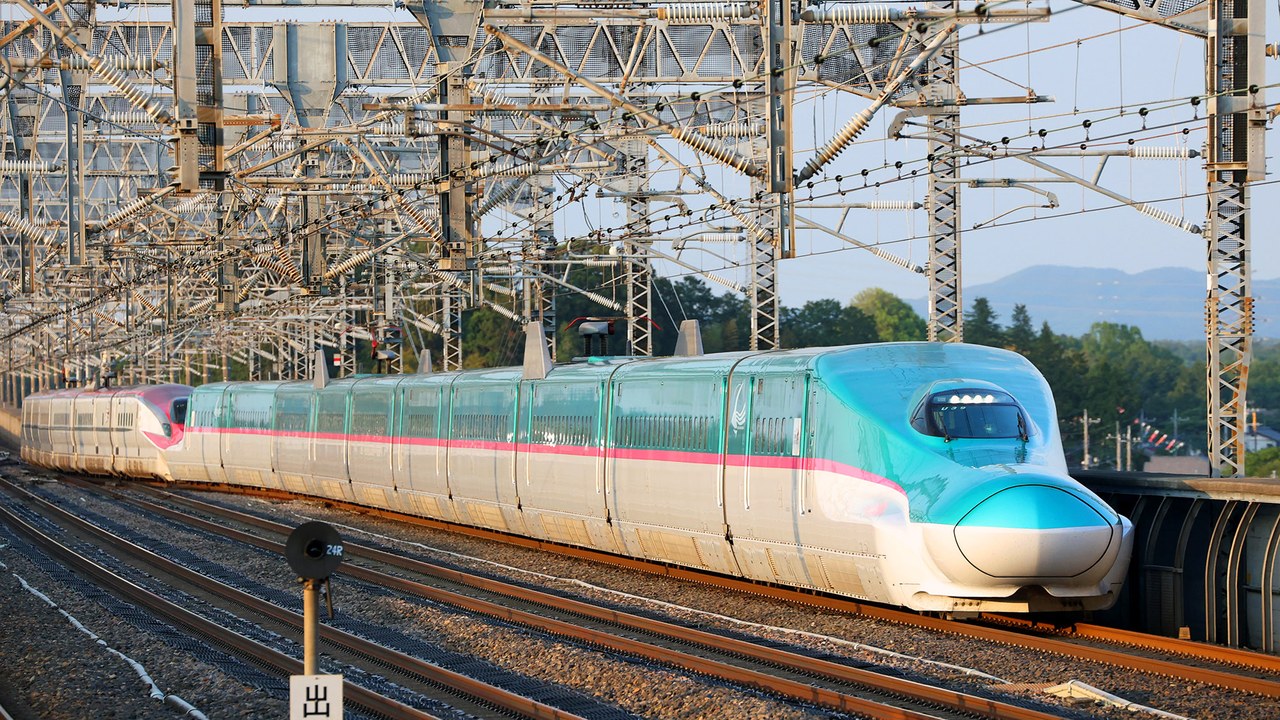
JR East’s E5 Series Shinkansen, known in service as the Hayabusa, reaches 320 km/h on the Tokyo–Shin-Aomori corridor, a 714-kilometer route it covers at the top end of Japan’s bullet-train speeds. The ranking comes from a 2025 speed comparison of the world’s fastest scheduled services.
The Shinkansen network is famous for punctuality as much as speed, and the E5’s sleek, elongated nose was engineered to cut tunnel boom noise on Japan’s densely populated northern lines, a design trade-off that let it push toward 320 km/h without disturbing communities along the route.
3. SNCF TGV inOui: France’s High-Speed Pioneer
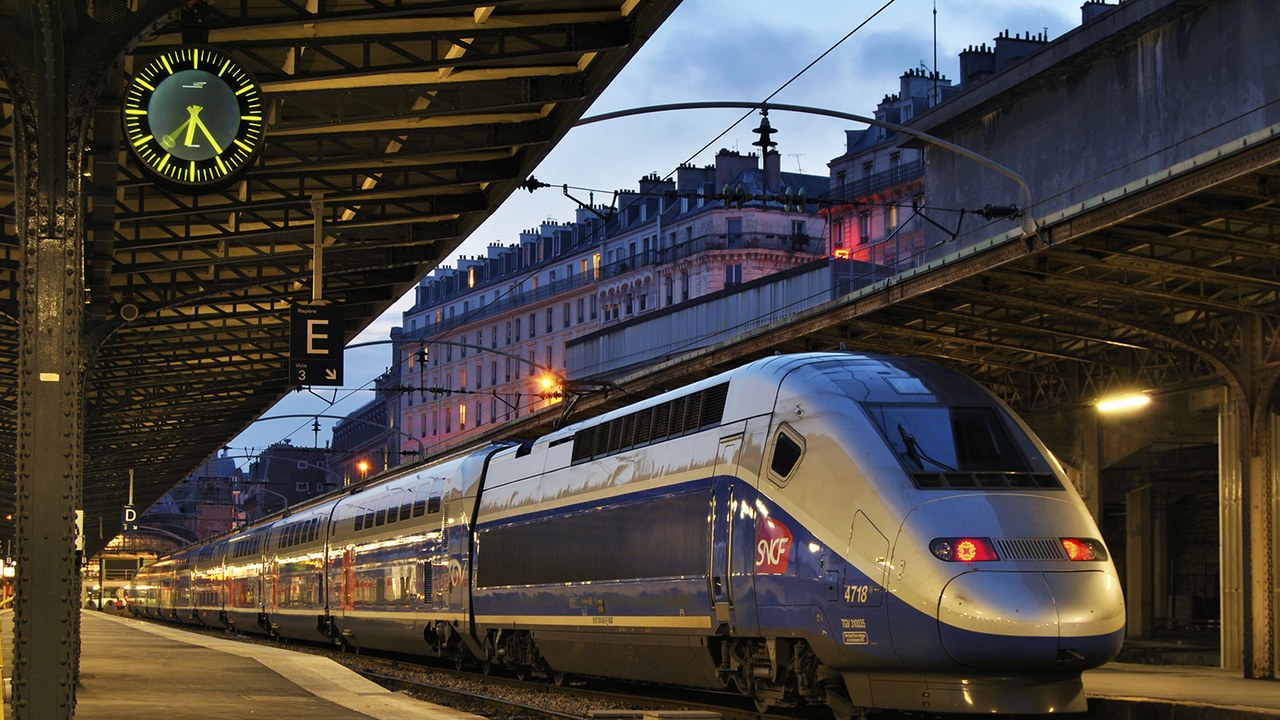
SNCF’s TGV inOui service operates at 320 km/h across the Paris–Lyon–Marseille corridor, one of the routes that made France a pioneer of high-speed rail decades before most countries had built a single dedicated line. The figure is drawn from a global bullet-train ranking.
The TGV brand dates back to the early 1980s, and the double-decker inOui trainsets now in service still trace their aerodynamic shape to that original design lineage, proof that a decades-old engineering approach can keep pace with newer bullet trains built long after it debuted.
4. Deutsche Bahn ICE 3: Germany’s Steady Flyer
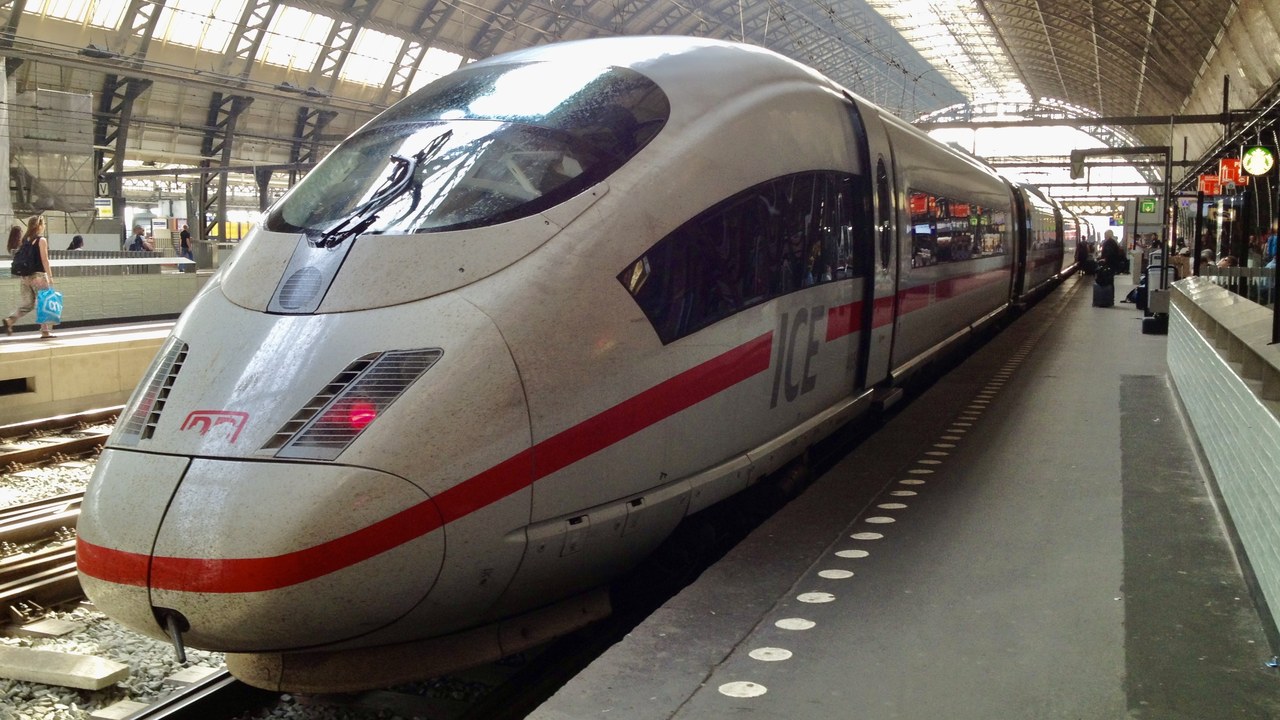
Deutsche Bahn’s ICE 3 fleet cruises at 320 km/h on Germany’s fastest lines, the same top speed as France’s TGV, and just behind the Japanese and Chinese leaders on this list. That places it among the world’s fastest bullet trains currently carrying passengers.
The ICE 3 was built with distributed traction spread under the whole train rather than concentrated in locomotives at each end, an engineering choice that helps it climb the steep grades on some German routes without sacrificing the high cruising speed it needs to compete with neighboring countries’ networks.
5. Korail KTX-Sancheon: Korea’s Homegrown Speedster
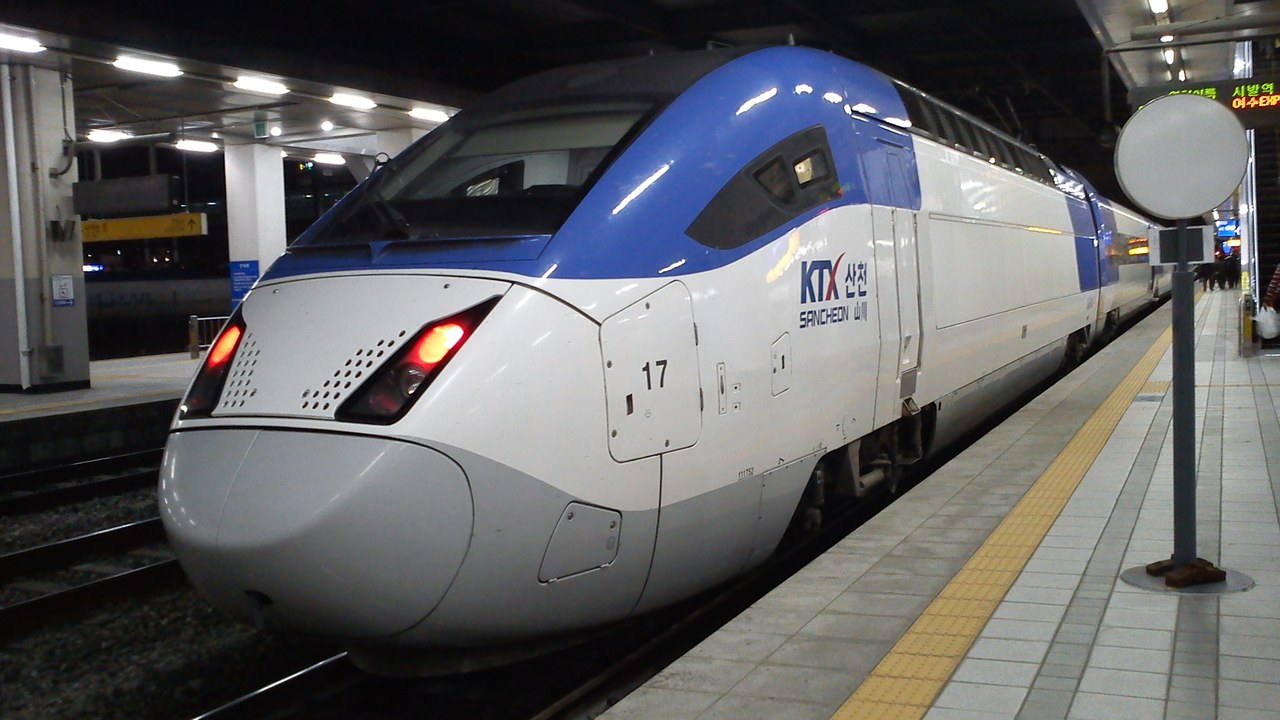
Korail’s KTX-Sancheon, South Korea’s first domestically designed bullet train, runs the Seoul–Busan line at 305 km/h, covering the roughly 440-kilometer route in a fraction of the time a highway drive would take. The speed comes from a global speed ranking.
Before the Sancheon, South Korea relied on French-built TGV technology for its original KTX trains, so the homegrown model marked a shift toward building high-speed rail expertise domestically rather than importing it, a step several other countries chasing 300 km/h service have not yet taken.
6. Shanghai Maglev: Slowed Down On Purpose
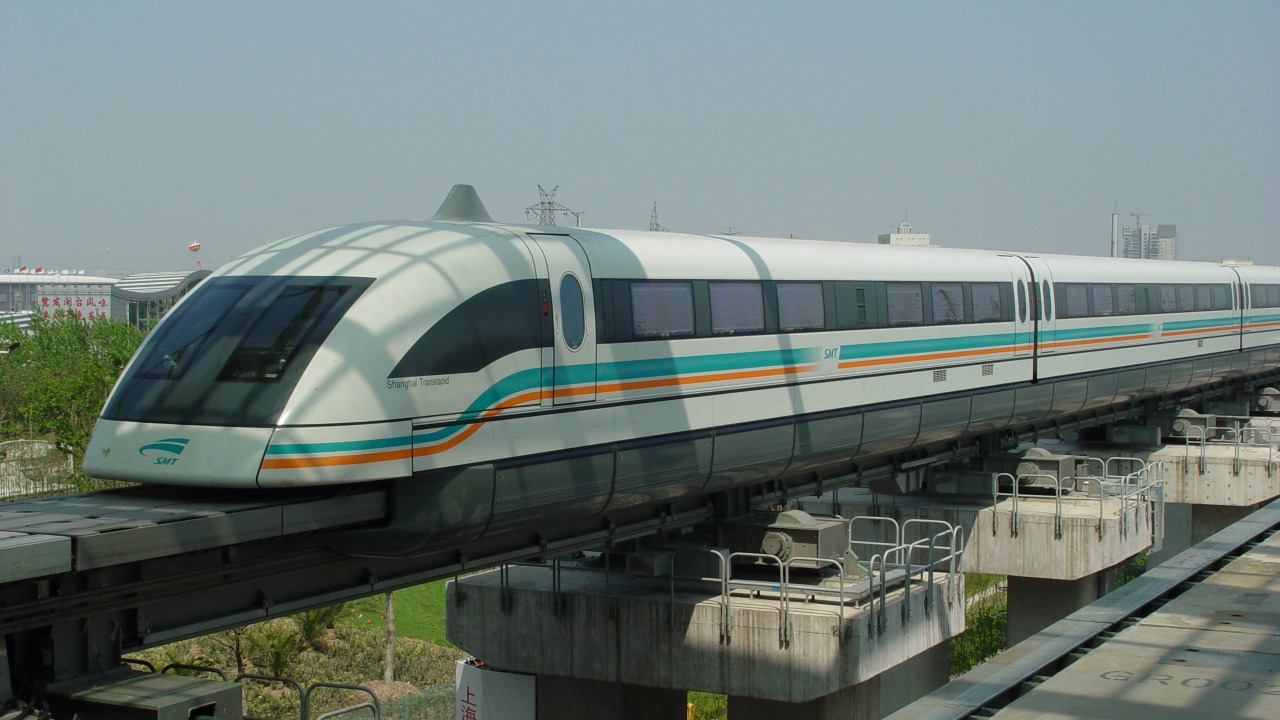
The Shanghai Maglev, the short magnetic-levitation line connecting Pudong Airport to the city, once ran at a blistering 431 km/h, faster than any wheel-on-rail train on this list. Since May 2021 it has operated at a capped 300 km/h, according to a global high-speed rail list.
The slowdown was deliberate rather than a sign of mechanical trouble, an unusual case of an operator choosing to dial back a record-setting speed instead of chasing an even faster one, which makes the Shanghai line the rare entry on this list that got slower on purpose rather than faster.
7. Trenitalia Frecciarossa 1000: Italy’s Flagship Run
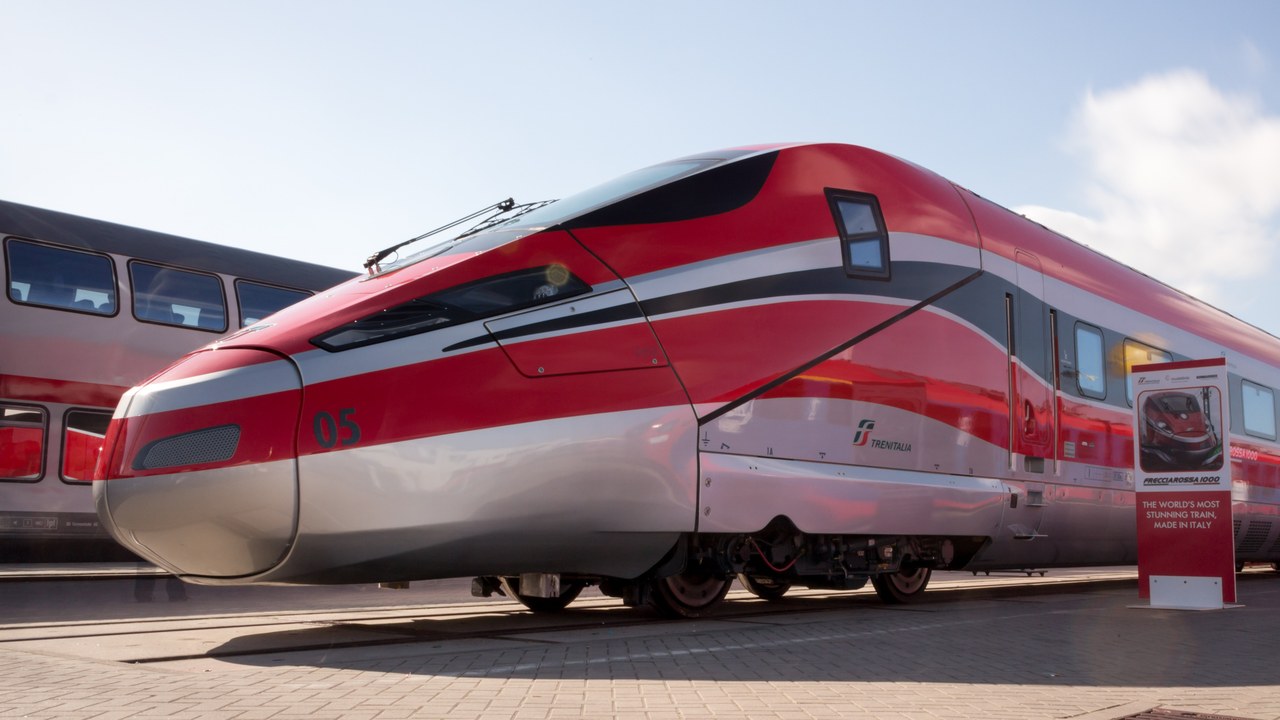
Trenitalia’s Frecciarossa 1000, built on the ETR 1000 platform, is Italy’s flagship bullet train and operates at 300 km/h on the country’s high-speed spine linking Milan, Florence, Rome and Naples. That speed places it in the same 300 km/h tier as several other trains in the global high-speed rail rankings.
The Frecciarossa 1000 runs alongside Italo, a private open-access operator competing on the same Milan-to-Naples corridor, a rare arrangement in European rail that has pushed both companies to keep frequencies high and fares competitive rather than settling for a single state-run service.
8. Eurostar e320: Under The Channel
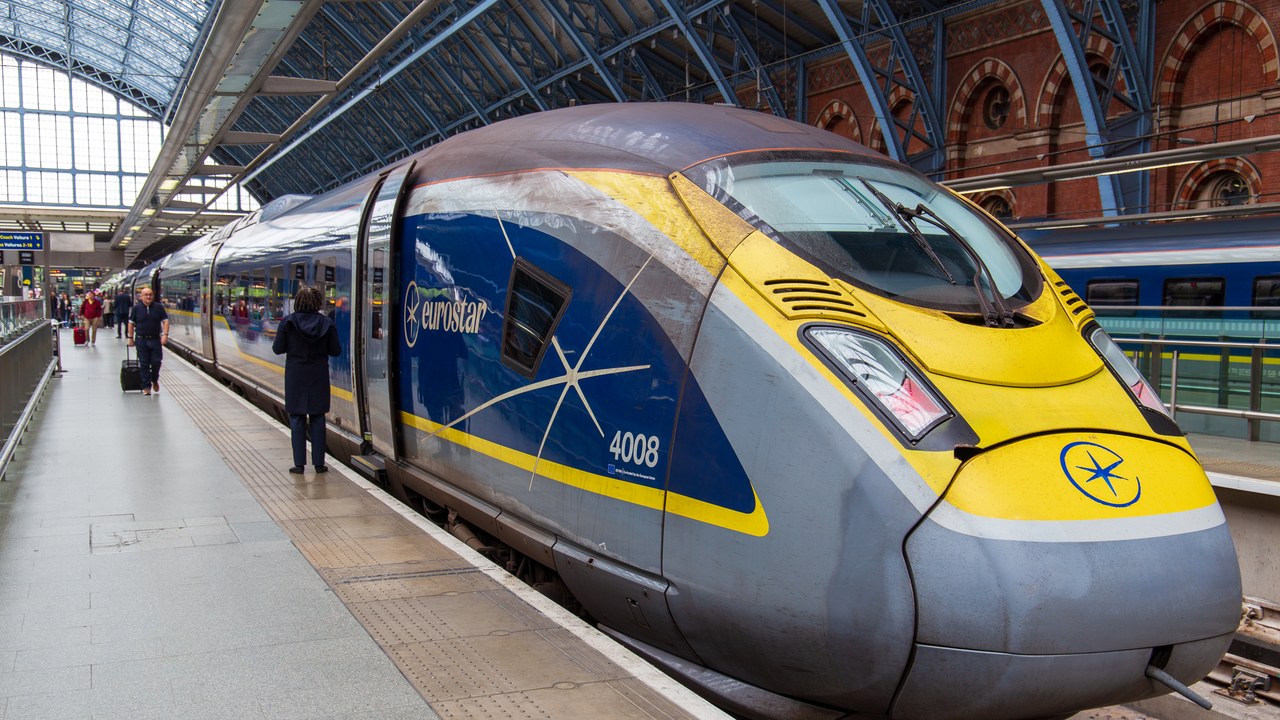
Eurostar’s e320 fleet runs at up to 300 km/h (190 mph) on the route linking London, Paris and Brussels, including the stretch that passes beneath the English Channel in the Channel Tunnel. The figure appears in a global high-speed comparison.
Unlike most entries on this list, the e320 spends part of its fastest running underground and undersea rather than on open track, which makes it one of the few bullet trains anywhere that reaches near-300 km/h speeds while carrying passengers between three different countries on a single journey.
9. Renfe AVE Class 103: Spain’s Record-Setting Velaro
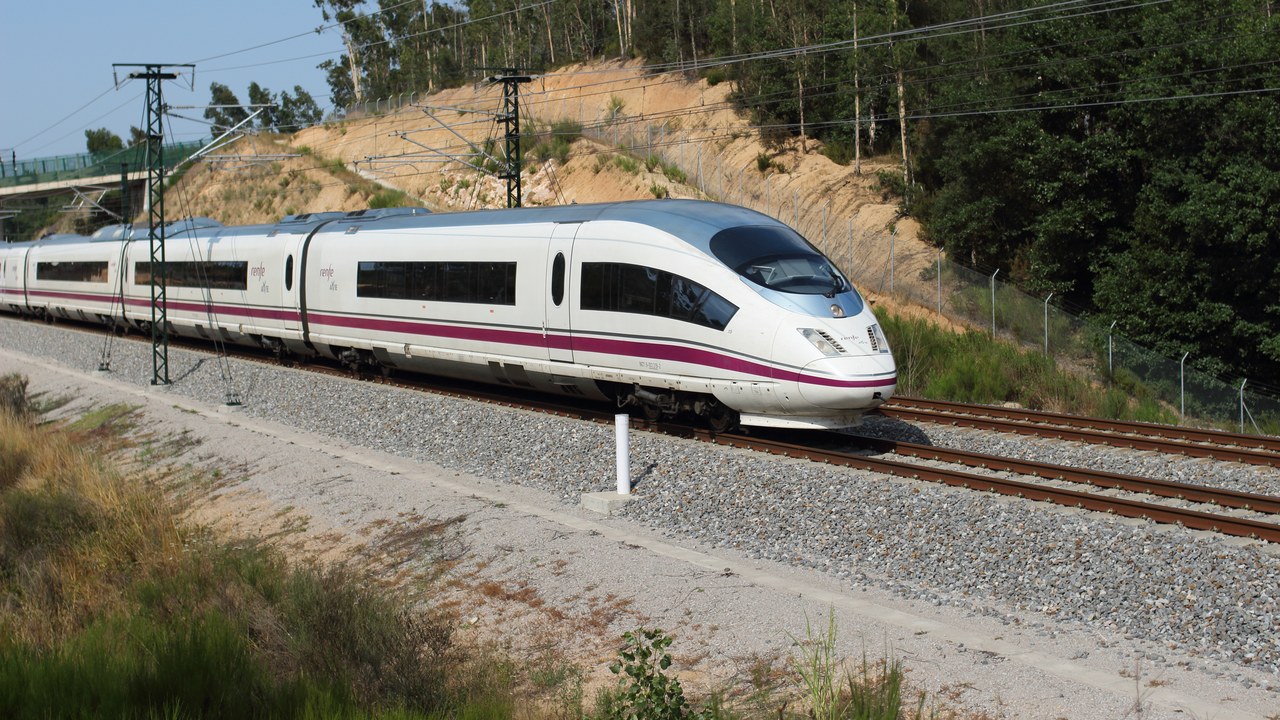
Renfe’s AVE Class 103, a Siemens Velaro built for Spain’s high-speed network, operates at 300 km/h on the Madrid–Barcelona line and once reached 403.7 km/h during pre-service testing, a record for the type. Details come from its Wikipedia entry.
That test run puts the Velaro-based Class 103 far ahead of its everyday 300 km/h service speed, illustrating a common pattern in high-speed rail: manufacturers push demonstration trains to record velocities under closed conditions long before any passenger train is allowed to run anywhere near that fast in daily commercial operation.
10. JR Central N700S Shinkansen: Japan’s Safety Record
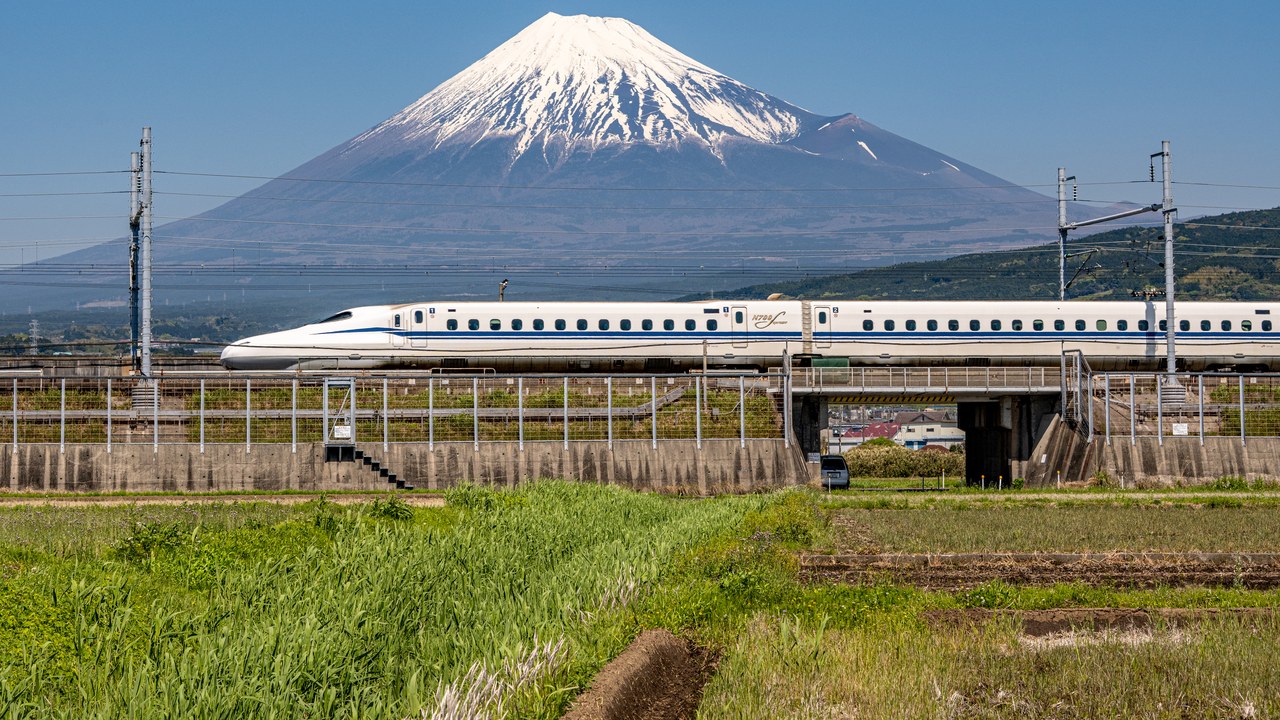
JR Central’s N700S Shinkansen tops out at 285 km/h on the Tokaido line between Tokyo and Osaka, the slowest top speed on this list but still fast enough to make it one of the world’s busiest bullet-train corridors. The safety record comes from JR Central’s own company site.
JR Central says the Tokaido Shinkansen has never had a passenger fatality or injury aboard one of its trains since service began, a safety claim rarely matched by any other mode of long-distance travel and one that helps explain why the line remains the model other countries study when planning their own bullet-train networks.
More from Morning Overview
- The NSA is again telling phone owners to switch off one location setting
- Supplements now rank as the fifth-leading cause of death from liver disease.
- Herbal supplements are landing Americans in the hospital with liver damage, doctors warn
- General Motors is switching on cameras that record inside your vehicle by update
